Did you know that nearly 40% of men face urological issues by 40? Urology care is key for men’s health. It tackles everything from benign prostatic hyperplasia to sexual health problems.
At GW Hospital, we know how vital urology is for men’s health. Our services aim to make you feel comfortable. We use the latest technology and offer caring treatment for various urological symptoms.
Key Takeaways
- Urology is essential for men’s health, covering many issues.
- Men often deal with urinary and sexual health problems.
- Our advanced urology care uses the latest technology.
- Specialized urology services can greatly enhance your life quality.
- Getting urology care is a smart move for your overall health.
What Is Urology and Who Is a Urologist?<image2>
Urology is a medical field that focuses on the urinary tract and male reproductive system. It’s key for treating health issues in both men and women. It’s very important for men’s health.
Defining Urology and Its Importance
Urology studies and treats problems with the kidneys, bladder, and male organs. It’s vital because it helps with many health problems. This includes urinary tract infections and prostate cancer.
Knowing about urology helps us see its role in keeping us healthy.
The Role of a Urologist in Men’s Health
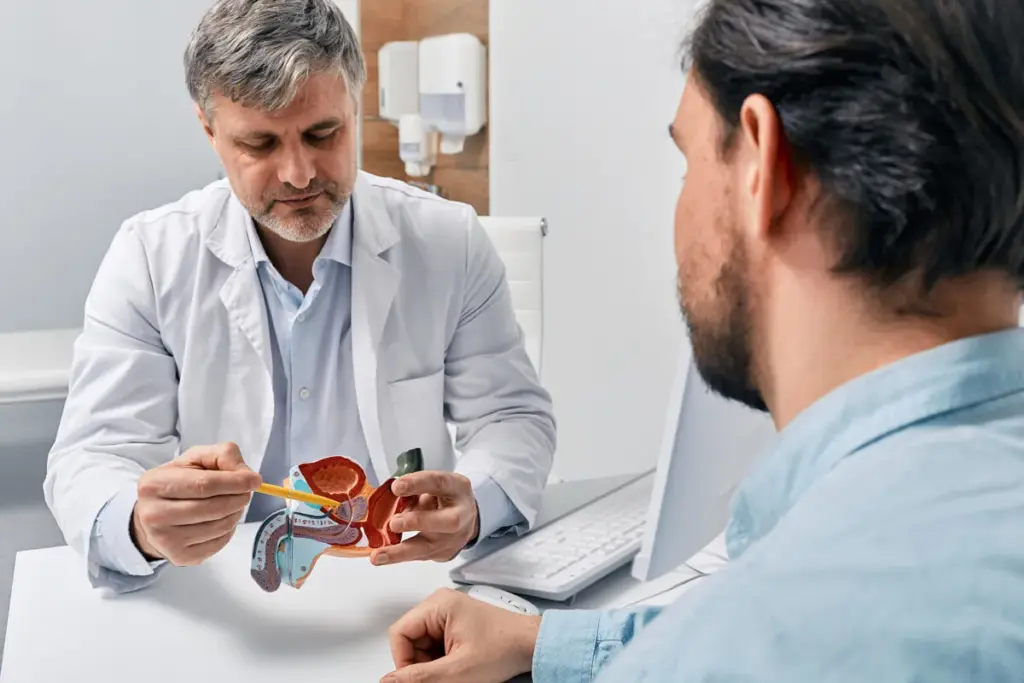
A urologist is a doctor who deals with urinary and male reproductive system issues. They are key in men’s health. They treat problems like erectile dysfunction, prostate issues, and urinary incontinence.
Urologists use both surgery and non-surgical methods. They are essential for men’s health care.
Common Urological Symptoms Seen in Men<image3>
Urological symptoms are common in men and can point to health issues. These symptoms can really affect a man’s life. It’s important to know what they mean and get medical help.
Frequent Urination and Urgency
Men often face symptoms like needing to pee a lot and feeling urgent. Frequent urination means needing to pee more than usual. Urgency is a sudden, strong need to pee. These can be due to:
- Urinary tract infections (UTIs)
- Benign prostatic hyperplasia (BPH)
- Diabetes
- Certain medications
Finding the cause of these symptoms is key to the right treatment. For example, UTIs need antibiotics, while BPH might need medicine or other treatments.
Pain or Discomfort During Urination
Pain or discomfort while peeing is another big symptom. It can feel like burning, pain, or trouble peeing. Causes include:
- Urinary tract infections
- Kidney stones
- Prostatitis
- Urethritis
As a medical expert says, “Don’t ignore painful urination. It could mean an infection or serious problem.” Seeing a doctor quickly is vital to find and treat the cause.
Men with these symptoms should see a urologist. They can figure out what’s wrong and help fix it. Early action can make a big difference and prevent worse problems.
Understanding Benign Prostatic Hyperplasia (BPH)
Men need to know about benign prostatic hyperplasia (BPH) as they get older. It affects their urinary health. BPH is when the prostate gland grows too big, but it’s not cancer. We’ll look at the symptoms, risk factors, and causes to understand it better.
Symptoms of BPH
The main symptoms of BPH are related to urination. You might need to go more often, feel urgent, have a weak flow, or struggle to start. This happens because the enlarged prostate gland presses on the urethra, making it hard to pee.
- Frequent urination
- Urgency to urinate
- Weak or interrupted flow of urine
- Difficulty starting urination
Risk Factors and Causes of BPH
Several things can make you more likely to get BPH. These include getting older, having a family history, and your lifestyle. Knowing these can help you prevent it.
|
Risk Factor |
Description |
Impact on BPH Risk |
|---|---|---|
|
Age |
Increasing age, specially after 40 |
Higher risk with increasing age |
|
Family History |
Men with a family history of BPH |
Increased likelihood of developing BPH |
|
Lifestyle Factors |
Diet, physical activity level, etc. |
Influences the risk; healthier lifestyle may reduce risk |
Prostate Health: Symptoms to Watch For
The prostate gland is vital for men’s health. Knowing about possible problems is important. It affects both urinary and reproductive health, making it key for men’s overall well-being.
Identifying Symptoms
Signs of prostate issues include trouble urinating, painful pee, and needing to pee a lot. These can really disrupt your day and need medical check-up if they don’t go away.
Other signs to watch for include:
- Weak or interrupted urine flow
- Frequent urination, specially at night
- Pain or discomfort while urinating
- Blood in the urine or semen
The Importance of Screening
Regular prostate screening is key for catching problems early. It helps find issues before they get worse, leading to better treatment results.
Talk to your doctor about screening, if you’re over 50 or have a family history of prostate problems.
|
Symptom |
Description |
Potential Implication |
|---|---|---|
|
Frequent Urination |
Needing to urinate often, specially at night |
Possible sign of an enlarged prostate or BPH |
|
Difficulty Urinating |
Straining or taking a long time to urinate |
May indicate prostate enlargement or blockage |
|
Painful Urination |
Experiencing pain or discomfort while urinating |
Could be a sign of infection or prostate issue |
Impact of Urinary Tract Infections (UTIs) on Men
Urinary Tract Infections (UTIs) are a big health issue for men. They can cause discomfort and lead to serious problems if not treated right. We’ll look at the common symptoms and treatment options for men with UTIs.
Common Symptoms of UTIs in Men
Men with UTIs show different symptoms. Some common ones are:
- Painful Urination: A burning feeling when you pee is common.
- Frequent Urination: Needing to pee more often than usual.
- Abdominal Pain: Pain or discomfort in the lower belly.
These symptoms can really affect a man’s life, so getting medical help quickly is important.
Treatment Options for UTIs
Treating UTIs usually means taking antibiotics to kill the bacteria. It’s key to finish the whole antibiotic course as your doctor says. Sometimes, more tests are needed to find out why the UTI happened.
The Connection Between Urology and Sexual Health
Urology and sexual health are closely linked for men’s health. Urologists help diagnose and treat issues that affect both the urinary system and sexual function.
Erectile Dysfunction: Symptoms and Causes
Erectile dysfunction (ED) makes it hard to get or keep an erection for sex. Symptoms of ED include:
- Difficulty achieving an erection
- Inability to maintain an erection
- Reduced sexual desire
ED can be caused by many things, like vascular disease, diabetes, hormonal imbalances, and neurological disorders. Lifestyle choices like smoking, drinking too much alcohol, and not exercising can also play a part.
Signs of Other Sexual Health Issues
Urologists also deal with Peyronie’s disease, which causes a penis curve, and low testosterone, leading to less sex drive and other symptoms.
Other signs of sexual health problems include:
- Pain during sexual intercourse
- Abnormal curvature of the penis
- Decreased sexual desire
- Erectile dysfunction
Talking about sexual health can be tough, but it’s key to tackle these issues for a better life. Urologists offer caring and effective treatments for these conditions.
When to See a Urologist
Knowing when to see a urologist is key to your health. Urological problems can be mild or serious. They often need a doctor’s check-up.
Recognizing Serious Symptoms
Some symptoms need quick attention from a urologist. These include:
- Severe pain in the lower abdomen or back
- Difficulty urinating or painful urination
- Blood in the urine or semen
- Frequent or recurring UTIs (Urinary Tract Infections)
Ignoring these symptoms can lead to complications, such as kidney damage or prostate issues. If you notice any, see a doctor right away.
Routine Checks and Preventative Care
Regular urological checks are important for your health. They help find problems early. Preventative care includes:
- Annual prostate exams for men over 50
- Regular screenings for urinary tract issues
- Lifestyle counseling to prevent urological problems
As “Prevention is better than cure”, regular visits can catch issues early. This helps in treating them before they get worse.
In conclusion, knowing when to see a urologist is important for your health. By spotting serious symptoms and getting regular check-ups, you can keep your urological health in check.
|
Aspect |
Routine Care |
Emergency Care |
|---|---|---|
|
Purpose |
Preventative measures and early detection |
Immediate treatment for severe symptoms |
|
Examples |
Annual prostate exams, screenings |
Severe pain, difficulty urinating, blood in urine |
|
Benefits |
Early detection, prevention of complications |
Prompt relief, prevention of serious damage |
Lifestyle Changes for Better Urological Health
Good urological health is key to feeling your best. Making smart lifestyle choices can help a lot. By changing our daily habits, we can lower the risk of urological problems and live better.
Diet and Hydration
Eating right is important for your urological health. Eat more fruits, veggies, and whole grains to avoid kidney stones and urinary tract infections. Drinking enough water is also key. It helps get rid of harmful stuff in your urinary system.
Try to drink at least eight glasses of water a day. Adjust this based on how active you are and your personal needs.
Changing what you eat can also help with urological issues. Drink less caffeine and spicy foods to avoid bladder problems. Eating foods full of antioxidants and omega-3s is good for your urinary health too.
Exercise and Its Benefits
Exercise is vital for urological health. It boosts blood flow and lowers the risk of issues like erectile dysfunction and incontinence. Walking, cycling, and swimming are great because they’re easy on your body.
Staying at a healthy weight helps prevent problems like BPH. Adding pelvic floor exercises, like Kegels, can also help with bladder control and sex.
By making these lifestyle changes, you can improve your urological health and overall well-being. It’s about making choices that benefit you in the long run.
Conclusion: Prioritizing Urological Health
It’s very important to focus on urological health, which is key for overall well-being. This is even more true for men who face many urological issues. Talking well with a urologist is a big part of keeping good urological health.
Effective Urologist Communication
Having a plan to talk with your urologist is a smart move for your health. It means sharing your symptoms, asking questions, and understanding your treatment. This helps a lot.
Promoting Urology Awareness and Education
Knowing about urology and staying educated is very important. It helps prevent and manage urological problems. By being informed, men can spot symptoms early and get help fast.
We urge men to be active in their urological health. This means regular check-ups, a healthy lifestyle, and getting help when needed. Doing this can greatly improve their life and lower the risk of urological issues.
FAQ
What is urology?
Urology is a branch of medicine. It deals with the study, diagnosis, and treatment of disorders related to the urinary tract and male reproductive system.
What does a urologist do?
A urologist is a medical doctor. They specialize in the diagnosis, treatment, and surgery of disorders related to the urinary tract and male reproductive system. This includes conditions such as urinary tract infections, kidney stones, and prostate issues.
What are the common symptoms of urological issues in men?
Common symptoms include frequent urination, urgency, painful urination, weak urine flow, and difficulty starting or stopping urination. Men may also experience pain or discomfort in the pelvic area, erectile dysfunction, or other sexual health issues.
What is Benign Prostatic Hyperplasia (BPH)?
BPH is a non-cancerous enlargement of the prostate gland. It can cause urinary symptoms such as weak urine flow, frequent urination, and difficulty starting or stopping urination.
How is prostate health maintained?
Prostate health can be maintained through regular screening and check-ups with a urologist. A healthy diet and lifestyle changes such as regular exercise and not smoking also help.
What are the symptoms of a Urinary Tract Infection (UTI)?
Symptoms of a UTI may include painful urination, frequent urination, urgency, and abdominal pain. If left untreated, UTIs can lead to more serious complications.
How is erectile dysfunction treated?
Erectile dysfunction can be treated through lifestyle changes, medications, and other therapies. A urologist can help diagnose the underlying cause and recommend appropriate treatment options.
When should I see a urologist?
You should see a urologist if you experience symptoms such as painful urination, frequent urination, or erectile dysfunction. Routine checks and preventative care can also help maintain urological health.
How can I improve my urological health?
You can improve your urological health by maintaining a healthy diet, staying hydrated, exercising regularly, and not smoking. Regular check-ups with a urologist can also help identify and manage any issues.
What is the importance of regular screening for prostate health?
Regular screening can help detect prostate issues early, when they are more treatable. This can include prostate-specific antigen (PSA) testing and digital rectal exams.
Can lifestyle changes prevent urological issues?
Yes, lifestyle changes such as a healthy diet, regular exercise, and not smoking can help prevent urological issues and maintain overall health.
How do I create a communication plan with my urologist?
To create a communication plan, be open and honest about your symptoms and medical history. Ask questions and follow the recommended treatment plan. Regular check-ups can also help maintain a good relationship with your urologist.
Reference
National Center for Biotechnology Information. Evidence-Based Medical Insight. Retrieved from https://www.ncbi.nlm.nih.gov/books/NBK279393/