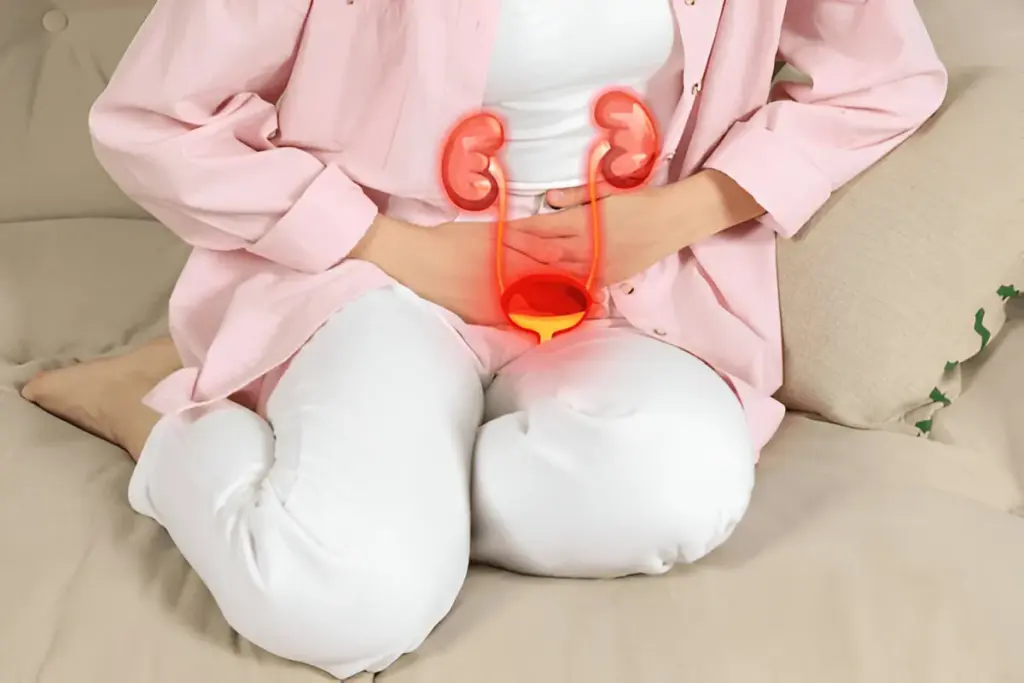
Urosepsis is a serious condition where a urinary tract infection (UTI) spreads to the blood. It happens when bladder infections are not treated right. This can lead to septicemia and even death.
When bladder infections are not treated well, we face a big health problem. A simple urinary tract infection can quickly turn into a deadly blood infection. This shows how important it is to get medical help fast.
Key Takeaways
- Urosepsis is a serious medical condition resulting from untreated or improperly treated urinary tract infections.
- Bladder infections can lead to urosepsis if not properly managed.
- Prompt medical attention is critical to stop UTIs from turning into septicemia.
- Knowing the risks of urosepsis helps in getting medical care on time.
- Being aware and educated is key to avoiding the serious effects of bladder infections.
What is Urosepsis and Why Does it Occur?

Urosepsis is a serious condition where bacteria from a urinary tract infection (UTI) get into the bloodstream. This leads to a body-wide infection. It shows how important it is to treat UTIs quickly and well.
Definition of Urosepsis
Urosepsis is a form of septicemia caused by a UTI. Bacteria from the urinary tract can enter the bloodstream. This can cause a severe infection that might lead to sepsis, a dangerous condition.
“Sepsis is a potentially fatal medical condition that occurs when the body’s response to an infection damages its own tissues and organs,” say doctors.
Causes of Urosepsis
The main reason for urosepsis is when bacteria from a UTI get into the bloodstream. This can happen for several reasons, including:
- Untreated or poorly treated UTIs
- Blockages in the urinary tract
- Abnormalities in the urinary tract
- Weakened immune systems
These factors can make it more likely for bacteria to get into the bloodstream, causing urosepsis.
Risk Factors for Developing Urosepsis
Some people are more likely to get urosepsis. These include:
- Older adults, over 65 years old
- People with health problems like diabetes or kidney disease
- Those with urinary tract issues or blockages
- Individuals with weakened immune systems, like those on chemotherapy or with HIV/AIDS
Knowing these risk factors is key to preventing urosepsis. It also helps ensure quick medical help when needed.
The Link Between Bladder Infections and Urosepsis

Bladder infections can turn into urosepsis if not treated right away. We’ll look at how this happens and what symptoms to watch for.
How Bladder Infections Lead to Urosepsis
Bladder infections can move up to the kidneys, causing pyelonephritis. Or they can spread through the blood, leading to urosepsis. It’s important to treat bladder infections quickly to avoid these serious problems.
The bacteria from bladder infections, like Escherichia coli, can get into the blood. This can happen more often in people with certain health issues or blockages in the urinary tract.
Symptoms of Bladder Infections
Knowing the signs of bladder infections is key to stopping them from getting worse. Common signs include:
- Frequent urination
- Pain or burning when you pee
- Abdominal pain or discomfort
- Cloudy or smelly urine
These signs can get worse and might include fever or blood in your pee. It’s important to see a doctor if you notice these symptoms.
Progression to Urosepsis
If a bladder infection isn’t treated or doesn’t get better, it can turn into urosepsis. This happens when the infection spreads to the blood, causing a big inflammatory response. Signs that you might have urosepsis include:
- High fever or feeling too cold
- Fast heart rate
- Fast breathing
- Feeling confused or disoriented
Urosepsis is a serious emergency that needs quick action. Getting bladder infections treated early can stop urosepsis before it starts.
Recognizing the Symptoms of Urosepsis
It’s key to spot urosepsis symptoms early for quick medical help. Urosepsis is a serious infection in the urinary tract. If not treated fast, it can cause serious problems.
Common Symptoms to Watch For
The signs of urosepsis can differ but often include fever, chills, and confusion. Other signs might be less obvious, like fatigue, nausea, or feeling really unwell. Knowing these signs is important because they can mean urosepsis is starting.
- Fever above 101.5°F (38.6°C)
- Chills or shaking
- Confusion or altered mental state
- Rapid heart rate
- Rapid breathing rate
Severe Symptoms Indicating an Emergency
In serious cases, urosepsis can be very dangerous. Signs that mean it’s an emergency include severe confusion, trouble breathing, or a big drop in blood pressure. If you see these, get medical help right away.
“Early recognition of sepsis is key to survival.”
— Dr. [Last Name], Critical Care Specialist
Importance of Early Diagnosis
Spotting urosepsis early is critical for treatment. Quick diagnosis lets doctors start the right treatments, like antibiotics and supportive care. This helps manage the condition and avoid lasting harm.
We stress the need to know the symptoms and get medical help if they show up. Quick action can greatly help those with urosepsis.
Who is Most at Risk for Urosepsis?
Urosepsis risk varies among different groups. Knowing who is most at risk is important. Factors like age, gender, and health conditions play a big role.
High-Risk Groups
Some groups face a higher risk of urosepsis. These include:
- Older adults, as aging can weaken the immune system and increase susceptibility to infections.
- Individuals with compromised immune systems, such as those with HIV/AIDS or undergoing chemotherapy.
- People with urinary tract abnormalities, like kidney stones or tumors.
As “The risk factors for urosepsis are multifaceted and include demographic, clinical, and environmental elements.” Knowing these factors helps identify who is most at risk.
Role of Age and Gender
Age and gender are key in determining urosepsis risk. Older adults face higher risks due to weaker immune systems and health issues. Women are more likely to get urinary tract infections (UTIs), which can lead to urosepsis if not treated.
“The female anatomy, with a shorter urethra, facilitates the entry of bacteria into the urinary tract, increasing the risk of UTIs.”
Pre-existing Health Conditions
Pre-existing health conditions raise the risk of urosepsis. Conditions like diabetes, kidney disease, and heart disease make it harder for the body to fight off infections.
“Patients with underlying health issues are not only more likely to develop urosepsis but also face a higher risk of severe outcomes.”
Managing these conditions well is key to preventing urosepsis.
Diagnostic Methods for Urosepsis
Getting a correct diagnosis for urosepsis is key. We use a mix of clinical checks, lab tests, and imaging to find out if you have an infection and how bad it is.
Urinalysis and Blood Tests
Urinalysis is a big part of diagnosing urosepsis. It looks at a urine sample for signs of infection. Blood tests, like complete blood counts (CBC) and blood cultures, check for bacteria in your blood and how serious the infection is.
These tests help us decide how to treat you. For example, a CBC shows if you have an infection by looking at your white blood cell count. Blood cultures find out what bacteria are causing the infection.
Test | Purpose | Indicators of Urosepsis |
|---|---|---|
Urinalysis | Detects infection in the urine | Bacteria, white blood cells, nitrites |
Blood Tests (CBC) | Assesses overall infection severity | Elevated white blood cell count |
Blood Cultures | Identifies bacteria in the bloodstream | Presence of pathogenic bacteria |
Imaging Techniques
Imaging like ultrasound, CT scans, or MRI helps us see if there are any problems in your urinary tract. These studies help us understand how bad the infection is and what treatment you need.
An ultrasound can spot kidney stones or blockages. A CT scan gives us detailed pictures of your urinary tract. This helps us find where the infection is coming from.
Importance of Timely Diagnosis
Getting a diagnosis for urosepsis quickly is critical. Early diagnosis means we can start the right treatment fast. This greatly improves your chances of getting better.
Waiting too long can lead to serious problems like sepsis, organ failure, and even death. So, it’s very important to see a doctor right away if your symptoms get worse or don’t go away.
Treatment Options for Urosepsis
Urosepsis treatment involves a mix of antibiotics, hospital care, and IV fluids. These steps help fight the infection and avoid serious problems. It’s important to tackle both the symptoms and the root cause.
Antibiotics and Their Role
Antibiotics are key in treating urosepsis. They target the bacteria causing the infection. Starting broad-spectrum antibiotics quickly is vital to lessen the infection’s impact. The antibiotic choice might change based on test results to ensure it works best.
Hospitalization and IV Fluids
Many patients with urosepsis need to stay in the hospital. This is true, even for severe cases. IV fluids are essential for managing low blood pressure and keeping organs working right. The amount of IV fluids given depends on the patient’s dehydration level and heart health.
Importance of Treating Underlying Infections
It’s critical to treat the infection causing urosepsis. This might involve antibiotics and sometimes surgery or draining infected areas. Finding and treating the infection source is key to stopping it from coming back and helping the patient get better.
Using a detailed treatment plan with antibiotics, hospital care, and support can help manage urosepsis well. It’s important to tailor treatment to each patient’s unique needs and situation.
Preventing Urosepsis from Bladder Infections
Preventing urosepsis starts with stopping bladder infections. Simple habits can greatly lower your risk of urosepsis.
Tips for Preventing Bladder Infections
Preventing bladder infections requires good hygiene and lifestyle changes. Drinking plenty of water is key. It flushes bacteria from your urinary tract.
Other tips include practicing good hygiene and avoiding irritating products. Also, urinate when you need to and don’t hold it too long.
Importance of Hydration
Staying hydrated is vital for urinary tract health. Adequate hydration keeps urine diluted and the tract flushed. This reduces bacterial risk.
Drink at least eight glasses of water a day. Your needs may change based on your activity, climate, and health.
Urinary Tract Health Practices
Good urinary tract health goes beyond hydration. Good toilet hygiene is important. Wipe from front to back to prevent bacteria.
Avoid irritating products and wear breathable clothing. These habits can lower your risk of bladder infections and urosepsis.
Prognosis: Can You Survive Urosepsis?
Surviving urosepsis needs good initial treatment and ongoing care. The chance of recovery depends on several things. These include how severe the infection is, how quickly and well it’s treated, and the patient’s health.
Factors Influencing Survival Rates
Several key factors affect survival rates for urosepsis patients. These include:
- Severity of Infection: The infection’s severity greatly impacts survival chances. Severe cases have lower survival rates if not treated quickly and well.
- Promptness of Treatment: Early diagnosis and treatment are key. Delayed treatment can increase mortality rates.
- Patient’s Overall Health: Those with underlying health issues or weakened immune systems face higher risks of poor outcomes.
Factor | Influence on Survival Rate |
|---|---|
Severity of Infection | Higher severity = Lower survival rate |
Promptness of Treatment | Early treatment = Higher survival rate |
Patient’s Overall Health | Poor health = Lower survival rate |
Long-term Health Consequences
Survivors of urosepsis may face long-term health issues. These include:
- Chronic Kidney Disease: Urosepsis can harm the kidneys, leading to chronic kidney disease.
- Recurrent Infections: Patients may face a higher risk of recurring urinary tract infections.
- Physical and Cognitive Impairments: Some survivors may have lasting physical and cognitive problems due to the infection’s severity and the body’s response.
Importance of Follow-Up Care
Follow-up care is vital for urosepsis survivors. It helps in:
- Monitoring for Complications: Regular check-ups can catch any complications early.
- Managing Long-term Effects: Healthcare providers can help manage any lasting health issues.
- Preventing Recurrence: Patients can get advice on avoiding future urinary tract infections and urosepsis.
Understanding survival factors and the role of follow-up care helps patients and healthcare providers improve outcomes for urosepsis survivors.
Frequently Asked Questions about Urosepsis
Urosepsis is a serious condition linked to urinary tract infections. It raises many questions about prevention, symptoms, and recovery. Let’s dive into these topics to better understand urosepsis.
Can Urosepsis Be Prevented?
Preventing urosepsis starts with knowing its causes and risk factors. Prompt treatment of urinary tract infections (UTIs) is key. Keeping the urinary tract healthy is also important.
Stay hydrated, urinate when needed, and keep clean. People at higher risk should be extra careful. Regular check-ups with healthcare providers can help catch UTIs early.
What Should You Do If Symptoms Occur?
If you have symptoms like fever, chills, or flank pain, seek medical attention immediately. Early treatment is critical. Don’t wait to see a doctor, as quick action can make a big difference.
Be ready to share your medical history, including recent infections. This helps doctors diagnose and treat urosepsis quickly.
Understanding the Recovery Process
Recovering from urosepsis means treating the infection and any complications. Antibiotics and supportive care are essential. For severe cases, hospitalization is often needed.
After leaving the hospital, follow-up care is essential. Make sure to follow your treatment plan and keep all appointments. This helps manage long-term health issues.
Conclusion: Importance of Awareness and Treatment
Urosepsis is a serious condition that can be life-threatening. It comes from untreated or severe bladder infections. It’s key to raise awareness and take proactive health steps to manage and prevent it.
Key Takeaways
Knowing the causes, symptoms, and risks of urosepsis is important. We’ve talked about how bladder infections can lead to urosepsis. We’ve also covered how to diagnose and treat it, and how to prevent it.
Taking Proactive Steps
By staying informed and practicing healthy habits, you can lower your risk of urosepsis. This means keeping your urinary tract healthy, knowing the signs of bladder infections, and getting medical help quickly.
Promoting Health Awareness
We urge everyone, but those at higher risk, to be proactive about their health. By spreading awareness about urosepsis, we can all help prevent it. And make sure those who get it get the right treatment fast.
FAQ
What is urosepsis and how does it occur?
Urosepsis is a severe condition. It happens when bacteria from a urinary tract infection (UTI) get into the bloodstream. This leads to septicemia. It’s a serious problem that can happen if UTIs are not treated right.
Can urosepsis be prevented?
Yes, you can prevent urosepsis by stopping bladder infections. Stay hydrated, keep clean, and take care of your urinary tract.
What are the symptoms of urosepsis?
Symptoms of urosepsis range from common signs like fever and chills to severe signs like septic shock. This is a medical emergency. It’s important to catch it early to avoid serious problems.
Who is most at risk for developing urosepsis?
Older adults, certain gender groups, and people with health problems are more likely to get urosepsis.
How is urosepsis diagnosed?
Doctors use tests like urinalysis and blood tests, and imaging studies to diagnose urosepsis. Quick diagnosis is key to treating it well.
What are the treatment options for urosepsis?
Treatment for urosepsis includes antibiotics, hospital care, and IV fluids. It’s important to treat the infection to avoid more problems.
Can you survive urosepsis?
Survival chances for urosepsis depend on how severe it is, how quickly and well it’s treated, and the patient’s health.
What are the long-term health consequences of urosepsis?
Urosepsis can cause long-term health issues if not managed right. It’s important to follow up to watch for and deal with any complications.
How long does it take for a UTI to develop into a kidney infection?
How long a UTI takes to turn into a kidney infection varies. If not treated, a UTI can become a kidney infection, which can lead to urosepsis.
Can a UTI kill you?
Yes, a UTI can be deadly if not treated or treated wrong. It can turn into urosepsis, which is very serious.
What happens if a UTI goes untreated?
Untreated UTIs can turn into kidney infections and then urosepsis. This is a serious and life-threatening condition.
How long can a UTI last without treatment?
The time a UTI lasts without treatment varies. But, it can cause serious problems like kidney damage or urosepsis if not treated.
Will a UTI go away on its own?
Some UTIs might go away by themselves. But, it’s not safe to wait for this to happen. Untreated UTIs can lead to serious health issues.
References
Nature. Evidence-Based Medical Insight. Retrieved from https://www.nature.com/articles/nrmicro3432