Embolization procedures, like genicular artery embolization and uterine fibroid embolization, are very minimally invasive. This means patients can start moving around quickly. Can you walk after uterine fibroid embolization? Learn about the amazing, fast recovery times and vital tips for getting back on your feet.
Most patients can walk within hours after these procedures. This is because they are so minimally invasive. Studies show that over 70-80% of patients feel much better and can move around easily again.
At our institution, we’ve seen how advanced care helps patients recover fast. By using the latest techniques and technologies, we help patients get back to their normal lives quickly.
Key Takeaways
- Most patients can walk within hours after embolization procedures.
- Minimally invasive embolization procedures promote rapid recovery.
- Advanced protocols and multidisciplinary care enhance patient outcomes.
- Over 70-80% of patients experience rapid pain relief and restored mobility.
- Embolization procedures can significantly improve patient mobility and quality of life.
What is an Embolization Procedure?
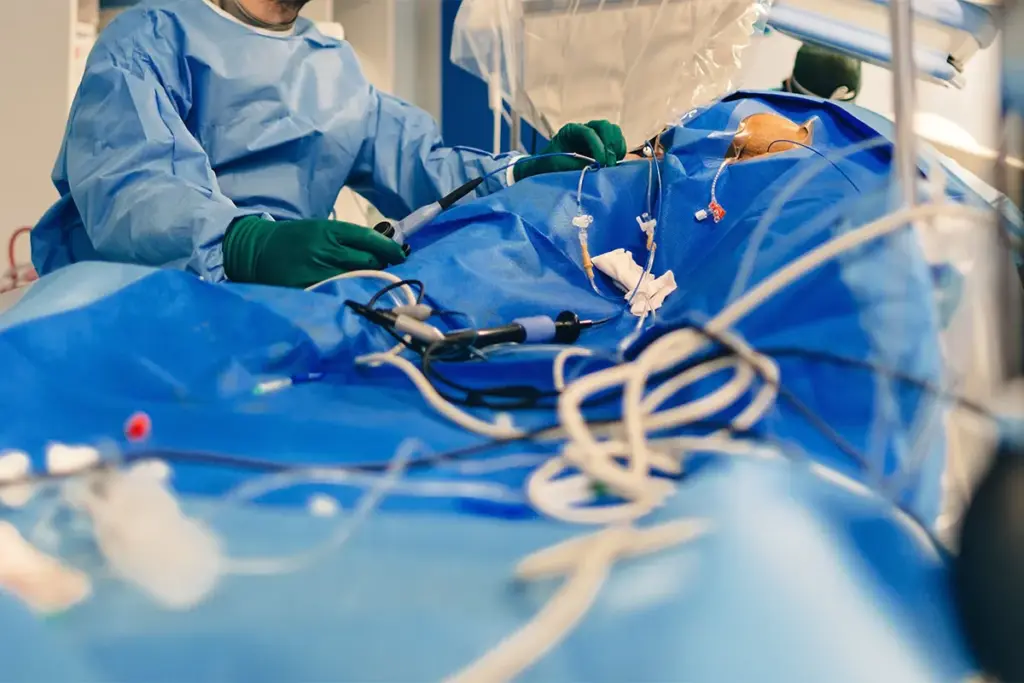
Embolization procedures have changed how we treat many medical issues. They offer a minimally invasive way to treat conditions like uterine fibroids and arthritic joints. This method blocks blood flow to the affected area.
The Science Behind Embolization
The science of embolization is about cutting off blood supply to specific areas. This helps reduce pain and heavy bleeding. For example, uterine fibroid embolization blocks blood to fibroids, causing them to shrink.
This method is precise and helps treat conditions without harming healthy tissue. It’s a promising way to treat various issues without the need for big surgeries.
Minimally Invasive Nature of Embolization
One big plus of embolization procedures is how minimally invasive they are. Unlike big surgeries, embolization uses a small catheter inserted through an artery. This is usually done in the groin or wrist.
This method means less recovery time because it causes less damage. For instance, genicular artery embolization for knee osteoarthritis is done on an outpatient basis. Patients can go home the same day and start recovering.
By being less invasive, embolization lowers the risk of complications. It also means patients can get back to their normal lives faster. This is great for those looking for effective treatments with fewer side effects.
Types of Embolization Procedures
Embolization procedures have evolved to address a variety of medical conditions with minimally invasive techniques. These procedures are designed to treat different health issues by cutting off blood supply to specific areas or organs.
Uterine Fibroid Embolization
Uterine Fibroid Embolization (UFE) is a procedure used to treat uterine fibroids, which are non-cancerous growths in the uterus. UFE involves injecting embolic material into the arteries that supply blood to the fibroids, effectively shrinking them and reducing symptoms.
Genicular Artery Embolization
Genicular Artery Embolization (GAE) is a relatively new procedure used to treat knee osteoarthritis. By embolizing the genicular arteries, GAE reduces inflammation and pain in the knee, providing an alternative to traditional treatments.
Cerebral Embolization
Cerebral embolization is used to treat certain conditions affecting the brain, such as arteriovenous malformations (AVMs). This procedure involves navigating a catheter to the brain and deploying embolic material to block abnormal blood vessels.
Other Common Embolization Procedures
Other types of embolization procedures include:
- Prostatic artery embolization for benign prostatic hyperplasia
- Bronchial artery embolization for severe hemoptysis
- Peripheral artery embolization for various conditions
Each of these procedures is tailored to address specific medical conditions, providing patients with minimally invasive treatment options.
|
Embolization Procedure |
Condition Treated |
Description |
|---|---|---|
|
Uterine Fibroid Embolization |
Uterine Fibroids |
Injecting embolic material into arteries supplying fibroids |
|
Genicular Artery Embolization |
Knee Osteoarthritis |
Embolizing genicular arteries to reduce inflammation and pain |
|
Cerebral Embolization |
Arteriovenous Malformations (AVMs) |
Deploying embolic material to block abnormal blood vessels in the brain |
We see that embolization procedures are diverse and are used to treat a range of conditions. Understanding these different types can help patients and healthcare providers make informed decisions about treatment options.
Uterine Fibroid Embolization: A Complete Overview
Uterine fibroid embolization (UFE) is changing how we treat fibroids. It’s a less invasive method that’s getting a lot of attention. This approach is effective in treating fibroids without major surgery.
Understanding Uterine Fibroids
Uterine fibroids are non-cancerous growths in or around the uterus. They can lead to heavy bleeding, long periods, and pain. Knowing about these growths helps us see why UFE is beneficial.
The UFE Procedure Step by Step
The UFE procedure has several key steps:
- Preparation: The patient is prepared, which includes local anesthesia.
- Access: A small incision is made in the groin to access the femoral artery.
- Catheter Insertion: A catheter is inserted through the incision and guided to the uterine arteries.
- Embolization: Embolic agents are injected to block the blood supply to the fibroids.
- Recovery: The catheter is removed, and the incision is closed.
Advantages Over Traditional Surgical Options
UFE has many benefits over traditional surgeries like hysterectomy or myomectomy. These include:
- Minimally Invasive: UFE uses a small incision, reducing recovery time.
- Preserves the Uterus: Unlike hysterectomy, UFE keeps the uterus intact.
- Less Risk: It has lower risks of complications compared to invasive surgeries.
For more detailed information on what to expect after the procedure, you can visit .
Immediate Post-Procedure Mobility Expectations
Knowing what to expect with mobility after embolization is key to a smooth recovery. We guide patients through this process. It’s important to have clear expectations for the first steps after the procedure.
First 24 Hours After Embolization
The first 24 hours are critical for a good recovery. Patients are encouraged to move gently and walk soon after. Early movement helps prevent blood clots and improves recovery.
Most can start walking a few hours post-procedure. The doctor will give specific advice based on the patient’s health and the procedure type.
Hospital Discharge Timeline
The time to leave the hospital varies by procedure and patient health. Those with uterine fibroid or genicular artery embolization might go home the same day or the next. The doctor will decide when it’s safe to go home.
|
Procedure Type |
Typical Discharge Time |
|---|---|
|
Uterine Fibroid Embolization |
Same day or overnight stay |
|
Genicular Artery Embolization |
Same day or overnight stay |
|
Cerebral Embolization |
Variable, often requires longer observation |
Initial Walking Recommendations
Start with short, gentle walks after embolization. Begin with small distances and increase as you feel better. Always follow the doctor’s walking advice.
Understanding mobility expectations helps patients prepare for recovery. Our team is here to provide care and guidance every step of the way.
Walking After Uterine Fibroid Embolization
Patients often ask when they can start walking again after uterine fibroid embolization. This procedure treats uterine fibroids and allows for quick recovery. It lets you walk soon after treatment.
Days 1-7: Early Recovery Phase
In the first week, you might feel some pain and tiredness. But, most women can walk a few days after the procedure. Start with short walks and increase distance and pace as you feel better.
Days 8-14: Returning to Normal Walking
By the second week, most women can walk like they normally do. Studies show big improvements in mobility by then. Always listen to your body and don’t rush recovery.
Clinical Data on Mobility Restoration
Research shows that UFE greatly improves mobility restoration after the procedure. The studies say UFE’s minimally invasive nature leads to faster recovery. Many patients get back to their usual activities in 8-14 days.
Every patient’s recovery is different. While studies give a general idea, always follow your doctor’s advice. This ensures the best recovery for you.
Mobility Following Genicular Artery Embolization
GAE is changing how we treat knee osteoarthritis. It not only cuts down on pain but also boosts mobility. This procedure is getting more attention for its success in treating knee osteoarthritis. This condition affects millions and can really limit how well you can move.
We’ll look at how GAE affects mobility, focusing on walking for knee osteoarthritis patients. We’ll also cover clinical studies and how to walk safely after the procedure.
Walking Timeline for Knee Osteoarthritis Patients
People getting GAE for knee osteoarthritis see their mobility get better slowly. Most can start walking a few days after the procedure. But, how fast you can walk again depends on your health and how bad your condition is.
- Right after the procedure, start walking under close watch.
- In the first week, slowly increase how far and how fast you walk.
- By 2-4 weeks, most see big improvements in pain and moving around.
Clinical Studies on GAE and Mobility
Many studies show GAE helps patients with knee osteoarthritis move better. 70-80% of patients see big improvements in symptoms and mobility after GAE.
A study in a top medical journal found patients who had GAE walked farther and felt less pain. This made their lives better overall.
Recommended Walking Progression
To get the most from GAE, start with short walks and gradually increase them. Start with walks of 5-10 minutes. Then, add 5 minutes every few days, based on how you feel and how much pain you’re in.
- Start with short walks of 5-10 minutes.
- Slowly add 5 minutes to your walks every few days.
- Watch your pain and adjust your walks as needed.
By following this plan, you can make the most of GAE. You’ll enjoy better mobility and less pain.
Cerebral Embolization and Walking Recovery
Recovery after cerebral embolization is complex and involves exercise. This procedure treats brain conditions like arteriovenous malformations (AVMs). It’s minimally invasive, but recovery needs careful management for the best results.
Special Considerations for Brain Procedures
Brain procedures, like cerebral embolization, are very delicate. They affect the brain’s sensitive tissue and can lead to complications. Patients must be watched closely for any neurological issues or other problems.
Key considerations include:
- Neurological status monitoring
- Management of possible complications
- Creating a personalized rehabilitation plan
Exercise-Oriented Rehabilitation Benefits
Exercise is key in recovering from cerebral embolization. It helps regain physical strength and mobility. It also aids in neurological recovery.
“Rehabilitation that includes exercise can significantly enhance recovery outcomes by improving physical function and reducing the risk of complications.”
Neurologist
Studies show that exercise can lower complication rates and improve life quality. A customized rehabilitation program helps patients regain independence and resume their daily activities.
Timeline for Resuming Normal Walking
The time it takes to walk normally again varies. It depends on the procedure’s complexity, the patient’s health, and any neurological issues.
|
Recovery Phase |
Timeline |
Activities |
|---|---|---|
|
Immediate Post-Procedure |
0-3 days |
Rest, limited mobility |
|
Early Rehabilitation |
3-14 days |
Gentle exercises, gradual mobilization |
|
Advanced Rehabilitation |
2-6 weeks |
Progressive walking, strength training |
It’s vital for patients to work with their healthcare team. They should create a personalized rehabilitation plan. This plan should meet their specific needs and promote the best recovery.
Pain Management Strategies to Improve Mobility
Managing pain well is key to getting back on your feet after an embolization. The type of embolization affects pain levels. Knowing this helps create a better pain plan.
Common Pain Experiences After Different Embolizations
People have different pain levels after embolization. For example, those who got uterine fibroid embolization (UFE) might feel cramps like menstrual cramps. On the other hand, those who had genicular artery embolization (GAE) for knee osteoarthritis might feel pain in their knee.
“The pain after embolization can be quite variable, but with the right management strategy, patients can significantly improve their comfort and mobility,” saysa renowned interventional radiologist.
Medication Options and Their Effects on Walking
There are many ways to manage pain after embolization. Nonsteroidal anti-inflammatory drugs (NSAIDs) are used to lessen inflammation and pain. For more intense pain, opioids might be given, but they’re watched closely because of possible side effects.
- NSAIDs help reduce inflammation and pain.
- Opioids are used for severe pain management.
- Muscle relaxants can help with muscle cramps and spasms.
Non-Pharmaceutical Approaches
There are also non-medication ways to manage pain and improve mobility. Physical therapy is often suggested to help patients regain strength and flexibility. Gentle stretching, strengthening exercises, and walking programs are very helpful.
A good pain management plan mixes medication with non-medication methods. This can greatly improve a patient’s recovery and mobility after embolization.
Physical Therapy and Rehabilitation After Embolization
Rehabilitation is key to helping patients regain strength and mobility after embolization. A well-structured rehabilitation program can greatly improve recovery outcomes. This is evident when we look at the various aspects of physical therapy after embolization procedures.
Initiating Physical Therapy
The timing for starting physical therapy after embolization varies. It depends on the procedure and the patient’s health. We usually recommend starting within a few days to a week after the procedure.
This early start helps prevent complications like deep vein thrombosis. It also promotes faster recovery.
It’s important to talk to your healthcare provider about when to start physical therapy. They will consider your individual recovery progress.
Targeted Exercises for Different Embolization Procedures
Each embolization procedure needs its own exercise program. For example, after uterine fibroid embolization (UFE), patients do gentle pelvic exercises and walking. These help improve circulation and strengthen the pelvic floor muscles.
Genicular artery embolization (GAE) for knee osteoarthritis focuses on knee exercises. These include straight leg raises, knee bends, and low-impact activities. The goal is to regain strength and flexibility in the knee.
Collaboration with Healthcare Professionals
Working with healthcare professionals is essential for successful rehabilitation. They provide personalized guidance and monitor progress. They also adjust the rehabilitation plan as needed.
By following a structured physical therapy program, patients can achieve better outcomes. They can return to their normal activities more quickly.
Potential Complications That May Affect Walking
Embolization is usually safe, but there are risks that can affect how you move. Knowing these risks helps you recover well and keep walking.
Procedure-Specific Complications
Each embolization method has its own risks. For example, uterine fibroid embolization (UFE) might cause infection or fibroid expulsion, which can make moving hard. Genicular artery embolization (GAE) for knee problems could lead to knee pain or swelling, making it hard to walk. Knowing these risks helps you get ready for recovery.
Warning Signs to Monitor
It’s key to watch for warning signs early. Look out for increasing pain, swelling, redness, or fever at the procedure site. Also, any changes in how you move or feel are important. For brain embolization, watch for signs like weakness, numbness, or trouble speaking.
When to Seek Immediate Medical Attention
If you have severe symptoms like trouble breathing, severe pain, or sudden mobility changes, get help right away. For brain embolization, look out for severe headaches, confusion, or weakness on one side. Quick action can prevent lasting harm and help you recover faster.
Following your doctor’s advice after the procedure and going to all follow-up visits is also key. Being informed and careful can lower the risk of problems and support your healing.
Returning to Daily Activities and Work
Recovering from embolization means slowly getting back to daily life and work. Patients will regain strength and mobility. This allows them to return to their usual routines.
Household Responsibilities Timeline
Patients can start with light household tasks a few days to a week after embolization. The exact time depends on the procedure and how fast the patient recovers.
For instance, after uterine fibroid embolization (UFE), patients can do light chores in 7-10 days. Those who had genicular artery embolization (GAE) might take the same amount of time to get back to normal activities.
|
Procedure |
Light Household Chores |
Strenuous Activities |
|---|---|---|
|
Uterine Fibroid Embolization (UFE) |
7-10 days |
4-6 weeks |
|
Genicular Artery Embolization (GAE) |
7-10 days |
4-6 weeks |
|
Cerebral Embolization |
Variable, typically longer than other procedures |
6-8 weeks or more |
Work Return Expectations
When to go back to work after embolization depends on the job and the procedure. Desk jobs might allow for an earlier return than jobs that require physical effort.
Most patients can go back to work in 1-2 weeks. But, this can vary based on the procedure’s complexity and the patient’s health.
Driving After Different Embolization Procedures
Driving is usually okay once the pain meds are stopped and the patient feels safe driving. The time to start driving again depends on the procedure.
For UFE, patients should not drive for at least 24 hours. After GAE, they might drive in a few days if they’re not in too much pain.
Exercise Progression Following Embolization
Recovering from embolization means slowly getting back to physical activities. This helps with healing and keeps you moving. It’s key to pick the right exercises and how hard to do them for a good recovery.
Safe Low-Impact Activities
Right after embolization, start with easy activities. These keep blood flowing and stop muscles from getting stiff. You can do:
- Gentle stretching exercises
- Short walks
- Light yoga or Pilates
These steps lower the chance of problems and boost your health.
Gradually Increasing Exercise Intensity
As you get better, you can do more intense exercises. Here’s how:
- Walk longer
- Add harder exercises to your routine
- Try resistance training
Listen to your body and don’t do too much too soon. Our team can help you safely increase your exercise.
Activities to Avoid During Recovery
While you’re recovering, stay away from activities that might hurt your healing. Avoid:
|
Activity |
Reason to Avoid |
Alternative |
|---|---|---|
|
High-impact exercises (e.g., running, jumping) |
May cause excessive strain on the treated area |
Low-impact aerobics or swimming |
|
Heavy lifting |
Can increase blood pressure and risk of bleeding |
Light weight training or resistance bands |
|
Bending or twisting |
May cause discomfort or injury to the treated area |
Gentle stretching or yoga |
Staying away from risky activities and doing safe, low-impact ones helps your recovery.
Following a custom exercise plan is vital for better recovery and mobility after embolization. This way, patients can get back to their usual activities and enjoy better health.
Long-term Mobility Outcomes After Embolization
We look at how embolization affects patient mobility and quality of life over time. More and more, embolization is seen as a way to improve mobility and overall health for the long haul.
Sustained Mobility Improvements
Studies show that embolization can greatly improve mobility for a long time. A study on found that embolization boosts patient mobility.
The table below shows key findings from studies on mobility after embolization.
Quality of Life Enhancements
Embolization not only boosts mobility but also improves life quality. It reduces symptoms and enhances physical function. This lets patients do daily tasks more easily and confidently.
Key quality of life enhancements include:
- Reduced pain and discomfort
- Improved physical function and mobility
- Enhanced ability to perform daily activities
Patient Satisfaction Statistics
Patient satisfaction after embolization is usually high. This shows the positive effects on mobility and life quality. Studies show satisfaction rates from 85% to 95% for different embolization types.
In summary, embolization leads to lasting mobility gains and better life quality. The positive outcomes and high patient satisfaction highlight embolization’s value as a treatment.
Comparing Recovery: Embolization vs. Traditional Surgery
The recovery after embolization is different from traditional surgery. It’s important to know how these differences affect patients.
Walking Timeline Differences
Embolization lets patients walk sooner than traditional surgery. This is because embolization is less invasive. Studies show that embolization patients can walk a few hours after the procedure.
Traditional surgery, on the other hand, takes longer for walking to feel comfortable. This is because it’s more invasive.
Key differences in walking timelines include:
- Embolization: Typically allows for walking within hours to a few days post-procedure.
- Traditional Surgery: May require several days to weeks before normal walking is resumed.
Return to Normal Activities Comparison
Embolization also means quicker return to daily activities. This is because it causes less trauma and pain. Traditional surgery takes longer for this.
Return to normal activities timeline:
- Embolization: Often within 1-2 weeks.
- Traditional Surgery: Can take 4-6 weeks or more.
Long-term Mobility Outcomes
Both embolization and traditional surgery improve mobility long-term. But embolization might have fewer restrictions. Studies show embolization patients have better mobility and satisfaction.
|
Procedure |
Short-term Recovery |
Long-term Mobility |
|---|---|---|
|
Embolization |
Faster recovery, less pain |
Improved mobility, fewer restrictions |
|
Traditional Surgery |
Longer recovery, more pain |
Variable mobility outcomes |
Knowing these differences helps patients choose the best treatment. They can think about both short-term recovery and long-term outcomes.
Conclusion
Embolization procedures have become a key treatment for many medical issues. They help patients move better and live better lives. We’ve looked at how embolization works, the recovery process, and the long-term effects.
Studies show embolization can really help. It can make moving easier and reduce symptoms for conditions like uterine fibroids and knee osteoarthritis. Knowing about embolization helps patients choose the best treatment for them.
Recovering from embolization is a mix of rest and getting active slowly. As patients get better, they can move more easily. This improves their overall health. We talked about the need for a full care plan, including managing pain and physical therapy, to help patients recover well.
In short, embolization is a hopeful treatment for better mobility and recovery. With new medical technology, embolization’s role in treating different conditions will grow. This brings new hope to those looking for effective, less invasive treatments.
FAQ
What is uterine fibroid embolization?
Uterine fibroid embolization blocks blood flow to fibroids to shrink them and relieve symptoms.
How long does it take to recover from uterine fibroid embolization?
Most patients return to normal activities within one to two weeks.
Can I walk after embolization?
Yes, gentle walking is encouraged and supports recovery.
What are the benefits of genicular artery embolization for knee osteoarthritis?
It can reduce pain and improve mobility, often with rapid symptom relief.
How does cerebral embolization affect walking recovery?
Recovery varies and may require rehabilitation depending on neurological impact.
What pain management strategies are available after embolization?
Pain control includes medications, gentle movement, and physical therapy.
When should I begin physical therapy after embolization?
Timing depends on the procedure and individual recovery progress.
What are the possible complications of embolization procedures?
Complications are uncommon but require monitoring for warning signs.
How long does it take to return to work after embolization?
Return-to-work time varies based on procedure type and job demands.
What are the long-term mobility outcomes after embolization?
Many patients experience improved mobility and quality of life long term.
How does embolization compare to traditional surgery in terms of recovery?
Embolization usually allows faster recovery and earlier return to activity.
What are the advantages of uterine fibroid embolization over traditional surgical options?
It is minimally invasive with shorter recovery and fewer surgical risks.
Can I drive after different embolization procedures?
Driving depends on sedation and recovery; follow your physician’s guidance.
What exercises are recommended after embolization?
Low-impact activities like walking are recommended initially.
Are there any activities to avoid during recovery from embolization?
Avoid heavy lifting, strenuous exercise, and excessive bending during early recovery.
References
https://www.cancerresearchuk.org/about-cancer/breast-cancer/stages-grades/stage-3