

Uterine fibroid embolization (UFE) is a minimally invasive alternative to surgery for treating symptomatic fibroids. It offers women a uterine-sparing solution with success rates over 85%. Preparing thoroughly is vital for optimal results and a smooth recovery.
Preparing for a uterine fibroid medical procedure? Discover amazing prep steps and vital, powerful tips for a successful treatment day.
We know that undergoing a fibroid embolization surgery can be daunting. But with proper preparation, patients can alleviate their symptoms and improve their quality of life.
To prepare for the uterine fibroid embolization procedure, patients typically undergo a thorough consultation. They also have imaging tests like ultrasound and MRI, and blood tests to evaluate anemia and fibroid size. By understanding the procedure and its benefits, patients can better prepare themselves for the treatment process.
For more detailed information on what to expect during the procedure, we recommend visiting our resource on fibroid.
Key Takeaways
- UFE is a minimally invasive procedure with a high success rate in reducing fibroid symptoms.
- Preparation includes a thorough consultation, imaging tests, and blood tests.
- Patients should discuss their medical history, procedure details, and possible risks with their doctor.
- Medication adjustments may be necessary before the procedure.
- Post-procedure, patients may experience cramping and pelvic pain, but most can go home the same day.
Understanding Uterine Fibroids and Their Impact
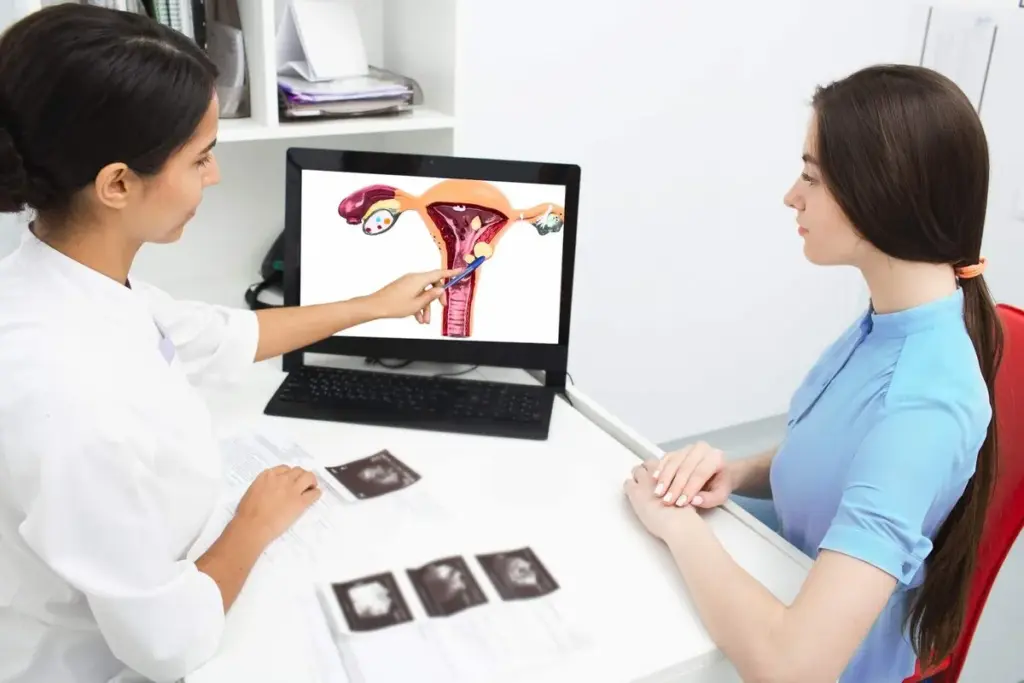
Uterine fibroids, also known as leiomyomas, are benign tumors in the uterus. They cause symptoms in many women. These growths are usually non-cancerous and can vary in size, number, and location.
What Are Uterine Fibroids?
Uterine fibroids are made of smooth muscle cells and connective tissue. Hormonal factors, like estrogen, influence their growth. They can be as small as a seed or as large as a melon, causing discomfort and health issues.
Prevalence and Common Symptoms
Up to 70% of women develop fibroids by menopause, leading to 29% of gynecologic hospitalizations. Symptoms include heavy menstrual bleeding, prolonged menstrual periods, pelvic pain or pressure, and frequent urination. The severity of these symptoms varies among women.
When to Consider Treatment Options
When symptoms become severe or interfere with daily life, treatment options should be considered. The fibroid embolization procedure, also known as uterine embolization surgery or fibroid embolisation, is a popular choice. It’s a minimally invasive approach. Understanding treatment options is key to making an informed health decision.
The Uterine Fibroid Medical Procedure: What is UFE?
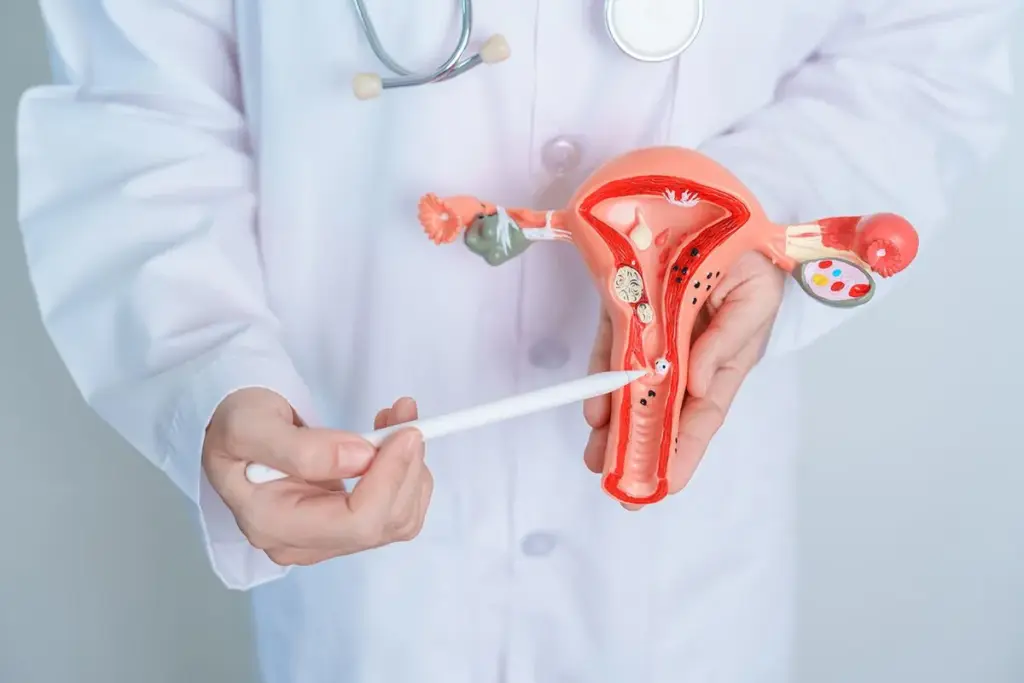
The UFE procedure treats uterine fibroids by cutting off their blood supply. This makes them smaller and relieves symptoms. It’s a new, less invasive way to treat fibroids, giving women a better option than old surgeries.
How Embolization Works
An interventional radiologist guides a catheter to the uterine arteries during UFE. They then release embolic agents to block blood flow to the fibroids. This makes the fibroids shrink, easing symptoms like heavy bleeding and pain.
Benefits Over Traditional Surgical Approaches
UFE is a minimally invasive procedure that keeps the uterus intact. It has a shorter recovery time and fewer risks. Studies show it greatly reduces symptoms and improves life quality for patients.
For more details on UFE, check out fibroids. It offers insights into the materials and methods used.
Success Rates and Effectiveness Statistics
UFE is successful in reducing fibroid symptoms in 85–90% of cases. Here’s a comparison of treatment outcomes:
|
Treatment Outcome |
UFE Success Rate |
Traditional Surgery Success Rate |
|---|---|---|
|
Symptom Reduction |
85-90% |
70-80% |
|
Recovery Time |
1-2 weeks |
4-6 weeks |
|
Complication Rate |
Low |
Moderate to High |
UFE has a higher success rate and shorter recovery time than traditional surgery, as shown in the table.
Determining if UFE is Right for You
Choosing uterine fibroid embolization (UFE) needs careful thought. There are many treatments for uterine fibroids, making the decision tough.
Ideal Candidates for the Procedure
UFE is best for women with fibroids that cause symptoms. They want a less invasive option and to keep their uterus. Key characteristics of ideal candidates include:
- Symptomatic fibroids causing heavy bleeding, pain, or pressure
- Failed or intolerable medical management
- Desire to avoid major surgery
- Interest in preserving fertility or uterine integrity
Contraindications and Limitations
UFE is safe and effective but not for everyone. We check each patient’s health to see if it’s right for them. It’s important to talk about your medical history with your healthcare provider to see if UFE is for you.
Alternative Treatment Options
If UFE isn’t right, we look at other treatments. These include medical management, myomectomy, or hysterectomy. Each option has its benefits and risks, which we’ll discuss to help you decide.
Finding a Qualified Interventional Radiologist
When you’re thinking about uterine fibroid embolization (UFE), finding the right doctor is key. The success of this treatment depends a lot on the doctor’s skills and experience.
Specialist Qualifications to Look For
Look for a doctor with training in vascular and interventional radiology. Board certification in radiology is a must. Having extra training in interventional radiology is a big plus. Make sure to check their credentials and UFE experience.
Questions to Ask During Your Consultation
Ask your doctor about their UFE experience and how they handle emergencies. Find out about their patient care approach and how they work with your other doctors. This is important for your care.
The Importance of Multidisciplinary Care
Getting care from a team of doctors is important for UFE. Your radiologist should work with your gynecologist and others to fit the treatment to you.
Pre-Procedure Medical Evaluations
Before starting uterine fibroid embolization, several medical checks are needed. These ensure the procedure is safe and works well. They help us understand the patient’s health and plan the treatment.
Required Imaging Tests
Imaging tests are key to see the fibroids’ size, number, and where they are. Two main tests are:
- Ultrasound Evaluation: Gives first insights into fibroid details and the uterus.
- MRI Assessment: Shows more about fibroid size, location, and blood flow, helping plan the procedure.
Ultrasound Evaluation
Ultrasound is often the first test for uterine fibroids. It shows the size and number of fibroids and how they affect the uterus.
MRI Assessment
Magnetic Resonance Imaging (MRI) gives a detailed look at fibroids. It shows their exact spot and blood supply, key for planning the embolization.
Blood Tests and Laboratory Work
Besides imaging, blood tests check the patient’s overall health. They look for any issues that might affect the procedure or recovery.
Evaluating Anemia and Fibroid Characteristics
Checking hemoglobin levels helps spot anemia, a risk in heavy menstrual bleeding due to fibroids. Knowing about fibroid details helps plan the best treatment.
Medication Adjustments Before UFE
Getting ready for the fibroid embolization procedure is more than just the day of the treatment. It also means adjusting your medications before. Some medicines might need to be stopped or changed to lower risks during the uterine fibroid medical procedure.
Medications to Temporarily Discontinue
Medicines like blood thinners might need to be stopped before UFE to avoid bleeding. It’s very important to tell your doctor about all the medicines you’re taking, including any over-the-counter drugs and supplements.
Managing Existing Prescriptions
For those with ongoing health issues, managing your medicines is key. We help you make sure your health is stable before the procedure.
Potential Need for Pre-Procedure Medications
In some cases, you might get extra medicines before UFE to get your body ready. Following our instructions about these medicines is very important for a good result.
Medical experts say, “Proper medicine management before UFE is a key step for patient safety and the success of the procedure.”
Practical Preparations for Your Procedure
Getting ready for uterine fibroid embolization involves several steps. These can make your procedure and recovery smoother.
Insurance and Cost Considerations
It’s important to know your insurance coverage. Check your policy details. This includes any costs for uterine embolization surgery that you might have to pay.
Scheduling Time Off Work
Make sure to take time off work for recovery. The time needed can vary. But usually, patients need a few days to a week to rest.
Arranging Transportation and Support
Find someone to drive you home after the procedure. They should also stay with you for a bit. Here are some tips:
- Make sure your driver knows where the hospital is and how to park.
- Have a friend or family member stay with you for at least 24 hours after the procedure.
- Prepare meals in advance or have them delivered.
The Day Before and Morning of UFE
To have a smooth UFE, it’s key to follow certain steps the day before and morning of the treatment. Knowing these final steps is important for your safety and the success of the procedure.
Fasting Requirements
You’ll need to fast for a while before the procedure. It’s vital to follow the fasting instructions from your healthcare team to avoid risks during treatment.
What to Bring to the Hospital
On the day of the procedure, bring any needed documents like insurance cards and ID. Wear comfortable clothes and don’t forget any prescribed medications.
Final Pre-Procedure Instructions
Your healthcare provider will give you specific instructions for the day before and morning of UFE. Following these instructions is essential for the procedure’s success. “The key to a successful UFE is in the preparation and following the guidelines from your healthcare team.”
What to Expect During the Procedure
Getting ready for UFE can make you feel less nervous. It’s a detailed process with a team of experts.
Step-by-Step Process of UFE
The UFE starts with a small cut in the groin to reach the uterine arteries. A catheter is then placed to block the blood flow to the fibroids.
Here’s what happens next:
- First, you’ll get ready on the angiography table.
- Local anesthesia is given to make you comfortable.
- A catheter is inserted into the uterine artery.
- Embolic material is released to stop blood flow to the fibroids.
- The team watches the procedure’s progress with angiography.
Anesthesia Options and Comfort Measures
Comfort is key during UFE. It’s usually done with conscious sedation, so you’re relaxed but awake. Local anesthesia is used at the catheter site to reduce pain.
|
Anesthesia Option |
Description |
Benefits |
|---|---|---|
|
Conscious Sedation |
Medication to relax and reduce anxiety |
Remains awake but relaxed, quick recovery |
|
Local Anesthesia |
Numbing the catheter insertion site |
Reduces pain at the insertion site |
Duration and Monitoring
The UFE procedure takes about 1 to 2 hours. Your vital signs and comfort are watched closely by the team.
Knowing what to expect can help you feel more at ease. It lets you look forward to the benefits of UFE.
Planning for Recovery at Home
When you’re getting ready for uterine fibroid embolization, think about your recovery plan. A good recovery plan at home can make a big difference in your comfort and healing after uterine fibroid embolization.
Setting Up a Recovery Space
It’s important to make a cozy recovery space. Make sure your home is clean and everything you need is close by. You’ll need comfy bedding, books or a TV, and any medicines you might need. Having a special area for recovery can help you rest better.
Managing Post-Embolization Syndrome
Some people might feel pain, fever, or nausea after the procedure. We’ll help you manage these symptoms. This might mean taking medicine and resting a lot. It’s key to follow our advice to avoid discomfort.
Pain Management Strategies
Managing pain is a big part of getting better. We’ll give you a pain plan that fits you. This might include medicine, and it’s important to take it as directed to stay comfortable.
When to Contact Your Doctor
It’s important to know when to call the doctor. If you have severe pain, heavy bleeding, or any other worries, reach out to us. We’re here to help with any questions or concerns during your recovery.
Conclusion: Long-Term Outlook After UFE
Many women find long-term relief from fibroid symptoms after UFE. This uterine fibroid medical procedure is a minimally invasive option. UFE is considered a beneficial alternative to traditional surgeries due to its minimally invasive nature and shorter recovery time.
The fibroid embolization procedure cuts off blood supply to fibroids. This makes them shrink and eventually die. Symptoms like heavy bleeding, pelvic pain, and pressure decrease. Studies show UFE can offer long-term relief, improving life quality.
It’s key to follow up after UFE for a smooth recovery. This ensures the treatment works well. With the right care, women can see a big improvement in their symptoms and overall health.
FAQ
What is uterine fibroid embolization (UFE) and how does it work?
UFE is a procedure that stops fibroids from getting blood. This makes them shrink and relieves symptoms. An interventional radiologist uses a catheter to block the blood flow to the fibroids.
What are the benefits of UFE over traditional surgical approaches?
UFE has many benefits. It has a shorter recovery time and fewer risks. It also keeps the uterus intact, unlike surgery.
What are the common symptoms of uterine fibroids that UFE can alleviate?
UFE can help with heavy bleeding, pelvic pain, and pressure. It does this by shrinking the fibroids and improving blood flow.
How do I determine if UFE is right for me?
Talk to an interventional radiologist to see if UFE is for you. They will check your condition and discuss your options. It’s best for women with symptoms who haven’t tried other treatments.
What are the contraindications and limitations of UFE?
UFE isn’t for everyone. It’s not for pregnant women, those with infections, or certain medical conditions. It might not work for everyone and might need to be done again.
What kind of preparation is required before undergoing UFE?
Before UFE, you’ll need medical checks and tests. You might need to change your meds and make plans for recovery.
What can I expect during the UFE procedure?
You’ll get anesthesia to make you comfortable during UFE. The procedure takes a few hours. You’ll be closely watched for your safety and comfort.
How do I manage post-embolization syndrome and pain after UFE?
Managing post-embolization syndrome and pain is key. Use pain meds and rest. Follow a recovery plan and get support.
What is the long-term outlook after UFE?
UFE usually offers long-term relief from fibroid symptoms. But, follow-up care is important for the best results and to handle any issues.
What is the success rate of UFE, and what are the statistics?
UFE is often very effective, with most women seeing big improvements. Success rates vary, but it’s a proven treatment for fibroids.
How do I find a qualified interventional radiologist to perform UFE?
Look for an experienced interventional radiologist for UFE. Ask about their qualifications and success rates during your consultation.
What is the role of multidisciplinary care in UFE?
A team of healthcare professionals is key in UFE. They work together to ensure the best results. This team includes radiologists, gynecologists, and more.
What are the potentially complications of UFE, and how can they be managed?
UFE can lead to infections, bleeding, and tissue damage. These issues can be handled with quick medical care and follow-up.
How does UFE compare to other treatment options for fibroids?
UFE is one of several ways to treat fibroids, along with surgery and meds. The right choice depends on your situation. UFE is a good option for those looking for a less invasive method.
References
National Center for Biotechnology Information. Evidence-Based Medical Insight. Retrieved from



 Departments
 Related Videos
 Our Doctors
 News
News