A healthy endometrial lining is key for reproductive health. It helps with embryo implantation and pregnancy. This is the ultimate guide to your uterine lining. Learn the surprising, vital facts about normal thickness and how it affects your health.
Many women struggle with an abnormal uterine lining thickness. This can affect fertility and cause irregular periods.
At Liv Hospital, we help patients manage this condition naturally. We focus on lifestyle changes like diet, exercise, and stress management. These help achieve hormonal balance and improve reproductive health.
Learning how to naturally thin the endometrial lining empowers women. It helps them take charge of their reproductive health.
Key Takeaways
- Maintaining a healthy endometrial lining is essential for reproductive health.
- Lifestyle modifications can help achieve hormonal balance.
- Natural methods can be used to thin an excessively thick endometrial lining.
- Diet, exercise, and stress management play a critical role in reproductive health.
- Understanding how to manage endometrial lining thickness empowers women to take control of their reproductive well-being.
Understanding the Uterine Lining and Its Function

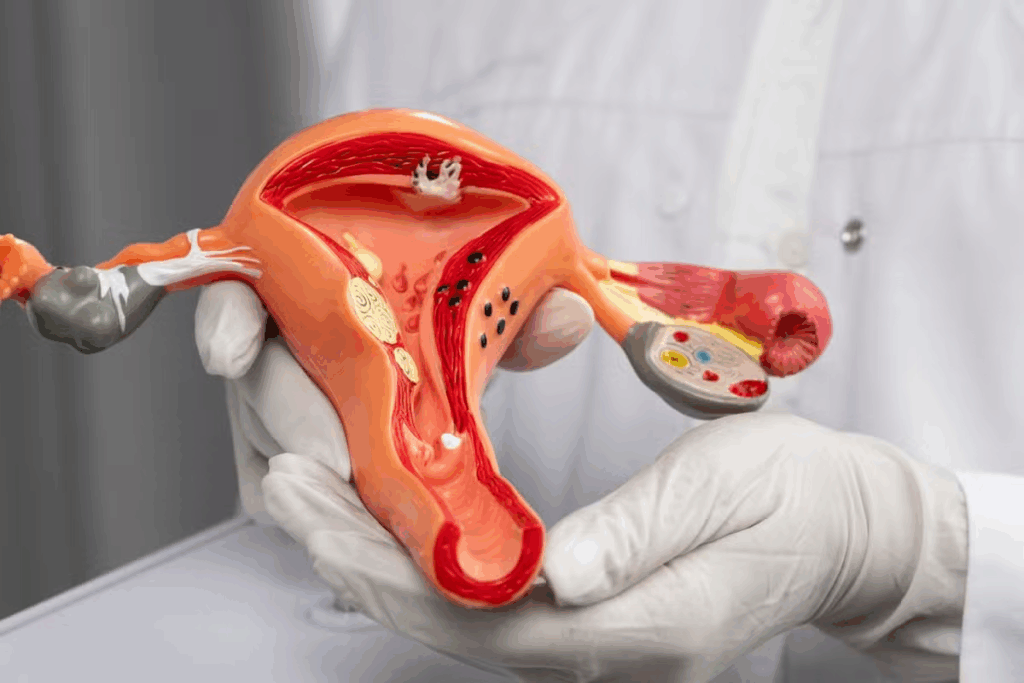
The endometrium, or uterine lining, is key to the female reproductive system. It lines the uterus and is vital for the menstrual cycle and pregnancy.
What Is the Endometrium?
The endometrium changes with the menstrual cycle due to hormones. It gets thicker for pregnancy and sheds if there’s no pregnancy, causing bleeding. This keeps reproductive health in check.
The Role of Endometrium in Reproductive Health
The endometrium supports the embryo early in pregnancy. It gives blood and nutrients before the placenta takes over. A healthy endometrium is needed for a successful pregnancy.
Studies show the endometrium should be 7–14 mm thick in the second half of the cycle. A lining of at least 7 mm boosts implantation chances.
Normal Thickness Throughout the Menstrual Cycle
The endometrium’s thickness changes with hormones in the cycle. Estrogen makes it thicker before ovulation. Then, progesterone gets it ready for implantation.
Knowing these changes helps spot and fix problems. Understanding the endometrium’s role and normal thickness is key to reproductive health.
Signs and Symptoms of a Thick Endometrial Lining

A thick endometrial lining can cause various symptoms that impact daily life. We will look at common signs and symptoms. This will help you know when to see a doctor.
Common Physical Symptoms
Women with a thick endometrial lining may have physical symptoms. These include heavy menstrual bleeding and pelvic pain. The pain can be mild or severe.
Menstrual Irregularities
Women with a thick endometrial lining often face menstrual issues. These can be prolonged menstrual bleeding, spotting between periods, or irregular cycles. These symptoms can disrupt daily activities.
When to Consult a Healthcare Provider
If you have heavy or prolonged bleeding, severe pelvic pain, or trouble getting pregnant, see a doctor. It’s also important to seek help if your menstrual cycle changes a lot or if your symptoms get worse.
Common Causes of Excessive Uterine Lining
Many factors can cause an excessive uterine lining, affecting reproductive health. Hormonal imbalances, medical conditions, and lifestyle choices are key. Knowing these causes helps in managing and treating the condition.
Hormonal Imbalances
Hormonal imbalances, like too much estrogen, are a big factor. Estrogen makes the endometrium grow. Without enough progesterone, this can lead to too much lining. This imbalance can happen for many reasons, including:
- Estrogen dominance: When estrogen levels are much higher than progesterone.
- Anovulatory cycles: Cycles without ovulation, missing the balancing effect of progesterone.
- Hormone replacement therapy (HRT): If not balanced with progesterone.
Medical Conditions
Some medical conditions can also cause excessive uterine lining. These include:
- Polycystic Ovary Syndrome (PCOS): A hormonal disorder causing anovulatory cycles and imbalances.
- Endometrial hyperplasia: Excessive cell growth in the endometrium.
- Adenomyosis: Tissue like the lining inside the uterus found outside, causing heavy bleeding.
Lifestyle Factors
Lifestyle choices can also affect the uterine lining. These include:
- Diet: Eating too much processed food, sugar, and unhealthy fats can upset hormones.
- Obesity: Being overweight or obese can increase estrogen, leading to too much lining.
- Stress: Chronic stress can mess with hormone balance, affecting the lining.
Understanding these causes is the first step to managing excessive uterine lining. It’s vital to talk to a healthcare provider to find the cause and get a treatment plan.
The Importance of Maintaining Healthy Uterine Lining
The health of the uterine lining is key for women’s reproductive health. It affects fertility and overall well-being. Keeping the uterine lining healthy is vital for reproductive processes and overall health.
Fertility Implications
A healthy uterine lining is vital for embryo implantation and early pregnancy. Implantation failures often stem from uterine lining issues. So, its health is a big deal for fertility.
Studies show a well-kept endometrium boosts pregnancy chances. It creates a good environment for embryo growth. Hormonal imbalances or inflammation can harm uterine lining health and fertility.
Health Risks of Excessive Thickness
An overly thick uterine lining can cause health problems. These include heavy menstrual bleeding, anemia, and higher risks of endometrial hyperplasia or cancer. Endometrial hyperplasia is when uterine lining cells grow too much, which can lead to cancer if not treated.
Condition | Description | Potential Risks |
Endometrial Hyperplasia | Abnormal cell proliferation in the uterine lining | Increased risk of endometrial cancer |
Heavy Menstrual Bleeding | Excessive bleeding during menstruation | Anemia, fatigue |
Benefits of Natural Approaches
Natural methods for uterine lining health have many benefits. They help avoid hormonal imbalances and related health problems. Dietary changes, exercise, and stress management are natural ways to support uterine health.
Eating foods high in omega-3s and antioxidants can reduce inflammation and balance hormones. Yoga and meditation can also help manage stress and improve reproductive health.
Anti-Inflammatory Diet for Endometrial Health
Eating foods that fight inflammation can help your endometrial lining stay healthy. A balanced diet is key for keeping hormones in check and supporting your reproductive system. We’ll look at foods that help with endometrial health, focusing on those that balance estrogen, the benefits of omega-3s, and what to avoid.
Foods That Balance Estrogen Levels
Some foods can help keep estrogen levels in check, which is important for a healthy uterine lining. These include:
- Leafy Green Vegetables: They’re full of antioxidants and fiber, helping to remove excess estrogen.
- Cruciferous Vegetables: Broccoli and cauliflower have compounds that support estrogen balance.
- Legumes: Beans and lentils are rich in fiber and protein, helping with hormone regulation.
- Whole Grains: Foods like brown rice and quinoa help keep estrogen levels healthy.
Medical Expert, a well-known nutritionist, says, “Eating whole foods can greatly affect hormone balance and reproductive health.”
“What you eat is very important for keeping hormones balanced, which is key for reproductive health.”
Omega-3 Fatty Acids and Their Benefits
Omega-3 fatty acids are good for fighting inflammation, which is good for your endometrial health. These healthy fats are found in:
- Fatty Fish: Salmon and sardines are full of omega-3s.
- Nuts and Seeds: Flaxseeds and chia seeds are great plant-based sources.
Omega-3s help reduce inflammation and support a healthy uterine environment. A study in the Journal of Nutrition found that omega-3s can improve endometrial function.
Food | Omega-3 Content | Benefits |
Salmon | High | Reduces inflammation |
Flaxseeds | Moderate | Supports hormone balance |
Chia Seeds | Moderate | Promotes overall health |
Foods to Avoid
Some foods can harm your endometrial health, while others can help. It’s important to limit or avoid:
- Processed Foods: They’re often full of unhealthy fats and sugars.
- Soy Products: They can act like estrogen in the body.
- High-Sugar Foods: They can cause insulin resistance and hormonal imbalances.
Making smart food choices can support your reproductive health and keep your uterine lining healthy.
Exercise Regimens That Help Thin the Uterine Lining
Exercise is key to thinning the uterine lining naturally. It boosts health and supports reproductive health by balancing hormones and keeping a healthy weight.
Moderate Cardiovascular Activities
Moderate cardio activities improve circulation and hormone balance. Brisk walking, cycling, and swimming are great choices. They help keep a healthy weight and lower miscarriage risks by boosting reproductive health.
Benefits of Cardiovascular Exercise:
- Enhances blood flow to the reproductive organs
- Supports weight management
- Regulates menstrual cycles
Strength Training Benefits
Strength training boosts reproductive health too. It builds muscle, which helps control insulin and improves metabolism. This positively affects the uterine lining.
Key Strength Training Advantages:
- Improves insulin sensitivity
- Enhances muscle mass and overall strength
- Supports hormonal balance
Yoga Poses for Reproductive Health
Yoga is also great for thinning the uterine lining. Certain poses improve blood flow to the pelvic area and reduce stress.
Beneficial Yoga Poses:
- Cobra Pose: Enhances blood flow to the pelvic region
- Butterfly Pose: Stimulates the reproductive organs
- Child’s Pose: Reduces stress and promotes relaxation
Adding these exercises to your routine can make your uterine lining healthier. It also boosts overall reproductive health.
Herbal Remedies for Balancing Hormones
Herbal remedies offer a natural way to balance hormones and support a healthy uterine lining. Certain herbs have been used for centuries to help with hormonal imbalances. This can greatly improve reproductive health.
Evidence-Based Herbal Options
Many herbs are known for their benefits to uterine health. Raspberry leaves are packed with nutrients and support uterine lining growth. Yarrow and red clover may also help balance hormones. Always talk to a healthcare provider before using these herbs.
Preparation Methods and Dosages
Herbal remedies come in teas, capsules, and tinctures. The way you prepare them can affect how well they work. For example, making raspberry leaf tea involves steeping the leaves in boiling water.
The right dosage depends on the herb and your health. Always follow the recommended amount and talk to a healthcare professional.
- Raspberry leaf tea: Steep 1-2 teaspoons of dried leaves in boiling water for 5-10 minutes.
- Yarrow tincture: Typically, 30-40 drops, 3-4 times a day.
- Red clover capsules: Usually, 1-2 capsules per day, containing 500-1000 mg of dried herb.
Safety Considerations and Potential Interactions
Herbal remedies can be helpful but also carry risks. They might interact with medications or have side effects. This is more likely if you take a lot or mix them with other treatments.
It’s important to talk to a healthcare provider before starting any herbal remedy. This is true for people with health conditions or those on prescription drugs.
Knowing the benefits and risks of herbal remedies helps you make smart choices for your reproductive health. Always get advice from a healthcare professional to use them safely and effectively.
Stress Management for Hormonal Balance
Chronic stress can really mess with our hormones, affecting our health in many ways. It can mess with the uterine lining, too. Stress makes our body go into “fight or flight” mode, releasing stress hormones like cortisol. High cortisol levels can upset the balance of other hormones, like estrogen, which is key for a healthy uterine lining.
So, managing stress is key to keeping hormones in check and supporting reproductive health.
The Stress-Hormone Connection
The link between stress and hormonal imbalance is quite complex. Chronic stress can cause cortisol levels to rise, affecting other hormones like estrogen and progesterone. This can lead to symptoms like irregular periods and changes in the uterine lining thickness. Medical Expert, a top reproductive endocrinologist, says,
“Chronic stress can have a profound impact on a woman’s reproductive health, making stress management a critical component of fertility care.”
Mindfulness and Meditation Practices
Mindfulness and meditation are great for managing stress and balancing hormones. They help lower cortisol levels by activating the body’s relaxation response. Regular mindfulness can also improve emotional control, reducing stress’s impact on hormones. Some effective mindfulness techniques include:
- Meditation: Start with short sessions (5-10 minutes) and increase as you get more comfortable.
- Deep Breathing Exercises: Focus on slow, deep breaths to calm your nervous system.
- Body Scan: Bring awareness to different body parts to release tension.
Sleep Optimization Techniques
Getting enough sleep is vital for hormonal balance. Poor sleep can raise cortisol levels and upset hormone balances. To improve sleep, try these strategies:
- Establish a Consistent Sleep Schedule: Go to bed and wake up at the same time every day.
- Create a Sleep-Friendly Environment: Make sure your bedroom is dark, quiet, and cool.
- Avoid Stimulants Before Bed: Cut down on caffeine and electronic use before bedtime.
By adding these sleep tips to your daily routine, you can better manage stress and support hormonal balance.
Weight Management and Its Effect on Uterine Lining
Body weight affects the thickness of the uterine lining. Too much fat can change how much estrogen is made. Keeping a healthy weight is good for your health and helps with reproductive issues.
The Link Between Body Weight and Estrogen Production
Body fat isn’t just for storing energy; it makes hormones like estrogen. Too much fat can make more estrogen, making the uterine lining thicker. This can cause problems like irregular periods and higher cancer risk.
Studies link obesity with more estrogen in the blood. This can make the endometrium grow. Eating right and exercising can help control estrogen and improve uterine health.
Healthy Approaches to Weight Loss
Living a healthy lifestyle is key for weight control. Eating a balanced diet with fruits, veggies, whole grains, and lean proteins helps. Also, doing cardio and strength training supports weight loss and health.
- Eat a variety of nutrient-dense foods.
- Stay hydrated by drinking plenty of water.
- Engage in at least 150 minutes of moderate-intensity exercise per week.
Avoiding Extreme Diets
Quick-fix diets might seem appealing, but they can harm hormonal balance. They can cause nutrient shortages and mess with hormone levels, making uterine lining issues worse.
Instead, focus on lasting, healthy eating habits. A balanced diet and regular exercise help maintain a healthy weight and support reproductive health.
Essential Supplements for Endometrial Health
Certain dietary supplements can help support uterine lining health. They can add to a balanced diet and healthy lifestyle. This can improve endometrial health.
Vitamins and Minerals
Vitamins and minerals are key for endometrial health. Some important ones include:
- Vitamin E: It has antioxidant properties that protect the endometrium from damage.
- Omega-3 Fatty Acids: These fatty acids are anti-inflammatory and support reproductive health.
- Iron: It’s vital for healthy menstrual cycles. Iron supplements can help those with deficiencies.
- Vitamin C: It helps with collagen synthesis and supports uterine lining health.
Nutrient | Benefit | Recommended Daily Intake |
Vitamin E | Antioxidant properties | 15 mg |
Omega-3 Fatty Acids | Anti-inflammatory effects | 1000 mg |
Iron | Supports healthy menstrual cycles | 18 mg |
Vitamin C | Collagen synthesis | 60 mg |
Other Beneficial Supplements
Other supplements can also support endometrial health:
- L-Arginine: It’s an amino acid that may improve blood flow to the uterus, supporting a healthy lining.
- Probiotics: They are beneficial bacteria that support gut health, which is linked to reproductive well-being.
- Turmeric/Curcumin: It has anti-inflammatory properties that can help reduce inflammation in the endometrium.
Proper Dosing and Timing
When adding supplements to your routine, consider the right dose and timing. A healthcare provider can help find the best approach for you.
Start with a low dose and increase as needed, watching for any side effects. Taking supplements with meals can improve absorption and reduce side effects.
Creating a Holistic Plan to Thin Your Uterine Lining Naturally
To get a healthier uterine lining, making a personal plan is key. This plan should include natural methods. It helps manage endometrial health well.
Combining Multiple Approaches
A good plan to thin the uterine lining naturally mixes diet, exercise, stress control, and supplements. These methods together tackle the main reasons for thick uterine lining.
- Dietary Changes: Eating foods that fight inflammation and balance estrogen.
- Exercise Regimens: Doing moderate cardio and strength training for hormone balance.
- Stress Management: Using mindfulness, meditation, and better sleep to lower stress hormones.
- Supplements: Taking vitamins and minerals to support the uterus.
Tracking Your Progress
It’s important to watch how you’re doing. Keeping a health journal or using a mobile app helps. It tracks diet, exercise, stress, and cycles.
When to Expect Results
Results can differ based on many factors, like how bad the condition is and how well you stick to the plan. You might see improvements in a few months.
Maintaining Long-Term Endometrial Health
To keep the uterine lining healthy, stick to your lifestyle changes and holistic plan. Regular doctor visits are also key. They help keep an eye on your uterine health and make any needed changes.
With a detailed and personal approach, you can manage and keep a healthy uterine lining. This boosts your reproductive health overall.
Conclusion
We’ve looked into how important a healthy uterine lining is. We’ve also shared a detailed guide on natural ways to thin out a thick endometrial lining. Understanding why the lining gets too thick and using natural methods can boost reproductive health and overall well-being.
Keeping the uterine lining healthy is key for reproductive health. Natural methods can help achieve this. By eating anti-inflammatory foods, exercising, using herbal remedies, managing stress, and taking essential supplements, we can support endometrial health.
Using these strategies, we can actively work on our reproductive health. This ensures a healthy uterine lining and lowers the chance of health problems. We urge people to take charge of their endometrial health. Adopt these natural methods and seek advice from healthcare providers when needed.
FAQ
What is the uterine lining, and what is its function?
The uterine lining, or endometrium, lines the uterus. It prepares the uterus for pregnancy by thickening. If pregnancy doesn’t happen, it sheds, causing menstruation.
What is considered a normal thickness for the endometrial lining?
The endometrial lining’s thickness changes throughout the cycle. It’s thinnest after menstruation and grows as the cycle goes on. A thickness of 8-12 mm is best for implantation.
What are the signs and symptoms of a thick endometrial lining?
Signs include heavy or long menstrual bleeding and irregular cycles. You might also feel pelvic pain or have trouble getting pregnant. Spotting between periods or after sex is common too.
How can hormonal imbalances affect the uterine lining?
Too much estrogen compared to progesterone can make the lining too thick. This imbalance can cause heavy bleeding and increase health risks.
What dietary changes can help thin the uterine lining?
Eating anti-inflammatory foods like fruits, veggies, whole grains, and omega-3s can help. Avoid processed meats and sugary snacks to reduce inflammation.
Can exercise help manage the thickness of the uterine lining?
Yes, exercise like cardio, strength training, and yoga can balance hormones. This may help thin the lining and improve reproductive health.
Are there herbal remedies that can help balance hormones and thin the uterine lining?
Some herbal remedies support liver function and hormone balance. They might help with estrogen levels and a healthier lining. Always talk to a healthcare provider before trying them.
How does stress management impact the uterine lining?
Stress can upset hormone balance, leading to a thick lining. Stress-reducing activities like mindfulness and meditation can help manage stress and balance hormones.
What role does weight management play in maintaining a healthy uterine lining?
Keeping a healthy weight is key. Excess fat can increase estrogen, making the lining thicker. A balanced diet and exercise can help maintain a healthy weight.
Are there supplements that can support endometrial health?
Some vitamins and minerals may support endometrial health by balancing hormones and reducing inflammation. Always consult a healthcare provider to find the right supplements for you.
How can I create a holistic plan to thin my uterine lining naturally?
A holistic plan includes diet, exercise, stress management, and supplements. Work with a healthcare provider to track progress and make adjustments as needed.
What does the uterine lining look like?
The uterine lining, or endometrium, is a layer of tissue in the uterus. Its thickness and appearance change throughout the menstrual cycle, getting thicker and more vascular for implantation.
How to thin the endometrial lining naturally?
To thin the lining naturally, make lifestyle changes like diet, exercise, stress management, and supplements. These help balance hormones and support reproductive health.
References
National Center for Biotechnology Information. Natural Thinning of Uterine Lining for Reproductive Health. Retrieved from https://pubmed.ncbi.nlm.nih.gov/40447929/