



Improving blood flow to the uterus is key for reproductive health. It’s especially important for fertility, pregnancy, and managing pregnancy loss. During pregnancy, uterine blood flow jumps to about 841 mL/min in healthy women near term. This supports the fetus by delivering oxygen and nutrients.
A healthy endometrial lining is vital for implantation and pregnancy. To support this, regular exercise, a balanced diet, and managing stress are helpful. These lifestyle changes promote vascular health and help create a thick uterine lining. A thick lining is crucial for a successful pregnancy.
Key Takeaways
- Increasing blood flow to the uterus supports reproductive health.
- A healthy endometrial lining is crucial for implantation.
- Lifestyle changes can improve uterine blood flow.
- A thick uterine lining is essential for a successful pregnancy.
- Managing stress and regular exercise promote vascular health.
Understanding Uterine Blood Flow and Its Importance
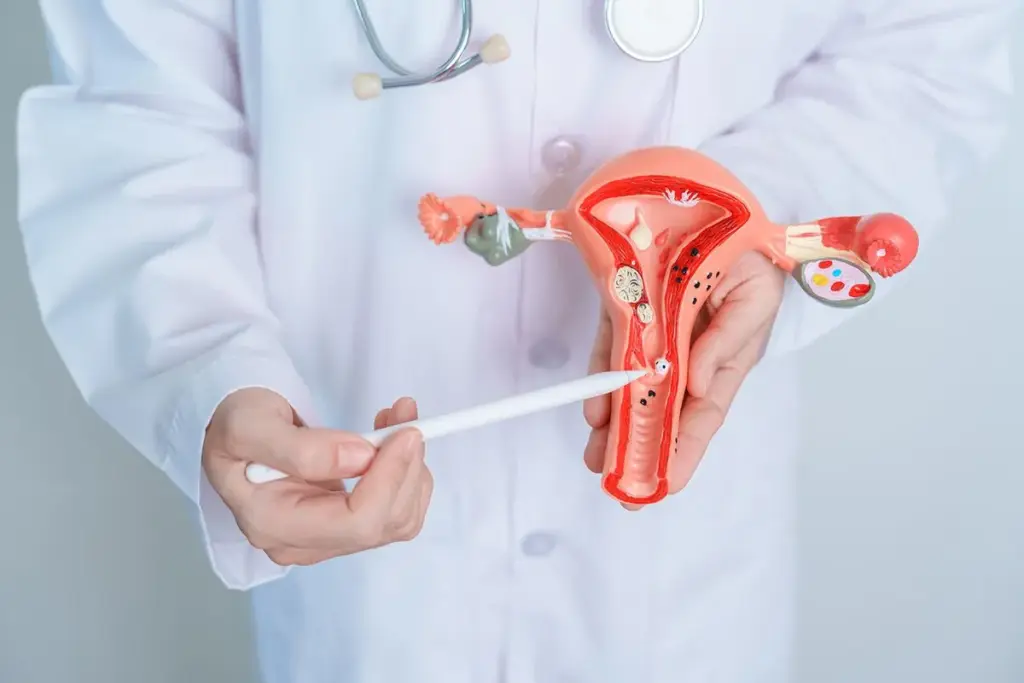
Uterine blood flow is key to reproductive health. It helps nourish and prepare the uterus for pregnancy. This flow is vital for the endometrial lining to thicken, a must for embryo implantation.
The Role of Blood Flow in Reproductive Health
Blood flow to the uterus is essential for reproductive health. It makes sure the uterus gets the oxygen and nutrients it needs. Serotonin, a neurotransmitter, is important for blood flow .
Good blood flow keeps the uterine lining healthy, making it ready for implantation.
- Supporting the thickening of the endometrium in preparation for pregnancy.
- Ensuring the delivery of oxygen and nutrients to the uterine tissue.
- Facilitating the removal of waste products from the uterine environment.
Normal Blood Flow Patterns to the Uterus
Normal blood flow to the uterus has specific patterns. Studies link optimal flow to better reproductive outcomes. The normal endometrial lining thickness is a sign of healthy flow, usually 8-14 mm in the late proliferative phase.
In conclusion, maintaining optimal uterine blood flow is vital for reproductive health. Factors like vascular health and hormonal balance affect blood flow. These are important for fertility and pregnancy success.
The Structure and Function of the Uterine Lining
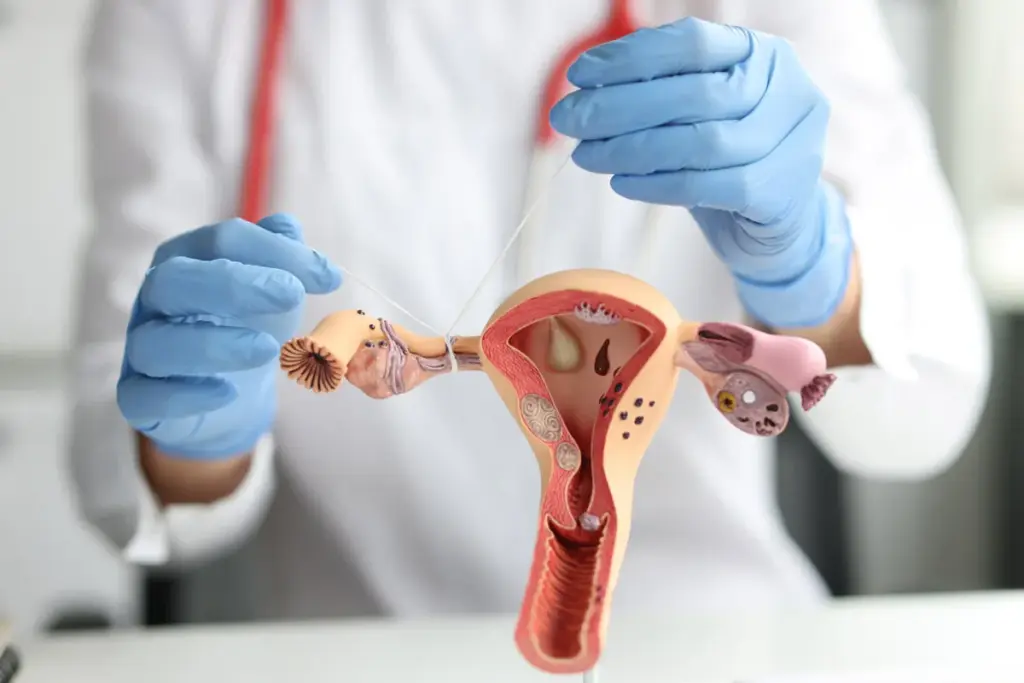
The uterine lining, or endometrium, is key to reproductive health. It changes a lot during the menstrual cycle, getting ready for a baby.
Anatomy of the Endometrium
The endometrium has three layers: the basalis, the functionalis, and the myometrium interface. The functional layer grows and thickens with hormones, getting ready for a baby. If there’s no baby, it sheds during menstruation.
The basalis layer helps the functionalis grow back after each period. Knowing about the endometrium’s layers is important for treating reproductive issues.
How Blood Flow Affects Endometrial Development
Good blood flow to the uterus is vital for a healthy endometrium. Blood flow brings oxygen and nutrients for growth. Without enough blood flow, the lining can be too thin, affecting fertility and increasing miscarriage risk.
“Optimal blood flow to the endometrium is crucial for its development and function, playing a significant role in successful implantation and pregnancy outcomes.”
Normal Endometrial Lining Thickness Measurements
The endometrium’s thickness changes throughout the cycle. A thick lining of the uterus is seen in the late cycle, while a thin uterine lining is in the early cycle. Normal thickness is 8 to 12 mm in the late cycle.
|
Phase of Menstrual Cycle |
Normal Endometrial Thickness |
|---|---|
|
Early Proliferative Phase |
4-8 mm |
|
Late Proliferative Phase |
8-12 mm |
|
Secretory Phase |
10-16 mm |
Some research shows Vitex agnus-castus may help with PMS and menopause symptoms. It might also support fertility by balancing hormones, which affects the endometrium.
Signs of Poor Uterine Blood Circulation
Uterine health depends a lot on blood circulation. When blood flow is poor, it can cause noticeable symptoms. These symptoms can affect menstrual cycles, fertility, and reproductive health. We will look at the physical signs and tests that show poor blood flow to the uterus.
Physical Symptoms to Watch For
Women with poor uterine blood circulation may feel a range of symptoms. These include:
- Severe menstrual cramps or dysmenorrhea
- Heavy or irregular menstrual bleeding
- Pelvic pain or discomfort
- Infertility or difficulty conceiving
- Recurrent miscarriages
Acupuncture can help with pain, like primary dysmenorrhea, which is linked to poor blood flow. Other signs might be cold hands and feet, showing poor circulation.
Diagnostic Indicators of Reduced Blood Flow
There are several signs that show reduced blood flow to the uterus. These include:
|
Diagnostic Indicator |
Description |
|---|---|
|
Thin Endometrial Lining |
A thin endometrial lining can mean poor blood flow. A thin lining may not support implantation. |
|
Ultrasound Findings |
Ultrasound Doppler can check blood flow to the uterus. It helps find areas with less circulation. |
|
Hormonal Imbalance |
Hormonal levels, especially estrogen, can be affected by uterine blood flow. Imbalances may show circulation problems. |
Spotting these signs early can lead to timely treatments. This can improve uterine health and reproductive outcomes.
Medical Conditions That Affect Uterine Blood Flow
It’s key to know about medical conditions that affect uterine blood flow for reproductive health. Uterine blood flow is vital for the uterine lining, or endometrium, health. Different factors can change this balance, causing reproductive problems.
Vascular Disorders
Vascular disorders can really affect uterine blood flow. High blood pressure and atherosclerosis can block blood to the uterus. This can lead to issues with the endometrial lining thickness.
Research links serotonin, a neurotransmitter, to heart diseases. These diseases can also harm uterine circulation.
Hormonal Imbalances
Hormonal imbalances are another big factor in uterine blood flow. Hormones are key for menstrual cycles and supporting pregnancy. Imbalances, especially in estrogen and progesterone, can change the lining of the uterus.
This can cause a thick uterine lining. Keeping hormonal balance is key for uterine health.
Structural Abnormalities
Structural issues in the uterus can also affect blood flow. Uterine fibroids, polyps, or birth defects can change the uterus’s shape. This can block blood to the uterine lining.
These problems can cause issues like trouble with implantation and keeping a healthy pregnancy.
In summary, many medical conditions can impact uterine blood flow. This shows why reproductive care is so important. By understanding and treating these conditions, healthcare providers can help keep the uterus healthy and support reproductive well-being.
Nutrition Strategies to Enhance Uterine Blood Flow
Nutrition is key for better uterine blood flow and getting ready for fertilization. Eating a balanced diet with important nutrients helps keep the blood vessels healthy. This is vital for a thick uterine lining. We’ll look at how certain foods and nutrients can boost uterine blood flow and reproductive health.
Blood-Building Foods and Nutrients
Some foods and nutrients are crucial for uterine health. Iron in spinach and red meat keeps blood flowing well. Omega-3s in salmon and walnuts help blood vessels. Vitamin C in citrus fruits and berries boosts iron absorption.
Key Nutrients for Uterine Health:
- Iron: Essential for healthy blood cells
- Omega-3 Fatty Acids: Supports vascular health
- Vitamin C: Enhances iron absorption
- Folate: Crucial for preventing birth defects and supporting fertility
Supplements That Support Vascular Health
Along with a balanced diet, some supplements can help uterine blood flow. Vitex agnus-castus may improve fertility and reproductive health. Omega-3 fatty acid and vitamin C supplements are also beneficial.
Supplements to Consider:
- Vitex agnus-castus
- Omega-3 fatty acid supplements
- Vitamin C supplements
- Folic acid supplements
Dietary Patterns for Optimal Circulation
Eating a healthy diet can greatly improve uterine blood flow. The Mediterranean diet, with its fruits, veggies, whole grains, and healthy fats, is great. Drinking plenty of water is also key for good blood flow.
Tips for a Circulation-Supporting Diet:
- Include a variety of fruits and vegetables in your diet
- Choose whole grains over refined grains
- Stay hydrated by drinking plenty of water
- Limit processed foods and sugars
Exercise Approaches to Improve Pelvic Circulation
Regular physical activity can boost blood flow to the uterus, making the endometrial lining healthier. Exercise is key for reproductive health. Some activities are better than others for improving blood flow in the pelvic area.
Moderate Cardiovascular Activities
Exercises like brisk walking, cycling, or swimming can greatly improve blood flow to the pelvic area. These activities make the heart stronger and increase blood flow all over the body, including the uterus. Doing these exercises regularly can make the endometrial lining thicker and healthier, which is important for implantation and pregnancy.
We suggest doing at least 30 minutes of moderate-intensity exercise each day, five days a week. Adjust this based on your health and fitness level. Start slowly and increase intensity and duration gradually to avoid too much strain.
Yoga Poses for Reproductive Health
Yoga is also great for improving pelvic circulation and reproductive health. Certain poses, like the cobra, bridge, and downward-facing dog, can enhance blood flow to the pelvic area. These poses can also help reduce stress and improve overall well-being.
Some beneficial yoga poses for reproductive health include:
- Cobra Pose: Strengthens back muscles and opens the chest, improving circulation.
- Bridge Pose: Enhances blood flow to the pelvic area and strengthens the back.
- Downward-Facing Dog: Improves circulation and can help reduce stress.
Exercise Precautions and Recommendations
While exercise is good, it’s important to be careful, especially if you have health issues. Always talk to a healthcare provider before starting a new exercise plan, especially if you’re trying to conceive or have reproductive problems.
Listen to your body and don’t overdo it. Drinking plenty of water and eating a balanced diet can also help your reproductive health.
|
Exercise Type |
Benefits for Pelvic Circulation |
Precautions |
|---|---|---|
|
Moderate Cardiovascular Activities |
Improves blood flow, strengthens heart |
Start slowly, avoid overexertion |
|
Yoga Poses |
Enhances pelvic circulation, reduces stress |
Consult a healthcare provider, especially with underlying conditions |
By adding these exercises to your routine, you can improve pelvic circulation. This supports a healthier uterine lining and overall reproductive health.
Stress Management Techniques for Better Blood Flow
Managing stress well can really help blood flow to the uterine lining. This is key for reproductive health. Too much stress can harm blood vessels, leading to less blood to the uterus.
Impact of Stress on Vascular Health
Stress makes our body release hormones like cortisol and adrenaline. These hormones can make blood vessels narrow, cutting down blood flow to the uterus. This can hurt the endometrial lining and affect fertility.
Also, stress can cause inflammation and oxidative stress. This makes blood vessel health worse. It’s vital to manage stress to keep the uterine wall healthy and blood flowing well.
Relaxation Practices That Enhance Circulation
There are many ways to reduce stress and improve blood flow to the uterus. Practices like meditation and deep breathing exercises can help lower stress and relax the body.
- Meditation: Regular meditation can lower cortisol levels, reduce blood pressure, and improve blood vessel health.
- Deep Breathing Exercises: Deep breathing calms the nervous system, reducing stress and improving blood flow.
- Yoga: Some yoga poses can boost blood flow to the pelvic area, helping reproductive health.
Adding these relaxation practices to your daily routine can improve blood flow to the lining of the uterus. This supports a healthier endometrial lining thickness and better uterine health.
Traditional and Alternative Therapies
Traditional and alternative therapies are getting more attention for uterine health. They can add to regular treatments. They help improve blood flow to the uterus and reproductive health.
Acupuncture and Traditional Chinese Medicine
Acupuncture, part of Traditional Chinese Medicine (TCM), helps reproductive health. It improves blood flow to the uterus. This can make the uterine lining thicker and improve fertility.
Benefits of Acupuncture for Uterine Health:
- Improved blood flow to the uterus
- Regulation of hormonal balances
- Enhanced overall reproductive well-being
Studies show acupuncture helps with pain and improves reproductive outcomes. It’s a good addition to treatments for uterine health.
Massage and Physical Therapy Approaches
Massage and physical therapy help uterine blood flow. Abdominal massage boosts blood to reproductive organs.
Key Techniques:
- Abdominal massage to stimulate uterine blood flow
- Pelvic floor physical therapy to strengthen reproductive organ support
These therapies are great with other treatments. They help with uterine lining thickness and reproductive health.
Herbal Remedies for Circulation
Some herbs support vascular health and circulation. Their effectiveness varies, but they can help uterine blood flow.
|
Herb |
Potential Benefits |
|---|---|
|
Red Clover |
Improved circulation, hormonal balance |
|
Ginkgo Biloba |
Enhanced blood flow, antioxidant properties |
|
Red Raspberry Leaf |
Uterine toning, nutritional support |
Always talk to a healthcare provider before using herbal remedies. They can interact with other treatments or have side effects.
Women can improve uterine blood flow and reproductive health with traditional and alternative therapies. It’s important to work with healthcare professionals. They can help find the best therapies for individual needs.
Lifestyle Modifications to Support Healthy Uterine Lining
Keeping the uterine lining healthy is key for reproductive health. The endometrial lining is crucial for fertility and reproductive health. Making smart lifestyle choices can help improve uterine lining health and reproductive outcomes.
Sleep Quality and Circulation
Good sleep is essential for health, including reproductive health. Poor sleep can disrupt hormonal balance, affecting the uterine lining thickness. Getting enough sleep is vital for reproductive health.
To sleep better, stick to a regular sleep schedule. Create a calm sleep space and avoid caffeine and electronics before bed. These steps can improve circulation and support uterine lining health.
Avoiding Substances That Restrict Blood Flow
Some substances can limit blood flow, harming the uterine lining. Smoking and excessive alcohol consumption can harm blood vessels, reducing blood to the uterus. It’s important to avoid these to keep blood flow healthy.
“Smoking is known to cause vascular constriction, which can lead to decreased blood flow to the reproductive organs,” according to a health expert.
Staying away from environmental toxins and chemicals also helps vascular health. By choosing wisely in lifestyle and substance use, you can ensure good blood flow to the uterus.
Temperature Regulation and Circulation
Keeping a stable body temperature is important for blood flow to the uterine lining. Extreme temperatures can harm circulation. For instance, very cold temperatures can cause blood vessels to constrict, reducing blood flow to reproductive organs.
Wearing the right clothes and avoiding extreme temperatures helps maintain body temperature. This supports vascular health, leading to a healthy endometrial lining and better reproductive function.
Medical Interventions for Improving Uterine Blood Flow
Improving blood flow in the uterus is key for reproductive health. The uterine lining, or endometrium, is vital for fertility. Its thickness is a sign of uterine health.
Hormonal Treatments
Hormonal treatments help regulate and improve blood flow in the uterus. They create a good environment for implantation and pregnancy.
Estrogen Therapy: Estrogen helps grow and thicken the endometrial lining. It’s effective for thin uterine linings.
Progesterone: Progesterone prepares the uterine lining for implantation. It keeps the lining thick and healthy.
Surgical Options
Surgical interventions may be needed to improve blood flow. These procedures fix anatomical issues that block blood flow.
- Removal of Adhesions or Fibroids: Removing adhesions or fibroids improves blood flow by removing blockages.
- Correcting Uterine Anomalies: Fixing uterine anomalies also boosts blood flow and uterine health.
Emerging Therapies and Research
New research and therapies are expanding options for improving uterine blood flow. These new approaches aim to help women with fertility issues.
Low-Dose Aspirin Therapy: Some studies show low-dose aspirin may improve blood flow. It reduces inflammation and improves vascular health.
As we delve deeper into uterine blood flow, new treatments and therapies are emerging. They aim to meet the needs of women looking to improve their reproductive health.
Monitoring Uterine Blood Flow During Pregnancy
Uterine blood flow changes a lot during pregnancy. It’s very important for a healthy pregnancy. As the pregnancy grows, the uterus needs more blood to keep the mother and fetus healthy.
Normal Changes in Blood Flow
During pregnancy, the blood flow to the uterus increases a lot. This is key for the fetus to get enough oxygen and nutrients. Normal blood flow patterns show a big increase in uterine artery blood flow. This can be seen with Doppler ultrasound.
The uterine lining thickness, or endometrial thickness, is very important in early pregnancy. A thick lining of uterus usually means a healthier pregnancy. But, a thin uterine lining might cause problems like implantation failure or early pregnancy loss.
Spiral Artery Resistance and Pregnancy Outcomes
Spiral artery resistance is very important for pregnancy outcomes. If the spiral artery doesn’t remodel right, it can cause problems. This might lead to preeclampsia or fetal growth restriction. Doppler ultrasound can check the spiral artery resistance and tell us about the placenta and fetus.
|
Parameter |
Normal Value |
Abnormal Value |
|---|---|---|
|
Uterine Artery Resistance Index |
< 0.6 |
> 0.6 |
|
Spiral Artery Resistance Index |
< 0.5 |
> 0.5 |
|
Uterine Lining Thickness |
7-14 mm |
< 7 mm or > 14 mm |
Interventions for Abnormal Hemodynamics
If there are problems with blood flow, there are things that can help. These include bed rest, low-dose aspirin therapy, and other medical treatments. These aim to improve blood flow and lower resistance in the blood vessels.
Checking uterine blood flow during pregnancy is very important. Knowing about normal changes and spotting issues early helps doctors take steps to ensure a good outcome for both mom and baby.
Special Considerations for Fertility and Recurrent Pregnancy Loss
Improving blood flow to the endometrial lining can change lives for those with fertility issues. The uterine lining is key for implantation and keeping a pregnancy.
Blood Flow Optimization Before Conception
Before trying to conceive, it’s crucial to improve blood flow to the uterus. This means making lifestyle changes, eating right, and sometimes, getting medical help.
We suggest eating foods that help blood vessels, like omega-3s, vitamin E, and antioxidants. These can boost blood flow and reproductive health.
- Omega-3 fatty acids
- Vitamin E
- Antioxidants
Monitoring and Interventions for Recurrent Loss
For those who keep losing pregnancies, checking uterine blood flow and endometrial lining thickness is key. It helps spot problems early, so we can act fast.
We might use Doppler ultrasound to see how blood flows and find any artery issues. Then, we suggest treatments to get blood flowing better.
Multidisciplinary Approaches to Treatment
For fertility and recurrent loss, a multidisciplinary approach works best. This means working together with doctors, fertility experts, and more.
We create a detailed plan that fits your needs. It includes improving blood flow, balancing hormones, and boosting reproductive health.
Conclusion
Improving blood flow to the uterus is key for a healthy uterine lining. This is important for reproductive health. A thick uterine lining helps with successful implantation and pregnancy.
We’ve looked at many ways to boost uterine blood flow. This includes good nutrition, exercise, managing stress, and medical help. These steps support reproductive health.
Keeping the uterine lining healthy is crucial. Diet, exercise, and stress control all play a role. Making smart choices and getting medical advice can help a lot.
In summary, focusing on uterine health is vital. It can greatly improve chances of getting pregnant and having a healthy baby. By taking care of the uterus, individuals can enhance their reproductive outcomes.
FAQ
What is the normal thickness of the endometrial lining?
The endometrial lining’s thickness changes throughout the month. It usually ranges from 7 to 14 mm during the luteal phase. A thickness under 7 mm might affect fertility.
How does blood flow affect the endometrial lining?
Blood flow is key for the endometrial lining’s growth and thickness. Good blood flow brings oxygen and nutrients, helping the lining stay healthy and thick.
What are the signs of poor uterine blood circulation?
Poor blood flow in the uterus can cause pelvic pain, heavy or irregular bleeding, and trouble getting pregnant. Ultrasound and Doppler studies can show reduced blood flow.
How can I improve blood flow to my uterus?
To boost blood flow to your uterus, try lifestyle changes. This includes regular exercise, a balanced diet, managing stress, and avoiding blood flow restrictors.
What is the role of nutrition in enhancing uterine blood flow?
Nutrition is crucial for better uterine blood flow. Eating foods that help blood, taking supplements, and following diets that support blood vessels can improve circulation.
Can stress affect uterine blood flow?
Yes, stress can harm blood flow in the uterus. Yoga, meditation, and deep breathing can help reduce this negative effect.
Are there any medical interventions available to improve uterine blood flow?
Yes, there are medical options like hormonal treatments, surgery, and new therapies. These can help improve blood flow and reproductive health.
How does uterine blood flow change during pregnancy?
Pregnancy increases uterine blood flow to support the growing baby. It’s important to monitor blood flow and watch for any issues for a healthy pregnancy.
What is the significance of spiral artery resistance in pregnancy?
Spiral artery resistance is very important in pregnancy. Abnormal resistance can cause problems like preeclampsia and slow fetal growth.
Can thinning of the endometrial lining be treated?
Yes, thin endometrial lining can be treated. Methods include hormonal therapies, lifestyle changes, and alternative treatments like acupuncture.
How can I optimize blood flow before conception?
To improve blood flow before getting pregnant, live a healthy lifestyle. This includes a balanced diet, regular exercise, stress management, and avoiding substances that block blood flow.
What is the role of sleep quality in uterine blood flow?
Good sleep quality is vital for blood flow in the uterus. Poor sleep can harm circulation, while good sleep hygiene supports optimal blood flow.
Can uterine lining thickness be improved?
Yes, uterine lining thickness can be improved. This can be done through lifestyle changes, nutrition, and medical treatments.



 Departments
 Related Videos
 Our Doctors
 News
News


