

Urinary tract infections (UTIs) are a big health issue, mainly for older people and those who have surgery. Urethritis, an inflammation of the urethra, is a common problem linked to UTIs in men.
UTIs can make people uncomfortable and worried. It’s important to know male UTI symptoms to get help fast. The urethra, as part of the urinary system, is susceptible to infections. This can cause serious problems if not treated right.
UTI symptoms in men? Urethritis is common. Get best signs. Burning is a warning. Treatment is vital to stop dangerous infection spread.
Key Takeaways
- UTIs are a significant health concern, specially in older adults and surgical patients.
- Urethritis is a common condition associated with UTIs in men.
- Recognizing male UTI symptoms is key for timely medical help.
- Understanding urinary tract infections can help in preventing complications.
- Seeking medical attention is essential for proper treatment.
Understanding Urethral Diseases in Men
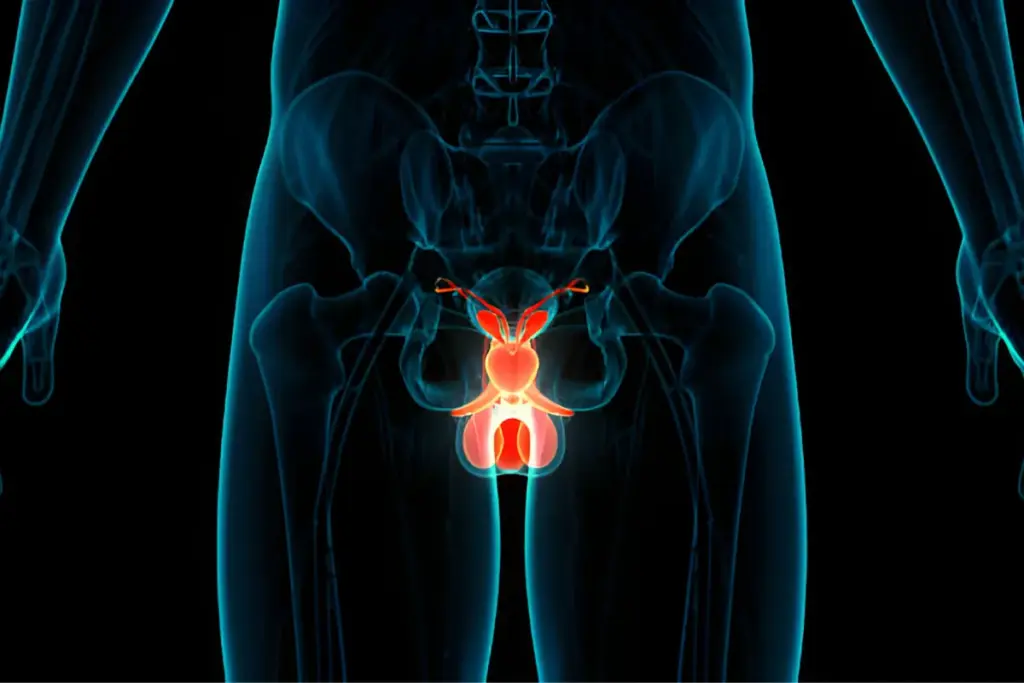
The male urethra can face issues like urethritis and urinary tract infections (UTIs). These problems need quick attention to avoid serious health issues. We’ll look at the male urinary system’s anatomy and common urethral conditions.
Anatomy of the Male Urinary System
The male urinary system includes the kidneys, ureters, bladder, and urethra. The urethra is key as it carries urine out of the body. In men, it’s longer, going through the prostate gland and penis.
Common Conditions Affecting the Male Urethra
Men can face issues like urethritis and UTIs. Urethritis is inflammation of the urethra, often from infection. UTIs happen when bacteria infect the urinary tract.
Urethritis vs. UTIs vs. Other Conditions
Urethritis and UTIs both cause discomfort but are different. They need different treatments. Here’s a table showing their main differences:
|
Condition |
Causes |
Symptoms |
|---|---|---|
|
Urethritis |
Infection, often by sexually transmitted bacteria |
Pain during urination, discharge |
|
UTIs |
Bacterial infection of the urinary tract |
Frequent urination, pain during urination, abdominal pain |
|
Other Conditions |
Various, including trauma, strictures |
Vary depending on the condition |
Knowing these differences helps in getting the right treatment. If symptoms don’t go away or get worse, see a doctor.
Urethritis: The Most Common Urethral Disease in Men
Urethritis is a common problem for men, affecting their daily life. It causes symptoms like discharge, pain when urinating, and sometimes during sex. It’s important for men to know about urethritis to get help early and avoid worse problems.
Types of Urethritis: Gonococcal and Non-gonococcal
There are two main types of urethritis: gonococcal and non-gonococcal. Gonococcal urethritis is caused by Neisseria gonorrhoeae and spreads through sex. Non-gonococcal urethritis is caused by other bacteria, like Chlamydia trachomatis. Knowing the type helps find the right treatment.
It’s key to tell the difference because treatments vary. Gonococcal urethritis needs specific antibiotics. Non-gonococcal urethritis might need different ones, based on the cause.
Common Causes and Transmission
Bacterial infections like Neisseria gonorrhoeae and Chlamydia trachomatis are common causes. They spread through sex. Other causes include irritation from soaps or lotions.
- Sexual contact is the main way it spreads.
- Soaps or lotions can also cause it.
- Sometimes, injury to the urethra can lead to urethritis.
Risk Factors You Should Know
Some factors increase the risk of getting urethritis. These include having many sexual partners, not using protection, and having STIs before. Men who’ve had urethritis or STIs before are more likely to get it again.
Knowing these risks helps men stay safe. They can practice safe sex and keep their genital area clean.
Recognizing UTI Symptoms in Men
UTIs are not just for women; men can get them too. Knowing the symptoms is key to getting better. Urinary tract infections happen when bacteria get into the urinary system. In men, these infections can show up in different ways, so it’s important to know the signs.
Early Warning Signs You Shouldn’t Ignore
UTI symptoms in men can start small but shouldn’t be ignored. Look out for:
- Frequent Urination: Needing to pee more than usual.
- Burning Sensation: Feeling a burn while you pee.
- Cloudy or Strong-Smelling Urine: Urine that’s cloudy, dark, or smells bad.
These signs mean your body is trying to tell you something. Paying attention early can stop the infection from getting worse.
Advanced Symptoms Requiring Attention
As the infection gets worse, symptoms can get more serious, including:
- Pain in the Lower Abdomen or Back: Pain or discomfort in the lower belly or back.
- Fever or Chills: Having a fever or feeling cold, which means the infection might have spread.
- Blood in the Urine: Seeing blood in your pee, which is a sign of a serious infection.
These serious symptoms need quick medical help to avoid serious problems like kidney damage or sepsis.
How Male UTI Symptoms Differ From Female Symptoms
While UTIs are more common in women, men’s symptoms can be more severe. Men often feel pain in the penis or testicles. Women might feel pain in the pelvic area.
Knowing these differences helps both men and women get the right care. If you have UTI symptoms, see a doctor for a proper diagnosis and treatment plan.
How to Identify the Causes of Your Urinary Problems
Urinary tract infections (UTIs) in men come from many sources. Bacteria, personal risks, and non-bacterial causes play a role. Knowing these causes is key to treating UTIs.
Common Bacterial Culprits: E. coli, Klebsiella, and Proteus mirabilis
Bacteria lead to most UTIs, with E. coli being the main offender, causing 80% of simple UTIs. Klebsiella and Proteus mirabilis also cause infections, often in those with catheters or urinary issues.
- E. coli: Found in the gut, E. coli easily reaches the urinary tract.
- Klebsiella: Linked to hospital infections, Klebsiella can cause serious UTIs.
- Proteus mirabilis: Common in those with catheters or urinary tract problems.
Non-Bacterial Causes to Consider
While bacteria are the main cause, other factors can lead to urinary issues. These include:
- Interstitial cystitis, causing bladder pain and pressure.
- Urinary tract stones or tumors.
- Certain medications or hygiene products.
As one study noted, “Understanding the diverse causes of lower urinary tract symptoms is essential for providing effective care.” (
This shows the complexity of diagnosing UTIs and the need for a thorough evaluation.
)
Assessing Your Personal Risk Factors
Several factors can raise your risk of UTIs. These include:
|
Risk Factor |
Description |
|---|---|
|
Age |
UTIs are more common among older men. |
|
Catheter Use |
Using urinary catheters increases the risk of UTIs. |
|
Urinary Tract Abnormalities |
Structural issues can predispose individuals to UTIs. |
By knowing these risk factors and causes, men can prevent UTIs and get the right treatment when needed.
Step-by-Step Guide to Getting Diagnosed
Getting a proper diagnosis is the first step to treating UTIs and easing symptoms. We know the diagnostic process can seem scary. But knowing what to expect can really help.
Preparing for Your Doctor’s Visit
Before you see your healthcare provider, get ready. Write down your symptoms, when they started, and what makes them better or worse. Also, list any medicines you’re taking.
a urologist, says, “Being ready for your doctor’s visit can really help with getting a correct diagnosis.”
“The more your healthcare provider knows, the better they can help you.”
Understanding the Diagnostic Tests
Tests for UTIs usually include a urinalysis and sometimes a urine culture. The urinalysis looks for signs of infection like bacteria, white blood cells, or blood in your urine.
|
Diagnostic Test |
Purpose |
|---|---|
|
Urinalysis |
Checks for signs of infection |
|
Urine Culture |
Identifies the type of bacteria causing the infection |
Questions to Ask Your Healthcare Provider
When you visit, ask questions. Important ones are: “What’s causing my symptoms?” “What treatment options do I have?” and “How can I avoid UTIs in the future?”
Being prepared and informed helps you take charge of your diagnosis and treatment. Knowing what to expect can reduce stress and ensure you get the care you need.
How to Treat UTI Symptoms Effectively
To treat UTI symptoms well, knowing your treatment options is key. Most UTIs are treated with antibiotics. The type and length of treatment depend on the infection’s severity and cause.
Following Your Antibiotic Treatment Correctly
Antibiotics are the main treatment for UTIs. It’s important to follow your antibiotic plan carefully. Make sure to finish all antibiotics as your doctor says, even if you start feeling better.
Take your antibiotics at the same time each day. This keeps the drug levels in your body steady. If you’re given a single dose or a short treatment, check in with your doctor to make sure the infection is gone.
Managing Pain and Discomfort at Home
Managing pain and discomfort is also key in treating UTIs. You can use over-the-counter pain relievers like ibuprofen or acetaminophen. Drinking lots of water helps flush out bacteria from your urinary tract.
Using a warm heating pad on your lower abdomen can also help with pain. But, always talk to your doctor before trying new remedies, if you have recurring UTIs or other health issues.
Treatment Approaches for Recurring or Complicated UTIs
If you keep getting UTIs or have complicated infections, your treatment might change. Long-term antibiotic use might be suggested for frequent UTIs. Your doctor might also change the antibiotic or treatment length based on your infection.
Talking to your doctor about lifestyle changes and prevention is also important. They can suggest dietary changes, better hygiene, or other strategies to help prevent future UTIs.
Practical Prevention Strategies for Men
Preventing UTIs involves good hygiene, diet, and lifestyle changes. Men can lower their UTI risk by following these steps.
Daily Hygiene Practices to Implement
Good hygiene is key to avoiding UTIs. Here are some important practices:
- Wash your genital area daily with mild soap and water.
- Wipe correctly to prevent bacteria from entering the urethra.
- Avoid harsh soaps or douches that can irritate the urethra.
Dietary Changes That Support Urinary Health
Your diet affects UTI prevention. Drink more water to flush out bacteria. Also, eat foods high in antioxidants, like cranberries, for better urinary health.
Lifestyle Modifications to Reduce Risk
Changing your lifestyle can help prevent UTIs. Here are some tips:
- Urinate when you need to, don’t hold it in.
- Wear loose, comfortable clothing to avoid bacteria traps.
- Practice safe sex to lower UTI risks.
By following these prevention strategies, men can lower their UTI risk and keep their urinary system healthy.
Home Remedies and Self-Care Techniques
Many home remedies can help with UTI symptoms. By adding these self-care steps to your day, you might see less UTIs. This can make your recovery easier.
Hydration: How Much Water You Should Drink
Drinking water is key to getting rid of bacteria in your urinary tract. Drinking enough water makes your urine less concentrated. This helps you pee more often, which can clear out bacteria. Try to drink 8-10 glasses of water a day. Adjust this based on how active you are and the weather.
Beneficial Foods and Supplements
Some foods and supplements can help prevent UTIs or lessen their symptoms. Cranberry products might stop bacteria from sticking to your bladder walls. Foods high in antioxidants and fiber are also good. Adding vitamin C supplements can boost your immune system.
|
Beneficial Foods |
Potential Benefits |
|---|---|
|
Cranberries |
May prevent bacterial adhesion to bladder walls |
|
Probiotic-rich foods (yogurt, kefir) |
Supports gut and urinary tract health |
|
Vitamin C-rich foods (citrus fruits, berries) |
Boosts immune system |
Activities to Avoid During Recovery
When you’re recovering, stay away from activities that can irritate your urinary tract. Avoid strenuous exercise that can put pressure on your bladder. Also, try to avoid things that might irritate you, like certain soaps or bubble baths.
Conclusion: Taking Control of Your Urethral Health
Understanding and managing urethral health is key for your overall well-being. We’ve looked at common diseases like urethritis and the need to spot UTI symptoms. To manage UTIs well, you need to get a proper diagnosis, treatment, and prevention.
By following daily hygiene, changing your diet, and adjusting your lifestyle, you can lower UTI risks. We urge you to take steps to keep your urethral health in check. Our talk shows how important it is for avoiding complications and improving life quality.
By staying informed and taking charge of your urethral health, you can lower UTI risks. We’re here to help you on your path to better health. We’ll guide you on managing and preventing UTIs.
FAQ
What is a UTI, and how does it affect men?
A UTI happens when bacteria infect the urinary system. In men, it can affect the urethra, bladder, or kidneys. This can cause discomfort and serious problems if not treated.
What are the common symptoms of a UTI in men?
Symptoms include burning when you pee, needing to pee a lot, or feeling pain while peeing. You might also see cloudy or smelly pee, or feel pain in your belly or pelvis. Some men get fever, chills, or see blood in their pee.
How is urethritis different from a UTI?
Urethritis is inflammation of the urethra, often from infection. UTIs can also affect the urethra but other parts too. Urethritis is known for discharge, pain when peeing, and sometimes itching or irritation.
What are the most common bacterial causes of UTIs?
The main cause of UTIs is Escherichia coli (E. coli). Other bacteria like Klebsiella and Proteus mirabilis can also cause UTIs. These bacteria can get into the urinary tract through poor hygiene or sex.
How are UTIs diagnosed?
To diagnose, a urinalysis checks for bacteria, blood, or infection signs in pee. Sometimes, a urine culture is done to find the exact bacteria causing the infection.
What is the treatment for UTIs?
Treatment usually means antibiotics to kill the bacteria. It’s important to finish all antibiotics as directed to clear the infection fully.
How can men prevent UTIs?
Prevention includes good hygiene, like wiping correctly and peeing after sex. Stay hydrated and avoid irritants. Eating cranberry products might also help.
Are there any home remedies for managing UTI symptoms?
Yes, drinking plenty of water, using a warm heating pad on your lower belly, and avoiding spicy or caffeinated foods can help. Cranberry juice or supplements might also be beneficial.
Can UTIs go away on their own?
Some mild UTIs might clear up on their own. But, it’s best to see a doctor to avoid serious problems like kidney damage or sepsis, which are more common in men.
How long does it take to recover from a UTI?
With the right antibiotics, symptoms can start to get better in a few days. But, it’s key to finish all antibiotics, which can take from a few days to a couple of weeks.
Reference
Centers for Disease Control and Prevention. Evidence-Based Medical Insight. Retrieved from https://www.cdc.gov/std/treatment-guidelines/urethritis.htm



 Departments
 Related Videos
 Our Doctors
 News
News