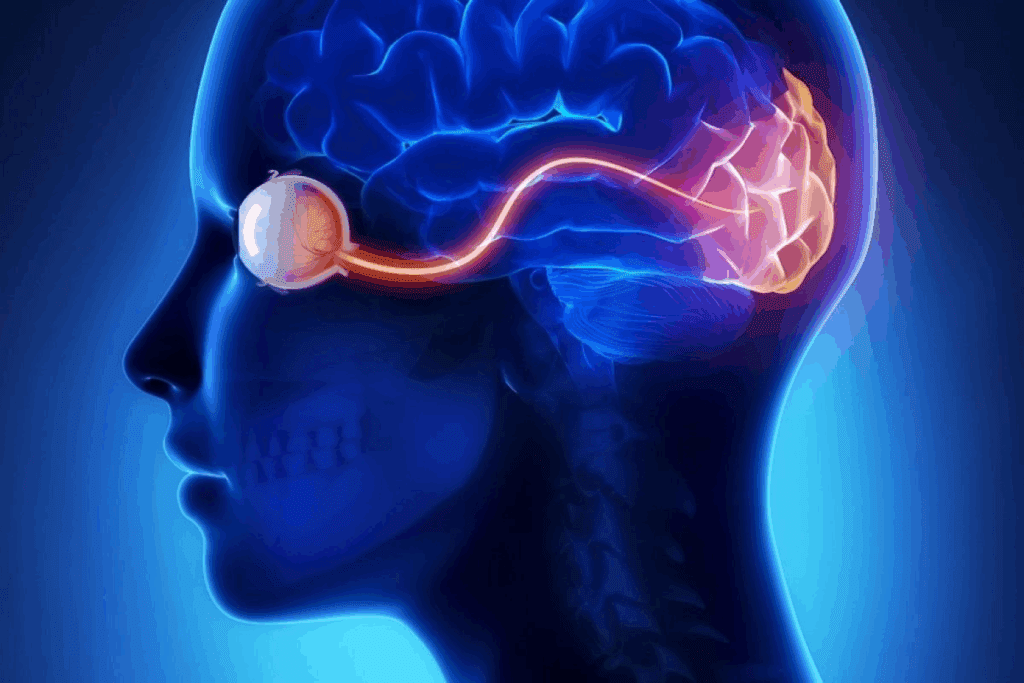
Uveitis is a complex inflammatory condition affecting millions worldwide. It is the leading cause of vision loss among working-age populations. Timely and effective uveitis therapy is key.
Proper diagnosis and uveitis treatment are vital for preserving vision. There are various medication and eye drop options. They are tailored to the specific type and severity of the condition.
At Liv Hospital, we understand the importance of caring for uveitis patients. Our approach includes the latest uveitis medication and treatment guidelines. We aim for the best possible outcomes.
Key Takeaways
- Uveitis is a significant cause of vision loss in working-age populations.
- Proper diagnosis is critical for effective uveitis therapy.
- Various treatment options are available, including eye drops and medication.
- Liv Hospital follows the latest uveitis treatment guidelines.
- Comprehensive care is essential for preserving vision in uveitis patients.
Understanding Uveitis: An Overview

Uveitis is a group of inflammatory eye conditions that can harm vision and quality of life worldwide. We will look into what uveitis is, how common it is, and its effects on people and communities.
Definition and Prevalence of Uveitis
Uveitis is when the uvea, the middle layer of the eye, gets inflamed. This layer includes the iris, ciliary body, and choroid. It can be caused by infections, injuries, or autoimmune diseases.
Studies show that uveitis affects about 17-52 per 100,000 people every year. It’s found in 38-284 per 100,000 people in general.
The frequency of uveitis changes based on where you are and who you are. For example, anterior uveitis often hits younger adults. Posterior uveitis usually affects older people.
Impact on Vision and Quality of Life
Uveitis can seriously harm your vision and quality of life if not treated right. The inflammation can cause:
- Vision loss or blindness
- Chronic eye pain
- Sensitivity to light
- Floaters or blurred vision
These issues can make daily tasks hard and affect your overall happiness. Uveitis can also lead to emotional and psychological problems like anxiety and depression.
Getting a diagnosis early and treating it well is key to managing uveitis. This helps avoid long-term vision problems. By understanding uveitis and its types, patients and doctors can create better treatment plans and improve results.
Types of Uveitis and Their Characteristics

Knowing the different types of uveitis is key to managing this complex eye condition. Uveitis can be classified by the eye part affected, the cause, and how long the inflammation lasts.
Anterior Uveitis (Iritis)
Anterior uveitis, or iritis, is the most common type, making up about 75% of cases. It affects the front part of the eye, including the iris and ciliary body. Symptoms include eye pain, redness, light sensitivity, and blurred vision.
Anterior uveitis treatment usually involves eye drops with corticosteroids to reduce inflammation. Cycloplegic agents are also used to relieve pain and prevent complications.
Intermediate Uveitis
Intermediate uveitis impacts the vitreous humor and the peripheral retina. It often causes floaters and blurred vision. This type can be linked to conditions like multiple sclerosis or sarcoidosis.
Treatment for intermediate uveitis may include corticosteroids and immunosuppressive therapy to manage inflammation.
Posterior Uveitis
Posterior uveitis affects the back part of the eye, including the choroid and retina. It can cause significant vision loss if not treated properly. Symptoms include blurred vision, floaters, and light sensitivity.
Posterior uveitis treatment may involve systemic corticosteroids or immunosuppressive agents. In some cases, biologic therapies are used.
Panuveitis
Panuveitis is a severe form that affects all layers of the uvea. It can lead to significant vision loss if not treated aggressively. Panuveitis treatment often includes a mix of systemic corticosteroids, immunosuppressive agents, and biologic therapies.
Understanding the different uveitis types is vital for choosing the right treatment. Each type has unique characteristics that guide treatment strategies for each patient.
- Anterior uveitis is the most common form, often treated with local therapies.
- Intermediate uveitis involves the vitreous and peripheral retina, requiring systemic treatment.
- Posterior uveitis affects the posterior segment, necessitating aggressive systemic therapy.
- Panuveitis involves all layers of the uvea, requiring a thorough and often aggressive treatment plan.
Diagnosing Uveitis: The Path to Proper Treatment
Getting a correct diagnosis for uveitis is key to treating it well and keeping your vision safe. Uveitis can show up in many ways, making it hard to spot. We need a detailed approach to find out what’s causing it and create a treatment plan that fits.
Common Symptoms and Warning Signs
Uveitis can cause eye pain, redness, light sensitivity, and blurry vision. Some people might see floaters or have trouble seeing clearly. Spotting these signs early is important for getting help fast.
The symptoms can change based on the type of uveitis. For example, anterior uveitis often brings pain and light sensitivity. Posterior uveitis might cause floaters and vision problems.
Diagnostic Tests and Procedures
To diagnose uveitis, we use several tests and exams. Our eye exams include:
- Visual acuity tests to check how sharp your vision is
- Slit-lamp examination to look at the front part of your eye
- OCT (Optical Coherence Tomography) to see the retina and choroid
- Fluorescein angiography to check for retinal vascular leakage
These tests help us figure out how bad the uveitis is. This information helps us plan the best treatment for you.
Determining Underlying Causes
Finding out why you have uveitis is important for the right treatment. We look at possible causes like infections, autoimmune diseases, or injuries. A detailed medical history and lab tests help us find the cause.
Knowing the cause lets us tailor the treatment to your needs. This can lead to better results and fewer complications.
Diagnostic Test | Purpose |
Visual Acuity Test | Checks how sharp your vision is |
Slit-Lamp Examination | Looks at the front part of your eye for signs of inflammation |
OCT | Shows the retina and choroid for signs of uveitis |
Fluorescein Angiography | Checks for retinal vascular leakage and inflammation |
Uveitis Treatment: Approaches and Market Overview
Uveitis treatment needs a mix of strategies to fight inflammation and save vision. We look at the current treatment landscape. It’s key to know the goals, market trends, and the need for quick action.
Treatment Goals and Strategies
The main goals of uveitis treatment are to lower inflammation, ease symptoms, prevent damage, and keep vision. The treatment plan changes based on the type and severity of uveitis. We start with eye drops for the front part of the eye and move to stronger treatments for the back.
Treatment strategies include:
- Corticosteroids (topical, periocular, intravitreal, or systemic)
- Immunosuppressive agents (e.g., methotrexate, cyclosporine)
- Biologic agents (e.g., TNF-alpha inhibitors)
- Cycloplegic and mydriatic agents for symptom management
Current Market Size and Growth Projections
The global uveitis treatment market is worth USD 2.28 billion in 2024. It’s expected to grow to USD 4.88 billion by 2033. This growth comes from more cases of uveitis, better treatments, and more awareness among doctors and patients.
The Importance of Early Intervention
Quick diagnosis and treatment of uveitis are vital to avoid vision loss. Early action can prevent serious problems like cataracts and glaucoma. We stress the importance of seeing specialists quickly to avoid permanent vision damage.
Understanding treatment options and market trends helps us manage uveitis better. This way, we can give the best care to our patients.
Topical Treatments for Anterior Uveitis
Topical treatments are key in managing anterior uveitis. They provide direct relief and reduce inflammation. These treatments are applied directly to the eye, focusing on the condition.
Corticosteroid Eye Drops
Corticosteroid eye drops are a common and effective treatment for anterior uveitis. They reduce inflammation and swelling in the eye. This helps alleviate symptoms like pain, redness, and sensitivity to light.
The use of these drops can be adjusted based on the severity of the condition. More frequent use is needed for acute cases, while less frequent use is for maintenance therapy.
These drops offer quick relief from inflammation and act locally, reducing systemic side effects. But, long-term use can cause side effects like increased eye pressure, cataracts, and infections. So, it’s important to have regular check-ups with an eye care professional.
Cycloplegic and Mydriatic Agents
Cycloplegic and mydriatic agents are also used in treating anterior uveitis. These medications help relieve pain caused by ciliary body spasms and prevent synechiae. Cycloplegic agents relax the ciliary muscle, reducing pain and inflammation. Mydriatic agents dilate the pupil, preventing synechiae and reducing pain.
Using both cycloplegic and mydriatic agents can greatly improve patient comfort and outcomes. They reduce pain and prevent complications. But, these medications can cause temporary vision blurring and light sensitivity. An eye care professional should guide their use to avoid side effects.
Understanding the role of topical treatments in managing anterior uveitis helps patients navigate their treatment options. Working closely with healthcare providers is key to achieving the best outcomes.
Systemic Medications for Uveitis Treatment
Uveitis treatment sometimes needs systemic medications. These are key for managing posterior uveitis and panuveitis. These conditions affect the back part of the eye or spread widely.
Oral Corticosteroids
Oral corticosteroids are vital for severe uveitis. They help reduce inflammation and are used when the condition is serious or threatens vision. Prednisone is a common choice.
These medications work fast and are effective. But, they can cause serious side effects. These include osteoporosis, diabetes, and a higher risk of infections.
Immunosuppressive Agents
For long-term treatment or when corticosteroids are not an option, immunosuppressive agents are used. They suppress the immune system to reduce inflammation.
Methotrexate, azathioprine, and cyclosporine are examples. The right choice depends on the patient’s condition, health, and possible side effects.
Medication | Mechanism of Action | Common Side Effects |
Methotrexate | Inhibits dihydrofolate reductase, suppressing immune response | Liver toxicity, bone marrow suppression |
Azathioprine | Interferes with DNA synthesis, reducing immune cell proliferation | Nausea, liver toxicity, increased infection risk |
Cyclosporine | Inhibits calcineurin, reducing T-cell activation | Renal toxicity, hypertension, tremors |
It’s important to closely monitor patients on these medications. Regular check-ups with a healthcare provider are key. This ensures the safe use of these treatments.
Biologic Therapies for Resistant Uveitis
Biologic therapies have changed how we treat resistant uveitis, giving hope to those who didn’t respond to usual treatments. These treatments, like TNF-alpha inhibitors, have shown great promise. They help manage the condition and improve patient outcomes.
TNF-Alpha Inhibitors
TNF-alpha inhibitors are biologic agents used to treat inflammatory conditions, including resistant uveitis. They target and block tumor necrosis factor-alpha (TNF-alpha), a key cytokine in inflammation. This reduces inflammation, helping control uveitis symptoms and prevent tissue damage.
Medications like adalimumab and infliximab are used to treat uveitis. Studies show they reduce inflammation and improve vision in patients with resistant uveitis.
“The use of TNF-alpha inhibitors has been a game-changer in the treatment of uveitis, providing a valuable option for patients who do not respond to traditional therapies.”
Other Biologic Agents
Other biologic agents are also being explored for resistant uveitis treatment. These include interleukin inhibitors and Janus kinase (JAK) inhibitors, which target different inflammatory pathways.
The use of these agents has expanded treatment options for resistant uveitis. This offers new ways to manage the condition and improve quality of life. As research continues, we can look forward to more advancements in biologic therapies for uveitis.
Local Injections and Implants
Uveitis treatment has improved with local injections and implants. These methods cut down on side effects by targeting the eye. They provide focused care for those with uveitis.
Periocular Steroid Injections
Periocular steroid injections are given around the eye to treat uveitis. They can be sub-Tenon or orbital floor injections.
Benefits: They offer localized treatment. This reduces the need for systemic steroids and their side effects.
- Effective for anterior and intermediate uveitis
- Can be used with other treatments
Potential Side Effects: Local reactions, cataract formation, and increased intraocular pressure.
Intravitreal Injections
Intravitreal injections put medication directly into the eye’s vitreous humor. This method is for posterior uveitis or when other treatments fail.
Benefits: It’s very effective for treating the eye’s posterior segment.
Medication Type | Indication | Frequency |
Corticosteroids | Posterior uveitis | As needed, based on inflammation |
Anti-VEGF agents | Macular edema associated with uveitis | Monthly or as needed |
Potential Side Effects: Risk of endophthalmitis, cataract formation, and increased intraocular pressure.
“Intravitreal injections have become a cornerstone in the treatment of posterior uveitis, providing a direct approach to managing inflammation within the eye.”
Expert Opinion
Sustained-Release Implants
Sustained-release implants release medication over time. They provide continuous treatment for uveitis.
Benefits: They reduce the need for frequent injections. This keeps medication levels steady.
- Ideal for chronic uveitis
- Good for patients who can’t stick to frequent injections
Potential Side Effects: Surgical risks, cataract formation, and increased intraocular pressure.
In conclusion, local injections and implants are effective for uveitis. Each has its benefits and risks. The right treatment depends on the uveitis type, severity, and patient health.
Managing Specific Types of Uveitis
Understanding the different types of uveitis is key to managing it well. Uveitis is a group of inflammatory eye conditions. Each type needs its own treatment approach.
Approaches for Anterior Uveitis Treatment
Anterior uveitis, or iritis, is the most common type. Treatment usually includes corticosteroid eye drops to reduce inflammation and ease pain. In severe cases, periocular steroid injections might be needed.
Cycloplegic agents help with pain and prevent complications like synechiae.
Strategies for Posterior Uveitis Treatment
Posterior uveitis affects the back part of the eye. It often needs more aggressive treatment because of the risk of serious vision problems. Systemic corticosteroids or immunosuppressive agents are used to control inflammation.
Intravitreal injections of corticosteroids or anti-VEGF agents can also help manage posterior uveitis.
Addressing Panuveitis
Panuveitis affects all layers of the uvea. Because of its severity and risk of vision loss, treatment is more intense. Systemic corticosteroids and immunosuppressive therapy are common.
In some cases, biologic agents might be used for resistant or severe panuveitis.
Treatment for Uveitis Associated with Systemic Diseases
Uveitis linked to diseases like Behçet’s, sarcoidosis, or HLA-B27-related conditions needs a holistic approach. Treatment must address both the eye and the systemic disease. Ophthalmologists and other specialists must work together.
Treatment may include systemic corticosteroids, immunosuppressive agents, or biologic therapies. The choice depends on the disease and its severity.
Potential Side Effects and Complications
When we talk about treating uveitis, we must think about the risks and complications. It’s important to manage uveitis well. This means treating the condition and also dealing with treatment side effects.
Corticosteroid Side Effects
Corticosteroids are key in treating uveitis because they reduce inflammation. But, they can cause side effects, both in the eyes and the body.
- Ocular Side Effects: These include higher eye pressure, cataracts, and worsening of eye problems.
- Systemic Side Effects: Side effects can be weight gain, mood changes, trouble sleeping, and a higher chance of infections.
To lessen these risks, doctors carefully control how much and for how long corticosteroids are used. They look for other treatments if corticosteroids are needed for a long time.
Risks Associated with Immunosuppressants
Immunosuppressants are used when corticosteroids don’t work or can’t be used because of side effects. These drugs are effective but come with risks.
Immunosuppressant | Common Side Effects | Monitoring Requirements |
Methotrexate | Liver damage, bone marrow issues | Liver tests, blood counts |
Cyclosporine | Kidney damage, high blood pressure | Kidney tests, blood pressure checks |
Azathioprine | Bone marrow issues, stomach problems | Blood counts, liver tests |
It’s important to watch for these risks closely. Treatment plans are adjusted based on how well the patient is doing and how they react to the treatment.
Monitoring and Managing Complications
Managing uveitis means treating it and watching for complications. Regular check-ups are key to catching any problems early.
Understanding the side effects and complications of uveitis treatment helps doctors create better plans. These plans aim to be effective while keeping the patient safe.
Conclusion: The Future of Uveitis Treatment
Uveitis is a complex condition that needs a detailed treatment plan. The future looks bright, with new research and treatments on the horizon. This brings hope to those affected.
New treatments are being developed thanks to a better understanding of uveitis. We’re moving towards treatments that are more precise and tailored to each patient. This aims to improve results and lower the chance of complications.
Research is key to finding new ways to treat uveitis. By investing in studies and working together, we can discover more effective treatments. Soon, we’ll see new biologic agents and implants that could change the game.
We’re excited about the future of uveitis treatment. Our goal is to bring the latest care to our patients. Together, we can make a big difference in the lives of those with this condition.
FAQ
What is uveitis and how is it treated?
Uveitis is eye inflammation that hits the middle layer of the eye. Treatment often includes eye drops, pills, and sometimes injections. These help lower inflammation and protect the eye.
What are the common symptoms of uveitis?
Symptoms include eye pain, redness, and light sensitivity. You might also see blurred vision or floaters. Symptoms vary based on the type and location of uveitis.
How is anterior uveitis treated?
For anterior uveitis, doctors use eye drops to fight inflammation. They also use agents to ease pain and prevent eye problems. These help keep the pupil open.
What are the treatment options for posterior uveitis?
Posterior uveitis treatment might include pills to control inflammation. Local treatments like injections into the eye can also be used.
What are the possible side effects of corticosteroid eye drops?
Eye drops can raise eye pressure, cause cataracts, or slow healing. Long-term use can make you dependent on the medication.
How do immunosuppressive agents work in treating uveitis?
These agents calm down the immune system’s attack on the eye. They can be used with or without corticosteroids to lessen side effects.
What are biologic therapies used for in uveitis treatment?
Biologic therapies, like TNF-alpha inhibitors, target specific molecules in inflammation. They’re used for tough cases of uveitis.
What is the role of local injections and implants in uveitis treatment?
Local injections and implants deliver medicine right to the eye. This can reduce side effects and target the treatment better.
How is uveitis associated with systemic diseases managed?
Managing uveitis linked to systemic diseases needs a full treatment plan. It involves treating the eye and the underlying disease, often with a team of doctors.
What are the current advancements in uveitis treatment?
New treatments include biologic therapies and better drug delivery systems. Understanding uveitis better leads to more effective treatments.
References
National Center for Biotechnology Information. Uveitis Treatment: Eye Drops and Medication Guide. Retrieved from https://pmc.ncbi.nlm.nih.gov/articles/PMC9827242/