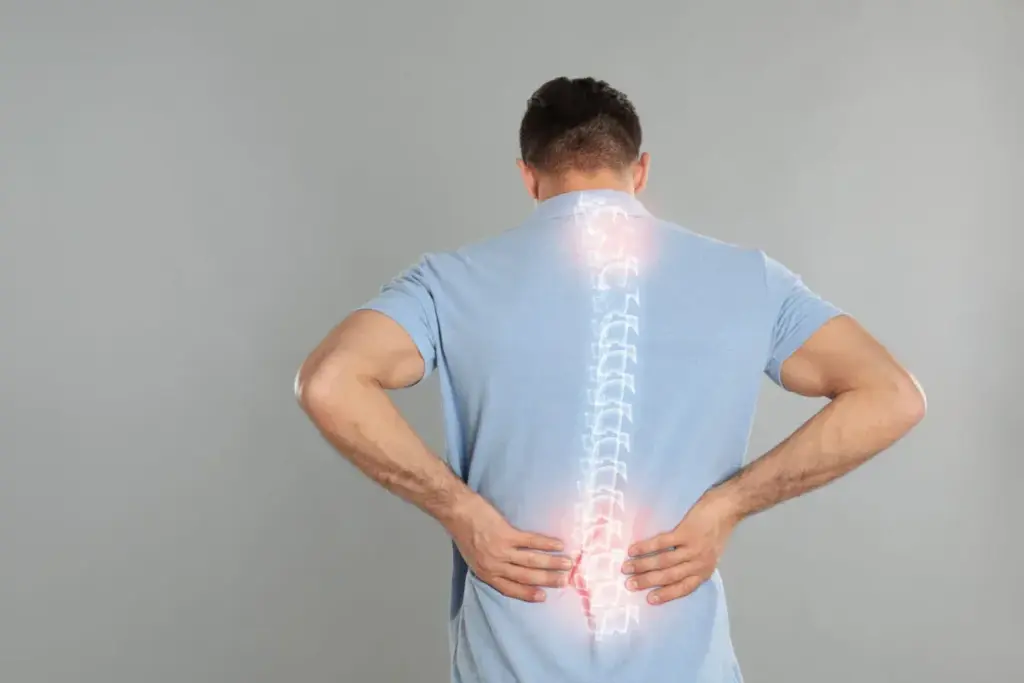
Did you know that spinal fusion surgeries, including L4-L5 fusion, are among the most common procedures for treating degenerative disc disease?
For veterans who have undergone such surgeries, understanding the disability rating is key. It helps them get the right compensation. We’ll walk you through the process and what affects the spinal fusion disability rating.
The L4-L5 fusion is a big surgery that can change a veteran’s life a lot. We aim to give you a full picture of what to expect with the l5-s1 fusion disability rating. We’ll also explain how it affects your compensation.
Get the ultimate guide to the VA rating for degenerative disc disease and secure the amazing benefits you deserve today.
Key Takeaways
- It is essential to understand the factors that influence the disability rating for L4-L5 fusion.
- How spinal fusion surgery impacts your VA disability rating.
- The importance of medical documentation in the rating process.
- Steps to take after undergoing L4-L5 fusion surgery.
- How to navigate the VA rating system effectively.
Understanding L4-L5 Spinal Fusion Surgery
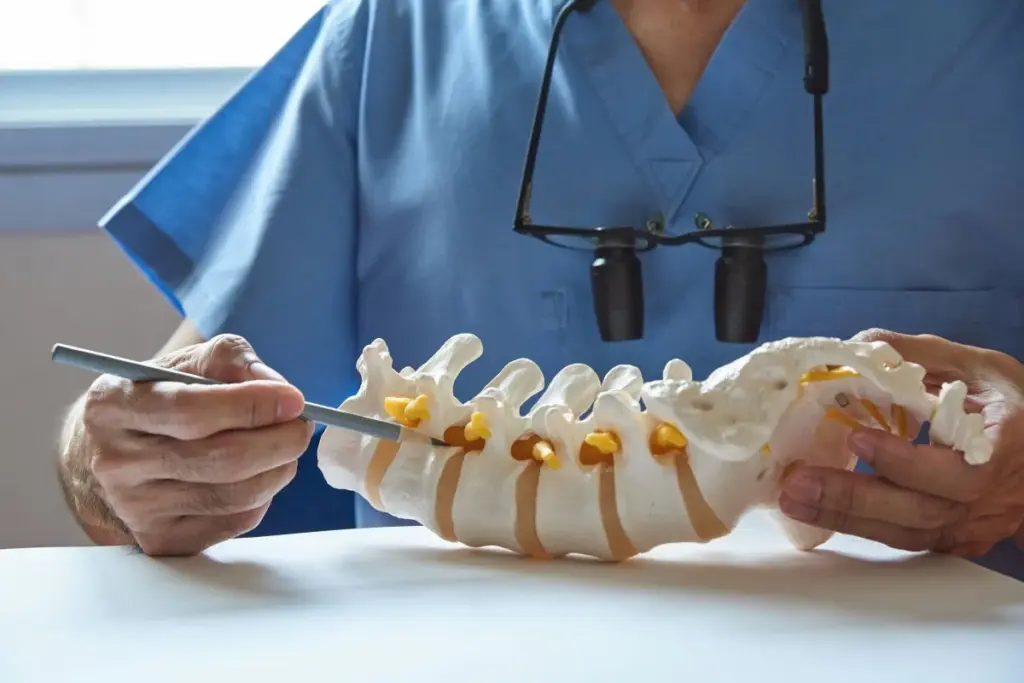
Learning about L4-L5 spinal fusion surgery is key for those thinking about it. This surgery joins two vertebrae in the lower back. It’s at the L4 and L5 levels of the lumbar spine.
What is L4-L5 Fusion and Why It’s Performed
L4-L5 fusion helps with lower back problems like pain or instability. It uses bone grafts, rods, and screws to join the vertebrae. This makes the lower back stable and less painful.
This surgery is chosen when other treatments don’t work. Doctors decide after checking with MRI or CT scans. They look at how much damage or wear there is in the spine.
Common Conditions Leading to L4-L5 Fusion
Several spinal issues might need L4-L5 fusion. Degenerative disc disease is a big reason, where the disc wears out and causes pain. Other problems include spondylolisthesis and spinal stenosis, which narrow the spinal canal and press on nerves.
- Degenerative disc disease
- Spondylolisthesis
- Spinal stenosis
- Recurrent disc herniation
These issues can really hurt your quality of lif.. If other treatments don’t help, surgery like L4-L5 fusion might be needed. Knowing about these problems helps understand why this surgery is sometimes necessary.
The Basics of VA Disability Rating System

Understanding the VA disability rating system is key for veterans. It helps evaluate the severity of service-connected disabilities. This system provides compensation based on the condition’s impact.
How VA Disability Ratings Work
The VA gives a disability rating from 0% to 100% in 10% steps. This rating affects how much a veteran gets each month. It’s not just about the diagnosis but how it affects daily life and work.
“The VA rating schedule is a guide used to evaluate the severity of a veteran’s disability,” the Department of Veterans Affairs explains.
“The rating schedule is based on the average impairment of earning capacity caused by a particular disability.”
The Combined Ratings Table Explained
For veterans with multiple disabilities, the VA uses the Combined Ratings Table. This table helps figure out the total disability rating. It’s not just adding up the ratings but considering how each affects the veteran’s overall ability.
For example, a 50% rating for one condition and a 30% rating for another don’t add up to 80%. The VA calculates the remaining ability after the first condition. Then, it applies the second rating to that. This way, the veteran’s total disability is more accurately shown.
Importance of Proper Medical Documentation
Having the right medical records is vital for VA claims and appeals. These records show how severe the condition is and its impact. They include medical history, doctor’s notes, and test results.
Thorough medical documentation links the veteran’s service to their disability. It also helps the VA decide on the right rating. Veterans should make sure their medical records are complete and detailed.
The VA stresses, “Medical evidence is key to proving a claim and getting the right rating.” So, veterans must focus on collecting and submitting all necessary medical records.
VA Rating for Degenerative Disc Disease Explained
Veterans with degenerative disc disease need to know how the VA rates this condition. This is key to handling their disability claims well. The VA rating is based on how bad the symptoms are and how they affect daily life.
Rating Schedule for Spinal Conditions
The VA has a rating schedule for spinal issues, like degenerative disc disease. This schedule looks at symptoms like pain, limited movement, and nerve problems. The VA’s Schedule for Disability Ratings gives a detailed guide on how to judge spinal condition severity.
|
VA Rating |
Criteria |
|---|---|
|
0% |
Degenerative disc disease with no significant symptoms or impairment. |
|
10%-20% |
Mild to moderate symptoms with some limitation in movement. |
|
30%-40% |
Moderate to severe symptoms with significant limitation in movement. |
|
50%-100% |
Severe symptoms with marked or severe limitation in movement, or significant neurological deficits. |
What is the Average VA Rating for Degenerative Disc Disease
The average VA rating for degenerative disc disease varies a lot. Ratings can range from 0% to 100%. Higher ratings mean more severe symptoms. The rating depends on pain level, how much you can move, and if you have nerve problems.
How Degenerative Disc Disease Progresses and Affects Ratings
Degenerative disc disease can get worse over time, leading to more symptoms and possibly higher VA ratings. It’s important for veterans to understand this progression. As the condition gets worse, symptoms like pain, reduced mobility, and nerve problems can increase, affecting the VA rating.
Veterans should keep detailed medical records. They should also tell the VA about any changes in their condition. This ensures their rating reflects their current disability level.
Specific Rating Criteria for Spinal Fusion Procedures
It’s important for veterans to know how the VA rates spinal fusion procedures for disability benefits. The VA looks at several key factors to decide how much a disability is worth.
Range of Motion Limitations After Fusion
Assessing range of motion after spinal fusion is a big part of the VA’s evaluation. The VA checks how much the fusion limits the spine’s movement. Range of motion tests are used during Compensation and Pension (C&P) exams to measure this.
How much a veteran can move their spine affects their daily life. For example, not being able to bend or lift can make everyday tasks hard.
|
Range of Motion Limitation |
VA Rating |
|---|---|
|
Normal |
0% |
|
Mildly Limited |
10%-20% |
|
Moderately Limited |
30%-40% |
|
Severely Limited |
50%-100% |
Pain Considerations in Rating Determinations
Pain is a big factor in the VA’s rating for spinal fusion. The VA looks at how often, how bad, and how long the pain lasts. This helps them see how much it affects a veteran’s life.
“Pain can be a major limiting factor for individuals with spinal fusions, affecting not just their physical capabilities but also their mental well-being.”
—Orthopedic Surgeon
The VA uses a pain scale to measure a veteran’s pain. They combine this with medical records to figure out the right rating.
Functional Loss Assessment
Functional loss means not being able to do normal things because of spinal fusion. The VA checks how spinal fusion affects a veteran’s daily life and work.
During C&P exams, examiners test physical abilities like strength and endurance. They also check if a veteran can do tasks.
Knowing these rating criteria helps veterans understand the VA disability claims process better. It ensures they get the benefits they deserve.
L4-L5 Fusion Disability Rating Factors
L4-L5 fusion ratings are complex. They depend on the fusion procedure and its effect on the veteran’s life. It’s key for veterans to understand these factors when dealing with VA disability claims.
Unique Considerations for Lumbar Fusion
Lumbar fusion surgeries, like L4-L5, join vertebrae in the lower back. This stabilizes the spine and reduces pain. The VA looks at several aspects of lumbar fusion when rating disabilities. These include motion limits, pain, and how well the veteran can function.
After an L4-L5 fusion, veterans might find it hard to move. This can affect their daily life and job. The VA checks how much this limits the veteran’s tasks and work.
Comparing L4-L5 to Other Spinal Segment Fusions
L4-L5 fusion is among several spinal fusion surgeries. It’s important to compare it to other fusions, like cervical or other lumbar fusions. The location and how many levels are fused affect the rating.
Fusions at more critical areas or involving more levels might get higher ratings. This is because they cause more severe symptoms and affect the veteran’s ability to function more. Knowing these differences helps veterans and their supporters understand VA ratings better.
Looking at lumbar fusion specifics and comparing L4-L5 to other fusions helps us understand rating factors. This knowledge is key for veterans to get the disability benefits they deserve.
Secondary Conditions and Their Impact on Overall Rating
Secondary conditions after L4-L5 fusion surgery are key in setting a VA disability rating for veterans. These conditions can greatly affect a veteran’s life and work ability. We’ll look at how issues like radiculopathy, nerve damage, and spinal stenosis influence the VA rating.
Radiculopathy and Nerve Damage
Radiculopathy, caused by nerve issues during or after surgery, leads to chronic pain, numbness, and weakness. Radiculopathy happens when a nerve root gets inflamed or damaged, causing pain and disability.
Radiculopathy can show up in different ways, such as:
- Pain spreading down the legs
- Numbness or tingling
- Muscle weakness
Spinal Stenosis as a Secondary Condition
Spinal stenosis can also occur after L4-L5 fusion. It’s when the spinal canal narrows, pressing on the spinal cord and nerves. This causes pain and discomfort.
Spinal stenosis symptoms include:
- Chronic back pain
- Pain or numbness in the legs
- Difficulty walking or standing for long periods
How Secondary Conditions Affect Combined Ratings
Secondary conditions can change a veteran’s VA disability rating. The VA uses a table to figure out the total rating.
The steps are:
- Assessing each condition’s severity
- Using the table to find the total rating
- Looking at how these conditions affect the veteran’s health and function
VA Disability Rating for Lower Back Pain Following Fusion
Getting a VA disability rating for lower back pain after fusion surgery involves several important steps. We will look at how the VA checks for chronic pain. They also figure out the difference between pain before and after surgery.
Chronic Pain Assessment Methods
Checking chronic pain means looking at how often, how long, and how bad the pain is. The VA also looks at how pain affects daily life and work.
They use medical exams and look at medical history to assess the condition’s severity. This detailed check is key to figuring out how serious the condition is.
Differentiating Between Pre and Post-Surgical Pain
It’s important to tell the difference between pain before and after surgery. This helps the VA understand how the surgery changed the veteran’s condition.
To make this distinction, the VA looks at medical records before and after surgery. They check for changes in pain levels, medicine use, and how well the veteran can function.
|
Assessment Factor |
Description |
Impact on Rating |
|---|---|---|
|
Chronic Pain Level |
Intensity and frequency of pain |
Higher pain levels result in higher ratings |
|
Functional Limitations |
Impact on daily activities and work |
Greater limitations lead to higher ratings |
|
Medical Evidence |
Documentation of pain and treatment |
Thorough documentation supports higher ratings |
Understanding these factors and how they are checked is key for veterans. It helps them navigate the VA disability rating system for lower back pain after fusion surgery.
Documentation Required for L4-L5 Fusion VA Claims
Veterans need to collect detailed medical records for L4-L5 fusion surgery VA claims. This evidence is key to show how their disability affects their daily life.
Medical Evidence Needed
Having solid medical evidence is vital for a successful L4-L5 fusion VA claim. This includes:
- Detailed medical records of the surgery and treatment
- Records of symptoms and limitations before and after surgery
- Details of any complications or extra treatments needed
We recommend that veterans make sure their medical records are complete and accurate.
Physician Statements and Their Importance
Physician statements are very important for a VA claim for L4-L5 fusion. They should:
- Describe the veteran’s condition and its link to their service
- Detail the symptoms and limitations caused by the fusion
- Explain how the condition impacts work and daily activities
Physician statements can greatly help a VA claim by adding professional insight into the veteran’s health.
Imaging and Diagnostic Test Requirements
Imaging and diagnostic tests are key to proving the diagnosis and extent of the L4-L5 fusion. These may include:
|
Test Type |
Purpose |
Relevance to VA Claim |
|---|---|---|
|
X-rays |
Check spinal alignment and fusion success |
Show physical changes after surgery |
|
MRI or CT scans |
Look at soft tissue and nerve involvement |
Document nerve damage or compression |
|
Electrodiagnostic tests (EMG/NCS) |
Check nerve function and damage |
Support claims of nerve problems |
By collecting and submitting all the necessary documents, veterans can make their L4-L5 fusion VA claim stronger. This can help them get a better disability rating.
Common Challenges in Obtaining Proper Spinal Fusion Ratings
Getting a fair disability rating for spinal fusion can be tough. Veterans face a complex system. They must overcome many obstacles to get the compensation they deserve.
Inadequate C&P Exams
One big challenge is poor Compensation and Pension (C&P) exams. These exams are key to figuring out how bad a veteran’s condition is. But, if they’re not done right, they might not show the veteran’s real situation. This could mean a lower rating than they should get.
Common issues with C&P exams include:
- Lack of thoroughness in assessing the veteran’s condition
- Failure to consider the veteran’s medical history
- Inadequate evaluation of the impact on daily activities
Proving Service Connection
Another hurdle is proving that spinal fusion surgery is linked to military service. Veterans need to show a clear connection. This can be hard, like if the condition started years after service or if records are scarce.
To strengthen their claim, veterans should:
- Gather all relevant medical records
- Provide detailed statements about their condition and how it relates to their service
- Seek support from Veterans Service Organizations (VSOs) or attorneys specializing in VA claims
Addressing VA Rating Inconsistencies
VA rating inconsistencies are another big challenge. Different examiners or offices might give different ratings for the same condition. This can confuse and upset veterans.
To address these inconsistencies, veterans can:
- Request a higher-level review or appeal the decision
- Provide additional evidence to support their claim
- Seek guidance from VSOs or legal professionals to navigate the appeals process
How to Appeal an Insufficient L4-L5 Fusion Disability Rating
Appealing a disability rating for L4-L5 fusion is complex but essential for veterans. It involves several steps and strategies. These can greatly affect your appeal’s outcome.
The Appeals Process Explained
First, understand the appeals process. The VA has a detailed process with many stages. Veterans need to be ready to navigate this system, which can take time and requires patience.
Veterans start by filing a Notice of Disagreement (NOD) with the VA. This shows they want to appeal the rating. Then, the VA prepares a Statement of the Case (SOC), explaining their decision. Veterans can then file a Substantive Appeal, known as a VA Form 9.
New Evidence Submission Strategies
Submitting new evidence is key to supporting your appeal. Veterans should collect detailed medical records, statements from doctors, and other relevant evidence. This could include records of worsening symptoms, new diagnoses, or how the condition affects daily life and work.
Keeping a personal log or diary of your condition’s impact can also help. It shows the severity of your symptoms and how they interfere with your daily activities.
Working with VSOs and Attorneys
Veterans Service Organizations (VSOs) and attorneys can be very helpful. VSOs offer free services and can explain your rights and the appeals process. Attorneys can represent you, prepare appeals, and submit documents.
Working with these experts can improve your appeal. They ensure all necessary documents are submitted and the appeal is well-prepared.
Strategies to Increase VA Disability Rating for Spinal Conditions
To boost your VA disability rating for spinal issues, you need a solid plan. This plan should focus on detailed records and showing how severe your condition is. Knowing the VA’s criteria and how to present your case well is key.
Documenting Flare-ups and Incapacitating Episodes
Recording flare-ups and episodes where you can’t move is vital for your claim. Keep a detailed log of these times, how bad they are, and how they affect your day. Include:
- Dates and times of flare-ups
- Description of symptoms and their severity
- Impact on daily activities and work capability
- Any medical treatment or interventions used during these episodes
Having a clear record of these events shows the VA how serious your condition is.
Addressing All Secondary Conditions
Secondary conditions linked to your spinal issue can also affect your rating. It’s important to thoroughly document these conditions, like radiculopathy or spinal stenosis. Show how they’re connected to your main condition. This might include:
- Medical records showing the diagnosis and treatment of secondary conditions
- Statements from healthcare providers linking these conditions to your primary spinal condition
- Evidence of how secondary conditions further limit your functionality and quality of life
By covering all secondary conditions, you might get a higher VA disability rating. This ensures you get the benefits you deserve for all your service-related disabilities.
The Role of Buddy Statements and Lay Evidence
Buddy statements and lay evidence are very important for your claim. Statements from family, friends, or fellow veterans who have seen your condition can offer valuable insights. Lay evidence might include:
- Descriptions of changes in your ability to perform daily tasks
- Observations of your pain levels and how they affect your behavior
- Testimony about how your condition has impacted your social and work life
These statements can back up your medical records. They give a fuller picture of how your condition affects your life.
Living with L4-L5 Fusion: Daily Challenges and Accommodations
Living with L4-L5 fusion surgery can be tough. But knowing what to expect can help. After surgery, people often face new limits and must change their lifestyle a lot.
Work Limitations and Vocational Rehabilitation
Work can be a big challenge after L4-L5 fusion. Many struggle with tasks that need heavy lifting, bending, or sitting for long times. Vocational rehab helps by finding new jobs or changing current ones to fit what you can do.
Going back to work after surgery is scary. Vocational rehabilitation programs offer support. They help you get back to work by training, making work places better, and helping with mental issues.
Adaptive Equipment and Home Modifications
Home changes are also needed for L4-L5 fusion patients. Adaptive equipment and home modifications can really help. Simple things like grab bars or a shower chair can make daily life safer and easier.
Also, making your home workspace ergonomic can help your back. This might mean using a special chair, adjusting work heights, or tools that don’t need bending or heavy lifting.
By knowing the daily challenges and making the right changes, people with L4-L5 fusion can live better. It’s about finding the right balance and taking care of yourself.
Additional Benefits and Resources for Veterans with Spinal Fusions
Veterans with spinal fusion surgery get help from the VA. They offer more than just a disability rating. There are many benefits that can make a big difference in their lives.
Special Monthly Compensation Possibilities
Veterans with spinal fusions might get Special Monthly Compensation (SMC). This is extra money for disabilities that make daily life hard. It’s a tax-free benefit on top of their monthly disability pay.
For example, if a veteran needs special equipment because of their surgery, they might get SMC. The amount depends on how much help they need.
SSDI Benefits for Degenerative Disc Disease
Veterans with degenerative disc disease can also get Social Security Disability Insurance (SSDI) benefits. SSDI is a federal program for those who can’t work because of a disability. They must have worked and paid Social Security taxes.
To get SSDI, veterans need a disability that the Social Security Administration says is severe. Degenerative disc disease can qualify if it makes it hard to work. They need to provide medical records and sometimes go to a doctor for an exam.
|
Benefit Type |
Description |
Eligibility Criteria |
|---|---|---|
|
Special Monthly Compensation (SMC) |
Tax-free benefit for veterans with service-connected disabilities requiring aid and attendance or having other special needs. |
Service-connected disability with significant impact on daily living. |
|
Social Security Disability Insurance (SSDI) |
Cash benefits for individuals unable to work due to a disability. |
Disability that meets SSA’s definition and sufficient work history. |
Support Groups and Advocacy Organizations
Veterans with spinal fusions can find support in groups and organizations. These places let them share experiences and get emotional support. They also learn about VA benefits and healthcare.
“Support groups offer a sense of community and understanding that is invaluable for veterans dealing with the challenges of spinal fusion and related conditions.” – Veterans’ Advocate
Groups like the Disabled American Veterans (DAV) and the Wounded Warrior Project (WWP) help veterans with disabilities. They offer programs and services for those with spinal fusions.
By looking into these benefits and resources, veterans with spinal fusions can get the support they need. This helps them manage their condition and improve their quality of life.
Conclusion
Understanding the VA disability rating for L4-L5 fusion and related spinal conditions is key for veterans. This knowledge helps them get compensation for their service-connected disabilities. We’ve looked into the VA rating system, focusing on degenerative disc disease and spinal fusion procedures.
The va rating for degenerative disc disease and spinal fusion disability rating greatly affects a veteran’s life. It’s vital to gather all medical records. This includes diagnoses, treatments, and how these conditions affect daily life. This helps support a va claim degenerative disc disease or other related claims.
Veterans with lower back pain after spinal fusion surgery might get a va disability rating for lower back pain. We stressed the need for detailed medical records. Also, appealing ratings that are too low is important. This ensures veterans get the compensation they deserve.
Knowing the VA rating criteria and the need for detailed documentation helps veterans. They can better handle the claims process. This way, they can get the benefits needed to manage their conditions and improve their quality of life.
FAQ
What is the average VA rating for degenerative disc disease?
The VA rating for degenerative disc disease varies. It depends on how severe the condition is and how it affects daily life. Ratings range from 0% to 100%, with higher numbers showing more severe symptoms.
How does the VA rate spinal stenosis?
The VA rates spinal stenosis based on symptoms like pain, numbness, and limited mobility. They use the VA’s rating schedule for spinal conditions to determine ratings.
What is the VA disability rating for L5-S1 fusion?
The VA rating for L5-S1 fusion depends on the surgery’s outcome, pain levels, and any mobility or functionality limits. Each case is evaluated individually.
How do I increase my VA disability rating for degenerative disc disease?
To successfully increase your VA rating for degenerative disc disease, it is crucial to provide comprehensive and detailed medical records. Show evidence of worsening symptoms and any secondary conditions. Filing an appeal with new evidence can also help.
What is the VA rating for lower back pain?
The VA rating for lower back pain is based on pain severity and its impact on daily activities. The rating schedule looks at range of motion, pain on movement, and muscle spasm.
Can I receive SSDI benefits for degenerative disc disease?
Yes, you can get SSDI benefits for degenerative disc disease if it severely limits your work ability. You’ll need to provide detailed medical records as part of the application.
How does the VA determine the disability rating for spinal fusion?
The VA rates spinal fusion based on surgery success, any remaining symptoms, and their impact on daily life. They evaluate the veteran’s functional ability.
What documentation is required for a VA claim for L4-L5 fusion?
For a VA claim for L4-L5 fusion, you’ll need medical records of the surgery and post-operative care. Also, show evidence of ongoing symptoms and their daily life impact.
How do secondary conditions affect my VA rating?
Secondary conditions like radiculopathy or spinal stenosis can raise your VA rating. They must be service-connected and significantly affect your daily life.
What are the common challenges in obtaining a proper spinal fusion rating?
Challenges include poor Compensation and Pension (C&P) exams, proving service connection, and inconsistent VA ratings. You may need more evidence and sometimes an appeal to overcome these.
How can I appeal an insufficient L4-L5 fusion disability rating?
To appeal an L4-L5 fusion rating, file a claim with new evidence. This could include updated medical records or statements from healthcare providers to support a higher rating.