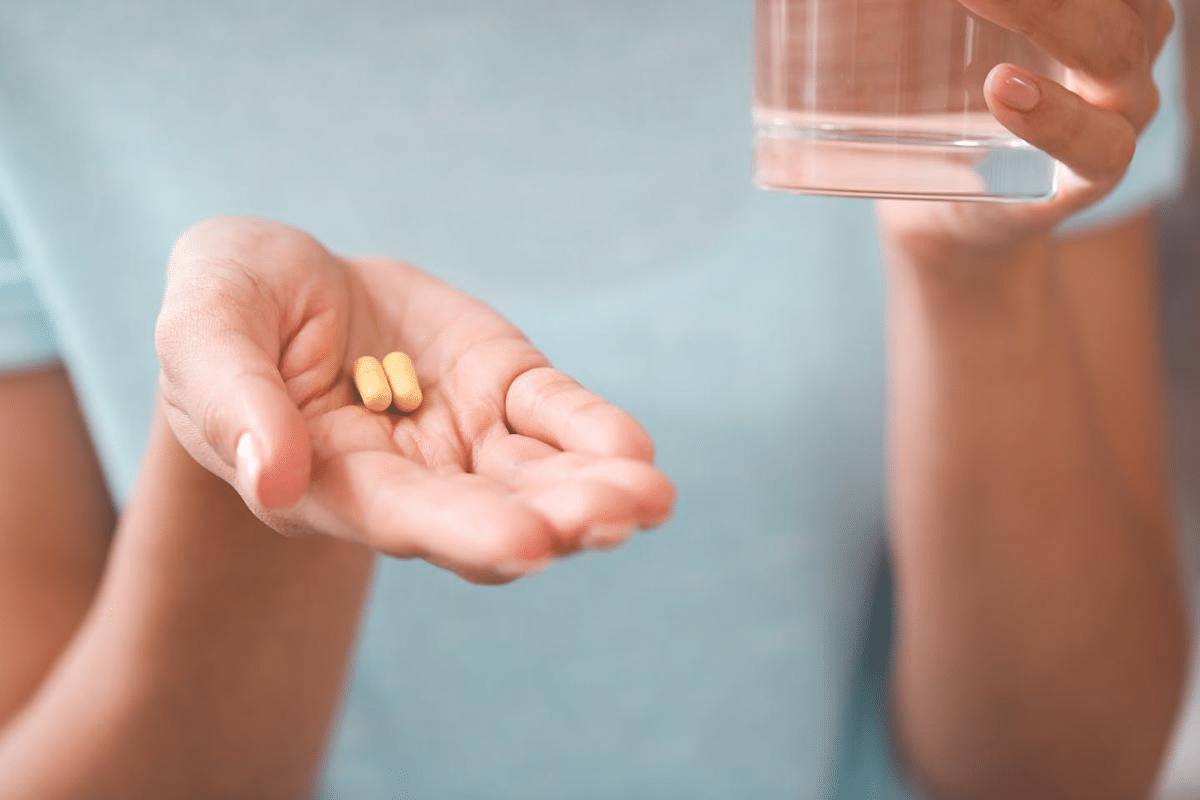
Managing medications is key for those with hyperuricemia and gout. Allopurinol is a xanthine oxidase inhibitor. It helps lower uric acid in the body. This makes it great for stopping gout attacks and managing kidney stones. Listing the most common allopurinol brand name identifiers and their key uses in the treatment of gout.
Allopurinol is known by several brand names. These include Zyloprim, Lopurin, and Aloprim. Knowing these names is vital for correct medication use and effectiveness.
Key Takeaways
- Allopurinol is used to manage hyperuricemia and gout-related conditions.
- The primary brand names for allopurinol are Zyloprim, Lopurin, and Aloprim.
- Understanding the characteristics of these brand formulations is vital for proper medication management.
- Allopurinol works by reducing uric acid production in the body.
- Accurate medication identification is essential for therapeutic effectiveness.
What You Need to Know About Allopurinol

Allopurinol is a key drug for treating gout and high uric acid levels. It works by blocking an enzyme that makes uric acid. This helps manage uric acid-related problems.
Definition and Basic Function
Allopurinol is a type of drug that stops uric acid production. It helps people with gout and high uric acid levels. By blocking the enzyme xanthine oxidase, it reduces uric acid levels.
The allopurinol class of drugs is important for controlling uric acid. It’s used for gout in adults and high uric acid levels from cancer treatment. Its ability to lower uric acid makes it essential for treatment.
Historical Development and Approval
Allopurinol was created in the 1950s for cancer research. But it was found to lower uric acid levels. This led to its use in treating gout and hyperuricemia.
The historical development of allopurinol includes its FDA approval in 1966. It’s now a common drug for managing uric acid levels. The brand name Zyloprim is well-known for this medication.
“Allopurinol has been a cornerstone in the management of gout and hyperuricemia for decades, providing a reliable solution for patients with excessive uric acid production.”
Allopurinol has been a key part of treatment for gout and related disorders for years. Its efficacy and safety profile make it a top choice for doctors worldwide.
- Allopurinol is available under various brand names, including Zyloprim, Lopurin, and Aloprim.
- It is classified as a xanthine oxidase inhibitor, a class of drugs that reduce uric acid production.
- Allopurinol is used to treat gout and high uric acid levels caused by cancer treatment.
Allopurinol Brand Names: Complete Global List
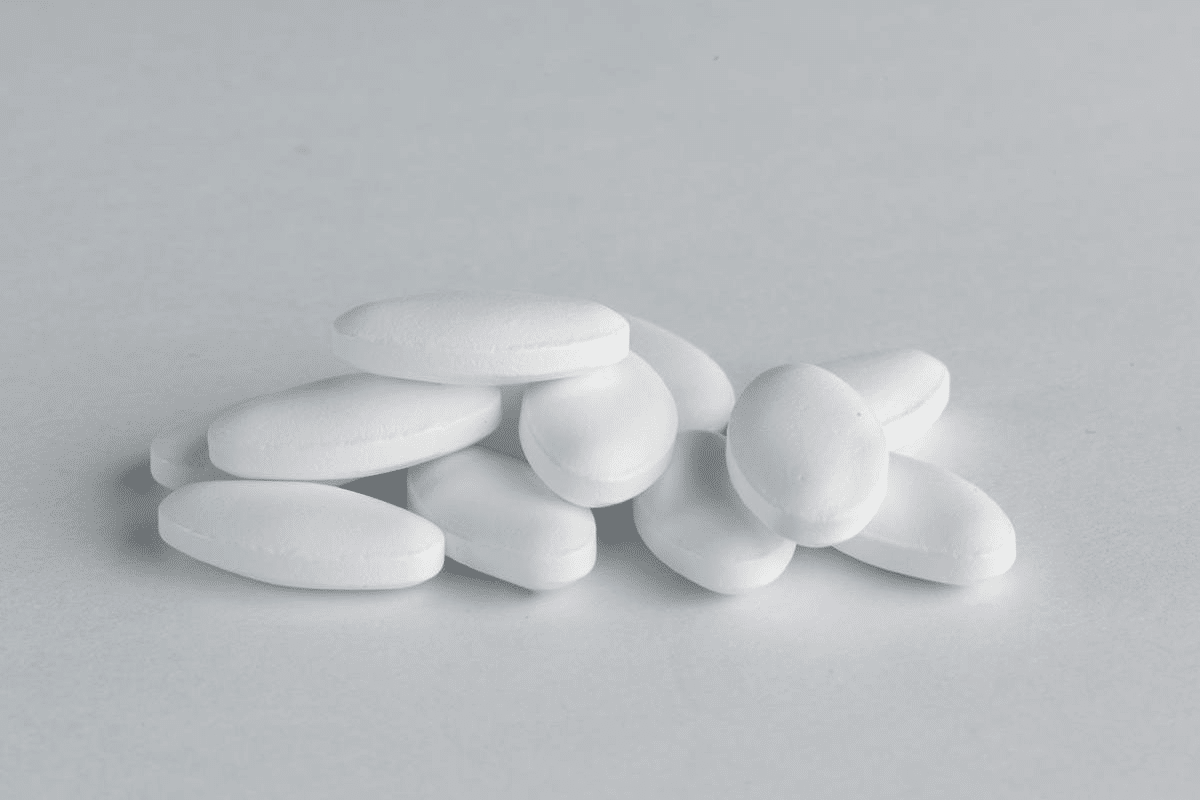
Allopurinol is known by many brand names worldwide. This is because it’s used to treat gout and other conditions. Different companies market it in different places.
Zyloprim: The Original Brand
Zyloprim was the first name for allopurinol. It’s well-known in the US. Zyloprim is often seen as the top choice for the drug.
Lopurin and Aloprim in the US Market
In the US, Lopurin and Aloprim are also used. Lopurin is an alternative to Zyloprim. Aloprim is for IV use. Having these brands gives patients more options.
International Variations (Allohexal, Allosig, Milurit)
Allopurinol has different names in other countries. Some include:
- Allohexal
- Allosig
- Milurit
These names are used in various countries. They show allopurinol’s global use in treating gout and high uric acid levels.
Regional Brand Differences
Brand names for allopurinol change by region. This is due to local companies and rules. This can cause confusion for patients and doctors. But it also shows allopurinol is widely accepted and used.
Finding the right allopurinol brand can be hard. But knowing about these differences is key. It helps ensure the right medicine is used.
The Class of Allopurinol: Xanthine Oxidase Inhibitors
Xanthine oxidase inhibitors, like allopurinol, are key in treating gout and uric acid issues. They block the enzyme xanthine oxidase. This enzyme is important in making uric acid.
How Xanthine Oxidase Inhibitors Work
Xanthine oxidase turns hypoxanthine into xanthine and then into uric acid. By stopping this enzyme, these inhibitors cut down uric acid production. This is key in managing gout, which can cause pain and damage to joints.
Allopurinol, a xanthine oxidase inhibitor, slowly lowers uric acid levels. This helps prevent gout attacks and other issues from too much uric acid.
Allopurinol’s Position Within Its Drug Class
Allopurinol is a top choice for treating gout and high uric acid levels. It’s safe and effective for long-term use. Other inhibitors are available, but allopurinol’s long history and low cost make it a big deal in its class.
Comparison to Other Drugs in the Same Class
Allopurinol is well-known, but febuxostat is another option. Febuxostat might be better for those who can’t take allopurinol. The right choice depends on the patient’s health and needs.
Choosing a xanthine oxidase inhibitor should be based on a full review of the patient’s health and history.
Chemical Structure and Properties of Allopurinol
The chemical structure of allopurinol is key to its action. It blocks xanthine oxidase, an enzyme that makes uric acid in our bodies. This is why allopurinol is good for treating gout and other related conditions.
Molecular Formula: 1,5-dihydro-4H-pyrazolo [3,4-d]pyrimidin-4-one
Allopurinol’s molecular formula is C5H4N4O. It is also known as 1,5-dihydro-4H-pyrazolo [3,4-d]pyrimidin-4-one. This formula is important for its healing effects.
Key aspects of allopurinol’s molecular structure include:
- A pyrazolo-pyrimidinone ring system
- A specific arrangement of nitrogen and oxygen atoms
- A relatively simple structure compared to other pharmaceutical compounds
Physical and Chemical Characteristics
Allopurinol has certain physical and chemical properties. These affect how it works in the body. Some of its notable features are:
- Appearance: White crystalline powder
- Solubility: Slightly soluble in water and alcohol
- Melting Point: Decomposes at about 350°C
Structure-Activity Relationship
The structure-activity relationship of allopurinol is key to understanding how it works. Its structure lets it block xanthine oxidase. This prevents the body from making uric acid.
The key features contributing to allopurinol’s activity include:
- The presence of nitrogen atoms at specific positions in the molecule
- The configuration of the pyrazolo-pyrimidinone ring
- The overall molecular geometry
Knowing about allopurinol’s chemical structure and properties helps us understand its benefits and safety.
Allopurinol Pill Identifier: Visual Recognition Guide
Knowing how to spot allopurinol pills is key to safe and effective treatment. Allopurinol comes in different strengths. It’s important for both patients and healthcare workers to know how to identify these pills correctly.
100 mg Tablet Appearance and Markings
The 100 mg allopurinol pill is a white scored tablet. The score makes it easy to split the pill if needed.
200 mg Tablet Identification Features
The 200 mg tablet stands out with its unique markings. It’s usually white but might have special imprints or colors.
300 mg Pill Identifier Characteristics
The 300 mg tablet is bigger. It often has special identifiers like imprints or colors to tell it apart from other pills.
Distinguishing Generic from Brand Name Pills
Generic and brand name pills look different. Brand name pills, like Zyloprim, have consistent identifiers. Generic pills, though the same in what they do, might look different based on who made them.
Here’s a quick guide to allopurinol tablets:
|
Dosage |
Typical Color |
Scoring |
Other Identifiers |
|---|---|---|---|
|
100 mg |
White |
Scored |
None |
|
200 mg |
White |
May be scored |
Imprints or specific colors |
|
300 mg |
White or colored |
May be scored |
Specific imprints or colors |
A doctor once said, “It’s very important to know what medication you’re taking. It keeps you safe and helps your treatment work better.”
“Spotting the right allopurinol pills is key. It makes sure you get the right dose. This helps your treatment work better and keeps side effects down.” A healthcare professional’s insight
Available Dosage Forms and Strengths
Allopurinol comes in various forms and strengths. This lets doctors choose the best treatment for each patient.
Oral Tablet Formulations
Allopurinol tablets are available in 100 mg, 200 mg, and 300 mg strengths. These tablets are easy to take at home. Doctors can adjust the dose based on how well the patient responds.
Intravenous Powder for Injection
For those who need quick relief or can’t take pills, there’s an intravenous powder for injection in a 500 mg dose. It’s great for fast uric acid control in hospitals.
Proper Storage Requirements
Keeping Allopurinol safe and effective is key. Store tablets and powder in a cool, dry place. Keep it away from sunlight and moisture. Make sure it’s out of reach of kids and pets. Always check the expiration date and throw away any expired or damaged medicine.
Primary Therapeutic Uses of Allopurinol
Allopurinol works as a xanthine oxidase inhibitor. It treats uric acid-related disorders. We’ll look at its main uses and how it helps manage uric acid conditions.
Management and Prevention of Gout Attacks
Allopurinol helps manage and prevent gout attacks. It reduces uric acid production in the body. This stops urate crystals from forming, which cause gout. Effective management of gout means treating attacks and preventing future ones.
Using allopurinol for gout has many benefits:
- It reduces the frequency and severity of gout attacks.
- It prevents joint damage and deformity.
- It improves the quality of life for those with chronic gout.
Treatment of Hyperuricemia
Hyperuricemia is when uric acid levels are too high. It can lead to gout and other problems. Allopurinol treats hyperuricemia by blocking the xanthine oxidase enzyme. By lowering uric acid levels, it reduces the risk of gout and other disorders.
Prevention of Calcium Oxalate Kidney Stones
Allopurinol also prevents calcium oxalate kidney stones. These stones are common with high uric acid levels. By reducing uric acid production, allopurinol lowers the risk of stone formation. This is good for those with a history of kidney stones.
Control of Uric Acid Levels During Chemotherapy
Chemotherapy can cause uric acid levels to rise, leading to tumor lysis syndrome. Allopurinol controls uric acid levels in these patients. This reduces the risk of kidney damage and other complications.
Allopurinol’s benefits in this situation include:
- It reduces the risk of acute kidney injury.
- It prevents uric acid nephropathy.
- It supports safe chemotherapy administration.
Dosing Guidelines and Administration
The right dose of allopurinol depends on many factors. This includes the severity of symptoms and how well the kidneys work. Doctors also consider how the drug might react with other medicines.
Standard Dosing Protocols
Adults with gout usually start with 100 mg of allopurinol each day. The doctor may change this dose based on how well the body responds. Some might need to take more, up to 800 mg a day, but only if needed.
Adjustments for Renal Impairment
People with kidney problems need a special dose of allopurinol. This is to avoid too much of the drug building up. Those with mild kidney issues might get a smaller dose. Those with more severe problems might start with just 50 mg a day.
Administration Recommendations
Allopurinol is taken by mouth, best after eating to ease stomach upset. Drinking plenty of water is also important to avoid kidney stones. The allopurinol pill identifier helps make sure patients get the right pills, which is key when taking many medicines.
Duration of Therapy Considerations
How long someone takes allopurinol can vary a lot. Some might only need it for a short time, while others might take it for years. Keeping an eye on uric acid levels and adjusting the treatment as needed is key to managing the condition well.
Potential Side Effects and Safety Profile
Allopurinol has a safety profile that includes many possible side effects. These can range from mild to severe. It’s important for both healthcare providers and patients to know about these side effects. This ensures safe and effective treatment.
Common Adverse Reactions
Common side effects of allopurinol include diarrhea and nausea. Some people may also get a skin rash. These issues are usually mild and can often be managed by adjusting the dosage.
Other common side effects include:
- Headache
- Drowsiness
- Abnormal liver function tests
Serious Side Effects Requiring Medical Attention
While rare, serious side effects can happen. These include severe skin reactions like Stevens-Johnson syndrome and liver damage. If you experience these, you need to see a doctor right away.
|
Serious Side Effect |
Symptoms |
|---|---|
|
Stevens-Johnson Syndrome |
Rash, blisters, skin shedding |
|
Liver Damage |
Jaundice, dark urine, abdominal pain |
Drug Interactions to Be Aware Of
Allopurinol can interact with other drugs. This can affect how well it works or increase the risk of side effects. Important interactions include those with azathioprine, mercaptopurine, and certain anticoagulants.
It’s key for patients to tell their doctors about all medications they’re taking. This helps avoid drug interactions.
Contraindications and Warnings
Allopurinol should not be given to those who have had severe allergic reactions to it. Patients with kidney problems should also be cautious. They might need their dosage adjusted.
Cost Comparison Between Allopurinol Brands
The cost of Allopurinol changes a lot between brand names and generics. This affects how much patients pay for their meds. It’s key for patients to know these costs to manage their money better.
Price Ranges for Brand Name Products
Brand name Allopurinol, like Zyloprim, has its own price range. For example, Zyloprim 100 mg tablets can cost between $20 to $50 for a 100-count bottle. This price can vary based on where you buy it.
Generic Alternatives and Savings
Generic Allopurinol is much cheaper, costing between $4 to $15 for a 100-count bottle of 100 mg tablets. This is a big savings compared to the brand name.
Insurance Coverage Considerations
Insurance is very important for Allopurinol costs. If your insurance covers generics, you’ll pay less out of pocket.
Patient Assistance Programs
If you don’t have good insurance, patient assistance programs (PAPs) can help. These programs offer discounts or free meds. Many companies have PAPs for their brand name products.
|
Product |
Strength (mg) |
Average Cost for 100-count |
|---|---|---|
|
Zyloprim |
100 |
$30-$50 |
|
Generic |
100 |
$4-$15 |
|
Zyloprim |
300 |
$50-$80 |
|
Generic |
300 |
$10-$30 |
Conclusion: Making Informed Decisions About Allopurinol Therapy
Understanding allopurinol is key for managing hyperuricemia and gout. Knowing its allopurinol brand names, uses, and how to take it is vital.
The allopurinol name is known by names like Zyloprim and Lopurin worldwide. It’s important for patients to know their allopurinol pill identifier to take the right medicine.
Allopurinol works by blocking xanthine oxidase. This makes it a good choice for managing uric acid levels. Knowing its structure and how it works helps doctors decide when to use it.
Deciding on allopurinol therapy needs a deep understanding of its benefits and risks. Healthcare providers must consider each patient’s needs. This way, they can tailor treatment to improve health and quality of life.
FAQ
What is allopurinol used for?
Allopurinol helps manage gout attacks and high uric acid levels. It also prevents kidney stones and controls uric acid during chemotherapy.
What are the brand names of allopurinol?
Allopurinol is known by several brand names. These include Zyloprim, Lopurin, Aloprim, Allohexal, Allosig, and Milurit.
How does allopurinol work?
Allopurinol blocks the production of uric acid. It does this by inhibiting xanthine oxidase.
What is the chemical structure of allopurinol?
Allopurinol’s molecular formula is 1,5-dihydro-4H-pyrazolo [3,4-d]pyrimidin-4-one.
How can I identify allopurinol pills?
You can spot allopurinol pills by their look and markings. Each strength (100 mg, 200 mg, 300 mg) has its own appearance.
What are the available dosage forms and strengths of allopurinol?
Allopurinol comes in oral tablets (100 mg, 200 mg, 300 mg). It’s also available as an intravenous powder (500 mg).
How should allopurinol be stored?
Store allopurinol as the manufacturer instructs. This ensures it stays effective and safe.
What are the common side effects of allopurinol?
Allopurinol can cause various side effects. Some serious ones need medical attention.
Can allopurinol interact with other medications?
Yes, allopurinol can interact with other drugs. It’s important to know about these interactions.
Are there generic alternatives to brand name allopurinol?
Yes, there are generic versions of allopurinol. They can help save money.
How much does allopurinol cost?
Allopurinol’s price varies. It depends on the brand, generic, insurance, and patient programs.
How is allopurinol administered?
Allopurinol is usually taken by mouth. The dosage may change based on kidney function.
What is the duration of allopurinol therapy?
How long you take allopurinol depends on your needs and situation.
Reference
National Center for Biotechnology Information. Allopurinol: Identifiers, Uses, and Management of Hyperuricemia. Retrieved from https://www.ncbi.nlm.nih.gov/books/NBK499942/