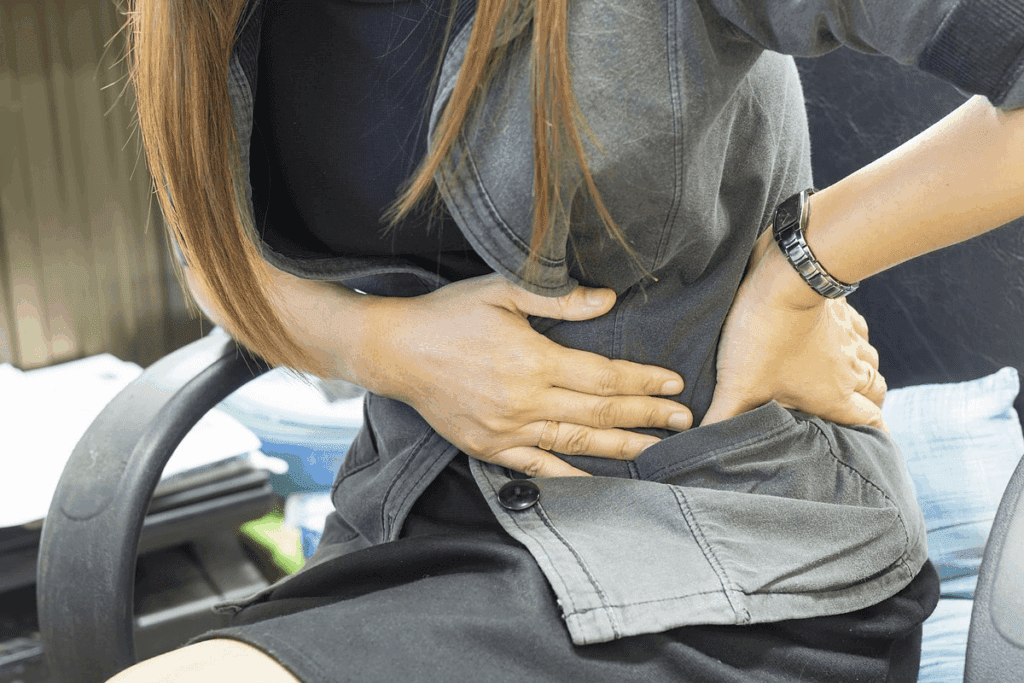
Millions of women worldwide suffer from pelvic pain, which affects their daily life and health. You’re not alone; about 4% to 16% of women face this issue.
At Liv Hospital, we aim to help you find relief. We use new, patient-focused methods. Up to 70% of pregnant women experience pelvic pain, showing the need for good treatments.
Do you have uterine pain, lower belly discomfort, or pelvic pressure? There are home treatments that can help. This article will show you seven ways to ease pelvic pain at home. We want to help you manage your symptoms and feel better.
Seven effective home-based strategies demonstrating how to relieve pelvic pain using heat, rest, and stretches.
Key Takeaways
- Understanding the prevalence and impact of pelvic pain
- Exploring effective home treatments for pelvic pain relief
- Discovering patient-centered approaches for managing pelvic pain
- Learning about the importance of seeking medical attention for pelvic pain
- Finding relief from pelvic pain through innovative treatments
Understanding Pelvic Pain: Prevalence and Impact
Millions of women worldwide face pelvic pain, a serious issue that changes their daily lives. It’s not just a minor ache; it’s a complex health problem. It can harm a woman’s physical and emotional health.
Global and US Statistics on Pelvic Pain
Pelvic pain is a common problem worldwide. In the United States, about 1 in 7 women deal with chronic pelvic pain. Globally, it affects a big part of the female population.
These numbers show we need to raise awareness and find better ways to manage it. Knowing the extent of the problem helps us meet the needs of those affected.
How Chronic Pelvic Pain Affects Quality of Life
Chronic pelvic pain lasts more than 6 months and can greatly lower physical performance and quality of life. It impacts not just the body but also the mind. Women with this pain often struggle with everyday tasks, relationships, and feeling well overall.
The effects on quality of life are wide-ranging, needing a full approach to management and treatment. By tackling all sides of pelvic pain, we can improve the lives of those dealing with it.
Common Causes of Pelvic Pain in Women
It’s important to know why pelvic pain happens to treat it well. Pelvic pain can come from many sources. Finding the cause helps in making a good treatment plan.
Gynecological Conditions
Many gynecological issues can cause pelvic pain. These include:
- Endometriosis: Tissue like the uterine lining found outside the uterus, causing pain.
- Uterine Fibroids: Growths in the uterus that can cause pain and heavy bleeding.
- Pelvic Inflammatory Disease (PID): An infection of the reproductive organs that can cause pain and other issues.
Pelvic Floor Dysfunction
Pelvic floor dysfunction is when you can’t control the pelvic muscles. This leads to pain, constipation, and urinary problems. It can be caused by:
- Muscle Spasm: Sudden muscle contraction in the pelvic area.
- Poor Posture: Long-term poor posture can strain the pelvic muscles.
- Trauma or Injury: Injury to the pelvic area can cause dysfunction.
Non-Gynecological Causes
Not all pelvic pain comes from gynecological issues. Other causes include:
- Irritable Bowel Syndrome (IBS): A disorder that can cause abdominal pain and bowel changes.
- Interstitial Cystitis: A condition that causes bladder pain and sometimes pelvic pain.
Cause | Description | Common Symptoms |
Endometriosis | Tissue similar to uterine lining found outside the uterus | Pelvic pain, heavy menstrual bleeding |
Uterine Fibroids | Non-cancerous growths in the uterus | Pelvic pain, heavy menstrual bleeding |
Pelvic Floor Dysfunction | Inability to control pelvic floor muscles | Pelvic pain, constipation, urinary issues |
Irritable Bowel Syndrome (IBS) | Gastrointestinal disorder | Abdominal pain, changes in bowel movements |
Types of Pelvic Pain Women Experience
Pelvic pain can affect women in many ways. It’s important to know the different types to manage and treat it effectively.
Dysmenorrhea (Menstrual Pain)
Dysmenorrhea is a common pelvic pain linked to menstrual cramps. It causes cramping in the lower abdomen, sometimes spreading to the back and thighs. This pain usually happens before or during menstruation.
Characteristics of Dysmenorrhea:
- Cramping pain in the lower abdomen
- Pain often radiates to the lower back and thighs
- Typically occurs before or during menstruation
Dyspareunia (Pain During Intercourse)
Dyspareunia is painful sex, causing distress for many women. The pain can happen during or after sex. It might be due to vaginal dryness, infections, or pelvic floor issues.
Factors Contributing to Dyspareunia:
- Vaginal dryness
- Infections
- Pelvic floor dysfunction
Noncyclical Pelvic Pain
Noncyclical pelvic pain isn’t tied to the menstrual cycle. It can be constant or come and go. It’s caused by many things, like gynecological issues, digestive problems, or muscle issues.
Possible Causes of Noncyclical Pelvic Pain:
Cause | Description |
Gynecological Conditions | Conditions such as endometriosis, ovarian cysts, or fibroids |
Gastrointestinal Issues | Irritable bowel syndrome (IBS), constipation, or other digestive problems |
Musculoskeletal Problems | Pelvic floor dysfunction, muscle strain, or other musculoskeletal issues |
Knowing the different types of pelvic pain is key to managing it. By understanding the specific pain and its causes, women can get a treatment plan that works for them.
Diagnosing the Source of Your Pelvic Pain
Finding the cause of pelvic pain is the first step to feeling better. Understanding what’s causing your pain is key. We’ll show you how to figure out the source of your pain. This includes how to check yourself and track your symptoms and triggers.
Self-Assessment Techniques
Checking yourself is the first step in finding out about pelvic pain. Paying attention to your body can give you clues. Start by noting where, how bad, and for how long you hurt.
Ask yourself:
- When did the pain start?
- Is the pain constant or does it come and go?
- Does the pain radiate to other areas?
- Are there any activities that make the pain better or worse?
Tracking Symptoms and Triggers
Keeping a pain diary helps track your symptoms and find what might be causing them. Write down your pain levels every day. Note any things that might make your pain better or worse.
- Menstrual cycle details
- Dietary habits
- Physical activities
- Stress levels
By watching these things, you might find patterns that help figure out why you hurt.
Here’s a table to help you track your pain and what might be causing it:
Date | Pain Level (1-10) | Activity/Trigger | Notes |
02/01 | 6 | Menstruation | Pain started on the first day of period |
02/02 | 7 | Menstruation | Pain increased with cramps |
02/03 | 5 | Rest | Pain decreased after resting |
By using self-checks and tracking your symptoms, you can give your doctor the info they need. Working together, you can find a treatment plan that’s just right for you.
When to Seek Medical Help for Pelvic Pain
If you’re feeling pelvic pain, it’s key to know when to get medical help. Some pelvic pain can be treated at home. But, some cases need immediate medical care.
Warning Signs That Require Immediate Attention
Don’t ignore severe pelvic pain, heavy bleeding, or fever. These signs mean you should see a doctor fast. Severe pain that stops you from doing daily things or vaginal bleeding that’s not normal should also get you to a healthcare provider.
- Severe pelvic pain that doesn’t improve with rest or medication
- Heavy vaginal bleeding that soaks through a pad or tampon in an hour
- Fever above 100.4°F (38°C)
- Nausea or vomiting
- Difficulty urinating or painful urination
Conditions That Need Professional Diagnosis
Some pelvic pain causes need a doctor’s diagnosis. This includes endometriosis, pelvic inflammatory disease (PID), and ovarian cysts. A healthcare provider can do tests to find out why you’re in pain.
Also, see a doctor if your symptoms change or get worse. Keeping a symptom diary can help track your pain and find patterns.
Knowing when to get medical help is important for your pelvic pain care. If you’re unsure or need help managing your pain, don’t hesitate to contact a healthcare professional.
How to Relieve Pelvic Pain: Creating a Management Plan
A good management plan is key to easing pelvic pain and finding its causes. It means knowing the condition, setting goals, and using different treatments.
Setting Realistic Expectations
When making a plan, it’s important to be realistic. Pelvic pain management takes time and patience. Start with small goals and grow them slowly.
Key Considerations for Setting Realistic Expectations:
- Understanding the complexity of pelvic pain
- Recognizing the need for a multifaceted approach
- Being patient with the progress
- Regularly reviewing and adjusting the plan
Combining Multiple Approaches
Using many methods is often the best way to handle pelvic pain. This can include medicine, lifestyle changes, and alternative therapies. Mixing these can tackle pain from different angles and boost well-being.
The Benefits of Combining Approaches:
Approach | Benefits |
Medical Treatments | Reduces pain and inflammation, addresses underlying conditions |
Lifestyle Changes | Improves overall health, reduces pain triggers |
Alternative Therapies | Provides additional pain relief, promotes relaxation and well-being |
By mixing these methods and aiming for realistic goals, we can make a detailed plan. This plan can really help with pelvic pain and make life better.
Treatment 1: Heat Therapy for Pain Relief
Many people find heat therapy helps with pelvic pain. It’s simple and easy to use. You can apply it in different ways to ease discomfort.
How Heat Therapy Works
Heat therapy increases blood flow and relaxes muscles. It reduces pain by interrupting signals to the brain. When you apply heat to your lower back and pelvis, it widens blood vessels. This improves circulation and aids in healing.
Benefits of Heat Therapy:
- Relaxes muscles and reduces spasms
- Increases blood flow to promote healing
- Reduces pain by interrupting pain signals to the brain
Different Heat Application Methods
There are several ways to use heat therapy for pelvic pain relief. The most common methods include:
Method | Description | Benefits |
Hot Water Bottle | Applying a hot water bottle to the pelvic area | Easy to use, portable |
Heating Pad | Using an electric heating pad on a low setting | Adjustable heat, can be left on for extended periods |
Warm Bath | Soaking in a warm bath | Relaxes the entire body, can be very soothing |
As one expert notes,
“Heat therapy is a versatile treatment that can be adapted to individual needs and preferences.”
Precautions When Using Heat Therapy
While heat therapy is generally safe, there are precautions to take:
- Always check the temperature of the heat source to avoid burns.
- Limit heat therapy sessions to 15-20 minutes at a time.
- Avoid falling asleep with a heating pad to prevent overheating.
It’s essential to listen to your body and adjust the heat therapy as needed. If you experience any discomfort or pain during treatment, discontinue use and consult with a healthcare professional.
Treatment 2: Gentle Stretching and Exercises
Many women find relief from pelvic pain by doing gentle stretches and exercises daily. These activities can make muscles more flexible, lower tension, and boost overall health.
Pelvic Floor Relaxation Techniques
Relaxing the pelvic floor muscles is key to managing pelvic pain. Techniques like progressive muscle relaxation help relax these muscles. This method involves tensing and then relaxing different muscle groups, including those in the pelvic area.
Deep breathing exercises are also helpful. They calm the nervous system and lessen pain. By taking slow, deep breaths, you can relax your body and reduce tension in the pelvic floor.
Yoga Poses for Pelvic Pain
Some yoga poses are great for women with pelvic pain. These poses stretch and strengthen muscles around the pelvis. This improves flexibility and eases discomfort. Here are a few poses to try:
- Child’s Pose: A gentle stretch for the lower back and pelvic area.
- Cat-Cow Pose: Gently stretches and mobilizes the spine and pelvis.
- Pigeon Pose: Stretches the hips and glutes, helping with pelvic pain.
Low-Impact Exercises to Reduce Discomfort
Adding low-impact aerobic exercises to your routine can also help with pelvic pain. Activities like swimming, cycling, or brisk walking improve circulation and reduce muscle tension. They promote health without straining the pelvic area too much.
Start slow and listen to your body. If pain increases, stop and rest. Getting advice from a healthcare provider or physical therapist can help find safe exercises for your condition.
Treatment 3: Over-the-Counter Pain Medications
Many people find relief from pelvic pain with over-the-counter pain meds. These are easy to find and can help a lot when used right.
NSAIDs for Pelvic Pain Management
Nonsteroidal anti-inflammatory drugs (NSAIDs) help with pelvic pain. NSAIDs reduce inflammation, which helps with pain. Ibuprofen (Advil, Motrin) and naproxen (Aleve) are examples.
Always talk to a doctor before starting any new meds, if you have stomach issues or other health problems.
Proper Dosage and Timing
It’s key to follow the dosage on over-the-counter pain meds. Always read and follow the label or ask a doctor. Taking more won’t help more and could harm you.
Take NSAIDs with food to avoid stomach problems.
Potential Side Effects to Watch For
NSAIDs are usually safe but can have side effects. You might feel stomach upset, nausea, or dizzy. Rare but serious side effects include bleeding in the stomach and kidney damage.
Watch how your body reacts to NSAIDs and tell your doctor if you notice any bad symptoms.
Treatment 4: Dietary Changes to Reduce Inflammation
Diet can help reduce inflammation and ease pelvic pain. Making smart food choices can lessen discomfort from pelvic pain.
Anti-Inflammatory Foods to Include
Eating anti-inflammatory foods can help with pelvic pain. Some good foods are:
- Fatty Fish: Full of omega-3s, which fight inflammation.
- Leafy Greens: Rich in antioxidants and nutrients that fight inflammation.
- Berries: Full of antioxidants that reduce inflammation.
- Nuts and Seeds: Many have healthy fats and antioxidants.
- Whole Grains: Good for fiber and nutrients that fight inflammation.
Foods to Avoid That May Worsen Pain
Some foods can make pelvic pain worse. It’s important to know and limit or avoid:
- Processed Foods: High in unhealthy fats, sugars, and preservatives that cause inflammation.
- Caffeine and Alcohol: Can irritate the bladder and make pelvic pain worse.
- High-Sugar Foods: Can cause more inflammation.
- Gluten: For those with gluten sensitivity or celiac disease, it can cause inflammation.
Hydration and Its Role in Pain Management
Drinking enough water is key for health and managing pelvic pain. Water keeps pelvic floor muscles healthy and reduces inflammation.
Hydration Tips | Benefits |
Drink at least 8 glasses of water a day | Helps maintain pelvic floor health |
Avoid sugary drinks | Reduces risk of inflammation |
Monitor urine color | Ensures proper hydration (clear or pale yellow urine) |
By changing your diet and staying hydrated, you can lessen pelvic pain. This can improve your life quality.
Treatment 5: Stress Reduction and Relaxation Techniques
Stress can make pelvic pain worse. Relaxation techniques are key to managing pain. When we’re stressed, our body goes into “fight or flight” mode. This leads to muscle tension, including in the pelvic area.
By adding stress reduction to our daily routine, we can lessen this effect. This helps to ease pelvic pain.
The Connection Between Stress and Pelvic Pain
The link between stress and pelvic pain is complex. Stress can tighten muscles, making pain worse. On the other hand, pelvic pain can also cause stress.
Breaking this cycle is essential for managing pelvic pain. Reducing stress can help relax muscles and ease pain.
Meditation and Deep Breathing Exercises
Meditation and deep breathing are great for reducing stress and promoting relaxation. These practices calm the mind and body. They help reduce muscle tension and alleviate pain.
Regular practice can significantly improve pain management. Start by finding a quiet, comfortable spot. Sit or lie down, close your eyes, and focus on slow, deep breaths.
Progressive Muscle Relaxation for Pelvic Floor
Progressive muscle relaxation (PMR) involves tensing and relaxing muscles. When done for the pelvic floor, it can reduce tension and pain. To practice PMR for the pelvic floor, tense the muscles (like stopping urine flow), hold for a few seconds, and then release. Repeat this several times.
By using these stress reduction and relaxation techniques daily, we can manage pelvic pain better. It’s about finding what works for you and making it a regular part of your pain management plan.
Treatment 6: Self-Massage and Pressure Point Therapy
Self-massage and pressure point therapy can help manage pelvic pain. These methods are a good way to reduce discomfort and boost your overall health.
Safe Self-Massage Techniques
Start with soft strokes when you massage yourself. You can use oil or lotion to help your fingers move smoothly. Massage the lower abdomen first, then the pelvic area, focusing on tight spots.
Key areas to focus on include:
- The lower back, where tension can radiate to the pelvic region
- The inner thighs, which can be affected by pelvic floor dysfunction
- The pelvic floor muscles themselves, which can be accessed through gentle internal massage
Using Massage Tools Effectively
Massage tools can make self-massage more effective. They apply targeted pressure and ease muscle tension. Tools like foam rollers, massage balls, or tennis balls can be used on specific areas. Start with light pressure and increase it as you get used to it.
Tips for using massage tools:
- Use a foam roller to roll out the muscles in your lower back and glutes
- Apply a massage ball to specific pressure points, holding for 30 seconds to release tension
- Experiment with different sizes and textures of massage tools to find what works best for you
Pressure Points for Pain Relief
Some pressure points can help with pelvic pain. These include spots on the lower abdomen, inner thighs, and lower back. Applying gentle, sustained pressure can help release tension and reduce pain.
By adding self-massage and pressure point therapy to your plan, you can actively reduce pain and enhance your life quality.
Treatment 7: Supportive Devices and Comfort Measures
Supportive devices and comfort measures can help with pelvic pain. They can make life better when used with other treatments. They help with pain relief and comfort.
Pelvic Support Garments
Pelvic support garments offer extra support for the pelvic area. They help with pain and discomfort. They are great for those with pelvic floor issues or pain from pregnancy or surgery.
- Types of Garments: There are many types, like maternity belts and post-surgery support.
- Benefits: They reduce muscle strain, improve posture, and offer comfort.
Ergonomic Adjustments for Daily Activities
Changing how you do daily tasks can lessen pelvic pain. It’s about doing things in a way that doesn’t strain the pelvic area.
- Workplace Adjustments: Adjusting your chair, using a standing desk, or taking breaks can help.
- Daily Tasks: Simple changes, like bending at the knees or using a cart, can help a lot.
Sleep Positioning for Pain Reduction
Your sleep position affects pelvic pain. Comfortable sleep positions and supportive pillows can help reduce pain.
- Sleep Positions: Sleeping on your side with a pillow between your knees keeps hips aligned and reduces strain.
- Supportive Pillows: A supportive mattress and pillows help keep the spine aligned and reduce discomfort.
Adding these supportive devices and comfort measures to your daily life can help manage pelvic pain. It can also improve your overall quality of life.
Combining Home Treatments with Professional Care
Managing pelvic pain well often means using many methods. This includes home treatments and professional care. Mixing self-care with medical advice can help you feel better.
Working with Your Healthcare Provider
It’s key to work with your healthcare provider to make a treatment plan that fits you. They can find out why you have pelvic pain, suggest treatments, and check how you’re doing. It’s important to talk openly with them about your home treatments and any changes in your pain.
To get the most from your healthcare provider, consider these steps:
- Keep a detailed symptom journal to track your pain patterns and triggers.
- Discuss your home treatment regimen with your provider to ensure it complements your medical care.
- Ask questions about any concerns or side effects you’re experiencing.
Complementary Therapies to Consider
There are also other therapies that can help with pelvic pain. These include:
- Acupuncture: This traditional Chinese medicine technique involves inserting thin needles into specific points on the body to promote healing and pain relief.
- Physical therapy: A physical therapist can teach you exercises to strengthen your pelvic floor muscles and improve your overall pelvic health.
- Mind-body therapies: Techniques such as meditation, yoga, and cognitive-behavioral therapy can help manage stress and reduce pain perception.
Creating an Integrated Treatment Approach
Creating a treatment plan means combining home remedies, professional care, and other therapies. Start by figuring out what hurts the most and what treatments help the most.
Key elements of an integrated treatment plan include:
- A clear understanding of your diagnosis and treatment goals.
- A combination of home treatments, such as heat therapy or dietary changes, alongside professional medical care.
- Incorporation of complementary therapies tailored to your preferences and needs.
- Regular follow-ups with your healthcare provider to assess progress and make necessary adjustments.
By using a wide range of methods to manage pelvic pain, you can likely see better results. This can greatly improve your life quality.
Conclusion
Managing pelvic pain is possible with a mix of home treatments and professional care. Knowing the causes and types of pelvic pain is the first step to relief.
Seven home treatments were discussed in this article. They include heat therapy, gentle stretching, and dietary changes. Stress reduction techniques were also mentioned. By using these methods, women can find pelvic pain relief.
It’s important to work with a healthcare provider to create a treatment plan. This plan should meet individual needs. Combining home treatments with professional advice helps manage pain better. It also improves quality of life.
In summary, pelvic pain relief is attainable. A proactive and multi-faceted approach can help women overcome pelvic pain. This way, they can take back control of their lives.
FAQ
What are the common causes of pelvic pain in women?
Pelvic pain in women can come from many sources. Gynecological issues like endometriosis and uterine fibroids are common. Also, pelvic floor dysfunction and non-gynecological causes like irritable bowel syndrome and interstitial cystitis can cause pain.
How can I diagnose the source of my pelvic pain?
To find out why you have pelvic pain, start by tracking your symptoms. Note where the pain is, how bad it is, and when it happens. This can help you figure out what’s causing it.
When should I seek medical help for pelvic pain?
If you have severe pain, heavy bleeding, or trouble with urination or bowel movements, get medical help right away. Conditions like ectopic pregnancy, ovarian torsion, or appendicitis need quick attention.
How can heat therapy help relieve pelvic pain?
Heat therapy relaxes muscles, improves blood flow, and reduces pain. Use a warm bath, heating pad, or warm compress. But be careful not to burn yourself and follow safety guidelines.
What are some gentle exercises that can help alleviate pelvic pain?
Try gentle exercises like pelvic floor relaxation, yoga, and low-impact activities. These can help by making your muscles more flexible, reducing tension, and improving your overall health.
Can dietary changes help manage pelvic pain?
Yes, changing your diet can help with pelvic pain. Eating anti-inflammatory foods, avoiding foods that trigger pain, and staying hydrated can reduce inflammation and ease discomfort.
How can stress reduction techniques help with pelvic pain?
Stress reduction techniques like meditation, deep breathing, and progressive muscle relaxation can help. They reduce stress, promote relaxation, and decrease muscle tension, which can help with pelvic pain.
What is the role of self-massage and pressure point therapy in managing pelvic pain?
Self-massage and pressure point therapy can help by releasing muscle tension, improving blood flow, and promoting relaxation. Using safe techniques and finding effective pressure points can help relieve pain.
How can supportive devices and comfort measures help with pelvic pain?
Supportive devices like pelvic support garments, ergonomic adjustments, and proper sleep positioning can help. They provide support, reduce strain, and promote relaxation, which can ease pelvic pain.
Why is it important to combine home treatments with professional care?
Combining home treatments with professional care is key for managing pelvic pain. Working with a healthcare provider and considering complementary therapies can help create a treatment plan that meets your specific needs.
How can I relieve random pains in my uterus?
To relieve random pains in your uterus, first understand the cause. This could be menstrual cramps, uterine fibroids, or other conditions. Try heat therapy, relaxation techniques, and over-the-counter pain medications to ease discomfort.
What causes pain in the lower right pelvic area in females?
Pain in the lower right pelvic area can be due to several reasons. Appendicitis, ovarian cysts, or ectopic pregnancy are common causes. It’s important to seek medical attention to find the cause and get proper treatment.
What are the common causes of pelvic pain in women?
Pelvic pain in women can come from many sources. Gynecological issues like endometriosis and uterine fibroids are common. Also, pelvic floor dysfunction and non-gynecological causes like irritable bowel syndrome and interstitial cystitis can cause pain.
How can I diagnose the source of my pelvic pain?
To find out why you have pelvic pain, start by tracking your symptoms. Note where the pain is, how bad it is, and when it happens. This can help you figure out what’s causing it.
When should I seek medical help for pelvic pain?
If you have severe pain, heavy bleeding, or trouble with urination or bowel movements, get medical help right away. Conditions like ectopic pregnancy, ovarian torsion, or appendicitis need quick attention.
How can heat therapy help relieve pelvic pain?
Heat therapy relaxes muscles, improves blood flow, and reduces pain. Use a warm bath, heating pad, or warm compress. But be careful not to burn yourself and follow safety guidelines.
What are some gentle exercises that can help alleviate pelvic pain?
Try gentle exercises like pelvic floor relaxation, yoga, and low-impact activities. These can help by making your muscles more flexible, reducing tension, and improving your overall health.
Can dietary changes help manage pelvic pain?
Yes, changing your diet can help with pelvic pain. Eating anti-inflammatory foods, avoiding foods that trigger pain, and staying hydrated can reduce inflammation and ease discomfort.
How can stress reduction techniques help with pelvic pain?
Stress reduction techniques like meditation, deep breathing, and progressive muscle relaxation can help. They reduce stress, promote relaxation, and decrease muscle tension, which can help with pelvic pain.
What is the role of self-massage and pressure point therapy in managing pelvic pain?
Self-massage and pressure point therapy can help by releasing muscle tension, improving blood flow, and promoting relaxation. Using safe techniques and finding effective pressure points can help relieve pain.
How can supportive devices and comfort measures help with pelvic pain?
Supportive devices like pelvic support garments, ergonomic adjustments, and proper sleep positioning can help. They provide support, reduce strain, and promote relaxation, which can ease pelvic pain.
Why is it important to combine home treatments with professional care?
Combining home treatments with professional care is key for managing pelvic pain. Working with a healthcare provider and considering complementary therapies can help create a treatment plan that meets your specific needs.
How can I relieve random pains in my uterus?
To relieve random pains in your uterus, first understand the cause. This could be menstrual cramps, uterine fibroids, or other conditions. Try heat therapy, relaxation techniques, and over-the-counter pain medications to ease discomfort.
What causes pain in the lower right pelvic area in females?
Pain in the lower right pelvic area can be due to several reasons. Appendicitis, ovarian cysts, or ectopic pregnancy are common causes. It’s important to seek medical attention to find the cause and get proper treatment.
How can I diagnose the source of my pelvic pain?
To find out why you have pelvic pain, start by tracking your symptoms. Note where the pain is, how bad it is, and when it happens. This can help you figure out what’s causing it.
When should I seek medical help for pelvic pain?
If you have severe pain, heavy bleeding, or trouble with urination or bowel movements, get medical help right away. Conditions like ectopic pregnancy, ovarian torsion, or appendicitis need quick attention.
How can heat therapy help relieve pelvic pain?
Heat therapy relaxes muscles, improves blood flow, and reduces pain. Use a warm bath, heating pad, or warm compress. But be careful not to burn yourself and follow safety guidelines.
What are some gentle exercises that can help alleviate pelvic pain?
Try gentle exercises like pelvic floor relaxation, yoga, and low-impact activities. These can help by making your muscles more flexible, reducing tension, and improving your overall health.
Can dietary changes help manage pelvic pain?
Yes, changing your diet can help with pelvic pain. Eating anti-inflammatory foods, avoiding foods that trigger pain, and staying hydrated can reduce inflammation and ease discomfort.
How can stress reduction techniques help with pelvic pain?
Stress reduction techniques like meditation, deep breathing, and progressive muscle relaxation can help. They reduce stress, promote relaxation, and decrease muscle tension, which can help with pelvic pain.
What is the role of self-massage and pressure point therapy in managing pelvic pain?
Self-massage and pressure point therapy can help by releasing muscle tension, improving blood flow, and promoting relaxation. Using safe techniques and finding effective pressure points can help relieve pain.
How can supportive devices and comfort measures help with pelvic pain?
Supportive devices like pelvic support garments, ergonomic adjustments, and proper sleep positioning can help. They provide support, reduce strain, and promote relaxation, which can ease pelvic pain.
Why is it important to combine home treatments with professional care?
Combining home treatments with professional care is key for managing pelvic pain. Working with a healthcare provider and considering complementary therapies can help create a treatment plan that meets your specific needs.
How can I relieve random pains in my uterus?
To relieve random pains in your uterus, first understand the cause. This could be menstrual cramps, uterine fibroids, or other conditions. Try heat therapy, relaxation techniques, and over-the-counter pain medications to ease discomfort.
What causes pain in the lower right pelvic area in females?
Pain in the lower right pelvic area can be due to several reasons. Appendicitis, ovarian cysts, or ectopic pregnancy are common causes. It’s important to seek medical attention to find the cause and get proper treatment.
What are the common causes of pelvic pain in women?
Pelvic pain in women can come from many sources. Gynecological issues like endometriosis and uterine fibroids are common. Also, pelvic floor dysfunction and non-gynecological causes like irritable bowel syndrome and interstitial cystitis can cause pain.
How can I diagnose the source of my pelvic pain?
To find out why you have pelvic pain, start by tracking your symptoms. Note where the pain is, how bad it is, and when it happens. This can help you figure out what’s causing it.
When should I seek medical help for pelvic pain?
If you have severe pain, heavy bleeding, or trouble with urination or bowel movements, get medical help right away. Conditions like ectopic pregnancy, ovarian torsion, or appendicitis need quick attention.
How can heat therapy help relieve pelvic pain?
Heat therapy relaxes muscles, improves blood flow, and reduces pain. Use a warm bath, heating pad, or warm compress. But be careful not to burn yourself and follow safety guidelines.
What are some gentle exercises that can help alleviate pelvic pain?
Try gentle exercises like pelvic floor relaxation, yoga, and low-impact activities. These can help by making your muscles more flexible, reducing tension, and improving your overall health.
Can dietary changes help manage pelvic pain?
Yes, changing your diet can help with pelvic pain. Eating anti-inflammatory foods, avoiding foods that trigger pain, and staying hydrated can reduce inflammation and ease discomfort.
How can stress reduction techniques help with pelvic pain?
Stress reduction techniques like meditation, deep breathing, and progressive muscle relaxation can help. They reduce stress, promote relaxation, and decrease muscle tension, which can help with pelvic pain.
What is the role of self-massage and pressure point therapy in managing pelvic pain?
Self-massage and pressure point therapy can help by releasing muscle tension, improving blood flow, and promoting relaxation. Using safe techniques and finding effective pressure points can help relieve pain.
How can supportive devices and comfort measures help with pelvic pain?
Supportive devices like pelvic support garments, ergonomic adjustments, and proper sleep positioning can help. They provide support, reduce strain, and promote relaxation, which can ease pelvic pain.
Why is it important to combine home treatments with professional care?
Combining home treatments with professional care is key for managing pelvic pain. Working with a healthcare provider and considering complementary therapies can help create a treatment plan that meets your specific needs.
How can I relieve random pains in my uterus?
To relieve random pains in your uterus, first understand the cause. This could be menstrual cramps, uterine fibroids, or other conditions. Try heat therapy, relaxation techniques, and over-the-counter pain medications to ease discomfort.
What causes pain in the lower right pelvic area in females?
Pain in the lower right pelvic area can be due to several reasons. Appendicitis, ovarian cysts, or ectopic pregnancy are common causes. It’s important to seek medical attention to find the cause and get proper treatment.
To alleviate pain in the right side of your pelvis, first identify the cause. This could be ovarian cysts or pelvic inflammatory disease. Use heat therapy, gentle exercises, and consider pain management options to relieve discomfort.
Reference
National Center for Biotechnology Information. Evidence-Based Medical Guidance. Retrieved from https://www.ncbi.nlm.nih.gov/books/NBK554585/