
Nervous system vasculitis is a rare and complex condition. It causes inflammation in blood vessels in the brain and spinal cord. We will look into the various causes of this condition, which can have severe effects if not treated.
Primary angiitis of the central nervous system (PACNS) is a rare but serious form of vasculitis. The inflammation can make blood vessel walls thicker. This narrows the vessels and limits blood flow, causing damage to organs and tissues.
It’s important to understand the causes of central nervous system vasculitis for early detection and treatment. In this article, we’ll cover the main causes of this condition. We’ll also talk about how to diagnose and manage it.
Key Takeaways
- Vasculitis is a rare condition that affects blood vessels in the brain and spinal cord.
- Primary angiitis of the central nervous system (PACNS) is a severe presentation of vasculitis.
- Inflammation caused by vasculitis can lead to restricted blood flow and organ damage.
- Early recognition and treatment are key to managing central nervous system vasculitis.
- Understanding the causes of vasculitis is vital for effective diagnosis and management.
What Is Nervous System Vasculitis?
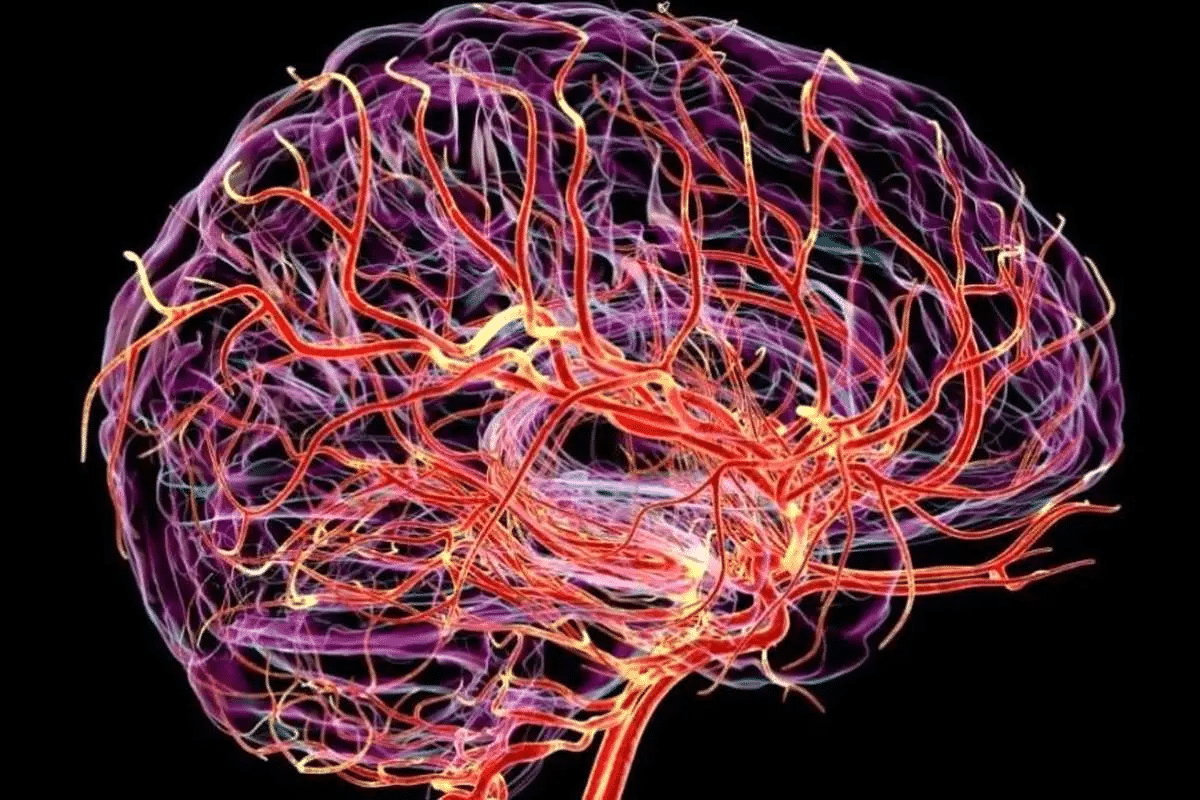
Understanding nervous system vasculitis is key to diagnosing and treating it. Vasculitis is when blood vessels get inflamed. This can harm the nervous system’s function.
Definition and Pathophysiology
Nervous system vasculitis, or CNS vasculitis, is when blood vessels in the brain and spinal cord get inflamed. It can affect both arteries and veins. This leads to various neurological symptoms.
Primary central nervous system vasculitis, or PACNS, is a specific type of vasculitis. It only affects the CNS. It’s characterized by blood vessel inflammation without a clear cause.
“PACNS is a rare condition that requires a high index of suspicion for diagnosis. It predominantly affects middle-aged adults, with a mean age of approximately 45 to 51 years, and men are affected about twice as often as women.”
Epidemiology and Clinical Significance
The occurrence of nervous system vasculitis varies by cause. PACNS, for example, is quite rare, with a few cases per million per year.
|
Demographic Characteristics |
PACNS |
|---|---|
|
Mean Age |
45-51 years |
|
Gender Ratio (Male:Female) |
2:1 |
|
Incidence |
A few cases per million per year |
The importance of nervous system vasculitis is in its ability to cause severe damage if not treated. Quick diagnosis and treatment are vital to avoid long-term harm.
Primary Angiitis of the Central Nervous System (PACNS)

PACNS, or Primary Angiitis of the Central Nervous System, is a rare form of vasculitis. It only affects the central nervous system. This makes it hard to diagnose because its symptoms are not specific and other causes of vasculitis must be ruled out.
Unique Features of PACNS
PACNS is special because it only affects the blood vessels in the brain and spinal cord. It is not part of systemic vasculitis, making it a unique condition. The inflammation in PACNS can cause a range of neurological symptoms.
A study in a medical journal said diagnosing PACNS is tough. It needs a mix of clinical, lab, and imaging findings.
“The diagnosis of PACNS remains a challenge, as it requires the exclusion of other causes of vasculitis and the presence of characteristic angiographic or histopathologic findings.”
The key features of PACNS are:
- Exclusive involvement of CNS blood vessels
- Absence of systemic vasculitis
- Variable neurological symptoms
Demographics and Risk Factors
PACNS usually affects older people, with most diagnosed around 50 years old. It’s a rare condition, making up about 1% of all vasculitides. It’s estimated to occur in less than 1 per million people.
Some old studies thought PACNS was more common in men, with a 2:1 ratio. But newer studies show it affects men and women equally.
|
Demographic Characteristics |
Typical Findings |
|---|---|
|
Median Age at Diagnosis |
Around 50 years |
|
Prevalence |
Less than 1 per million |
|
Gender Distribution |
No clear sex predominance |
Knowing who gets PACNS and why is key to early diagnosis and treatment. We’re working hard to understand this condition better. This will help us give better care to those affected.
Viral Infections as the First Key Cause of Nervous System Vasculitis
Viral infections are a major concern in nervous system vasculitis. They can directly attack the blood vessel walls, causing inflammation and damage. We will look at how specific viruses lead to this condition.
Varicella Zoster Virus (VZV)
Varicella Zoster Virus is a known cause of nervous system vasculitis. It can cause serious problems, mainly in people with weakened immune systems. The virus can damage both large and small blood vessels, leading to various neurological issues.
Key Features of VZV Vasculitis:
- Often affects both large and small vessels
- Can cause ischemic strokes and transient ischemic attacks
- Diagnosis is confirmed by detecting VZV DNA in the cerebrospinal fluid (CSF)
HIV and Other Viral Pathogens
HIV infection is also a significant cause of nervous system vasculitis. It can lead to symptoms like headaches, seizures, and stroke. Viruses like hepatitis B and C can also cause vasculitis, often as part of a larger condition.
|
Viral Pathogen |
Associated Vasculitis Features |
|---|---|
|
Varicella Zoster Virus (VZV) |
Large and small vessel vasculitis, ischemic strokes |
|
HIV |
Various neurological symptoms, stroke |
|
Hepatitis B and C |
Systemic vasculitic syndrome |
It’s important to understand viral causes of nervous system vasculitis to find better treatments. We will look at other causes in the next sections.
Bacterial Infections: The Second Major Cause
Bacterial infections, like tuberculosis and syphilis, are big causes of nervous system vasculitis. They can cause a lot of harm and even death if not treated quickly.
Tuberculosis-Associated Vasculitis
Tuberculosis (TB) is a long-lasting bacterial infection caused by Mycobacterium tuberculosis. It mainly hits the lungs but can spread to other parts, like the brain. TB-related vasculitis is a rare but serious problem.
The way TB causes vasculitis is by M. tuberculosis invading blood vessel walls. This leads to inflammation and damage. It can cause strokes and brain vasculitis.
|
Clinical Features |
Diagnostic Findings |
Treatment Approaches |
|---|---|---|
|
Headache, fever, neurological deficits |
Imaging: vasculitis on angiography; CSF analysis: lymphocytic pleocytosis |
Antitubercular therapy; corticosteroids for inflammation |
Neurosyphilis and Vascular Inflammation
Neurosyphilis is a problem that comes from syphilis, a sexually transmitted disease caused by Treponema pallidum. It can happen at any stage of syphilis and affects the brain, causing many symptoms.
Neurosyphilis can cause inflammation in blood vessels in the brain. This can lead to strokes, memory loss, and other brain problems.
Key diagnostic features include:
- Positive serological tests for syphilis
- CSF abnormalities: pleocytosis, elevated protein
- Imaging findings: vasculitis on MRI or angiography
Mycoplasma and Other Bacterial Agents
Mycoplasma pneumoniae is a common cause of lung infections and can lead to brain problems, including vasculitis. Other bacteria, like Borrelia burgdorferi (Lyme disease), can also cause brain vasculitis.
The exact ways these bacteria cause vasculitis are not fully known. But it’s thought to involve the immune system and direct invasion of blood vessel walls.
Understanding how bacterial infections lead to nervous system vasculitis is key to better treatments. Quick diagnosis and treatment can greatly improve patient outcomes.
Fungal Organisms: The Third Cause of Nervous System Vasculitis
Fungal infections play a big role in causing vasculitis in the nervous system. Pathogens like candida and aspergillus can damage blood vessels. This leads to serious neurological problems.
Candida-Related Vasculopathy
Candida species often cause infections in people with weak immune systems. Candida-related vasculopathy happens when the fungus attacks blood vessels. This causes inflammation and damage.
People may experience symptoms like headaches, confusion, and problems with specific body parts. This depends on where and how much the blood vessels are affected.
Aspergillus and Other Invasive Fungi
Aspergillus is another fungus that can lead to serious infections, including vasculitis. Aspergillosis can harm the central nervous system. This can be very dangerous and even life-threatening.
Other fungi, like Mucorales (which causes mucormycosis), can also cause vasculitis. These infections usually happen in people with weak immune systems. This includes those with diabetes or taking immunosuppressive drugs.
It’s very important to diagnose and treat these fungal infections quickly. This helps prevent long-term damage to the nervous system and improves patient outcomes.
Autoimmune Diseases: The Fourth Key Trigger
Autoimmune diseases are a big factor in causing nervous system vasculitis. They happen when the body’s immune system attacks its own tissues. This can cause inflammation and damage in different parts of the body, like the blood vessels in the nervous system.
We will look at two major autoimmune diseases that can lead to nervous system vasculitis: Systemic Lupus Erythematosus (SLE) and Sjogren’s Syndrome. Both can cause secondary CNS vasculitis. This shows how autoimmune disorders and vascular inflammation are connected.
Systemic Lupus Erythematosus (SLE)
Systemic Lupus Erythematosus is a chronic autoimmune disease that can affect many organs, including the nervous system. SLE can cause vasculitis by making autoantibodies that target blood vessels. This leads to inflammation and damage.
The neurological symptoms of SLE can vary. They can range from mild cognitive issues to severe CNS vasculitis. Early diagnosis and treatment are key to managing SLE and preventing neurological damage.
Sjogren’s Syndrome and Related Conditions
Sjogren’s Syndrome is an autoimmune disorder that mainly affects the exocrine glands, like the salivary and lacrimal glands. But it can also affect other parts of the body, including the nervous system.
Vasculitis is a complication of Sjogren’s Syndrome that can affect various organs, including the nervous system. The exact reasons for Sjogren’s-related vasculitis are complex. They involve autoantibodies and immune complexes.
It’s important to understand the connection between autoimmune diseases like SLE and Sjogren’s Syndrome and nervous system vasculitis. This knowledge helps healthcare providers develop better treatment plans. By focusing on the autoimmune causes of vasculitis, they can improve patient outcomes.
Systemic Vasculitides: The Fifth Cause Affecting CNS Vessels
Systemic vasculitides are a group of disorders that can harm the central nervous system (CNS). These conditions cause inflammation in blood vessels. This can lead to different symptoms depending on the affected vessels.
We will look at the different types of systemic vasculitides that can harm CNS vessels. We will focus on their unique features and what they mean for patients.
Polyarteritis Nodosa
Polyarteritis nodosa (PAN) is a condition that mainly affects medium-sized arteries. It can harm many organs but rarely the CNS. Yet, when it does, it can cause serious neurological problems.
To diagnose PAN, doctors use a combination of clinical tests, imaging, and tissue examination.
Granulomatosis with Polyangiitis
Granulomatosis with polyangiitis (GPA), also known as Wegener’s granulomatosis, can harm the CNS. It is marked by inflammation and granulomas, mainly in the lungs and kidneys. Symptoms in the CNS can include nerve problems, meningitis, or brain inflammation.
Other Systemic Vasculitis Syndromes
Other conditions like eosinophilic granulomatosis with polyangiitis (EGPA) and microscopic polyangiitis (MPA) can also affect the CNS. Though less common than PAN or GPA, their symptoms and severity vary widely. A detailed diagnostic process is needed.
|
Condition |
Vessels Affected |
CNS Involvement |
Key Features |
|---|---|---|---|
|
Polyarteritis Nodosa (PAN) |
Medium-sized arteries |
Rare |
Multi-organ involvement, hypertension |
|
Granulomatosis with Polyangiitis (GPA) |
Small to medium-sized vessels |
Possible |
Granulomas, upper and lower respiratory tract involvement |
|
Eosinophilic Granulomatosis with Polyangiitis (EGPA) |
Small to medium-sized vessels |
Less common |
Eosinophilia, asthma, granulomas |
|
Microscopic Polyangiitis (MPA) |
Small vessels |
Rare |
Necrotizing vasculitis, absence of granulomas |
Drug-Induced Mechanisms: The Sixth Cause
Certain drugs can lead to vasculitis in the nervous system. This is a serious concern. We look at how amphetamine and cocaine use can cause this condition.
Amphetamine and Cocaine-Related Vascular Damage
Amphetamines and cocaine can harm blood vessels. They are linked to vasculitis, which is inflammation of blood vessels. This inflammation can damage the vessels and cause problems in the nervous system.
The ways these drugs cause vasculitis are complex. They can directly harm the blood vessel lining and trigger immune responses. For example, amphetamine can cause severe vascular inflammation, leading to damage to the vessel walls.
Medication-Induced Vasculitis
Some medications can also cause vasculitis. Medication-induced vasculitis is a known condition. It can be caused by antibiotics, anti-inflammatory drugs, and immunosuppressants.
This condition often starts as an immune reaction to the drug. It leads to inflammation in the blood vessels. It can affect the whole body or just certain areas, like the nervous system.
It’s important to understand how drugs can lead to nervous system vasculitis. Doctors need to know about this risk. They should watch for it in patients with unclear neurological symptoms.
Malignancy-Associated Vasculitis: The Seventh Key Cause
Malignancy-associated vasculitis is a complex condition that links cancer with inflammation in blood vessels. It can happen through different ways, like paraneoplastic syndromes and direct tumor effects.
Paraneoplastic Vasculitic Syndromes
Paraneoplastic vasculitic syndromes are caused by cancer, but not because of direct tumor invasion. They are part of a larger group of paraneoplastic neurological disorders. These disorders are linked to many types of cancer.
- Clinical Features: Patients often have symptoms like fever, weight loss, and fatigue. They also have specific nervous system problems.
- Diagnostic Challenges: It’s hard to diagnose paraneoplastic vasculitis. This is because its symptoms are not specific and other causes of vasculitis need to be ruled out.
We should think about cancer when we see patients with vasculitis. This is true, even if the cause of vasculitis is not clear.
Direct Tumor Infiltration Effects
When tumors invade blood vessels, they can cause vasculitis. This happens through the release of inflammatory substances and damage to the blood vessel walls.
Key Aspects:
- Tumor cells invading blood vessels can cause inflammation.
- The presence of cancer can change the immune system. This can lead to vasculitis.
It’s important to understand how cancer and vasculitis are connected. We need to treat both the cancer and the inflammation in blood vessels effectively.
Diagnostic Approaches to Nervous System Vasculitis
Diagnosing nervous system vasculitis is complex. We use many techniques to find the right diagnosis and cause.
Neuroimaging Techniques
Neuroimaging is key in diagnosing nervous system vasculitis. MRI and angiography show us the blood vessels and any problems.
MRI spots lesions and inflammation in blood vessels. Angiography gives detailed views of blood vessels. It helps us see narrowing or blockages.
Laboratory Studies
Laboratory studies help rule out other conditions. We do blood work and cerebrospinal fluid analysis to find causes.
These tests look for signs of inflammation, infection, or autoimmune disorders. For example, we check for antinuclear antibodies (ANA) or extractable nuclear antigens (ENA) to spot autoimmune diseases.
|
Laboratory Test |
Purpose |
|---|---|
|
Blood Work |
To detect markers of inflammation or infection |
|
Cerebrospinal Fluid Analysis |
To identify infection or inflammation in the central nervous system |
|
ANA and ENA Tests |
To diagnose autoimmune conditions |
Biopsy and Histopathological Examination
In some cases, a biopsy is needed to confirm the diagnosis. We look at the tissue sample to find signs of vasculitis.
The biopsy helps us tell different types of vasculitis apart. It also shows the cause. This info is key for treatment plans.
Treatment Strategies Based on Underlying Causes
Treatment for nervous system vasculitis depends on the cause. A good plan needs to match the specific cause of the condition.
Targeted Therapies for Infectious Causes
For infections causing vasculitis, targeted antimicrobial therapy is key. For example, treating varicella-zoster virus (VZV) vasculitis involves antiviral medications like acyclovir. Bacterial causes, like tuberculosis or syphilis, need specific antibiotics.
- Antiviral therapy for viral infections
- Antibiotics for bacterial infections
- Antifungal medications for fungal infections
Management of Autoimmune and Systemic Vasculitis
Autoimmune and systemic vasculitis often need immunosuppressive therapy. This helps reduce inflammation and stops more damage. Corticosteroids are often used, and sometimes more drugs are needed.
- Corticosteroids to reduce inflammation
- Immunosuppressive agents for severe cases
- Monitoring for possible side effects
Emerging Treatment Options
New treatments for nervous system vasculitis are being researched. Biologic agents and other new therapies might help those with hard-to-treat cases.
- Biologic agents targeting specific pathways
- Novel immunosuppressive strategies
- Clinical trials for emerging treatments
Conclusion
We’ve looked into nervous system vasculitis, a complex disorder affecting blood vessels in the brain and spinal cord. Primary Angiitis of the Central Nervous System (PACNS) is a major part of this, showing how different vasculitis can affect the nervous system.
The 7 main reasons for nervous system vasculitis include infections, autoimmune diseases, and more. These reasons highlight the importance of a detailed diagnosis. Finding the right cause is key to effective treatment.
Knowing the causes and how to diagnose them helps doctors treat nervous system vasculitis better. With the right treatment, we can help patients recover and avoid serious problems.
FAQ
What is nervous system vasculitis?
Nervous system vasculitis is a condition where blood vessels in the brain and spinal cord get inflamed. This can harm the nervous system.
What are the primary causes of nervous system vasculitis?
It can be caused by viruses, bacteria, fungi, autoimmune diseases, and more. It can also be triggered by drugs or cancer.
How does varicella zoster virus (VZV) cause nervous system vasculitis?
VZV infects blood vessels in the brain. This leads to inflammation and damage. It can cause strokes or other brain problems.
What is primary angiitis of the central nervous system (PACNS)?
PACNS is a rare and severe condition. It affects the blood vessels in the brain and spinal cord. It’s not linked to systemic vasculitis.
How is nervous system vasculitis diagnosed?
Doctors use imaging, lab tests, and biopsies to diagnose it. These help find the cause and how severe it is.
What are the treatment options for nervous system vasculitis?
Treatment depends on the cause. It might include specific treatments for infections or managing autoimmune diseases. New treatments are also being explored.
Can nervous system vasculitis be cured?
The outlook varies based on the cause and severity. Some cases can be managed well with treatment. Others may need ongoing care.
What is the role of autoimmune diseases in nervous system vasculitis?
Autoimmune diseases like lupus and Sjogren’s can trigger it. They cause inflammation and damage to blood vessels in the brain and spinal cord.
How do bacterial infections contribute to nervous system vasculitis?
Bacterial infections, like tuberculosis and neurosyphilis, can infect blood vessels in the brain. This leads to inflammation and damage.
What is the significance of drug-induced mechanisms in nervous system vasculitis?
Drugs like amphetamines and cocaine can damage blood vessels in the brain. This causes inflammation and neurological problems.
Can malignancies cause nervous system vasculitis?
Yes, cancer can cause it through paraneoplastic syndromes or direct tumor invasion. This leads to inflammation and damage to blood vessels.
References
Valuable 7 Key Causes Of Nervous System Vasculitis https://pmc.ncbi.nlm.nih.gov/articles/PMC11040621/