Listing seven key osteoarthritis in the neck (cervical spondylosis) symptoms you need to recognize for early diagnosis.
Cervical osteoarthritis is a growing health issue worldwide. It affects the neck and is becoming more common. In 2021, about 607 million people had osteoarthritis. By 2060, this number is expected to rise to 765 million.
We at Liv Hospital know how important it is to understand cervical osteoarthritis symptoms. This condition quietly develops in the neck. It can cause pain, dizziness, and even neurological problems.
Early detection is key for managing and treating this condition. At Liv Hospital, we offer top-notch care for international patients. We provide detailed information on diagnosing and treating cervical osteoarthritis.
Key Takeaways
- Understanding cervical osteoarthritis symptoms is vital for early detection.
- Cervical osteoarthritis is a degenerative condition affecting the neck.
- The global prevalence of osteoarthritis is rising significantly.
- Effective management and intervention are critical for patient care.
- Liv Hospital provides extensive care for international patients.
Understanding Osteoarthritis in the Neck

It’s important for both patients and healthcare providers to understand osteoarthritis in the neck. This condition, also known as cervical osteoarthritis, affects the joints and discs in the neck. It’s a degenerative condition.
What is Cervical Osteoarthritis?
Cervical osteoarthritis is a degenerative arthritis that affects the neck’s joints and discs. It happens when the cartilage that cushions these joints wears down. This leads to bone-on-bone contact and inflammation.
This condition causes pain, stiffness, and limited mobility in the neck. It can also lead to complications like herniated discs and spinal stenosis.
Prevalence and Demographics
Cervical spondylosis, or cervical osteoarthritis, is very common. It affects more than 85% of people over 60. The condition becomes more common with age, making it a big concern for the elderly.
Age is the biggest risk factor for cervical osteoarthritis. Genetics and lifestyle also play a role in developing this condition.
|
Age Group |
Prevalence of Cervical Osteoarthritis |
|---|---|
|
40-49 years |
25% |
|
50-59 years |
50% |
|
60 years and older |
85% |
Risk Factors
Several factors increase the risk of cervical osteoarthritis. Age is the biggest risk factor, as it’s more common in older adults.
Other risk factors include genetics, smoking, and previous neck injuries. Jobs that involve heavy lifting or repetitive neck movements also increase the risk.
- Genetics
- Smoking
- Previous neck injury or trauma
- Occupational factors
The Anatomy of Cervical Spine and How It’s Affected
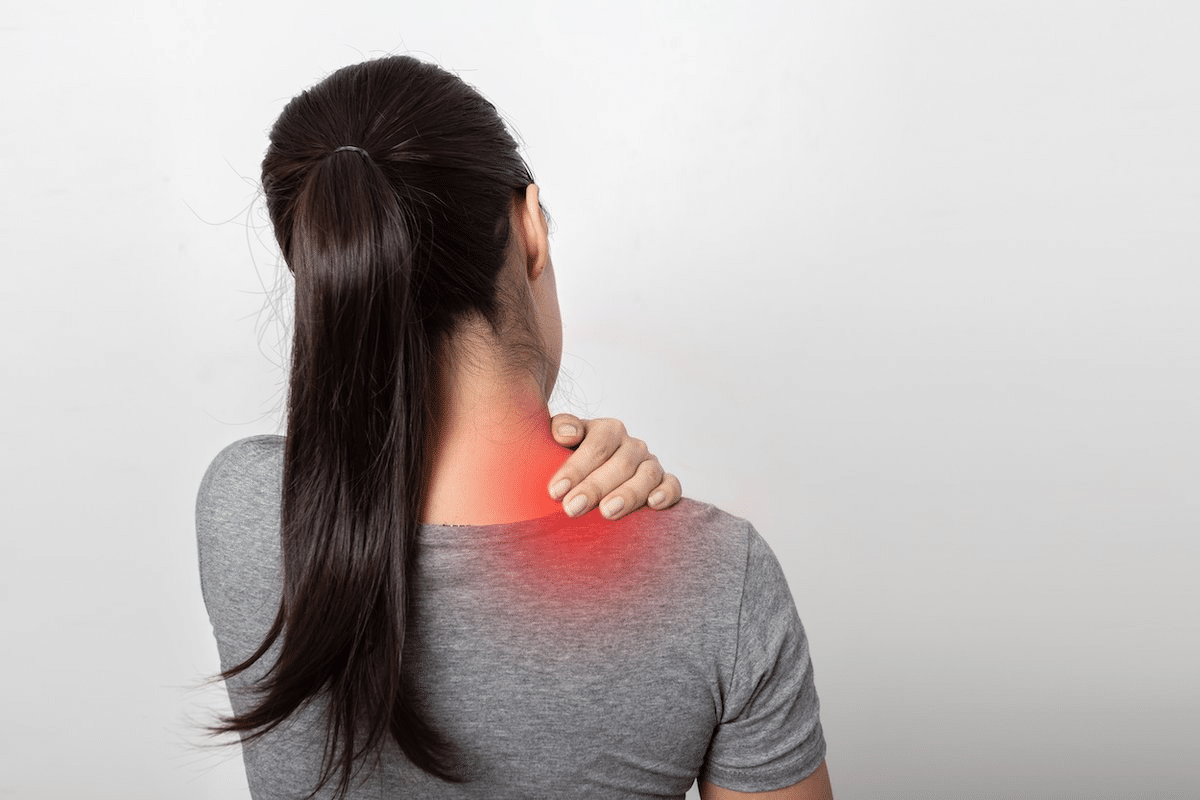
It’s important to know about the cervical spine’s anatomy to understand osteoarthritis. The neck area, or cervical spine, has seven vertebrae (C1-C7). These vertebrae stack on top of each other, allowing for movement and supporting the head.
Structure of the Cervical Vertebrae
The cervical vertebrae are made for flexibility and support. They are small and have a hole in each vertebra (foramen) for the spinal cord. Between the vertebrae, there are disks that absorb shock and help with movement.
“The unique structure of the cervical spine allows for a wide range of motion, but it also makes it susceptible to wear and tear over time,” says a leading expert in orthopedic surgery.
Common Areas Affected (C5-C6)
Osteoarthritis often hits the lower cervical vertebrae, like C5-C6. This area gets a lot of stress and is more likely to wear down.
The degenerative process at C5-C6 can narrow the spinal canal and compress nerves. This leads to various symptoms.
Key areas affected by osteoarthritis in the cervical spine include:
- C5-C6 vertebrae
- Intervertebral disks
- Facet joints
The Degenerative Process
The degenerative process changes the cervical spine in several ways. It includes losing disk height, bulging or herniating disks, and forming bone spurs (osteophytes). These changes can compress nerves and narrow the spinal canal.
As osteoarthritis gets worse, it can cause a lot of pain and limit neck movement. Early understanding and intervention can help manage symptoms and slow the disease’s progression.
“Managing osteoarthritis of the neck requires a complete approach. This includes lifestyle changes, physical therapy, and sometimes surgery,” says a renowned orthopedic specialist.
Who Is at Risk for Developing Cervical Osteoarthritis?
The risk of getting cervical vertebrae arthritis depends on many things. These include age, lifestyle, and what you do for work. Knowing these risks can help you prevent it and get help early if you start to feel symptoms.
Age-Related Factors
Getting older is a big risk for oa cervical spine. As we age, our neck joints wear down. This can lead to osteoarthritis. Studies show that after 40, more people get cervical osteoarthritis.
Gender Differences in Prevalence
There are gender differences in spondylosis of neck symptoms. Women are more likely to get cervical osteoarthritis than men, after menopause. Hormonal changes, like lower estrogen, might play a role in this.
Occupational and Lifestyle Contributors
Some jobs and lifestyles can raise your risk for cervical vertebrae arthritis. Jobs that make you move your neck a lot, lift heavy, or sit for long times can harm your spine. Smoking, being overweight, and not exercising can also increase your risk.
If you’re at risk, it’s important to know about oa cervical spine. You can prevent it by staying healthy, exercising, and not smoking.
Symptom #1: Neck Pain and Stiffness
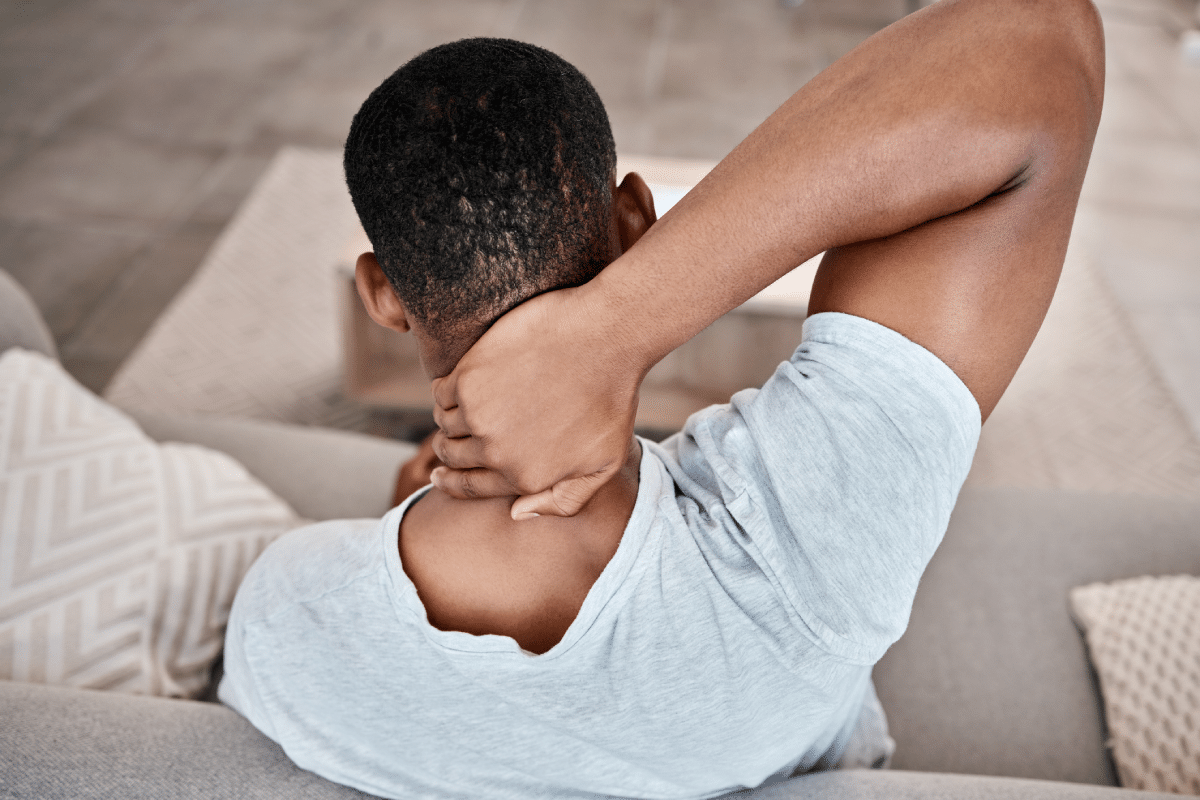
Neck pain and stiffness are key signs of cervical osteoarthritis. This can really affect how well you can do everyday things.
Characteristics of Osteoarthritic Neck Pain
Osteoarthritic neck pain can feel mild or very bad. It’s often a dull ache or stiffness in the neck. Neck pain or stiffness that gets worse with activity or while standing is common in cervical osteoarthritis.
Morning Stiffness
Morning stiffness is a big sign of cervical osteoarthritis. People often feel more stiff and painful in the neck when they wake up. This morning stiffness comes from joint inflammation and degeneration in the cervical spine.
Pain Patterns and Triggers
The pain from cervical osteoarthritis can spread to shoulders or upper back. Certain movements or positions can make the pain worse. Knowing these pain patterns and triggers helps manage the pain better. Common triggers include sitting for a long time, heavy lifting, or sudden neck movements.
Understanding osteoarthritic neck pain, including morning stiffness and pain patterns, helps you know your condition better. This way, you can get the right medical care.
Symptom #2: Reduced Range of Motion
Cervical osteoarthritis makes it hard to move your neck. This can really change how you live your life. We’ll look at how it affects movement, daily tasks, and how it gets worse over time.
Limitations in Movement
Cervical osteoarthritis makes the neck joints stiff and inflamed. This makes simple actions like turning your head hard. The problem is the degeneration of the spine, including bone spurs and dry discs.
Impact on Daily Activities
This stiffness affects daily life a lot. Even simple things like driving or reading can be tough. For example, when driving, you might use mirrors more or turn your whole body to see blind spots.
It also makes personal care hard. Like, dressing or styling hair becomes a challenge because you can’t easily turn your head.
Progressive Nature of Mobility Loss
If not treated, the problem gets worse. The spine’s degeneration speeds up, making it even stiffer. It’s important to see a doctor to stop it from getting worse and find ways to treat it.
Seeing a doctor early can help manage symptoms. It can also improve your life quality if you have cervical osteoarthritis.
Symptom #3: Headaches and Referred Pain
Cervical osteoarthritis can cause headaches and referred pain. This symptom puzzles many patients and doctors. It’s linked to changes in the cervical spine, mainly in the C5-C6 area, which often has c spine spondylosis.
Cervicogenic Headaches
Cervicogenic headaches come from the cervical spine and are a common sign of cervical osteoarthritis. These headaches start in the neck and move to the head, often on one side. They can get worse with certain neck movements or positions.
Shoulder and Upper Arm Pain
Cervical osteoarthritis can also cause pain in the shoulder and upper arm. This pain usually comes from nerve compression or irritation in the cervical spine. The pain can follow the path of the affected nerve, making it hard to diagnose.
Distinguishing from Other Headache Types
It’s important to tell cervicogenic headaches from other headaches like migraines or tension headaches. Cervicogenic headaches are often linked with neck pain and stiffness. They get worse with specific neck movements.
Understanding headaches and referred pain from cervical osteoarthritis helps doctors give better care. This is true for arthritis in C5 and C6 cases.
Symptom #4: Neurological Symptoms
As cervical osteoarthritis gets worse, people may feel a variety of neurological symptoms. These symptoms happen when nerves in the neck get compressed or irritated. This can cause different sensations and problems in the arms and hands.
Numbness and Tingling
Numbness and tingling are common symptoms of severe cervical spondylosis. These feelings can show up in the arms, hands, or fingers. They often come from nerve compression.
The numbness might be there all the time or come and go. Tingling feels like pins and needles. These feelings can be uncomfortable and might make daily tasks harder.
- Numbness can make it hard to do fine motor tasks.
- Tingling can get worse with certain positions or activities.
- Both numbness and tingling can get worse over time if not treated.
Weakness in Arms or Hands
Weakness in the arms or hands can also happen from arthritis in the cervical spine. This weakness comes when nerves controlling muscle strength get compressed or damaged. People might find it hard to grip things, do precise tasks, or even lift their arms.
This weakness might come with pain or numbness, making things even harder. It’s important to get these symptoms checked out quickly to stop them from getting worse.
When to Seek Immediate Medical Attention
Sometimes, neurological symptoms mean a serious problem that needs quick medical help. If you suddenly feel numbness, tingling, or weakness, or if these symptoms come with other scary signs like losing bladder or bowel control, get medical help right away.
- Severe pain that doesn’t get better with treatment.
- Progressive weakness or numbness.
- Loss of coordination or balance.
Getting medical help quickly can really help people with cervical vertebrae arthritis. Early treatment can make symptoms better, stop more nerve damage, and improve life quality.
Symptom #5: Balance Problems and Dizziness
One of the lesser-known symptoms of cervical osteoarthritis is balance problems and dizziness. This makes daily activities harder for people.
Connection Between Neck Arthritis and Vertigo
Cervical osteoarthritis can cause dizziness and vertigo. It affects the cervical spine’s receptors and can irritate the vertebral artery. The vertebral artery is key for brain blood supply. Any issues here can cause balance problems.
The link between neck arthritis and vertigo is complex. It involves the spine’s degeneration and its effect on balance systems.
Impact on Proprioception
Proprioception, or knowing your body’s position, is affected by cervical osteoarthritis. The cervical proprioceptors send vital signals to the brain. These signals help keep the head and neck balanced.
When these receptors are affected, it can cause dizziness. The brain gets mixed signals, making balance hard.
|
Symptoms |
Possible Causes |
Management Strategies |
|---|---|---|
|
Dizziness |
Compression or irritation of the vertebral artery |
Physical therapy, vestibular rehabilitation |
|
Balance problems |
Degenerative changes in cervical spine, proprioceptive disturbances |
Balance exercises, lifestyle modifications |
|
Vertigo |
Irritation of the inner ear or cervical proprioceptors |
Vestibular suppressants, canalith repositioning procedures |
Managing Balance Issues
Managing balance issues needs a multi-faceted approach. This includes physical therapy and vestibular rehabilitation. Also, lifestyle modifications help prevent falls.
Understanding the link between cervical osteoarthritis and balance issues helps. People can take steps to manage symptoms and improve their life quality.
Symptom #6: Grinding or Popping Sensations
Cervical osteoarthritis can cause grinding or popping in the neck. This is called crepitus. It happens when the spine’s cartilage wears down. This can lead to bone-on-bone contact and the sounds you hear.
Crepitus in the Cervical Spine
Crepitus is a common symptom of cervical osteoarthritis. It feels like grinding, crunching, or popping when you move your neck. This happens because of changes in the spine due to osteoarthritis.
“The presence of crepitus can be an indicator of the underlying degenerative process in the cervical spine,” notes a study on cervical osteoarthritis. “It is essential to understand that while crepitus itself may not be painful, it can be a sign of the progression of the disease.”
What These Sounds Indicate
The sounds from crepitus show how much the spine has degenerated. They come from changes in the joint, like losing cartilage and getting bone spurs. While it might seem harmless, in cervical osteoarthritis, it often means the disease is getting worse.
- Loss of cartilage between vertebrae
- Formation of bone spurs
- Irregularities in joint surfaces
When to Be Concerned
While crepitus can be normal, it’s important to know when it’s a sign of something serious. If you feel pain, numbness, tingling, or weakness in your arms or hands, see a doctor. Also, if your neck mobility drops or you have other neurological symptoms, get medical help.
If you have persistent or severe crepitus, pain, or other symptoms, see a doctor. They can help figure out why you’re hearing these sounds. This can help manage your symptoms and stop the condition from getting worse.
Symptom #7: Visual and Auditory Disturbances
Cervical osteoarthritis can cause visual and auditory problems in some people. These symptoms are not as common as neck pain but can greatly affect one’s life. We will look into how cervical spondylosis might lead to eye issues and hearing changes. This shows why getting full care is so important.
Cervical Spondylosis and Eye Problems
Cervical spondylosis can lead to eye issues like blurred vision, double vision, and light sensitivity. The exact reason is not known, but nerve and blood vessel irritation in the neck might play a part. It’s vital for those with these symptoms to see a doctor to check for other causes.
Potential Hearing Changes
Research suggests a link between cervical osteoarthritis and hearing changes or tinnitus. The connection between the neck and ears is complex, involving blood flow to the brain. While the proof is not solid, it’s an area of growing study.
Relationship to Vertebrobasilar Circulation
The vertebrobasilar circulation feeds blood to the brainstem, cerebellum, and parts of the brain for vision and hearing. Cervical spondylosis might harm this circulation, causing various neurological symptoms. Understanding this link is essential for managing severe cervical spondylosis and its symptoms.
In summary, while visual and auditory issues are rare in cervical osteoarthritis, they show the condition’s complexity. They highlight the need for a complete approach to diagnosis and treatment. By recognizing these symptoms, healthcare providers can offer better care to those affected.
Diagnosis and Treatment Options for Osteoarthritis in the Neck
Diagnosing osteoarthritis of the neck is a detailed process. It includes looking at your medical history, doing a physical exam, and using imaging tests. We’ll explain how to diagnose this condition and the treatment options available.
Medical Evaluation Process
The first step in diagnosing osteoarthritis of the neck is a detailed medical history. This helps identify symptoms, how long they last, and what makes them better or worse. A physical exam then checks your neck’s movement, pain, and nerve function.
Imaging tests are key to confirming the diagnosis. These can include:
- X-rays to see bone spurs and joint narrowing
- MRI scans to check soft tissue damage and nerve issues
- CT scans for detailed bone images
Conservative Treatment Approaches
For osteoarthritis of the neck, the first treatment is usually conservative. This includes:
|
Treatment |
Description |
Benefits |
|---|---|---|
|
Physical Therapy |
Exercises to improve neck mobility and strength |
Reduces pain, improves function |
|
Medications |
Over-the-counter pain relievers and anti-inflammatory drugs |
Manages pain and inflammation |
|
Lifestyle Modifications |
Maintaining a healthy weight, improving posture |
Reduces strain on the neck |
Advanced Interventions
For severe cases or when conservative treatments don’t work, advanced options are considered. These include:
- Corticosteroid injections to reduce inflammation and pain
- Surgical procedures like spinal fusion or artificial disc replacement
We help patients choose the best treatment plan. This depends on how severe their condition is and their overall health.
Conclusion
We’ve looked into cervical osteoarthritis, a neck condition that can really affect your life. It’s important to know the symptoms, how it’s diagnosed, and treatment options. This knowledge helps manage the condition better.
Cervical osteoarthritis, or oa cervical, is a common neck problem. It happens when the cervical spine wears down. Symptoms can be mild, like neck pain, or severe, like neurological issues. Spotting these symptoms early is vital for getting the right medical help.
Knowing about cervical osteoarthritis and how to manage it can help improve your situation. Treatments vary from simple methods to more complex ones, based on how bad the condition is. We stress the need for awareness and quick medical action to handle cervical osteoarthritis.
Good care for neck osteoarthritis means a full approach, including medical checks and the right treatment. We aim to provide top-notch healthcare and support for those dealing with this condition.
FAQ
What is cervical osteoarthritis?
Cervical osteoarthritis, also known as cervical spondylosis, is a condition that affects the neck. It causes wear and tear on the vertebrae and the tissues around them.
What are the common symptoms of cervical osteoarthritis?
Symptoms include neck pain and stiffness, and a reduced range of motion. You might also experience headaches, numbness, tingling, balance issues, and grinding or popping sensations.
How is cervical osteoarthritis diagnosed?
Doctors diagnose it through a physical exam, medical history, and imaging tests. Tests like X-rays, MRI, or CT scans help see the extent of the degeneration.
What are the risk factors for developing cervical osteoarthritis?
Risk factors include age, gender, and lifestyle. Heavy lifting, prolonged sitting, and previous neck injuries also play a role.
Can cervical osteoarthritis cause dizziness?
Yes, it can lead to balance problems and dizziness. This is because it affects how the body senses its position and the blood flow to the brain.
How is cervical osteoarthritis treated?
Treatment includes physical therapy, pain management, and lifestyle changes. In severe cases, surgery might be necessary.
What is the connection between cervical spondylosis and eye problems?
Cervical spondylosis can lead to eye problems. This is because the neck and the blood flow to the brain and eyes are closely linked.
Are there any specific exercises to manage cervical osteoarthritis symptoms?
Yes, exercises that improve neck mobility and strengthen muscles can help. It’s important to talk to a healthcare professional before starting any exercise program.
Can arthritis in the neck cause neurological symptoms?
Yes, it can cause numbness, tingling, and weakness in the arms or hands. This is due to nerve compression.
What is crepitus in the context of cervical osteoarthritis?
Crepitus is the grinding or popping sensation in the neck. It indicates joint damage or inflammation due to degenerative changes.
References
National Center for Biotechnology Information. Evidence-Based Medical Guidance. Retrieved from https://www.ncbi.nlm.nih.gov/pmc/articles/PMC12457309/