
Getting an ANA test result can be scary if you don’t know what it means. At Liv Hospital, we make sure you understand everything. The ANA test checks your blood for antinuclear antibodies. These are proteins that attack your body’s cells by mistake. Defining antinuclear antibody test (ANA) and what different titers and patterns of results indicate.
The ANA laboratory test helps find autoimmune diseases like SLE and rheumatoid arthritis. Knowing your test results is key to moving forward. We focus on you, giving clear explanations and support every step of the way.
Key Takeaways
- The ANA test detects antinuclear antibodies that can indicate autoimmune conditions.
- Autoimmune diseases, such as SLE and rheumatoid arthritis, can be diagnosed with the ANA test.
- Understanding your test results is critical for your care plan.
- At Liv Hospital, we offer clear explanations and detailed care for our patients.
- The ANA test is a vital tool for spotting autoimmune diseases.
Understanding the Antinuclear Antibody Test
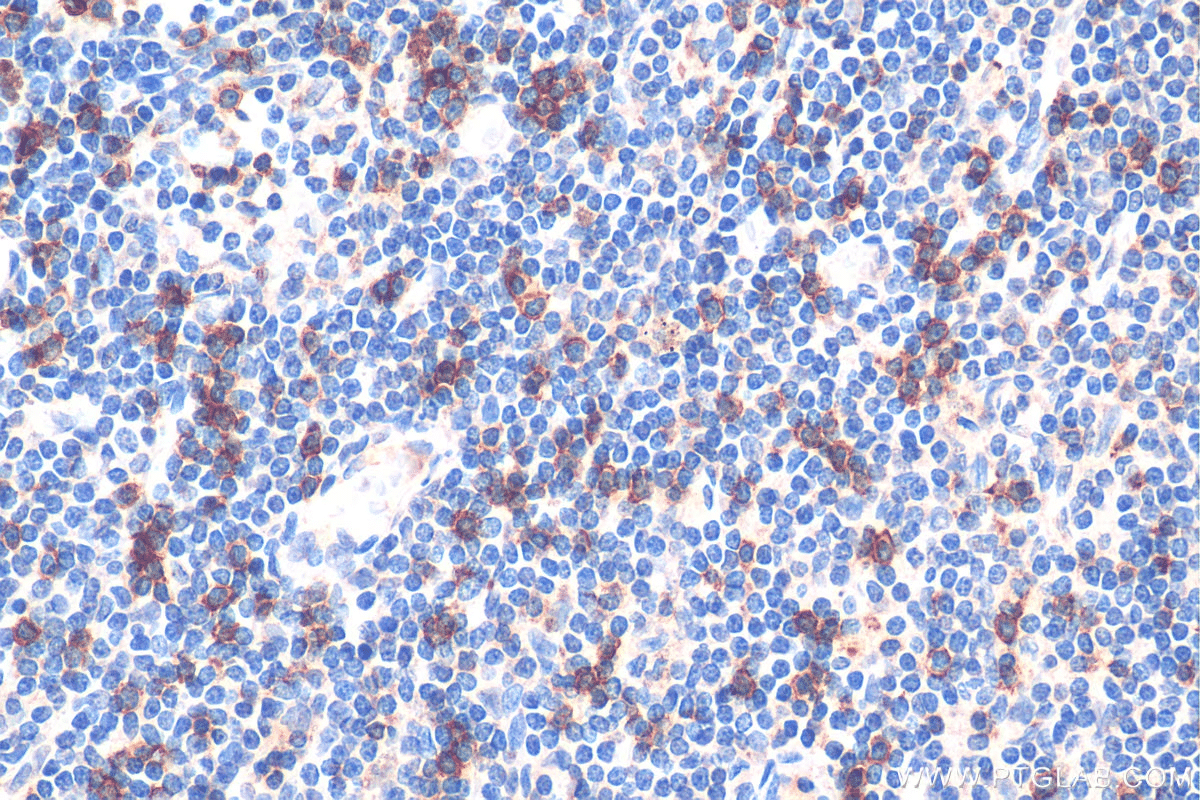
The Antinuclear Antibody (ANA) test is key in finding autoimmune disorders. Autoimmune diseases happen when the body attacks itself. The ANA test spots these conditions.
Definition and Purpose
The ANA test looks for antinuclear antibodies in the blood. These antibodies target the cell nucleus, showing up in certain autoimmune diseases. It helps doctors diagnose diseases like Systemic Lupus Erythematosus (SLE).
But, having these antibodies doesn’t mean you’re sick. About 20 percent of healthy people can have them too. So, doctors look at symptoms and other tests to understand the results.
When Doctors Order an ANA Test
A doctor might order an ANA test if you show signs of an autoimmune disease. Symptoms vary based on the affected area. For example, joint pain or skin rashes can be signs.
Here are some symptoms that might lead to an ANA test:
- Prolonged or recurring fever
- Joint pain or swelling
- Skin rashes or lesions
- Muscle weakness
- Chest pain or shortness of breath
Knowing about the ANA test helps us see its importance in diagnosing and treating autoimmune diseases. It’s a useful tool for doctors to make the right decisions for their patients.
The Science Behind ANA Testing

Understanding ANA testing is key to getting accurate results. The antinuclear antibody (ANA) test is a vital tool for doctors. It helps them find various autoimmune disorders. ANA testing finds antibodies against the nucleus and sometimes other parts of cells.
How Antinuclear Antibodies Form
Antinuclear antibodies (ANA) target the cell nucleus. Their formation involves genetics and the environment. In autoimmune diseases, the immune system sees the body’s tissues as foreign. This leads to the creation of autoantibodies, like ANA.
“The presence of ANA is a hallmark of autoimmune diseases, like Systemic Lupus Erythematosus (SLE),” says recent research. The exact reasons for ANA formation are not fully understood. But, genetics and environmental factors are thought to play a big role.
The Immune System and Autoimmunity
The immune system protects us from invaders. But, in autoimmune diseases, it fails. Autoimmunity happens when the immune system attacks the body’s own cells and tissues.
Knowing how the immune system works in autoimmunity is key to understanding ANA test results. The ANA titer measurement shows how much antibody is present. This helps doctors see the level of autoantibody production.
Types of Antibodies Detected
The ANA test finds different types of antibodies linked to various autoimmune conditions. Each pattern of ANA staining, like homogeneous or centromere, points to specific diseases. For example, a homogeneous pattern is often seen in SLE. A centromere pattern is common in scleroderma.
Knowing what are ANA and their patterns is vital for diagnosing and treating autoimmune diseases. The anti nuclear antibody titer gives important information. It helps doctors understand the meaning of a positive ANA result and decide on treatment.
If a patient tests positive for ANA, it means their body is making ANA antibodies. The importance of a positive result depends on the ANA antibody positive means in the patient’s situation.
Preparing for Your ANA Test
Getting ready for an ANA test is important for accurate results. We know medical tests can be scary. So, we’re here to help you understand what you need to do.
Required Preparations
Your healthcare provider will give you instructions before the test. Some medications may need to be stopped before the test, as they can affect the results. Always ask your doctor about any specific preparations you need to make.
- Inform your doctor about all medications you’re currently taking.
- Follow any dietary restrictions if advised by your healthcare provider.
- Be prepared to provide a list of your medical history.
Medications That May Affect Results
Certain medications can influence the outcome of your ANA test. It’s essential to disclose all medications and supplements you’re taking to your healthcare provider. Some common medications that may affect ANA test results include:
- Certain antibiotics
- Anti-seizure medications
- Some blood pressure medications
Your doctor will tell you if you need to stop taking any of these medications before your test.
What to Expect During the Test
A healthcare professional will take a blood sample from a vein in your arm using a small needle. The process is quick and easy. You might feel a slight pinch when the needle is inserted, but the discomfort is usually minimal.
- Clean the area where the blood will be drawn.
- Tie a band around your upper arm to make the vein more accessible.
- Insert the needle into the vein and collect the blood sample.
After the blood is drawn, the area will be bandaged, and you’re free to go about your day as usual.
The ANA Testing Procedure
The ANA testing process has several steps, from getting a blood sample to lab analysis. Knowing these steps can make patients feel more at ease and informed during their tests.
Blood Sample Collection
The first step is getting a blood sample. This is done by a healthcare professional through venipuncture, taking blood from a vein in the arm. The blood goes into a sterile tube to prevent clotting or keep it fresh.
Laboratory Analysis Methods
At the lab, the blood is analyzed in different ways. The main method is the indirect immunofluorescence technique. It uses a fluorescent dye to show antinuclear antibodies under a microscope.
Indirect Immunofluorescence Technique
The indirect immunofluorescence technique is key in the ANA testing procedure. It helps find antinuclear antibodies. The process fixes cells on a slide, adds the patient’s serum, and then a fluorescent dye.
The slide is then checked under a microscope. This shows if and how autoantibodies are present. It’s a detailed way to diagnose autoimmune diseases.
Interpreting ANA Test Results
Your ANA test results tell us about antinuclear antibodies in your blood. Knowing what these results mean is key to diagnosing and treating autoimmune diseases.
Positive vs. Negative Results
A positive ANA test shows you have antinuclear antibodies. This can point to diseases like lupus or rheumatoid arthritis. A negative result means these antibodies are not present.
If your ANA test is negative, it means no antinuclear antibodies were found. This doesn’t rule out all autoimmune diseases. It’s important to look at your whole health and other tests too.
Understanding ANA Titers
The ANA titer shows how much antinuclear antibodies are in your blood. A higher titer means more antibodies. The titer is shown as a ratio, like 1:40 or 1:160.
Common Titer Measurements
Measurements like 1:40, 1:80, and 1:160 show the level of antibodies. A titer of 1:60 or higher is often seen as positive. But, this can change between labs.
|
Titer Measurement |
Interpretation |
|---|---|
|
1:40 |
Typically considered borderline or low positive |
|
1:80 |
Generally considered positive |
|
1:160 |
Strongly positive, indicating a higher concentration of antinuclear antibodies |
Laboratory Reference Ranges
ANA test reference ranges can differ. Always talk to your doctor to understand your results. They can tell if your results are normal or if more tests are needed.
Understanding your ANA test results needs a full look at your health and medical history. Your doctor will use these results and other tests to make a correct diagnosis and treatment plan.
ANA Patterns and Their Clinical Significance
It’s key for doctors to know about ANA patterns to diagnose and treat autoimmune diseases well. The way the ANA test shows fluorescence can give clues about the disease.
Homogeneous Pattern
The homogeneous pattern shows a uniform glow in the nucleus. It’s linked to antibodies against DNA, histones, or nucleosomes. This pattern is common in Systemic Lupus Erythematosus (SLE) and some drug-induced lupus cases.
Speckled Pattern
The speckled pattern has a speckled or granular glow in the nucleus. It’s related to antibodies against Sm, RNP, SSA/Ro, and SSB/La. This pattern is found in SLE, Sjögren’s syndrome, and mixed connective tissue disease.
Nucleolar Pattern
The nucleolar pattern shows fluorescence in the nucleoli. It’s linked to antibodies against nucleolar antigens. This pattern is common in scleroderma (systemic sclerosis) and other rheumatic diseases.
Centromere Pattern
The centromere pattern has distinct speckles that match the centromeres of chromosomes. It’s strongly linked to limited systemic scleroderma (CREST syndrome) and primary biliary cholangitis.
Knowing the different ANA patterns is vital for accurate diagnosis and treatment planning. Each pattern can point to different autoimmune diseases.
|
ANA Pattern |
Associated Autoimmune Diseases |
Target Antigens |
|---|---|---|
|
Homogeneous |
SLE, drug-induced lupus |
DNA, histones, nucleosomes |
|
Speckled |
SLE, Sjögren’s syndrome, mixed connective tissue disease |
Sm, RNP, SSA/Ro, SSB/La |
|
Nucleolar |
Scleroderma, rheumatic diseases |
Nucleolar antigens |
|
Centromere |
Limited systemic scleroderma (CREST syndrome), primary biliary cholangitis |
Centromere proteins |
Conditions Associated with Positive ANA Results
Autoimmune diseases like SLE and Rheumatoid Arthritis often have positive ANA results. We’ll look at different autoimmune conditions linked to positive ANA results. We’ll give an overview of each disease and its main characteristics.
Systemic Lupus Erythematosus (SLE)
SLE is a chronic autoimmune disease that can affect many parts of the body. This includes the joints, skin, heart, lungs, blood vessels, kidneys, and brain. It has periods of flares and remission, with symptoms ranging from mild to severe.
Key characteristics of SLE:
- Multi-organ involvement
- Presence of autoantibodies, including ANA
- Variable symptoms and disease severity
Rheumatoid Arthritis
Rheumatoid Arthritis (RA) is another autoimmune condition with positive ANA results. RA mainly affects the joints, causing inflammation, pain, and potentially severe damage if untreated.
Common features of RA:
- Symmetrical joint involvement
- Morning stiffness
- Rheumatoid factor (RF) and anti-CCP antibodies
Sjogren’s Syndrome
Sjogren’s Syndrome is an autoimmune disorder that affects exocrine glands. It mainly impacts the salivary and lacrimal glands, causing dry mouth and dry eyes.
Key aspects of Sjogren’s Syndrome:
- Dry mouth (xerostomia) and dry eyes (xerophthalmia)
- Presence of autoantibodies, including ANA and anti-SSA/SSB
- Increased risk of lymphoma
Scleroderma
Scleroderma, also known as systemic sclerosis, is a chronic autoimmune disease. It is characterized by fibrosis and thickening of the skin, as well as possible involvement of internal organs.
Main characteristics of Scleroderma:
- Skin thickening and fibrosis
- Vascular alterations
- Potential organ involvement, including kidneys, lungs, and heart
|
Disease |
Primary Organs Affected |
Common Symptoms |
Autoantibodies |
|---|---|---|---|
|
SLE |
Joints, skin, kidneys, brain |
Joint pain, rash, kidney issues |
ANA, anti-dsDNA |
|
Rheumatoid Arthritis |
Joints |
Joint pain, stiffness |
RF, anti-CCP |
|
Sjogren’s Syndrome |
Salivary and lacrimal glands |
Dry mouth, dry eyes |
ANA, anti-SSA/SSB |
|
Scleroderma |
Skin, internal organs |
Skin thickening, organ dysfunction |
ANA, anti-Scl-70 |
False Positive ANA Results
Getting a positive Antinuclear Antibody (ANA) test can be scary. But, it’s important to know it doesn’t always mean you have an autoimmune disease. We’ll look at why some tests show false positives, making this test more understandable.
Normal Variation in Healthy Individuals
About 20 percent of healthy people might have ANAs. This doesn’t mean they have an autoimmune disease. The exact reasons are not fully known, but genetics and environment might play a part.
Non-Autoimmune Causes of Positive ANA
Many things other than autoimmune diseases can cause a positive ANA test. These include infections, some medicines, and even cancer. Knowing these causes is key to correct diagnosis and avoiding wrong conclusions.
Age and Gender Factors
Age and gender can affect ANA test results. Older people and women are more likely to have positive results without an autoimmune disease. This info is important when looking at test results.
Medications That Can Cause Positive Results
Some medicines can make ANA tests look positive. This includes drugs for high blood pressure, antibiotics, and anti-inflammatory drugs. Checking a patient’s medicine list is vital when looking at positive ANA results.
It’s also important to remember that some people might have a negative ANA test and then a positive one. Or, they might have a positive test that turns negative. This shows how important it is to look at the whole situation when understanding ANA test results.
Follow-Up Testing After a Positive ANA
If your ANA test shows positive, your doctor will suggest more tests. This is to find out what’s causing it. A positive result doesn’t always mean you have an autoimmune disease. But it does mean you need more tests.
Additional Antibody Tests
After a positive ANA test, your doctor might do more antibody tests. These tests help find specific autoimmune diseases. Some tests include:
- Anti-dsDNA: Often linked to Systemic Lupus Erythematosus (SLE)
- Anti-Sm: Also found in SLE
- Anti-Ro (SS-A) and Anti-La (SS-B): Common in Sjogren’s Syndrome
- Anti-Scl-70: Linked to Scleroderma
These tests help find the cause of your symptoms. They guide your doctor to a better diagnosis.
Other Laboratory and Diagnostic Procedures
There are more tests your doctor might suggest. These help check your health and find autoimmune diseases. Some tests include:
- Complete Blood Count (CBC): Checks your blood health
- Erythrocyte Sedimentation Rate (ESR) or C-Reactive Protein (CRP): Measures inflammation
- Imaging Studies: Like X-rays or ultrasound to see organ damage
- Biopsy: To look at tissue for autoimmune damage
Clinical Evaluation and Symptom Assessment
A detailed clinical evaluation is key. Your doctor will look at your symptoms, medical history, and physical exam. It’s important to share all your symptoms, no matter how small.
“A positive ANA test is not a diagnosis; it’s a clue that helps us understand what’s going on in your body. We need to consider it in the context of your overall health.”
When to Consult a Rheumatologist
If you have a positive ANA test and symptoms of an autoimmune disease, see a rheumatologist. Rheumatologists specialize in autoimmune diseases. You should see one if you have:
- Persistent joint pain or swelling
- Skin rashes or lesions
- Unexplained fever or fatigue
- Muscle weakness
Seeing a rheumatologist early can lead to a correct diagnosis and treatment. This can improve your long-term health.
Conclusion
Understanding the ANA test is key for those dealing with autoimmune diseases. This test helps diagnose conditions like Systemic Lupus Erythematosus (SLE) and other autoimmune disorders.
We’ve looked at how important ANA test results are. A high result might mean you have an autoimmune disease. But, it’s important to look at all symptoms and test results too.
Getting ANA results right means knowing the different patterns and levels. This knowledge helps doctors decide on the next steps for treatment.
A positive ANA test is just one clue. More tests and a full check-up are needed to confirm a diagnosis. Using the ANA test with other tools helps get a precise diagnosis and a good treatment plan.
In short, the ANA test is vital for diagnosing autoimmune diseases. Knowing about the ANA test helps patients and doctors get a quick and accurate diagnosis. This leads to better health outcomes for everyone.
FAQ
What is an ANA test used for?
The ANA test looks for antinuclear antibodies in your blood. It helps find autoimmune diseases like systemic lupus erythematosus (SLE) and rheumatoid arthritis.
What does a positive ANA test result mean?
A positive ANA test means you have antinuclear antibodies. This can hint at autoimmune diseases. But, it doesn’t always mean you have a disease. Some healthy people can also test positive.
What is the difference between ANA titer and ANA pattern?
The ANA titer shows how much antinuclear antibodies you have. The ANA pattern shows how these antibodies look under a microscope. Different patterns can point to different diseases.
How is the ANA test performed?
To do the ANA test, a blood sample is taken. Then, it’s sent to a lab for analysis. The lab uses a special technique to find antinuclear antibodies.
What are the common ANA patterns and their clinical significance?
There are several ANA patterns, like homogeneous and speckled. Each pattern can suggest a specific disease, like SLE or scleroderma.
Can medications affect ANA test results?
Yes, some medicines can make ANA tests look positive when they shouldn’t be. Always tell your doctor about any medicines you’re taking before the test.
What happens after a positive ANA test result?
After a positive test, your doctor might do more tests. They’ll also check you to find out why the test was positive.
When should I consult a rheumatologist after a positive ANA test?
See a rheumatologist if you have symptoms of an autoimmune disease after a positive test. Or if your doctor thinks you need a specialist.
What is the significance of ANA titers, such as 1:40, 1:80, or 1:160?
ANA titers show how much antibodies are in your blood. A higher number, like 1:160, might mean you have an autoimmune disease more than a lower number, like 1:40.
Can a negative ANA test rule out autoimmune disease?
No, a negative ANA test doesn’t mean you can’t have an autoimmune disease. Some people with these diseases test negative. You need other tests and a doctor’s evaluation to be sure.
What is antinuclear antibody ifa?
Antinuclear antibody ifa is a test that finds antinuclear antibodies in your blood. It’s a common way to do ANA tests.
What does a high ANA blood test mean?
A high ANA test means you have a lot of antinuclear antibodies. This can suggest autoimmune diseases. But, the test’s meaning depends on your symptoms and medical history.
Reference
National Center for Biotechnology Information. Antinuclear Antibody (ANA) Test: Understanding Positive Results. Retrieved from https://www.ncbi.nlm.nih.gov/pmc/articles/PMC3460534/)