
Rheumatoid arthritis (RA) is a chronic condition that affects not just the joints but also other parts of a person’s health. This includes muscle pain. Many people with RA feel muscle weakness and aching, making simple tasks hard.can ra cause muscle painCan Back Pain Cause Chest Pain? 8 Key Facts About Chest Pressure, Tightness & Related Symptoms
At Liv Hospital, our rheumatology team knows how complex RA is. We see how it affects the muscles and joints. We know that muscle pain in RA patients can come from many sources, like increased sensitivity to pressure.
Studies show that people with RA feel more pain from pressure than healthy people do. This sensitivity is part of why RA patients experience muscle pain and discomfort.
Key Takeaways
- Rheumatoid arthritis can cause muscle pain and weakness.
- Increased pressure pain sensitivity is a factor in RA-related muscle pain.
- Comprehensive management of RA involves addressing both joint and muscle symptoms.
- Liv Hospital’s rheumatology team specializes in treating the full spectrum of RA-related musculoskeletal symptoms.
- Understanding the connection between RA and muscle pain is key for managing the disease effectively.
Understanding Rheumatoid Arthritis
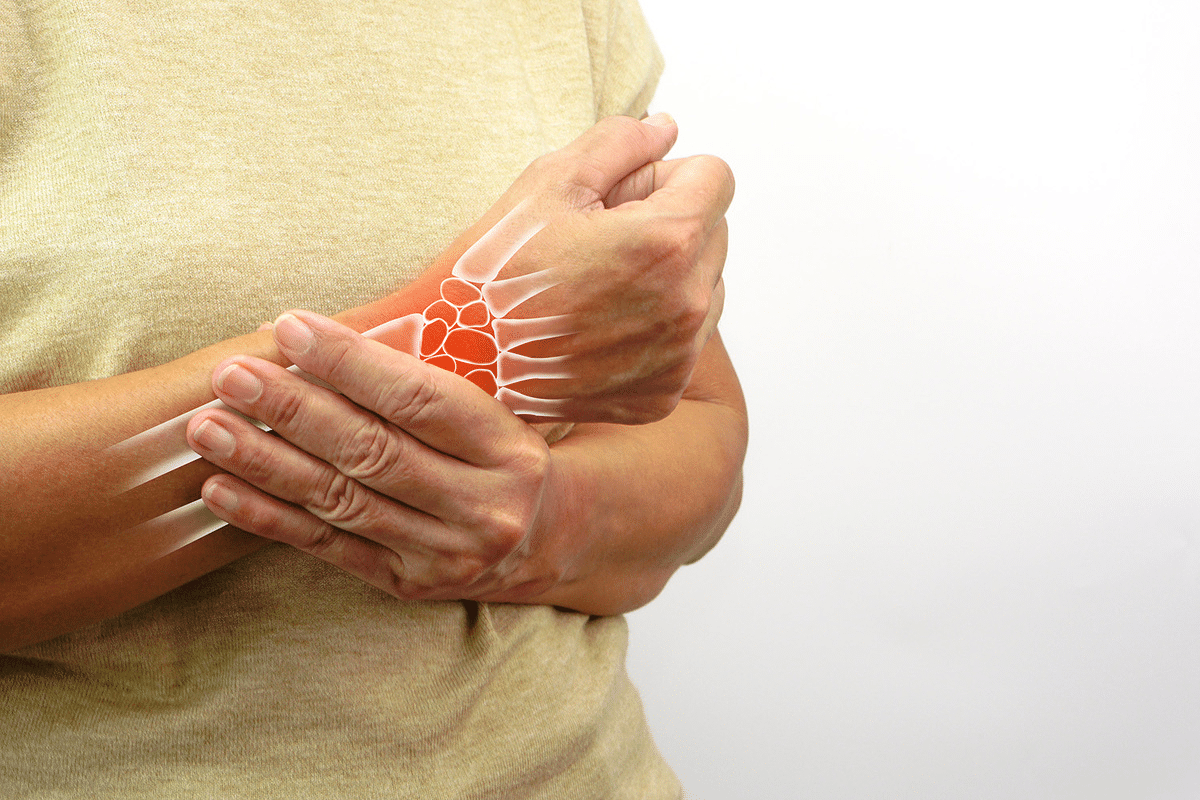
Rheumatoid arthritis (RA) is a chronic condition that affects joints and muscles. It’s not just about joint pain. It can also impact your overall health.
What Is Rheumatoid Arthritis?
Rheumatoid arthritis is an autoimmune condition. Your body’s immune system attacks the lining of your joints. This causes inflammation, pain, swelling, and can lead to serious joint damage over time.
Symptoms include joint pain, swelling, and stiffness. These symptoms are worse after rest or inactivity.
How RA Differs from Other Forms of Arthritis
Rheumatoid arthritis is different from osteoarthritis. Osteoarthritis is caused by wear and tear. RA is caused by the body’s immune system attacking itself.
Key differences include:
- The presence of systemic symptoms such as fatigue and fever
- Symmetrical joint involvement
- The presence of extra-articular manifestations
The Autoimmune Nature of RA
The autoimmune aspect of RA means your immune system is attacking your body. This involves complex interactions between immune cells and the production of autoantibodies. Understanding this is key to finding effective treatments.
By recognizing RA’s autoimmune nature, we can better manage it. Effective management includes medication, lifestyle changes, and sometimes alternative therapies.
The Relationship Between RA and Muscle Pain
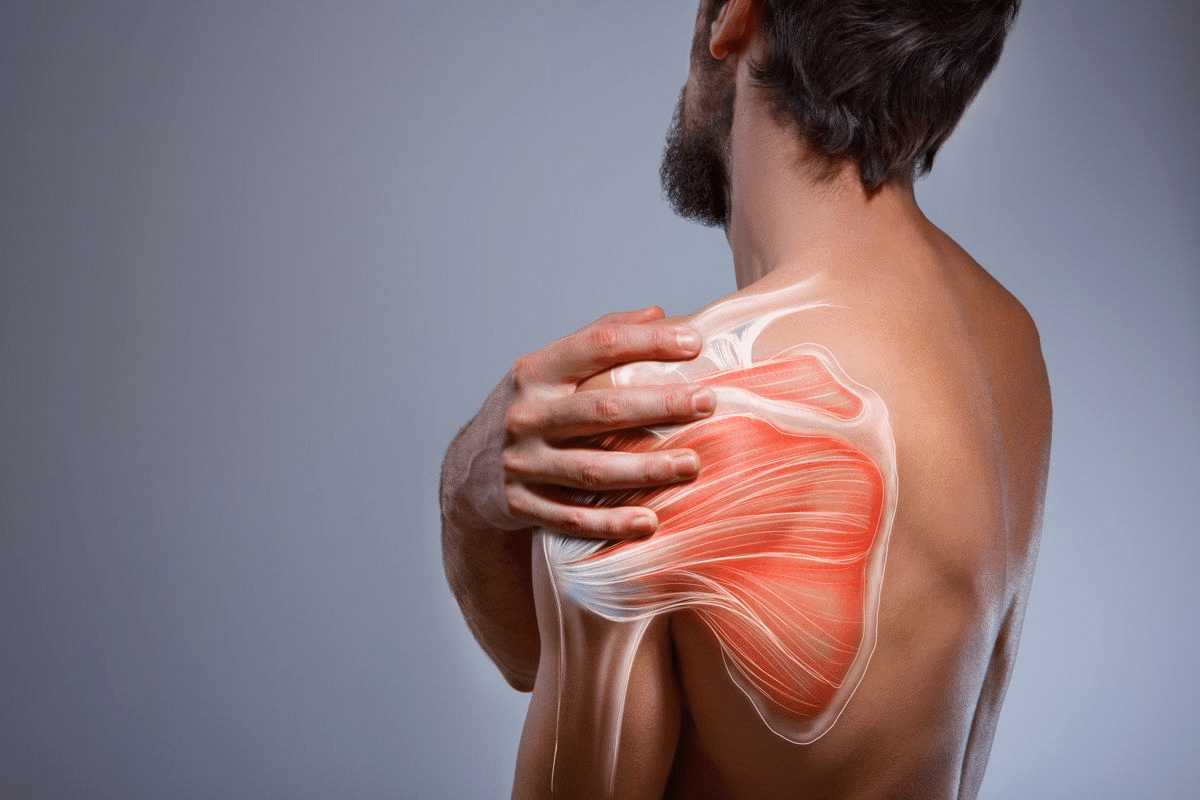
It’s important to understand how rheumatoid arthritis (RA) and muscle pain are connected. RA is a chronic disease that mainly affects the joints. But it can also harm muscle health.
How Common Is Muscle Pain in RA?
Muscle pain is common in people with RA. Many RA patients feel muscle weakness and pain. This can really lower their quality of life.
Prevalence of muscle pain in RA is a key area of study. It helps us understand how much RA affects patients.
Distinguishing Joint Pain from Muscle Pain
Managing RA can be tough because it’s hard to tell joint pain from muscle pain. Joint pain is a big sign of RA. But muscle pain is often missed or thought to be just joint inflammation.
We must realize that muscle pain in RA can come from different things. This includes inflammation, side effects of medicine, and secondary fibromyalgia.
Research on Muscle Involvement in RA
New research has shown how RA and muscle involvement are connected. Studies found that RA patients have weaker muscles than healthy people.
More research is needed to understand RA and muscle aches. We need to find ways to treat both joint and muscle symptoms better.
Mechanisms of Muscle Pain in Rheumatoid Arthritis
The pain in RA muscles comes from inflammation, cytokines, and joint stiffness. Knowing how these work helps us find better ways to manage the pain.
Synovial Inflammation and Its Effects
Rheumatoid Arthritis causes inflammation in the synovial membrane around joints. This inflammation releases harmful cytokines like TNF-alpha and IL-1. These cytokines damage joints and muscles, causing pain and weakness.
A study in a medical journal found that RA’s inflammation affects more than just joints. It can harm muscles too, making pain more complex.
“The presence of inflammatory cytokines in the muscle tissue of RA patients can lead to muscle atrophy and pain, further complicating the clinical picture.”
Inflammatory Cytokines and Muscle Tissue
Inflammatory cytokines play a big role in muscle pain in RA. They damage muscle fibers, causing atrophy and pain. For example, TNF-alpha can make muscles waste away by breaking down proteins and stopping new ones from forming.
These cytokines do more than just cause pain. They also lead to muscle wasting, making muscles weaker around the affected joints.
Secondary Effects of Joint Immobility
Joint stiffness is another big factor in muscle pain for RA patients. When joints hurt, people avoid moving them, leading to less mobility. This lack of movement causes muscles to shrink and lose strength, making pain and disability worse.
Regular exercise and activities tailored for RA patients can help. Healthcare experts say, “Keeping active is key to keeping muscles strong and functional in RA patients.”
Can RA Cause Muscle Pain? The Scientific Evidence
Recent studies have shown that RA can lead to muscle pain. This calls for a deeper look into how this happens. We’ll dive into the research on RA and muscle symptoms, shedding light on their complex connection.
Clinical Studies on RA and Muscle Symptoms
Many studies have explored muscle pain in RA patients. They found that muscle pain is common, impacting daily life and ability to function.
A study in the Journal of Rheumatology revealed that about 70% of RA patients experience muscle pain. Another study in Arthritis Care & Research found that muscle weakness and pain are linked to disease activity and how well patients can function.
|
Study |
Sample Size |
Prevalence of Muscle Pain |
|---|---|---|
|
Journal of Rheumatology |
200 |
68% |
|
Arthritis Care & Research |
150 |
72% |
Increased Pain Sensitivity in RA Patients
Research indicates that RA patients are more sensitive to pain than healthy people. This heightened sensitivity is believed to stem from RA’s chronic inflammation, affecting both the body and brain.
A study in Pain found that RA patients have lower pain thresholds and report higher pain levels when exposed to pain stimuli. This increased sensitivity might play a role in the muscle pain RA patients experience.
Patient-Reported Experiences
Understanding muscle pain’s impact on RA patients is vital. Studies show that muscle pain is a major symptom that hinders daily activities and overall well-being.
A qualitative study in Arthritis Research & Therapy shared RA patients’ experiences. They described muscle pain as severely debilitating, making everyday tasks challenging. These accounts highlight the need to address muscle pain in managing RA.
Rheumatoid Arthritis and Muscle Weakness
Rheumatoid Arthritis (RA) affects more than just the joints. Muscle weakness is a common symptom. We’ll look at how muscle weakness in RA is measured, its impact, and how it affects daily life.
Measuring Muscle Strength in RA Patients
Doctors use tools like handgrip tests and isokinetic dynamometry to measure muscle strength in RA patients. These tools help doctors understand how much muscle weakness affects a patient’s ability to function.
Research shows that muscle weakness is a big problem for RA patients. It makes it hard for them to do everyday tasks. Testing muscle strength is key to creating effective treatment plans that tackle both joint inflammation and muscle weakness.
The 25-70% Reduction in Muscular Strength
Studies have found that RA patients can lose up to 70% of their muscle strength. This loss varies due to factors like how severe the disease is, how long they’ve had it, and if they have other health issues.
|
Study |
Reduction in Muscular Strength |
Patient Population |
|---|---|---|
|
Study A |
25% |
Early-stage RA patients |
|
Study B |
50% |
Moderate RA patients |
|
Study C |
70% |
Advanced RA patients |
Impact on Daily Functioning
Muscle weakness makes everyday tasks hard for RA patients. Simple actions like getting dressed, cooking, or even walking can be tough. This not only limits their independence but also affects their quality of life.
It’s important for healthcare providers to understand how much muscle weakness affects daily life. They need to create care plans that help improve muscle strength and overall function.
RA Sarcopenia and Rheumatoid Cachexia
RA patients often face muscle loss, a serious issue that impacts their life quality and health. This problem, known as RA sarcopenia or rheumatoid cachexia, is a big worry for those with rheumatoid arthritis.
Defining Muscle Loss in RA
Muscle loss, or sarcopenia, in RA means a decline in muscle mass and strength. It’s not just from aging or not exercising enough. It’s linked to the chronic inflammation of RA. Rheumatoid cachexia is when muscle mass goes down, with or without fat loss, making RA patients’ health worse.
It’s important to understand how RA sarcopenia and rheumatoid cachexia work. The chronic inflammation in RA leads to muscle damage. This is because of the cytokines it produces, affecting both joints and muscles.
Prevalence Rates and Risk Factors
Studies show muscle loss is common in RA patients. The rates vary based on the study and how muscle loss is defined. Up to 43% of RA patients might lose muscle.
|
Risk Factor |
Description |
Impact on Muscle Loss |
|---|---|---|
|
Chronic Inflammation |
Ongoing inflammation characteristic of RA |
High |
|
Medication Side Effects |
Certain RA medications can contribute to muscle loss |
Moderate |
|
Reduced Mobility |
Decreased physical activity due to joint pain and stiffness |
High |
|
Nutritional Deficiencies |
Inadequate nutrition, common in chronic diseases |
Moderate |
Long-term Consequences of Muscle Wasting
Muscle wasting in RA patients has serious long-term effects. It can lead to less ability to function, a higher risk of falls, and a lower quality of life. It also raises the risk of death, showing the need for early treatment.
Managing RA sarcopenia and rheumatoid cachexia needs a full approach. This includes medicines, physical therapy, and nutrition. By knowing the risks and using the right treatments, we can help RA patients with muscle loss.
Beyond Muscles: Other RA-Related Pain Sources
RA can cause pain in many places, not just joints. It can also affect ribs and the chest wall. Muscle pain is a big issue, but other parts of the body can hurt too.
Rheumatoid Arthritis and Clicking Joints
RA often leads to clicking joints. This happens because of inflammation and damage to the joint tissues. It makes joints move in an odd way.
- Clicking or snapping sounds when moving the joints
- Instability or feeling of the joint giving way
- Pain or discomfort during or after joint movement
Managing these symptoms is possible. We suggest talking to a healthcare professional for advice.
Rib Pain and Rheumatoid Arthritis
Rib pain is common in RA. The inflammation from RA can hurt the rib cage and nearby tissues. This causes pain and discomfort.
Possible causes of rib pain in RA include:
- Costochondritis – inflammation of the cartilage connecting the ribs to the sternum
- Rib cage involvement due to RA-related inflammation
- Referred pain from other areas affected by RA
Getting a correct diagnosis is key to treating rib pain. We help find out what’s causing the pain.
Chest Wall Involvement in RA
The chest wall, including ribs and sternum, can be affected by RA. This can lead to pain and other issues. Pain or tenderness in the chest area can get worse with movement or deep breathing.
Key aspects to consider:
- The role of inflammation in chest wall involvement
- The possible structural changes in the chest wall due to RA
- The effect on breathing
Understanding these points helps us create better treatment plans for RA patients with chest wall issues.
Distinguishing RA Muscle Pain from Other Conditions
RA muscle pain can look like symptoms from other conditions. This makes it important to get a correct diagnosis. Rheumatoid arthritis often causes muscle pain, but it’s not the only condition that does.
Fibromyalgia and RA: Overlapping Symptoms
Fibromyalgia is a long-term condition with widespread muscle pain, fatigue, and tender points. It shares symptoms with RA, making it hard to tell them apart. Both can cause a lot of pain and stiffness, but they have different causes.
Here are some key differences between fibromyalgia and RA:
- RA has joint inflammation and damage, which fibromyalgia doesn’t
- Fibromyalgia has pain all over, while RA pain is more focused on joints
- Fibromyalgia doesn’t have high inflammatory markers like RA does
Polymyalgia Rheumatica vs. RA Muscle Pain
Polymyalgia rheumatica (PMR) can also be mistaken for RA because of similar symptoms. PMR causes stiffness and pain in the shoulders and hips, mainly in older adults. Unlike RA, PMR doesn’t damage joints.
Key features of PMR include:
- Symptoms start quickly, often in days or weeks
- Stiffness in the morning lasts more than 45 minutes
- High levels of inflammatory markers like ESR and CRP
When to Suspect Multiple Conditions
It’s possible for patients to have more than one rheumatic condition at once. This makes diagnosis and treatment harder. It’s key to think about other conditions when someone has muscle pain and other symptoms.
Here’s what to do if you think there might be more than one condition:
- Look closely at the patient’s symptoms and medical history
- Do thorough physical exams and tests
- Watch how the patient reacts to treatment to help figure out what they have
By carefully figuring out if someone has RA muscle pain or something else, doctors can create better treatment plans. These plans will be more suited to the patient’s needs.
Diagnosing Muscle Involvement in Rheumatoid Arthritis
Getting the right diagnosis for muscle pain linked to RA is key. Finding out if muscles are involved in Rheumatoid Arthritis (RA) is a detailed process. It includes clinical checks, lab tests, and imaging.
Clinical Assessment Techniques
First, doctors check for muscle issues in RA patients. They look at the patient’s history and do a physical exam. This helps spot muscle weakness, pain, or shrinkage.
Doctors use tools like manual muscle testing and functional tests. These help measure muscle strength and how well it works.
Table: Clinical Assessment Tools for Muscle Involvement in RA
|
Assessment Tool |
Description |
|---|---|
|
Manual Muscle Testing |
Evaluates muscle strength against resistance |
|
Functional Assessments |
Assesses ability to perform daily activities |
|
Muscle Pain Scales |
Quantifies pain intensity |
Laboratory Tests and Imaging
Lab tests and imaging are vital for diagnosing muscle issues in RA. Blood tests can show signs of inflammation, like CRP and ESR. These are often high in RA patients with muscle problems.
Imaging like MRI and ultrasound can spot muscle inflammation and damage. A study found MRI is great for seeing muscle edema and inflammation. This makes it a top tool for checking muscle involvement in RA.
“The use of advanced imaging techniques has revolutionized the diagnosis of muscle involvement in RA, allowing for earlier and more accurate detection.”
The Role of Muscle Biopsies
Muscle biopsies are a detailed but invasive test. They can show muscle damage in RA. They’re useful for telling apart muscle weakness causes, like inflammatory myopathies or steroid-induced myopathy.
What muscle biopsies reveal helps doctors make better treatment plans. This helps manage RA-related muscle symptoms better.
Treatment Approaches for RA-Related Muscle Pain
Managing RA-related muscle pain requires a detailed treatment plan. We will look at different strategies, including medicines, physical therapy, and other methods.
Pharmacological Interventions
Medicines are key in treating RA-related muscle pain. Disease-modifying antirheumatic drugs (DMARDs) and biologic agents help reduce inflammation. This makes muscle pain better.
- DMARDs: Methotrexate, sulfasalazine, and hydroxychloroquine help control inflammation and muscle pain.
- Biologic Agents: TNF inhibitors like etanercept and adalimumab are effective in reducing muscle pain in RA patients.
Pain relievers like acetaminophen and NSAIDs also help with pain. But, using them for a long time can have side effects.
Physical Therapy and Exercise
Physical therapy and exercise are vital for treating RA-related muscle pain. They help keep muscles strong, improve flexibility, and enhance function.
“Regular exercise is key for keeping muscle mass and strength in RA patients. It reduces muscle pain and improves life quality.”
A good exercise program should include:
- Aerobic Exercises: Activities like cycling or swimming that boost heart health without worsening joint pain.
- Resistance Training: Exercises that strengthen muscles.
- Flexibility Exercises: Stretching to improve range of motion.
Complementary and Alternative Approaches
Complementary and alternative methods can also help manage RA-related muscle pain. These include:
- Acupuncture: A traditional Chinese medicine technique that involves inserting thin needles into specific body points to relieve pain.
- Massage Therapy: Massage helps reduce muscle tension and promotes relaxation.
- Mind-Body Therapies: Techniques like meditation and yoga help manage stress and improve well-being.
While these methods can be helpful, it’s important to talk to a healthcare provider before adding them to your treatment plan.
Living with RA and Muscle Symptoms: Self-Management Strategies
For those with RA, finding ways to manage muscle symptoms is key. It’s important to take charge of your condition. This means using a variety of strategies to handle RA and its muscle pain.
Exercise Recommendations for Preserving Muscle Mass
Exercise is vital for RA management. It helps keep muscles strong, improves joint movement, and lessens pain. We suggest a mix of aerobic, strength, and flexibility exercises. These should match your abilities and limits.
Aerobic Exercises: Walking, cycling, or swimming are good. They boost heart health without harming joints too much.
Strength Training: Gentle exercises with resistance bands or light weights help keep muscles strong.
Nutritional Considerations
Eating right is critical for RA patients. It helps muscles stay healthy and boosts overall health. Key nutrients include:
- Enough protein for muscle repair and upkeep.
- Anti-inflammatory foods with omega-3 fatty acids.
- Drinking plenty of water for health.
|
Nutrient |
Benefit |
Food Sources |
|---|---|---|
|
Protein |
Muscle repair and maintenance |
Lean meats, fish, eggs, dairy, legumes |
|
Omega-3 Fatty Acids |
Anti-inflammatory effects |
Fatty fish, flaxseeds, chia seeds, walnuts |
Energy Conservation Techniques
RA can make energy levels unpredictable. Using energy-saving tips can help manage fatigue and stay productive.
Prioritizing Tasks: Focus on the most important tasks and break them down.
Pacing Activities: Balance work and rest to avoid getting too tired.
By using these strategies, people with RA can manage their muscle symptoms better. This improves their quality of life.
Conclusion
Understanding the link between RA and muscle pain is key to managing the condition well. We’ve looked at how RA can lead to muscle pain and the treatments available.
Managing RA symptoms needs a full care plan. This includes medicines, physical therapy, and changes in lifestyle. With this approach, patients can handle their symptoms better and live a better life.
Comprehensive care for RA goes beyond just treating the condition. It also looks at the patient’s overall health. This includes diet, saving energy, and emotional support. This way, healthcare providers help RA patients deal with the condition’s challenges.
Effectively managing RA and muscle pain needs empathy, understanding, and professional care. By working together, healthcare providers and patients can create treatment plans that meet each person’s needs.
FAQ
Does rheumatoid arthritis cause muscle pain?
Yes, rheumatoid arthritis (RA) can cause muscle pain. The condition leads to inflammation and affects not just joints but also muscles. This results in pain and discomfort.
Can rheumatoid arthritis cause muscle weakness?
Yes, RA can cause muscle weakness. Studies show RA patients may lose up to 70% of muscle strength. This loss can make daily tasks harder.
What is the difference between RA joint pain and muscle pain?
RA joint pain involves pain, stiffness, and swelling in joints. Muscle pain is aching or tenderness in muscles around joints. It’s hard to tell them apart, but doctors can usually figure it out.
How common is muscle pain in RA patients?
Muscle pain is common in RA patients. Many RA patients experience muscle pain, which adds to their overall pain.
Can RA cause rib pain?
Yes, RA can cause rib pain. It can affect the chest wall, including ribs and surrounding tissues, causing pain and discomfort.
What is RA sarcopenia?
RA sarcopenia is when RA patients lose muscle mass and strength. This can greatly affect their daily life and quality of life.
How is muscle involvement in RA diagnosed?
Doctors use several methods to diagnose muscle involvement in RA. These include clinical assessments, lab tests, imaging, and sometimes muscle biopsies. A detailed approach is needed to understand the extent of muscle involvement.
What are the treatment approaches for RA-related muscle pain?
Treatments for RA-related muscle pain include medicines, physical therapy, exercise, and alternative methods. A team effort can help manage pain and improve symptoms.
Can exercise help manage RA muscle pain?
Yes, exercise can help manage RA muscle pain. Gentle exercises like yoga or swimming can improve muscle strength and reduce pain. They also boost overall well-being.
How can RA patients manage muscle symptoms?
RA patients can manage muscle symptoms by exercising regularly, eating well, and conserving energy. Self-management strategies can greatly improve their quality of life and reduce pain.
References
National Center for Biotechnology Information. Evidence-Based Medical Guidance. Retrieved from https://pmc.ncbi.nlm.nih.gov/articles/PMC7692940/