


Chronic stress is a big problem in the United States. 77% of Americans have faced physical or emotional stress at some point. Answering can stress cause heart block (indirectly, via hypertension) and listing other cardiac issues what can stress cause.
Chronic stress has been linked to more heart problems. This is a worrying fact. It makes us wonder: can stress cause heart block?
It’s important to know how stress affects heart health. This knowledge can help us stay healthy. We need to look into how stress might cause heart block.
Key Takeaways
- Chronic stress is linked to more heart issues.
- Understanding stress and heart health is key.
- Stress can lead to serious heart problems.
- The connection between stress and heart block is urgent.
- Managing stress is vital for heart health.
Understanding Stress and Its Physiological Impact
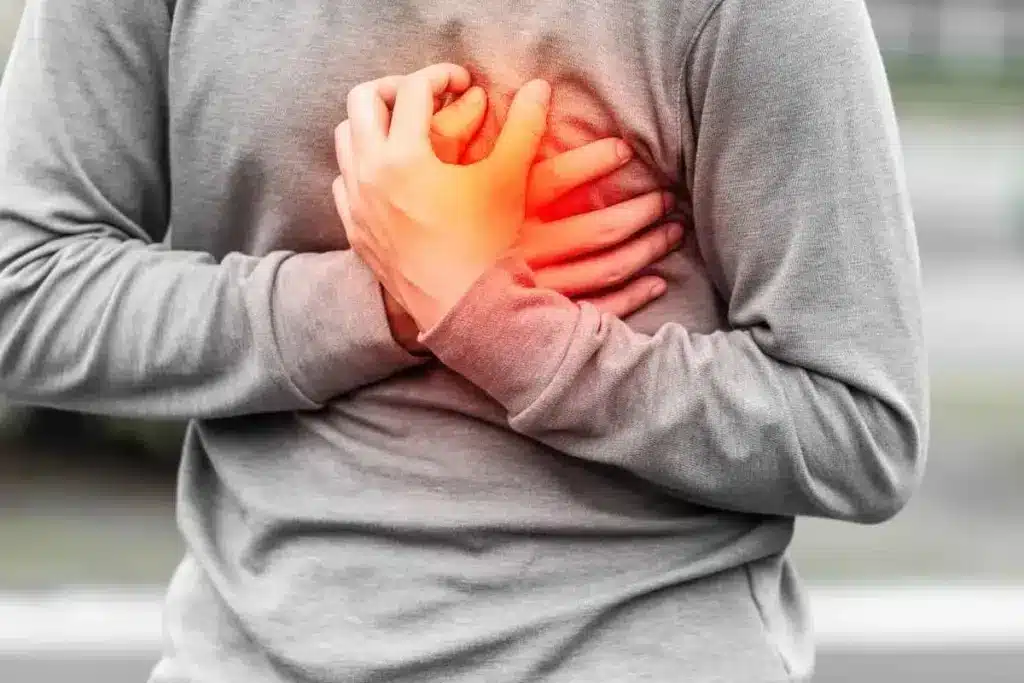
It’s key to know how stress affects our bodies. Stress sets off a complex response in our bodies. This can impact many systems in our body.
The Body’s Stress Response System
The body’s stress system, known as the “fight or flight” response, kicks in when we feel threatened. This response causes stress hormones like cortisol and adrenaline to be released.
Acute vs. Chronic Stress
It’s important to know the difference between acute and chronic stress. Acute stress is short-lived and goes away once the threat is gone. Chronic stress, on the other hand, lasts longer and can harm our health more.
Stress Hormones and Their Effects on Organs
Stress hormones like cortisol have a big impact on our bodies. Cortisol, released in response to stress, can increase blood cholesterol, triglycerides, blood sugar, and blood pressure, as studies show.
|
Stress Hormone |
Effects on the Body |
|---|---|
|
Cortisol |
Increases blood sugar, suppresses the immune system |
|
Adrenaline |
Boosts heart rate, increases blood pressure |
Chronic stress can cause physical symptoms like pain and aches. It’s important to manage stress to lessen its effects on our bodies.
The Connection Between Stress and Cardiovascular Health

It’s important to know how stress affects heart health to prevent heart diseases. Stress changes the body in many ways. It impacts heart function, blood pressure, and inflammation, all key to heart health.
How Stress Affects Heart Function
Stress changes heart rate and how well the heart pumps blood. When we’re stressed, our body goes into “fight or flight” mode. This releases hormones like adrenaline, making our heart beat faster and blood pressure go up. Chronic stress can keep our heart rate and blood pressure high, harming the heart over time.
Stress-Induced Changes in Blood Pressure
Stress can raise blood pressure temporarily, and chronic stress can make it stay high. High blood pressure is a big risk for heart disease, like heart attacks and strokes. People under chronic stress are more likely to get high blood pressure.
Inflammation and Cardiovascular Risk
Chronic stress also increases inflammation in the body, which is bad for the heart. Inflammation can cause plaque to build up in arteries, raising the risk of heart attacks and strokes.
|
Stress Factor |
Impact on Cardiovascular Health |
|---|---|
|
Increased Heart Rate |
Potential for cardiac damage over time |
|
Elevated Blood Pressure |
Risk factor for hypertension and cardiovascular disease |
|
Increased Inflammation |
Linked to atherosclerosis and cardiovascular risk |
Research shows stress can lead to high blood pressure, increasing the risk of heart attacks and strokes. So, managing stress is key to keeping our heart healthy.
What is Heart Block?
“Heart block” is when the heart’s electrical signals slow down or get blocked. This condition, also called cardiac conduction block, happens when the heart’s electrical impulses are interrupted or slowed. These impulses control the heartbeat.
Types of Heart Block
There are three main types of heart block. First-degree heart block means the electrical impulses are delayed. Second-degree heart block causes occasional blocking of the impulses. Third-degree heart block, or complete heart block, means the impulses are completely blocked.
Symptoms and Diagnosis
Symptoms of heart block include dizziness, fainting, fatigue, and shortness of breath. Doctors use an electrocardiogram (ECG) to diagnose it. This test measures the heart’s electrical activity.
Common Causes of Heart Block
Heart block can be caused by aging, heart disease, and some medications. Knowing these causes helps in managing and treating the condition.
Can Stress Directly Cause Heart Block?
Research is ongoing to see if stress directly causes heart block. It’s known that stress affects heart health in complex ways. This involves many physiological pathways.
Scientific Evidence and Research
Studies are looking into how stress might cause heart block. They’ve found that long-term stress can raise the risk of heart block. Stress can cause inflammation and change blood pressure, both bad for the heart.
Indirect Mechanisms of Stress-Related Heart Block
Stress might not directly cause heart block, but it can harm heart health in other ways. Stress can change heart rate and blood pressure, making heart problems worse. It can also lead to unhealthy habits like bad eating and not exercising.
Risk Factors That Combine With Stress
Some risk factors can make heart block more likely when combined with stress. These include heart problems, high blood pressure, and a family history of heart disease. People with these risks should watch how stress affects their heart.
It’s important to understand how stress and heart health are connected. By managing stress and other risks, people can lower their chance of heart block and other heart issues.
What Can Stress Cause Beyond Heart Block?
Stress isn’t just bad for your heart; it can affect many other areas of your health. It can lead to a wide range of health problems, impacting both your body and mind.
Other Cardiovascular Conditions
Stress can lead to many heart-related issues. Hypertension is a big risk, as it can make blood pressure go up. This can cause serious problems like heart failure or stroke.
Other heart risks from stress include:
- Arrhythmias
- Cardiac arrests
- Atherosclerosis
Non-Cardiac Physical Effects
Stress can also affect your body in many ways. It can cause gastrointestinal issues like IBS, acid reflux, and stomach ulcers. It can also lead to musculoskeletal problems, such as tension headaches, back pain, and muscle strain.
|
Physical Effects |
Description |
|---|---|
|
Gastrointestinal Issues |
Irritable bowel syndrome (IBS), acid reflux, stomach ulcers |
|
Musculoskeletal Problems |
Tension headaches, back pain, muscle strain |
Mental Health Implications
Stress can also harm your mental health. It can lead to anxiety and depression. Chronic stress can cause burnout, which includes feeling emotionally drained, performing poorly, and lacking personal satisfaction.
This shows how important it is to manage stress well. It helps prevent long-term damage to your mental health.
Identifying Stress in Your Body and Mind
Knowing the signs of stress is key to keeping your body and mind healthy. Stress shows up in different ways in people. So, it’s important to spot its various signs.
Physical Symptoms of Stress
Stress can make you feel aches and pains, tired, and mess with your sleep. These signs can warn you that stress is affecting your body.
- Muscle tension
- Headaches
- Fatigue
Psychological and Emotional Signs
Stress can really mess with your mind, causing anxiety, anger, and depression. Spotting these emotional changes is critical.
How Do You Know If You’re Stressed?
If you’re feeling both physical and emotional symptoms, you might be stressed. Knowing these signs is the first step to managing stress.
Stress Symptoms vs. Heart Problems
It can be hard to tell if you’re stressed or if you have a heart problem. Stress can make your body feel like it has a serious heart issue. This can cause worry and confusion.
Chest Pain: Anxiety or Heart Issue?
Chest pain can happen for many reasons, including stress and heart problems. Anxiety can cause chest pain from breathing too fast or tight muscles. But, it’s important to know if it’s a heart problem like angina or a heart attack.
If you have chest pain, you should see a doctor right away. They can check if it’s a serious heart problem. They will do tests to find out what’s causing it.
Heart Palpitations and Arrhythmias
Heart palpitations can be caused by stress or anxiety. They make your heart beat fast or irregularly. Sometimes, they can be a sign of a heart problem like arrhythmias.
When Panic Attacks Mimic Heart Attacks
Panic attacks can feel like heart attacks because of similar symptoms. These include a fast heartbeat, sweating, and trouble breathing. It’s important to know the difference for the right treatment.
If you’re not sure if it’s stress or a heart problem, see a doctor. They can figure out what’s wrong and suggest how to fix it.
Long-Term Effects of Chronic Stress on Heart Health
Long-term stress can harm heart health in big ways. It can change the heart’s structure and raise the risk of heart problems. Stress affects the body in many ways, and its impact on the heart is a big worry.
Structural Changes to the Heart
Chronic stress can make the heart’s left ventricle muscle wall thicker. This is called left ventricular hypertrophy. Over time, it can make the heart work less well.
Increased Risk of Coronary Heart Disease
There’s a strong link between chronic stress and coronary heart disease. Stress can make inflammation worse and change lipid levels. This increases the risk of heart disease.
Impact on Heart Attack and Stroke Risk
Chronic stress can also raise the risk of heart attack and stroke. Stress makes blood pressure and heart rate go up. This puts extra strain on the heart and blood vessels.
|
Condition |
Effect of Chronic Stress |
Potential Outcome |
|---|---|---|
|
Structural Changes |
Left ventricular hypertrophy |
Reduced heart function |
|
Coronary Heart Disease |
Increased inflammation and altered lipid profiles |
Higher risk of heart attack |
|
Heart Attack and Stroke |
Increased blood pressure and heart rate |
Increased risk of cardiovascular events |
Managing chronic stress is key to protecting heart health. Knowing the risks and taking action can help avoid heart problems caused by stress.
Stress Management Strategies for Heart Health
Creating a stress management plan can greatly help your heart health. It involves physical activity, eating right, and finding ways to relax. These steps include making lifestyle changes, using relaxation techniques, exercising regularly, and eating healthy.
Lifestyle Modifications
Changing your lifestyle can lower stress. This means setting achievable goals, focusing on what’s important, and saying “no” when you can’t do more. Having a good balance between work and life is key. Stress is the trash of modern life – we all generate it, but if you don’t dispose of it properly, it will pile up and choke you.
Relaxation Techniques and Mindfulness
Techniques like deep breathing, muscle relaxation, and meditation can cut down stress. Mindfulness helps you stay in the present, reducing worries about the past or future. Doing these regularly can really lower your stress levels.
Exercise and Physical Activity
Exercise is a great way to reduce stress. It can make you feel better and less anxious. Try activities like walking, jogging, cycling, or swimming. Try to do at least 30 minutes of moderate exercise most days.
Dietary Approaches
Eating well is also important for managing stress. Eating a diet full of fruits, veggies, whole grains, and lean proteins helps. Try to cut down on caffeine and sugar as they can make stress worse. A healthy outside starts from the inside.
By adding these stress management tips to your daily routine, you can improve your heart health and overall well-being.
When to Seek Medical Attention
Knowing when to get medical help is key for stress-related heart conditions. It’s important to recognize signs that mean you need to see a doctor right away.
Warning Signs That Shouldn’t Be Ignored
Warning signs that need immediate care include severe chest pain, difficulty breathing, and rapid or irregular heartbeat. If you notice any of these, get medical help fast.
Diagnostic Tests for Heart Conditions
When you see a doctor, they might run tests like electrocardiograms (ECG), echocardiograms, and stress tests. These help figure out what’s going on with your heart.
Treatment Options for Stress-Related Heart Issues
Treatment depends on what the doctor finds. It might include lifestyle changes, medications for stress and heart health, or medical procedures for heart problems.
Staying informed and taking care of your heart is vital for your health.
Conclusion
It’s important to understand how stress affects our heart health. Stress might not directly cause heart block, but it has a big impact on our heart. It can raise blood pressure and cause inflammation, which are risks for heart block and other heart problems.
Managing stress well is key to keeping our heart healthy. We can do this by changing our lifestyle, using relaxation techniques, and staying active. Recognizing stress signs and acting on them can prevent heart damage.
Putting our heart health first is vital. By managing stress and living a healthy lifestyle, we can lower our risk of heart issues. This includes heart block, and it helps keep our heart system in good shape.
FAQ
Can anxiety cause hypertension?
Yes, anxiety can lead to high blood pressure. When you’re anxious, your body’s stress response kicks in. This raises your blood pressure.
While anxiety itself may not directly cause high blood pressure, it can make it worse. It can also help create high blood pressure over time.
Does stress elevate blood pressure?
Yes, stress can raise your blood pressure. Stress triggers your body’s “fight or flight” response. This releases stress hormones like adrenaline and cortisol.These hormones make your blood vessels constrict and your heart rate go up. This leads to higher blood pressure.
Can stress cause pain in the body?
Yes, stress can cause body pain. Chronic stress can make your muscles tense. This can lead to pain in your neck, back, and shoulders.Stress can also make existing pain worse, like in fibromyalgia.
Can anxiety cause an abnormal heartbeat?
Yes, anxiety can lead to irregular heartbeats. It can change your heart rate and rhythm. This can cause palpitations or arrhythmias.
Is stress a cause of high blood pressure?
Stress isn’t a direct cause of high blood pressure. But it can help create it or make it worse. Chronic stress can lead to sustained high blood pressure.This increases your risk of heart disease.
Can stress lead to a stroke?
Stress itself doesn’t directly cause strokes. But chronic stress can raise your risk. It can lead to high blood pressure and heart disease.These conditions can increase your risk of stroke.
Can anxiety affect blood pressure?
Yes, anxiety can affect your blood pressure. It can cause temporary increases. Chronic anxiety can lead to sustained high blood pressure.
What are the long-term effects of stress on heart health?
Chronic stress can harm your heart health. It can increase your risk of heart disease, high blood pressure, heart attack, and stroke.It can also cause structural changes in your heart. This can worsen existing heart conditions.
How do I know if I’ve had a heart attack?
Heart attack symptoms include chest pain or discomfort. You might also feel short of breath, lightheaded, or have pain in your arms, back, neck, jaw, or stomach.If you’re experiencing these symptoms, get medical help right away.
Can stress cause heart problems?
Yes, chronic stress can lead to heart problems. It can cause cardiovascular disease, high blood pressure, and heart attacks.Stress can also make existing heart conditions worse.
Can high cholesterol cause chest pain?
High cholesterol itself doesn’t directly cause chest pain. But it can lead to coronary artery disease.This disease can cause chest pain or angina.
Can stress make you have a stroke?
Stress isn’t a direct cause of stroke. But chronic stress can increase your risk. It can lead to high blood pressure and heart disease.These conditions can raise your risk of stroke.
What is stress-induced cardiomyopathy?
Stress-induced cardiomyopathy, or “broken heart syndrome,” is a condition. It happens when intense emotional or physical stress weakens your heart muscle.This can cause symptoms like chest pain and shortness of breath.
Can stress cause physical ailments?
Yes, chronic stress can cause physical ailments. It can lead to headaches, gastrointestinal problems, and musculoskeletal pain.
Can stress lead to death?
Stress itself doesn’t directly cause death. But chronic stress can lead to life-threatening conditions. These include cardiovascular disease, heart attack, and stroke.
How can stress physically affect you?
Stress can physically affect you in many ways. It can cause muscle tension, headaches, gastrointestinal problems, and changes in heart rate and blood pressure.
Can anxiety cause angina?
Anxiety can contribute to angina. Angina is chest pain or discomfort due to reduced blood flow to the heart. Anxiety itself isn’t a direct cause of angina.But it can make existing heart conditions worse.
Can worry cause high blood pressure?
Worry and anxiety can contribute to high blood pressure. They trigger the body’s stress response. This leads to increased blood pressure.
References
Nature. Evidence-Based Medical Insight. Retrieved from https://www.nature.com/articles/nrcardio.2012.45

























