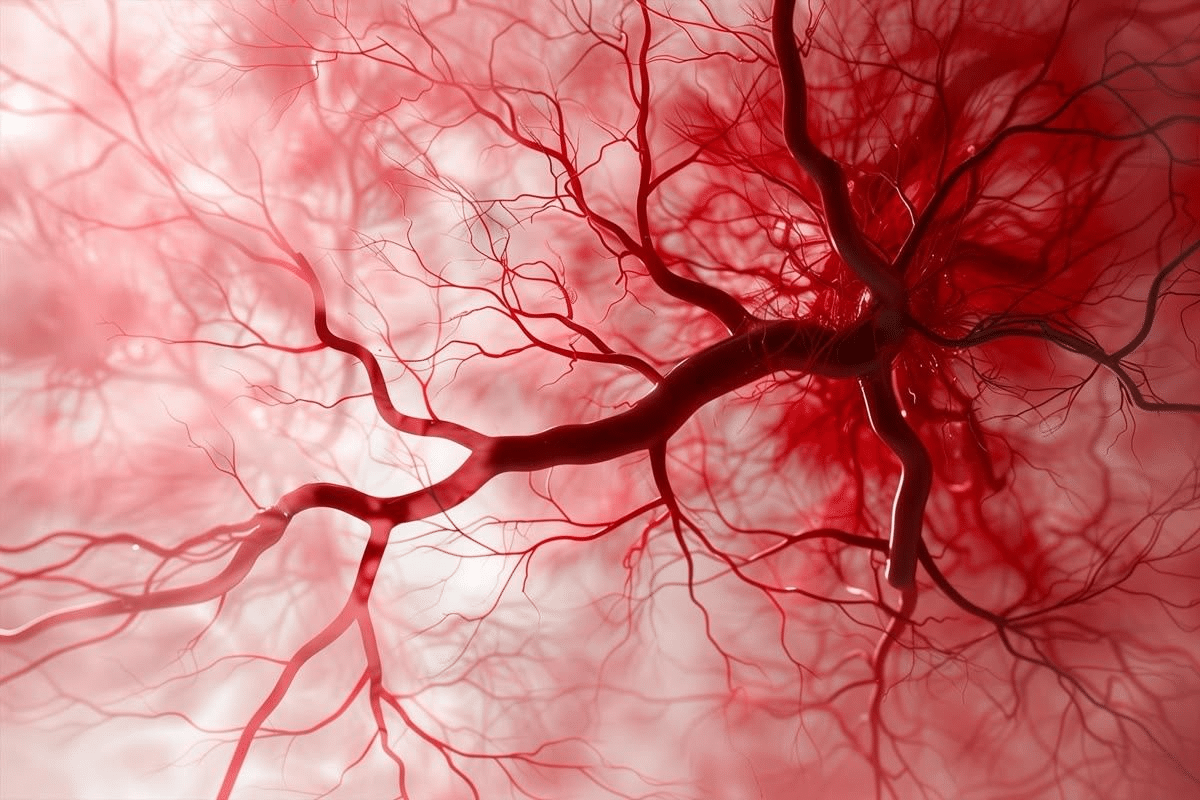
Explaining the cause of leaking blood vessels symptoms in the eyes due to diabetic retinopathy and potential treatments.
Diabetic retinopathy is a serious problem linked to diabetes. It harms the blood vessels in the retina, the part of the eye that catches light. High blood sugar levels damage these tiny vessels, making them leak fluid. This can lead to severe vision problems.
At Liv Hospital, we know how important it is to catch this early. Our team focuses on caring for each patient and using new ways to help. We aim to keep the eyes of people with diabetes safe.
Key Takeaways
- Diabetic retinopathy is a complication of diabetes that damages the blood vessels in the retina.
- High blood sugar levels cause the tiny blood vessels to leak fluid, potentially leading to severe vision problems.
- Early detection and intervention are key to avoiding permanent vision loss.
- Liv Hospital puts patients first and uses new methods to help those with diabetes.
- Keeping eyes safe needs a team effort and support for people with diabetes.
The Connection Between Diabetes and Eye Health
It’s important to know how diabetes affects eye health, mainly for those at risk of diabetic retinopathy. Diabetes can harm the eyes, causing diabetic retinopathy. This condition affects the blood vessels in the retina.
How the Retina Functions Normally
The retina is a light-sensitive tissue at the back of the eye. It’s key for vision. It turns light into signals for the brain, helping us see.
A healthy retina is vital for clear vision. Damage can cause serious vision loss.
The retina works by capturing light with photoreceptor cells. These cells send signals to bipolar cells. Then, bipolar cells send these signals to ganglion cells. The optic nerve, made of ganglion cells’ axons, carries these signals to the brain.
Why Diabetics Are at Risk for Eye Complications
Diabetes raises the risk of eye problems, like diabetic retinopathy. People with type 1, type 2, or gestational diabetes can get it. High blood sugar damages the retina’s blood vessels, causing issues.
Factors that increase the risk include how long you’ve had diabetes and your blood sugar levels. Also, having other health issues like high blood pressure matters. Keeping blood sugar in check and getting eye exams are key for early detection and treatment.
Key factors that contribute to the risk of eye complications in diabetics include:
- Duration of Diabetes: The longer a person has diabetes, the higher the risk of developing diabetic retinopathy.
- Glycemic Control: Poor blood sugar control can accelerate the progression of diabetic retinopathy.
- Hypertension: High blood pressure can further strain the blood vessels in the retina.
In conclusion, knowing how diabetes affects eye health is critical for preventing and managing diabetic retinopathy. Good blood sugar control, managing blood pressure, and regular eye exams can lower the risk of severe eye problems.
Pathophysiology: How High Blood Sugar Damages Blood Vessels
High blood sugar can harm blood vessels, leading to diabetic retinopathy. Over time, it damages the tiny blood vessels that feed the retina. This cuts off its blood supply, as the Medical organization explains.
Biochemical Mechanisms of Vascular Damage
The damage to blood vessels in diabetic retinopathy is complex. Advanced glycosylation end-products (AGEs) are key players. They build up fast in diabetics, causing oxidative stress and inflammation in the retina’s blood vessels.
This makes the blood vessels leaky, causing symptoms of diabetic retinopathy. Research shows AGEs and their receptors on cells start a chain of damage to blood vessels.
The Role of Oxidative Stress
Oxidative stress is also vital in diabetic retinopathy. High glucose levels increase reactive oxygen species (ROS). This damages the retina’s cells.
Oxidative stress disrupts the retina’s blood vessels, helping diabetic retinopathy develop.
As the disease worsens, blood vessel damage can lead to non-proliferative diabetic retinopathy (NPDR) and proliferative diabetic retinopathy (PDR). Knowing these mechanisms is key to finding good treatments for diabetic retinopathy.
Leaking Blood Vessels Symptoms in Diabetic Patients
Diabetic patients with leaking blood vessels show symptoms that signal diabetic retinopathy’s growth. This condition often starts quietly, so regular eye checks are key for catching it early.
Early Warning Signs of Retinopathy
In the beginning, diabetic retinopathy’s signs are often mild or not there at all. But as it gets worse, patients might see:
- Spots or dark strings floating in their vision
- Blurred vision
- Fluctuations in vision
- Difficulty perceiving colors
These signs are easy to miss, and people might not notice them right away. Getting regular eye exams is essential to spot these changes early.
Vision Changes Associated with Vascular Leakage
As diabetic retinopathy gets worse, vision problems get more serious. These can include:
- Floaters: Small spots that seem to float in front of the eyes
- Vision Blurring: Vision that gets blurry and changes throughout the day
- Impaired Central Vision: Trouble with tasks that need clear central vision, like reading or driving
These vision issues come from the damage to blood vessels. If not treated, they can lead to macular edema.
Silent Progression: Why Symptoms May Go Unnoticed
Diabetic retinopathy often doesn’t show symptoms in its early stages. This makes it hard for people to know they have it without regular doctor visits. The slow growth of diabetic retinopathy highlights the need for:
- Regular eye exams
- Keeping an eye on blood sugar levels
- Managing other health issues that affect diabetic retinopathy
By being proactive, diabetic patients can lower their risk of severe diabetic retinopathy and its complications.
Non-Proliferative Diabetic Retinopathy (NPDR) Explained
Non-proliferative diabetic retinopathy (NPDR) is the first stage of diabetic retinopathy. It happens when the retina’s blood vessels start to weaken. It’s important to know how NPDR progresses and its effects.
Mild to Moderate NPDR in Ophthalmology
In the early stages of NPDR, the retina’s blood vessels weaken. This leads to tiny bulges called microaneurysms. These can leak fluid and blood, causing damage.
The Medical organization says, “In nonproliferative diabetic retinopathy, the walls of the blood vessels in the retina weaken. Tiny bulges stick out from the walls of the smaller vessels, sometimes leaking fluid and blood into the retina.”
As NPDR gets worse, more microaneurysms form and more damage happens. Seeing an ophthalmologist regularly is key to stopping things from getting worse.
Severe NPDR: The Tipping Point
Severe NPDR means a lot of damage to the blood vessels. There are many retinal hemorrhages and more leakage. The risk of getting worse, like proliferative diabetic retinopathy (PDR), goes up. It’s vital to work with your healthcare team to manage your diabetes well.
“Severe NPDR is a critical stage where the retina is under significant stress due to diabetes. Timely intervention can prevent further complications.”
Microaneurysms: The First Sign of Damage
Microaneurysms are the first sign of NPDR. They look like small, round, red dots on the retina. Seeing them means the blood vessels are weakening and NPDR is present.
|
Stage of NPDR |
Characteristics |
Clinical Implications |
|---|---|---|
|
Mild NPDR |
Few microaneurysms, minimal vascular damage |
Regular monitoring, control of diabetes |
|
Moderate NPDR |
Increase in microaneurysms, some vascular leakage |
Close observation, possible laser treatment |
|
Severe NPDR |
Extensive retinal hemorrhages, significant vascular leakage |
High risk of progression to PDR, consider advanced treatments |
Progression to Proliferative Diabetic Retinopathy (PDR)
Diabetic retinopathy can turn into Proliferative Diabetic Retinopathy (PDR) as it gets worse. In PDR, new, fragile blood vessels grow in the retina. This is a big change in the disease, as the retina tries to get more oxygen by making new vessels.
What Triggers Neovascularization
Neovascularization in PDR starts because the retina doesn’t get enough oxygen and nutrients. This lack of oxygen makes the retina release VEGF. VEGF is a protein that helps new blood vessels grow.
“The growth of new blood vessels is the body’s attempt to compensate for the lack of oxygen in the retina, but these vessels are often fragile and prone to leakage.” This can cause serious problems like vitreous hemorrhage and retinal detachment.
PDR Eye Complications
PDR can cause serious eye problems. The new blood vessels can leak blood into the vitreous, causing a vitreous hemorrhage. This can lead to sudden vision loss. Also, the new vessels and fibrous tissue can pull the retina away from its normal place.
- Vitreous hemorrhage: Sudden bleeding into the vitreous gel.
- Tractional retinal detachment: The retina is pulled away from its normal position.
- Neovascular glaucoma: New blood vessels in the iris can lead to increased eye pressure.
Advanced Diabetic Retinopathy Warning Signs
It’s important to know the warning signs of advanced diabetic retinopathy. Symptoms include sudden vision loss, floaters, and flashes of light. Regular eye exams are key to catching PDR early and preventing vision loss.
“Early detection and treatment of proliferative diabetic retinopathy can significantly reduce the risk of severe vision loss.”
We stress the need for regular eye check-ups for diabetic patients. This helps track diabetic retinopathy’s progress and start treatment early.
Diabetic Macular Edema: When Fluid Affects Central Vision
Fluid buildup in the macula due to diabetic retinopathy causes diabetic macular edema. This affects central vision. Diabetic macular edema (DME) happens when blood vessels in the retina leak, mainly affecting the macula. The macula is key for sharp, central vision.
The Macula’s Critical Role in Vision
The macula is at the retina’s center, vital for detailed vision. It helps us read, drive, and see faces clearly. It’s responsible for our central vision, enabling us to see fine details and colors.
The macula’s function is critical for daily activities. Damage here can greatly affect our quality of life.
How Leaking Vessels Cause Macular Edema
In diabetic retinopathy, blood vessels in the retina get damaged, leading to leakage. Fluid buildup near the macula causes swelling, known as diabetic macular edema.
The Medical organization notes, “Retinal blood vessel damage can cause fluid buildup in the macula.”
“Fluid buildup in the macula due to leaking blood vessels is a hallmark of diabetic macular edema.”
Distinguishing DME from Other Forms of Retinopathy
Diabetic macular edema can happen with other diabetic retinopathy types, like NPDR and PDR. It’s important to tell DME apart for proper treatment.
|
Condition |
Characteristics |
Impact on Vision |
|---|---|---|
|
Diabetic Macular Edema (DME) |
Fluid accumulation in the macula due to leaking vessels |
Affects central vision, causing blurry vision |
|
Non-Proliferative Diabetic Retinopathy (NPDR) |
Early stage with microaneurysms and hemorrhages |
May not significantly impact vision initially |
|
Proliferative Diabetic Retinopathy (PDR) |
Advanced stage with new, fragile blood vessel growth |
Can cause severe vision loss due to hemorrhage or retinal detachment |
Understanding diabetic macular edema is key in managing diabetic retinopathy. Recognizing its causes and distinguishing it from other retinopathies helps healthcare providers offer targeted treatments to save vision.
Risk Factors That Accelerate Blood Vessel Damage
It’s important to know what risks can harm blood vessels in diabetes. This knowledge helps in fighting diabetic retinopathy. Knowing these risks is the first step to stop and treat the condition.
Duration of Diabetes: The Cumulative Effect
The longer someone has diabetes, the bigger the risk of diabetic retinopathy. Studies show that the risk grows after 5-10 years. High blood sugar over time damages the retina’s blood vessels, causing problems.
Glycemic Control and HbA1c Levels
Poor blood sugar control is a big risk for diabetic retinopathy. High HbA1c levels mean blood sugar is not well-managed. Keeping HbA1c levels in check is key to stopping diabetic retinopathy from getting worse.
Hypertension and Cardiovascular Factors
Hypertension also speeds up blood vessel damage in diabetic retinopathy. High blood pressure strains the retina’s blood vessels, making them more vulnerable. Lowering blood pressure through lifestyle changes and medicine can help reduce this risk.
Genetic Predisposition to DM Retinopathy
Genetics also affect diabetic retinopathy. People with a family history of it are more likely to get it. Knowing your genetic risk can help in early detection and treatment.
There are many factors that can harm blood vessels in diabetic retinopathy. By understanding and tackling these, we can manage the condition better. Key factors include:
- Duration of diabetes
- Poor glycemic control
- Hypertension
- Genetic predisposition
Managing these risks needs a full plan. This includes regular checks, lifestyle changes, and medical help. With the help of healthcare, people with diabetes can lower their risk of diabetic retinopathy and its problems.
Diagnostic Approaches in Diabetic Ophthalmology
Managing diabetic retinopathy starts with accurate diagnosis. We use advanced tools to detect and manage this condition. This ensures the best care for our patients.
Diabetic Retinopathy Ophthalmoscopy Techniques
Ophthalmoscopy is key in diabetic eye care. It lets us see the retina and spot signs of diabetic retinopathy. People with diabetes should get an eye exam every year, even if they see fine.
“Regular eye exams are key for people with diabetes to catch diabetic retinopathy early, when it’s most treatable.”
Medical organization
During an ophthalmoscopy, we use direct or indirect ophthalmoscopes. This helps us find early signs of diabetic retinopathy. Early detection means we can act quickly.
Fluorescein Angiography for Vessel Assessment
Fluorescein angiography shows us the retinal blood vessels in detail. We inject dye into the blood to see how the vessels are working. This helps us spot problems like leakage or new blood vessels.
This info is vital for managing diabetic retinopathy. It helps us understand how severe the disease is and if treatment is working.
|
Diagnostic Technique |
Purpose |
Benefits |
|---|---|---|
|
Ophthalmoscopy |
Visualize the retina and detect signs of diabetic retinopathy |
Early detection of microaneurysms, hemorrhages, and exudates |
|
Fluorescein Angiography |
Assess retinal blood vessel circulation |
Identify areas of leakage, ischemia, or neovascularization |
|
Optical Coherence Tomography (OCT) |
Evaluate macular thickness and detect edema |
Monitor diabetic macular edema and assess treatment response |
Optical Coherence Tomography (OCT) for Macular Evaluation
Optical Coherence Tomography (OCT) gives us clear images of the retina. We use it to check the macula, find edema, and see how treatments are working.
OCT is great for catching small changes in the retina. This helps us manage diabetic macular edema well.
Treatment Options for Bleeding in Eyes from Diabetes
Diabetic retinopathy can cause bleeding in the eyes. But, there are many ways to treat this problem. The right treatment depends on how bad the retinopathy is and if there are other eye issues.
Anti-VEGF Injections: Mechanism and Efficacy
Anti-vascular endothelial growth factor (anti-VEGF) injections are a common treatment. They help by stopping new blood vessels from growing and leaking. This reduces swelling and bleeding in the eyes.
These injections have shown to greatly improve vision and reduce swelling in the retina. Many studies have proven their effectiveness in preventing vision loss.
Laser Treatments for NPDR and PDR
Laser photocoagulation is a key treatment for diabetic retinopathy. It works well for non-proliferative diabetic retinopathy (NPDR) and proliferative diabetic retinopathy (PDR). The laser treatment kills off areas of the retina that are not getting enough blood or leaking fluid.
For NPDR, laser treatment can stop the condition from getting worse. In PDR, it helps reduce new blood vessel growth and prevents further vision loss.
PDR Eye Treatment: Surgical Approaches
In severe cases of PDR, surgery might be needed. Vitrectomy, or removing the vitreous gel, is done to clear out blood and scar tissue. This can prevent retinal detachment and vision loss.
Vitrectomy is considered for those with severe bleeding or retinal detachment. While surgery has risks, it can greatly improve outcomes for those with advanced diabetic retinopathy.
Managing Diabetic Macular Edema
Diabetic macular edema (DME) is a complication of diabetic retinopathy. It causes fluid buildup in the macula, leading to vision loss. Treatment for DME includes anti-VEGF injections, laser photocoagulation, and corticosteroids.
The treatment for DME depends on how severe the edema is and if there are other eye problems. We often use a mix of these treatments to get the best results.
|
Treatment Option |
Mechanism |
Efficacy |
|---|---|---|
|
Anti-VEGF Injections |
Reduces growth of new blood vessels and leaking vessels |
Improves visual acuity, reduces retinal thickness |
|
Laser Photocoagulation |
Destroys ischemic or leaking areas of the retina |
Reduces edema, ischemia, and neovascularization |
|
Vitrectomy |
Removes blood and scar tissue from the vitreous gel |
Improves outcomes in advanced diabetic retinopathy |
Preventing Progression of Diabetic Retinopathy
Proper care can slow down diabetic retinopathy’s progression. We’ll look at key strategies to stop this condition from getting worse.
Optimal Blood Sugar Management Strategies
Keeping blood sugar levels in check is key to stopping diabetic retinopathy. Maintaining tight glycemic control greatly lowers the risk of severe retinopathy. This means checking blood glucose often, adjusting diet and exercise, and following medication plans.
Research shows that strict blood sugar control can slow down retinopathy. It’s important to work with healthcare providers to create a personalized plan.
Blood Pressure and Lipid Control
Hypertension and high cholesterol can make diabetic retinopathy worse. Controlling blood pressure through lifestyle changes and medication is essential. Managing lipid levels through diet, exercise, and medication also helps prevent retinopathy.
|
Risk Factor |
Management Strategy |
Benefit |
|---|---|---|
|
High Blood Pressure |
Lifestyle changes, medication |
Reduces risk of retinopathy progression |
|
High Cholesterol |
Diet, exercise, lipid-lowering therapy |
Slows disease progression |
|
High Blood Sugar |
Glycemic control, diet, exercise, medication |
Reduces risk of complications |
Importance of Regular Eye Screenings
Regular eye exams are vital for catching diabetic retinopathy early. Annual eye exams can spot changes in the retina early, allowing for quick treatment.
We suggest that people with diabetes get regular eye exams. Early detection and treatment can greatly improve outcomes.
Emerging Therapies and Research Directions
New treatments for diabetic retinopathy are being developed. Ophthalmology is making big strides, aiming to better detect and treat this condition. We’re entering a new phase in managing diabetic retinopathy, with many new methods being explored.
Novel Pharmacological Approaches
Scientists are looking into new drugs for diabetic retinopathy. They focus on blocking the vascular endothelial growth factor (VEGF) pathway. Anti-VEGF therapies have shown to help with edema and improve vision in diabetic macular edema patients.
“The introduction of anti-VEGF agents has revolutionized the treatment of diabetic retinopathy,” notes a leading researcher in the field. “These therapies have significantly improved patient outcomes and have become a cornerstone in the management of this condition.”
Regenerative Medicine in Retinal Disease
Regenerative medicine is another promising area for treating diabetic retinopathy. Scientists are looking into stem cell therapies to fix or replace damaged retinal tissue. This could help restore vision in those with advanced disease.
Gene therapy is also advancing, aiming to fix genetic issues that cause diabetic retinopathy. By fixing the root causes, gene therapy could stop or even reverse disease progression.
Artificial Intelligence in Diabetic Retinopathy Detection
Artificial intelligence (AI) is being used more in detecting diabetic retinopathy. AI can look at retinal images to spot signs of the disease accurately. This tech could make screening programs better and help catch the disease early.
The use of AI in detecting diabetic retinopathy is a big step. It makes diagnosis more precise and helps track how the disease changes and responds to treatment. As AI gets better, we’ll see even more advanced uses in managing diabetic retinopathy.
Looking ahead, new treatments and research will be key in managing diabetic retinopathy. With ongoing innovation and research, we’re hopeful about better patient outcomes.
Conclusion
Diabetic retinopathy is a serious problem for people with diabetes. It can cause vision loss if not treated right. We’ve looked at what causes it, its symptoms, and how to treat it. This shows how important it is to get good care.
Keeping blood sugar levels in check, managing blood pressure, and getting eye exams are key. These steps can lower the risk of getting diabetic retinopathy. If you do get it, there are treatments like anti-VEGF injections and laser therapy.
New research brings hope for better treatments. We need to keep up with the latest to avoid losing our sight. Working together with doctors is essential to manage diabetic retinopathy well.
FAQ
What is diabetic retinopathy?
Diabetic retinopathy is a diabetes complication that harms the retina. It can cause vision loss.
What causes leaking blood vessels in diabetic retinopathy?
High blood sugar damages the retina’s tiny blood vessels. This leads to leakage and vision problems.
What are the symptoms of leaking blood vessels in diabetic retinopathy?
Symptoms include blurred vision and floaters. But, diabetic retinopathy can also progress without symptoms.
What is non-proliferative diabetic retinopathy (NPDR)?
NPDR is the early stage of diabetic retinopathy. It’s marked by microaneurysms and can get worse.
What is proliferative diabetic retinopathy (PDR)?
PDR is the advanced stage of diabetic retinopathy. It’s marked by new blood vessel growth and can cause severe vision loss.
What is diabetic macular edema (DME)?
DME is a complication of diabetic retinopathy. It causes fluid buildup in the macula, affecting central vision.
How is diabetic retinopathy diagnosed?
Doctors use ophthalmoscopy, fluorescein angiography, and OCT to diagnose diabetic retinopathy.
What are the treatment options for bleeding in eyes from diabetes?
Treatments include anti-VEGF injections, laser treatments, and surgery. These help manage diabetic retinopathy and its complications.
How can diabetic retinopathy be prevented?
Preventing it involves managing blood sugar, blood pressure, and lipids. Regular eye exams are also key.
What are the emerging therapies for diabetic retinopathy?
New therapies include pharmacological approaches and regenerative medicine. Artificial intelligence is also being used to improve detection and treatment.
How does duration of diabetes affect the risk of diabetic retinopathy?
The longer you have diabetes, the higher your risk of diabetic retinopathy. Regular eye exams are very important.
What is the role of glycemic control in managing diabetic retinopathy?
Keeping blood sugar levels in check is key. It helps prevent and manage diabetic retinopathy.
References
https://www.ncbi.nlm.nih.gov/books/NBK576396



 Departments
 Related Videos
 Our Doctors
 News
News