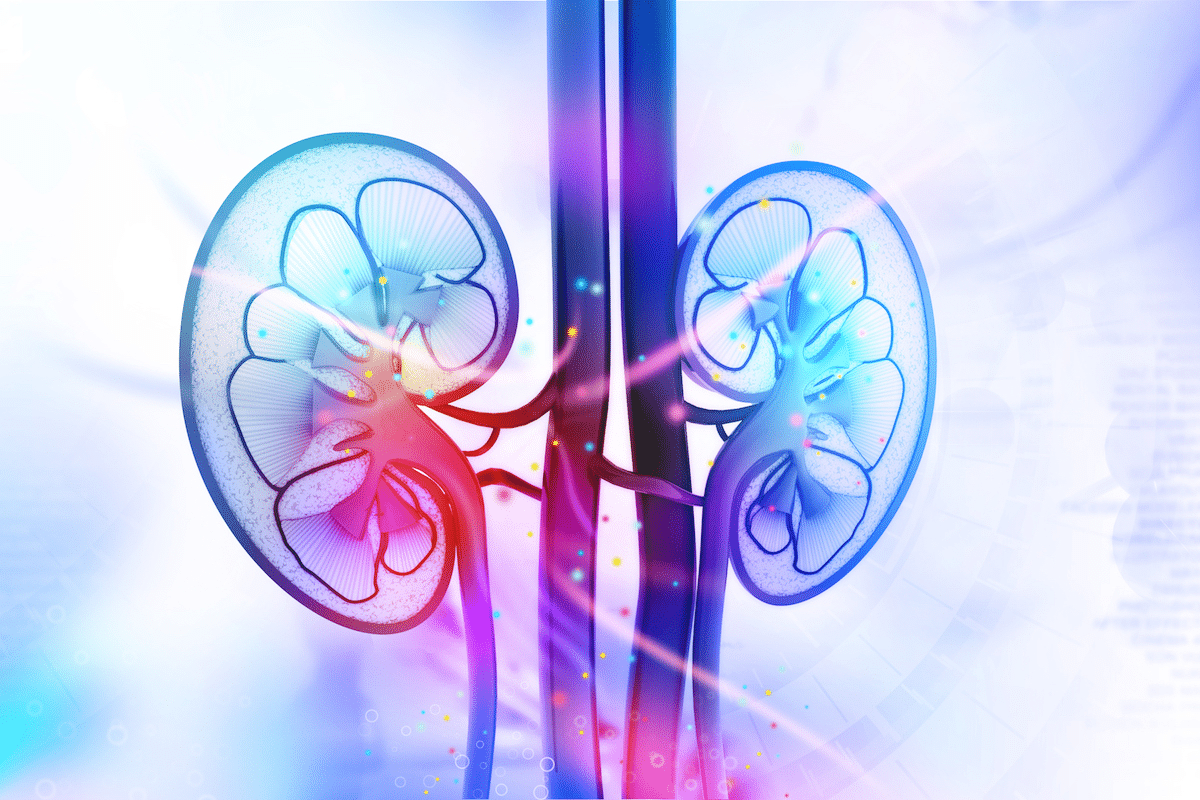
Colchicine is a drug used to treat gout and other inflammatory diseases. But, it raises concerns about kidney function, mainly for those with renal conditions. At Liv Hospital, our nephrology team stresses the need to understand this link for the best care colchicine side effects renal.
High doses of colchicine can harm the kidneys, leading to acute kidney injury. Yet, studies show it might help protect kidney health in some cases. We’ll dive into how colchicine affects kidney health, giving you a full picture of its impact.
Key Takeaways
- Colchicine’s impact on kidney function is a significant concern for patients with pre-existing renal conditions.
- Therapeutic use of colchicine may protect kidney function in certain conditions.
- High doses of colchicine can cause acute kidney injury.
- Understanding colchicine’s effects on renal health is key for optimal patient care.
- Patients with kidney disease need careful consideration when using colchicine.
Understanding Colchicine: Mechanism of Action and Uses

To grasp colchicine’s role in treating inflammatory conditions, we must look at its pharmacological properties. This medication has a unique way of working. It has been used for centuries, mainly for gout and familial Mediterranean fever.
Pharmacological Properties of Colchicine
Colchicine inhibits microtubule polymerization. This action impacts cell division and the release of inflammatory cytokines. It’s key for its anti-inflammatory effects, helping with gout by reducing inflammation and preventing attacks.
After taking it orally, colchicine is quickly absorbed. Its peak levels in the blood are reached in 1-3 hours. It spreads widely in the body, showing it penetrates tissues deeply.
|
Pharmacokinetic Parameter |
Value |
|---|---|
|
Absorption Time |
1-3 hours |
|
Volume of Distribution |
Large, indicating significant tissue penetration |
|
Metabolism |
Primarily hepatic, via CYP3A4 |
|
Excretion |
Mainly through the gastrointestinal tract, with some renal excretion |
Common Medical Applications
Colchicine is mainly used for gout and familial Mediterranean fever. In gout, it eases the inflammation caused by urate crystals. For familial Mediterranean fever, it helps prevent attacks.
It’s also being studied for other inflammatory and fibrotic conditions. But its use in these areas is not yet confirmed.
The Relationship Between Colchicine and Kidney Function

Colchicine and kidney function have a complex relationship. The drug’s way of being broken down and its effects on the kidneys are key. Colchicine is used to treat gout and familial Mediterranean fever, which can greatly affect a patient’s life.
How Colchicine Is Metabolized and Excreted
Most of colchicine is broken down in the liver. A big part of it is then passed through the kidneys. This is important for understanding how it might affect the kidneys, mainly in those with kidney problems.
Metabolic Pathway: The main way colchicine is broken down is in the liver, using the cytochrome P450 system. This process can be changed by other drugs, age, and liver health.
Physiological Impact on Renal Structures
Colchicine can have a big impact on the kidneys. While it’s usually safe, high doses or long-term use can harm the kidneys. It’s important to know this to take care of patients on colchicine, even more so for those with kidney issues.
Renal Effects: Colchicine can change how the kidneys work by damaging the cells in the renal tubules. High levels or long-term use can cause cell damage and reduce kidney function.
|
Aspect |
Description |
Clinical Relevance |
|---|---|---|
|
Metabolism |
Primarily hepatic, involving cytochrome P450 enzymes |
Affected by other medications and liver conditions |
|
Excretion |
Significant renal excretion |
Critical in patients with renal impairment |
|
Renal Impact |
Potential for renal toxicity with high doses or prolonged use |
Monitoring necessary for patients with compromised kidney function |
Mechanisms of Colchicine-Induced Nephrotoxicity
It’s important to know how colchicine harms the kidneys. This drug is used for gout and familial Mediterranean fever. It can damage the kidneys in several ways.
Direct Effects on Renal Tubular Epithelial Cells
Colchicine can harm the cells lining the kidney tubules. This can lead to kidney problems or even acute kidney injury. It does this by messing with the cells’ structure and function.
The direct effects include:
- Disruption of microtubule assembly, leading to impaired cellular transport and division
- Induction of apoptosis in renal tubular cells
- Alterations in cellular metabolism and function
Indirect Pathways of Kidney Damage
Colchicine can also harm the kidneys in other ways. These include:
- Effects on renal blood flow: Colchicine can alter renal hemodynamics, potentially reducing blood flow to the kidneys.
- Inflammatory responses: The drug may trigger or exacerbate inflammatory processes within the kidney.
- Interactions with other medications: Colchicine can interact with other drugs that are nephrotoxic or affect renal function, compounding the risk of kidney damage.
Doctors need to understand these ways colchicine can harm the kidneys. By watching for these risks and checking the kidneys, we can lessen the harm colchicine can cause.
Colchicine Side Effects Renal: Clinical Manifestations
It’s important to know the signs of colchicine’s impact on the kidneys. Colchicine mainly breaks down in the liver. Yet, its effects on the kidneys can be significant. We will look at the signs and symptoms that show kidney problems from colchicine use.
Early Signs of Renal Impairment
Spotting kidney problems early is key to avoiding lasting damage. Some early signs include:
- Mild changes in serum creatinine levels
- Decreased urine output
- Fluid retention, leading to swelling in the legs and ankles
These symptoms can be hard to notice at first. It’s vital to keep an eye on kidney health for those taking colchicine long-term.
Progressive Symptoms of Kidney Dysfunction
As kidney problems get worse, symptoms get more severe. These can include:
- Fatigue and weakness from toxin buildup
- Nausea and vomiting
- Shortness of breath from lung fluid buildup
These signs mean kidney issues are getting serious. They need quick medical help.
Laboratory Findings in Colchicine-Associated Renal Toxicity
Lab tests are key in spotting and tracking kidney harm from colchicine. Look for:
|
Laboratory Test |
Expected Findings |
|---|---|
|
Serum Creatinine |
Elevated levels indicating reduced kidney function |
|
Blood Urea Nitrogen (BUN) |
Increased levels suggesting impaired renal clearance |
|
Urinalysis |
Presence of proteinuria or hematuria |
Regular lab checks can catch kidney problems early. This allows for quick action.
Risk Factors for Colchicine-Related Kidney Damage
It’s important to know the risks of kidney damage from colchicine. We need to look at several key factors. These factors can increase the chance of kidney problems when taking colchicine.
Pre-existing Renal Conditions
People with kidney problems are more likely to face colchicine-induced nephrotoxicity. If you have chronic kidney disease (CKD) or other kidney issues, it can affect how your body handles colchicine. This might lead to higher drug levels and more harm to your kidneys.
Medication Interactions Affecting Kidney Function
Some medicines can make colchicine’s harmful effects worse. Drugs that harm the kidneys or compete with colchicine for removal can raise the risk of kidney damage. We must watch these interactions closely to avoid bad outcomes.
Dosage and Duration Considerations
The amount and length of time you take colchicine are key. Taking more or for longer can increase the risk of kidney harm. So, it’s vital to use the smallest dose needed for the shortest time to treat your condition.
To show the risks and their effects, here’s a table:
|
Risk Factor |
Description |
Implication |
|---|---|---|
|
Pre-existing Renal Conditions |
Presence of CKD or other renal impairments |
Increased risk of colchicine-induced nephrotoxicity |
|
Medication Interactions |
Drugs affecting renal function or competing for renal excretion |
Potential for increased nephrotoxicity |
|
Dosage and Duration |
Higher doses and prolonged treatment |
Elevated risk of kidney damage |
By knowing and managing these risks, we can lower the chance of colchicine-related kidney damage. This helps make treatment safer for our patients.
Colchicine Use in Patients with Chronic Kidney Disease
Managing colchicine therapy in patients with chronic kidney disease (CKD) is complex. It involves understanding the drug’s effects on the kidneys. CKD patients often have multiple health issues, making it important to weigh the benefits of colchicine against its risks to the kidneys.
Special Considerations for CKD Patients
CKD patients on colchicine need close monitoring. This is because the drug can build up and cause harm. Their kidneys work less well, leading to higher levels of colchicine. This increases the chance of side effects like muscle and nerve damage.
When considering colchicine for CKD patients, we must look at several factors. These include the CKD stage, other health conditions, and medications that might interact with colchicine. For example, patients with CKD often take many drugs, which can make using colchicine more complicated.
Dosage Adjustments for Various Stages of CKD
Changing the dose of colchicine based on CKD stage is key to avoiding kidney damage. The table below shows how to adjust the dosage based on kidney function.
|
CKD Stage |
GFR (mL/min) |
Recommended Colchicine Dosage Adjustment |
|---|---|---|
|
1-2 |
>60 |
No adjustment necessary |
|
3 |
30-59 |
Reduce dose by 50% |
|
4 |
15-29 |
Reduce dose by 75% or consider alternative |
|
5 |
Avoid use or significantly reduce dose |
FDA Recommendations for Renal Impairment
The FDA has guidelines for using colchicine in patients with kidney problems. For those with severe kidney issues, the FDA advises caution.
We must follow these guidelines to keep patients safe. Regular checks on kidney function and colchicine levels are important. They help spot any signs of toxicity early.
Colchicine Overdose and Acute Renal Failure
It’s important to know how too much colchicine can harm your kidneys. This drug is used for gout and other conditions. Taking too much can be very dangerous because the safe dose is very close to the harmful one.
Mechanisms of Acute Kidney Injury in Overdose
Too much colchicine can hurt your kidneys in several ways. Direct cytotoxic effects on kidney cells are a big concern. It can also cause hypovolemia and hypotension, leading to less blood flow to the kidneys.
Clinical Presentation of Colchicine-Induced Renal Failure
The signs of kidney damage from colchicine can vary. You might notice oliguria, fluid overload, and electrolyte imbalances. Blood tests will show high levels of creatinine and urea, showing kidney problems. In bad cases, patients might need renal replacement therapy.
Management Strategies for Acute Toxicity
Handling a colchicine overdose requires quick action. Early recognition and prompt supportive care are key. This includes fluids to keep the kidneys working. Gastric decontamination might help if done early. For severe cases, hemodialysis might be needed to clear the drug from the body.
Preventing an overdose is the best approach. This means careful prescribing, educating patients, and watching for signs of overdose, mainly in those with kidney issues.
Recent Research on Colchicine and Renal Health
New studies have shed light on how colchicine affects kidney health. This has led to a relook at its use in patients with kidney issues. The research has uncovered both risks and benefits of using colchicine.
Findings from Multicentre Studies
Multicentre studies have given us important insights into colchicine’s impact on kidneys. They show that colchicine’s effects on kidney function vary with dosage and patient group. For example, a recent trial found that low-dose colchicine might help reduce inflammation and slow kidney disease in some patients.
These studies are key to understanding colchicine’s complex effects on kidney health. Key findings include:
- Colchicine’s anti-inflammatory effects could help patients with chronic kidney disease (CKD).
- It’s important to adjust dosages carefully to avoid kidney problems.
- People with existing kidney issues need close monitoring when taking colchicine.
Potential Protective Effects at Appropriate Doses
Research suggests that colchicine, at the right doses, can protect kidney health. This is important for patients with familial Mediterranean fever, where colchicine is a key treatment. Its anti-inflammatory properties may help prevent kidney damage.
Important points about colchicine’s protective effects include:
- Low-dose colchicine might lower the risk of heart problems in patients with CKD.
- Its anti-inflammatory action could slow kidney disease progression.
- More research is needed to fully understand how colchicine affects kidney health.
Emerging Understanding of Long-term Impacts
As more long-term data on colchicine use comes in, we’re getting a clearer picture of its effects on kidneys. Long-term studies are essential for understanding colchicine’s lasting effects on kidney function. Early findings suggest that while colchicine can be beneficial, long-term use needs careful monitoring to avoid kidney damage.
The growing understanding of colchicine’s long-term impacts highlights the need for:
- Regular checks on kidney function in patients on long-term colchicine.
- Personalized treatment plans that weigh the benefits and risks of colchicine.
- Continued research into colchicine’s long-term effects on kidney health.
Conclusion: Balancing Benefits and Risks of Colchicine in Renal Patients
We’ve looked into how colchicine affects kidney function. It has both good and bad sides for people with kidney issues. Colchicine can help with gout and familial Mediterranean fever, making life better for patients.
But, there are risks, like kidney damage, for those with kidney problems. This shows we need to be careful when giving colchicine to these patients.
For those with kidney disease and colchicine, finding a balance is key. Doctors must think about the benefits and risks. They consider the dose, how long it’s used, and the patient’s health.
Knowing how colchicine affects kidneys helps us make better choices for patients. This careful approach lets us use colchicine safely for those who need it most.
FAQ
Does colchicine affect kidney function?
Yes, colchicine can affect kidney function, mainly in those with kidney problems. It’s important to monitor its use closely to avoid kidney damage.
How is colchicine metabolized and excreted?
The liver breaks down colchicine, and the kidneys help get rid of it. This process is key to understanding its impact on the kidneys.
What are the risk factors for colchicine-related kidney damage?
Kidney problems before starting colchicine, other medications, and how long and how much you take it are risks. These factors can lead to kidney damage.
Can colchicine cause acute kidney injury?
Yes, taking too much colchicine can cause acute kidney injury. It’s important to know the signs and act quickly.
How should colchicine be used in patients with chronic kidney disease?
For those with chronic kidney disease, using colchicine needs careful thought. Adjusting the dose based on kidney health is key to avoid kidney damage.
What are the early signs of renal impairment due to colchicine?
Signs of kidney problems from colchicine can range from small changes in blood tests to serious kidney issues. It’s important to watch for these signs.
Are there any protective effects of colchicine on renal health?
Some studies suggest colchicine might help kidney health at certain doses. But, more research is needed to fully understand its long-term effects.
What dosage adjustments are recommended for colchicine in patients with renal impairment?
Adjusting colchicine doses for those with kidney problems depends on the disease stage. Following FDA guidelines is essential.
Can colchicine be used safely in patients with kidney disease?
Colchicine can be safe for those with kidney disease if used carefully. It’s important to weigh the benefits against the risks and monitor kidney function closely.
What are the mechanisms of colchicine-induced nephrotoxicity?
Nephrotoxicity from colchicine can happen directly by harming kidney cells or indirectly by affecting blood flow and causing inflammation in the kidneys.
References
Valuable Colchicine Side Effects Renal Function & Health https://pubmed.ncbi.nlm.nih.gov/26249546/