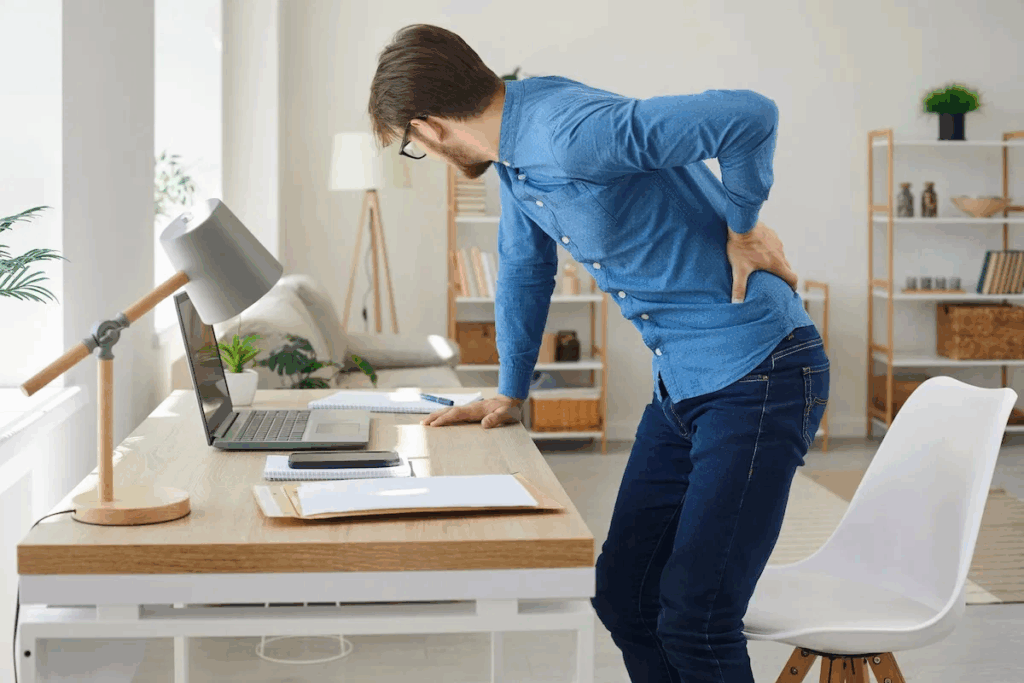
Back spasms are sudden muscle contractions that cause a lot of pain. They often happen in the lower, middle, or upper back regions. These spasms can come out of nowhere, leaving many people in search of quick relief. Quick steps and long-term strategies detailing how tofix back spasms and prevent future episodes.
About 80 percent of people will deal with back pain at some time. It’s a common problem that affects many. Knowing what causes back spasms and how to treat them is key to feeling better fast.
At Liv Hospital, we use top-notch medical care to help you beat back spasms. Our focus is on you, making sure you get the best treatment. We aim to help international patients get the care they need.
Key Takeaways
- Back spasms are sudden, involuntary muscle contractions that can cause significant discomfort.
- A significant portion of the population will experience back pain at some point in their lives.
- Understanding the causes and treatment options is critical for quick relief.
- Liv Hospital offers a patient-centered approach with international medical standards.
- Innovative and ethical care is provided to help patients overcome back spasms.
The Nature and Prevalence of Back Spasms
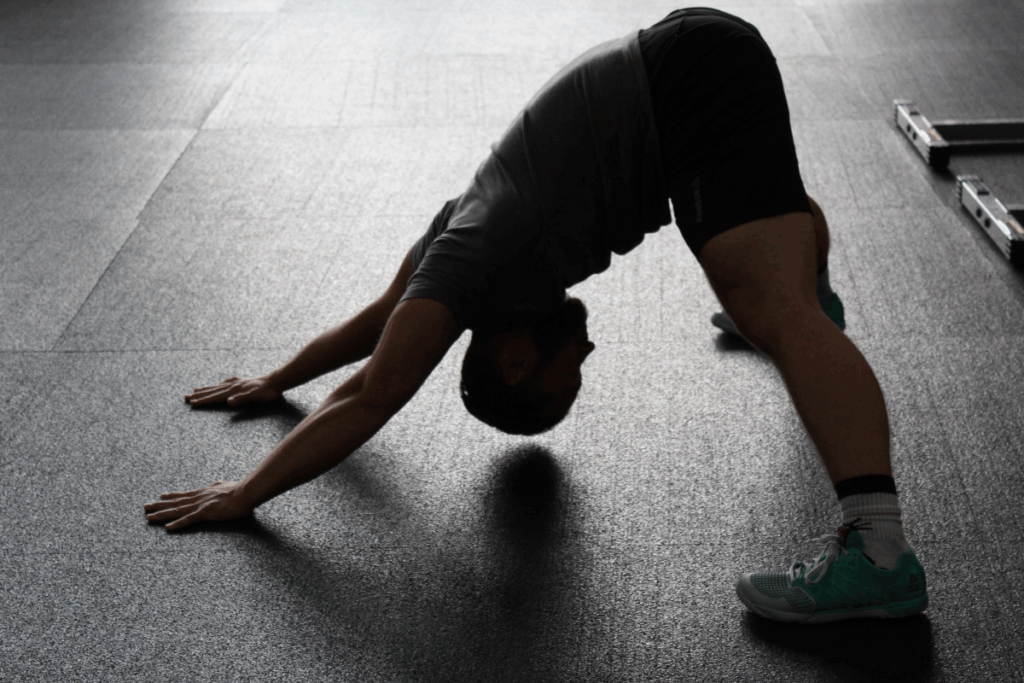
Back spasms are sudden muscle tightness in the back. They are common and need to be understood well for treatment. We will look into what back spasms are and how common they are, highlighting their effects.
What Exactly Are Back Spasms?
Back spasms are sudden, involuntary contractions of the muscles in the back. They cause pain and discomfort. These spasms can happen anywhere in the back, from the top to the bottom.
They can be caused by muscle strain, bad posture, or other health issues. The signs of back spasms include sharp pain, stiffness, and trouble moving. Sometimes, they can make it hard to do everyday things.
The Alarming Statistics of Back Pain
Back pain, including spasms, is a big health problem. Up to 23 percent of adults worldwide have chronic low back pain. This pain can come back 24 to 80 percent of the time each year. These numbers show we need good ways to prevent and treat back pain.
- Back pain affects a lot of people around the world.
- Back pain often comes back, so we need long-term solutions.
- Knowing the causes and symptoms is key to treating it well.
By understanding back spasms better, we can help more people. We can work towards giving relief to those who suffer from it.
Common Causes of Back Muscle Spasms
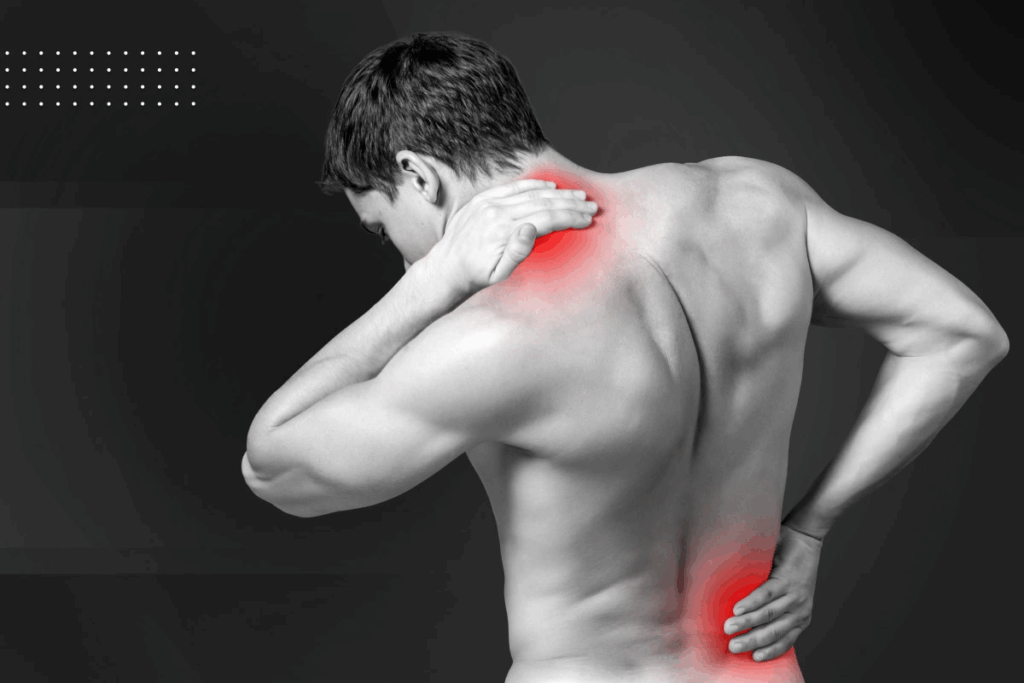
It’s important to know why back muscle spasms happen. They can come from physical issues or health problems.
Physical and Mechanical Triggers
Physical and mechanical things often start back spasms. Here are some common ones:
- Poor posture, which can strain back muscles
- Muscle overuse or fatigue, often due to repetitive activities or heavy lifting
- Injuries, such as strains or sprains from accidents or sports
These can make muscles tight and cause spasms.
Underlying Medical Conditions
Some health issues can also lead to back spasms. Here are a few:
- Degenerative disc disease, which affects the cushioning between vertebrae
- Arthritis, like osteoarthritis, which can cause joint pain and stiffness
- Spinal stenosis, a narrowing of the spinal canal that can put pressure on nerves
Stress or irritation to spinal structures can also lead to back spasms. This shows how complex the causes can be.
Knowing these causes helps us manage and prevent back muscle spasms better.
Why Do Back Spasms Occur? The Science Behind the Pain
Back spasms happen as a protective response to injury or strain. It’s our body’s way of reacting to damage. Knowing why they happen can help us manage and prevent them.
The Muscle Protection Mechanism
Our muscles have a natural protection mechanism. This triggers spasms as a response to injury. The spasm acts as a splint, reducing movement and helping the damaged tissues heal.
The role of the nervous system is key. When a muscle is strained or injured, it sends signals to the nervous system. This causes the muscle to contract, leading to a spasm.
The Progression from Minor Strains to Full Spasms
The journey from a minor strain to a full spasm is complex. A minor injury starts a chain reaction. As the injury worsens, the muscle becomes tense, leading to a spasm.
Biochemical changes are important in this process. The injury releases chemicals that sensitize nerve endings. This leads to pain and inflammation, making the spasm worse.
Biochemical Factors in Muscle Spasms
Biochemical factors are key in muscle spasms. The release of inflammatory mediators and neurotransmitters affects muscle tone and pain. For example, serotonin and dopamine can influence pain and muscle relaxation.
Understanding these factors helps in finding treatments. Medications that target these pathways can help manage spasms. Therapies that reduce inflammation and promote relaxation are also beneficial.
Recognizing Signs of Back Spasms in Different Regions
Spotting back spasms means knowing the signs for each back area. Spasms can hit the lower, mid, and upper back. Each spot has its own set of symptoms.
Lower Back Spasm Symptoms
Lower back spasms are common and can really hurt. You might feel sharp pain in your lower back, feel stiff, or move less easily. Sometimes, the pain spreads to your buttocks or thighs.
Look out for these signs of lower back spasms:
- Muscle tightness in the lower back
- Pain that gets worse when you move
- Hard time standing up straight
- Less flexibility
Mid-Back Spasms Identification
Mid-back spasms are less common but can be quite painful. You might feel localized pain between your shoulder blades, be stiff, or have trouble twisting or bending.
Here are key signs of mid-back spasms:
- Pain that gets worse with deep breathing
- Tenderness to the touch
- Visible muscle knots
- Pain when rotating your torso
Upper Back and Shoulder Blade Spasm Signs
Spasms in the upper back and shoulder blades can really mess with your day. You might feel pain or stiffness between your shoulder blades, have trouble moving, or even feel pain in your arms.
Side Back Spasms: Unique Characteristics
Side back spasms can happen on either side of your spine. They might cause pain that wraps around to the front. You might feel sharp, stabbing pain that gets worse with certain movements or positions.
Region | Common Symptoms | Unique Characteristics |
Lower Back | Sharp pain, stiffness, limited mobility | Pain radiating to buttocks or thighs |
Mid-Back | Localized pain, stiffness, difficulty twisting | Pain increases with deep breathing |
Upper Back and Shoulder Blade | Pain or stiffness, limited range of motion | Pain sometimes radiates to the arms |
Side Back | Sharp, stabbing pain | Pain wraps around to the front of the body |
Knowing the differences in back spasms is key to treating them right. By spotting the specific signs and symptoms for each area, you can get the right help and feel better.
Immediate Actions: What to Do When Your Back Spasms
When back spasms happen, knowing what to do first can help a lot. They can come on suddenly, making you look for quick relief. It’s important to know how to act fast to ease the pain and avoid making it worse.
First Response to Sudden Back Spasms
The first thing to do is stop what you’re doing and rest. Avoid any actions that may have triggered the spasm. If it’s really bad, lie down on a firm surface to ease the pressure on your back. Use a flat surface or a mattress that supports you well.
Making small changes in how you sit or lie can also help. Sometimes, a little adjustment can ease the tightness. But be careful not to move too quickly, as this could make things worse.
Gentle Relief Stretches for Acute Episodes
Doing gentle stretches can help during a back spasm. Pelvic tilts are a simple move that can help. Lie on your back with your knees bent and feet flat. Slowly tilt your pelvis up and then back down, doing this gently.
The knee to chest stretch is also good. Lie on your back, bring one knee to your chest, and hold it with your hand. Pull your knee towards your chest until you feel a stretch in your lower back. Hold for a few seconds, then release. Do the same on the other side.
Breathing Techniques to Manage Pain
Deep breathing can help with the pain from back spasms. Diaphragmatic breathing can lower stress and help you relax. Lie on your back with your knees bent, place one hand on your belly and the other on your chest. Breathe in deeply through your nose, letting your belly rise. Then, breathe out slowly through your mouth, feeling your belly fall.
Try paced breathing too. Breathe in for a count of four, hold for four, and breathe out for four. This can take your mind off the pain and calm you down.
How to Fix Back Spasms with Temperature Therapy
Back spasms can be eased with temperature therapy. This method uses cold or heat to lessen pain and swelling. We’ll look at how to use it to treat back spasms well.
Ice Therapy: The 48-Hour Rule
Ice therapy is best for the first 48 hours after an injury. It reduces swelling and numbs pain. Always wrap ice in a cloth to avoid skin burns.
Ice should be on for 15-20 minutes. Wait at least 30 minutes before applying again.
Heat Therapy: Promoting Blood Flow and Healing
After 48 hours, heat therapy can help. It increases blood flow and aids healing. Heat relaxes muscles and reduces stiffness.
Use a warm temperature to avoid burns. You can use a warm bath, heating pad, or microwaveable wrap.
Alternating Protocols for Optimal Relief
Some people find relief by switching between ice and heat. This method is good for long-term back spasms. Start with ice to cut swelling, then use heat for healing.
It’s important to listen to your body and adjust as needed. Temperature therapy can greatly help with back spasms. Using ice, heat, or switching between them is a simple way to manage pain.
Medication Approaches for Back Spasm Treatment
Medication is key in treating back spasms. It offers many options for relief. It’s important to know the different types and how they work.
Over-the-Counter Pain Relief Options
OTC meds are often the first choice for back spasms. Nonsteroidal anti-inflammatory drugs (NSAIDs) like ibuprofen and naproxen help reduce inflammation and pain. Acetaminophen is also used for pain relief.
Always talk to a doctor before starting any medication. This ensures the right OTC medication is chosen for your condition.
Prescription Medications When Needed
If OTC meds don’t work, prescription meds might be needed. Muscle relaxants are prescribed to treat muscle spasms. They help reduce muscle tone and pain.
For severe cases, stronger pain relievers or oral steroids may be prescribed. This is under strict doctor supervision.
Topical Treatments for Localized Relief
Topical treatments target back spasms directly. Creams, gels, or patches with NSAIDs or capsaicin are applied to the affected area. They provide relief without systemic side effects.
These treatments are great for targeted relief. They can be used with other therapies.
Medication Type | Examples | Primary Use |
Over-the-Counter NSAIDs | Ibuprofen, Naproxen | Reduce inflammation and pain |
Prescription Muscle Relaxants | Cyclobenzaprine, Baclofen | Relieve muscle spasms |
Topical Treatments | NSAID creams, Capsaicin patches | Localized pain relief |
Targeted Exercises to Stop Lower Back Spasms
Exercises are key in managing and preventing lower back spasms. By doing specific stretches and strengthening routines, you can ease current pain and lower future risks.
Gentle Stretches for Acute Phase
In the early stages of lower back spasms, gentle stretches can ease tension and aid in healing. It’s important to do these stretches carefully to avoid making things worse.
- Knee to Chest Stretch: Lie on your back, bring one knee towards your chest, and hold for 20 seconds before switching legs.
- Pelvic Tilt: Lie on your back with knees bent, tilt your pelvis upwards, and then back down, repeating for 10 repetitions.
- Cat-Cow Stretch: On your hands and knees, arch your back (like a cat) and then round it (like a cow), repeating for 10 repetitions.
Strengthening Exercises for Prevention
After the early phase, strengthening your lower back muscles can prevent future spasms. Start these exercises slowly to avoid overdoing it.
Exercise | Description | Repetitions |
Bridges | Lie on your back with knees bent, lift your hips towards the ceiling. | 10-15 |
Planks | Hold a position with your hands under shoulders, engaging your core. | 30-60 seconds |
Superman | Lie on your stomach, lift your arms and legs off the ground. | 10-15 |
Progressive Movement Protocols
As you get better, adding more dynamic movements can boost flexibility and strength. Always listen to your body and don’t overdo it.
Progressive movement protocols may include:
- Aerobic exercises like walking or swimming to improve overall fitness.
- Dynamic stretches that move your joints through a range of motion.
- Strength training exercises that target the core and lower back muscles.
By using these targeted exercises, you can manage lower back spasms and work towards a healthier back.
Specialized Techniques for Mid and Upper Back Spasms
Managing mid and upper back spasms needs a mix of gentle stretches, strengthening, and manual therapies. We know each person has unique needs for relief. So, we tailor our approach to fit you best.
Mid-Back Spasm Relief Strategies
Mid-back spasms are tough because of the thoracic region’s complex anatomy. To ease these spasms, try these methods:
- Thoracic Extension Exercise: Stand in a doorway with your hands on the doorframe at shoulder height. Lean forward until you feel a stretch in your mid-back.
- Cat-Cow Stretch: On your hands and knees, arch your back (like a cat), then round your back (like a cow). Repeat several times.
- Breathing Exercises: Deep, controlled breathing can help relax the muscles and reduce spasms.
Upper Back and Neck Tension Release
Upper back and neck tension often accompany mid-back spasms. To release this tension, try these methods:
- Shoulder Blade Squeeze: Sit or stand with your arms at your sides. Squeeze your shoulder blades together and hold for 5-10 seconds. Release and repeat.
- Chin Tucks: Stand or sit with good posture. Tuck your chin in towards your neck, holding for a few seconds. Release and repeat.
- Neck Stretch: Slowly tilt your head to the side, bringing your ear towards your shoulder. Hold and then return to the starting position.
Treatment | Description | Benefits |
Thoracic Extension Exercise | Standing in a doorway, lean forward with hands on the doorframe | Stretches mid-back, improves flexibility |
Shoulder Blade Squeeze | Squeeze shoulder blades together, hold, and release | Strengthens upper back muscles, reduces tension |
Cat-Cow Stretch | On hands and knees, arch and round the back alternately | Relaxes spinal muscles, improves spinal flexibility |
Side Back Spasm Targeted Approaches
For side back spasms, which can be very painful, we recommend these targeted methods:
- Lat Stretch: Stand with your feet shoulder-width apart. Reach one arm across your body, stretching your lat muscles. Hold and then switch sides.
- Side Bends: Stand with your feet shoulder-width apart. Slowly bend to one side, sliding your hand down your leg, and then return to the starting position. Repeat on the other side.
By adding these specialized techniques to your routine, you can manage and relieve mid and upper back spasms. Always talk to a healthcare professional before starting any new exercise or treatment.
Professional Treatment Options for Managing Back Spasms
When back spasms hit, finding the right treatment is key. Back spasms can make daily life tough. Luckily, many professional treatments can help manage and ease back spasms.
Physical Therapy Interventions
Physical therapy is a top choice for treating back spasms. Physical therapists create custom exercise plans. These plans strengthen muscles, improve flexibility, and correct posture.
Physical therapy uses specific exercises and manual techniques. It aims to lessen muscle spasms and aid in healing.
Benefits of physical therapy for back spasms include:
- Improved muscle strength and flexibility
- Enhanced posture and reduced strain on the back
- Education on proper body mechanics to prevent future episodes
Chiropractic and Osteopathic Approaches
Chiropractic care and osteopathic manipulation are also effective. These methods focus on the alignment of the spine and the musculoskeletal system. Chiropractors use spinal manipulation to restore normal movement and reduce pressure.
Osteopathic physicians use gentle pressure and stretching to improve circulation and reduce muscle tension. Both chiropractic and osteopathic care address the root causes of back spasms.
Massage and Myofascial Release
Massage therapy is another valuable option for back spasms. Skilled massage therapists use various techniques to relax muscles, improve blood flow, and reduce pain. Myofascial release targets the connective tissue around muscles to eliminate pain and restore motion.
Acupuncture and Alternative Therapies
Alternative therapies like acupuncture can also help with back spasms. Acupuncture involves fine needles in specific body points to stimulate healing and reduce pain. Many people find it helpful in managing symptoms.
Other alternative therapies that may be beneficial include:
- Yoga and Pilates for improved flexibility and strength
- Meditation and relaxation techniques to reduce stress
Exploring these professional treatment options can lead to effective relief and better quality of life for those with back spasms.
Lifestyle Modifications to Prevent Back Spasm Recurrence
Making lifestyle changes is key to avoiding back spasms. By adjusting our daily habits and surroundings, we can lower the chance of back spasms. This includes ergonomic improvements, proper body mechanics, and stress management.
Ergonomic Improvements for Daily Activities
Improving ergonomics is vital for lessening back strain. This means setting up our workspaces for good posture, using ergonomic furniture, and stretching often.
For example, keep your computer monitor at eye level and use a chair that supports your lower back. Consider using a standing desk or balance ball chair instead of regular chairs.
Movement Patterns and Body Mechanics
Good movement and body mechanics are essential for avoiding back strain. This means learning to lift correctly, keeping good posture, and doing exercises that strengthen the back and core.
When lifting, bend at the knees, keep the object close, and lift with your legs, not your back. Doing exercises like pelvic tilts and bridges can also help.
Sleep Positioning and Mattress Selection
Choosing the right sleep position and mattress is important for preventing back spasms. A supportive mattress and a neutral spine position during sleep can help reduce back strain.
It’s best to sleep on a medium-firm mattress and use pillows for neck and knee support. Side sleepers should use a pillow between their knees to keep their hips aligned and reduce lower back pressure.
Stress Management for Muscle Relaxation
Managing stress is also important for preventing back spasms. High stress can lead to muscle tension, making spasms worse.
Techniques like deep breathing, meditation, and yoga can help manage stress and relax muscles. Regular exercise and enough sleep are also key for stress relief.
Lifestyle Modification | Description | Benefit |
Ergonomic Improvements | Setting up workstations to promote good posture, using ergonomic furniture | Reduces strain on the back during daily activities |
Proper Body Mechanics | Lifting correctly, maintaining good posture, strengthening core and back muscles | Prevents back strain and injury |
Sleep Positioning and Mattress | Sleeping on a supportive mattress, maintaining neutral spine position | Reduces strain on the back during sleep |
Stress Management | Deep breathing, meditation, yoga, regular physical activity | Reduces muscle tension and stress |
When to Seek Medical Help for Back Spasms
Knowing when to get medical help for back spasms is key to managing them well. Many back spasms can be treated with self-care and simple treatments. But, some cases need quick medical attention to check for serious problems.
Red Flag Symptoms Requiring Immediate Attention
There are certain “red flag” symptoms that mean you should see a doctor right away. These include:
- Loss of bladder or bowel control
- Severe weakness or numbness in the legs
- Severe pain that doesn’t improve with rest
- Fever accompanying back pain
- A history of cancer or recent trauma
These symptoms could mean a serious problem like cauda equina syndrome, infection, or fracture.
Persistent or Recurring Spasms
If your back spasms last more than a few weeks or keep coming back, you should see a doctor. Long-lasting spasms can cause chronic pain and make it hard to move. A doctor can find out why and help you get better.
“The key to managing persistent back spasms is a multi-faceted approach that includes physical therapy, lifestyle modifications, and sometimes, medical interventions.”
Diagnostic Procedures You May Encounter
When you see a doctor for back spasms, they might suggest tests to find the cause. These tests can include:
Diagnostic Test | Purpose |
X-rays | To evaluate bone structure and detect fractures or degenerative changes |
MRI (Magnetic Resonance Imaging) | To visualize soft tissues, including discs, nerves, and muscles |
CT (Computed Tomography) Scan | To provide detailed images of bones, discs, and other spinal structures |
Electromyography (EMG) | To assess muscle function and nerve activity |
Treatment Options Beyond Self-Care
Depending on what the doctor finds, treatments for back spasms can go beyond simple care. These might include:
- Physical therapy to improve strength and flexibility
- Chiropractic care or osteopathic manipulation
- Medications such as muscle relaxants or anti-inflammatory drugs
- In some cases, injections or surgery may be considered
“A complete treatment plan that fixes the cause of back spasms, along with teaching patients and making lifestyle changes, is key to managing and preventing future episodes.”
Conclusion: Your Personalized Back Spasm Management Plan
Creating a personalized plan is key to managing and preventing back spasms. It should include lifestyle changes, exercises, and professional treatments.
Understanding the cause of back muscle spasms is important. Using temperature therapy, medication, and specific exercises helps. Making ergonomic changes and adjusting sleep positions also helps preventing back spasms.
A good back spasm management plan lets you control your condition. It reduces how often and how bad back spasms are. Working with healthcare pros and being proactive improves your life quality.
FAQ
What are back spasms and how do they occur?
Back spasms are sudden muscle contractions in the back. They cause pain and discomfort. These spasms can be triggered by physical actions or underlying health issues.
What are the common causes of back muscle spasms?
Heavy lifting, sudden movements, and poor posture can cause back spasms. Medical conditions like muscle strain and herniated discs also play a role.
How can I recognize the signs of back spasms in different regions of the back?
Lower back spasms cause pain in the lumbar area. Mid-back spasms lead to pain between the shoulder blades. Upper back spasms result in tension and pain in the neck.
What are the immediate actions to take when experiencing a back spasm?
Stop activity and gently stretch. Use breathing techniques to manage pain. Ice or heat therapy can also help.
How can temperature therapy help relieve back spasms?
Ice therapy is used in the first 48 hours to reduce pain. Heat therapy promotes healing by increasing blood flow.
What medication approaches are available for treating back spasms?
Over-the-counter pain relief, prescription medications, and topical treatments are available. They offer localized relief for back spasms.
What exercises can help stop lower back spasms?
Gentle stretches and strengthening exercises can help. Progressive movement protocols also alleviate lower back spasms.
What are some specialized techniques for relieving mid and upper back spasms?
Techniques include strategies for mid-back spasms and tension release in the upper back and neck. Targeted approaches for side back spasms are also available.
When should I seek medical help for back spasms?
Seek medical help for red flag symptoms, persistent spasms, or if unsure about the cause.
How can I prevent back spasm recurrence?
Make lifestyle changes like improving ergonomics and proper movement. Sleep positioning also helps prevent recurrence.
Why do back spasms happen?
Back spasms occur due to muscle protection, biochemical factors, and underlying medical conditions.
How can I manage back spasms effectively?
Manage spasms with immediate actions, medication, exercises, and lifestyle changes. Seek professional help when needed.
References
National Center for Biotechnology Information. Evidence-Based Medical Guidance. Retrieved from https://www.ncbi.nlm.nih.gov/pmc/articles/PMC9529058/