
Osteoporosis affects millions of adults, mostly postmenopausal women and those with certain risk factors. About 10 million Americans live with this condition. Another 44 million have low bone density, making them more likely to break bones.Explaining how osteoporosis treatment infusion works to strengthen bone density and reduce the risk of fractures.
Infusion therapy is a big step forward in bone health care. It sends medicines straight to the blood, making osteoporosis management more effective. This method gets around digestive system hurdles, ensuring medicines reach their targets fast.
Medicines like zoledronic acid, given yearly through an IV, boost bone density and lower fracture risks. This innovative therapy is a hopeful option for those wanting to strengthen their bones and live better lives.
Key Takeaways
- Infusion therapy delivers medicines directly into the bloodstream for better results.
- Approximately 10 million Americans are living with osteoporosis.
- Zoledronic acid infusion increases bone mineral density and reduces fracture risk.
- This therapy is great for postmenopausal women and those with certain risk factors.
- Infusion therapy offers the convenience of annual or infrequent dosing schedules.
Understanding Osteoporosis and Bone Health
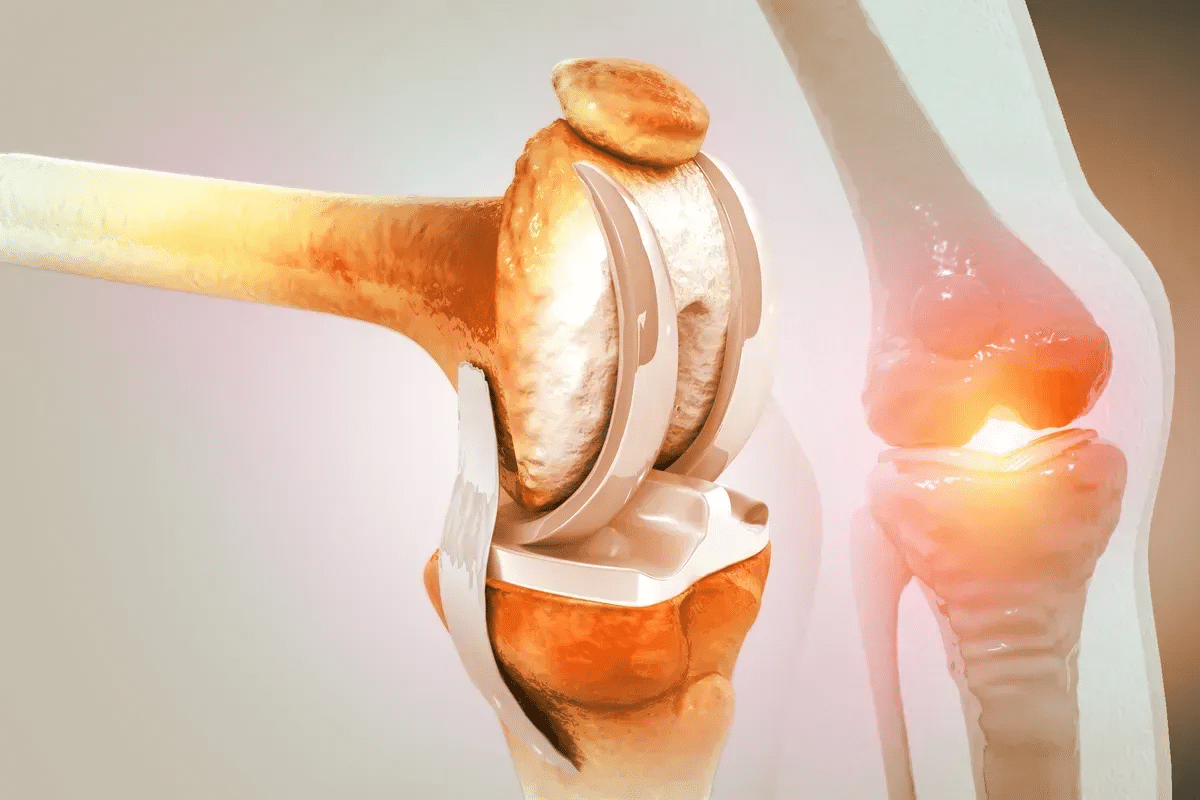
It’s key to know about osteoporosis to keep bones strong, mainly for older folks and those at risk. Osteoporosis makes bones weak, raising the chance of breaks. It often goes unnoticed until a bone breaks, showing why early action is vital.
The Impact of Osteoporosis on Bone Structure
Osteoporosis changes bones by lowering their density and altering their structure. This makes bones weaker, upping the risk of breaks. It mainly hits the hips, spine, and wrists. Bone density infusion is a way to make bones stronger and lower break risks.
The bone remodeling process, which replaces old bone with new, is off-kilter in osteoporosis. This imbalance leads to bones getting weaker.
Risk Factors and Prevalence Statistics
Osteoporosis hits millions of adults globally, hitting postmenopausal women hard because of estrogen drops. Other risks include family history of breaks, long-term corticosteroid use, and some health issues. Knowing these risks helps spot who might need infusion for bones or other treatments.
Stats show osteoporosis is a big health issue, affecting life quality and healthcare costs. Early diagnosis and treatment, like infusion for osteopenia, can manage the condition and cut break risks.
What Is Osteoporosis Treatment Infusion?

Osteoporosis infusion therapy is a treatment that puts medication straight into your blood. It’s great for those who can’t take pills or need a focused way to boost bone density.
Definition and Basic Principles
Infusion therapy for osteoporosis uses an IV line to give medications. The main goal is to make bones stronger and lower fracture risk. It works by skipping the digestive system, which can block some oral meds.
The meds in infusion therapy are made to really help bones. By going straight into the blood, they get to the bones more effectively than pills do.
How Infusion Therapy Differs from Oral Medications
Infusion therapy and oral meds differ in how they’re given. Oral meds go through the stomach and intestines, which can make their effect vary. Infusion therapy puts meds directly into the blood, making treatment more consistent.
- Infusion therapy is given in a clinic with a doctor’s watch.
- Oral meds can be taken at home but need to be taken as directed.
- Infusion therapy might be better for those with stomach issues that affect pill absorption.
Another big difference is how often you get treatment. Infusion therapy is given at set times, like every few weeks or months. Oral meds, though, are taken every day.
In short, osteoporosis infusion therapy is a focused and effective way to care for bones. Knowing how it works and what it does compared to pills helps patients choose the best treatment for them.
The Science Behind Infusion Therapy for Bone Strengthening
Osteoporosis infusion therapy is based on how medicines work with bone cells. It uses medicines that help slow down or stop bone tissue breakdown. This is great for people with osteoporosis because it targets the cells that break down and build bone.
How Medications Reach Target Cells
Infusion therapy puts medicines straight into the blood. This way, they get to the bone cells more easily. It makes sure the medicines work best where they’re needed, helping to strengthen bones.
By going straight to the bone cells, infusion therapy can increase bone density. It also helps lower the chance of bone fractures.
Bypassing Digestive System Barriers
One big plus of infusion therapy is it skips the digestive system. Oral medicines can be hard to absorb and may cause stomach problems. But infusion therapy gets around these issues, making it a better choice for bone strengthening.
It’s great for people who can’t take oral medicines well or have problems absorbing them. By avoiding the digestive system, infusion therapy makes the medicine more available in the body. This leads to better treatment results, making it a good long-term option for osteoporosis management.
Types of Medications Used in Osteoporosis Infusion Therapy
Infusions for bones affected by osteoporosis use different treatments. Osteoporosis infusion therapy is key for those with big bone density loss. The drugs in these infusions aim to make bones stronger and lower fracture risk.
Bisphosphonates: The Primary Treatment Option
Bisphosphonates are the top choice for osteoporosis infusion therapy. Zoledronic acid and ibandronate are examples given through IV. They stop bone loss by slowing down bone breakdown.
Studies show bisphosphonates help lower the chance of bone fractures in osteoporosis patients.
Other Medication Classes for Infusion
Other classes of drugs are also used in osteoporosis infusion therapy. Denosumab, a monoclonal antibody, is given by injection. It targets RANKL, a protein involved in bone breakdown. Romosozumab, a sclerostin inhibitor, boosts bone formation.
These drugs offer more options for those who can’t use or don’t do well with bisphosphonates. The right drug depends on the patient’s health and how severe their osteoporosis is.
Zoledronic Acid: The Gold Standard for Bone Density Infusions
Zoledronic acid is a top choice for treating osteoporosis, thanks to its ability to boost bone density. It’s given as a 5 mg infusion once a year. This makes it easier for those who can’t take oral bisphosphonates.
Dosage and Administration Protocol
The usual dose of zoledronic acid is 5 mg, given yearly through an IV. This method helps the body absorb it better and reduces side effects. The infusion takes at least 15 minutes, and patients are watched for any bad reactions.
Pre-infusion preparation is key to avoiding side effects. Patients are told to drink lots of water beforehand. They might also get calcium and vitamin D supplements to keep bones strong.
Clinical Effectiveness and Research Data
Studies show zoledronic acid works well in raising bone density and lowering fracture risk. It can cut vertebral fractures by 70% and hip fractures by 41% in postmenopausal women. This is thanks to its annual infusions.
The clinical effectiveness of zoledronic acid is backed by lots of research. A big study found it greatly lowers fracture risk in osteoporosis patients. This makes it a top choice for treatment.
- Annual administration enhances patient compliance
- Significant reduction in vertebral and hip fractures
- Improvement in bone mineral density
Knowing how zoledronic acid infusion therapy works helps both doctors and patients. It aids in choosing the best treatment for osteoporosis.
Ibandronate and Other Bisphosphonate Infusion Options
Ibandronate infusion is given every three months. It helps reduce bone breakdown. This makes it good for patients with spinal osteoporosis.
Comparing Different Bisphosphonate Formulations
Bisphosphonates are key in treating osteoporosis. There are many infusion therapy options. Ibandronate and zoledronic acid are two well-studied ones.
Choosing a bisphosphonate depends on several things. These include how often it’s given, how well the patient can handle it, and what it’s for.
|
Bisphosphonate |
Administration Frequency |
Primary Indication |
|---|---|---|
|
Ibandronate |
Every 3 months |
Spinal osteoporosis |
|
Zoledronic acid |
Once a year |
General osteoporosis treatment |
Selecting the Right Medication for Individual Needs
Choosing the right bisphosphonate infusion therapy is important. It depends on the patient’s health history, how severe their osteoporosis is, and possible side effects.
For instance, people with stomach problems might do better with infusion therapy than pills.
Doctors should make this decision with the latest guidelines and what the patient wants in mind.
Who Is an Ideal Candidate for Osteoporosis Infusion Therapy
Choosing infusion therapy for osteoporosis depends on several important factors. It’s best for those at high risk of fractures or who haven’t seen results from other treatments.
Diagnostic Criteria and Bone Density Measurements
Diagnostic criteria are key in deciding if infusion therapy is right. Bone density measurements are a big part of this. DXA scans check bone health.
Patients with a T-score of -2.5 or lower might get infusion therapy. This shows they have osteoporosis. Also, those who have had osteoporotic fractures are at high risk and might benefit from this therapy.
Other things like age, family history of osteoporosis, and lifestyle also matter. Doctors look at all these to decide if infusion therapy is needed.
Medical History Considerations
A patient’s medical history is also very important. Infusion therapy is often chosen for those who can’t take oral bisphosphonates or haven’t seen improvement with them.
Conditions like gastrointestinal disorders that make it hard to absorb oral meds also point to infusion therapy.
Medical history considerations also include other health issues. For example, kidney disease or dental conditions need special thought before starting infusion therapy.
In summary, finding the right candidates for osteoporosis infusion therapy involves looking at many things. Doctors assess diagnostic criteria, bone density, and medical history. This helps them choose the best treatment for patients with osteoporosis.
The Infusion Process: What to Expect During Treatment
If you’re thinking about iv infusion therapy for osteoporosis, knowing what to expect is key. This knowledge helps reduce anxiety and prepares you for the infusion process.
Pre-Infusion Preparation
Before the infusion, several steps are taken to get you ready. This includes:
- Undergoing blood tests to check kidney function and calcium levels
- Informing the healthcare provider about any medications or supplements being taken
- Staying hydrated by drinking plenty of water
Pre-infusion preparation is key to a successful treatment session. Making sure all tests are done and the healthcare provider knows your medical history is important. It can make the infusion therapy more effective.
The Infusion Experience Step-by-Step
The infusion process is simple. Here’s how it goes:
- The patient is seated comfortably in a treatment area.
- A healthcare professional inserts a needle into a vein, usually in the arm.
- The prescribed medication, such as zoledronic acid or ibandronate, is administered slowly over a set period, typically 15-30 minutes.
- The patient is monitored for any adverse reactions during the infusion.
Post-Infusion Care and Monitoring
After the infusion, patients are watched for a short time to check for side effects. It’s also recommended to:
- Continue staying hydrated
- Report any unusual symptoms to the healthcare provider
- Follow up with scheduled appointments to monitor bone density and treatment effectiveness
|
Stage |
Key Activities |
Importance |
|---|---|---|
|
Pre-Infusion |
Blood tests, hydration, medical history review |
Ensures patient readiness and safety |
|
Infusion |
Administration of medication, monitoring |
Delivers treatment effectively |
|
Post-Infusion |
Monitoring for side effects, follow-up appointments |
Ensures patient safety and treatment success |
Understanding the infusion process helps patients prepare for osteoporosis treatment. It makes the experience less scary and more manageable.
Benefits of Infusion Therapy for Osteoporosis Patients
Infusion therapy for osteoporosis patients brings many benefits. It works better than pills in some ways. It helps patients stick to their treatment and works more effectively.
Increased Bone Mineral Density
One key advantage of infusion therapy is boosting bone mineral density (BMD). It delivers drugs straight to the blood, making them more effective. This leads to stronger bones.
“Infusion therapy represents a critical advancement in the treatment of osteoporosis, providing a powerful tool against bone loss.” – Medical Expert, Osteoporosis Specialist.
Reduced Fracture Risk
Stronger bones mean fewer fractures. Infusion therapy cuts down on fractures in osteoporosis patients. It makes bones stronger, preventing the serious fractures that harm the elderly.
- Reduced risk of vertebral fractures
- Lower incidence of non-vertebral fractures
- Enhanced overall bone health
Improved Quality of Life
Infusion therapy also boosts patients’ quality of life. It helps them stay independent and active. This makes them feel better and more confident.
“The introduction of infusion therapy into my treatment regimen has been a game-changer. I feel more confident and less fearful of fractures, which has greatly improved my quality of life.” – Patient Testimonial.
In summary, infusion therapy is a key part of managing osteoporosis. It improves bone density, reduces fracture risk, and enhances quality of life.
Insurance Coverage and Cost Considerations
Understanding insurance and patient assistance programs can help with the cost of osteoporosis infusion therapy. The cost of this therapy can be high. It’s important for patients to know how to handle these costs.
Medicare and Private Insurance Coverage
Insurance for infusion therapy varies by provider. Medicare Part B usually covers treatments like zoledronic acid in a clinical setting. Private insurance plans have different rules, so patients should check their coverage.
A study in the Journal of Managed Care & Specialty Pharmacy found that knowing your insurance can lower your costs for infusion therapy.
Patient Assistance Programs
Patient assistance programs (PAPs) can help those who can’t afford their medications. These programs, funded by drug companies, can lower or remove the cost of medications. This includes those used in infusion therapy.
“Patient assistance programs can be a lifeline for individuals struggling to afford their medications,” said Medical Expert, a leading expert in osteoporosis treatment. “By providing access to necessary therapies, these programs can significantly improve patient outcomes.”
To use these programs, patients must meet certain criteria, like income levels, and apply. Healthcare providers can help with these steps.
By understanding insurance and using patient assistance programs, patients can make smart choices about their treatment. This ensures they get the care they need without financial stress.
Potential Side Effects and Risk Management
Osteoporosis infusion therapy is effective but can have side effects. It’s important to know these side effects and how to manage them. This ensures a safe treatment experience.
Common Side Effects of Osteoporosis Infusions
Infusion therapy for osteoporosis can cause several common side effects. These include:
- Flu-like symptoms: Some patients may feel fever, chills, or fatigue after treatment.
- Joint or bone pain: Infusion therapy can sometimes cause or make joint or bone pain worse.
- Headache: Headaches are another possible side effect, often helped by over-the-counter pain relievers.
Strategies to Minimize Adverse Reactions
To reduce the risk of bad reactions, several strategies can be used:
|
Strategy |
Description |
|---|---|
|
Pre-infusion preparation |
Being well-hydrated and having eaten before infusion can help lessen side effects. |
|
Post-infusion care |
Watching patients after infusion and helping them manage side effects is helpful. |
|
Medication adjustment |
In some cases, changing the dosage or type of medication can reduce side effects. |
When to Contact Your Healthcare Provider
It’s key for patients to know when to get medical help. Call your healthcare provider if you have:
- Severe side effects: If side effects are severe or get worse over time.
- Signs of an allergic reaction: Trouble breathing, fast heartbeat, or swelling of the face, lips, tongue, or throat.
- Unusual symptoms: Any unusual or unexplained symptoms that worry you.
By understanding the side effects of osteoporosis infusion therapy and using strategies to reduce risks, patients can have a safer and more effective treatment experience.
Conclusion: Building a Comprehensive Bone Health Strategy
Managing osteoporosis well means having a solid bone health plan. Infusion therapy is key in this plan. It helps make bones stronger and lowers the chance of breaks.
Adding infusion therapy to a treatment plan can really help. Patients see better bone density and a better quality of life.
This plan should also include healthy habits. Eating right, exercising, and not smoking or drinking too much are important. Regular bone density tests help keep the treatment on track.
It’s important for patients to work with their doctors. Together, they can create a plan that fits the patient’s needs. This way, people can keep their bones strong and avoid fractures.
Handling osteoporosis well means using many approaches. With infusion therapy, healthy habits, and regular checks, patients can reach their best bone health. This improves their overall health and happiness.
FAQ
What is osteoporosis infusion therapy?
Osteoporosis infusion therapy is a treatment. It involves giving medications through an IV to help bones. This helps manage osteoporosis and strengthen bones.
How does infusion therapy differ from oral medications for osteoporosis?
Infusion therapy puts medications straight into your blood. This skips your digestive system. It makes treatment more effective and reduces stomach side effects from pills.
What are bisphosphonates, and how are they used in osteoporosis infusion therapy?
Bisphosphonates are medicines for osteoporosis. They slow down bone loss and make bones denser. In infusion therapy, they include zoledronic acid and ibandronate.
What is zoledronic acid, and how is it administered?
Zoledronic acid is a bisphosphonate for osteoporosis. It’s given once a year through an IV. The infusion lasts at least 15 minutes.
How do I know if I’m a candidate for osteoporosis infusion therapy?
You might need infusion therapy if you have osteoporosis or osteopenia. You also need significant bone loss or a history of fractures. It’s for those who can’t take oral meds well.
What can I expect during the infusion process?
During the infusion, you’ll sit comfortably. The medication goes through an IV. The time it takes varies by medication. You’ll be watched for any bad reactions.
What are the benefits of infusion therapy for osteoporosis?
Infusion therapy boosts bone density and lowers fracture risk. It also improves your quality of life. It helps manage the condition better.
Will my insurance cover osteoporosis infusion therapy?
Many insurances, including Medicare, cover infusion therapy for osteoporosis. But, coverage can differ. Always check with your insurance to know what’s covered.
What are the possible side effects of osteoporosis infusion therapy?
Side effects include flu-like symptoms, tiredness, and reactions at the IV site. Rare but serious side effects are jaw problems and unusual fractures.
How can I minimize the risk of side effects from infusion therapy?
To avoid side effects, follow your doctor’s advice. Stay hydrated and report any symptoms or worries right away.
Can infusion therapy be used in conjunction with other osteoporosis treatments?
Yes, infusion therapy can be used with other treatments. This includes lifestyle changes and other medicines. It’s part of a full plan for bone health.
How often are infusions administered for osteoporosis treatment?
Infusion frequency varies by medication. Zoledronic acid is given once a year. Ibandronate might be given every few months.
Are there any patient assistance programs available for osteoporosis infusion therapy?
Yes, there are programs to help with the cost of infusion therapy. These are offered by drug companies or non-profits. They aim to make treatment more affordable.
References
National Center for Biotechnology Information. Evidence-Based Medical Guidance. Retrieved from https://pubmed.ncbi.nlm.nih.gov/32012189/



 Departments
 Related Videos
 Our Doctors
 News
News