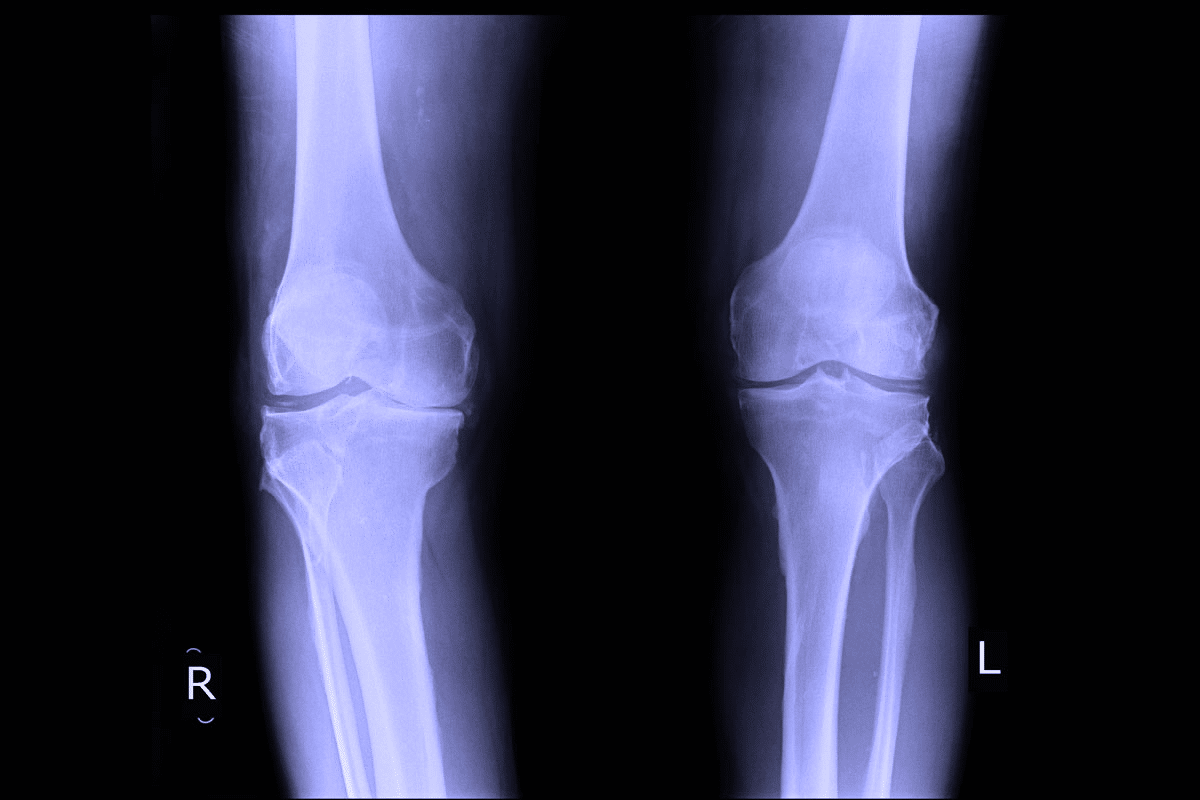
Comprehensive relief guide detailing the best treatment for osteoarthritis of the knee, including injections and exercise.
Knee osteoarthritis affects millions worldwide, causing significant pain and disability. At leading medical institutions like Liv Hospital, we understand the importance of effective management to improve quality of life.
Osteoarthritis relief is now possible with modern medicine. We offer personalized approaches to knee osteoarthritis management. We use evidence-based therapies and cutting-edge innovations.
Our guide outlines the latest treatment options for osteoarthritis. It gives you the knowledge to make informed decisions about your care.
Key Takeaways
- Effective management of knee osteoarthritis can significantly improve quality of life.
- Personalized treatment approaches are key for optimal outcomes.
- Evidence-based therapies offer reliable relief from osteoarthritis symptoms.
- Leading medical institutions are at the forefront of innovative osteoarthritis care.
- Understanding your treatment options is key to managing osteoarthritis effectively.
Understanding Knee Osteoarthritis

Knee osteoarthritis is a big health issue because it affects many people and their quality of life. As we get older, the chance of getting this condition goes up. We will look into what causes it, the risk factors, and the symptoms to understand it better.
What Causes Knee Osteoarthritis
Knee osteoarthritis happens when the joint cartilage and bone wear out. The degenerative process can speed up because of age, being overweight, and past knee injuries. The reasons behind it are complex, involving many factors like biochemistry, biomechanics, and genetics.
Studies show that cartilage breakdown is a main part of osteoarthritis. Cartilage breakdown causes pain and stiffness, which are key symptoms. Inflammation also plays a big role in making the joint worse.
Risk Factors and Prevalence Statistics
Several things can make you more likely to get knee osteoarthritis.Age is a big one, with more cases after 45. Obesity also increases the risk because it puts more stress on the knee. Pastknee injuries like fractures or torn ligaments also raise the risk.
|
Risk Factor |
Description |
Impact on Knee Osteoarthritis |
|---|---|---|
|
Age |
Increased risk after 45 years |
Higher prevalence with advancing age |
|
Obesity |
Excess weight stresses the knee joint |
Increased risk and progression |
|
Previous Knee Injuries |
Fractures, ligament tears, etc. |
Higher risk of osteoarthritis development |
The Centers for Disease Control and Prevention (CDC) say osteoarthritis affects over 32.5 million adults in the U.S. This number is expected to go up because of more older people and obesity.
“Osteoarthritis is the most common form of arthritis, and its impact on the quality of life can be significant. Understanding the risk factors is key for prevention and management.”
Common Signs and Symptoms
The symptoms of knee osteoarthritis vary but often includepain,stiffness, andlimited mobility. Pain is usually the first sign, starting during activities and getting worse. Stiffness, mainly in the morning or after rest, is another common symptom.
- Pain during movement or at rest
- Stiffness, mainly in the morning or after rest
- Limited range of motion
- Swelling around the knee
Spotting these signs early can help get the right medical care. This might slow down the disease’s progress.
Can Osteoarthritis of the Knee Be Cured?

To understand if osteoarthritis of the knee can be cured, we need to look at what it is. It’s a condition where cartilage wears down and the joint gets damaged. This makes it hard to find a complete cure.
The Progressive Nature of Osteoarthritis
Osteoarthritis gets worse over time. Cartilage wears down and joints get damaged. This can cause more pain, less mobility, and affect your life quality a lot.
Several factors make osteoarthritis get worse:
- Age
- Genetic predisposition
- Previous joint injuries
- Obesity
Why Complete Reversal Isn’t Currently Possible
Right now, there’s no way to fully cure osteoarthritis of the knee. Treatments can help with symptoms, but they can’t fix the damage to cartilage and joints completely.
Scientists are working hard to find better treatments. They’re looking into things like PRP (Platelet-rich plasma) and stem cell therapies.
Focusing on Management and Relief
Even though a full cure isn’t possible, we’re focusing on managing and relieving symptoms. This includes making lifestyle changes, physical therapy, medication, and sometimes surgery.
Good management strategies include:
- Weight management to reduce joint stress
- Physical therapy to improve joint mobility and strength
- Medications such as NSAIDs to manage pain and inflammation
- Assistive devices to reduce strain on the knee
By using these strategies, people with osteoarthritis of the knee can feel better and live a better life.
Diagnosing Knee Osteoarthritis
Getting a correct diagnosis for knee osteoarthritis is key to managing it well. It involves a mix of clinical checks and imaging tests. We’ll walk you through the steps and tests needed for diagnosis.
Clinical Evaluation Process
The first step is a detailed patient history. We look at symptoms, how long they’ve lasted, and what makes them better or worse. Next, a physical examination is done to check knee alignment, movement, and pain points.
In the physical exam, we look for signs like a grinding feeling in the joint, bony growths, and knee tenderness. These signs help us see how much damage there is and guide further tests.
Imaging Tests and Their Findings
Imaging tests are vital for confirming knee osteoarthritis. We mainly use X-rays and Magnetic Resonance Imaging (MRI).
X-rays show us joint space narrowing, bone spurs, and cysts. MRI gives us detailed views of soft tissues like cartilage, ligaments, and tendons. This helps us understand the joint’s overall health.
|
Imaging Test |
Key Findings in Knee Osteoarthritis |
|---|---|
|
X-ray |
Joint space narrowing, bone spurs, subchondral sclerosis |
|
MRI |
Cartilage loss, meniscal tears, ligament injuries, bone marrow lesions |
Ruling Out Other Knee Conditions
It’s important to rule out other conditions that might look like knee osteoarthritis. These include meniscal tears, ligament injuries, and inflammatory arthritis. A detailed check-up and imaging help us tell these apart and plan the right treatment.
By combining what we find in the check-up with imaging results, we can accurately diagnose knee osteoarthritis. Then, we can start a treatment plan that fits the patient’s needs.
Comprehensive Treatment for Osteoarthritis of the Knee
Creating a detailed treatment plan is key to managing knee osteoarthritis well. This plan should include lifestyle changes, medicines, and sometimes surgery. It aims to reduce symptoms and improve life quality.
Creating a Multi-Modal Treatment Plan
A good treatment plan for osteoarthritis uses many strategies. It includes:
- Lifestyle Changes: Losing weight, exercising, and eating right are important.
- Medications: Pain and inflammation can be managed with different drugs.
- Surgical Interventions: In severe cases, surgery like knee replacement might be needed.
It’s important to work closely with healthcare providers to make a plan that fits your needs. This plan should change as needed.
Setting Realistic Treatment Goals
Setting achievable goals is key to managing osteoarthritis. It’s about understanding the condition and treatment outcomes. Goals might include:
- Less pain and better joint function.
- Keeping or improving mobility.
- Improving overall life quality.
Clear goals help patients navigate their treatment. They make informed decisions about their care.
Working With Healthcare Providers
Working with healthcare providers is essential for a successful treatment plan. They guide on the best treatments, manage symptoms, and support throughout the process.
Effective communication with healthcare providers is vital. It ensures the treatment plan fits your needs and changes as needed. It also helps address any concerns or questions.
Together, patients and healthcare providers can create a treatment plan. This plan improves outcomes and enhances life quality for those with knee osteoarthritis.
Non-Pharmacological Approaches to Relief
Non-pharmacological methods can greatly help those with knee osteoarthritis. They focus on lifestyle changes and therapies. These can ease symptoms and boost your quality of life.
Weight Management Benefits
Keeping a healthy weight is key for knee osteoarthritis. Extra weight adds stress to the knee, making pain worse. Weight loss can lessen knee pain and improve how you move.
Studies show losing one pound reduces knee pressure by 4 pounds. To lose weight, try a balanced diet and exercise. Eat more fruits, veggies, and lean proteins to help.
Physical Therapy Interventions
Physical therapy is essential for knee osteoarthritis. A physical therapist can create a custom exercise plan. This plan aims to improve joint mobility and strengthen knee muscles.
- Strengthening exercises to support the knee joint
- Flexibility exercises to maintain or improve range of motion
- Aerobic exercises to improve cardiovascular health
Therapy may also include heat or cold therapy, ultrasound, and electrical stimulation. These help manage pain and swelling.
Recommended Exercise Programs
Exercise is vital for managing knee osteoarthritis. Good exercises include:
- Low-impact aerobics, such as swimming or cycling
- Resistance training to strengthen the muscles around the knee
- Flexibility and stretching exercises to maintain joint mobility
Always talk to a healthcare provider before starting new exercises. This is true if you have a lot of knee pain or can’t move much.
“Exercise is medicine for osteoarthritis, and it’s never too late to start.”
Dr. [Last Name], Rheumatologist
By using these non-pharmacological methods, you can lessen symptoms and live better.
Lifestyle Modifications for Daily Management
Managing osteoarthritis of the knee needs a mix of changes in lifestyle. By adjusting daily habits, people can handle their symptoms better. This improves their overall quality of life.
Anti-Inflammatory Diet Considerations
An anti-inflammatory diet is key in managing osteoarthritis. Eating foods high in omega-3 fatty acids, like salmon and sardines, can cut down on inflammation. Also, adding fruits, vegetables, and whole grains to your diet gives you antioxidants and fiber.
- Fatty fish like salmon and mackerel
- Fruits such as berries and oranges
- Leafy greens like spinach and kale
- Nuts and seeds, including walnuts and chia seeds
It’s good to cut down on foods that can make inflammation worse. This includes processed meats, sugary drinks, and refined carbs.
Activity Modifications to Reduce Pain
Changing how you do activities can lessen knee pain from osteoarthritis. Low-impact activities like swimming, cycling, and using an elliptical are better than high-impact ones. These can put too much stress on the knee.
For example, you can:
- Split activities into shorter parts to avoid too much stress on the knee
- Stay away from deep knee bends and heavy lifting
- Do gentle stretching to keep your flexibility
Assistive Devices and Knee Supports
Using assistive devices and knee supports can help a lot. Canes, walkers, and orthotics can spread out your weight and lessen pressure on the knee.
“Using assistive devices can significantly reduce the strain on your knees, making daily activities more manageable.”
Knee supports, like braces or sleeves, give stability and compression. They help ease pain when you move.
Medication Options for Pain and Inflammation
Osteoarthritis of the knee can be very hard to deal with. But, there are many medicines that can help with pain and swelling. It’s important to know about these options to make the best choices for your health.
Topical vs. Oral NSAIDs Effectiveness
Nonsteroidal anti-inflammatory drugs (NSAIDs) are key in fighting osteoarthritis pain and swelling. Topical and oral NSAIDs work well, but they are used differently and have different side effects.
Topical NSAIDs are put on the skin over the joint. They give local relief and might have fewer side effects than oral NSAIDs. Oral NSAIDs are taken by mouth and can help more pain but might cause stomach and heart problems.
“Topical NSAIDs can be a valuable option for patients who are at risk of systemic side effects or who prefer a more targeted approach to pain management.”
N Engl J Med
|
NSAID Type |
Application |
Effectiveness |
Potential Side Effects |
|---|---|---|---|
|
Topical NSAIDs |
Applied directly to the skin |
Localized relief, fewer systemic side effects |
Skin irritation |
|
Oral NSAIDs |
Taken by mouth |
Widespread pain relief |
Gastrointestinal issues, cardiovascular risks |
Why NSAIDs Outperform Paracetamol
NSAIDs are often better than paracetamol (acetaminophen) for osteoarthritis pain, mainly because they fight swelling. Paracetamol works for mild to moderate pain, but NSAIDs tackle both pain and swelling. This makes them a top choice for many.
NSAIDs outperform paracetamol in fighting swelling, which is key in stopping osteoarthritis from getting worse.
Supplements and Nutraceuticals Evidence
There are also supplements and nutraceuticals that might help with osteoarthritis. These include glucosamine and chondroitin sulfate, omega-3 fatty acids, and turmeric/curcumin.
- Glucosamine and chondroitin sulfate: May help keep joints healthy and reduce pain.
- Omega-3 fatty acids: Have anti-inflammatory effects.
- Turmeric/Curcumin: Known for its anti-inflammatory and antioxidant effects.
Even though the proof is not always clear, some people find these supplements helpful. Always talk to a doctor before starting any supplements.
Advanced Medical Interventions
Osteoarthritis management has seen big changes with new treatments. These include injection therapies and regenerative medicine. They help when old methods don’t work.
Injection Therapies
Injection therapies are key for osteoarthritis, for those who don’t get better with pills or therapy. Corticosteroids and hyaluronic acid are two main types.
Corticosteroid injections quickly reduce joint inflammation. They’re used for sudden pain and swelling. But, they don’t last long and can harm the joint over time.
Hyaluronic acid injections try to make the joint fluid more like it used to be. This helps with joint movement and comfort. Some people with mild to moderate osteoarthritis see big improvements.
Regenerative Medicine Approaches
Regenerative medicine is a new hope for treating osteoarthritis. It aims to fix or replace damaged tissues. Platelet-rich Plasma (PRP) therapy and stem cell therapy are being studied a lot.
PRP therapy uses the patient’s own blood to help heal the joint. It’s thought to reduce inflammation and promote healing. But, more research is needed to know how well it works.
Stem cell therapy uses stem cells to fix damaged cartilage and tissues. It might even stop or reverse osteoarthritis. But, it’s very new, and we need more studies to be sure it’s safe and effective.
Emerging Therapies
New treatments for osteoarthritis are coming along. These include new biologics, gene therapy, and tissue engineering. They’re all promising.
New biologics, like IL-1 inhibitors, target specific parts of the inflammation process. Gene therapy tries to fix or replace genes that cause osteoarthritis. Tissue engineering aims to make new cartilage or tissues to replace old ones.
“The future of osteoarthritis treatment lies in our ability to harness the power of advanced medical interventions, providing patients with more effective and personalized care,” says Medical Expert, a leading researcher in the field.
Surgical Options When Conservative Treatment Fails
When treatments like physical therapy and medication don’t work, surgery might be needed for knee osteoarthritis. We know this change can be tough. But our goal is to give you the best care that fits your needs.
Arthroscopic Procedures: Benefits and Limitations
Arthroscopic surgery uses a small camera and tools to look at and fix knee problems. Benefits include less pain and a quicker recovery than open surgery. But, limitations exist for severe osteoarthritis, where it might not work as well.
- Diagnosis and treatment of knee joint issues
- Removal of damaged cartilage or bone fragments
- Lavage and debridement to clean the joint
Osteotomy for Alignment Correction
Osteotomy cuts and realigns bones around the knee to spread out stress. It’s good for younger, active people with knee misalignment. Key advantages include delaying knee replacement and better knee function.
- Corrects malalignment to reduce stress on the knee joint
- Can delay the need for total knee replacement
- Improves knee function and activity levels
Partial and Total Knee Replacement
Knee replacement surgery replaces damaged joint surfaces with artificial parts. Partial knee replacement is for limited damage, a more conservative option. Total knee replacement is for more damage, giving full relief from pain and better function.
|
Procedure |
Indications |
Benefits |
|---|---|---|
|
Partial Knee Replacement |
Limited to one compartment |
Less invasive, preserves healthy bone |
|
Total Knee Replacement |
Widespread joint damage |
Comprehensive pain relief, improved function |
We know every patient is different. The right surgery depends on how bad the osteoarthritis is, your health, and what you prefer. Our team is here to help you with personalized care and support every step of the way.
Conclusion: Building Your Personalized Osteoarthritis Management Strategy
Managing osteoarthritis of the knee needs a multi-faceted approach. Understanding the causes, risk factors, and symptoms helps. This way, people can work with their healthcare providers to create a personalized treatment plan that fits their needs.
A good treatment plan includes non-pharmacological approaches, lifestyle changes, medication, and advanced medical interventions. New therapies like regenerative medicine are also promising. They might be part of a treatment plan.
The key to managing osteoarthritis well is ongoing care and monitoring. Working closely with healthcare providers and staying updated on new treatments helps. This way, individuals can actively manage their condition and improve their quality of life.
In conclusion, a well-structured treatment plan is key to managing osteoarthritis effectively. We encourage individuals to talk to their healthcare providers. This way, they can create a plan that meets their unique needs and promotes optimal knee health.
FAQ
Is there any cure for osteoarthritis?
No, there’s no complete cure for osteoarthritis. But, many ways can help ease symptoms and improve life quality.
Can osteoarthritis be cured?
Osteoarthritis gets worse over time. While we can manage it, a full cure is not possible right now.
How to ease the pain of osteoarthritis?
To ease osteoarthritis pain, try non-medical ways like losing weight, physical therapy, and exercises. Medications like NSAIDs also help.
What is the best way to treat arthritis in the knee?
Treating knee arthritis needs a plan that includes lifestyle changes, medicines, and sometimes surgery. It should fit the person’s needs.
What can help osteoarthritis?
Many treatments help with osteoarthritis. These include non-medical methods, medicines, injections, and surgery. The choice depends on how severe it is and the person’s situation.
Is there treatment for osteoarthritis?
Yes, there are many treatments for osteoarthritis. These range from lifestyle changes and medicines to advanced treatments and surgery.
What is good for osteoarthritis?
Keeping a healthy weight, doing the right exercises, and using aids can help with osteoarthritis.
How to cure osteoarthritis of the knee?
Osteoarthritis of the knee can’t be cured. But, its symptoms can be managed with a detailed treatment plan. This might include lifestyle changes, medicines, and surgery.
What can I take for osteoarthritis?
For osteoarthritis, you can try topical or oral NSAIDs. NSAIDs are often better than paracetamol for reducing pain and inflammation.
Are there any effective supplements for osteoarthritis?
Some supplements and nutraceuticals might help with osteoarthritis. But, their effectiveness can differ. Always talk to a healthcare provider before trying them.
References
National Center for Biotechnology Information. Evidence-Based Medical Guidance. Retrieved from https://pubmed.ncbi.nlm.nih.gov/37394226/