
At Liv Hospital, we focus on keeping our patients safe and informed. Many people with gout and high uric acid levels face side effects because they don’t know how to avoid them. Allopurinol is a xanthine oxidase inhibitor used to prevent gout attacks and reduce uric acid levels in the body. Knowing the risks and how to avoid them is key to minimizing side Detailing what to avoid when taking allopurinol, including certain foods, other medications, and lifestyle factors.effects.
It’s important to see your doctor regularly and watch for any side effects. Your doctor will check your progress at regular visits to ensure that the medicine is working properly. They might also ask for blood and urine tests to check for any unwanted effects.
Key Takeaways
- Regular check-ups with your doctor are important when taking allopurinol.
- Monitoring for side effects is essential to minimize risks.
- Blood and urine tests may be needed to check for unwanted effects.
- Understanding medication precautions can help avoid unnecessary side effects.
- Allopurinol is effective in reducing uric acid levels and preventing gout attacks.
Understanding Allopurinol and Its Mechanism of Action
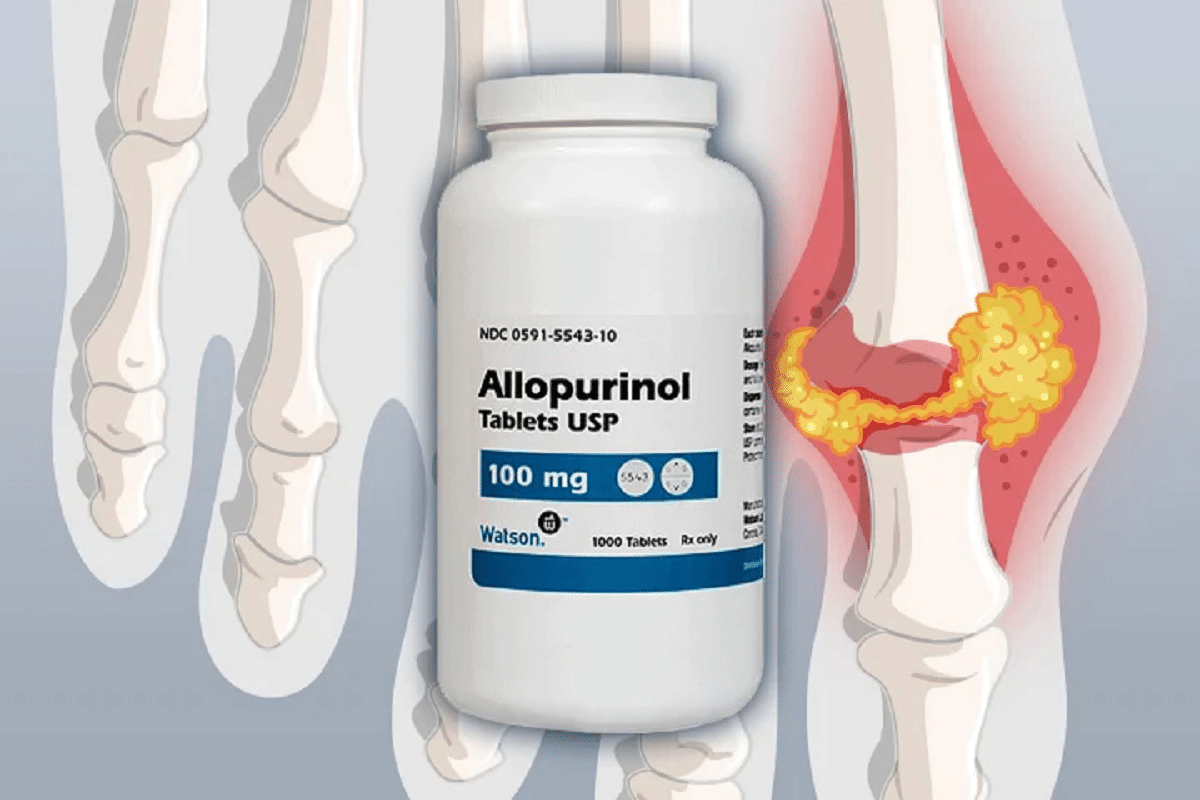
Allopurinol is a drug that belongs to the xanthine oxidase inhibitors class. It’s key in lowering uric acid levels. It’s mainly used for treating gout and other issues caused by too much uric acid.
What Is Allopurinol and How It Reduces Uric Acid
Allopurinol blocks the enzyme xanthine oxidase, which makes uric acid. By stopping uric acid production, it helps prevent gout attacks and kidney stones. This action is vital for managing high uric acid levels.
Common Conditions Treated with Allopurinol
Allopurinol is often used for gout. It’s a condition marked by sudden, severe pain, redness, and tenderness in joints. It also helps prevent kidney stones and manage uric acid levels raised by cancer treatment.
|
Condition |
Description |
How Allopurinol Helps |
|---|---|---|
|
Gout |
Sudden, severe attacks of pain, redness, and tenderness in joints |
Reduces uric acid production, preventing gout attacks |
|
Kidney Stones |
Small, hard mineral deposits that form in the kidneys |
Decreases uric acid levels, reducing the risk of kidney stone formation |
|
High Uric Acid Levels |
Excessive uric acid caused by cancer treatment or other factors |
Lowers uric acid levels, managing the condition and preventing complications |
Timeline: How Long Does It Take for Allopurinol to Work
When starting allopurinol, patients often wonder how long it takes for the medication to begin working effectively. We understand that managing expectations is key for the best treatment results.
Initial Effects on Uric Acid Levels
Allopurinol starts to work by lowering uric acid production in the body. At first, it may take a few weeks to see a drop in uric acid levels. Typically, within 2-3 months, uric acid levels start to normalize, but this timeframe can vary.
Long-Term Benefits and Expectations
While initial effects on uric acid levels can be seen within a few months, the long-term benefits of allopurinol extend beyond just lowering uric acid. Patients can expect a reduction in gout attacks and improvement in overall joint health over time. It’s essential to keep taking the medication as prescribed, even if gout attacks occur initially.
Factors Affecting Treatment Response Time
Several factors can influence how quickly allopurinol works, including kidney function, dosage, and individual response to the medication. The following table summarizes these factors:
|
Factor |
Impact on Response Time |
|---|---|
|
Kidney Function |
Impaired kidney function may slow down response time |
|
Dosage |
Higher dosages may lead to faster response, but must be balanced with possible side effects |
|
Individual Response |
Variability in patient response can affect how quickly benefits are realized |
By understanding these factors and maintaining open communication with healthcare providers, patients can optimize their treatment outcomes with allopurinol.
Common Side Effects You Should Be Aware Of
It’s important for patients to know about the side effects of allopurinol before starting it. Allopurinol is usually safe but can cause side effects, ranging from mild to severe.
Mild Side Effects That Typically Resolve
Some people may get mild side effects from allopurinol. These can include:
- Skin rash
- Diarrhea
- Nausea
These side effects usually go away by themselves. But, if they don’t or get worse, you should talk to your doctor.
Serious Side Effects Requiring Immediate Medical Attention
Even though rare, serious side effects can happen. Stevens-Johnson syndrome is a serious condition that needs quick medical help. It causes severe skin and mucous membrane problems. If you see these symptoms, stop taking allopurinol and get medical help right away.
Does Allopurinol Make You Sleepy?
Some people feel very tired or sleepy when taking allopurinol. If you feel drowsy, don’t drive or use heavy machinery until you know how it affects you. Talk to your doctor about any concerns.
Knowing about these side effects helps you manage your treatment better. It also lets you get medical help when you need it.
What to Avoid When Taking Allopurinol
Knowing what to avoid with allopurinol is important. It helps you get the most out of the medication and avoid bad side effects. There are certain things you should not do while taking this drug.
Medications That Interact Negatively
Tell your doctor about all the medicines you’re taking. Some can react badly with allopurinol. Here are a few examples:
- Ampicillin and amoxicillin might cause skin rashes.
- Azathioprine and mercaptopurine might need dose changes when taken with allopurinol.
- Warfarin could make bleeding more likely because it works better with allopurinol.
- Diuretics can affect how well your kidneys work and uric acid levels.
Foods and Beverages to Limit or Avoid
It’s best to limit or avoid some foods and drinks while on allopurinol. This can help prevent side effects:
|
Food/Beverage |
Reason to Limit/Avoid |
|---|---|
|
Alcohol |
It raises uric acid levels and might harm your liver. |
|
Foods high in purines (organ meats, certain fish) |
They can raise uric acid levels, making allopurinol less effective. |
|
Caffeine |
It might make your heart rate or blood pressure go up. |
Activities That Increase Side Effect Risks
Some activities can make side effects worse when taking allopurinol. Be careful with:
- Driving or using heavy machinery if you feel drowsy or dizzy.
- Doing hard activities that could make dehydration or kidney stones worse.
By knowing these things and talking to your doctor, you can safely use allopurinol to manage your condition.
Starting Allopurinol Treatment Safely
Starting allopurinol treatment needs a careful plan to avoid side effects. It’s important for patients to work closely with their healthcare provider. This ensures a safe and effective treatment plan.
Proper Dosing and Administration Guidelines
Getting the right dose of allopurinol is key. We start with a low dose and increase it as needed. This helps avoid bad reactions. Always follow your healthcare provider’s advice and don’t change your dose without asking.
Avoiding New Medications During First Three Months
For the first three months, try to avoid starting new medications. This lowers the chance of allergic reactions or bad interactions. If you need a new medication, talk to your healthcare provider first.
Monitoring for Early Signs of Adverse Reactions
Watch for early signs of bad reactions when starting allopurinol. Look out for rash, fever, or stomach problems. Tell your healthcare provider right away if you notice any.
Regular check-ups and talking openly with your healthcare provider are key. This way, you can avoid risks and get the most from allopurinol treatment.
Preventing Stevens-Johnson Syndrome and Serious Skin Reactions
When you take allopurinol, knowing the risk of serious skin reactions is key. Allopurinol is usually safe, but it can cause side effects. Stevens-Johnson syndrome is a rare but dangerous condition linked to allopurinol.
Risk Factors for Developing Serious Skin Reactions
Some people are more likely to get serious skin reactions, like Stevens-Johnson syndrome, from allopurinol. These include:
- Genetic predisposition, mainly with certain HLA-B alleles
- History of allergic reactions to other medicines
- Having certain medical conditions, like kidney problems
Warning Signs That Require Immediate Action
Knowing the early signs of serious skin reactions is vital. Look out for:
- Skin rash or blisters
- Mouth sores
- Fever or flu-like symptoms
If you see these signs, stop allopurinol right away and get medical help. Quick action is key to managing these serious conditions.
Dangers of Stopping and Restarting at Full Dose
Stopping allopurinol and then starting it again at full dose raises the risk of serious skin reactions. Always talk to your doctor before starting allopurinol again. They might suggest starting with a lower dose to reduce risks.
By understanding the risks and taking steps to prevent them, we can keep treatment safe with allopurinol.
Allopurinol and Alcohol: Safety Guidelines
It’s important to understand how allopurinol and alcohol interact. Knowing this helps ensure safe and effective treatment. Patients taking allopurinol should be aware of alcohol’s impact on their treatment.
How Alcohol Affects Allopurinol Efficacy
Alcohol can affect how well allopurinol works. Excessive alcohol consumption may raise uric acid levels. This can undo the benefits of allopurinol. It’s best to limit alcohol intake to avoid these interactions.
Recommended Limits for Alcohol Consumption
Here are some guidelines for alcohol while on allopurinol:
- Stick to one drink a day for women and two for men.
- Avoid binge drinking to lower the risk of bad side effects.
- If you’re experiencing side effects or have concerns, consider cutting down or stopping alcohol.
Signs of Problematic Alcohol-Medication Interaction
Watch out for these signs of a bad interaction between allopurinol and alcohol:
- More or worse gout attacks.
- Worse side effects like dizziness or feeling very tired.
- Signs of liver problems, like jaundice or dark urine.
By being careful with alcohol and knowing about possible interactions, patients can safely use allopurinol.
Special Considerations for Kidney and Liver Health
Kidney and liver health are key when taking allopurinol. People with kidney or liver problems need close watch to stay safe.
How Kidney Function Affects Allopurinol Dosing
Kidney function is important for allopurinol dosage. The drug mainly goes through the kidneys. If kidneys don’t work well, allopurinol levels can rise, leading to more side effects. Patients with kidney issues often need their doses adjusted to avoid harm.
|
Kidney Function |
Allopurinol Dosage Adjustment |
|---|---|
|
Normal |
Standard dosing |
|
Mild impairment |
Possible dose reduction |
|
Moderate to severe impairment |
Significant dose reduction or alternative treatment |
Monitoring Liver Health During Treatment
Liver health is also important with allopurinol. Though rare, it can harm the liver in some. It’s wise to check liver function tests often, mainly at the start. Signs like jaundice, dark urine, or constant nausea need quick doctor visits.
How Allopurinol Affects Existing Kidney Stones
Allopurinol helps with kidney stones by lowering uric acid. It stops new stones from forming. But, watch for any stone changes during treatment.
In summary, taking care of kidneys and liver is vital with allopurinol. Knowing how it affects dosing, keeping an eye on liver health, and watching for stone changes helps. This way, patients can enjoy the treatment’s benefits while avoiding risks.
Lifestyle Modifications to Reduce Side Effects
Making smart lifestyle choices can greatly improve Allopurinol treatment safety and success. By making a few changes, patients can lower side effect risks and feel better overall.
Physical Activity Guidelines While Taking Allopurinol
Staying active is key for Allopurinol users. It keeps you healthy and boosts the drug’s power. Moderate exercises like walking, cycling, or swimming are best. Always talk to a doctor before starting new exercises, if you have health issues.
Infection Prevention Strategies
Allopurinol users need to watch out for infections. Stay away from sick people and wash hands often. A doctor says, “Stopping infections is key when on Allopurinol.”
“The key to successful management of patients on Allopurinol lies in preventive care, including infection control measures.”
Hydration and Dietary Recommendations
Drinking enough water is essential for Allopurinol users. It helps your kidneys work right. Drink lots of water all day. Eating right, like avoiding too much of certain foods, also helps. A doctor can give you specific diet tips.
By following these lifestyle tips, patients can greatly cut down on Allopurinol side effects. This makes treatment safer and more effective.
Conclusion: Maximizing Benefits While Minimizing Risks
To get the most out of allopurinol, careful management is key. Knowing how it works and its side effects helps patients use it safely. This is important for managing gout and lowering uric acid levels.
Following the guidelines in this article is vital for safe allopurinol use. Regular check-ups and lifestyle changes are essential for good treatment. By avoiding bad interactions, limiting certain foods, and staying away from activities that raise side effect risks, patients can avoid complications.
We aim to give patients the knowledge to use allopurinol safely and effectively. This way, we can make the most of this important medication while keeping risks low.
FAQ
How long does it take for allopurinol to start working?
Allopurinol’s effectiveness varies from person to person. At first, some may have gout attacks. But, it’s key to keep taking the drug for long-term benefits like lower uric acid levels and fewer gout attacks.
Can I consume alcohol while taking allopurinol?
Patients on allopurinol should watch their alcohol intake. Drinking alcohol can make allopurinol less effective and increase side effects. Knowing the safe amount of alcohol and recognizing bad interactions is important for safe treatment.
What are the common side effects of allopurinol?
Side effects of allopurinol include skin rash, diarrhea, and nausea. Serious issues like Stevens-Johnson syndrome need immediate doctor’s care. Also, allopurinol can make you drowsy, which is a safety concern.
How can I minimize the risk of side effects while taking allopurinol?
To avoid side effects, patients should avoid certain drugs, foods, and activities. This means not starting new meds without a doctor’s okay, drinking less alcohol, and being careful with tasks that need you to be alert.
What should I avoid when starting allopurinol treatment?
When starting allopurinol, follow the dosage instructions and watch for any bad reactions. Avoid starting new meds for the first three months to lower the risk of allergic reactions.
How does allopurinol affect kidney stones?
Allopurinol can affect kidney stones, so it’s important to consider this when managing the condition. Keeping an eye on kidney function is key because it affects how much allopurinol you need.
Is allopurinol safe for patients with pre-existing kidney or liver conditions?
Patients with kidney or liver issues need careful consideration when taking allopurinol. It’s important to monitor their kidney and liver health during treatment to ensure it’s safe and effective.
Can allopurinol cause drowsiness?
Yes, allopurinol can make you drowsy, which can be a problem if you need to drive or operate machinery. It’s important to be aware of this side effect and take steps to stay safe.
What lifestyle modifications can help reduce the risk of side effects while taking allopurinol?
Making some lifestyle changes can help lower the risk of side effects from allopurinol. This includes following exercise guidelines, preventing infections, and staying hydrated and following a healthy diet.
Reference
National Center for Biotechnology Information. Allopurinol: Avoiding Side Effects Safely in Gout Management. Retrieved from https://www.ncbi.nlm.nih.gov/books/NBK499942/