
Heart valve disease is a condition where one or more of the heart’s cardiac valves do not function properly. This affects blood flow.
Did you know that nearly 2.5% of the U.S. population is affected by heart valve disease? Many cases go undiagnosed. The four heart valves are key to keeping blood flowing in the right direction.
Knowing the signs of a failing heart valve is vital for getting medical help on time. This article will give you an overview of heart valve disease, its importance, and the key signs to watch for.
Key Takeaways
- Heart valve disease affects a significant portion of the U.S. population.
- The condition can lead to severe complications if left untreated.
- Understanding the signs of a failing heart valve is essential for timely medical intervention.
- Cardiac valves play a vital role in maintaining blood flow.
- Early diagnosis and treatment can significantly improve outcomes.
The Critical Role of Heart Valves in Circulation
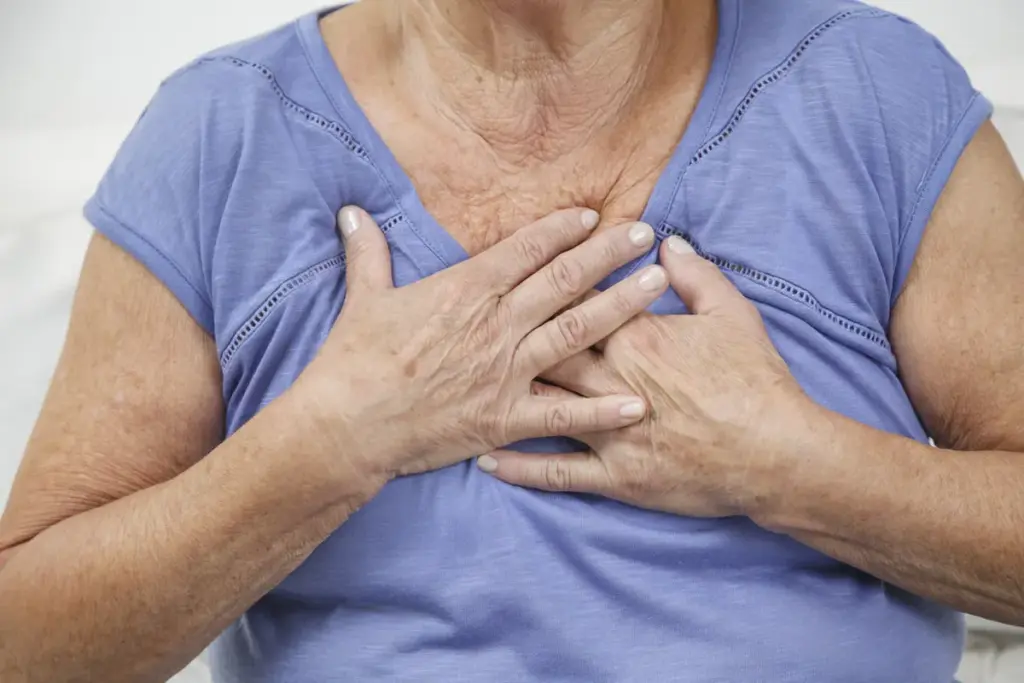
The heart’s valves are key for blood to flow the right way through the heart’s chambers. This flow is vital for good circulation and heart health.
The Four Heart Valves and Their Functions
The heart has four valves: the aortic, mitral, tricuspid, and pulmonary valves. Each one does a specific job:
- The aortic valve lets blood flow from the left ventricle to the aorta.
- The mitral valve controls blood flow from the left atrium to the left ventricle.
- The tricuspid valve manages blood flow from the right atrium to the right ventricle.
- The pulmonary valve directs blood flow from the right ventricle to the pulmonary artery.
How Healthy Valves Control Blood Flow
Healthy heart valves make sure blood flows well through the heart, stopping backflow. They do this by opening and closing leaflets in sync with the heartbeat. This way, they help blood circulate properly, giving the body’s tissues oxygen and nutrients.
Understanding heart valves is key to knowing about valvular heart disease. When valves get sick, it can cause serious problems, like heart failure. So, knowing how they work is important for diagnosing and treating heart valve issues.
Understanding Heart Valve Disease Types

It’s important to know about the different types of heart valve disease. These diseases happen when one or more heart valves don’t work right. This can cause serious health problems if not treated.
Valve Stenosis: Narrowing and Restricted Flow
Valve stenosis is when a valve gets too narrow, blocking blood flow. This makes the heart work too hard. If not fixed, it can lead to heart failure. Symptoms include chest pain, trouble breathing, and feeling very tired.
Valve Regurgitation: The Problem of Leaky Heart Valves
A leaky heart valve, or valve regurgitation, is when a valve doesn’t close right. This lets blood flow back. It can make the heart bigger and might cause heart failure. Symptoms include heart racing, trouble breathing, and swelling in the legs.
Valve Prolapse: When Valves Bulge Backward
Valve prolapse is when a valve bulges back into the atrium when the heart beats. It might not cause symptoms but can lead to regurgitation. Mitral valve prolapse is a common type.
|
Disease Type |
Description |
Common Symptoms |
|---|---|---|
|
Valve Stenosis |
Narrowing of the valve, restricting blood flow |
Chest pain, shortness of breath, fatigue |
|
Valve Regurgitation |
Leaky valve allowing backward blood flow |
Palpitations, shortness of breath, leg swelling |
|
Valve Prolapse |
Valve bulging backward into the atrium |
Often asymptomatic, but might have regurgitation symptoms |
As highlighted by the
“The complexity of heart valve diseases requires a nuanced understanding for effective management,”
Cardiovascular Expert
Knowing about these conditions is key for the right diagnosis and treatment.
Common Warning Signs of a Failing Heart Valve
Heart valve problems can start quietly, so it’s key to know the early signs. The heart’s valves are vital for blood flow. A failing valve can cause serious heart problems valve issues.
Subtle Early Symptoms You Might Dismiss
In the beginning, symptoms of a failing heart valve are mild and easy to miss. You might feel tired, have trouble breathing during simple tasks, or feel a bit of chest pain. These symptoms can seem like other problems, making it hard to spot valve meaning issues early.
It’s important to watch for these signs and see a doctor if they don’t go away or get worse.
Progressive Symptoms That Shouldn’t Be Ignored
As heart valve disease gets worse, symptoms get stronger and can’t be ignored. You might have trouble breathing even when sitting, swelling in your legs and feet, and chest pain that gets worse with activity. Spotting these progressive symptoms is key to getting medical help fast to avoid more problems.
Knowing about these warning signs helps people take care of their heart health. It’s a step towards dealing with possible heart problems valve issues.
Specific Symptoms by Valve Location
Symptoms of heart valve problems vary based on the affected valve. Knowing each valve’s role and how disease affects it helps identify symptoms. This knowledge is key to understanding different valve locations’ symptoms.
Aortic Valve Regurgitation and Stenosis Symptoms
Aortic valve regurgitation and stenosis impact the aortic valve. Aortic valve regurgitation causes blood to leak back into the heart. Symptoms include shortness of breath, fatigue, and chest pain.
Aortic valve stenosis narrows the valve, blocking blood flow. Symptoms include chest pain, fainting, and shortness of breath.
Mitral Valve Disease and Prolapse Symptoms
The mitral valve is also susceptible to disease. Mitral valve prolapse makes the valve bulge back into the heart. Symptoms include palpitations, fatigue, and anxiety.
Mitral valve regurgitation causes the valve to leak. Symptoms include shortness of breath, fatigue, and swelling in the legs.
Tricuspid Valve Problem Indicators
The tricuspid valve, between the right atrium and ventricle, can also be affected. Symptoms include swelling in the legs and abdomen, fatigue, and shortness of breath. Severe cases can lead to heart failure if not treated.
Pulmonary Valve Dysfunction Signs
Pulmonary valve dysfunction affects the valve controlling blood flow to the lungs. Symptoms include shortness of breath, fatigue, and swelling in the legs and abdomen. It may not show symptoms until it’s severe.
Early recognition of these symptoms is vital for timely medical care. Understanding the specific valve and its symptoms is critical for managing heart valve disease.
When a Leaky Valve in Heart Leads to Serious Complications
A leaky valve in the heart can start a chain of serious problems. This happens when the valve doesn’t close right, letting blood flow back. If not treated, it can cause big health issues.
The Progression from Valve Issues to Heart Failure
Valve disease, like leaky valves, can turn into heart failure if not treated. Heart failure means the heart can’t pump enough blood for the body. Early detection and treatment are key to stop this.
As it gets worse, symptoms like tiredness, shortness of breath, and leg swelling get worse. Watching these symptoms closely is important for managing the disease well.
Congestive Heart Failure Pathophysiology Related to Valves
Congestive heart failure (CHF) linked to valve disease is complex. A leaky valve makes the heart work too hard, leading to CHF. The heart gets overloaded, leading to changes and eventually heart failure.
“Heart failure is a syndrome characterized by the inability of the heart to pump blood at a rate commensurate with the requirements of the metabolizing tissues.”
In valve disease, the heart can’t pump well because of the faulty valve.
Risk Factors That Damage Cardiac Valves
It’s important to know what can harm heart valves to prevent and treat problems early. Heart valve disease can take many forms, like mitral valve disease and mv prolapse symptoms. These often come from a mix of genetic, environmental, and lifestyle factors.
Age-Related Degeneration
As we get older, the chance of heart valve disease goes up. This is because the valves wear out over time. Conditions like aortic stenosis, where the valve gets too narrow, can happen. It’s key to keep an eye on our heart health as we age.
Infections and Inflammatory Conditions
Infections, like rheumatic fever, can really harm heart valves, more so in places where healthcare is hard to get. Inflammatory diseases can also mess with valve health. This can cause problems like mitral valve regurgitation, where blood flows the wrong way.
Congenital and Genetic Predispositions
Some people are born with heart valve issues or are more likely to get them because of their genes. Conditions like bicuspid aortic valve or mitral valve prolapse can run in families. Knowing your family’s medical history is vital for figuring out your own risk.
Diagnostic Methods for Heart Valve Problems
To find out if someone has heart valve disease, doctors use many tools. They look at physical exams, imaging tests, and lab tests. This helps them understand the problem well.
Physical Examination and Heart Murmurs
Doctors start by checking the patient with a stethoscope. They listen for heart murmurs. These sounds mean blood flow is not right.
Heart murmurs happen when a valve doesn’t work right. This is a key sign of trouble.
Echocardiogram and Advanced Imaging
An echocardiogram uses sound waves to see the heart. It helps doctors check the valves. Other tests like MRI or CT scans give even more details.
Cardiac Catheterization and Stress Tests
Cardiac catheterization lets doctors put a catheter in the heart. They measure pressures and check the valves. Stress tests show how the heart works when it’s stressed, like during exercise.
Biomarkers and Laboratory Tests
Laboratory tests, like B-type natriuretic peptide (BNP), help diagnose heart valve disease. These tests tell doctors a lot about the heart. They help decide the best treatment.
By using all these methods, doctors can find and treat heart valve disease. This helps patients get better.
Treatment Approaches for Valvular Heart Disease
Heart valve problems treatment has grown, giving patients many options. Now, treatments range from simple medical care to complex surgeries. This change helps match treatments to each patient’s needs.
Medical Management Strategies
Medical care is often the first step for heart valve issues. It aims to control symptoms and slow disease growth. Key strategies include:
- Monitoring valve function and overall heart health
- Medications to manage symptoms such as high blood pressure or irregular heart rhythms
- Lifestyle modifications, including diet, exercise, and smoking cessation
Surgical Valve Repair Techniques
Surgery is needed for many to fix or replace damaged valves. Surgical repair tries to make the valve work right again. Advantages include:
- Preserving the patient’s own valve tissue
- Lower risk of surgery complications
- Possible better long-term results
Valve Replacement Options
If repair isn’t possible, replacing the valve is needed. There are two main types: mechanical and bioprosthetic. Considerations include:
- Mechanical valves last long but need lifelong blood thinners
- Bioprosthetic valves don’t last as long but might not need blood thinners
Minimally Invasive and Catheter-Based Procedures
New medical tech has brought smaller, less invasive treatments for heart valve issues. These options have benefits such as:
- Smaller cuts mean less damage to tissue
- Shorter recovery times
- Lower risk of surgery problems
When Heart Problems Valve Symptoms Require Emergency Care
Knowing when to get emergency care for heart valve issues is critical. Problems like a leaky valve in the heart can be very serious if not treated quickly.
Critical Warning Signs Requiring Immediate Attention
Some symptoms mean heart valve problems are very dangerous. These include:
- Severe chest pain or discomfort
- Difficulty breathing or shortness of breath
- Severe dizziness or fainting
- Rapid or irregular heartbeat
What Information to Provide to Emergency Responders
When you call for emergency help, tell them as much as you can. This includes:
- Telling them about your symptoms and when they started
- Mentioning any heart conditions or valve problems you have, like the valve meaning in your case
- Listing any medicines you’re taking
Sharing this info helps emergency responders get ready to help you when they arrive.
Living with Heart Valve Disease
Living with heart valve disease means understanding the condition and making lifestyle changes. These changes are key to managing the disease well and improving life quality.
Daily Management and Activity Modifications
Managing heart valve disease daily involves knowing the symptoms and adjusting activities. For example, those with mitral valve disease might need to avoid hard activities to protect their heart.
- Monitor and manage symptoms
- Adjust physical activities based on health guidelines
- Maintain a healthy diet and weight
Following your doctor’s advice on exercise and daily routines is also vital. This helps reduce risks from heart valve disease.
Long-term Monitoring and Follow-up Care
Long-term care means regular check-ups with healthcare providers to track the condition. Tools like echocardiograms are key in this monitoring.
- Schedule regular appointments with your cardiologist
- Keep track of any changes in symptoms or condition
- Adhere to prescribed medication regimens
Being proactive and informed helps those with heart valve disease manage their condition better. This improves their overall well-being.
Preventing Progression of Heart Valve Damage
Living a heart-healthy lifestyle can really help stop heart valve damage from getting worse. By making smart choices, people can lower the chance of their valve getting worse and other heart problems.
Lifestyle Changes for Valve Health
Making a few simple changes can greatly help keep your heart valves healthy. Regular exercise, like walking fast or swimming, can boost your heart’s health without harming your valves. Eating a balanced diet full of fruits, veggies, and whole grains can also help keep your weight and blood pressure in check, easing the heart’s work.
Managing Related Cardiovascular Conditions
It’s key to manage conditions like high blood pressure, diabetes, and high cholesterol to stop heart valve damage from getting worse. For example, aortic valve regurgitation can get worse if blood pressure is not controlled. Knowing about congestive heart failure pathophysiology can also help manage the condition and slow it down.
Conclusion
It’s important to know the signs of a failing heart valve early. Heart valve disease can lead to serious problems, like heart failure. This can really affect how well you live.
Seeing symptoms related to mitral valve prolapse can help you seek help faster. This can prevent things from getting worse.
Tests like echocardiograms and physical exams can spot valve problems early. This lets doctors treat them right away. There are many ways to treat heart valve disease, from medicine to surgery.
Knowing the signs and risk factors helps keep your heart healthy. This way, you can take care of your heart before it’s too late.
Managing heart valve disease means making lifestyle changes and getting regular check-ups. Working with your doctor is key. This way, you can lower your risk of serious problems and feel better overall.
FAQ
What are the common symptoms of heart valve disease?
Symptoms include shortness of breath and fatigue. You might also feel chest pain or palpitations. Swelling in the legs, ankles, or feet is another sign.
How is heart valve disease diagnosed?
Doctors use a physical exam and echocardiogram for diagnosis. They might also do cardiac catheterization or stress tests. Biomarkers and lab tests help too.
What are the treatment options for valvular heart disease?
Treatments include medical management and surgery. You might need valve repair or replacement. The choice depends on your condition.
Can heart valve disease be prevented?
Some risk factors can’t be changed. But, a healthy diet and regular exercise can help. Managing conditions like hypertension or diabetes is also key.
What are the signs of a leaky heart valve?
A leaky valve, or regurgitation, might cause a heart murmur. You could feel short of breath or tired. Swelling in the legs or feet is another sign.
How does a leaky valve lead to heart failure?
A leaky valve makes the heart work harder. This can lead to fatigue and heart enlargement. If not treated, it can cause congestive heart failure.
What is the difference between mitral valve prolapse and mitral valve regurgitation?
Mitral valve prolapse means the valve bulges into the atrium. Mitral valve regurgitation is when blood leaks back. Some people with prolapse also have regurgitation.
Can heart valve disease be managed with medication alone?
Sometimes, medication can manage symptoms and slow disease. But, severe cases might need surgery or other treatments.
How often should I follow up with my doctor if I have heart valve disease?
Follow-up frequency depends on your condition and other factors. Regular check-ups are important to adjust treatment and prevent problems.
Are there any lifestyle changes that can help manage heart valve disease?
Yes, a healthy lifestyle can help. Eat well, exercise regularly, and manage stress. These habits can slow disease progression.
What are the risks associated with heart valve surgery?
Surgery risks include bleeding and infection. There’s also a chance of stroke or reaction to anesthesia. Risks vary based on your situation and surgery type.
Can I stillexercise with heart valve disease?
Yes, but talk to your doctor first. They can help you find safe exercises. The right choice depends on your condition.
reference
Centers for Disease Control and Prevention. Evidence-Based Medical Insight. Retrieved from https://www.cdc.gov/heart-disease/about/heart-valve-disease.html[3



 Departments
 Related Videos
 Our Doctors
 News
News