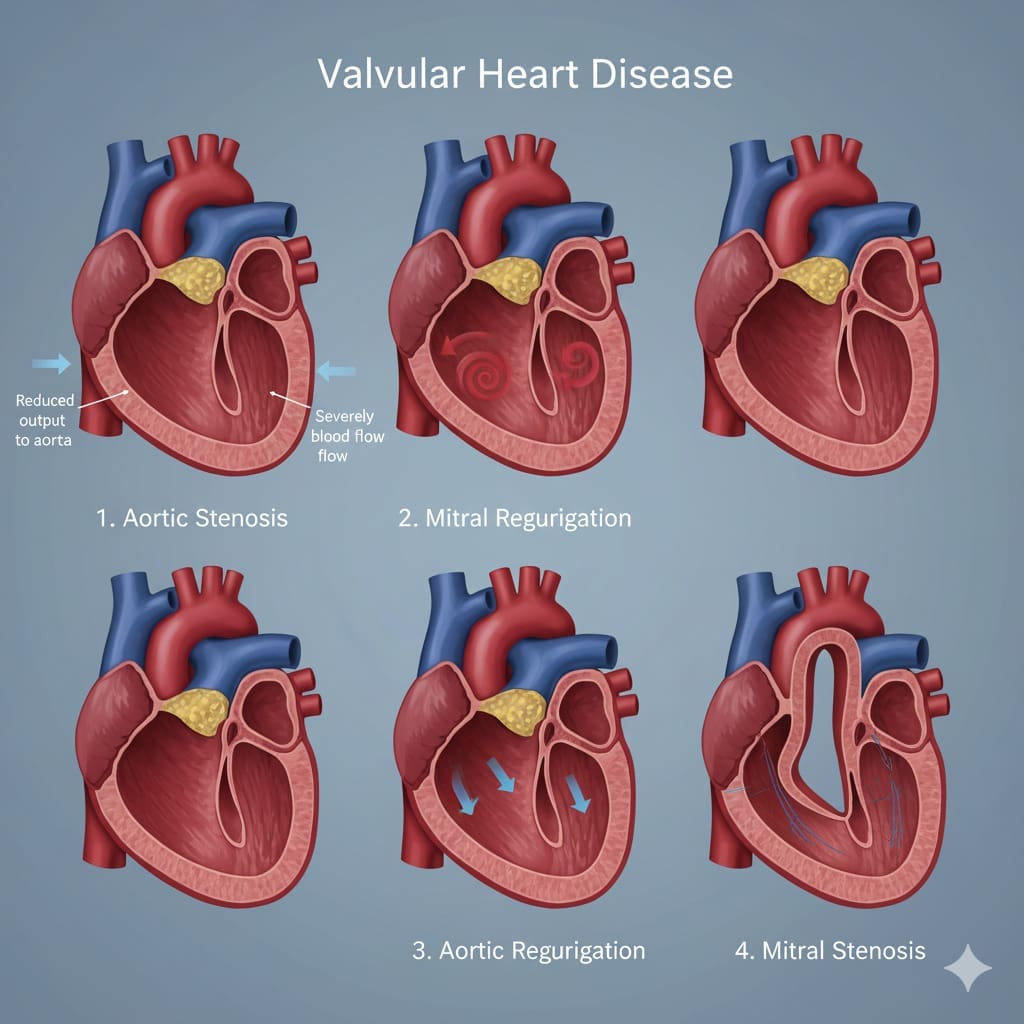
Every heartbeat relies on a network of heart valves working together. It’s important to know about the main types and definitions of valvular heart disease. This knowledge helps in diagnosing and treating the condition quickly.
At Liv Hospital, we focus on top-notch cardiac care. Our team is dedicated to helping international patients with heart valve disorders. We aim to give them the best treatment possible.
Valvular heart disease includes many conditions, like stenosis and regurgitation. These affect the heart’s valves and its function. We work hard to keep our care up-to-date and support our patients fully.
Key Takeaways
- Understanding valvular heart disease is key for quick diagnosis and treatment.
- Liv Hospital offers top cardiac care with a focus on patients.
- Our team provides detailed care for patients from around the world.
- Valvular heart disease includes issues like stenosis and regurgitation.
- Getting treatment on time is vital to avoid lasting heart damage.
What You Need to Know About Heart Valve Function
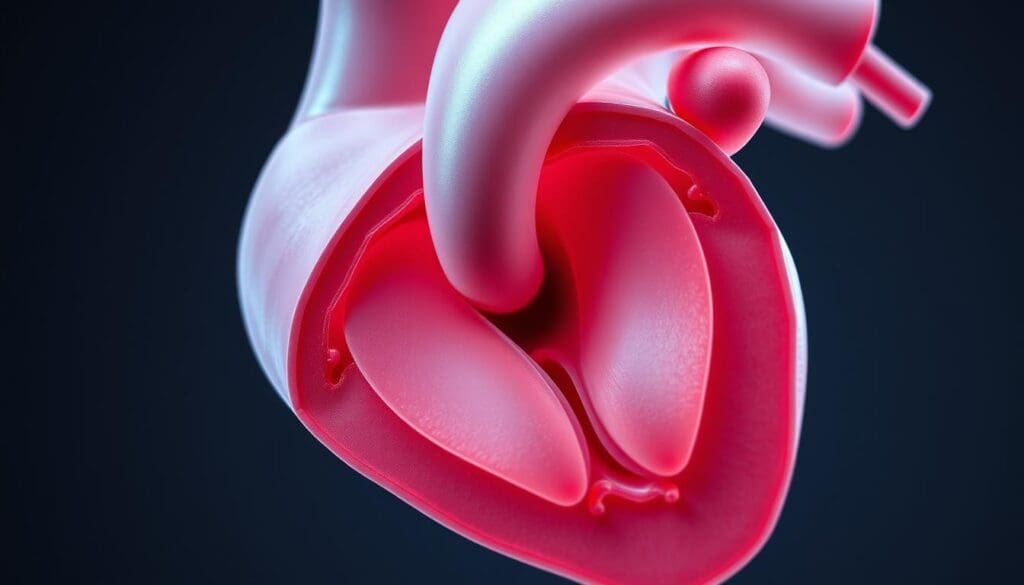
Understanding heart valve function is key to grasping cardiac valve disease. The heart’s valves are vital. They make sure blood flows in one direction through the heart.
The Four Heart Valves and Their Roles
The heart has four valves: the aortic, mitral, tricuspid, and pulmonary valves. Each plays a unique role in keeping blood flowing well.
- The aortic valve controls blood flow from the left ventricle to the aorta.
- The mitral valve regulates blood flow between the left atrium and left ventricle.
- The tricuspid valve manages blood flow between the right atrium and right ventricle.
- The pulmonary valve directs blood flow from the right ventricle to the pulmonary artery.
How Valves Maintain Proper Blood Flow
Heart valves keep blood flowing right by opening and closing with the heartbeat. When open, they let blood through; when closed, they stop backflow. This ensures blood moves efficiently around the body.
It’s vital for these valves to work right to avoid valvular heart conditions. Any problem, like stenosis or regurgitation, can cause serious health issues.
We’ll dive deeper into valvular heart disease later. But knowing how heart valves work is essential. It helps us understand the complexities of cardiac valve disease.
Understanding Valvular Heart Disease Mechanisms
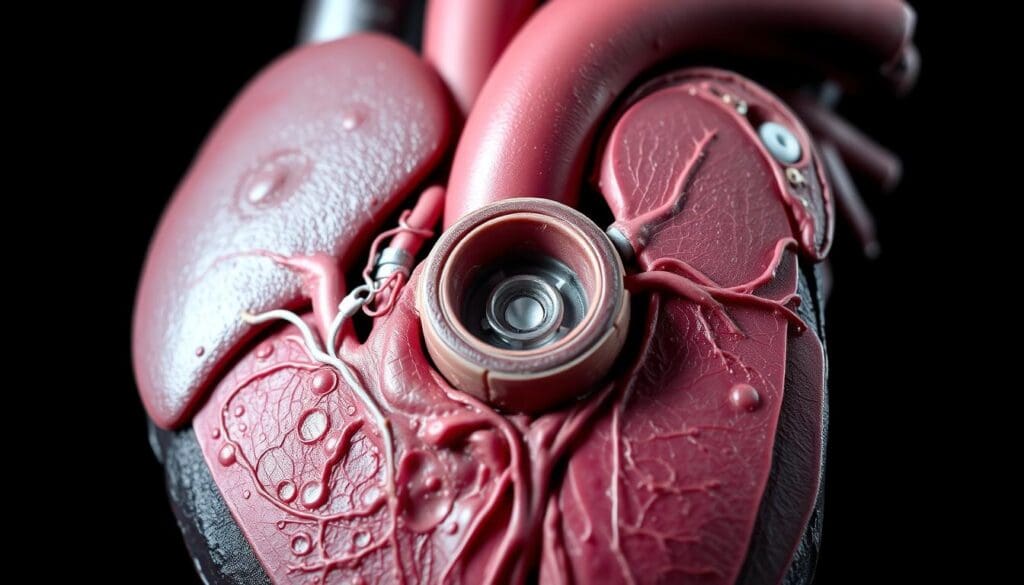
The heart’s valves are key to keeping blood flowing right. When they don’t work well, it can cause big problems. Valvular heart disease includes many conditions that affect these valves, leading to blood flow issues.
Stenosis: Narrowing of Valve Openings
Stenosis is when valve openings get too narrow, blocking blood flow. We’ll look at how stenosis hampers the heart’s pumping power. Symptoms include chest pain, fatigue, and shortness of breath, making life hard for those affected.
Regurgitation: Backward Flow of Blood
Regurgitation happens when a valve doesn’t shut right, letting blood flow back. This puts extra strain on the heart, which can lead to heart failure if not treated. We’ll talk about what causes it and its effects on the heart.
Atresia: Complete Valve Closure
Atresia is a rare but serious issue where a valve is either closed or missing. It’s a birth defect that needs quick medical care. We’ll cover how it’s diagnosed and treated, stressing the need for early action.
Grasping these mechanisms is key to diagnosing and treating valvular heart disease. Knowing the exact valve problem helps doctors create better treatment plans. This improves patient care and outcomes.
Aortic Valve Disorders: The Most Common in Adults
Aortic valve disorders are a big problem in adult heart health, affecting millions globally. These issues can cause serious problems, affecting life quality and survival. We’ll look at the two main types: aortic stenosis and aortic regurgitation.
Aortic Stenosis: Leading Valve Defect in Industrialized Nations
Aortic stenosis means the aortic valve opening gets narrower. This blocks blood flow from the heart to the body. It’s the top valve problem in rich countries, hitting the elderly hard. Symptoms include chest pain, fainting, and shortness of breath.
If not treated, severe aortic stenosis can cause heart failure and death.
Aortic Regurgitation: Causes and Progression
Aortic regurgitation happens when the aortic valve doesn’t close right. This lets blood flow back into the heart. It can be caused by many things, like valve problems or a big aortic root.
Patients might not show symptoms for years. But as it gets worse, they may feel palpitations, fatigue, and shortness of breath. Severe aortic regurgitation can cause heart failure if not treated.
Mitral Valve Disorders and Their Significance
Understanding mitral valve disorders is key to treating heart disease. The mitral valve is vital for blood flow. Knowing the causes, symptoms, and treatments is important.
Mitral Stenosis: Etiology and Clinical Manifestations
Mitral stenosis narrows the mitral valve opening. This blocks blood flow from the left atrium to the left ventricle. Rheumatic heart disease is the main cause, but calcification can also play a role. Symptoms include shortness of breath, fatigue, and palpitations.
Doctors use echocardiography to diagnose mitral stenosis. They also check the severity of the condition. Treatment options range from medication to surgery, based on the severity and symptoms.
Mitral Regurgitation: Accounting for 0.6-2.4 Percent of Cases
Mitral regurgitation happens when the mitral valve doesn’t close right. This lets blood flow back into the left atrium. It can be caused by several things, like mitral valve prolapse or heart disease. It affects 0.6-2.4 percent of people, making it a big heart disease issue.
Symptoms include shortness of breath, fatigue, and palpitations. Doctors use echocardiography to diagnose and decide on treatment.
Mitral Valve Prolapse: Diagnosis and Management
Mitral valve prolapse means the valve leaflets bulge into the left atrium during systole. Echocardiography is used for diagnosis. Many people with it don’t have symptoms, but some may feel chest pain, palpitations, or anxiety.
Managing mitral valve prolapse means watching for signs of worsening and treating symptoms. Sometimes, surgery is needed if mitral regurgitation becomes a problem.
Tricuspid Valve Disorders: The Right-Sided Challenge
Tricuspid valve disorders are complex and affect the right side of the heart. The tricuspid valve is key for blood flow between the right atrium and ventricle. Problems with this valve can cause heart failure and arrhythmias.
We will look at two main tricuspid valve disorders: stenosis and regurgitation. Knowing about these conditions helps us care for patients better.
Tricuspid Stenosis: A Rare but Serious Condition
Tricuspid stenosis is when the tricuspid valve opening narrows, blocking blood flow. It’s rare but serious. Symptoms include fatigue, swelling in the legs, and shortness of breath.
Echocardiography is used to diagnose it. It lets us see how the valve works. Causes include rheumatic heart disease and congenital issues.
Treatment aims to manage symptoms. In severe cases, surgery may be needed.
Tricuspid Regurgitation: Primary vs. Secondary Causes
Tricuspid regurgitation happens when the valve doesn’t close right, letting blood flow back. It can be due to valve problems or other heart issues. Secondary tricuspid regurgitation is more common and linked to other heart problems.
Diagnosis involves clinical checks and imaging like echocardiography. Treatment depends on the cause and how severe it is. It can range from medication to surgery.
It’s important to know the difference between primary and secondary tricuspid regurgitation. We must look at the patient’s overall heart health and other health issues when treating this condition.
Pulmonary Valve Disorders: Completing the Seven Key Types
Pulmonary valve disorders are a key part of valvular heart disease. They affect the valve that lets blood flow from the right ventricle to the pulmonary artery. This is a vital part of the heart’s function.
The pulmonary valve can face problems like stenosis and regurgitation. Knowing about these issues helps us diagnose and treat heart disease better.
Congenital and Acquired Pulmonary Stenosis
Pulmonary stenosis is when the pulmonary valve opening gets too narrow. This blocks blood flow from the right ventricle to the pulmonary artery. It can happen at birth or later in life.
Congenital stenosis is found in babies and young children. It’s caused by the valve not forming right during pregnancy. Acquired stenosis can come from diseases like rheumatic heart disease or carcinoid syndrome.
Key Features of Pulmonary Stenosis:
- Narrowing of the pulmonary valve opening
- Obstruction of blood flow from the right ventricle
- Can be congenital or acquired
Causes and Consequences of Pulmonary Regurgitation
Pulmonary regurgitation happens when the pulmonary valve doesn’t close right. This lets blood flow back into the right ventricle from the pulmonary artery. Over time, it can make the right ventricle bigger and less efficient.
Many things can cause pulmonary regurgitation. These include high blood pressure in the pulmonary artery or diseases like endocarditis that harm the valve.
| Cause | Effect on Pulmonary Valve | Clinical Consequence |
|---|---|---|
| Pulmonary Hypertension | Increased pressure on the valve | Regurgitation due to valve incompetence |
| Endocarditis | Damage to valve leaflets | Impaired valve closure, leading to regurgitation |
| Congenital Heart Disease | Abnormal valve development | Potential for regurgitation and stenosis |
Knowing why pulmonary regurgitation happens and its effects is key to managing it. Regular checks and the right treatment can lessen its harm to the heart.
In summary, pulmonary valve disorders like stenosis and regurgitation are serious. They need careful diagnosis and treatment. By understanding their causes and effects, we can better care for those with these heart conditions.
The Spectrum of Valvular Heart Disease Severity
It’s important to understand how severe valvular heart disease can be. This condition affects the heart valves and can range from mild to severe. Knowing the severity helps doctors choose the best treatment.
Mild Valvular Disease: Monitoring Approaches
Mild valvular disease usually needs watching more than immediate action. Doctors use echocardiograms and check-ups to see how the disease is doing. This helps them adjust treatment plans as needed.
The American Heart Association says, “Regular follow-up is key for valvular heart disease patients. It helps track the disease and adjust treatment plans.”
“Regular follow-up is key for valvular heart disease patients. It helps track the disease and adjust treatment plans.”
Moderate to Severe Disease: When Intervention Becomes Necessary
For those with moderate to severe valvular disease, action is needed to avoid more problems. Doctors decide on treatment based on symptoms, how severe the disease is, and how it affects the patient’s life.
| Disease Severity | Symptoms | Intervention |
|---|---|---|
| Mild | Asymptomatic or mild symptoms | Monitoring |
| Moderate | Noticeable symptoms, reduced exercise tolerance | Medical management, possible surgery |
| Severe | Significant symptoms, impact on daily life | Surgical or transcatheter intervention |
Cardiac Valvulopathy and Chamber Remodeling
Valvular heart disease can cause changes in the heart, making things more complicated. It’s important to understand these changes to manage the patient well.
Chamber remodeling means the heart chambers change size, shape, and function due to valvular disease. If not managed, it can lead to heart failure.
Managing valvular heart disease well needs a team effort. Doctors consider how severe the disease is and its effects on the heart’s structure and function.
Comprehensive Management of Valvular Heart Disease
We know that treating valvular heart disease needs a complete plan. This plan includes the latest tests and treatments. It’s important for doctors to work together to care for patients well.
Multidisciplinary Approach to Diagnosis
A team of experts is key for diagnosing and treating valvular heart disease. This team includes cardiologists, surgeons, and imaging specialists. They use tools like echocardiography and MRI to check the heart valves.
Diagnostic Modalities:
- Echocardiography
- Cardiac MRI
- CT scans
- Cardiac catheterization
Medical Management Strategies
Medical treatment is vital for mild to moderate valvular heart disease. We use different treatments to help symptoms and slow the disease.
Key Medical Management Strategies:
| Condition | Management Strategy |
|---|---|
| Heart Valve Stenosis | Monitoring, medication to manage symptoms |
| Mitral Valve Prolapse | Regular follow-up, beta-blockers for symptoms |
Interventional and Surgical Options
For severe cases or when medicine doesn’t work, we consider surgery or other procedures. These include replacing or repairing the valve.
Interventional and Surgical Procedures:
- Valve replacement surgery
- Valve repair surgery
- Transcatheter aortic valve replacement (TAVR)
- Mitral valve clipping
By using a complete and team-based approach, we can make patients’ lives better. This way, we improve their health and happiness.
Conclusion: Advances in Valvular Heart Disease Care
Thanks to new diagnostic tools and treatments, patients with valvular heart disease are getting better care. At Liv Hospital, we focus on giving top-notch care to those with cardiac valve disease. We aim to improve their health and quality of life.
We use a team approach to handle valvular heart disease. This means patients get all the care they need. We use the newest treatments, including surgeries, to help our patients.
We’re always learning and improving in valvular heart disease care. This helps us offer the best healthcare to patients from around the world. Our goal is to make a big difference in the lives of those with valvular heart disease.
What is valvular heart disease?
Valvular heart disease affects the heart valves. These valves are key for blood flow. Liv Hospital offers top-notch care for patients with this condition.
What are the main types of valvular heart disease?
Main types include stenosis, regurgitation, and atresia. We’ll look at each, covering causes, symptoms, and treatments.
What is the significance of aortic valve disorders?
Aortic valve issues are common in adults. They can be serious if not treated. Our team provides detailed care for these disorders.
What is mitral valve prolapse?
Mitral valve prolapse means the valve doesn’t close right. This lets blood flow back into the heart. Proper diagnosis and management are key to avoid problems.
How are tricuspid valve disorders diagnosed and managed?
Tricuspid valve issues need careful diagnosis and treatment. We’ll talk about primary and secondary regurgitation and their impact on care.
What are the treatment options for valvular heart disease?
Treatments vary from medication to surgery, based on the valve issue. We’ll discuss the options and what affects them.
How does the severity of valvular heart disease impact management strategies?
Disease severity guides treatment. Mild cases might just need monitoring, while severe cases need action. Early intervention is key to prevent worsening.
What is the role of a multidisciplinary team in managing valvular heart disease?
A team approach is vital for valvular heart disease. It ensures a well-rounded care plan. Liv Hospital’s team is dedicated to quality care for international patients.
What is the importance of monitoring valvular heart disease?
Regular checks are critical to stop disease progression. They help in early intervention, improving patient outcomes.
How do heart valve disorders affect cardiac performance?
Valve disorders can harm heart function. They disrupt blood flow, causing symptoms like shortness of breath. Understanding this is key to effective treatment.
References
Heart and Stroke Foundation of Canada: Heart Disease Conditions: Valvular Heart Disease
American Heart Association Journals (AHA Journals): Circulation Article on Valvular Heart Disease (Specific DOI)
Wikipedia: Valvular Heart Disease