
Approximately 15% of men are affected by varicocele. It’s when veins in the scrotum get bigger, like varicose veins. This can really affect fertility and sexual health.varicocele effectsInguinal Hernia Cause Diarrhea: Shocking Link?
Men with varicocele might feel swelling and pain in their scrotum. They might also worry about how it affects their ability to get an erection and their fertility.
The link between varicocele and erectile dysfunction is complicated. It’s important for men with this condition to understand it well.
Key Takeaways
- Varicocele is a common issue affecting many men.
- It can impact fertility and sexual health.
- Symptoms include swelling and discomfort in the scrotum.
- Varicocele and erectile dysfunction have a complex relationship.
- Knowing about varicocele symptoms is key to treatment.
What Is Varicocele?

Varicocele is a condition that affects men’s health. It happens when veins in the scrotum get bigger, similar to varicose veins in the legs.
Definition and Prevalence
Varicocele means veins in the scrotum get too big. It’s common, affecting about 15% of men. This condition is like varicose veins but in the testicles.
It’s a big deal because it can cause infertility and pain. Knowing how common it is shows why it’s important to treat it.
|
Prevalence |
Characteristics |
|---|---|
|
Affects approximately 15% of all men |
Abnormal enlargement of scrotal veins |
|
Common cause of male infertility |
Can cause discomfort or pain |
Anatomy of Testicular Veins
The testicular veins are key in the male body. They carry blood away from the testicles. Normally, they have valves to stop blood from flowing back.
But, if these valves don’t work right, blood can pool. This makes the veins bigger, causing varicocele.
Knowing how testicular veins work helps us understand varicocele. It’s important for men’s health, including fertility and comfort.
Understanding the Causes of Varicocele
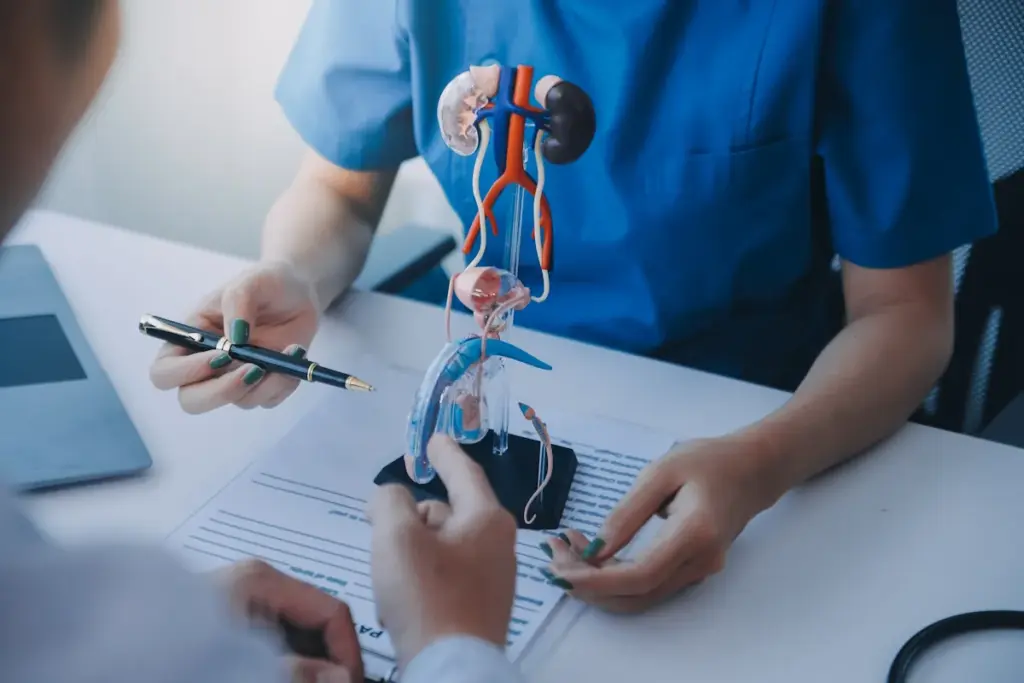
The exact causes of varicocele are not fully known. But research has given us some clues. Varicocele is a condition that affects the veins in the scrotum. It can cause them to swell and lead to discomfort.
Primary Causes
One main cause is the failure of valves in the testicular veins. These valves are supposed to keep blood flowing towards the heart. But when they don’t work, blood can pool, causing the veins to swell.
Valve malfunction is a big factor. But why it happens can vary. It might be because of genetics or other factors like increased vein pressure.
Risk Factors
There are several risk factors for varicocele. These include:
- Genetic predisposition
- Age, with varicocele being more common during puberty
- Anatomical issues, such as the insertion of the left testicular vein into the left renal vein at a right angle, which can increase pressure
Varicocele often affects the left testicle. This is because of differences in the left and right testicular veins
|
Risk Factor |
Description |
Impact on Varicocele Development |
|---|---|---|
|
Genetic Predisposition |
Family history of varicocele |
Increased likelihood |
|
Age |
Puberty and early adulthood |
Higher incidence during these stages |
|
Anatomical Issues |
Abnormal vein insertion angles |
Increased pressure and risk |
Knowing the causes and risk factors is key for prevention and treatment. By understanding these, people can take steps to lower their risk.
Recognizing Varicocele Symptoms
Varicocele symptoms can be hard to spot, but it’s important to notice them. Men with varicocele may feel different symptoms that can affect their daily life.
Common Physical Symptoms
One main symptom is a visible or palpable swelling in the scrotum. It feels like a “bag of worms.” This happens because the veins in the scrotum get bigger.
Other physical symptoms include a lump in the testicle, testicular shrinkage, or a heavy feeling in the scrotum.
Pain and Discomfort Patterns
Pain from varicocele can be different for everyone. Some men feel a dull ache or discomfort in the testicle or scrotum. Others might have sharp pains that get worse during the day, or when it’s hot or they’re active.
The pain can also depend on the varicocele’s grade. Higher grades might cause more pain.
Varicocele Grading System Explained
Varicoceles are sorted into different grades based on how bad they are. This helps doctors decide the best treatment.
Grade 1 to Grade 3 Varicoceles
The grading system for varicoceles goes from Grade 1 to Grade 3. Grade 1 is the least severe, and Grade 3 is the worst. Grade 1 varicoceles can’t be seen without a special test during a physical exam. Grade 2 varicoceles aren’t visible at rest but show up during a Valsalva maneuver. Grade 3 varicoceles are easy to see and often cause more symptoms.
Clinical Significance of Grading
The importance of varicocele grading is in guiding treatment choices. A higher grade might need more serious treatment, like surgery. “The grade of varicocele is a critical factor in determining the need for treatment and the choice of treatment modality,” say clinical guidelines.
Grading also helps predict how it might affect fertility and the risk of complications like testicular atrophy. Accurate grading lets doctors create a treatment plan that fits the patient’s needs.
Diagnosing Varicocele: Medical Procedures
Diagnosing varicocele usually begins with a physical check-up. This may be followed by imaging tests to confirm the diagnosis.
Physical Examination Techniques
The first step in diagnosing varicocele is a physical exam. The patient stands upright during the exam. The doctor checks the scrotum for any vein enlargement.
The patient might also do a Valsalva maneuver. This involves trying to exhale hard with the mouth closed and nostrils pinched. It helps make veins more noticeable by increasing pressure.
Imaging Studies
Imaging tests like ultrasound may be used to confirm varicocele. Ultrasound is non-invasive and gives clear images of the veins.
Here’s a comparison of diagnostic methods used for varicocele:
|
Diagnostic Method |
Description |
Advantages |
|---|---|---|
|
Physical Examination |
Manual examination to feel for enlarged veins |
Non-invasive, cost-effective |
|
Ultrasound |
Imaging technique using high-frequency sound waves |
Provides detailed images, non-invasive |
Varicocele Effects on Overall Health
Varicocele affects men’s health in many ways, not just the symptoms. It impacts both physical comfort and hormonal balance. This condition is common among men and can affect their health and well-being greatly.
Hormonal Implications
Varicocele can affect hormone levels, which is a big concern. It can lower testosterone, which is important for men’s health. This can lead to issues like low libido and fertility problems.
The exact way varicocele affects hormones is complex. But, it’s thought that poor blood flow can cause testicular problems. This can affect hormone production.
Physical Discomfort and Quality of Life
Varicocele can also make life uncomfortable for men. The feeling of heaviness or pain in the scrotum can be mild or severe. This discomfort can make daily activities hard and affect overall well-being.
It’s important to manage the symptoms of varicocele to improve quality of life. This can involve different treatments, depending on the symptoms and health status.
It’s key for men with varicocele to understand its effects on health. By addressing hormonal and physical symptoms, healthcare providers can offer better care. This improves overall quality of life.
The Relationship Between Varicocele and Erectile Function
Research into varicocele and erectile function has found complex results. It’s important to look at both the scientific studies and the body’s inner workings.
Scientific Evidence and Studies
Another study in European Urology showed varicocele repair can help. It found improvements in erectile function after treatment.
“The presence of varicocele is associated with a higher risk of erectile dysfunction, indicating a need for thorough evaluation and management strategies.”
Physiological Mechanisms
The link between varicocele and erectile dysfunction is complex. Impaired blood flow and elevated scrotal temperature play a role.
Varicocele can cause oxidative stress and inflammation. This can harm the blood vessels in the testicles and penis, affecting erections.
Grasping these mechanisms is key to finding good treatments. Treatments should address both varicocele and its effects on erections.
Can Varicocele Cause Erectile Dysfunction?
Varicocele, a condition where veins in the scrotum get bigger, might affect erectile function. It’s important to look at both direct and indirect effects. This helps us understand how varicocele might impact a man’s ability to get an erection.
Direct vs. Indirect Effects
The link between varicocele and erectile dysfunction is not straightforward. Studies show that varicocele might not directly cause ED. But, it can lead to conditions that indirectly harm erectile function.
Indirect Effects:
- Increased oxidative stress
- Decreased testosterone production
- Impaired sperm quality
“Varicocelectomy has been shown to improve erectile function in men with varicocele, indicating a possible indirect effect of varicocele on erectile health.”
Psychological Factors
Psychological factors also matter in the connection between varicocele and ED. Men with varicocele might feel anxious, stressed, or depressed. These feelings can make it harder to get an erection.
|
Psychological Factor |
Impact on Erectile Function |
|---|---|
|
Anxiety |
Increased stress can impair erectile function |
|
Depression |
Can lead to decreased libido and erectile dysfunction |
|
Stress |
Can negatively affect erectile health |
Talking to a therapist or counselor can help manage ED in men with varicocele. It’s a key part of treatment.
In summary, varicocele might not directly cause ED. But, its indirect effects and psychological factors can greatly affect erectile health. It’s vital to understand these connections to create effective treatment plans.
Varicocele and Male Fertility Connection
Varicocele can harm male fertility by lowering sperm quality and amount. This condition makes veins in the scrotum bigger. It’s a common reason for male infertility.
Varicocele can make sperm quality worse. This is because of higher scrotal temperature, oxidative stress, and hormonal imbalances. These issues can make it hard for couples to get pregnant.
Sperm Quality and Production
Varicocele can hurt sperm count, motility, and shape. Research shows it’s linked to lower sperm quality. This is a big problem for male fertility.
Varicocele affects sperm quality in many ways. For example, higher scrotal temperature can stop sperm from growing. Oxidative stress can also harm sperm DNA. Knowing how varicocele works is key to finding good treatments.
|
Sperm Parameter |
Normal Values |
Impact of Varicocele |
|---|---|---|
|
Sperm Count |
> 15 million/ml |
Reduced count |
|
Sperm Motility |
> 32% |
Decreased motility |
|
Sperm Morphology |
> 4% normal forms |
Abnormal morphology |
Fertility Outcomes
Varicocele’s effect on fertility is a big worry for men with infertility. Treating varicocele, with surgery or other methods, can help. It improves sperm quality and fertility chances.
Research shows treating varicocele can make sperm better. This can lead to better fertility results. The right treatment depends on how bad the varicocele is and the man’s health.
In summary, varicocele is a big problem for male fertility. It hurts sperm quality and amount. Knowing about varicocele and fertility helps find better treatments and improve chances of getting pregnant.
Non-Surgical Treatment Options for Varicocele
Not all varicocele cases need surgery. Some can be treated without it. These non-surgical methods aim to ease symptoms and enhance life quality.
Pain Management Strategies
Dealing with pain is key in treating varicocele. There are several ways to ease discomfort:
- Over-the-counter pain relievers: Drugs like ibuprofen or acetaminophen can lessen pain.
- Supportive underwear: Wearing supportive underwear can offer extra support to the scrotum.
- Avoiding heavy lifting: Less strain on the abdominal and groin area can reduce pain.
Lifestyle Modifications
Changing your lifestyle can also help manage varicocele symptoms. Here are some tips:
- Regular exercise: Staying active can improve blood flow and lessen discomfort.
- Dietary changes: Eating foods full of antioxidants can boost vascular health.
- Avoiding extreme temperatures: Some men find avoiding extreme temperatures helps with discomfort.
By trying these non-surgical treatments, men with varicocele can manage their symptoms better. This can improve their overall quality of life.
Surgical Treatments for Varicocele
Surgical treatments like varicocelectomy and embolization help men with varicocele. These methods are great for those who have trouble getting pregnant or feel a lot of pain.
Varicocelectomy Procedures
Varicocelectomy fixes varicocele by tying off or removing bad veins. There are a few ways to do this:
- Open varicocelectomy uses a small cut in the belly or groin.
- Laparoscopic varicocelectomy is less invasive, using small cuts and a camera.
- Microsurgical varicocelectomy uses a microscope to save important blood vessels.
Each method has its own benefits. The right one depends on the case and the surgeon’s skill.
Embolization Techniques
Embolization is a non-surgical way to stop blood flow to varicocele. It works by:
- Transvenous embolization uses a catheter to reach the varicocele through a vein.
- Then, coils or agents block the bad veins.
Embolization is effective and has quick recovery times compared to surgery.
Both varicocelectomy and embolization can boost fertility and ease symptoms. The best choice depends on the varicocele’s severity, the patient’s health, and any complications.
Recovery After Varicocele Treatment
Recovering from varicocele treatment takes time, patience, and the right advice. Men often wonder about the recovery process. They ask about how long it will take to feel better and how it might affect their sex life.
Timeline for Improvement
The time it takes to see improvements varies from person to person. Usually, men start feeling better a few weeks to months after treatment.
Immediate Recovery (0-2 weeks): Most men can go back to their usual activities in a week or two. But, it’s key to listen to the doctor’s advice on rest, exercise, and follow-up visits.
As one study notes, “The recovery period is key to knowing if treatment worked.”
“Patients who stick to post-treatment advice usually do better.”
Sexual Function After Treatment
Many men worry about how treatment will affect their sex life. Studies show that successful treatment can improve both sex function and fertility.
Some men might see better erectile function and overall sex health after treatment. But, results can differ, and talking to a healthcare provider is important.
- Follow post-treatment guidelines for the best recovery.
- Talk to a healthcare provider about any sex health worries.
- Be patient, as full recovery and improvement take time.
Managing Sexual Health With Varicocele
Managing varicocele is more than just treating physical symptoms. It’s also about addressing the sexual health concerns it brings. Living with varicocele can be tough, and its effects on sexual health are a big worry for many.
Communication With Partners
Talking openly with your partner is key when dealing with varicocele and sexual health. Sharing about the condition, its effects, and any worries can strengthen your bond. Remember, varicocele is a treatable medical issue with the right care and support.
By sharing your feelings and information, you and your partner can find ways to keep your sexual relationship healthy and satisfying. This is despite the challenges varicocele brings.
Psychological Support
Psychological support is just as important as medical treatment for varicocele’s sexual health impacts. Counseling or therapy can help you deal with the emotional and psychological sides of the condition.
Looking for help from healthcare experts, support groups, or online resources is also helpful. These places offer a safe space to talk about your experiences, get advice, and learn from others facing similar issues.
Handling varicocele’s sexual health effects requires a complete approach. This includes medical care, open talks with your partner, and psychological support. By using this all-in strategy, you can tackle the challenges of varicocele and enhance your life quality.
Conclusion: Living With Varicocele
Varicocele can be tough, but many men manage well with the right care. It’s key to know about the condition, its health effects, and treatment choices. This knowledge helps manage varicocele effectively.
Dealing with varicocele means a mix of medical care, lifestyle changes, and mental support. Getting medical help and sticking to a treatment plan can lessen symptoms and risks. This approach helps manage varicocele better.
Good varicocele care boosts both physical and mental well-being. It’s important to know the treatment options and talk to a doctor. This way, you can find the best way to handle varicocele.
FAQ
What is varicocele and how common is it?
Varicocele is when veins in the scrotum get big. It happens to about 15% of men. It’s more common on the left side.
What are the symptoms of varicocele?
Symptoms include a lump or swelling in the scrotum. You might also feel pain or discomfort. Some people feel a heavy or dragging sensation in their testicles.
Can varicocele cause erectile dysfunction?
Varicocele itself doesn’t directly cause erectile dysfunction. But, it can indirectly affect it. This is through psychological factors, pain, or discomfort. It might also lower testosterone levels.
How is varicocele diagnosed?
Doctors usually check for enlarged veins in the scrotum during a physical exam. Sometimes, they use an ultrasound to confirm the diagnosis.
What are the treatment options for varicocele?
Treatment options include pain relief medication and lifestyle changes. Surgery like varicocelectomy or embolization are also options.
Can varicocele affect fertility?
Yes, varicocele can harm fertility. It can affect sperm quality and production. Treating it might improve fertility outcomes.
Is varicocele a serious condition?
Varicocele is not usually serious. But, it can cause discomfort, affect fertility, and impact erectile function. So, treatment is important for some people.
How does varicocele impact sexual health?
Varicocele can make sex uncomfortable or painful. It might also affect erectile function. This can lower self-esteem or confidence.
Can lifestyle changes help manage varicocele symptoms?
Yes, making lifestyle changes can help. Wearing supportive underwear, avoiding heavy lifting, and managing stress can alleviate symptoms.
What is the recovery like after varicocele surgery?
Recovery involves some discomfort, swelling, or bruising. These should go away in a few weeks. Most men can get back to normal activities in a few days to a week.
Can varicocele recur after treatment?
Yes, varicocele can come back after treatment. The risk depends on the treatment method used.
How does varicocele affect testosterone levels?
Some studies suggest varicocele might lower testosterone production. But, the evidence is not clear. More research is needed.
Is it necessary to treat varicocele if it’s not causing symptoms?
Deciding to treat varicocele without symptoms depends on several factors. These include fertility concerns and other symptoms like testicular atrophy.
National Center for Biotechnology Information. Evidence-Based Medical Insight. Retrieved from https://pubmed.ncbi.nlm.nih.gov/22524472/