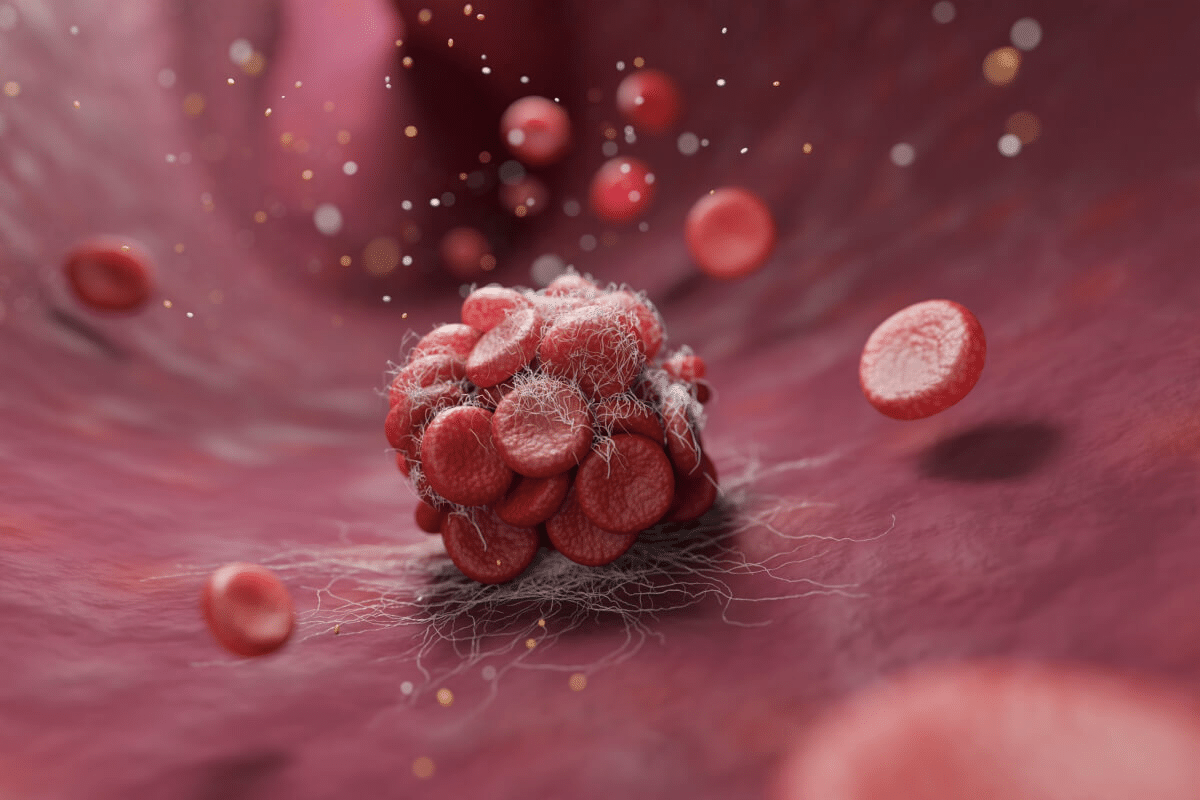
Answering whether varicose vein pain can cause leg pain and swelling and explaining the underlying mechanism (venous pressure). Varicose veins affect millions of adults worldwide. About 24% of adults in the United States have them. They happen when veins become swollen and twisted, usually in the legs.
Leg pain and swelling are common symptoms of varicose veins. If not treated, they can cause a lot of discomfort. They can even lead to serious problems.
It’s important to understand how varicose vein disease causes leg pain. This knowledge helps in early treatment. Liv Hospital offers expert care to diagnose and treat varicose veins.
Key Takeaways
- Varicose veins are a common condition affecting approximately 24% of adults in the United States.
- Leg pain and swelling are common symptoms associated with varicose veins.
- If left untreated, varicose veins can lead to significant discomfort and complications.
- Early intervention is key for effective treatment.
- Liv Hospital provides complete care for diagnosing and treating varicose veins.
Understanding Varicose Veins and Their Prevalence
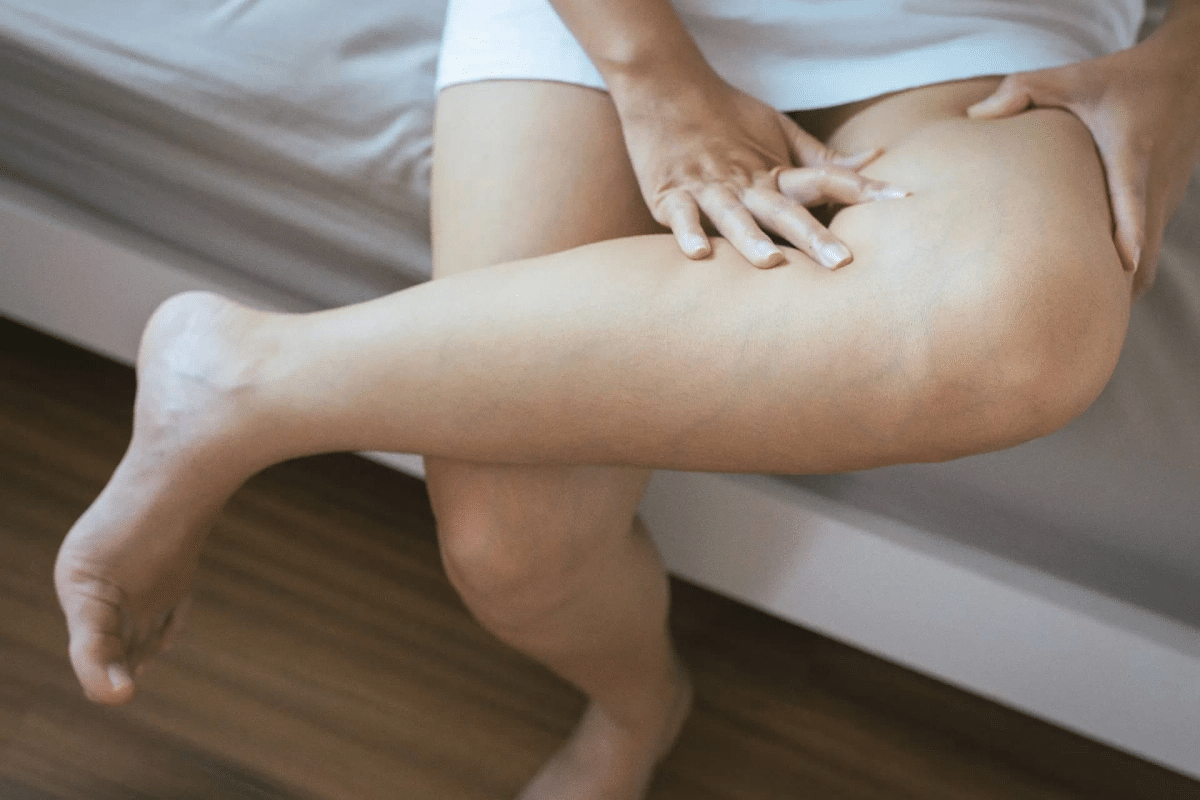
Varicose veins are veins that become wider and look swollen and twisted under the skin. They can appear lumpy or bulge out, causing discomfort. This condition is common and affects many people.
Definition and Appearance of Varicose Veins
Varicose veins are veins that look enlarged and twisted. They are often found in the legs, where the pressure is highest. The swollen vein in leg can be painful and unsightly, affecting both physical and mental health.
The look of varicose veins can vary. Some are small and spider-like, while others are larger and more noticeable. The condition often causes varicose veins ache, ranging from mild discomfort to severe pain.
Statistics and Prevalence in the United States
Varicose veins are a big health issue in the United States. About 24% of adults in the U.S. have varicose veins. Around 6% have advanced chronic venous disease. These numbers show how common and serious the condition is.
- Varicose veins affect a lot of adults.
- It’s more common among older adults and women.
- Family history is a big factor in getting varicose veins.
Knowing varicose veins statistics is key for prevention and treatment. By understanding the prevalence and risk factors, people can take steps to avoid getting varicose veins.
The Science Behind Varicose Vein Pain
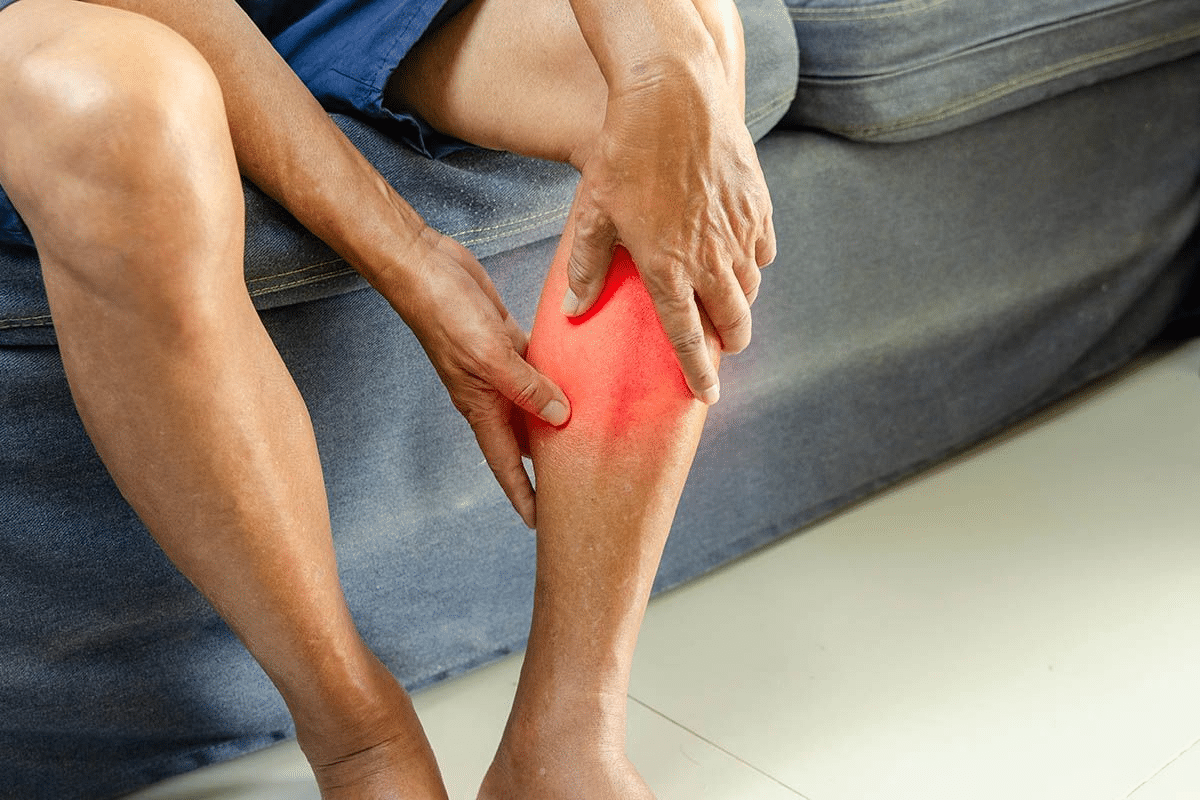
Varicose veins can cause a lot of pain, but it’s not always easy to understand why. Studies show that 59% of people with varicose veins have pain in their lower legs. This shows a clear link between the condition and pain.
The extra blood makes the vein swell, which puts pressure on nerves and muscles in your legs. This pressure leads to pain. The type and severity of pain can vary from person to person.
How Pain Develops in Venous Disease
Pain from varicose veins comes from a few main causes. The main one is the increased pressure on the veins and the tissues around them. This pressure irritates the nerves, causing pain.
- Increased venous pressure
- Irritation of surrounding nerves
- Inflammation of the venous walls
These factors lead to pain that can feel like a dull ache or sharp stabbing. Knowing how pain develops helps doctors find better treatments.
Types and Characteristics of Varicose Vein Pain
Varicose vein pain can be different for everyone. Some common signs include:
- Aching or feeling heavy in the legs
- Sharp pains or cramps, often at night
- Pain that gets worse during the day, after standing or sitting for a long time
Key characteristics of varicose vein pain include its variability and getting worse with standing or sitting for a long time. Knowing these signs helps doctors diagnose and treat the condition better.
In conclusion, varicose vein pain is complex and comes from many factors related to venous disease. Understanding the science behind it is key to managing and treating it effectively.
Swelling and Other Symptoms of Varicose Veins
Varicose veins can cause more than just visible signs. They can lead to symptoms that affect your daily life. These symptoms are not just about looks but can really change how you feel.
Mechanisms of Leg Swelling in Venous Disease
Leg swelling is a common problem with varicose veins. It happens because blood doesn’t circulate well back to the heart. This causes fluid to build up in the legs, known as edema.
Things like high blood pressure, heart issues, kidney diseases, and being overweight can make it worse.
The reasons for leg swelling in venous disease are:
- Incompetent venous valves letting blood flow backwards
- Increased pressure in the veins
- Fluid leaking into the tissue around the veins
Additional Symptoms: Heaviness, Night Cramps, and Tingling
People with varicose veins often have more symptoms than just swelling. They might feel:
- A heaviness or tiredness in their legs, felt by about 43% of patients
- Night cramps that can mess up sleep
- Tingling or numbness in their legs
These symptoms are not just annoying; they can really affect your daily life and happiness. For example, night cramps can make it hard to sleep well.
About 29% of people with varicose veins have swelling. This shows how common these symptoms are for those affected.
The Underlying Causes of Varicose Veins
Varicose veins come from valve incompetency and weak venous walls. When veins’ valves don’t work right, blood pools in the lower limbs. This leads to varicose veins.
Valve Incompetency and Blood Pooling
Valve problems are a big reason for varicose veins. Veins have valves that let blood flow up to the heart. But if these valves don’t work, blood goes the wrong way, pooling in the lower limbs.
This pooling makes veins get bigger and twist, showing as varicose veins. The extra blood can also cause pain and discomfort.
- Incompetent valves allow blood to reflux, increasing pressure within the veins.
- Blood pooling leads to vein dilation and twisting, characteristic of varicose veins.
- The increased pressure and volume of blood can cause pain and discomfort.
Structural Deficiencies in Venous Walls
Weak venous walls also play a part in varicose veins. The walls have smooth muscle and elastic fibers that can weaken. This can happen due to genetics, age, and lifestyle.
Weak walls can’t handle blood pressure well, causing veins to dilate and become varicose. This can get worse with conditions like standing for long times or being overweight.
Key factors contributing to structural deficiencies include:
- Genetic predisposition to weak venous walls.
- Aging, which naturally weakens venous structures.
- Lifestyle factors, such as prolonged standing or heavy lifting.
Risk Factors for Developing Painful Varicose Veins
Knowing who might get varicose veins is important. Many things can increase your chance of getting them. These include your genes, lifestyle, and some health conditions.
Genetic and Hereditary Factors
Genetics play a big part in getting varicose veins. If your family has them, you might too. Studies show that if one parent has them, you’re at higher risk. If both parents do, the risk goes up even more.
Lifestyle and Occupational Contributors
Your lifestyle and job can also raise your risk. Standing or sitting for long times, being overweight, or not moving much can harm your veins. Jobs that make you stand a lot, like nursing or teaching, can also be risky because of the vein pressure.
|
Lifestyle Factor |
Risk Level |
|---|---|
|
Prolonged Standing |
High |
|
Obesity |
High |
|
Lack of Exercise |
Moderate |
Medical Conditions That Increase Risk
Some health issues can also up your risk. These include problems with blood flow and vein pressure. For example, pregnancy can lead to varicose veins because of the extra blood and vein pressure. Other issues, like deep vein thrombosis, can also raise your risk.
Knowing about these risk factors can help prevent and treat varicose veins early. By understanding the genetic, lifestyle, and health factors, you can take steps to lower your risk.
Progression from Varicose Veins to Chronic Venous Insufficiency
Varicose veins can turn into chronic venous insufficiency if not treated. This is a serious condition. Varicose veins are not just a cosmetic problem. They can cause more severe venous diseases if ignored.
Stages of Venous Disease Development
Venous disease progresses through several stages. It starts with varicose veins and can lead to more complex conditions. Chronic venous insufficiency is a key stage where veins have trouble sending blood back to the heart.
The stages are as follows:
- Initial appearance of varicose veins
- Development of symptoms such as pain and swelling
- Progression to chronic venous insufficiency
- Potential development of serious complications
Serious Complications of Untreated Varicose Veins
Untreated varicose veins can cause serious problems. Some complications include:
|
Complication |
Description |
|---|---|
|
Leg Ulceration |
Open sores that can be painful and difficult to heal |
|
Skin Changes |
Discoloration and thickening of the skin around the affected area |
|
Pigmentation |
Changes in skin color due to chronic inflammation |
|
Superficial Vein Thrombosis |
Formation of blood clots in superficial veins |
It’s important to see a doctor if symptoms get worse. Early treatment can stop the disease from getting worse and prevent complications.
Diagnosing Varicose Veins and Related Symptoms
Diagnosing varicose veins involves a physical check-up and advanced imaging. It’s key for treating and preventing problems.
Physical Examination and Medical History
The first step is a physical examination and looking at your medical history. A doctor will check your legs for signs like swelling or bulging veins.
Your medical history is also important. It helps spot risk factors and symptoms not seen in the physical check-up. You might talk about your symptoms, family history, and lifestyle.
Vascular Imaging and Diagnostic Tests
To confirm varicose veins, vascular imaging and diagnostic tests are used. Duplex ultrasound is a common test. It shows blood flow and vein problems.
Other tests, like venography, might be used in some cases. But duplex ultrasound is usually the first choice because it’s non-invasive and effective.
Early treatment is key for symptom relief and stopping the disease from getting worse. If you have pain or swollen legs, your doctor might send you to a specialist for more tests and treatment.
Effective Treatments for Varicose Vein Pain and Swelling
Dealing with varicose vein pain and swelling needs a mix of lifestyle changes, compression therapy, and medical treatments. The right treatment depends on how bad the symptoms are, how big the varicose veins are, and your overall health.
Conservative Management: Compression Therapy and Lifestyle Changes
For many, the first step is conservative management. Compression therapy uses special stockings to help blood flow better and lessen swelling. Making lifestyle changes like exercising regularly, staying at a healthy weight, and not sitting or standing for too long also helps.
- Regular physical activity to improve circulation
- Weight management to reduce pressure on veins
- Avoiding long periods of standing or sitting
- Elevating legs to improve blood flow
Minimally Invasive Procedures: Sclerotherapy and Endovenous Treatments
For more serious cases, minimally invasive procedures are options. Sclerotherapy uses a solution to close the vein. Endovenous treatments, like laser therapy or radiofrequency ablation, use heat to seal the vein.
|
Procedure |
Description |
Benefits |
|---|---|---|
|
Sclerotherapy |
Injecting a solution to close off the vein |
Minimally invasive, quick recovery |
|
Endovenous Laser Therapy |
Using laser heat to close the vein |
High success rate, minimal scarring |
Surgical Options for Severe Cases
For the worst cases, surgical options might be needed. Vein stripping removes the varicose vein through small cuts. Other surgeries include ambulatory phlebectomy and ligation.
It’s key to talk to a healthcare expert to find the best treatment for your situation.
Conclusion: Prevention Strategies and Long-Term Management
Preventing varicose veins is key to feeling better and stopping them from getting worse. Simple changes in your life can make a big difference. This helps you enjoy a better quality of life.
Being active, resting your legs up, and wearing compression stockings can help. Walking or swimming regularly boosts blood flow and eases vein pressure. Also, resting your legs above your heart can cut down on swelling.
Managing varicose veins long-term means sticking to these habits and sometimes getting medical help. By using these prevention tips, you can lower your risk of serious problems and feel better. It’s also important to see your doctor regularly. This way, you can keep track of your condition and make any needed changes to your treatment.
FAQ
What are varicose veins and how do they cause leg pain and swelling?
Varicose veins are veins that are enlarged and twisted. They can cause pain and swelling in the legs. This happens because of poor blood circulation and increased pressure on the veins.
Do varicose veins cause leg pain?
Yes, varicose veins can cause leg pain. The pain can feel like a dull ache or sharp stabbing. It can also feel heavy, cause night cramps, and tingling.
What are the symptoms of varicose veins beside leg pain and swelling?
Varicose veins can also cause feelings of heaviness and night cramps. You might feel tingling or itching. You might also see dark purple or blue veins and lumpy or bulging veins.
Can varicose veins lead to more serious complications if left untreated?
Yes, if left untreated, varicose veins can lead to serious problems. These include skin ulcers, blood clots, and deep vein thrombosis.
How are varicose veins diagnosed?
Doctors diagnose varicose veins through physical exams and medical history. They also use tests like ultrasound and venography.
What are the treatment options for varicose vein pain and swelling?
Treatment options include conservative management and lifestyle changes. There are also minimally invasive procedures like sclerotherapy and endovenous treatments. For severe cases, surgery is an option.
Can varicose veins be prevented?
Some risk factors for varicose veins can’t be changed, like genetics. But, you can manage others by exercising regularly, staying at a healthy weight, and avoiding long periods of standing or sitting.
How can I manage varicose vein symptoms in the long term?
Long-term management involves lifestyle changes and compression therapy. Regular check-ups with a healthcare provider are also important to monitor the condition and adjust treatment as needed.
Are there any lifestyle changes that can help alleviate varicose vein symptoms?
Yes, changes like regular exercise, elevating your legs, and avoiding long periods of standing or sitting can help. Staying at a healthy weight is also important.
Can varicose veins cause swollen ankles?
Yes, varicose veins can cause swollen ankles. This happens because of fluid buildup and increased pressure on the veins. It can lead to swelling in the ankles and feet.
References
National Center for Biotechnology Information. Varicose Veins: Leg Pain and Swelling Prevalence. Retrieved from https://www.ncbi.nlm.nih.gov/pmc/articles/PMC9901234/)