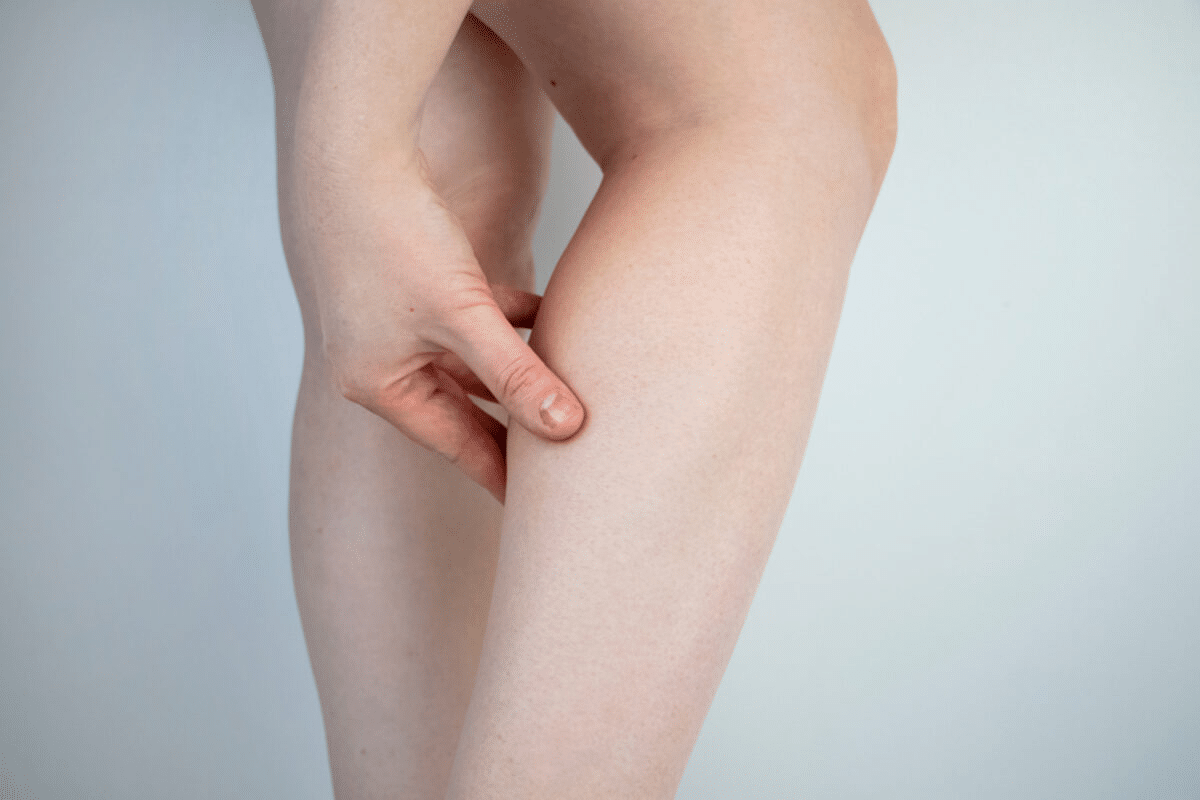
Seeing enlarged, twisted veins mostly in just one leg can worry you. It makes you think about your blood vessel health and future risks.
Many people with varicose veins in just one leg are puzzled. They ask why their veins are different on one side. Knowing that varicose veins in one leg come from certain body structures, vein harm, or blood flow problems helps clear up this mystery.
Key Takeaways
- Varicose veins can occur in one leg due to specific anatomical or circulatory issues.
- Localized vein damage can contribute to the development of unilateral varicose veins.
- Understanding the causes can help in addressing the condition effectively.
- Asymmetric vein changes are a common presentation in many patients.
- Consulting a vascular specialist can provide insights into the underlying reasons.
Understanding Varicose Veins in One Leg Only
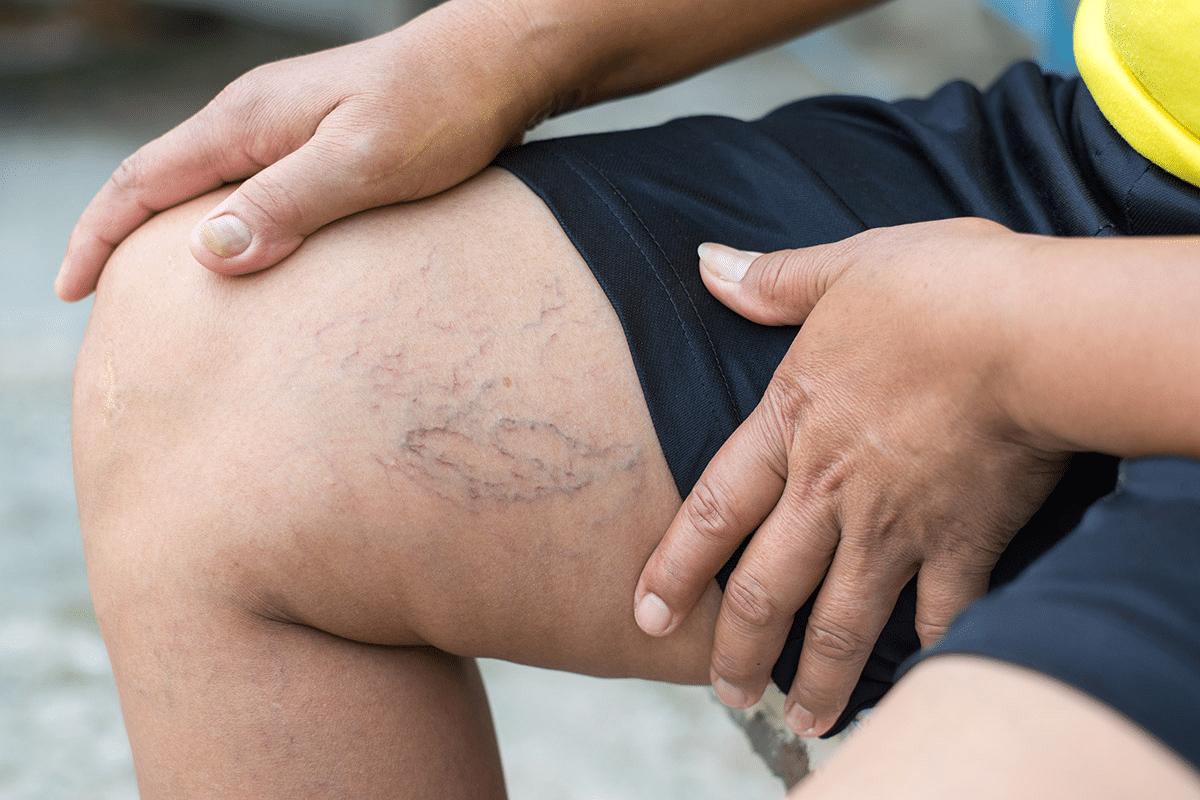
Varicose veins in just one leg is a common issue. It happens when blood flow and vein health are affected on one side of the body.
What Are Unilateral Varicose Veins?
Unilateral varicose veins are veins in one leg that get bigger and look twisted. They can look like ropes or bulges. This happens when the vein valves get weak or damaged, causing poor blood flow.
Many things can cause varicose veins in one leg only. These include genetics, lifestyle, and differences in leg anatomy.
Prevalence and Statistical Patterns
Research shows that unilateral varicose veins are more common than we thought. A lot of people have them, with many having them in just one leg.
Age, gender, and family history are key factors in getting unilateral varicose veins.
Normal vs. Abnormal Vein Appearance
Normal veins are usually not seen or are barely visible under the skin. But varicose veins are big and twisted. They look like bulging cords under the skin.
Knowing the difference between normal and abnormal veins is important. It helps spot problems early and get the right medical help.
Having veins in one leg that are varicose can cause pain and discomfort. It can also lead to more serious problems if not treated.
The Anatomy of Leg Veins
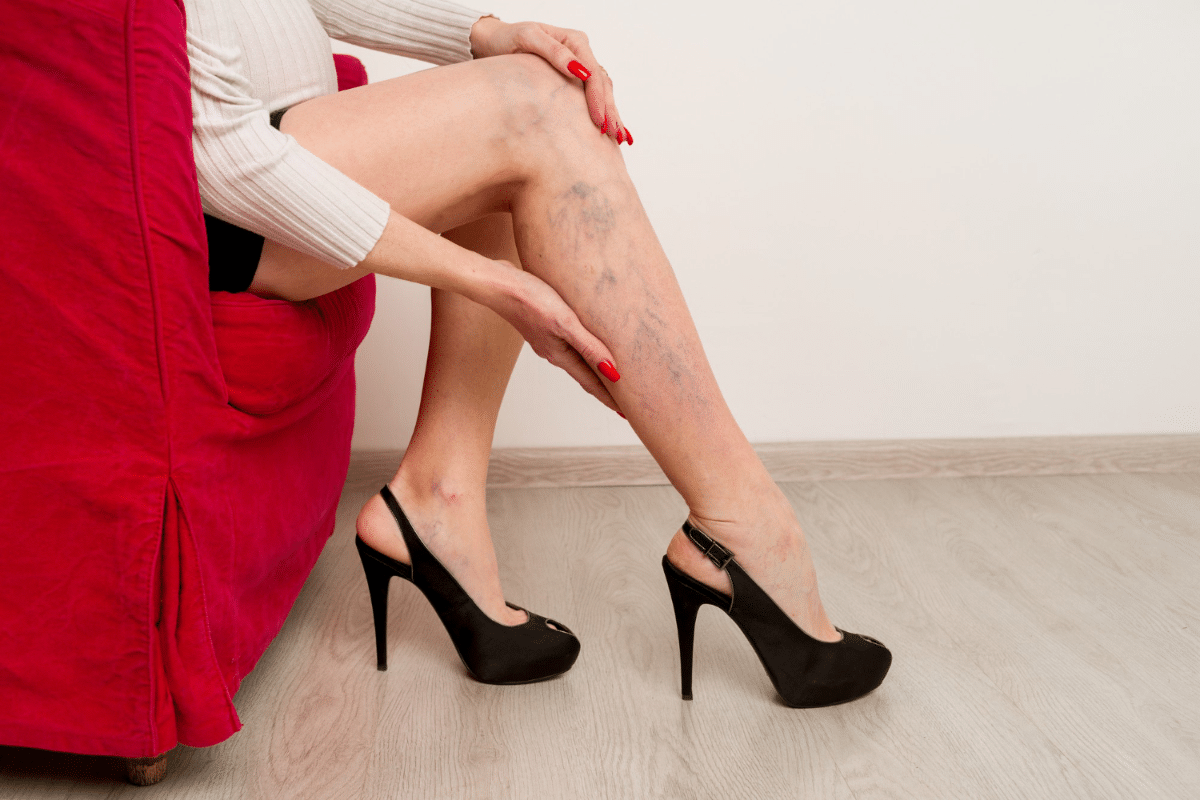
It’s important to know how leg veins work to understand varicose veins. Our legs have veins that help blood get back to the heart. These veins work together to do this job.
Venous System Structure
The veins in our legs are split into two groups: superficial and deep veins. Superficial veins are near the skin, while deep veins are deeper in the muscles. Both have valves to keep blood flowing the right way.
How Healthy Vein Valves Function
Healthy vein valves are key to our veins working right. They open to let blood flow to the heart and close to stop it from going back. If these valves get weak or damaged, blood can pool, causing varicose veins.
Differences Between Superficial and Deep Veins
Superficial veins are more likely to get varicose because they’re closer to the skin. This makes them more affected by pressure changes. Deep veins, surrounded by muscles, help push blood up. Knowing these differences helps us understand why varicose veins might happen more in one leg.
|
Characteristics |
Superficial Veins |
Deep Veins |
|---|---|---|
|
Location |
Close to the skin surface |
Deep within the muscles |
|
Function |
Drain blood from the skin and superficial tissues |
Drain blood from the muscles and deep tissues |
|
Susceptibility to Varicose Veins |
More prone due to less muscular support |
Less prone due to being surrounded by muscles |
Legs can be different in how they work, which can lead to varicose veins. Knowing these differences helps us tackle the problem.
Causes of Varicose Veins in One Leg Only
Varicose veins in one leg can be caused by several factors. Both legs may get affected later, but one leg often shows symptoms first. This is due to different reasons.
Anatomical Variations Between Legs
Differences in the anatomy of the left and right legs can lead to varicose veins in one leg. Structural variations in the venous system can affect blood flow and pooling in the legs.
For example, differences in length and alignment of the legs can impact venous pressure and blood flow. This can cause varicose veins in the leg that bears more pressure or has a different alignment.
Valve Dysfunction in Unilateral Cases
Valve dysfunction is a key factor in varicose veins. When the valves in one leg’s veins are weak or damaged, blood pools and stretches the veins.
This can be due to genetics, age, or injuries. The leg with worse valve dysfunction is more likely to get varicose veins.
Venous Pressure Differences
Venous pressure differences between the legs can also cause varicose veins in one leg. Factors like leg dominance and muscle mass differences can affect venous pressure.
|
Factor |
Effect on Venous Pressure |
|---|---|
|
Leg Dominance |
Increased pressure in the dominant leg |
|
Muscle Mass Differences |
Varied pressure due to differing muscle mass |
|
Previous Injuries |
Altered pressure due to scar tissue or damage |
Blood Flow Patterns and Pooling
Blood flow patterns and pooling are key to understanding why varicose veins often affect one leg more. The leg with poorer circulation or more blood pooling is more likely to get varicose veins.
Lifestyle, occupation, and health can affect blood flow patterns. For example, people who stand a lot may experience more blood pooling in their legs.
The Role of Previous Trauma and Injury
Varicose veins in one leg often start with a past injury or trauma. This part looks into how such events can cause varicose veins.
Impact of Leg Injuries on Vein Health
Leg injuries, big or small, can mess with vein function. An injury can harm veins or change how blood flows in the leg. This can weaken vein walls and valves, leading to varicose veins.
Direct damage to veins or the area around them can start a chain of problems leading to varicose veins. For example, a bad bruise or a broken bone can hurt vein structure right away. Smaller injuries might cause long-term inflammation that harms vein health.
Post-Surgical Complications
Surgeries on the leg can also cause varicose veins. Post-surgical complications like inflammation, scarring, or changed blood flow can hurt vein health. For instance, vein surgeries like stripping or sclerotherapy can sometimes cause new varicose veins if not done right.
Scar Tissue and Vein Compression
Scar tissue from injuries or surgeries can also lead to varicose veins. Scar tissue can squeeze or block veins, stopping normal blood flow. This blockage can raise pressure in the vein, making it varicose over time.
In summary, past injuries or surgeries on one leg are a big but often missed reason for varicose veins. Knowing how these events affect veins can help in preventing and treating varicose veins.
Genetic and Hormonal Factors
Genetics and hormones play big roles in why varicose veins often show up in just one leg. Studies show that genes can make some people more likely to get varicose veins.
Family History and Hereditary Patterns
If your family has a history of varicose veins, you might get them too. Parents or grandparents with varicose veins can pass on a higher risk to you. Research shows that genes can affect vein valves, leading to varicose veins.
Genetic predisposition can weaken vein walls and valves. This makes some people more likely to get varicose veins. It might also explain why veins sometimes show up more in one leg than the other.
Hormonal Influences on Vein Wall Integrity
Hormonal changes can make vein walls weaker. For example, changes during pregnancy or menopause can make veins more visible or varicose. Hormones like estrogen and progesterone can relax vein walls, causing valve problems.
The way hormones affect veins is complex and varies from person to person. Knowing how hormones work is key to understanding why varicose veins might appear in one leg.
Why Genetics May Affect One Leg First
Genetics can make one leg more prone to varicose veins because of asymmetries in human anatomy and physiology. Genetic factors can affect vein development and function differently in each leg. This can lead to varicose veins in one leg before the other.
Also, differences in blood flow and pressure between legs can cause varicose veins to appear in one leg first. Genetic predispositions can make these differences worse, making one leg more likely to get varicose veins.
Lifestyle Factors Contributing to Unilateral Varicose Veins
Lifestyle choices greatly affect the risk of varicose veins, often in just one leg. Daily activities can put uneven pressure on leg veins. This can cause varicose veins to appear more in one leg than the other.
Occupational Habits That Affect One Leg
Jobs that involve standing or sitting for long times can harm leg veins. Prolonged standing can make blood pool in veins, mainly if you stand in one spot. Sitting for long periods, like with legs crossed, also hinders blood flow and raises venous pressure.
“Prolonged standing and heavy lifting are known risk factors for varicose veins, as they increase pressure on the venous system.”Natalie G. Sutton, MD, Vascular Surgeon
Exercise and Activity Patterns
Exercise and activities can also impact vein health in one leg. Regular exercise is good for veins as it boosts circulation. Yet, some activities might stress one leg more than the other. For instance, athletes in sports that favor one leg, like cycling or running, might face uneven vein stress.
- Activities that improve circulation: walking, swimming, cycling
- Activities that might cause uneven stress: running, certain sports requiring repetitive leg use
Body Positioning and Leg Dominance
Body positioning and leg dominance also play roles. People often favor one leg over the other, leading to uneven wear on veins. Leg dominance can cause differences in muscle strength and venous pressure between legs.
|
Factor |
Effect on Veins |
|---|---|
|
Prolonged Standing |
Increased venous pressure |
|
Leg Dominance |
Uneven stress on veins |
|
Exercise Patterns |
Improved circulation or uneven stress |
Weight-Bearing Differences
Weight-bearing differences between legs can also lead to varicose veins in one leg. People with uneven weight distribution, like a limp, may face higher pressure on the weight-bearing leg’s veins.
Knowing these lifestyle factors can help prevent varicose veins in one leg. By changing daily habits and activities, people can improve vein health and lower the risk of varicose veins.
Medical Conditions Associated with One-Sided Varicose Veins
Varicose veins in just one leg can be a worry. They often point to health issues. Some conditions can make varicose veins more likely, and they can show up on one side.
Deep Vein Thrombosis (DVT)
Deep Vein Thrombosis is when a blood clot forms in deep veins, usually in the legs. It can cause varicose veins by blocking blood flow. This leads to more pressure in the veins on the surface.
May-Thurner Syndrome
May-Thurner Syndrome happens when the left common iliac vein gets squished by the right common iliac artery. This squishing can stop blood from flowing well in the left leg. It can cause varicose veins.
Pelvic Congestion Syndrome
Pelvic Congestion Syndrome is when you have varicose veins in the pelvic area. It can cause pain and discomfort. This condition can lead to varicose veins in one leg because of bad blood flow and high pressure.
Other Vascular Abnormalities
Other vascular problems, like arteriovenous malformations or venous malformations, can also cause varicose veins in one leg. These issues can mess up blood flow, leading to varicose veins.
|
Medical Condition |
Description |
Effect on Varicose Veins |
|---|---|---|
|
Deep Vein Thrombosis (DVT) |
Blood clot in deep veins |
Obstructs normal blood flow, increasing pressure in superficial veins |
|
May-Thurner Syndrome |
Compression of left common iliac vein by right common iliac artery |
Restricts blood flow from the left leg |
|
Pelvic Congestion Syndrome |
Varicose veins in the pelvic region |
Causes pain and discomfort, leading to varicose veins in one leg |
It’s important to know about these medical conditions to diagnose and treat varicose veins in one leg. A detailed check-up and diagnosis can find the cause. This helps in choosing the right treatment.
Diagnosing Varicose Veins in One Leg
Figuring out why you have varicose veins in one leg takes a few steps. It’s key to find out what’s causing it. This helps doctors suggest the right treatment.
Physical Examination Techniques
First, doctors look at your legs to spot varicose veins. They check for swelling, color changes, or bulging veins. They also feel for tenderness or pain.
Doctors might ask you to stand or sit to see how veins act under gravity. They might use a Doppler device to listen to your veins. This helps them find any problems with blood flow.
Ultrasound and Other Imaging Methods
Ultrasound is a big help in finding varicose veins. It lets doctors see how blood moves and veins look. A non-invasive ultrasound can spot issues like faulty valves or blood pooling.
Other tests, like duplex ultrasound, give more details about blood flow and vein health. These tests are easy and help doctors plan your treatment.
Differential Diagnosis Considerations
When checking for varicose veins, doctors also look for other possible problems. This includes deep vein thrombosis (DVT) or peripheral artery disease. A good diagnosis rules out these issues and makes sure you get the right treatment for varicose veins.
Doctors look at your medical history, symptoms, and physical exam to make a correct diagnosis.
When to See a Vascular Specialist
If you think you might have varicose veins in one leg, see a vascular specialist. They know how to diagnose and treat varicose veins well. A vein specialist can quickly check with an ultrasound and suggest the best treatment to fix blood flow.
“Early diagnosis and treatment of varicose veins can prevent complications and improve quality of life.”
If you have ongoing or severe symptoms, get medical help right away. Getting a diagnosis early can really help manage varicose veins and stop more problems.
Treatment Options for Unilateral Varicose Veins
When varicose veins only affect one leg, treatment can be customized. The choice depends on how bad the symptoms are, the damage to the veins, and the patient’s health.
Conservative Management Approaches
For mild cases, starting with conservative management is common. This includes:
- Wearing compression stockings to help blood flow and reduce swelling
- Making lifestyle changes like exercising regularly and elevating the leg
- Managing weight to lessen pressure on the veins
Compression therapy is very helpful in managing symptoms and stopping them from getting worse. A vascular specialist notes that
“Compression stockings are a simple yet effective way to manage varicose veins, when used with other treatments.”
Minimally Invasive Procedures
For more serious cases, minimally invasive procedures are often suggested. These include:
- Sclerotherapy, where a solution is injected into the vein to close it
- Endovenous laser treatment (EVLT), which uses laser heat to seal the vein
EVLT is very effective for larger veins and has little downtime.
“Endovenous laser treatment has revolutionized varicose vein management, providing a safe and effective solution with little scarring,”
Surgical Interventions
When varicose veins are severe or other treatments fail, surgery might be needed. Surgical options include:
- Vein stripping, where the affected vein is removed
- Ambulatory phlebectomy, a procedure to remove varicose veins through small cuts
Surgery is usually considered for severe symptoms or complications.
“Surgery is a viable option for patients with severe varicose veins, providing significant symptom relief,”
an expert in vascular surgery says.
Recovery and Expected Outcomes
Recovery from varicose vein treatments varies by procedure. Generally, patients can expect:
- Little downtime for minimally invasive procedures
- Some bruising and swelling after surgery, which usually goes away in a few weeks
- Improvement in symptoms and appearance of the affected leg
The goal is not just to relieve symptoms but to improve life quality.
“Most patients see a big improvement in their symptoms and can get back to normal activities quickly,”
a clinical review states.
Preventing Progression to Both Legs
Varicose veins in one leg can spread to the other if we don’t act. It’s important to know how to stop them from getting worse. This is key for those who already have them in one leg.
Lifestyle Modifications
Changing our lifestyle can help prevent varicose veins from spreading. Here are some important changes:
- Regular walking to improve circulation
- Elevating the legs to reduce pressure
- Maintaining a healthy weight to reduce strain on the veins
- Avoiding prolonged standing or sitting
These simple steps can greatly help. For example, walking regularly boosts blood flow. Elevating your legs also helps by lowering venous pressure.
Compression Therapy Benefits
Compression therapy is a great way to manage varicose veins. It helps prevent them from getting worse. By wearing compression stockings, you can:
- Improve blood flow
- Reduce swelling
- Prevent blood from pooling in the veins
Compression stockings come in different levels. A healthcare professional will help find the right one for you. Using them regularly can greatly benefit those with varicose veins.
Exercise Recommendations
Exercise is key in preventing varicose veins from getting worse. Good exercises include:
- Cycling
- Swimming
- Leg lifts and toe curls
These exercises improve blood flow without straining your legs too much. It’s best to avoid high-impact activities that can make things worse.
Regular Monitoring Strategies
Keeping an eye on your veins is important. This helps catch any problems early. Here’s how:
- Regular check-ups with a vascular specialist
- Monitoring for symptoms such as pain, swelling, and discoloration
- Using ultrasound to assess vein health
By being vigilant and checking your veins often, you can stop varicose veins from spreading. This way, you can manage your symptoms better.
Conclusion
Understanding varicose veins in one leg is key to managing them well. These veins can be caused by many things, like how your body is made, your genes, and your lifestyle. Knowing what causes them is important to stop them from getting worse.
Varicose veins can lead to serious problems if not treated. These include skin changes, ulcers, or bleeding. These issues not only look bad but also lower your quality of life. So, if your symptoms don’t go away or get worse, you should see a doctor.
To stop varicose veins from getting worse, you need to make some changes. This includes exercising regularly and using compression therapy. Knowing why you have varicose veins and acting early can help a lot. If you have varicose veins, seeing a vascular specialist can help you find the best treatment.
Dealing with varicose veins in one leg is more than just about looks. It’s about keeping your veins healthy. With the right steps, you can feel better and stop the problem from spreading.
FAQ
Why do I have varicose veins in one leg only?
Varicose veins in one leg can happen for many reasons. These include differences in body structure, problems with vein valves, and lifestyle choices that favor one leg.
Are varicose veins in one leg a sign of a serious condition?
Varicose veins can be more than just a cosmetic issue. They might signal deeper problems like deep vein thrombosis or May-Thurner Syndrome. These need medical care.
Can previous trauma or injury cause varicose veins in one leg?
Yes, injuries to one leg can lead to varicose veins. This happens when veins get damaged and blood flow is disrupted.
How do genetic and hormonal factors contribute to varicose veins in one leg?
Genetics and hormones can weaken vein walls. This makes some people more likely to get varicose veins, often in one leg more than the other.
Can lifestyle factors contribute to varicose veins in one leg?
Yes, lifestyle choices can increase pressure on one leg. This can lead to varicose veins. Factors include job habits, exercise, and how you sit or stand.
What are the treatment options for varicose veins in one leg?
Treatments range from simple changes in lifestyle to more advanced procedures. Options include compression therapy, lifestyle changes, and even surgery.
Can varicose veins in one leg be prevented from progressing to the other leg?
Yes, making lifestyle changes and using compression therapy can help. Regular vein health checks are also important to prevent varicose veins from spreading.
Why are my legs so veiny?
Visible veins can come from thin skin, low body fat, and genetics. Vein health issues also play a role.
What is the role of vein valves in preventing varicose veins?
Vein valves are key to stopping blood from flowing backward. This helps prevent varicose veins from forming.
When should I see a vascular specialist for varicose veins in one leg?
See a vascular specialist if you have pain, swelling, or discoloration in one leg. Or if you’re worried about varicose veins, get an expert’s opinion.