
Did you know that nearly 1 in 4 adults over 40 have peripheral artery disease? This is often found with a vascular ultrasound. This test is essential for assessing blood flow and detecting vascular diseases. It’s important to prepare well for the test to get accurate results vascular ultrasound.
We’ll show you how to get ready for your test by avoiding certain things beforehand. Knowing what to do and what to avoid can greatly improve your test’s accuracy.
Key Takeaways
- Understand the importance of proper preparation for a vascular ultrasound.
- Learn what actions to avoid before the test.
- Discover how preparation impacts the accuracy of test results.
- Find out what a vascular ultrasound can diagnose.
- Get insights into the role of heart tests and blood tests in diagnosing heart conditions.
Understanding Vascular Ultrasound Procedure
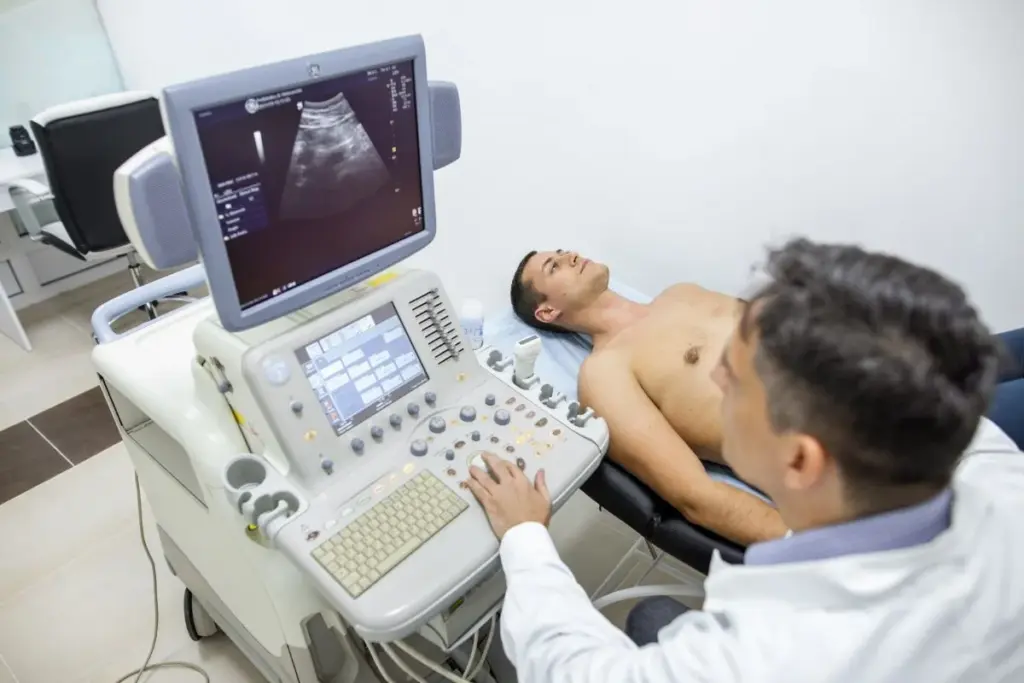
To understand the vascular ultrasound procedure, it’s key to know what it is and why it’s important. We’ll explore what a vascular ultrasound is, its purpose, and its benefits.
Vascular ultrasound uses sound waves to create images of blood vessels. It’s a non-invasive test that checks blood flow and finds problems like blockages or blood clots.
What is a Vascular Ultrasound?
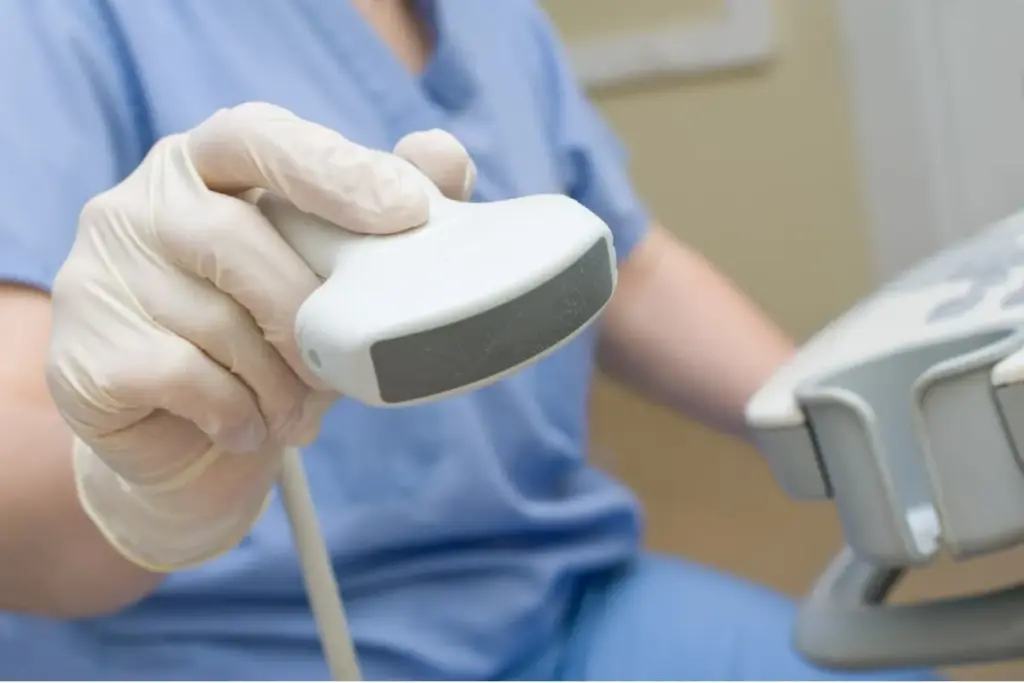
A vascular ultrasound uses a probe that sends sound waves. These waves bounce off blood vessels, showing images on a screen. It’s vital for finding issues like deep vein thrombosis (DVT), varicose veins, and peripheral artery disease.
A trained sonographer or healthcare provider does the test. They apply gel to the skin and move the probe over the area being checked.
Purpose and Benefits of the Procedure
The main goal of a vascular ultrasound is to check blood flow and find any problems in blood vessels. It’s non-invasive, doesn’t use radiation, and shows real-time images of blood flow.
This test helps patients get an accurate diagnosis, which is key for treatment. It’s great for people at risk of heart attack or stroke. It finds blockages and other vascular issues.
Common Reasons for Vascular Ultrasound Examinations
Vascular ultrasounds are key in checking blood flow and spotting problems in the blood vessels. They help doctors find and keep track of many conditions that affect blood vessels and how blood circulates.
Healthcare providers often order vascular ultrasounds for a couple of main reasons. They want to find blood clots and check for blood flow problems.
Diagnosis of Blood Clots
Vascular ultrasounds are mainly used to find deep vein thrombosis (DVT). DVT is when a blood clot forms in a deep vein, usually in the legs. This can be dangerous because the clot can move to the lungs and cause a pulmonary embolism.
If you have pain, swelling, or redness in your leg, you might need a vascular ultrasound. It’s important to see a doctor right away if you notice these symptoms.
Evaluating Blood Flow Issues
Ultrasounds also help check blood flow problems like stenosis (narrowing) or occlusion (blockage). These can reduce blood flow to important organs and cause serious health issues.
Doctors use ultrasounds to find out why you might have leg pain or cramping when you’re active. This helps them decide the best treatment to improve blood flow and keep your blood vessels healthy.
Pre-Appointment Instructions: An Overview
To get the most out of your vascular ultrasound, it’s key to follow specific pre-appointment instructions. Proper preparation is vital for the success of the test. It ensures the results are accurate and reliable.
Importance of Following Guidelines
Following your healthcare provider’s guidelines is essential for a smooth vascular ultrasound. These guidelines help prepare you for the procedure. They also minimize any risks or complications.
Preparing for Your Appointment
Preparing for your vascular ultrasound involves several steps. Here are some key considerations:
- Arrive at least 15 minutes before your scheduled appointment time to complete any necessary paperwork.
- Wear comfortable, loose-fitting clothing that allows easy access to the area being examined.
- Be prepared to provide information about your medical history, including any previous surgeries or conditions.
It’s also important to know what to expect during the procedure. A vascular ultrasound is a non-invasive test. It uses sound waves to create images of the blood vessels. It’s used to diagnose various conditions, like blood clots and blockages.
|
Instruction |
Description |
|---|---|
|
Arrival Time |
Arrive at least 15 minutes before your scheduled appointment. |
|
Clothing |
Wear loose, comfortable clothing for easy access. |
|
Medical History |
Be prepared to discuss your medical history. |
By following these pre-appointment instructions and understanding what to expect, you can help ensure a successful vascular ultrasound. If you have any questions or concerns, don’t hesitate to reach out to your healthcare provider.
Food and Drink Restrictions
To get the best results from a vascular ultrasound, you need to make some dietary changes. We know it can be tough to get ready for a medical test. But, it’s key to follow these tips for a good test.
Fasting Before the Procedure
Fasting is often needed before a vascular ultrasound. This is to avoid foods and drinks that might mess up the test results. Usually, you’re told to fast for 8 to 12 hours before the test. But, your doctor might give you different instructions.
It’s very important to stick to these fasting rules. Eating or drinking before the test can make the results wrong or need a redo. This could slow down getting your diagnosis and treatment.
Foods to Avoid Prior to the Ultrasound
Some foods and drinks can change how blood flows and affect your ultrasound results. Try to avoid big meals, caffeine, and foods with lots of sugar or fat before the test.
- Caffeine: Stay away from caffeinated drinks as they can make blood vessels narrow.
- High-Fat Foods: Foods with a lot of fat can change blood lipid levels and affect test results.
- Sugary Drinks: Drinks with a lot of sugar can mess with blood sugar and heart health.
By following these food and drink rules, you help make sure your vascular ultrasound results are right. This lets your healthcare team make the best choices for your care.
Medication Management
Before your vascular ultrasound, it’s important to talk about your medications with your doctor. This is key to make sure your meds don’t mess with the test results or the procedure.
Discussing Current Medications
Get ready for your vascular ultrasound by making a list of all your meds. This includes prescription drugs, over-the-counter stuff, vitamins, and supplements. Telling your doctor about your meds is important for your safety and the success of the test.
Which Medications Should Be Avoided?
Some meds might need to be changed or stopped before your test. For example, blood thinners like anticoagulants might need special care. Your doctor will tell you what to do based on your meds and health.
Creating a Medication Management Plan
To manage your meds before your vascular ultrasound, do the following:
- Write down all your current meds and how much you take.
- Tell your doctor about your meds during your pre-test visit.
- Do what your doctor says about changing your meds.
- Ask why you need to change your meds to understand better.
|
Medication Type |
Action Required |
Reason |
|---|---|---|
|
Anticoagulants |
Potential adjustment or temporary stop |
To prevent excessive bleeding or ensure accurate ultrasound results |
|
Blood Pressure Medications |
Continue as usual unless instructed to stop |
To keep your blood pressure stable during the test |
|
Over-the-counter pain relievers |
Talk to your doctor; they might adjust based on your health |
To avoid bad reactions with other meds or tests |
By following these steps and talking to your doctor about your meds, you can make sure your vascular ultrasound goes smoothly and safely.
Smoking and Alcohol Use
Lifestyle choices like smoking and drinking alcohol are key to heart health. They can change how a vascular ultrasound works. Knowing their effects is very important before the test.
Effects of Tobacco on Ultrasound Results
Smoking is bad for blood vessels and can cause blockages. It lowers blood flow and raises blood pressure. Quitting smoking before the test makes results more accurate and is good for your heart.
Tobacco smoke harms blood vessel linings, making them more likely to block. This can make ultrasound results less clear. Not smoking helps get a better look at your heart health.
Alcohol Consumption Guidelines
Drinking too much alcohol can hurt your heart and blood vessels. It can lead to high blood pressure and heart disease. It’s best to stick to the guidelines of one drink a day for women and two for men.
Drinking less before a test can give a clearer picture of your heart health. Cutting down on alcohol is also good for your heart. Talk to your doctor about how much to drink before your test.
Attire and Accessories
To have a successful vascular ultrasound, dressing right is key. We know how important it is to prepare well for the procedure.
What to Wear to Your Appointment
For your vascular ultrasound, choose loose, comfy clothes that let you move easily. You’ll want clothes that can be taken off or moved out of the way.
For leg exams, wear shorts or easy-to-lift clothes. For upper body or arm scans, a short-sleeved shirt or roll-up clothes are best.
Jewelry and Accessories to Avoid
On your appointment day, skip jewelry or accessories that might mess with the ultrasound. This includes necklaces, earrings, or anything near the exam area.
Take off clothes with metal like zippers or buttons near the exam spot. Also, skip lotions, creams, or oils on the skin for better image quality.
Dressing right and avoiding certain items helps make your vascular ultrasound go smoothly.
Emotional and Physical Preparation
Getting ready emotionally and physically is important for a smooth vascular ultrasound. Being calm and prepared can help lower anxiety about the test. Many people feel stressed when they have to go for a medical test.
Staying Calm Before the Ultrasound
To stay calm, it helps to know what the test is about. A vascular ultrasound is a non-invasive test that uses sound waves to check blood vessels. Knowing this can ease some of the anxiety.
Practicing relaxation techniques like deep breathing or meditation can also help. We suggest arriving 10-15 minutes early for your appointment. This extra time can make you feel more ready for the test.
Addressing Anxieties and Concerns
If you’re feeling anxious or have concerns about the test, talk to your healthcare provider. They can offer advice and reassurance. It’s also good to have a family member or friend with you for support.
Tips for Reducing Anxiety:
- Understand the procedure to alleviate unknowns
- Practice relaxation techniques like deep breathing or meditation
- Arrive early to your appointment to get settled
- Discuss your concerns with your healthcare provider
- Bring a support person with you
By following these steps, you can prepare emotionally and physically for your vascular ultrasound. This makes the experience less stressful and more manageable.
Communication with Your Healthcare Provider
Good communication is key for a successful vascular ultrasound. You and your healthcare provider need to talk openly. This makes sure the test fits your needs and answers any questions you have.
Questions to Ask Before the Procedure
Before your vascular ultrasound, ask your healthcare provider important questions. This helps you get ready and feel less anxious. Here are some questions to consider:
- What is the purpose of the vascular ultrasound, and what will it diagnose?
- Are there any specific preparations I need to make before the procedure?
- How long will the procedure take, and what can I expect during it?
- Are there any risks or side effects associated with the ultrasound?
These questions will help you understand what to expect. It also helps you feel more prepared.
Importance of Full Disclosure of Health History
Telling your healthcare provider about your health history is very important. This includes any medical conditions, medications, and past surgeries. Being open about your health history helps your healthcare provider make the best decisions for you.
We stress the importance of sharing your health history. It affects how accurate and helpful your vascular ultrasound will be.
Post-Procedure Guidance and Expectations
After a vascular ultrasound, we give you detailed guidance for a smooth recovery. Knowing what to expect is key for your health.
Immediate Post-Procedure Care
You can usually go back to your normal activities right after. We’ll tell you how to care for yourself and when to come back for more checks.
Follow-Up Care and Results Discussion
Our team will look at the ultrasound images and give a detailed report to your doctor. Then, we’ll talk to you about the findings. We’ll explain what to do next and any follow-up care you might need.
We’re here for you long after the procedure. We want to help you manage any health issues and keep your vascular system healthy.
FAQ
What is a vascular ultrasound?
A vascular ultrasound is a test that uses sound waves to check blood flow. It looks for blockages or clots in arteries and veins.
Why is it essential to follow pre-appointment instructions for a vascular ultrasound?
Following instructions is key for accurate test results. This includes fasting, managing medications, and avoiding certain activities.
What foods should I avoid before a vascular ultrasound?
Avoid heavy meals and certain foods before the test. These can affect blood vessels and test results.
Can I take my medications as usual before a vascular ultrasound?
Talk to your healthcare provider about your medications. Some may need to be adjusted for accurate results.
How does smoking affect vascular ultrasound results?
Smoking can narrow blood vessels, impacting test results. Avoid smoking before the test for accurate results.
What should I wear to a vascular ultrasound appointment?
Wear loose, comfortable clothes for easy access. Avoid jewelry that might interfere with the test.
How can I stay calm before a vascular ultrasound?
Take deep breaths and ask your provider about the test. Knowing what to expect can help calm your nerves.
What questions should I ask my healthcare provider before a vascular ultrasound?
Ask about the procedure, instructions, and what to expect. Share your health history and any concerns.
What happens after a vascular ultrasound?
Your provider will discuss the results with you. They may recommend further tests or treatment based on the findings.
Will a vascular ultrasound show blockages in my arteries?
Yes, it can detect blockages and blood flow issues in arteries and veins.
Can a vascular ultrasound diagnose heart disease?
While not a direct test for heart disease, it can identify vascular conditions related to heart disease.
Are there any risks associated with a vascular ultrasound?
Vascular ultrasounds are safe and non-invasive. There are no significant risks or side effects.
References
New England Journal of Medicine. Evidence-Based Medical Insight. Retrieved from https://www.nejm.org/doi/full/10.1056/NEJMra1407104