
At Liv Hospital, we aim to provide top-notch healthcare. We support patients from all over the world. Vein angioplasty is a procedure to fix blocked or narrowed veins, usually in the legs. It helps improve blood flow and eases pain or swelling.
Our skilled team uses a special catheter to open up the vein. They might also place a stent to keep the vein open for good. This angioplasty procedure is known for its success in treating vein blockages. We help our patients understand every part of the process.
Key Takeaways
- Vein angioplasty is a minimally invasive procedure to treat blocked or narrowed veins.
- Liv Hospital provides extensive support for international patients.
- The procedure involves using a catheter with a balloon tip to widen the narrowed vein.
- Stent placement is often used to ensure long-term patency.
- Our team of experts guides patients through every step of the treatment process.
Understanding Vein Angioplasty: Definition and Purpose
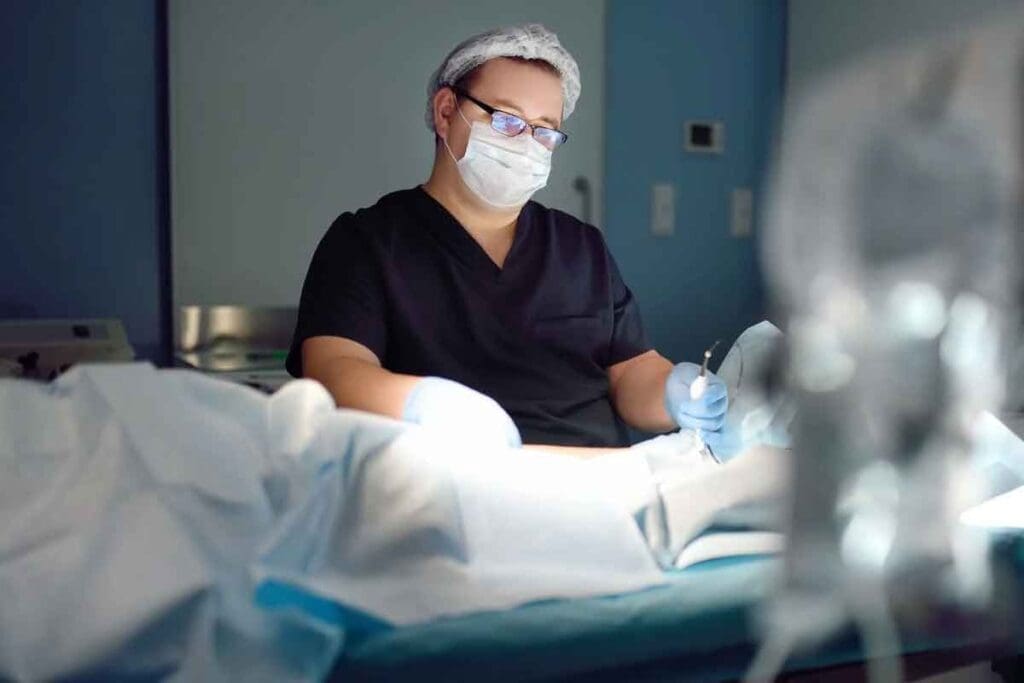
To understand vein angioplasty, it’s key to know what it is and what it treats. Vein angioplasty, also known as venous angioplasty, is a procedure to widen narrowed veins. It’s done to improve blood flow.
What is Vein Angioplasty?
Vein angioplasty uses a catheter with a balloon tip. The balloon is inflated to widen the vein. Then, a stent is placed to support the vein wall. This helps restore normal blood flow and relieves symptoms.
Common Conditions Treated with Vein Angioplasty
Vein angioplasty treats several venous disorders, including:
- Chronic venous insufficiency
- Deep venous thrombosis
- Venous stenosis
- May-Thurner syndrome
These conditions can cause serious health issues if not treated. Vein angioplasty is a less invasive option compared to surgery. It offers a good treatment choice for those with these conditions.
Differences Between Venous and Arterial Angioplasty
Both venous and arterial angioplasty use balloon catheters to widen narrowed vessels. But they differ mainly in the type of vessel treated: veins versus arteries.
| Characteristics | Venous Angioplasty | Arterial Angioplasty |
| Vessel Type | Veins | Arteries |
| Pressure Environment | Low pressure | High pressure |
| Common Indications | Chronic venous insufficiency, venous stenosis | Coronary artery disease, peripheral artery disease |
| Stent Usage | Often used to maintain patency | Frequently used, especially in the coronary arteries |
Knowing these differences helps healthcare providers choose the best treatment for vascular diseases.
Patient Selection and Evaluation
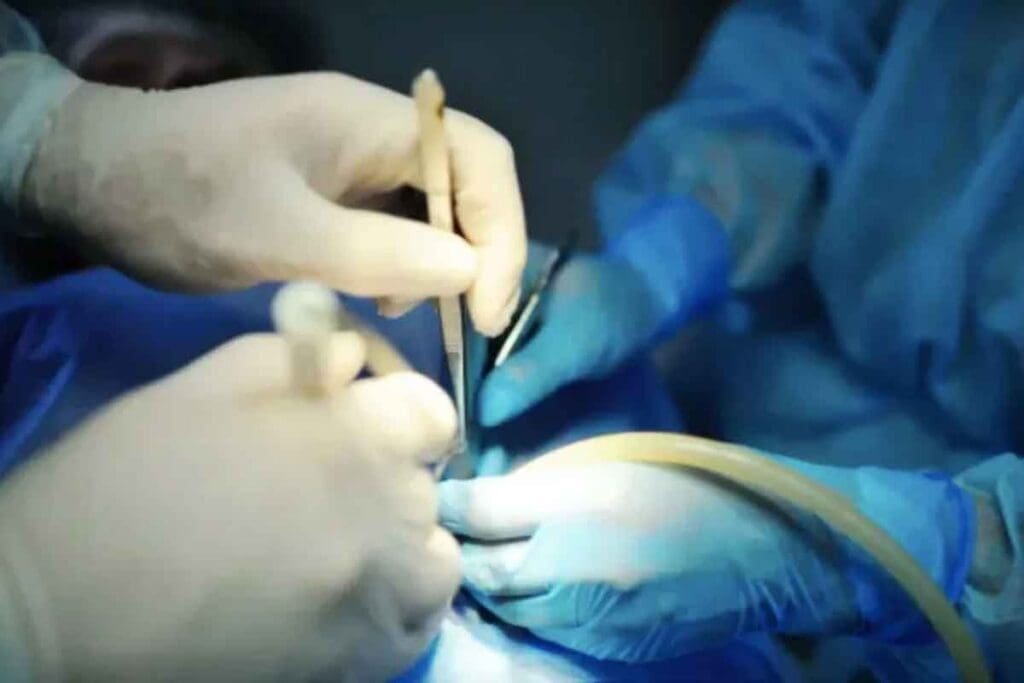
To get the best results, we must carefully check patients before doing vein angioplasty. Choosing the right patients is key to success and to avoid problems.
Ideal Candidates for Vein Angioplasty
Vein angioplasty helps those with chronic venous insufficiency or deep venous thrombosis a lot. The best candidates have symptoms that hurt their liality. Studies show it works well and is safe for them.
Common conditions treated with vascular angioplasty include:
- Chronic venous insufficiency
- Deep venous thrombosis
- Venous stenosis
Contraindications and Risk Factors
Vein angioplasty is mostly safe, but there are some no-gos. People with active infections, severe kidney disease, or who are pregnant might not be good candidates. We also look at risks like allergic reactions, bleeding, and damage to blood vessels.
Key risk factors include:
- Active infection
- Severe kidney disease
- Pregnancy
- Allergic reactions to contrast agents
Pre-procedure Diagnostic Tests
Before vein angioplasty, patients get special tests to see how bad their venous disease is. These tests help us figure out the best treatment plan.
Common diagnostic tests include:
| Diagnostic Test | Purpose |
| Venography | To see the veins and find blockages |
| Ultrasound | To check the blood flow and find any problems |
| CT or MRI scans | To get detailed pictures of the veins |
By picking the right patients and doing detailed checks, we can make vein angioplasty work best and keep risks low.
Equipment and Materials Needed for Vein Angioplasty
To do a venous angioplasty, doctors use special tools. The right tools are key to a successful procedure.
Catheterization Equipment
Catheterization tools are essential for vein angioplasty. They include guidewires, catheters, and sheaths. These help doctors reach the blockage in the vein.
- Guidewires: These thin, flexible wires guide the catheter to the right spot.
- Catheters: These tubes are put into the vein to place the balloon and stent.
- Sheaths: They give a stable path for catheters and other tools.
Balloon and Stent Types
The balloon and stent are vital for vein angioplasty. The balloon expands the narrowed vein. The stent, a metal tube, keeps the vein open after the procedure.
| Device Type | Description | Key Features |
| Balloon Catheter | Used to widen the narrowed vein | Available in various sizes, compliant or non-compliant |
| Bare Metal Stent | Keeps the vein open after angioplasty | Provides structural support, reduces restenosis |
| Drug-Eluting Stent | Releases medication to prevent restenosis | Reduces risk of vein re-narrowing, improves long-term patency |
Imaging Systems and Contrast Agents
Imaging systems and contrast agents are key for venous angioplasty. They help doctors see the vein and the tools they use.
We use tools like fluoroscopy and ultrasound to guide the procedure. Contrast agents help us see the vein under X-ray.
With top-notch catheterization tools, the right balloons and stents, and advanced imaging, we can make vein angioplasty successful.
Pre-Procedure Preparation
To get the best results from vein angioplasty, it’s key to prepare well before. We know it can feel scary to have a medical procedure. But with good preparation, we can make sure it goes smoothly and works well.
Patient Preparation Guidelines
We’ll give you specific rules to follow before the procedure. This might include not eating for a while or avoiding hard activities. We’ll also look at your health history to spot any risks or allergies.
It’s very important to stick to these rules to lower any risks. We’ll talk about the good and bad sides of the procedure. This way, you’ll know what to expect and feel okay with the plan.
Medication Management
We might ask you to stop some medicines before the procedure. Blood thinners, for instance, might be stopped to avoid bleeding. Our team will tell you exactly how to handle your medicines beforehand.
Sterile Field Setup
Keeping everything clean is vital for vein angioplasty to avoid infections. Our medical team will make a clean area around where the procedure will happen. They’ll use only clean tools and supplies to keep everything safe and clean.
Anesthesia Considerations
We’ll use local anesthesia to numb the area being treated. You might also get medicine to relax you. Our team will keep an eye on how you’re feeling during the procedure and adjust as needed.
By following these steps, we can make sure your vein angioplasty goes well. If you have any questions or worries, please let our team know.
Performing Vein Angioplasty: The Complete Procedure
The vein angioplasty procedure is key to fixing blocked blood flow. We use a thin tube called a catheter to reach the blockage. Then, we inflate a balloon with contrast fluid to open the vessel and improve blood flow.
Vascular Access Techniques
To start, we access the vein through a small cut in the groin or arm. A sheath is then inserted into the vein. Ultrasound guidance helps us place it accurately.
Catheter Navigation and Positioning
After accessing the vein, we guide the catheter to the blockage. We use fluoroscopy and contrast agents for this. It’s a delicate step to avoid harming the vein or dislodging clots.
Balloon Inflation Process
With the catheter in position, we inflate the balloon. This pushes the plaque against the vein walls, widening it. We control the inflation to prevent vein rupture.
Stent Deployment (When Necessary)
At times, a stent is placed after balloon angioplasty. The stent is a mesh tube that supports the vein. It helps maintain blood flow and prevents re-narrowing.
The whole process is done under local anesthesia and sedation. This makes sure patients are comfortable. Knowing these steps helps patients understand the skill and complexity of vein angioplasty.
- Vein angioplasty is a minimally invasive procedure.
- It involves accessing the blocked vein through a small incision.
- A catheter with a balloon is used to widen the blocked area.
- A stent may be placed to support the vein walls.
Post-Procedure Care and Recovery Timeline
The time after vein angioplasty is key to a good recovery. Patients need close monitoring and care to avoid problems and help with healing.
Immediate Post-Procedure Monitoring
Right after the procedure, patients stay in a recovery area for hours. Medical staff check vital signs and watch for any issues. They also help with pain and discomfort.
Access Site Management
Keeping the access site clean and dry is important. Patients should watch for signs of infection, like redness or swelling. Proper wound care is taught to prevent problems.
Discharge Instructions
Before leaving, patients get clear instructions on caring for themselves. They learn about activity levels, medication management, and follow-up appointments. They also know when to start normal activities again.
- Resume normal activities gradually
- Follow medication instructions carefully
- Attend all scheduled follow-up appointments
Follow-up Care Schedule
A schedule for follow-up care is set to check on the patient’s recovery. Follow-up appointments are usually a few weeks after the procedure. They may include tests to see how the vein is doing.
Following the care and recovery plan helps patients get the best results. Our healthcare team is dedicated to supporting patients every step of the way.
Potential Complications and Management
Vein angioplasty is generally safe, but knowing its risks is key to good care. Though rare, complications can affect patient results.
Common Complications
Vein angioplasty may lead to several issues, including:
- Bleeding or hematoma at the access site
- Infection
- Damage to the blood vessel wall
- Allergic reactions to contrast agents
- Stent malfunction or migration
These problems can be managed well with quick action and the right treatment.
Emergency Interventions
When complications happen, fast and effective emergency actions are vital. This might include:
- Administering medications to manage allergic reactions
- Applying manual compression or using closure devices to control bleeding
- Performing additional angioplasty or stenting to address vessel damage
- Initiating antibiotic therapy for infections
Emergency preparedness is essential for handling these situations well.
Long-term Complication Prevention
Preventing long-term issues is a big part of after-care. This includes:
- Monitoring for signs of stent malfunction
- Managing risk factors such as hypertension and diabetes
- Ensuring adherence to antiplatelet therapy
- Regular follow-up appointments to monitor vessel patency
| Complication | Prevention Strategy | Management Approach |
| Bleeding | Careful access site management | Manual compression or closure devices |
| Infection | Prophylactic antibiotics | Antibiotic therapy |
| Stent Malfunction | Regular monitoring | Additional stenting or angioplasty |
By knowing the risks of vein angioplasty and using good management, we can make sure patients do well. This helps the procedure succeed.
Vein Angioplasty vs. Alternative Treatments
Vein angioplasty is a treatment for venous disease, but how does it stack up against others? It’s one of several options, chosen based on different factors.
Comparison with Conservative Management
Conservative management is often the first step for venous disease. It includes lifestyle changes, compression therapy, and medication. It’s usually recommended for mild to moderate symptoms. But if symptoms don’t improve, vein angioplasty might be considered.
We suggest trying conservative management first. It helps see if simpler methods can help with symptoms.
“Conservative management remains a cornerstone in the treatment of venous disease, providing a non-invasive way to manage symptoms.”
Surgical Alternatives
Surgical options like venous bypass surgery or vein stripping are more invasive. They’re for severe cases or when other treatments fail. These surgeries have higher risks and longer recovery times than vein angioplasty.
| Treatment Option | Invasiveness | Recovery Time |
| Vein Angioplasty | Minimally Invasive | Short |
| Surgical Alternatives | Invasive | Long |
| Conservative Management | Non-Invasive | N/A |
When to Choose Vein Angioplasty
Vein angioplasty is good for those with significant stenosis or occlusion not helped by conservative methods. The choice of vein angioplasty depends on the patient’s health and condition severity. We consider symptoms, quality of life, and patient preferences when deciding.
Combined Treatment Approaches
Combining treatments can be the best option for some. For example, vein angioplasty with stenting or with conservative methods. Combined approaches can offer a more complete solution for venous disease. We create personalized plans that might include different therapies.
Understanding the options helps patients make informed choices. We’re here to guide and support them through treatment.
Conclusion
Vein angioplasty is a key treatment for venous disease. It’s a minimally invasive way to improve blood flow. At Liv Hospital, we’ve covered all the important parts of vein angioplasty.
This includes who can get it, how to prepare, the procedure itself, and aftercare. The success of vein angioplasty in improving blood flow is clear. But results can vary based on the blockage’s location and size.
Knowing the benefits and risks helps patients make the right choice. As a top healthcare provider, we aim to give our patients the best care. Vein angioplasty is a big step forward in treating venous disease. It offers a safe and effective way to treat blocked or narrowed veins.
FAQ
What is vein angioplasty?
Vein angioplasty is a procedure to widen narrowed or blocked veins. It often includes placing a stent to keep the vein open long-term.
What conditions are treated with vein angioplasty?
It treats conditions like chronic venous insufficiency and deep venous thrombosis.
How does vein angioplasty differ from arterial angioplasty?
Vein angioplasty works on veins, while arterial angioplasty works on arteries. Each has its own techniques and considerations.
What are the ideal candidates for vein angioplasty?
Patients with symptoms like pain, swelling, or skin changes are good candidates. These symptoms are due to venous insufficiency.
What diagnostic tests are required before vein angioplasty?
Tests like ultrasound and venography are done before the procedure. They help plan the best treatment.
What equipment is used during vein angioplasty?
The procedure uses catheters, balloons, and stents. It also employs imaging systems and contrast agents.
How is the patient prepared for vein angioplasty?
Patients are prepared with medication management and lifestyle changes. The procedure area is kept clean. Anesthesia is used for comfort and safety.
What are the possible complications of vein angioplasty?
Risks include bleeding, infection, and stent problems. Emergency plans and prevention strategies are key to managing these risks.
How does vein angioplasty compare to alternative treatments?
It’s compared to other treatments like conservative management and surgery. The best option depends on the patient’s condition.
What is the recovery process like after vein angioplasty?
Recovery includes monitoring and managing the access site. Patients receive discharge instructions and follow-up care to ensure a smooth recovery.
References
- Vedantham, S., Thorpe, P. E., Cardella, J. F., & et al. (2010). Quality improvement guidelines for the treatment of chronic venous disease with endovenous ablation: reporting standards. Journal of Vascular and Interventional Radiology, 21(3), 295-299. https://pubmed.ncbi.nlm.nih.gov/20122784/



 Departments
 Related Videos
 Our Doctors
 News
News