Nearly 6 million adults in the United States live with heart failure. This condition can change the heart’s structure and function a lot. Ventricular remodeling is when the heart’s ventricles change in size, shape, or function because of different conditions.What does it mean? Learn the crucial ventricular remodeling meaning and the powerful implications of this serious heart change today.
Heart conditions can be really tough to deal with. Ventricular remodeling is very important for heart health. It can affect cardiac function a lot. It usually happens because of things like high blood pressure or heart failure. Knowing about it is key to managing and treating it well.
Key Takeaways
- Ventricular remodeling refers to changes in the heart’s ventricles, affecting its size, shape, or function.
- It is often a response to underlying conditions such as hypertension or heart failure.
- Understanding ventricular remodeling is critical for managing heart health effectively.
- Changes in ventricular structure can significantly impact overall cardiac function.
- Effective treatment plans can help mitigate the effects of ventricular remodeling.
The Fundamentals of Ventricular Remodeling
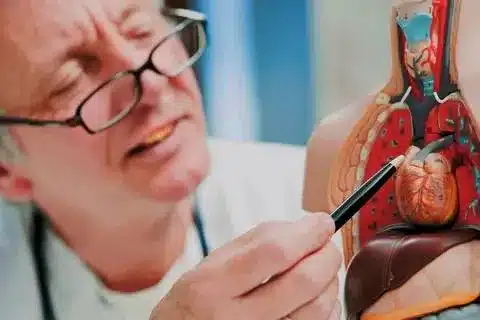
To understand ventricular remodeling, we must first look at the heart’s ventricles. These are key parts of the heart and play a big role in its health. Ventricular remodeling happens when the heart’s ventricles change in size, shape, and function. This can happen due to many different health issues.
Definition and Basic Concepts
Ventricular remodeling is a complex process. It involves changes in the heart’s ventricles. This can happen when the heart has to work harder, like with high blood pressure or valve problems.
The heart muscle can get thicker, a process called myocardial hypertrophy. Or, the ventricles can get bigger, known as chamber dilatation. Both can make the heart work less well over time.
Normal Heart Structure vs. Remodeled Heart
A normal heart has four chambers: the right and left atria, and the right and left ventricles. The ventricles are key for pumping blood. In a remodeled heart, the ventricles might get bigger or thicker. This can make it harder for them to pump blood well.
|
Characteristics |
Normal Heart |
Remodeled Heart |
|---|---|---|
|
Ventricular Size |
Normal dimensions |
Enlarged or thickened |
|
Pumping Efficiency |
Optimal function |
Reduced efficiency |
|
Wall Thickness |
Normal thickness |
Hypertrophied or thinned |
It’s important to understand these changes to diagnose and manage ventricular remodeling. If not treated, it can lead to heart failure.
The Physiology of the Heart’s Ventricles

The heart’s ventricles play a key role in understanding ventricular dysfunction and heart failure. They are the main pumping chambers of the heart. They make sure blood flows to the body and lungs.
Function of the Left and Right Ventricles
The left ventricle sends oxygen-rich blood to the body. The right ventricle sends oxygen-poor blood to the lungs. This teamwork is vital for good cardiac function.
The left ventricle is stronger and more muscular. It needs to pump blood harder to reach the body’s tissues.
The left and right ventricles must work together well. Any problem can cause ventricular dysfunction and heart failure.
How Ventricles Respond to Stress
When ventricles face stress, like high blood pressure, they change. These changes include:
- Hypertrophy (thickening of the ventricular walls)
- Dilation (enlargement of the ventricular chamber)
- Changes in the composition of the ventricular walls, including fibrosis
At first, these changes help the ventricles handle the extra work. But, long-term stress can cause more harm. It can lead to ventricular remodeling and heart failure.
It’s important to know how ventricles react to stress. This knowledge helps in finding ways to stop or treat ventricular dysfunction and its effects.
Types of Ventricular Remodeling
It’s important to know about the different types of ventricular remodeling. This knowledge helps doctors diagnose and treat heart problems better. Each type has its own signs and effects on the heart.
Concentric Remodeling
Concentric remodeling makes the ventricular walls thicker. This usually happens because of high blood pressure. It can make the heart chamber smaller, which might affect how well it fills with blood.
Key characteristics of concentric remodeling include:
- Increased wall thickness
- Reduced chamber size
- Potential for diastolic dysfunction
Eccentric Remodeling
Eccentric remodeling makes the chamber bigger with wall thickening. It’s often seen in conditions like valve problems or heart failure. This type is due to too much blood volume.
|
Characteristics |
Concentric Remodeling |
Eccentric Remodeling |
|---|---|---|
|
Wall Thickness |
Increased |
Variable |
|
Chamber Size |
Reduced |
Enlarged |
Right Ventricular Remodeling
Right ventricular remodeling is less common but serious. It happens in conditions like high blood pressure in the lungs or heart defects at birth. It changes the right ventricle’s structure and function, leading to serious health issues.
“The right ventricle’s response to stress and disease can be quite different from that of the left ventricle, necessitating a nuanced understanding of its remodeling processes.” – Expert in Cardiology
Each type of ventricular remodeling has its own challenges. It’s important to understand these differences to give the best care to patients.
Common Causes of Ventricular Remodeling
Understanding the causes of ventricular remodeling is key to managing it well. This complex process can be triggered by several cardiovascular diseases. We will look at the main causes, like myocardial infarction, hypertension, valvular heart disease, and cardiomyopathy.
Myocardial Infarction (Heart Attack)
A myocardial infarction, or heart attack, happens when blood flow to the heart is severely blocked. This causes damage to the heart muscle. The heart then tries to compensate by remodeling itself.
This process starts with inflammation, then scar formation, and changes in the heart’s structure. Myocardial infarction is a major cause of ventricular remodeling, affecting the heart’s function.
Hypertension (High Blood Pressure)
Hypertension, or high blood pressure, is another big cause of ventricular remodeling. The heart has to pump blood against higher pressure, leading to thickening of the ventricular walls.
This thickening can reduce the heart’s ability to pump blood, potentially leading to heart failure. Managing hypertension is key to prevent or slow ventricular remodeling.
Valvular Heart Disease
Valvular heart disease affects the heart valves. It can cause ventricular remodeling by changing blood flow through the heart, making the ventricles work harder.
For example, severe aortic stenosis can cause the left ventricle to thicken. Managing valvular heart disease is vital to prevent ventricular remodeling.
Cardiomyopathy
Cardiomyopathy is a group of diseases that affect the heart muscle, leading to ventricular remodeling. Conditions like dilated cardiomyopathy can make the ventricles enlarge and less efficient.
Knowing the specific type of cardiomyopathy is important for managing ventricular remodeling. Cardiomyopathy can significantly affect ventricular function, leading to heart failure if not treated.
|
Cause |
Description |
Impact on Ventricles |
|---|---|---|
|
Myocardial Infarction |
Damage to heart muscle due to blocked blood flow |
Scar formation, structural changes |
|
Hypertension |
Increased pressure against which the heart pumps |
Thickening of ventricular walls |
|
Valvular Heart Disease |
Conditions affecting heart valves |
Altered blood flow, increased workload |
|
Cardiomyopathy |
Diseases affecting the heart muscle |
Enlargement or thickening of ventricles |
The Molecular Mechanisms Behind Ventricular Remodeling
Ventricular remodeling is a complex process. It changes the heart’s structure and function due to various stimuli. This involves many cellular and neurohormonal factors.
Cellular Changes
At the cellular level, ventricular remodeling changes cardiac myocyte size, shape, and function. These changes also affect the extracellular matrix. This leads to fibrosis and stiffness in the heart tissue.
Cardiac myocytes grow in size and function when stressed. This can lead to dysfunction and death. The extracellular matrix is key to the heart’s structure. Its remodeling contributes to ventricular dysfunction.
Key cellular changes include:
- Myocyte hypertrophy
- Apoptosis and necrosis
- Changes in gene expression
- Extracellular matrix remodeling
Neurohormonal Activation
Neurohormonal activation is vital in ventricular remodeling. The RAAS and sympathetic nervous system are key pathways activated by cardiac stress.
“Activation of the renin-angiotensin-aldosterone system plays a vital role in heart failure. It contributes to vasoconstriction, sodium retention, and cardiac remodeling.”
These mechanisms lead to vasoconstriction, sodium retention, and more cardiac remodeling. This creates a cycle that worsens ventricular dysfunction.
|
Neurohormonal Pathway |
Effects on the Heart |
|---|---|
|
Renin-Angiotensin-Aldosterone System (RAAS) |
Vasoconstriction, sodium retention, cardiac remodeling |
|
Sympathetic Nervous System |
Increased heart rate, contractility, and cardiac workload |
Understanding these mechanisms is key to developing therapies. These therapies aim to prevent or reverse ventricular remodeling. They aim to improve outcomes in heart failure patients.
Symptoms Associated with Ventricular Remodeling
Knowing the symptoms of ventricular remodeling is key for early treatment. This condition can change how the heart works, leading to heart failure if not treated.
Early Warning Signs
The first signs of ventricular remodeling are subtle but important to spot. Some early symptoms include:
- Shortness of breath (dyspnea), which happens during activity or when lying down.
- Fatigue, feeling tired or lacking energy all the time.
- Swelling (edema) in the legs, ankles, and feet from fluid buildup.
These signs happen because the heart isn’t pumping well. This leads to fluid buildup in the body. Spotting these signs early can lead to quick medical help.
Advanced Symptoms
As ventricular remodeling gets worse, symptoms get more severe. Advanced symptoms include:
- Persistent coughing or wheezing, with frothy or blood-tinged mucus.
- Rapid or irregular heartbeat (palpitations), showing the heart’s worsening function.
- Increased swelling and weight gain from fluid retention.
- Confusion or difficulty concentrating, possibly from reduced blood flow to the brain.
In later stages, ventricular remodeling can severely harm the heart. This increases the risk of heart failure and other serious issues. People with these symptoms should get medical help right away.
We stress the need to know the symptoms of ventricular remodeling. Spotting them early and getting the right treatment can greatly improve outcomes for those affected.
How Ventricular Remodeling Affects Heart Function
Ventricular remodeling changes how the heart works. It affects the heart’s efficiency. The ventricles’ structure and function change, leading to complications.
We will look at how these changes affect two key heart functions: ejection fraction and cardiac output. Knowing these impacts helps manage ventricular remodeling better.
Impact on Ejection Fraction
Ejection fraction (EF) shows how much blood the left ventricle pumps out. A lower EF means the heart pumps less efficiently. Ventricular remodeling can cause EF to drop, leading to heart failure.
After a heart attack, the heart muscle may scar. This scarring reduces contractility and lowers EF.
Changes in Cardiac Output
Cardiac output (CO) is the heart’s blood pumping rate. Ventricular remodeling can change CO by affecting blood filling and ejection. A lower CO means less blood for the body, causing fatigue and shortness of breath.
Several factors affect CO due to ventricular remodeling. These include changes in ventricular size and function, heart rate, and vascular resistance. Managing these factors is key to keeping CO adequate.
To understand ventricular remodeling’s impact, consider these points:
- Reduced ejection fraction can lead to heart failure.
- Changes in cardiac output can cause inadequate blood supply.
- Managing underlying conditions is vital to reduce ventricular remodeling’s effects.
Ventricular remodeling significantly affects heart function. Understanding these effects helps healthcare providers create better treatment plans.
In conclusion, ventricular remodeling impacts heart function in many ways. It affects ejection fraction and cardiac output. Effective management is essential to prevent heart failure.
Diagnosing Ventricular Remodeling
Diagnosing ventricular remodeling needs advanced imaging and lab tests. These tools help us see how the heart works and how much remodeling has happened.
Imaging Techniques
Imaging is key in finding ventricular remodeling.
- Echocardiography is often the first choice. It shows the heart’s shape and how well it works.
- Cardiac Magnetic Resonance Imaging (MRI) gives clear pictures of the heart. This helps us measure how well the ventricles work.
- Cardiac Computed Tomography (CT) scans are used when MRI isn’t possible. They help see the heart’s structure.
Laboratory Tests and Biomarkers
Labs and biomarkers are also important for diagnosing ventricular remodeling.
- B-type natriuretic peptide (BNP) and N-terminal pro-b-type natriuretic peptide (NT-proBNP) show if the heart is failing.
- Other tests check the kidneys, electrolytes, and blood counts. They help understand the heart’s health.
By using these methods, we can find ventricular remodeling and plan the best treatment for each patient.
The Progression of Ventricular Remodeling
Ventricular remodeling is a complex process that can lead to heart failure if not managed well. It involves many physiological changes. These changes are influenced by the cause, comorbid conditions, and treatment effectiveness.
Timeline and Stages
Ventricular remodeling goes through several stages. Each stage has its own set of changes. At first, the heart tries to adapt to stress or injury, like high blood pressure or heart attack.
But over time, these changes can become harmful. The heart may start to dilate, become thick, and lose function. This can lead to heart failure.
Early stages of ventricular remodeling might not show symptoms. This makes it hard to catch early. As it gets worse, symptoms like shortness of breath, fatigue, and swelling appear.
The rate at which ventricular remodeling progresses varies. It depends on the cause, comorbidities, and treatment success.
“The progression of ventricular remodeling is a critical determinant of outcome in patients with heart disease.” – A renowned cardiologist
Risk Factors for Rapid Progression
Several factors can speed up ventricular remodeling. These include:
- Uncontrolled hypertension: High blood pressure is a big risk factor.
- Myocardial infarction: A heart attack can cause significant remodeling.
- Diabetes mellitus: Diabetes increases the risk of remodeling.
- Obesity and physical inactivity: Lifestyle choices are key in remodeling progression.
Managing these risk factors is vital. Lifestyle changes and medical treatments can slow remodeling. Understanding these factors helps healthcare providers create better treatment plans.
Medical Treatments for Ventricular Remodeling
Cardiac remodeling therapy is key in treating ventricular remodeling. It focuses on medicines and lifestyle changes. We’ll look at the medical treatments available, including the newest options and strategies to manage and possibly reverse the condition.
Medications
Medicines are vital in managing ventricular remodeling. The main goal is to lessen the heart’s workload and boost its function. Common medicines include:
- ACE inhibitors: These relax blood vessels, lower blood pressure, and reduce heart strain.
- Beta-blockers: Beta-blockers slow the heart rate, reducing the heart’s workload and improving its efficiency.
- Diuretics: Diuretics remove excess fluid, reducing swelling and the heart’s workload.
These medicines are often used together for better results. The right medicine depends on the cause of ventricular remodeling, the patient’s health, and other factors.
Managing Underlying Conditions
It’s also key to manage the conditions that lead to ventricular remodeling. This includes:
- Controlling hypertension: High blood pressure is a big risk for ventricular remodeling. Changes in lifestyle and medicines can help manage it.
- Managing heart failure: For heart failure patients, treatment includes medicines, lifestyle changes, and sometimes device therapy.
- Addressing valvular heart disease: Sometimes, surgery is needed to fix or replace damaged heart valves.
By managing these conditions well, we can slow or even reverse ventricular remodeling. This improves patient outcomes.
We take a complete approach to treating ventricular remodeling. This includes medicines, lifestyle changes, and managing underlying conditions for the best results.
Surgical and Interventional Approaches
Managing ventricular remodeling often requires surgery and interventions. These methods help restore heart function and improve life quality. They are key for those who haven’t improved with medicine or have severe disease.
Coronary Revascularization
Coronary revascularization, like coronary artery bypass grafting (CABG), is a surgery to improve heart blood flow. It’s vital for those with remodeling due to heart artery disease. CABG can lessen heart damage and possibly boost heart function.
Benefits of CABG:
- Improved survival in patients with significant coronary artery disease
- Reduction in symptoms such as angina
- Potential improvement in heart function
Valve Repair or Replacement
Valve repair or replacement is a key surgery for ventricular remodeling, often due to valve disease. Fixing or replacing the valve can greatly enhance heart function and patient results.
|
Procedure |
Indications |
Benefits |
|---|---|---|
|
Valve Repair |
Mitral regurgitation, other regurgitant lesions |
Preserves native valve, potentially fewer complications |
|
Valve Replacement |
Severe valvular disease, failed repair |
Effective for both stenotic and regurgitant valves |
Ventricular Assist Devices and Heart Transplantation
For severe heart failure due to ventricular remodeling, VADs and heart transplants are lifesaving. VADs are mechanical pumps that aid the heart. Heart transplants replace the failing heart with a healthy one.
Considerations for VADs and Heart Transplantation:
- Patient selection based on severity of heart failure and overall health
- Management of possible complications like infection and device failure
- Lifelong immunosuppression for transplant patients
These surgical and interventional methods are vital for managing ventricular remodeling. They give patients a chance to regain heart health and enhance their life quality.
Lifestyle Modifications to Manage Ventricular Remodeling
Lifestyle changes are key to managing ventricular remodeling and boosting heart health. By adopting healthy habits, you can greatly improve your well-being. This can also lower the risk of ventricular remodeling complications.
Exercise Recommendations
Regular physical activity is vital for heart health. It can enhance cardiac function, lessen symptoms, and improve life quality. Always talk to a healthcare provider to create a tailored exercise plan.
Types of Exercise:
- Aerobic exercises, such as walking or cycling, to improve cardiovascular health
- Resistance training to strengthen muscles
- Flexibility exercises to improve range of motion
|
Exercise Type |
Benefits |
Examples |
|---|---|---|
|
Aerobic |
Improves cardiovascular health, reduces symptoms |
Brisk walking, cycling, swimming |
|
Resistance |
Strengthens muscles, improves overall function |
Weight lifting, resistance band exercises |
|
Flexibility |
Enhances range of motion, reduces stiffness |
Yoga, stretching exercises |
Dietary Considerations
A balanced diet is essential for heart health. Focus on nutrient-rich foods like fruits, vegetables, whole grains, and lean proteins. It’s also important to limit sodium and avoid too much alcohol.
Key Dietary Recommendations:
- Eat a variety of fruits and vegetables
- Incorporate whole grains into your diet
- Choose lean protein sources, such as poultry or fish
- Limit sodium and saturated fats
Stress Management
Managing stress is vital for heart health. Techniques like meditation, deep breathing, or yoga can help. Explore different methods to find what works best for you.
Stress Management Techniques:
- Meditation and mindfulness practices
- Deep breathing exercises
- Yoga or tai chi
- Engaging in hobbies or relaxing activities
By making these lifestyle changes, people with ventricular remodeling can improve their heart health and life quality. It’s important to work with a healthcare provider to create a personalized plan.
Prevention Strategies for Those at Risk
Understanding how to prevent ventricular remodeling is vital for those at risk. Taking proactive steps can greatly lower the chance of getting this condition.
Controlling Risk Factors
One of the best ways to stop ventricular remodeling is by managing risk factors. This means keeping hypertension and diabetes under control. It’s important to work with your doctor to monitor and manage these conditions.
Making lifestyle changes is also key. Eating a healthy diet and staying active are important. These actions can boost heart health and lower the risk of ventricular remodeling.
Screening and Early Intervention
Early detection is key to stopping ventricular remodeling from getting worse. Regular screening can spot risks early. This might include tests like echocardiograms to check heart function.
For those at risk, early action can help. This might include medications and lifestyle changes. Early intervention can help prevent or slow ventricular remodeling.
In summary, preventing ventricular remodeling requires managing risk factors and early intervention. By understanding and using these strategies, people at risk can protect their heart health.
Prognosis and Long-term Outlook with Ventricular Remodeling
The outlook for ventricular remodeling depends on many factors. Knowing these factors helps both patients and doctors manage the condition better. This can lead to better long-term results.
Factors That Influence Prognosis
Several things affect how well ventricular remodeling will do. These include the reason for the remodeling, how well treatment works, and the patient’s health overall.
Underlying Cause: Why the remodeling started is very important. For example, heart attack-related remodeling might have a different outlook than remodeling from high blood pressure.
Treatment Effectiveness: How well the treatment works is also key. Treatments that fix the root cause and manage symptoms can greatly improve the outlook.
Potential Complications
Ventricular remodeling can lead to serious problems if not handled right. These issues can really affect a patient’s life quality and future outlook.
|
Complication |
Description |
Impact on Prognosis |
|---|---|---|
|
Heart Failure |
Progressive condition where the heart cannot pump enough blood |
Significantly worsens prognosis |
|
Arrhythmias |
Abnormal heart rhythms |
Can complicate treatment and worsen prognosis |
|
Cardiac Arrest |
Sudden loss of heart function |
Can be life-threatening, worsens prognosis |
Conclusion
Understanding ventricular remodeling is key to keeping your heart healthy. We’ve looked into its causes, symptoms, how to diagnose it, and treatment options. This knowledge is vital for your heart’s well-being.
Managing ventricular remodeling requires both medical care and lifestyle changes. Controlling high blood pressure and heart valve issues can greatly help. Eating right and exercising regularly are also important for your heart’s health.
Getting help from healthcare experts is essential. They can create a care plan just for you. This approach helps manage risks and improves your heart’s health.
FAQ
qWhat is ventricular remodeling, and how does it affect the heart?
Ventricular remodeling is when the heart’s ventricles change size, shape, and function. This often happens due to high blood pressure or heart attacks. If not treated, it can lead to heart failure.
What are the main types of ventricular remodeling?
There are three main types. Concentric remodeling makes the ventricular wall thicker. Eccentric remodeling causes the ventricle to get bigger. Right ventricular remodeling affects the right side of the heart. Each type has its own effects and symptoms.
What causes ventricular remodeling?
Heart attacks, high blood pressure, and heart valve problems are common causes. These conditions can change the heart’s structure and function, leading to remodeling.
How is ventricular remodeling diagnosed?
Doctors use echocardiography and MRI to see the heart. They also check blood tests and biomarkers for heart damage. These tools help figure out the extent and type of remodeling.
What are the symptoms of ventricular remodeling?
Symptoms can start with shortness of breath and feeling tired. As it gets worse, you might notice swelling in your legs and irregular heartbeats. The severity depends on the cause and how much remodeling has happened.
How does ventricular remodeling affect heart function?
It can lower the heart’s pumping ability and reduce how much blood it can send out. This can make it harder to do physical activities and may lead to heart failure if not treated.
What treatments are available for ventricular remodeling?
Doctors use medicines to control symptoms and slow the condition’s progress. They might also suggest surgery or recommend lifestyle changes like exercise and diet. It’s important to manage the underlying cause.
Can ventricular remodeling be prevented?
Yes, by controlling risk factors like high blood pressure and diabetes. Regular check-ups and a healthy lifestyle can help prevent it. Early action can greatly reduce the risk.
What is the prognosis for someone with ventricular remodeling?
The outlook depends on the cause, how much remodeling has happened, and how well it responds to treatment. Other health issues and how well the treatment works also play a role. Complications like heart failure and irregular heartbeats are possible.
How can lifestyle modifications help manage ventricular remodeling?
Changes like regular exercise, a healthy diet, managing stress, and not smoking can help. These actions support heart health and can improve outcomes.
References
National Center for Biotechnology Information. Evidence-Based Medical Insight. Retrieved from https://pubmed.ncbi.nlm.nih.gov/34823657/