
Congenital heart defects are structural problems in the heart that are present at birth. These defects occur when the heart or its blood vessels do not develop normally during pregnancy. What is a ventricular septal defect? Learn about this crucial and common congenital heart defect and its serious impact.
The two most common congenital heart defects are ventricular septal defect (VSD) and atrial septal defect (ASD). VSD is a hole in the wall between the heart’s two chambers, while ASD is a hole in the wall between the heart’s upper chambers.
Advances in medical technology have made it possible to diagnose and treat most congenital heart defects effectively.
Key Takeaways
- Congenital heart defects are structural heart problems present at birth.
- VSD and ASD are the two most common types of congenital heart defects.
- These defects can be diagnosed and treated with modern medical technology.
- Understanding the causes and symptoms is crucial for effective treatment.
- Treatment options vary depending on the defect’s severity and type.
Overview of Congenital Heart Diseases
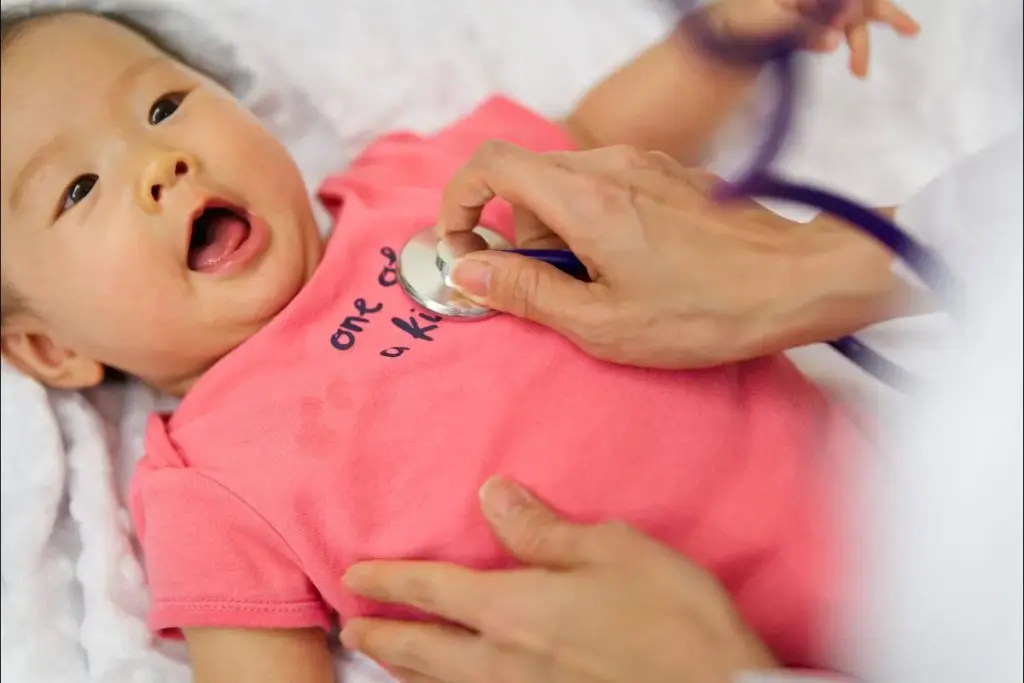
Congenital heart defects are among the most common types of birth defects and have a profound impact on public health. These defects occur during fetal development and can affect the structure and function of the heart.
Congenital heart diseases encompass a wide range of heart defects that are present at birth. Understanding their definition and classification is essential for diagnosis and treatment.
Definition and Classification
Congenital heart diseases are malformations of the heart that occur during fetal development. They can be classified based on their anatomical and physiological characteristics.
The classification of congenital heart diseases includes various types, such as septal defects, obstructive lesions, and cyanotic heart defects. Septal defects, including ventricular septal defects (VSDs) and atrial septal defects (ASDs), are among the most common types.
- Septal defects
- Obstructive lesions
- Cyanotic heart defects
Global Prevalence Statistics
Congenital heart defects are a significant global health issue. According to the World Health Organization (WHO), congenital heart defects affect nearly 1% of live births worldwide.
|
Region |
Prevalence per 1000 Live Births |
|---|---|
|
Global |
9.1 |
|
North America |
8.2 |
|
Europe |
7.7 |
Understanding how the prevalence of congenital heart defects varies across different regions and populations can significantly inform healthcare strategies and resource allocation. Understanding these statistics is crucial for healthcare planning and resource allocation.
Ventricular Septal Defect

A Ventricular Septal Defect is a birth defect of the heart where there’s an opening in the wall (septum) between the heart’s two lower chambers (ventricles). This condition is one of the most common congenital heart defects, affecting the heart’s ability to function properly.
The ventricular septum is a wall that separates the right and left ventricles. In a normal heart, this septum is intact, ensuring that blood flows correctly through the heart chambers. However, in a child born with VSD, this septum has a hole, allowing blood to flow from one ventricle to the other. This can lead to higher pressure in the heart or reduced oxygen being delivered to the body.
Definition and Anatomy
Ventricular Septal Defect is characterized by an abnormal opening in the ventricular septum. The size and location of the defect can vary, influencing the severity of the condition and its symptoms. The anatomy of the heart is complex, with the ventricular septum playing a crucial role in separating the ventricles and ensuring proper blood circulation.
The presence of a VSD means that oxygen-rich blood from the left ventricle can mix with oxygen-poor blood in the right ventricle. This mixing can lead to an increased workload on the heart and potentially cause complications if not addressed.
Types of VSDs
VSDs can be classified based on their location and size. The main types include:
- Perimembranous VSDs: These are the most common type, located in the upper (membranous) part of the ventricular septum.
- Muscular VSDs: Found in the lower (muscular) part of the septum, these defects are surrounded by muscle.
- Inlet VSDs: Located near the valves that control blood flow between the atria and ventricles, these are often associated with other heart defects.
- Outlet VSDs: These defects are located in the upper part of the septum, near the pulmonary valve.
|
Type of VSD |
Location |
Characteristics |
|---|---|---|
|
Perimembranous |
Upper (membranous) part of the septum |
Most common type, often closes spontaneously |
|
Muscular |
Lower (muscular) part of the septum |
Surrounded by muscle, can be multiple |
|
Inlet |
Near the atrioventricular valves |
Often associated with other heart defects |
|
Outlet |
Upper part of the septum, near the pulmonary valve |
Can be associated with other outflow tract anomalies |
“Understanding the different types of Ventricular Septal Defects is crucial for determining the best course of treatment. Each type has its unique characteristics and potential complications.”
Early diagnosis and appropriate management of VSD are critical to prevent long-term complications and improve the quality of life for affected individuals.
Atrial Septal Defect
The term Atrial Septal Defect refers to a congenital condition characterized by an abnormal opening in the atrial septum, the dividing wall between the heart’s upper chambers. This defect allows blood to flow between the left and right atria, potentially leading to inefficient oxygenation of blood and increased workload on the heart.
Definition and Anatomy
Atrial Septal Defect (ASD) is a type of congenital heart defect that involves a hole in the septum between the heart’s two upper chambers (atria). Normally, the septum separates the left and right atria, ensuring that oxygen-rich blood from the lungs is pumped to the body, while oxygen-poor blood is directed to the lungs. In individuals with ASD, this septum is incomplete, allowing blood to mix between the two atria. This mixing can lead to an overload of the right side of the heart, as it receives both oxygen-poor blood from the body and oxygen-rich blood from the left atrium.
Types of ASDs
There are several types of Atrial Septal Defects, classified based on their location and characteristics:
- Secundum ASD: The most common type, occurring in the middle part of the atrial septum.
- Primum ASD: Located in the lower part of the septum, often associated with other heart defects.
- Sinus Venosus ASD: Typically found near the connection of the superior or inferior vena cava to the right atrium.
- Coronary Sinus ASD: A rare type, involving the coronary sinus, which is a vein that returns deoxygenated blood from the heart muscle to the right atrium.
|
Type of ASD |
Location |
Characteristics |
|---|---|---|
|
Secundum ASD |
Middle part of the atrial septum |
Most common type |
|
Primum ASD |
Lower part of the septum |
Often associated with other heart defects |
|
Sinus Venosus ASD |
Near the vena cava connection to the right atrium |
Typically found near the superior or inferior vena cava |
Understanding the different types of ASDs is crucial for determining the appropriate treatment plan, as the size and location of the defect can significantly impact the heart’s function and the patient’s overall health.
Comparing VSD and ASD
VSD and ASD are two common congenital heart defects that, despite both involving holes in the heart, have distinct characteristics. Understanding these differences is essential for accurate diagnosis and effective treatment.
Anatomical Differences
The primary anatomical difference between VSD and ASD lies in the location of the defect. VSD is characterized by a hole in the ventricular septum, the wall between the heart’s two ventricles. In contrast, ASD involves a hole in the atrial septum, the wall between the heart’s two atria.
This difference in location significantly affects the heart’s function. VSD allows blood to flow directly between the ventricles, potentially leading to increased workload on the heart and lungs. ASD, on the other hand, allows blood to flow between the atria, which can lead to enlargement of the right heart chambers due to increased volume.
Physiological Impact
The physiological impact of VSD and ASD varies due to their different locations. VSD can lead to increased pulmonary blood flow because the oxygen-rich blood from the left ventricle flows into the right ventricle and then to the lungs. This can cause pulmonary hypertension and potentially lead to heart failure if left untreated.
ASD typically results in increased volume load on the right heart, potentially causing enlargement of the right atrium and ventricle. While ASD can also lead to pulmonary hypertension, it is generally less severe than in VSD cases.
- VSD: Increased workload on the heart and lungs, potential for pulmonary hypertension.
- ASD: Enlargement of right heart chambers, potential for arrhythmias and other complications.
Prevalence Comparison
Both VSD and ASD are among the most common congenital heart defects. VSD is generally considered the most common congenital heart defect, occurring in about 2-5 per 1000 live births. ASD occurs less frequently, with an incidence of approximately 1-2 per 1000 live births.
|
Defect Type |
Incidence (per 1000 live births) |
|---|---|
|
VSD |
2-5 |
|
ASD |
1-2 |
Understanding these differences is crucial for healthcare providers to manage and treat these conditions effectively.
Normal Heart Structure and Function
Understanding the normal structure and function of the heart is crucial for identifying and treating congenital heart defects. The heart is a vital organ that pumps blood throughout the body, supplying oxygen and nutrients to tissues and organs.
Chambers and Valves
The heart is composed of four chambers: the right and left atria, and the right and left ventricles. The atria receive blood returning to the heart, while the ventricles pump blood out of the heart. The heart also contains four valves: the mitral, tricuspid, pulmonary, and aortic valves, which ensure that blood flows in one direction through the heart.
- The mitral and tricuspid valves control blood flow between the atria and ventricles.
- The pulmonary and aortic valves regulate blood flow from the ventricles to the lungs and the rest of the body, respectively.
Blood Circulation Pathway
Blood circulation through the heart follows a specific pathway: deoxygenated blood from the body enters the right atrium, flows into the right ventricle, and is then pumped to the lungs to be oxygenated. The oxygen-rich blood returns to the heart through the left atrium, into the left ventricle, and is pumped out to the body through the aorta.
- Blood enters the right atrium from the body.
- It then flows into the right ventricle and is pumped to the lungs.
- Oxygenated blood returns to the left atrium and ventricle.
- The left ventricle pumps blood out to the body.
The Role of the Septum
The septum is a wall of tissue that separates the right and left sides of the heart. It plays a critical role in preventing the mixing of oxygenated and deoxygenated blood. The septum is essential for maintaining the heart’s efficient pumping function and ensuring that blood is properly oxygenated before being distributed to the body.
Embryonic Development of the Heart
Understanding how the heart develops embryologically is crucial for identifying the origins of congenital heart defects. The heart is the first organ to form during embryonic development, and its development is a complex process involving the coordinated formation of various structures.
Formation of Heart Chambers
The formation of heart chambers begins with the development of the primitive heart tube, which eventually gives rise to the four-chambered heart through a series of complex cellular and molecular processes. The heart tube undergoes looping, a critical step that sets the stage for the subsequent formation of the atrial and ventricular chambers. This process is highly regulated and involves the precise coordination of various genetic and environmental factors.
Development of Septal Walls
The development of septal walls is another crucial aspect of heart development. The septum primum and septum secundum form the atrial septum, while the ventricular septum develops from the muscular and membranous components. Any disruptions during these critical developmental periods can lead to septal defects, such as atrial septal defects (ASDs) and ventricular septal defects (VSDs).
Critical Periods for Defect Formation
Critical periods during embryonic heart development are times when the heart is particularly susceptible to disruptions that can lead to congenital heart defects. Understanding these critical periods is essential for identifying potential risk factors and developing strategies for prevention and early intervention. The formation of the heart chambers and septal walls occurs during specific weeks of gestation, and any adverse events during these times can result in structural anomalies.
Risk Factors for Septal Defects
The development of septal defects is influenced by a combination of genetic, environmental, and maternal health factors. Understanding these risk factors is essential for the prevention, early detection, and management of congenital heart defects.
Genetic Predisposition
Genetic factors play a significant role in the development of septal defects. Individuals with a family history of congenital heart defects are at a higher risk of having a child with a similar condition. Genetic counseling can be beneficial for families with a history of heart defects, providing insights into the risk of recurrence.
Environmental Exposures
Exposure to certain environmental factors during pregnancy can increase the risk of septal defects. These include exposure to air pollution, pesticides, and certain chemicals. Pregnant women should be aware of their surroundings and take necessary precautions to minimize exposure to harmful substances.
Maternal Health Conditions
Maternal health conditions, such as diabetes and obesity, have been linked to an increased risk of congenital heart defects, including septal defects. Managing these conditions during pregnancy is crucial for reducing the risk.
Medications During Pregnancy
The use of certain medications during pregnancy, such as anticonvulsants and NSAIDs, has been associated with an increased risk of congenital heart defects. Pregnant women should consult their healthcare provider before taking any medication.
Symptoms of Ventricular Septal Defect
Ventricular Septal Defect (VSD) symptoms manifest differently in infants, children, and adults, requiring age-specific diagnostic approaches. The variability in symptoms across age groups can be attributed to the changes in the heart’s structure and function as a person grows.
Infant Symptoms
In infants, VSD symptoms can be indicative of heart failure. Common signs include:
- Rapid breathing or difficulty breathing
- Poor feeding or failure to gain weight at a normal rate
- Sweating, especially during feeding
- Tiredness or lethargy
These symptoms occur because the heart is working harder to compensate for the defect, leading to increased energy expenditure.
Childhood Manifestations
As children grow, the symptoms of VSD may evolve. Some children may not exhibit noticeable symptoms, while others may experience:
- Frequent respiratory infections
- Poor exercise tolerance or fatigue during play
- Palpitations or irregular heartbeat
The presence and severity of these symptoms can vary depending on the size and location of the VSD.
Adult Presentation
In adults, VSD symptoms may have been present since childhood or may develop later in life due to complications. Common symptoms include:
- Shortness of breath during activity or at rest
- Fatigue or weakness
- Palpitations or arrhythmias
- Swelling in the legs, feet, or abdomen due to fluid retention
Adults with untreated VSD are at risk of developing pulmonary hypertension and heart failure.
Emergency Warning Signs
Certain symptoms require immediate medical attention. These include:
- Severe difficulty breathing
- Chest pain or discomfort
- Fainting or severe dizziness
- Severe fatigue or weakness
If you or someone you know is experiencing these symptoms, seek emergency medical care.
|
Age Group |
Common Symptoms |
|---|---|
|
Infants |
Rapid breathing, poor feeding, sweating, tiredness |
|
Children |
Frequent infections, poor exercise tolerance, palpitations |
|
Adults |
Shortness of breath, fatigue, palpitations, swelling |
Understanding the symptoms of VSD across different age groups is crucial for timely diagnosis and effective management. Recognizing emergency warning signs can help prevent serious complications.
Symptoms of Atrial Septal Defect
The symptoms of Atrial Septal Defect can be subtle and may not always be immediately apparent. Atrial Septal Defect (ASD) is a type of congenital heart defect that involves a hole in the septum between the heart’s two upper chambers (atria).
Early Childhood Signs
In early childhood, ASD symptoms can be minimal or absent, making early detection challenging. However, some children may exhibit signs such as:
- Frequent respiratory infections
- Poor weight gain
- Fatigue during feeding
These symptoms are not specific to ASD and can be associated with other conditions, making diagnosis based on symptoms alone difficult.
Adolescent and Adult Symptoms
As individuals with ASD grow into adolescence and adulthood, they may start to experience more pronounced symptoms, including:
- Shortness of breath during physical activity
- Palpitations or irregular heartbeats
- Fatigue or tiredness
- Swelling in the legs, feet, or abdomen
These symptoms occur because the heart is working harder to compensate for the defect, potentially leading to complications if left untreated.
Asymptomatic Cases
Some individuals with ASD may remain asymptomatic for many years, with the defect being discovered incidentally during medical examinations for unrelated reasons. The absence of symptoms does not necessarily mean that the defect is small or insignificant.
Complications Indicating ASD
In some cases, complications arising from ASD can be the first indication of the condition. These complications may include:
|
Complication |
Description |
|---|---|
|
Pulmonary Hypertension |
High blood pressure in the arteries that supply blood to the lungs. |
|
Heart Failure |
The heart’s inability to pump enough blood to meet the body’s needs. |
|
Arrhythmias |
Irregular heartbeats that can be too fast, too slow, or irregular. |
Recognizing these complications is crucial for timely medical intervention.
Diagnostic Approaches for Congenital Heart Defects
The diagnosis of congenital heart defects has evolved significantly, incorporating advanced prenatal screening and diagnostic techniques. This evolution has improved the detection and management of congenital heart defects, enhancing patient outcomes.
Prenatal Screening Methods
Prenatal screening is a critical component in the early detection of congenital heart defects. Ultrasound technology plays a pivotal role, with routine scans performed during the second trimester. Advances in ultrasound, such as fetal echocardiography, allow for detailed examination of the fetal heart, enabling the detection of complex anomalies.
As noted by a study, “Prenatal diagnosis of congenital heart disease has become increasingly accurate, allowing for better perinatal management and counseling of parents.”
“The prenatal detection of congenital heart defects is crucial for planning the appropriate management at birth.”
Physical Examination Findings
After birth, a thorough physical examination is essential for identifying signs that may indicate a congenital heart defect. Healthcare providers look for symptoms such as cyanosis, abnormal heart sounds, or murmurs. Clinical suspicion based on these findings guides further diagnostic testing.
- Cyanosis or pallor
- Abnormal heart sounds or murmurs
- Tachypnea or difficulty breathing
Imaging Techniques
Imaging techniques are fundamental in diagnosing congenital heart defects. Echocardiography is the primary imaging modality used, providing detailed images of the heart’s structure and function. Other imaging techniques, such as cardiac MRI or CT scans, may be used in certain cases to provide additional information.
Other Diagnostic Tests
In addition to imaging, other diagnostic tests may be employed to assess the presence and impact of congenital heart defects. These include electrocardiograms (ECGs) to evaluate heart rhythm and pulse oximetry to assess oxygen saturation levels. Cardiac catheterization may also be used for both diagnostic and therapeutic purposes.
Early and accurate diagnosis of congenital heart defects is crucial for the effective management and treatment of affected individuals. By combining prenatal screening, physical examination findings, and advanced imaging techniques, healthcare providers can identify and manage congenital heart defects more effectively.
Treatment Options for Ventricular Septal Defect
Effective management of VSD involves a range of treatments, from pharmacological interventions to transcatheter device closure. The choice of treatment depends on the size of the defect, the patient’s age, and the presence of any symptoms or complications.
Conservative Management
For small VSDs with minimal symptoms, conservative management may be recommended. This approach involves regular monitoring through echocardiograms and check-ups with a cardiologist to ensure the defect does not lead to complications such as pulmonary hypertension or heart failure.
Patients under conservative management are advised to maintain a healthy lifestyle, including a balanced diet and appropriate physical activity. Regular follow-up is crucial to detect any changes in the condition that might necessitate a shift towards more interventional treatments.
Pharmacological Interventions
In cases where VSD leads to symptoms such as heart failure or significant shunting, pharmacological interventions may be necessary. Medications such as diuretics can help manage symptoms by reducing fluid buildup in the lungs and improving heart function.
Other medications might be used to control related conditions, such as arrhythmias or high blood pressure. The goal of pharmacological treatment is to stabilize the patient and improve quality of life until a more definitive treatment, such as surgical repair, can be undertaken.
The decision to proceed with surgical repair or transcatheter device closure depends on various factors, including the size and location of the VSD, the patient’s overall health, and the presence of other heart defects. These procedures aim to close the defect, thereby preventing further complications.
Treatment Options for Atrial Septal Defect
Treatment for atrial septal defect (ASD) is determined based on the size of the defect, symptoms, and patient health. The condition requires a personalized approach, considering factors such as age, overall health, and the presence of any other heart defects.
Observation Protocol
For small ASDs with minimal symptoms, an observation protocol may be adopted. This involves regular check-ups with a cardiologist to monitor the defect’s size and the patient’s overall heart health. Observation is often preferred for small defects that may close on their own.
Medical Management
Medical management is crucial for patients with ASD, especially when symptoms are present. This may include medications to manage symptoms such as heart failure or arrhythmias. Diuretics and beta-blockers are commonly used to alleviate symptoms and improve quality of life.
Surgical Closure Methods
Surgical closure is a definitive treatment for ASD, involving open-heart surgery to close the defect. This method is typically recommended for larger defects or those causing significant symptoms. Surgical closure has a high success rate and is often performed in conjunction with other heart surgeries if necessary.
Transcatheter Closure Devices
Transcatheter closure is a less invasive alternative to surgery, using a catheter to deploy a device that closes the ASD. This method is preferred for its minimal recovery time and reduced risk of complications. The choice between surgical and transcatheter closure depends on the defect’s characteristics and the patient’s health status.
|
Treatment Option |
Description |
Advantages |
|---|---|---|
|
Observation Protocol |
Regular monitoring for small ASDs |
Avoids unnecessary intervention |
|
Medical Management |
Medications for symptom management |
Improves quality of life |
|
Surgical Closure |
Open-heart surgery to close ASD |
High success rate, definitive treatment |
|
Transcatheter Closure |
Minimally invasive closure using a catheter |
Less invasive, quicker recovery |
Complications of Untreated Septal Defects
Untreated septal defects are associated with an increased risk of developing several serious complications. These defects, if left untreated, can lead to significant health issues that affect the quality of life and longevity.
Pulmonary Hypertension
One of the major complications of untreated septal defects is pulmonary hypertension. This condition is characterized by high blood pressure in the arteries that supply blood to the lungs. Pulmonary hypertension can lead to right heart failure because the right side of the heart has to work harder to pump blood through the lungs.
Heart Failure
Heart failure is another complication that can arise from untreated septal defects. When there’s a defect in the septum, it can cause the heart to work harder, potentially leading to heart failure over time. Heart failure occurs when the heart is unable to pump enough blood to meet the body’s needs.
Arrhythmias
Arrhythmias, or irregular heartbeats, are also a potential complication of untreated septal defects. These can range from mild to severe and may require medical intervention. Arrhythmias can be caused by the abnormal flow of blood through the heart due to the defect.
Stroke Risk
Additionally, individuals with untreated septal defects are at an increased risk of experiencing a stroke. This is particularly concerning for those with atrial septal defects, as they are at a higher risk of developing blood clots that can lead to stroke.
The potential complications associated with untreated septal defects underscore the importance of timely diagnosis and treatment. By understanding these risks, individuals can seek appropriate medical care to mitigate these complications.
- Pulmonary hypertension can lead to right heart failure.
- Heart failure occurs when the heart cannot pump enough blood.
- Arrhythmias can range from mild to severe.
- Stroke risk is increased in individuals with untreated septal defects.
Living with Congenital Heart Disease
Living with congenital heart disease involves making informed decisions about daily activities, health habits, and long-term planning. Individuals with this condition must navigate various aspects of their lives to maintain overall health and well-being.
Physical Activity Guidelines
Physical activity is a crucial component of a healthy lifestyle, even for those with congenital heart disease. However, the type and intensity of exercise should be tailored to the individual’s specific heart condition and overall health.
- Consult a Healthcare Provider: Before starting or modifying an exercise routine, it’s essential to consult with a healthcare provider to determine safe levels of physical activity.
- Monitor Intensity: Individuals should be aware of their body’s signals and avoid overexertion. Monitoring heart rate and blood pressure during exercise can help manage intensity.
- Choose Appropriate Activities: Low to moderate intensity activities such as walking, swimming, or cycling are often recommended. High-intensity activities may be contraindicated for some conditions.
Dietary Considerations
A balanced diet plays a significant role in managing congenital heart disease. Nutritional choices can impact heart health and overall well-being.
“A healthy diet for individuals with congenital heart disease should focus on nutrient-rich foods, including fruits, vegetables, whole grains, lean proteins, and healthy fats.”
- Reduce Sodium Intake: Limiting sodium can help manage blood pressure and reduce strain on the heart.
- Stay Hydrated: Adequate hydration is essential, but individuals should be cautious with fluid intake if advised by their healthcare provider.
- Avoid Excessive Caffeine and Alcohol: Both can have negative effects on heart health and should be consumed in moderation or avoided altogether.
Pregnancy and Family Planning
For individuals with congenital heart disease, pregnancy involves unique risks and considerations. Pre-pregnancy counseling is crucial to understand these risks and manage them effectively.
- Pre-Pregnancy Evaluation: A thorough cardiac evaluation before pregnancy can help identify potential risks and guide management strategies.
- Monitoring During Pregnancy: Regular monitoring by a cardiologist and obstetrician is necessary to manage the condition effectively during pregnancy.
- Postpartum Care: The postpartum period also requires careful monitoring due to potential changes in heart function and blood volume.
Mental Health Management
Living with congenital heart disease can have psychological implications, making mental health management an essential aspect of overall care.
- Recognize the Signs: Being aware of signs of anxiety, depression, or other mental health concerns is crucial for early intervention.
- Seek Professional Help: Mental health professionals can provide support and strategies to manage the psychological impact of congenital heart disease.
- Support Networks: Connecting with support groups or networks can provide emotional support and practical advice from others with similar experiences.
By addressing these aspects, individuals with congenital heart disease can lead active, fulfilling lives while managing their condition effectively.
Advances in Treatment and Research
Advances in medical technology and research are revolutionizing the management of congenital heart disease. Ongoing research and advancements in surgical techniques, closure devices, and potential genetic treatments are improving outcomes for individuals with congenital heart disease.
Innovative Surgical Techniques
Surgical interventions for congenital heart disease have become increasingly sophisticated. Minimally invasive surgeries are now more common, reducing recovery times and improving patient outcomes. Surgeons are also utilizing 3D printing technology to create models of the heart, allowing for more precise preoperative planning.
According toa leading cardiothoracic surgeon, “The integration of technology in surgery has been a game-changer for congenital heart disease treatment.”
“The use of robotic-assisted surgery has enabled us to perform complex repairs with greater precision and less trauma to the patient.”
New Closure Devices
The development of new closure devices has significantly improved the treatment of septal defects. Transcatheter closure devices are now widely used, offering a less invasive alternative to traditional open-heart surgery. These devices are designed to close holes in the heart, such as atrial septal defects (ASDs) and ventricular septal defects (VSDs), without the need for a sternotomy.
- Amplatzer Septal Occluder
- Gore Septal Occluder
- Cardioform Septal Occluder
Stem Cell Therapy Research
Stem cell therapy is an emerging area of research that holds promise for the treatment of congenital heart disease. Studies are investigating the potential of stem cells to repair damaged heart tissue and improve cardiac function. While still in the experimental stages, early results are encouraging.
A recent study published in the Journal of the American Heart Association found that mesenchymal stem cell therapy can improve heart function in patients with congenital heart disease. The study’s lead author noted, “Our findings suggest that stem cell therapy may offer a new therapeutic option for patients with limited treatment choices.”
Genetic Treatment Approaches
Genetic research is also advancing the field of congenital heart disease treatment. Scientists are exploring gene therapy as a potential means to address the genetic causes of congenital heart defects. By correcting or mitigating the genetic anomalies that lead to these conditions, gene therapy could potentially prevent or reduce the severity of congenital heart disease.
As research continues to progress, the future of congenital heart disease treatment looks increasingly promising. With ongoing advancements in surgical techniques, closure devices, stem cell therapy, and genetic treatment approaches, patients and families affected by congenital heart disease can look forward to improved outcomes and quality of life.
Support Resources for Families
Support resources play a vital role in helping families cope with the diagnosis and treatment of congenital heart disease. These resources are crucial for providing emotional, financial, and educational assistance.
Patient Advocacy Organizations
Patient advocacy organizations are dedicated to supporting families affected by congenital heart disease. They provide valuable resources, including guidance on treatment options, access to medical professionals, and connections to support groups.
Some notable organizations include:
- The Children’s Heart Foundation
- The American Heart Association
- The Congenital Heart Disease Coalition
Financial Assistance Programs
Financial assistance programs can help alleviate the economic burden associated with congenital heart disease. These programs may offer grants, subsidies, or other forms of financial aid to families.
|
Program |
Description |
Eligibility |
|---|---|---|
|
Children’s HeartLink |
Provides financial assistance for medical expenses |
Families with children diagnosed with congenital heart disease |
|
Heartfelt Handouts |
Offers financial grants for families in need |
Families with a child undergoing heart surgery |
Educational Resources
Educational resources are essential for helping families understand congenital heart disease and its management. These resources may include online courses, webinars, and informational materials.
Key educational resources:
- Online forums and support groups
- Webinars on congenital heart disease management
- Informational brochures and fact sheets
Support Groups
Support groups provide a platform for families to connect with others who are going through similar experiences. These groups offer emotional support, share experiences, and provide valuable insights.
Types of support groups:
- In-person support groups
- Online forums and social media groups
- Phone support lines
By leveraging these support resources, families can better navigate the challenges associated with congenital heart disease.
Conclusion
Congenital heart defects, including Ventricular Septal Defect (VSD) and Atrial Septal Defect (ASD), are significant health issues that require comprehensive management and support. Understanding these conditions is crucial for early diagnosis and effective treatment.
This article has provided an overview of the definition, classification, and prevalence of congenital heart diseases, as well as the specific characteristics of VSD and ASD. The diagnosis and treatment options, including surgical and transcatheter interventions, have also been discussed.
In summary, congenital heart disease requires a multifaceted approach to management, involving medical professionals, patients, and families. By understanding the risks, symptoms, and treatment options, individuals can better navigate the complexities of these conditions and improve their quality of life.
FAQ
What is a congenital heart defect?
A congenital heart defect is a structural problem in the heart that is present at birth. It can involve the walls of the heart, the valves of the heart, and the blood vessels.
What are the most common types of congenital heart defects?
The most common types of congenital heart defects are ventricular septal defect (VSD) and atrial septal defect (ASD).
What is a ventricular septal defect (VSD)?
A ventricular septal defect is a hole in the wall between the two lower chambers (ventricles) of the heart.
What is an atrial septal defect (ASD)?
An atrial septal defect is a hole in the wall between the two upper chambers (atria) of the heart.
What are the symptoms of a hole in the heart?
Symptoms of a hole in the heart can vary depending on the size and location of the defect, as well as the individual’s age. Common symptoms include shortness of breath, fatigue, and palpitations.
How is a hole in the heart diagnosed?
A hole in the heart is typically diagnosed through a combination of physical examination, echocardiogram, and other imaging tests.
Can a hole in the heart be treated?
Yes, a hole in the heart can be treated. Treatment options include watchful waiting, medications, and surgical or catheter-based closure.
What are the risks of not treating a hole in the heart?
If left untreated, a hole in the heart can lead to complications such as pulmonary hypertension, heart failure, and arrhythmias.
Can a person with a hole in the heart lead a normal life?
With proper treatment and management, many people with a hole in the heart can lead active and normal lives.
Are there any lifestyle changes that can help manage a hole in the heart?
Yes, maintaining a healthy diet, exercising regularly, and managing stress can help manage a hole in the heart.
Can a hole in the heart be inherited?
While there is no single genetic cause for most congenital heart defects, having a family history of heart defects may increase the risk.
What is the difference between VSD and ASD?
VSD is a hole in the wall between the ventricles, while ASD is a hole in the wall between the atria.
How common are congenital heart defects?
Congenital heart defects are the most common type of birth defect, affecting about 1 in 100 births.
Can congenital heart defects be prevented?
While some congenital heart defects cannot be prevented, maintaining a healthy lifestyle during pregnancy and avoiding certain environmental exposures may reduce the risk.
References
https://my.clevelandclinic.org/health/diseases/21674-congenital-heart-disease