

Vertebral Body Tethering: A Modern Approach to Scoliosis Treatment
Vertebral body tethering, also known as VBT, is a surgical procedure used to correct abnormal curvature of the spine. This operation aims to restore proper spinal alignment and improve the patient’s quality of life.
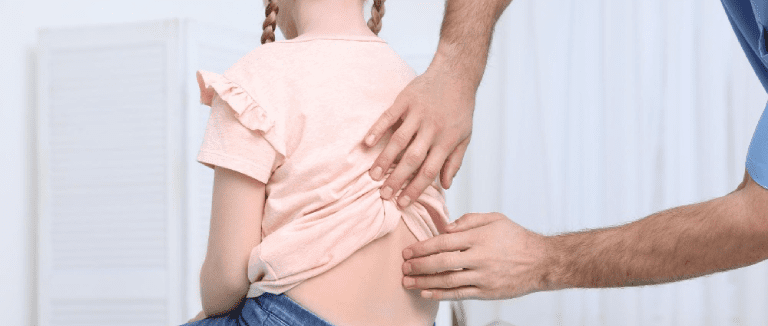
What is Vertebral Body Tethering?
Vertebral body tethering is considered a more comfortable and flexible alternative to traditional scoliosis surgeries. Unlike spinal fusion, this technique allows the spine to continue growing after the operation, meaning that the curvature can keep improving over time.
A major benefit of VBT is that spinal mobility is preserved because the flexible tethering material enables the spine to bend and move naturally. This flexibility promotes a smoother, more comfortable recovery, helping patients retain their range of motion and enjoy a better overall quality of life.
Purposes of Vertebral Body Tethering
The main purpose of vertebral body tethering is to correct spinal curvature, restore proper alignment, and prevent complications caused by spinal deformities. The procedure offers several benefits, including:
- Greater freedom of movement
- Enhanced physical function
- Reduced pain
- Improved quality of life
Who is Suitable for Vertebral Body Tethering?
Vertebral body tethering is suitable for younger patients who experience significant spinal curvature, pain, or functional loss. Several factors are assessed before surgery, including overall health and skeletal maturity.
If the patient is of appropriate age and can tolerate postoperative recovery, the operation may be recommended after a detailed evaluation. Both the risks and benefits must be clearly explained to ensure informed consent.
Key factors considered during the decision-making process include:
- The degree of scoliosis progression
- The patient’s age and spinal growth status
- Ineffectiveness of prior non-surgical treatments
- Presence of severe pain or mobility loss
- The impact of scoliosis on physical health
- The patient’s general condition and surgical readiness
Since every patient’s case is unique, the evaluation should be fully individualized to include all relevant medical and personal factors.
Age Limits for Vertebral Body Tethering
The ideal age range for vertebral body tethering is typically between 9 and 17 years old. For optimal outcomes, the spine should still be growing, as VBT relies on continued growth for correction. Once spinal maturity is complete, the effectiveness of this procedure significantly decreases.

Types of Vertebral Body Tethering
Vertebral body tethering can be performed using different surgical approaches depending on patient needs and surgeon expertise. The goal is always to achieve the best correction with the least risk.
Traditional Vertebral Body Tethering Surgery
This method involves a larger open incision to access and straighten the spine. It effectively relieves pressure on affected areas but usually requires more sutures and a longer recovery period than minimally invasive options.
Minimally Invasive Vertebral Body Tethering Surgery
This approach uses small incisions and specialized instruments guided by a camera inserted through the rib cage. It generally results in fewer stitches, reduced postoperative pain, and quicker recovery. However, suitability depends on the severity of the curvature and the patient’s overall condition.
Differences Between Vertebral Body Tethering and Spinal Fusion
Vertebral body tethering differs significantly from traditional spinal fusion surgery. Below are the main distinctions between the two techniques.
Vertebral Body Tethering (VBT)
- Minimally invasive technique
- Fewer surgical implants (screws, rods, etc.)
- Corrects curvature based on flexibility
- Less blood loss and lower infection risk
- Can be performed before full spinal maturity
- Preserves spinal mobility
- Supports continued growth
- Few long-term complications
- Usually requires only one procedure
- Shorter hospital stay and faster recovery
Spinal Fusion Surgery
- Highly invasive procedure
- Requires multiple metal implants
- Corrects rigid (inflexible) curves
- May require pre-surgery blood transfusion
- Often uses growing rods in younger patients
- Significantly reduces spinal motion
- Associated with higher long-term complication rates

Advantages of Vertebral Body Tethering
Compared to spinal fusion, vertebral body tethering offers several important advantages:
- Maintains spinal flexibility and mobility
- Shorter recovery period
- Smaller incisions and fewer stitches
- Improved cosmetic results in select cases
Risks of Vertebral Body Tethering
Like all surgical procedures, vertebral body tethering carries potential risks. Some are common to most surgeries, while others are specific to VBT. Choosing an experienced surgeon and clinic, and carefully following all pre- and post-operative instructions, can help minimize complications.
Possible risks include:
- Spinal or nerve injury
- Numbness or tingling after surgery
- Implant failure or breakage
- Infection or bleeding
- Blood clots
- Anesthesia-related complications
- Wound healing problems
Taking preventive measures and undergoing surgery under expert care can greatly reduce these risks and ensure the best possible outcome.
Care After Vertebral Body Tethering Surgery
Postoperative care plays a vital role in achieving successful results and ensuring a smooth recovery. Key aspects include:
- Hospital Monitoring: Short-term hospital observation allows medical staff to monitor healing and overall well-being.
- Pain Management: Regular use of prescribed pain medication ensures comfort during the recovery phase.
- Physical Therapy: Rehabilitation programs help strengthen spinal muscles and improve flexibility.
- Recovery Period: Healing times vary between patients; following the doctor’s instructions regarding wound care and activity levels is essential.
- Follow-Up Visits: Regular check-ups allow doctors to track progress and detect potential complications early.
- Healthy Lifestyle: A balanced diet, exercise, and avoiding smoking or unhealthy habits promote faster recovery and long-term health.
Things to Consider After Vertebral Body Tethering
Although vertebral body tethering is generally well-tolerated, proper aftercare remains critical. Patients should:
- Follow all medical instructions closely
- Manage pain responsibly under supervision
- Keep the surgical site clean and infection-free
- Attend all scheduled follow-up visits
- Participate fully in rehabilitation programs
Maintaining these habits supports spinal mobility and ensures lasting success after surgery.
Physical Therapy and Rehabilitation After Vertebral Body Tethering
Physical therapy and rehabilitation are key components of long-term recovery following vertebral body tethering. These programs aim to:
- Restore muscle strength
- Increase spinal flexibility
- Correct posture
- Improve overall mobility
Active patient participation is essential for optimal outcomes and long-term spinal health.
* Liv Hospital Editorial Board has contributed to the publication of this content .
* Contents of this page is for informational purposes only. Please consult your doctor for diagnosis and treatment. The content of this page does not include information on medicinal health care at Liv Hospital .
For more information about our academic and training initiatives, visit Liv Hospital Academy
Frequently Asked Questions
What is vertebral body tethering surgery?
Vertebral body tethering (VBT) is a minimally invasive surgical procedure designed to correct spinal curvature caused by scoliosis. It uses a flexible tether instead of rigid rods, allowing continued spinal growth and movement after surgery.
Who is a good candidate for vertebral body tethering?
VBT is best suited for patients aged 9 to 17 whose spines are still growing. It is typically recommended for those with progressive scoliosis who have not responded to non-surgical treatments.
How does vertebral body tethering differ from spinal fusion?
Unlike spinal fusion, which permanently joins vertebrae using metal rods, vertebral body tethering maintains spinal flexibility. It also allows further natural correction as the patient grows.
How long does recovery take after vertebral body tethering?
Most patients stay in the hospital for a few days and can return to light activities within a few weeks. Full recovery, including physical therapy and spine strengthening, may take several months.
What are the risks of vertebral body tethering?
Potential risks include infection, nerve damage, implant failure, and general surgical complications such as bleeding or anesthesia reactions. However, with experienced surgeons, these risks are minimal.
Can vertebral body tethering correct severe scoliosis?
VBT is most effective for moderate spinal curves and flexible deformities. In more severe or rigid cases, traditional spinal fusion or combined approaches may be required.
Where can I receive vertebral body tethering surgery in Turkey?
You can receive advanced vertebral body tethering surgery at Liv Hospital in Istanbul, where expert spinal surgeons offer personalized treatment plans and comprehensive postoperative care.

























