

Viral pharyngitis medicine: Learn that treatment is supportive, as specific antiviral medicine is rarely needed for common cold-related pharyngitis.
Viral pharyngitis affects millions worldwide, causing sore throats. At Liv Hospital, we clear up confusion about antiviral medicine for it. Viral pharyngitis is caused by viruses like rhinovirus, influenza, and adenovirus. It usually gets better in one to two weeks.
While antiviral medications help with some viruses, they’re not always needed for viral pharyngitis. We’ll show you how to use antiviral medicine and other care to ease symptoms.
Key Takeaways
- Understanding the causes of viral pharyngitis is key to treating it.
- Antiviral medicine isn’t always needed for viral pharyngitis.
- Supportive care is important for managing symptoms.
- Some antiviral medicines are good for certain viral infections.
- Liv Hospital offers detailed advice on treating viral pharyngitis.
Understanding Viral Pharyngitis

It’s important to know about viral pharyngitis to manage and treat it well. This condition is common and affects many people worldwide. It can make daily life uncomfortable and disrupted.
What Is Viral Pharyngitis?
Viral pharyngitis is when the pharynx, or throat, gets inflamed due to a virus. The pharynx is a tube that connects the digestive and respiratory systems. Viral infections here can cause inflammation and symptoms.
The main symptom is a sore throat, which can be mild or severe. You might also have trouble swallowing, a fever, and feel generally unwell. The symptoms can change based on the virus causing the infection.
Common Causes and Prevalence
Viral pharyngitis is usually caused by rhinovirus, influenza virus, and adenovirus. These viruses spread easily through droplets, touching contaminated surfaces, or direct contact with someone who’s sick.
Many people get viral pharyngitis at least once a year. It can happen to anyone, but some groups might be more at risk. This includes those with weaker immune systems or more exposure.
Differentiating Viral from Bacterial Pharyngitis
Telling viral from bacterial pharyngitis is key for the right treatment. Both can cause sore throats, but their causes and treatments differ. Bacterial pharyngitis, often from Streptococcus pyogenes (Group A strep), needs antibiotics. Viral pharyngitis does not.
To figure out the cause, doctors look at symptoms, medical history, and sometimes lab tests. Knowing if it’s viral or bacterial helps doctors give the best treatment. This ensures patients get the care they need.
Common Viruses That Cause Pharyngitis
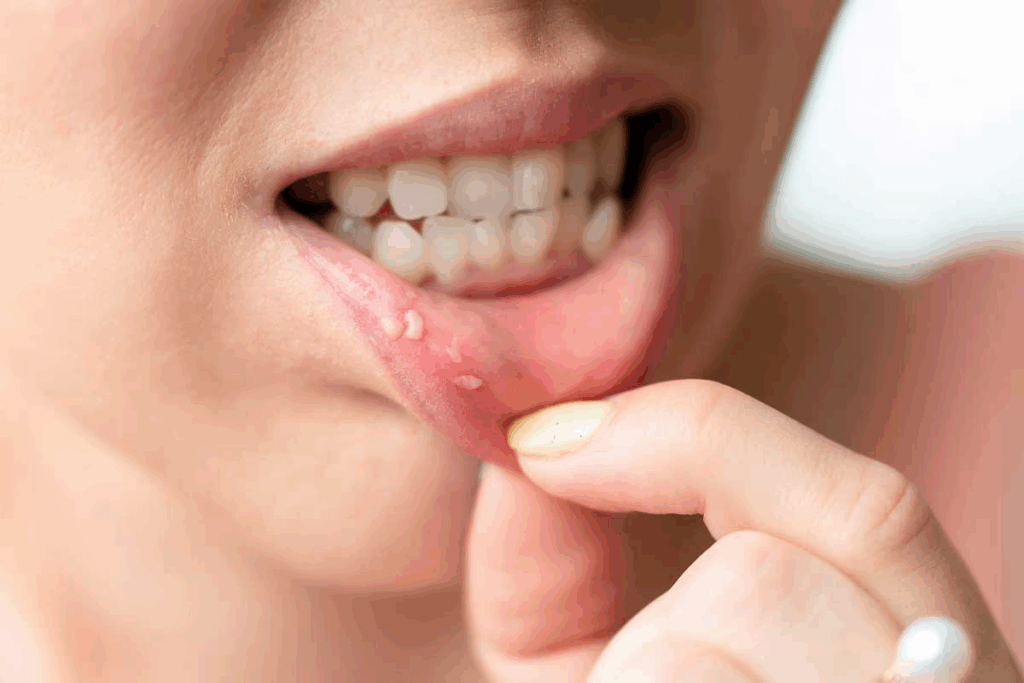
Many viruses can cause viral pharyngitis. It’s important to know these viruses to treat and manage symptoms well.
Rhinovirus
Rhinovirus is a top cause of viral pharyngitis. It spreads easily and causes sore throat, runny nose, and cough. Though usually mild, it can be quite bothersome.
Influenza Virus
The influenza virus is a big cause of viral pharyngitis, mainly in flu season. It can cause high fever, body aches, and tiredness, along with sore throat. Getting a flu shot every year is a good way to prevent it.
Adenovirus
Adenovirus can cause mild to severe symptoms, including pharyngitis. It can also cause fever and swollen lymph nodes in the throat.
Coronavirus
Coronavirus, like SARS-CoV-2, can also cause viral pharyngitis. Symptoms can be mild or severe, including sore throat, cough, and trouble breathing. Knowing how coronavirus affects the throat is key, mainly during outbreaks.
Viral pharyngitis can be caused by different viruses, each with its own symptoms and severity. Knowing these viruses helps in treating and caring for patients better.
Key Viruses Causing Pharyngitis:
- Rhinovirus: Highly contagious, causes mild to moderate symptoms.
- Influenza Virus: Can lead to severe symptoms, annual vaccination recommended.
- Adenovirus: Causes a range of symptoms, can lead to pharyngitis with fever and swollen lymph nodes.
- Coronavirus: Includes SARS-CoV-2, can cause mild to severe respiratory symptoms.
Symptoms and Diagnosis of Viral Pharyngitis
Diagnosing viral pharyngitis means knowing its symptoms and using the right tests. It’s an inflammation of the pharynx, mainly from viruses.
Typical Symptoms
Viral pharyngitis symptoms include a sore throat, fever, and swollen lymph nodes. You might also feel general malaise, headache, and mild cough. These symptoms can start suddenly and vary in severity.
When to See a Doctor
Seeing a doctor is key if symptoms don’t get better or get worse. You should visit if you have a high fever over 3 days, difficulty swallowing, or breathing difficulties. Also, if symptoms last more than a week, it’s time to see a doctor.
Diagnostic Approaches
Diagnosing viral pharyngitis involves a physical exam, medical history, and sometimes lab tests. A healthcare provider will do a throat swab to check for viruses or bacteria. They might also order a complete blood count (CBC) to tell if it’s viral or bacterial.
Ruling Out Bacterial Infections
Telling viral from bacterial pharyngitis is key for the right treatment. Bacterial infections, like those from Streptococcus pyogenes, need antibiotics. A throat swab culture or rapid antigen test can spot bacterial infections.
Diagnostic Criteria | Viral Pharyngitis | Bacterial Pharyngitis |
Cause | Viruses (e.g., Rhinovirus, Influenza) | Bacteria (e.g., Streptococcus pyogenes) |
Symptoms | Sore throat, fever, swollen lymph nodes, mild cough | Sore throat, high fever, swollen lymph nodes, absence of cough |
Diagnostic Tests | Throat swab, CBC | Throat swab culture, rapid antigen detection test |
Treatment | Symptom relief, antiviral medications (if applicable) | Antibiotics |
The Natural Course of Viral Pharyngitis
Understanding viral pharyngitis is key to knowing what to expect and when to worry. This condition, caused by a virus, affects the throat and follows a certain path.
Typical Duration and Progression
Viral pharyngitis usually gets better in 7 to 10 days without special treatment. It starts with a sore throat and might include fever, headache, and tiredness. The symptoms usually get worse in the first 3 to 4 days before they start to get better.
When Symptoms Should Improve
Expect symptoms to start getting better in a week. It’s important to watch how symptoms change and see a doctor if they get worse or don’t get better. Signs that symptoms are getting better include:
- A sore throat that’s not as bad
- A lower fever
- Feeling more energetic
Warning Signs of Complications
Even though most viral pharyngitis cases get better on their own, some signs might mean there’s a problem. These include:
- A very sore throat that makes it hard to swallow
- A high fever that doesn’t go away or is very high
- Signs of dehydration, like not making much urine or dark urine
- Having trouble breathing or feeling short of breath
Knowing these signs can help you know when to get medical help. If you notice any of these, it’s important to see a doctor right away.
Viral Pharyngitis Medicine: Treatment Principles
Treating viral pharyngitis mainly aims to ease symptoms, not fight the virus directly. Most cases get better on their own with some care.
Why Most Cases Don’t Require Specific Antiviral Therapy
We usually don’t use special antiviral drugs for most viral pharyngitis. Common viruses like rhinovirus and adenovirus are often to blame. Our immune system can usually handle these viruses without special treatment.
Focus on Symptom Relief
Our main goal is to help with symptom relief. We use over-the-counter drugs to ease pain and fever. We also tell patients to drink lots of water and rest well. This makes them feel better while their body heals.
When Antiviral Medications Are Necessary
In some cases, antiviral medications are needed. For example, if the cause is the influenza virus, drugs like oseltamivir (Tamiflu) or baloxavir marboxil (Xofluza) might be given. These work best if started early.
Evidence-Based Treatment Approaches
We follow evidence-based treatment approaches for viral pharyngitis. This means we look at the latest research and guidelines. For example, studies show antiviral drugs can shorten and lessen the severity of flu if started quickly.
Knowing when to use antiviral drugs and focusing on symptom relief helps us care for patients with viral pharyngitis effectively.
Over-the-Counter Pain Relief Options
Over-the-counter pain relief medications are often the first choice for viral pharyngitis discomfort. They help ease symptoms, making it easier to manage the condition.
Acetaminophen (Tylenol)
Acetaminophen is a common over-the-counter pain and fever reducer. It blocks chemicals in the brain that cause pain and fever.
Key Benefits: It’s effective for lowering fever and easing mild to moderate pain.
Nonsteroidal Anti-inflammatory Drugs (NSAIDs)
NSAIDs, like ibuprofen and naproxen, are another type of over-the-counter pain relief. They not only reduce pain and fever but also fight inflammation.
Key Benefits: They reduce inflammation, ease pain, and lower fever.
Proper Dosing and Safety Considerations
Following the recommended dosing for any over-the-counter medication is key to avoid side effects. Taking too much acetaminophen or NSAIDs can cause serious health problems.
Always read the label carefully and consult a healthcare professional if you have any questions.
Medication | Recommended Dose | Maximum Daily Dose |
Acetaminophen | 325-1000 mg every 4-6 hours | 3000-4000 mg |
Ibuprofen | 200-400 mg every 4-6 hours | 1200-3200 mg |
Combination Products
Some over-the-counter products mix pain relievers with other ingredients, like decongestants or antihistamines. They aim to tackle multiple symptoms at once.
Considerations: Be careful with combination products to avoid overdosing by duplicating ingredients.
Supportive Home Remedies and Care
Home remedies are key in easing viral pharyngitis symptoms. By adding these steps to your routine, you can better manage your symptoms and aid in recovery.
Rest and Hydration
Resting and staying hydrated are vital for beating viral pharyngitis. Rest lets your immune system fight the infection. Hydration keeps your throat moist and comfy.
Drink lots of water, herbal teas, or warm broths to soothe your throat. Avoid caffeinated or sugary drinks that can make your throat worse.
Salt-Water Gargles
Gargling with salt water is a simple yet effective way to soothe a sore throat. Mix 1/4 teaspoon of salt with 8 ounces of warm water. Gargle several times a day to reduce swelling and kill bacteria.
Honey and Warm Beverages
Honey has natural soothing properties that can calm a sore throat. Mixing honey with warm drinks like tea or lemon water can offer relief and comfort.
Humidification
Using a humidifier in your home can keep your throat comfortable. Dry air can make throat irritation worse. Adding moisture to the air is beneficial.
Here’s a summary of the supportive home remedies and their benefits:
Remedy | Benefits |
Rest and Hydration | Helps immune system, keeps throat moist |
Salt-Water Gargles | Reduces swelling, kills bacteria |
Honey and Warm Beverages | Soothes sore throat, provides comfort |
Humidification | Maintains comfortable throat environment |
Throat Sprays and Lozenges for Symptom Relief
Throat sprays and lozenges help ease the pain of viral pharyngitis. They quickly soothe throat pain and irritation. This makes them a key part of treating the condition.
Chlorhexidine Products
Chlorhexidine fights off infections in the throat. Chlorhexidine mouthwashes and sprays work against many bacteria and some viruses. They help prevent bacterial infections that can make viral pharyngitis worse.
Research shows chlorhexidine can lessen throat pain and swelling. But, it’s important to use it as directed to avoid side effects like tooth discoloration or taste changes.
Benzydamine Mouth Spray
Benzydamine is a pain-relieving drug for the throat. Benzydamine mouth spray is great for viral pharyngitis pain. It numbs the throat, giving quick relief.
Studies prove benzydamine works well for throat pain. It’s safe for most people, with few side effects.
Menthol and Eucalyptus Lozenges
Menthol and eucalyptus lozenges are common remedies for sore throats. They provide a cooling sensation that numbs the throat. This reduces pain and irritation.
- Menthol numbs the throat, giving fast pain relief.
- Eucalyptus reduces throat congestion with its anti-inflammatory properties.
Even though they don’t fight viruses, menthol and eucalyptus lozenges greatly improve symptoms. They are a valuable part of treatment.
Effectiveness and Proper Usage
Throat sprays and lozenges work best when used correctly. Following the manufacturer’s instructions is key to getting the most benefit.
Important things to remember include:
- Use the products as directed to avoid misuse.
- Be aware of possible side effects, like allergies or drug interactions.
- Use throat sprays and lozenges with other treatments, like staying hydrated and resting, for better care.
Adding throat sprays and lozenges to treatment plans can greatly help those with viral pharyngitis. It makes recovery easier and improves life quality.
Antiviral Medications for Influenza-Related Pharyngitis
Antiviral medications play a big role in treating influenza-related pharyngitis. They can greatly change how the illness goes, if used early.
Neuraminidase Inhibitors (Oseltamivir/Tamiflu)
Neuraminidase inhibitors, like oseltamivir (Tamiflu), fight influenza viruses well. Oseltamivir stops the virus from spreading by blocking a key enzyme on its surface. Starting it within 48 hours can cut down symptoms by 1-2 days.
Baloxavir Marboxil (Xofluza)
Baloxavir marboxil (Xofluza) is also approved for treating influenza. It blocks a virus-replication enzyme. It’s shown to shorten symptoms in healthy patients.
Timing and Effectiveness
When you start antiviral meds is key to their success. Oseltamivir and baloxavir work best if started within 48 hours. Early treatment can make symptoms last less and lower the chance of serious problems.
Side Effects and Considerations
Antiviral meds are usually safe but can cause side effects. Oseltamivir might lead to nausea and vomiting, while baloxavir can cause diarrhea and headaches. It’s important to think about the good and bad of these treatments, mainly for those with health issues or taking other meds.
Antiviral Treatments for Other Specific Viral Causes
Other viruses like herpes simplex virus cause pharyngitis too. They need their own treatment plans. We’ve talked about flu treatment, but other viruses need different approaches.
Acyclovir for Herpes-Related Pharyngitis
Acyclovir is a key drug for herpes simplex virus (HSV) infections. It stops the virus from making more copies of itself.
Valacyclovir and Famciclovir
Valacyclovir and famciclovir also fight HSV. They are easier to take because you don’t need to take them as often as acyclovir.
Antiviral Drug | Dosing Frequency | Primary Use |
Acyclovir | Multiple times a day | HSV infections |
Valacyclovir | Twice daily | HSV infections |
Famciclovir | Twice or thrice daily | HSV and VZV infections |
Other Targeted Antiviral Therapies
New antiviral treatments are being made to fight different viruses that cause pharyngitis. These new drugs might work better and be safer.
Prescription Requirements
You need a doctor’s prescription for these drugs. This shows how important it is to get a correct diagnosis before starting treatment.
Prevention Strategies for Viral Pharyngitis
To prevent viral pharyngitis, we need to know its causes and how to fight it. Simple steps can lower our risk of getting it.
Hand Hygiene
Good hand hygiene is key to stopping viral pharyngitis. Wash your hands often with soap and water for 20 seconds. Do this after coughing or sneezing, before eating, and after using the bathroom. If soap and water aren’t around, an alcohol-based hand sanitizer works too.
Avoiding Close Contact with Infected Individuals
Staying away from people with viral pharyngitis helps stop it from spreading. Keep at least 3 feet away from them. Also, don’t share things like utensils or personal items.
Vaccination Options
Vaccines are important for preventing some viral infections that can cause pharyngitis. For instance, getting a flu shot can stop the flu, a common cause of pharyngitis. Even though there’s no vaccine for all pharyngitis viruses, getting all your shots is key.
Immune System Support
Keeping our immune system strong is essential for fighting off viruses, including those that cause pharyngitis. Eat a healthy diet with lots of fruits, veggies, and whole grains. Exercise regularly and get enough sleep. Stress management also boosts our immune system.
By following these prevention tips, we can lower the chances of getting viral pharyngitis. This helps us stay healthy and feel our best.
Conclusion
We’ve looked into viral pharyngitis, a common illness caused by viruses like rhinovirus and influenza. Knowing what causes it, its symptoms, and how to diagnose it is key to treating it well.
Most of the time, viral pharyngitis gets better in 7 to 10 days with rest, drinking plenty of water, and using pain relievers like acetaminophen or NSAIDs. For some viruses, like influenza, antiviral medicine is needed.
Our guide focuses on easing symptoms and using antiviral drugs when necessary. By following these steps, people can better manage their symptoms and avoid serious problems. We suggest talking to a doctor for specific advice on dealing with viral pharyngitis.
FAQ
What is viral pharyngitis?
Viral pharyngitis is when the pharynx gets inflamed due to a virus. It makes your throat sore, raises your fever, and makes swallowing hard.
How is viral pharyngitis different from bacterial pharyngitis?
Viral pharyngitis comes from a virus, while bacterial pharyngitis comes from bacteria. The way you treat it depends on the cause.
What are the common viruses that cause pharyngitis?
Rhinovirus, influenza virus, adenovirus, and coronavirus are common viruses that cause pharyngitis.
What are the typical symptoms of viral pharyngitis?
Symptoms include a sore throat, fever, runny nose, cough, and trouble swallowing.
When should I seek medical attention for viral pharyngitis?
See a doctor if your symptoms get worse, if you can’t breathe well, or if your fever stays high.
How is viral pharyngitis diagnosed?
Doctors usually diagnose it by looking at your symptoms and doing a physical check. Sometimes, they might take a throat swab to check for bacteria.
What is the treatment for viral pharyngitis?
Treatment aims to ease your symptoms. You might take over-the-counter pain meds, rest, drink lots of water, and use throat sprays or lozenges.
Are antiviral medications necessary for treating viral pharyngitis?
Antiviral meds are mostly for specific viruses like flu or herpes. Most viral pharyngitis doesn’t need them.
What over-the-counter medications can help relieve symptoms of viral pharyngitis?
Acetaminophen and NSAIDs can help with pain and fever. Throat sprays and lozenges, like chlorhexidine and benzydamine, also help.
How can I prevent viral pharyngitis?
Prevent it by washing your hands often, staying away from sick people, getting flu shots, and keeping your immune system strong.
What are some supportive care measures for managing viral pharyngitis at home?
Rest, drink plenty of water, use a humidifier, and gargle with salt water to help manage symptoms.
Can antiviral medications be used to treat influenza-related pharyngitis?
Yes, meds like oseltamivir (Tamiflu) and baloxavir marboxil (Xofluza) can treat flu-related pharyngitis.
Are there any specific antiviral treatments for other viral causes of pharyngitis?
Yes, for herpes-related pharyngitis, you can use acyclovir, valacyclovir, or famciclovir.
References
National Center for Biotechnology Information. (2025). How to Treat Viral Pharyngitis Antiviral Medicine Guide. Retrieved from https://www.ncbi.nlm.nih.gov/books/NBK519550/).



 Departments
 Related Videos
 Our Doctors
 News
News