
A serious ear infection can be very painful and might even stop you from doing things. Millions of people around the world get ear pain from infections every year.
In pain? Viral vs bacterial ear infection: get the top tips. Learn which type feels worse and requires antibiotics to cure properly.
It’s important to know the symptoms of a serious infection to get the right treatment. Some infections might go away by themselves. But others can get worse if not treated.
Key Takeaways
- Recognizing the symptoms of a serious infection can help you seek medical attention promptly.
- Understanding the differences between types of infections is vital for effective treatment.
- Ear pain can be a sign of a more serious underlying condition.
- Prompt treatment can prevent long-term complications.
- Knowing when to seek medical help is key for recovery.
The Nature and Impact of Ear Infections
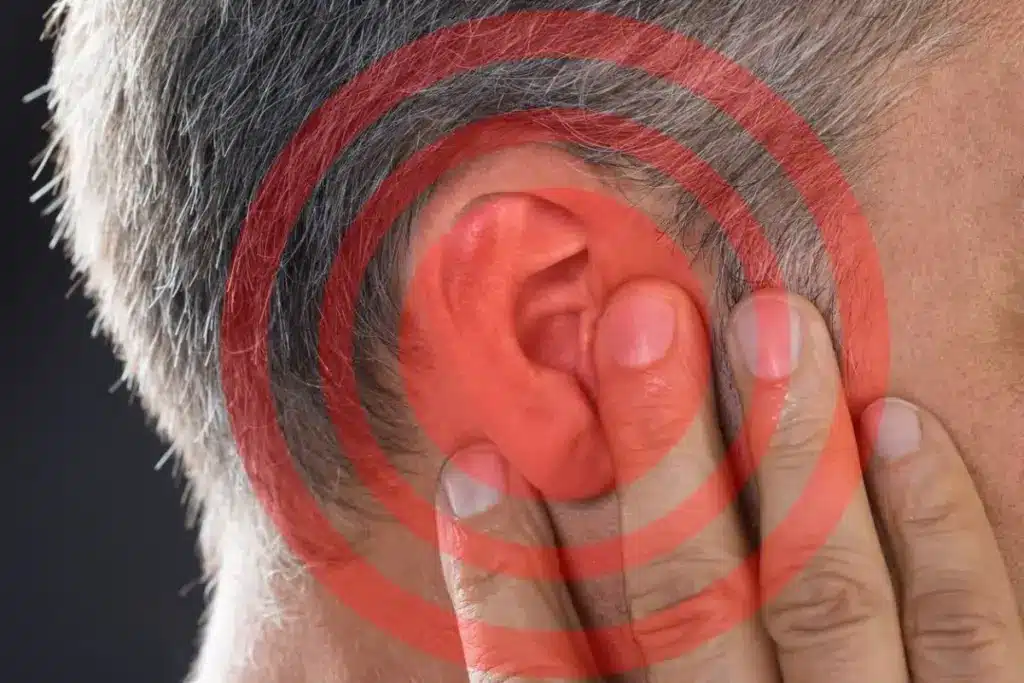
It’s important to know about ear infections to understand their health impact. These infections, known as otitis, can happen in the outer, middle, or inner ear.
Anatomy of the Ear and Infection Sites
The ear is a complex part of our body. It includes the outer ear, ear canal, eardrum, middle ear bones, and the inner ear. The middle ear is the most common place for infections, mainly in kids. These infections often come from bacteria or viruses entering through the Eustachian tube.
Young children are more at risk because their Eustachian tubes are shorter and easier for germs to get into.
Prevalence and Risk Factors
Ear infections affect millions of people every year. Kids under 5 are most at risk because their immune systems are not fully developed. Other risk factors include being exposed to smoke, going to daycare, and having a family history of ear infections. Knowing these risks helps prevent and treat infections early.
How Infections Develop
Ear infections happen when germs enter the ear, usually through the Eustachian tube. This tube connects the middle ear to the back of the nose and throat. The germs cause inflammation and fluid buildup, leading to infection.
Many things can increase the chance of getting an ear infection. These include allergies, colds, or sinus infections. Knowing how ear infections start helps doctors diagnose and treat them better.
Viral vs Bacterial Ear Infection: Understanding the Difference

It’s important for doctors to know the difference between viral and bacterial ear infections. These infections are common and affect people of all ages. Knowing what causes them helps in treating them well.
Pathogen Characteristics and Behavior
Viral ear infections are caused by tiny viruses that grow inside our cells. Viruses like the respiratory syncytial virus (RSV) and influenza virus can lead to ear infections. Bacterial ear infections, on the other hand, are caused by bacteria like Streptococcus pneumoniae and Haemophilus influenzae. These bacteria can invade the middle ear.
Transmission and Development Patterns
Viral ear infections often start after a cold or flu. The virus then moves to the middle ear. Bacterial ear infections can happen on their own or after a viral infection. Knowing this helps doctors diagnose better.
Immune Response Variations
The body reacts differently to viral and bacterial infections. Viral infections trigger a broader immune response. Bacterial infections lead to a more focused response with more pus. Understanding these differences helps in choosing the right treatment.
Getting the right diagnosis is key to treating ear infections. Doctors might use antiviral meds, antibiotics, or supportive care.
Common Symptoms of All Ear Infections
Knowing the signs of ear infections is key to catching them early. These infections can cause discomfort and affect how well you can hear. They can also make you feel off balance.
Pain and Discomfort Patterns
Ear pain is a common sign of an infection. The pain can feel dull or sharp. It might stay the same or change, depending on the infection’s severity.
Ear pain patterns can tell us a lot. For example, pain that gets worse when you lie down might mean the ear is under more pressure.
Hearing Changes and Muffling
Ear infections can also make hearing harder. You might feel like your ears are blocked or muffled. This is because of fluid or swelling in the ear.
|
Symptom |
Description |
Possible Cause |
|---|---|---|
|
Muffled Hearing |
Feeling of fullness or blockage |
Fluid buildup |
|
Reduced Hearing |
Difficulty hearing sounds |
Inflammation or infection |
Drainage and Discharge Characteristics
Drainage from the ear can happen with infections. The color and type of discharge can tell us a lot.
For instance, yellow or green discharge often means a bacterial infection. Clear discharge might be from a virus or allergy.
Balance and Coordination Issues
Ear infections can also mess with your balance. The inner ear helps with balance, and infections there can cause dizziness or vertigo.
Spotting these symptoms early is important. If you notice any, see a doctor right away. They can help figure out what’s wrong and how to fix it.
Recognizing a Serious Ear Infection
It’s important to know when an ear infection is serious. This ensures you get the right treatment and avoid serious problems. Serious ear infections show symptoms that need quick medical help.
Warning Signs That Require Attention
There are warning signs for serious ear infections. These include:
- Severe Ear Pain: Pain that is intense or lasts a long time.
- Hearing Loss: A noticeable drop in hearing.
- Fever: A high temperature, usually over 102°F (39°C).
- Drainage: Fluid or discharge from the ear.
- Swelling: Redness or swelling around the ear.
If you see any of these signs, you should check your condition closely.
Symptoms Requiring Immediate Medical Care
Some symptoms need immediate medical care to avoid serious issues. These include:
- Severe Symptoms: Sudden severe pain or hearing loss.
- Fever with Other Symptoms: Fever with other concerning symptoms like dizziness or vomiting.
- Discharge or Fluid Leakage: Pus or fluid leaking from the ear, which could mean a ruptured eardrum.
Doctors say, “It’s very important to see a doctor quickly if you have severe ear pain or signs of a perforated eardrum.”
“Ear infections can lead to serious complications if not treated properly. It’s essential to seek medical care if symptoms worsen or if there are signs of a perforated eardrum.”
Fever and Systemic Symptoms
Fever is a common sign of ear infections. A high fever might mean a more serious infection that needs medical help.
|
Fever Range |
Indication |
Action |
|---|---|---|
|
100.4°F – 102°F (38°C – 39°C) |
Mild to Moderate Infection |
Monitor symptoms, consider over-the-counter medication for fever reduction. |
|
Above 102°F (39°C) |
Severe Infection |
Seek medical attention, as antibiotics or further treatment may be necessary. |
Knowing how serious an ear infection is and when to get medical help is key. It helps in getting the right treatment and avoiding complications.
The Sensation of Serious Ear Pain: What Patients Experience
For many, serious ear pain feels like a constant, gnawing discomfort. It doesn’t go away with usual pain relief. This pain can really affect how well you live your life, making simple tasks hard.
Descriptions of Different Types of Ear Pain
People describe their ear pain in many ways. It can be a dull ache or a sharp, stabbing feeling. Some feel a throbbing or pulsating pain, while others feel pressure or fullness in their ear.
The variety in pain descriptions shows how complex ear infections are. It also shows how personal pain perception is.
Pain Intensity and Patterns
The pain in the ear can be very different. It can range from mild discomfort to severe pain. The pain might stay the same or change, sometimes getting worse at night or with movement.
|
Pain Characteristic |
Patient Experience |
|---|---|
|
Sharp, Stabbing Pain |
Often described during acute infection phases |
|
Dull Ache |
Common in chronic or low-grade infections |
|
Throbbing Pain |
May be associated with increased pressure or fluid buildup |
Impact on Sleep and Daily Activities
Serious ear pain can really mess up your sleep. Lying down can make the pain worse. During the day, it can make it hard to focus, affecting work or school.
The impact on daily life can be big, needing good pain management strategies.
Psychological Effects of Severe Ear Pain
Severe ear pain can lead to feelings of frustration, anxiety, and even depression. The emotional side of chronic pain is very important.
It’s key to understand the full effects of serious ear pain. This helps in giving care that covers both the physical and emotional sides of the condition.
Diagnosing Ear Infections: Clinical Approach
Getting ear infections diagnosed right is vital to avoid serious problems. A detailed clinical approach is needed to figure out the infection’s type and how severe it is.
Physical Examination Techniques
Starting with a thorough physical check-up is the first step in diagnosing ear infections. Doctors use different methods to check the patient’s condition. They look into the ear canal and eardrum for any signs of infection or damage.
Looking closely at the ear canal and eardrum is very important. This is done using an otoscope to see if there’s redness, swelling, or fluid.
Otoscopic Findings
Otoscopic exams give important details about the eardrum and middle ear’s condition. They might find perforation of the eardrum, fluid behind the eardrum, or middle ear inflammation.
Laboratory and Imaging Tests
In some cases, laboratory tests like tympanocentesis are needed to find the infection’s cause. Imaging tests like CT scans help see how far the infection has spread and any possible complications.
Differentiating Between Viral and Bacterial Causes
Telling apart viral and bacterial ear infections is key for the right treatment. Clinical presentation and laboratory findings help make this choice.
Knowing the infection’s cause helps pick the best treatment. This could be antibiotic therapy for bacterial infections or symptomatic relief for viral ones.
Causes and Risk Factors for Developing Serious Ear Infections
Several factors can make you more likely to get serious ear infections. These include your body’s shape and how well your immune system works. Knowing about these can help prevent and manage infections better.
Anatomical Predispositions
Some people are more likely to get ear infections because of their body shape. For example, kids often have a shorter Eustachian tube, which raises their risk. Also, having a deviated septum or big adenoids can make you more prone to serious infections.
Environmental Contributors
Being around certain things can also raise your risk of ear infections. Secondhand smoke, pollution, and being near smokers are bad. Daycare can also spread infections because kids are close together.
Pre-existing Medical Conditions
Some health issues can make you more likely to get ear infections. Allergies, sinus infections, and respiratory problems can lead to ear infections. Also, if you have HIV/AIDS or are on chemotherapy, you’re at higher risk.
Immune System Factors
Your immune system is key in fighting off infections, including ear infections. If your immune system is weak, you’re more likely to get serious infections. Genetic factors that affect your immune system can also increase your risk.
Treatment Approaches for Viral Ear Infections
Treating viral ear infections focuses on easing discomfort and helping the body heal naturally. Unlike bacterial infections, these don’t need antibiotics. So, managing symptoms is key.
Symptom Management Strategies
Managing symptoms well is essential for treating viral ear infections. This means finding ways to ease pain, lower fever, and make you feel more comfortable.
- Using pain relief medications as directed
- Applying warm compresses to the affected ear
- Elevating the head to reduce congestion
Over-the-Counter Medication Options
OTC medications are important for symptom management. Acetaminophen and ibuprofen help with pain and fever.
Always follow the dosage instructions and talk to a healthcare provider if you have questions.
Home Remedies and Their Effectiveness
Home remedies can help with viral ear infection discomfort. Some include:
- Using ear drops to help loosen earwax
- Staying hydrated to thin out mucus
- Using a humidifier to add moisture to the air
These remedies can be helpful, but they work differently for everyone.
Recovery Timeline and Expectations
Recovery from viral ear infections can take a few days to a week. It’s important to keep managing symptoms during this time.
If symptoms get worse or don’t get better, see a healthcare provider for help.
Managing Bacterial Ear Infections
Understanding how to treat bacterial ear infections is key. This includes using antibiotics and managing pain. The right treatment helps ease symptoms and prevents serious problems.
Antibiotic Therapy Options
Antibiotics are the main treatment for bacterial ear infections. The choice of antibiotic depends on several factors. These include the infection’s severity, the patient’s age, and resistance patterns.
Amoxicillin is often the first choice because it’s effective and safe. If a patient can’t take amoxicillin, doctors might choose azithromycin or cefdinir.
Pain Management Approaches
Pain management is very important in treating ear infections. It helps improve the patient’s quality of life. Doctors often suggest acetaminophen or ibuprofen for pain relief.
In some cases, ear drops with analgesics are used. They help relieve pain in the ear.
When to Consider Surgical Intervention
Surgery might be needed for some ear infections. This is true for infections that keep coming back or cause serious problems like mastoiditis. Procedures like tympanocentesis or putting in tympanostomy tubes can help.
These steps can relieve pressure, drain the infection, and lower the chance of future infections.
Follow-up Care Requirements
Follow-up care is very important. It makes sure the infection is gone and catches any problems early. Patients usually need to see their doctor a few days after starting treatment.
This check-up helps see how well the treatment is working. It also lets the doctor make any needed changes to the treatment plan.
Potential Complications of Untreated Serious Ear Infections
Untreated serious ear infections can cause many problems. These issues can affect the ear and overall health. They can be short-term or long-term, and sometimes, they can be very serious.
Short-term Complications
Short-term problems include mastoiditis and labyrinthitis. Mastoiditis is an infection of the mastoid bone in the skull. Labyrinthitis is an inner ear disorder that can cause dizziness and hearing loss. Both can greatly affect a person’s life and need quick medical help.
Long-term Health Impacts
Untreated ear infections can cause long-term hearing loss. This loss can be permanent. Chronic ear infections can also lead to eustachian tube dysfunction. This causes recurring ear pressure and hearing problems.
In some cases, untreated infections can cause tympanosclerosis. This is when the eardrum becomes scarred.
Rare but Serious Consequences
In rare cases, untreated ear infections can cause severe problems. These include meningitis and brain abscess. Meningitis is an infection of the brain and spinal cord. A brain abscess is a collection of pus in the brain. Both are life-threatening and need immediate medical care.
If you have symptoms of a serious ear infection, see a doctor. Early treatment can prevent many complications. It helps ensure the best outcome.
Prevention Strategies for Recurring Ear Infections
To avoid the discomfort and complications of recurring ear infections, it’s essential to adopt effective prevention strategies. By understanding the factors that contribute to ear infections and implementing measures to mitigate them, individuals can significantly reduce their risk of experiencing recurring infections.
Lifestyle Modifications
Making certain lifestyle changes can play a huge role in preventing recurring ear infections. For instance, breastfeeding infants for at least six months can help boost their immune system, reducing the risk of ear infections. Also, avoiding exposure to secondhand smoke is key, as it can increase the risk of developing ear infections.
Other lifestyle adjustments include managing allergies effectively and avoiding environments that may trigger or exacerbate allergic reactions. Ensuring good hygiene practices, such as regular handwashing, can also help prevent the spread of infections that may lead to ear infections.
Preventive Medical Approaches
Certain medical approaches can help prevent recurring ear infections. For example, the use of ear tubes can be an effective measure for individuals who experience frequent or severe ear infections. Ear tubes help to ventilate the middle ear, reducing the risk of fluid accumulation and subsequent infection.
Further, prophylactic antibiotics may be recommended in some cases to prevent recurrent infections. This approach is typically reserved for severe or frequent cases due to concerns about antibiotic resistance.
Environmental Controls
Controlling environmental factors can also contribute to the prevention of recurring ear infections. This includes reducing exposure to pollutants and avoiding environments with high levels of air pollution, which can irritate the Eustachian tube and increase the risk of infection.
Maintaining a clean environment and avoiding close contact with individuals who have respiratory infections can also help reduce the risk of developing ear infections.
Vaccination Considerations
Vaccinations play a vital role in preventing infections that can lead to ear infections. Ensuring that children are up-to-date on their vaccinations, including those against pneumococcus and influenza, can significantly reduce the risk of developing ear infections.
While vaccinations are mainly aimed at preventing specific infections, they can indirectly reduce the incidence of ear infections by minimizing the occurrence of conditions that predispose individuals to these infections.
Special Considerations for Different Age Groups
It’s important to know how ear infections affect people of different ages. Each age group has its own way of showing symptoms and needs special care. This includes how to diagnose, treat, and prevent ear infections.
Infants and Young Children
Young ones are more likely to get ear infections because their immune systems are not fully grown. Their Eustachian tubes also haven’t developed yet. Symptoms can be hard to spot, like being fussy, having a fever, or trouble eating.
Early detection is critical to stop hearing loss or speech problems.
- Watch for signs of infection or distress.
- Make sure they get vaccinated against pneumococcus and flu.
- Studies show breastfeeding can lower ear infection risk.
School-Age Children
Kids in school are also at high risk for ear infections. This is because they’re exposed to more germs. If they keep getting infections, it can hurt their hearing and schoolwork. Prompt treatment is key to avoiding these problems.
- Teach them to practice good hygiene to fight off infections.
- Think about ear tubes if they keep getting infections.
- Keep an eye on their hearing and speech skills.
Adults
Ear infections can happen in adults too, often because of colds or allergies. Adults might feel a lot of pain and could lose their hearing. Proper diagnosis is important to figure out if it’s a virus or bacteria.
Here’s how to manage it:
- Use decongestants and pain relievers to ease symptoms.
- Take antibiotics if it’s a bacterial infection.
- Avoid smoking and secondhand smoke.
Elderly Patients
Older people can get ear infections because their immune system weakens with age. They’re also at risk for serious problems like mastoiditis. Vigilant monitoring is vital, even more so if they already have hearing loss or other health issues.
Here are some things to consider:
- Get regular hearing tests.
- Manage any health conditions that might lead to infections.
- Seek medical help right away if they have ear problems.
By understanding the unique challenges of each age group, doctors can give better care for ear infections.
Conclusion
It’s important to know about serious ear infections to get them treated quickly. We’ve looked at symptoms, how to diagnose them, and treatment options in this article.
Knowing the signs of a serious ear infection is key. Look out for severe pain, fever, and discharge. These are signs you need to see a doctor fast. It’s also important to know if your ear infection is viral or bacterial. This helps doctors choose the right treatment.
There are ways to prevent ear infections from coming back. Making lifestyle changes and using preventive medicine can help. By knowing the risks and taking steps to avoid them, you can protect your hearing and health.
In short, understanding serious ear infections helps you take care of your ears. By knowing the symptoms, getting medical help quickly, and preventing infections, you can stay healthy. This way, you can keep your hearing and overall health in good shape.
FAQ
What are the main differences between viral and bacterial ear infections?
Viral ear infections are caused by viruses, while bacterial ones are caused by bacteria. Symptoms and treatment vary. Viral infections often get better on their own. Bacterial infections might need antibiotics.
How can I tell if my ear infection is serious?
Serious infections have severe pain, high fever, and discharge. Hearing loss or dizziness is also a sign. If you see these, get medical help right away.
What are the common symptoms of an ear infection?
Symptoms include ear pain, fever, and hearing loss. You might also see discharge or have trouble balancing. The severity can vary.
How are ear infections diagnosed?
Doctors use a physical exam and otoscopy to diagnose. They might also do lab or imaging tests. They look for signs like redness or fluid in the ear.
Can ear infections be prevented?
Yes, you can prevent them. Avoid smoke and get vaccinated. Good hygiene and reducing allergens help too.
What are the treatment options for viral ear infections?
For viral infections, manage symptoms with over-the-counter meds. Warm compresses and rest are also key. Stay hydrated to recover.
How are bacterial ear infections treated?
Bacterial infections need antibiotics. Pain relief is important too. Sometimes, surgery is needed. Follow-up care is vital.
What are the possible complications of untreated ear infections?
Untreated infections can cause hearing loss or mastoiditis. They can also lead to chronic infections or permanent damage. Rarely, they can cause meningitis or brain abscess.
Are there any age-specific considerations for ear infections?
Yes, different ages are affected differently. Young children are more prone due to their anatomy and immune systems. Adults and the elderly may have unique symptoms or conditions.
Can ear infections affect my hearing permanently?
Untreated infections can cause permanent hearing loss. But, with proper treatment, most people regain their hearing.
How can I manage ear pain?
Use over-the-counter pain meds, warm compresses, or ear drops. Sometimes, prescription meds are needed. Always follow your treatment plan and talk to a doctor if pain doesn’t go away.
Reference
National Center for Biotechnology Information. Evidence-Based Medical Insight. Retrieved from https://pubmed.ncbi.nlm.nih.gov/23439943/