

Did you know that nearly 1 in 8 adults in the United States suffers from sinusitis? This leads to a lot of doctor visits each year. Sinusitis happens when your sinuses get inflamed and blocked, often because of an infection. Most sinus infections are caused by viruses, but knowing if it’s viral or bacterial is important for treatment. Learn how to tell if a sinus infection is viral or bacterial using symptoms of sinus infection.
Understanding the signs of sinus infection is key to figuring out if it’s viral or bacterial. Both types have similar symptoms of sinus infection. But, there are clear differences that can help you know what’s causing your pain.
So, how to tell if you have a sinus infection that’s bacterial instead of viral? It’s not always easy to tell, but knowing the differences is the first step to getting better.
Key Takeaways
- Sinusitis is a common condition affecting millions of adults in the United States.
- Most sinus infections are viral, but some are bacterial.
- Understanding the differences between viral and bacterial sinus infections is key for proper treatment.
- Identifying the signs and symptoms of sinus infection can help determine its cause.
- Distinguishing between viral and bacterial sinus infections is key to effective management.
What Is a Sinus Infection?

The sinuses are air-filled parts in the face that can get irritated. This leads to sinusitis. It happens when these areas become inflamed or infected, causing uncomfortable symptoms.
Anatomy of the Sinuses
The sinuses, or paranasal sinuses, are around the nasal cavity. They have mucous membranes that make mucus. This mucus traps dust, bacteria, and other particles, keeping them from the lungs.
There are four pairs of sinuses. The frontal sinuses are in the forehead, the maxillary sinuses in the cheeks, the ethmoid sinuses between the eyes, and the sphenoid sinuses behind the eyes.
The Inflammation Process
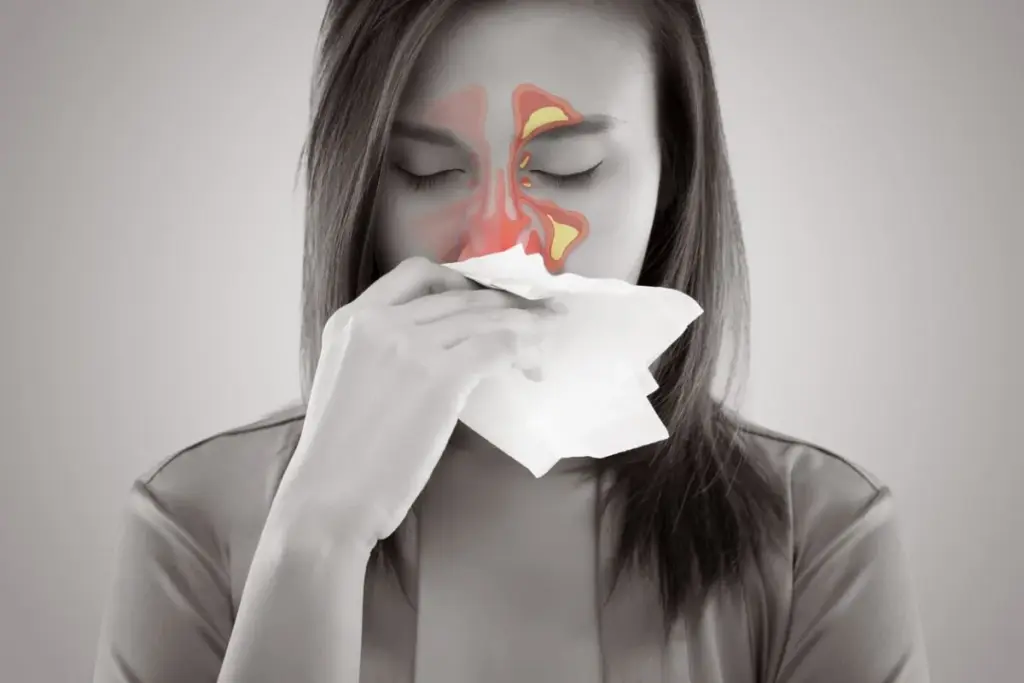
When the sinuses get inflamed, mucus can’t drain properly. This leads to a buildup of mucus, perfect for infections. Inflammation can be from viral infections, bacterial infections, or allergies.
Sinusitis can be acute or chronic. Acute sinusitis has sudden symptoms, while chronic has long-lasting symptoms. Knowing the cause is key to treating sinusitis.
Viral vs. Bacterial Sinus Infections: Understanding the Difference
It’s important to know if a sinus infection is viral or bacterial to choose the right treatment. Sinus infections, or sinusitis, happen when the sinuses get inflamed or infected. This leads to uncomfortable symptoms.
How infections develop in the sinuses
Most sinusitis cases start with a viral infection. These can come from the common cold or flu. They cause inflammation and congestion in the sinuses. Bacteria can also cause sinusitis, either alone or after a viral infection weakens the immune system.
When pathogens invade the sinus cavities, they cause inflammation. This leads to symptoms like nasal congestion, facial pain, and thick nasal discharge.
Why distinguishing between them matters
It’s key to tell the difference between viral and bacterial sinus infections because treatments vary. Viral sinusitis usually gets better with supportive care. But bacterial sinus infections might need antibiotics to clear the infection.
Knowing the cause helps manage bacterial sinus symptoms better. Untreated bacterial sinusitis can cause serious problems. These include prolonged infection, worse symptoms, or spreading to other areas.
By figuring out if a sinus infection is viral or bacterial, doctors can give the best treatment. This ensures patients get the care they need to fully recover.
Common Symptoms of Sinus Infection
Sinus infections, whether caused by viruses or bacteria, bring a mix of uncomfortable symptoms. These can really affect your daily life. Knowing these symptoms is key to finding the right treatment.
Facial Pain and Pressure
Facial pain and pressure are big signs of a sinus infection. You might feel a dull ache or sharp pain in your cheeks, forehead, or around your eyes.
Nasal Congestion and Discharge
A stuffy nose, or nasal congestion, is another common symptom. It often comes with nasal discharge. The color of the discharge can tell you if it’s viral or bacterial.
Sinus Headaches and Their Characteristics
Sinus headaches are common in people with sinus infections. They usually hurt in the forehead, cheeks, and eyes. Moving can make the pain worse.
Other Shared Symptoms
Other symptoms include cough, sore throat, and feeling very tired. These can make it hard to tell if you have a sinus infection or something else.
|
Symptom |
Viral Sinus Infection |
Bacterial Sinus Infection |
|---|---|---|
|
Facial Pain |
Mild to Moderate |
Moderate to Severe |
|
Nasal Discharge |
Clear or Yellow |
Thick, Yellow, or Green |
|
Headaches |
Present |
Often Severe |
How to Identify a Viral Sinus Infection
It’s important to know the signs of viral sinus infections to tell them apart from bacterial ones. Both types share some symptoms, but there are key differences. These differences help us figure out what kind of infection you have.
Characteristic Viral Symptoms
Viral sinus infections often cause nasal congestion, runny nose, and mild facial pain. You might also have a sore throat and cough because of a viral infection.
The pain and congestion usually affect both sides of your face.
Typical Duration and Progression
Viral sinus infections usually last about 7 to 10 days. They tend to get better on their own without treatment. At first, symptoms might get worse, but then they start to get better as your body fights off the virus.
- Day 1-3: Symptoms worsen
- Day 4-7: Symptoms peak and begin to subside
- Day 7-10: Gradual improvement
What Does a Viral Sinus Infection Feel Like?
A viral sinus infection feels like a long-lasting cold. You might feel facial pressure and nasal congestion. People often feel fatigued and have a reduced sense of smell.
|
Symptom |
Viral Sinus Infection |
|---|---|
|
Nasal Congestion |
Common, often bilateral |
|
Facial Pain |
Mild to moderate, can be bilateral |
|
Discharge |
Clear or slightly colored |
|
Duration |
7-10 days |
Knowing these signs helps you figure out if you have a viral sinus infection. This knowledge helps you get the right treatment and manage your symptoms better.
Signs Your Sinus Infection Is Bacterial
Knowing if your sinus infection is bacterial is key to treating it right. Bacterial infections show different signs than viral ones.
Bacterial Sinus Infection Symptoms
Bacterial sinus infections are often more serious. Look out for these signs:
- Thick, discolored nasal discharge
- Persistent facial pain and pressure
- Fever above 102°F (39°C)
- Worsening symptoms after initial improvement
These signs might mean you have a bacterial infection. Watching how your symptoms change is important for the right treatment.
Signs Your Body Is Fighting a Bacterial Infection
Your body may show certain signs when fighting a bacterial infection. Look for:
|
Symptom |
Description |
|---|---|
|
Increased White Blood Cell Count |
A sign that your immune system is actively fighting an infection |
|
Fatigue |
Feeling extremely tired or weak |
|
Loss of Appetite |
Reduced interest in food due to illness |
Doctors say these symptoms can mean you have a bacterial infection. This might need antibiotics.
“Accurate diagnosis is key to treating sinus infections effectively. Bacterial sinusitis requires targeted therapy to resolve the infection and prevent complications.”
— Medical Expert, ENT Specialist
When Viral Infections Transition to Bacterial
Viral sinus infections can turn into bacterial ones. This happens when:
- Symptoms last more than 10 days
- Symptoms get worse after they first get better
- Severe symptoms like high fever or intense facial pain appear
Spotting these signs is important for getting the right medical help. If you notice any, see a doctor for the right diagnosis and treatment.
How Long Do Sinus Infections Last?
Many people wonder how long sinus infections last. These infections can be caused by viruses or bacteria. Knowing how long they last helps manage symptoms and decide when to see a doctor.
Expected Timeline for Viral Sinusitis
Viral sinus infections usually go away in 7 to 10 days. Symptoms like nasal congestion and facial pain are common. It’s important to remember that viral sinusitis often gets better with time and care.
Medical Expert, an ENT specialist, says, “Most people with viral sinusitis start to feel better in a week. But, some symptoms can last up to two weeks.”
Duration of Bacterial Sinus Infections
Bacterial sinus infections can last longer than viral ones. Without treatment, they can last weeks or months. Antibiotics are often needed to treat bacterial sinus infections. With the right treatment, symptoms start to improve in a few days.
A study in the Journal of Infectious Diseases showed that antibiotics cut the symptom duration of bacterial sinusitis from 12 days to 7 days.
When Prolonged Symptoms Indicate Complications
Some sinus infections last longer than others. If symptoms don’t get better or get worse, it’s time to see a doctor. Potential complications of sinus infections include:
- Meningitis
- Osteomyelitis
- Orbital cellulitis
A medical journal quote says, “Complications of sinusitis can be severe and potentially life-threatening. This highlights the need for quick medical evaluation for persistent or severe symptoms.”
In summary, knowing how long sinus infections last and when to see a doctor is key. It helps manage symptoms and prevents serious complications.
How Do You Get a Sinus Infection?
It’s important to know how sinus infections start to prevent and treat them. Sinus infections, or sinusitis, occur when the sinuses get inflamed or infected. This can happen due to viruses, bacteria, allergies, or other reasons.
Common Triggers and Risk Factors
Many things can lead to a sinus infection. These include:
- Viral infections, such as the common cold or flu
- Bacterial infections, which can develop after a viral infection
- Allergies, specially to airborne allergens like pollen or dust mites
- Anatomical issues, such as a deviated septum or nasal polyps
- Environmental factors, including exposure to pollutants or smoking
The table below shows how different things can cause sinus infections:
|
Trigger/Risk Factor |
Description |
Impact on Sinus Health |
|---|---|---|
|
Viral Infections |
Common cold, flu |
Inflames sinuses, leading to infection |
|
Bacterial Infections |
Secondary infection after viral infection |
Causes prolonged or severe sinus infection |
|
Allergies |
Reaction to pollen, dust mites, etc. |
Increases nasal congestion and sinus pressure |
Underlying Conditions That Increase Susceptibility
Some health conditions can make you more likely to get a sinus infection. These include:
- Gastroesophageal reflux disease (GERD): Stomach acid can flow up into the sinuses, causing irritation.
- Asthma: Inflammation in the airways can increase the risk of sinus infections.
- Immune system disorders: Conditions like HIV/AIDS or taking immunosuppressive drugs can weaken the immune system.
- Nasal polyps or a deviated septum: Anatomical abnormalities can obstruct sinus drainage.
Knowing the causes and risk factors is key to managing and preventing sinus infections. By understanding these, you can take steps to lower your risk of getting sinusitis.
When to Seek Medical Care
Knowing when to see a doctor is key to managing sinus infections. We’ll show you the signs that mean you need to go right away. We’ll also help you figure out if you need medical help for your sinus infection.
Warning Signs Requiring Immediate Attention
Some symptoms mean you should get medical help fast. If you notice any of these, get help right away:
- Severe headache or facial pain that doesn’t get better with over-the-counter pain relievers
- High fever (usually above 102°F) that keeps getting worse
- Difficulty breathing or feeling short of breath
- Swelling or redness around the eyes
- Persistent or thick nasal discharge, if it’s yellow or green
How to Tell if You Have a Sinus Infection That Needs Treatment
Telling if your sinus infection is viral or bacterial is important for the right treatment. If your symptoms:
- Last more than 7-10 days
- Get worse over time, even after they seemed to get better
- Include thick, colored nasal discharge
- Are with a fever
It’s likely you need medical help. See a doctor to get checked and find out what to do next.
What to Expect During Your Doctor’s Visit
At your doctor’s visit for a sinus infection, you’ll get a full check-up. This might include:
- Talking about your medical history to understand your symptoms and health
- A physical exam, focusing on your sinuses and nasal passages
- Possible tests, like a nasal endoscopy or imaging, to see how bad the infection is
Your doctor will then suggest a treatment plan just for you. This might include sinus infection relief and antibiotics if it’s bacterial.
By knowing when to see a doctor and what to expect, you can take good steps towards treating your sinus infection treatment options and feeling better.
Diagnostic Approaches for Sinus Infections
To diagnose sinus infections, we use physical exams, lab tests, and imaging studies. These methods help us find the cause of sinusitis and decide on treatment.
Physical Examination Techniques
A detailed physical exam is key for diagnosing sinus infections. We look for symptoms like nasal congestion, facial pain, and fever. We might use a nasal speculum to see inside the nasal passages and check for inflammation or infection.
Nasal endoscopy is also helpful. It lets us see the sinuses and nasal passages directly. We use an endoscope with a camera and light to examine the sinus mucosa and drainage paths.
Laboratory Tests
Laboratory tests are vital for diagnosing sinus infections. They help tell if the cause is viral or bacterial. Nasal swabs or nasopharyngeal swabs are used to collect samples for culture or PCR testing.
- Cultures help identify the specific pathogen causing the infection, guiding antibiotic therapy.
- PCR tests can detect the genetic material of pathogens, providing rapid and accurate diagnosis.
Imaging Studies
Imaging studies help us see how far the infection has spread and if there are complications. Computed Tomography (CT) scans are the best choice for sinusitis. They give detailed images of the sinuses and surrounding areas.
CT scans show sinus opacification, mucosal thickening, and other signs of sinusitis. Sometimes, Magnetic Resonance Imaging (MRI) is used to check soft tissue involvement or suspected complications like orbital or intracranial extension.
Treatment Options for Viral Sinus Infections
Treating viral sinus infections focuses on supportive care. This helps your body get better. Antibiotics don’t work on viruses, so we use other ways to ease symptoms.
Supportive Care Strategies
Supportive care is key for viral sinus infections. Drink lots of fluids, rest well, and use humidifiers. These steps help thin mucus, reduce congestion, and aid healing.
Over-the-Counter Medications for Symptom Relief
OTC medications help a lot with symptoms. Decongestants lessen nasal stuffiness. Pain relievers like acetaminophen or ibuprofen ease headaches and facial pain. Expectorants help loosen mucus, making it easier to cough up.
Home Remedies for Sinus Infection Relief
Home remedies can also help. Saline nasal sprays or rinses clear mucus and ease pressure. Warm compresses on the face loosen mucus and ease pain. Sleeping with your head raised helps mucus drain, reducing congestion.
Using supportive care, OTC meds, and home remedies helps manage symptoms. It supports your body’s natural healing.
Managing Bacterial Sinus Infections
Dealing with bacterial sinus infections needs a detailed plan. This plan should cover understanding the infection, the right treatments, and when to see a doctor. It’s all about a complete approach to feel better and get well.
Antibiotic Therapy Approaches
Antibiotics are key in treating bacterial sinus infections. The right antibiotic depends on the infection’s severity, your health history, and local resistance. Commonly prescribed antibiotics include amoxicillin, azithromycin, and levofloxacin.
We start with a standard antibiotic dose and length. We adjust as needed based on how you respond and lab results. It’s important to finish all antibiotics to clear the infection and avoid resistance.
|
Antibiotic |
Dosage |
Duration |
|---|---|---|
|
Amoxicillin |
500mg – 875mg twice daily |
7-10 days |
|
Azithromycin |
500mg once daily |
3-5 days |
|
Levofloxacin |
500mg once daily |
7-10 days |
Adjunctive Treatments
Along with antibiotics, other treatments help manage symptoms. These include saline nasal sprays for moisture, nasal decongestants for congestion, and pain relievers like acetaminophen or ibuprofen for pain and headaches.
Using a humidifier adds moisture to the air, soothing the nasal passages and sinuses. Drinking lots of fluids is also key to thinning mucus and helping it drain.
When to Follow Up if Symptoms Persist
If symptoms don’t get better or get worse after antibiotics, see your doctor. This could mean changing antibiotics or finding other causes.
Make a follow-up appointment if you’re not feeling better, have ongoing pain, congestion, or discharge. If you get a fever or swelling, see your doctor too. They might do more tests to figure out what to do next.
Prevention Strategies for Sinus Infections
To prevent sinus infections, it’s important to practice good hygiene, stay hydrated, and manage any health issues. These steps can help lower the chance of getting sinusitis and its problems.
Lifestyle Modifications
Changing your lifestyle can help prevent sinus infections. Here are some ways:
- Maintaining good hygiene to avoid the spread of infections
- Staying well-hydrated to keep the nasal passages moist
- Avoiding allergens and irritants such as smoke and pollution
- Using a humidifier to maintain an optimal indoor humidity level
Table: Lifestyle Changes for Sinus Infection Prevention
|
Lifestyle Change |
Benefit |
|---|---|
|
Good Hygiene |
Reduces the risk of catching viral or bacterial infections |
|
Staying Hydrated |
Keeps nasal passages moist, promoting healthy drainage |
|
Avoiding Allergens |
Minimizes nasal irritation and inflammation |
|
Humidifier Use |
Maintains optimal indoor humidity, reducing sinus dryness |
Managing Underlying Conditions
It’s key to manage health conditions to prevent sinus infections. This includes:
- Treating allergies to reduce nasal inflammation
- Managing gastroesophageal reflux disease (GERD) to prevent stomach acid from irritating the nasal passages
- Addressing anatomical issues such as a deviated septum
Seasonal Prevention Tactics
Some seasons may need extra steps to prevent sinus infections. For example:
- During peak allergy seasons, using nasal saline irrigations can help clear allergens
- In the winter, maintaining a healthy indoor environment by avoiding dry air
- Being extra vigilant during cold and flu season by practicing good hygiene and getting vaccinated
By using these prevention strategies every day, you can lower your risk of sinus infections. This helps keep your sinuses healthy.
Conclusion
It’s important to know the difference between viral and bacterial sinus infections. This knowledge helps in managing and treating sinusitis symptoms effectively. By understanding these differences, people can get the right care and feel better.
We’ve looked at the causes, symptoms, and treatments for sinus infections. Knowing the signs of a sinus infection helps people take action early. This knowledge lets patients choose the best treatment for their needs.
Good prevention and treatment can greatly improve life for those with sinus infections. By making lifestyle changes, managing health conditions, and getting medical help when needed, people can lessen the effects of sinusitis. This helps keep the sinuses healthy.
FAQ
What are the common symptoms of a sinus infection?
Symptoms include facial pain, nasal congestion, headaches, and thick nasal discharge. These signs can happen in both viral and bacterial infections.
How do I know if my sinus infection is viral or bacterial?
Viral infections start like a cold. Bacterial infections are more severe, with thick yellow or green discharge. They don’t get better with over-the-counter meds.
How long do sinus infections usually last?
Viral infections last 7-10 days. Bacterial infections can last longer and need antibiotics. If symptoms last over 10-14 days, it might be bacterial.
What triggers sinus infections?
Triggers include viruses, bacteria, allergies, and environmental factors. Conditions like a deviated septum or nasal polyps also play a role.
When should I seek medical care for a sinus infection?
See a doctor for severe symptoms like trouble breathing, severe pain, or fever over 102°F. Also, if symptoms get worse or last more than 10-14 days.
How are sinus infections diagnosed?
Diagnosis involves a physical exam and medical history review. Sometimes, lab tests or imaging like a CT scan are needed to check inflammation and rule out other conditions.
What are the treatment options for viral sinus infections?
Treatment for viral infections includes over-the-counter meds, staying hydrated, and home remedies like steam inhalation. These help ease symptoms.
How are bacterial sinus infections treated?
Bacterial infections are treated with antibiotics. Sometimes, nasal decongestants or corticosteroids are recommended to help with symptoms.
Can sinus infections be prevented?
Yes, prevention includes good hygiene, managing allergies, avoiding irritants, and using flu vaccines. These steps help prevent infections.
What are the signs that my body is fighting a bacterial infection?
Signs include fever, increased white blood cells, and thick, colored nasal discharge. These indicate a bacterial infection.
References
Kwon, E., Hathaway, C., & Sutton, A. E. (2025). Acute sinusitis. In StatPearls. StatPearls Publishing. https://www.ncbi.nlm.nih.gov/books/NBK547701/