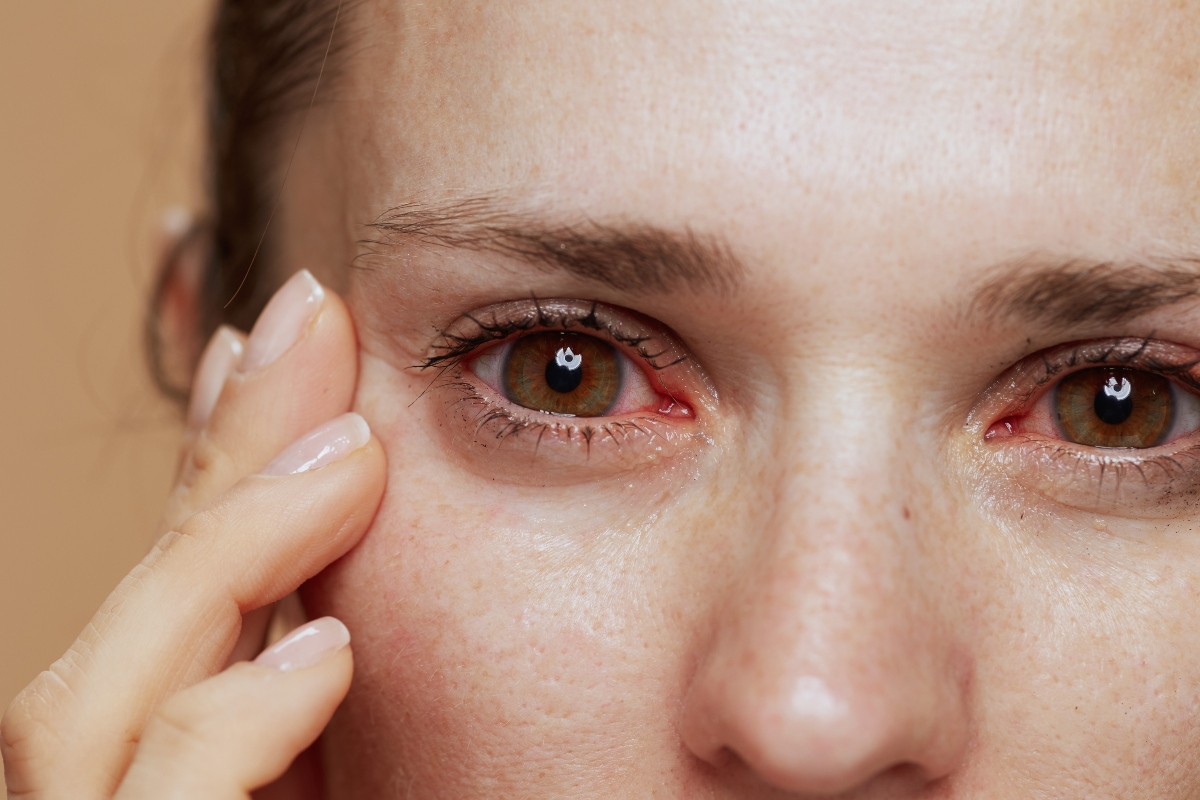
Diplopia, or double vision, affects millions worldwide. It causes disorientation and discomfort when a single object appears as two. Understanding the causes and solutions is key for relief.
We know that double vision therapy and eye exercises can help. At Liv Hospital, we focus on patient care. Our eye care is based on the latest research.
We aim to guide you on managing double vision. Through eye exercises for double vision and vision therapy for diplopia, you can regain clarity. This helps you feel more confident in your daily life.
Key Takeaways
- Diplopia, or double vision, can be managed with the right treatment.
- Eye exercises and vision therapy are effective for many.
- Liv Hospital offers a patient-centered approach to eye care.
- Our treatment plans are based on the latest research.
- Knowing the causes of diplopia is important for effective treatment.
Understanding Diplopia: Causes and Symptoms

Double vision, or diplopia, is a visual disorder. It can come from eye muscle problems or neurological issues. This condition makes daily tasks hard.
What Is Double Vision and How It Affects Daily Life
Diplopia means seeing two images of one thing. It can happen in one eye (monocular) or both (binocular). It makes reading, driving, and walking hard.
Double vision is very upsetting. It’s important to find the cause to improve life quality.
Diplopia makes simple tasks hard. It can cause frustration and make people feel isolated. Knowing the cause is key to managing it.
Common Causes of Diplopia
Diplopia has many causes. Eye muscle disorders like strabismus can cause it. Neurological issues, like stroke or diabetes, can also cause it.
- Eye muscle disorders (e.g., strabismus)
- Neurological conditions (e.g., stroke, multiple sclerosis)
- Trauma to the head or eye
Binocular vs. Monocular Double Vision
It’s important to know if diplopia is binocular or monocular. Binocular diplopia affects both eyes and is often due to eye alignment or neurological problems. Monocular diplopia is in one eye and can be from eye problems like cataracts.
Knowing if it’s binocular or monocular helps find the right treatment. We’ll look at how to diagnose it next.
Diagnosing Double Vision: When to Seek Professional Help

Double vision, or diplopia, is a symptom that needs quick attention from a healthcare professional. It’s important to figure out if it’s a sign of a serious problem.
Diagnostic Tests for Diplopia
Healthcare professionals use many tests to find the cause of double vision. They start with a detailed eye exam to check how well the eyes work together. They also use imaging tests like MRI or CT scans to look for neurological issues.
They might also do blood tests to check for things like diabetes or thyroid disorders.
Common diagnostic tests include:
- Eye movement examination to assess how well the eyes move together
- Cover test to evaluate eye alignment
- Visual field test to check for any blind spots or areas of decreased vision
Medical Conditions Associated with Double Vision
Double vision can be linked to many medical issues, from mild to severe. These include cranial nerve palsies, multiple sclerosis, thyroid eye disease, and stroke.
It’s key to find the cause to treat it right.
Warning Signs That Require Immediate Medical Attention
Some symptoms with double vision need quick medical help. These include sudden double vision, severe headache, eye pain, trouble speaking, or weakness in the face or limbs.
If you notice any of these, get emergency care:
- Sudden double vision
- Double vision with headache or eye pain
- Double vision after a head injury
Quick diagnosis and treatment can greatly help those with double vision.
The Science Behind Vision Therapy for Diplopia
Understanding how neuroplasticity helps in vision therapy is key. Vision therapy is more than eye exercises. It’s a detailed method that uses special techniques and brain training.
How Neuroplasticity Supports Vision Rehabilitation
Neuroplasticity lets the brain make new connections. This idea shows that our brains can change, even as we age. Studies prove that with the right exercises, the brain can get better at seeing, even for those with diplopia.
“The brain’s ability to reorganize itself by forming new neural connections is key for vision rehabilitation.” This change helps the brain work around damaged areas. It might even help restore normal vision.
Research Evidence on Eye Exercise Effectiveness
Many studies show that eye exercises work for diplopia. Vision therapy helps improve how eyes work together and strengthens eye muscles. Research backs up vision therapy as a good treatment for diplopia, showing real improvements in symptoms and life quality.
“Vision therapy has been shown to be effective in improving eye alignment, reducing symptoms of diplopia, and boosting overall visual function.”
National Eye Institute
Timeline for Improvement According to the National Eye Institute
The National Eye Institute says it can take 12 weeks or more to see big changes from vision therapy. How fast you see progress depends on how bad your condition is, how often you go to therapy, and your health.
- First signs of improvement might show in 6-8 weeks.
- Big steps forward are often seen after 12 weeks of therapy.
- More therapy can lead to even more progress over time.
Knowing the science behind vision therapy and its use of neuroplasticity can help those with diplopia feel more hopeful about their treatment.
Preparing for Your Eye Exercise Routine
Getting ready for your eye exercises can really help. Make sure your environment and mindset are right. This means setting up a good space, getting the right tools, and aiming for realistic goals. Doing this will help you face diplopia challenges and make progress in your treatment.
Creating an Optimal Environment for Vision Exercises
You need a quiet, comfy spot without distractions for eye exercises. Turn off devices or find a quiet room to help. The room should be well-lit but not too harsh.
Medical Expert, a top optometrist, says a calm place is key for vision therapy. Adjust the lights, keep the room at a good temperature, and reduce noise.
Equipment and Tools You’ll Need
Even though some exercises need little, the right tools can help a lot. Here are some common ones:
- A pencil or pen for focus exercises
- A Brock string for convergence training
- A vision therapy software or app
- A prism lens or other special tools your eye doctor suggests
Setting Realistic Goals and Tracking Progress
It’s important to set goals you can reach. Break big goals into smaller steps to see your progress. Keep a journal or log to track your exercises, noting any challenges or improvements.
“The key to success in vision therapy is consistent practice and patience. By setting achievable milestones and tracking progress, individuals can stay motivated and focused on their goals.”
— American Academy of Optometry
Fundamental Eye Exercises for Double Vision
For those with double vision, certain eye exercises can help. They improve eye coordination and reduce symptoms. These exercises strengthen eye muscles and help the brain combine images from both eyes.
Pencil Push-Up Exercises: Step-by-Step Guide
Pencil push-up exercises are great for improving convergence. Hold a pencil at arm’s length in front of your nose. Slowly move it towards your nose, focusing on the tip, until you see double.
Hold for a few seconds and then move it back to arm’s length. Keep focusing. Do this 10-15 times, several times a day.
Tips for effective pencil push-ups: Make sure the pencil is at eye level. Don’t tilt your head. If it hurts, rest your eyes often.
Brock String Exercises for Convergence Training
Brock string exercises help with convergence and reduce double vision. Use a string with beads or objects attached at different points. Hold one end against your nose and the other at arm’s length.
Focus on a bead, noticing the “X” shape it forms. Move your focus along the string, watching the “X” change. Repeat several times.
The benefits of Brock string exercises include better depth perception and eye alignment. Regular practice can greatly improve convergence insufficiency.
Focus Shifting Techniques
Focus shifting techniques train your eyes to quickly switch focus. Hold a pencil or finger at arm’s length. Then, quickly look at a distant point and back again.
Repeat this several times, increasing speed and frequency. This helps your eyes get better at shifting focus.
To maximize the effectiveness of focus shifting: Practice often, starting slow. As you get more comfortable, increase the speed.
Advanced Vision Therapy Techniques for Diplopia
Advanced vision therapy techniques offer a detailed way to handle diplopia. They are made to fit each person’s needs. This means a treatment plan that really helps with double vision.
Computer-Based Vision Therapy Programs
Computer-based vision therapy programs have changed how we treat diplopia. They use special software for fun exercises. These exercises help the brain and eyes work better together. Key benefits include:
- Personalized treatment plans based on individual needs
- Interactive and engaging exercises to maintain patient motivation
- Progress tracking and adjustments to therapy as needed
These programs can be used in clinics or at home. This makes treatment flexible and easy for patients. Using technology, computer-based vision therapy brings a new way to fight diplopia.
Vectograms and Polarized Filters
Vectograms and polarized filters are advanced tools for vision therapy. Vectograms help align the eyes by showing different images to each eye. Polarized filters control light to lessen double vision symptoms.
Vectograms and polarized filters make vision therapy better. They tackle diplopia from different angles.
Prism and Lens Therapy Applications
Prism and lens therapy are also used for diplopia. Prisms help align images seen by both eyes, cutting down double vision. Lens therapy uses special lenses to improve eye alignment and focus.
Key applications include:
- Correcting eye alignment issues
- Improving binocular vision
- Reducing symptoms of diplopia
By adding these advanced techniques to a treatment plan, people with diplopia can see big improvements. Their quality of life can get much better.
Eye Muscle Strengthening Exercises
We suggest doing a set of eye exercises to make your eye muscles stronger. This can help your eyes work better together and lessen double vision symptoms.
Tracking Exercises for Improved Eye Coordination
Tracking exercises are easy but very helpful for better eye coordination. Here’s how to do a basic one:
- Hold a pen or pencil at arm’s length.
- Focus on the tip of the pen.
- Slowly move the pen from side to side, keeping your head steady.
- Follow the pen with your eyes, keeping focus.
Benefits: These exercises improve how well your eyes move and work together.
Distance-Based Visual Training Methods
Visual training at different distances helps your eyes adjust and focus better. Here’s how to do it:
- Hold your thumb a few inches from your nose.
- Focus on your thumb for a few seconds.
- Then, quickly look at something far away (at least 10 feet).
- Do this several times.
Regular practice makes your eye muscles more flexible.
Peripheral Vision Enhancement Techniques
Improving your peripheral vision can lessen double vision symptoms. Try this exercise:
- Sit or stand with your back straight.
- Look straight ahead, focusing on a point.
- Without moving your head, try to notice things or movement on the sides.
- Do this often to improve your peripheral vision.
Adding these exercises to your daily routine can greatly improve your eye muscle strength and coordination.
Exercise Type | Benefits | Frequency |
Tracking Exercises | Improves eye movement and coordination | 3 times a day |
Distance-Based Visual Training | Enhances eye flexibility and focus | 2 times a day |
Peripheral Vision Enhancement | Increases visual awareness | Daily |
Specialized Exercises for Different Types of Diplopia
Understanding diplopia’s various forms is key to treating it. Each type needs a unique approach to vision therapy. This makes treatment more effective.
Exercises for Convergence Insufficiency
Convergence insufficiency makes it hard to move eyes together. Special exercises help improve this skill.
- Pencil push-ups: This exercise involves focusing on a pencil tip as it’s moved closer to the nose, improving convergence.
- Brock string exercises: Using a Brock string (a string with beads at different distances), patients practice focusing on each bead, improving convergence and depth perception.
Exercise | Description | Frequency |
Pencil Push-Ups | Focus on a pencil tip as it’s moved closer to the nose. | 3 sets of 10 repetitions daily |
Brock String Exercises | Practice focusing on each bead on the string. | 5 minutes, twice daily |
Techniques for Post-Stroke Double Vision
Post-stroke diplopia comes from brain damage. It affects eye movement. Compensatory strategies and vision therapy help manage it.
Prism lenses can shift images and reduce double vision. Eye patching can also help by blocking one eye’s image.
Approaches for Post-Cataract Surgery Diplopia
Diplopia after cataract surgery can happen for many reasons. Exercises help adapt to the new vision.
Patients should do
Customized exercises for each type of diplopia can greatly improve life quality.
Conclusion: Creating a Sustainable Vision Therapy Routine
Creating a lasting vision therapy routine is key to keeping up progress and getting long-term results. It’s important to be consistent with your vision therapy. We urge you to stay committed to your journey.
By using the eye exercises and techniques we’ve talked about, you can get better at eye coordination. This can help reduce double vision. It’s vital to make a routine that fits you and stick to it to keep making progress.
A good vision therapy routine needs regular practice, patience, and persistence. Set aside a time each day for your eye exercises and track your progress. This way, you’ll know you’re moving forward towards your goals.
Staying committed to a vision therapy routine can bring long-term benefits and better eye health. We believe with regular practice and dedication, you can beat diplopia and live a better life.
FAQ
What is diplopia, and how does it affect daily life?
Diplopia, or double vision, means seeing two images of one thing. It can make daily tasks hard, like reading or driving. It also causes headaches and trouble judging distances.
What are the common causes of diplopia?
Many things can cause diplopia, like eye muscle problems or brain issues. Even injuries or diseases like diabetes can lead to it. Knowing the cause helps find the right treatment.
How do I know if I have binocular or monocular double vision?
Binocular double vision happens when eyes don’t line up right. Closing one eye fixes it. Monocular double vision stays even with one eye closed, pointing to a single eye problem.
What diagnostic tests are used to determine the cause of diplopia?
Doctors use eye exams to check how eyes move and align. They might also do imaging tests to find other health issues.
Can eye exercises help treat diplopia?
Yes, eye exercises can help with diplopia, like those for muscle imbalances or convergence issues. They’re part of vision therapy.
What are some fundamental eye exercises for double vision?
Pencil push-ups, Brock string exercises, and focus shifting can improve eye coordination. They help with diplopia symptoms.
How do I prepare for an eye exercise routine?
Get a good place to practice, the right tools, and set achievable goals. This helps start a successful eye exercise routine.
Are there advanced vision therapy techniques for diplopia?
Yes, there are advanced methods like computer programs, vectograms, and prism therapy. They’re customized for each person’s needs.
How long does it take to see improvement with vision therapy?
Improvement times vary, but the National Eye Institute says you might see changes in weeks to months with regular therapy.
Can vision therapy be customized for different types of diplopia?
Yes, exercises can be made for specific diplopia causes, like after a stroke or cataract surgery. They’re tailored to your needs.
What is the importance of maintaining a sustainable vision therapy routine?
Keeping up with therapy is key to lasting benefits. A consistent routine helps avoid symptom return and keeps improving your vision.
Where can I find exercises for double vision near me?
Talk to an eye care expert or vision therapist. They can give you personalized exercises and programs based on your needs and location.
Are there any specific eye exercises for diplopia after cataract surgery?
Yes, there are exercises for diplopia after cataract surgery. Always check with an eye care professional to find the best ones for you.
References
National Center for Biotechnology Information. Successful treatment of diplopia using prism correction combined with vision therapy/orthoptics improves health-related quality of life. Retrieved from https://pmc.ncbi.nlm.nih.gov/articles/PMC11088820/