
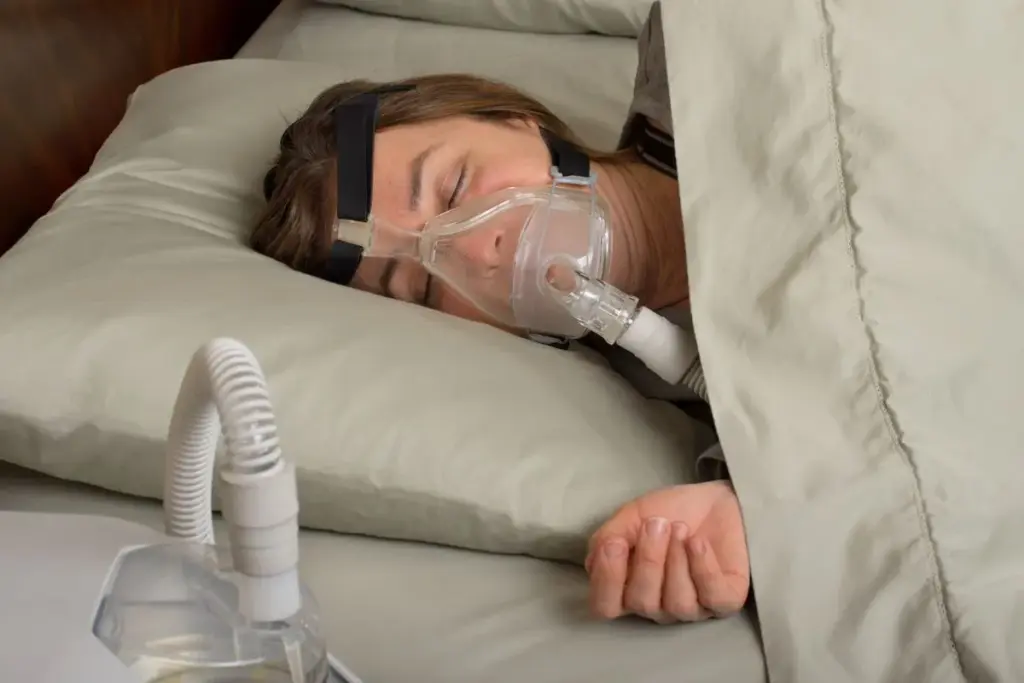
Did you know that atrial fibrillation (AFib) affects over 2.7 million people in the United States? Many of them experience irregular heartbeats during sleep.
Is it dangerous? Get vital atrial fibrillation sleep safety tips to ensure a restful night and a positive start to your day.
AFib is a heart condition that causes an irregular and often rapid heart rate. For those with AFib, sleeping safety is a big concern. This is because irregular heartbeats during rest can be risky.
Knowing about AFib and taking the right steps can help manage these risks. It’s important to understand the condition and how it affects sleep quality and health.
Key Takeaways
- AFib is a common heart condition that affects millions of people.
- Irregular heartbeats during sleep can pose health risks.
- Understanding AFib is key to managing sleep-related risks.
- Precautions can be taken to minimize AFib risks during sleep.
- Awareness of AFib’s impact on sleep quality is vital for health.
Understanding Atrial Fibrillation and Sleep

It’s important to know how atrial fibrillation (AFib) affects sleep. AFib is a heart condition that can really change someone’s life, including their sleep.
What is Atrial Fibrillation?
Atrial fibrillation is when the heart beats irregularly and fast. This can cause serious problems like stroke and heart failure. AFib can be a chronic condition, requiring ongoing management.
People with AFib might feel their heart beating strangely, get short of breath, or feel dizzy. They might also feel chest pain or be very tired.
How AFib Affects Sleep Patterns
AFib can mess up sleep in many ways. The irregular heartbeats can make it hard to relax and keep waking up. Also, needing to get up to use the bathroom at night can make sleep worse.
AFib can make you feel tired all day, stressed, and anxious. It can also make AFib symptoms worse because of poor sleep.
To manage AFib well, we need to understand how it affects sleep. By addressing sleep issues, we can improve our health and quality of life. Recognizing the risks associated with AFib and sleep helps us take steps to reduce them.
The Relationship Between Sleep and AFib Symptoms
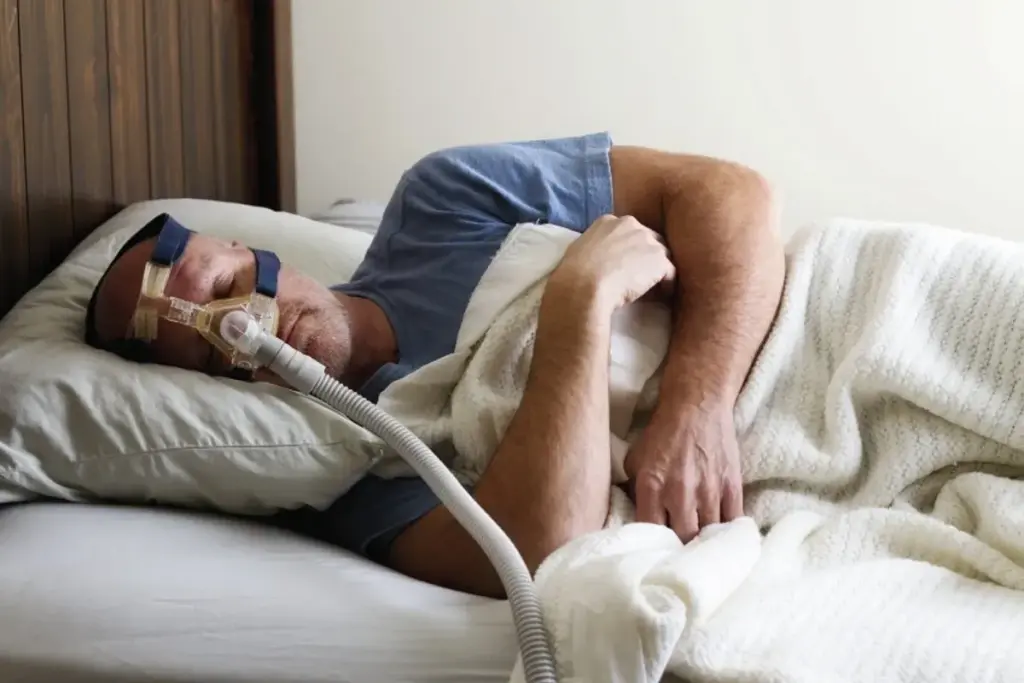
It’s important to understand how sleep and AFib symptoms are connected. AFib can make it hard to sleep well. At the same time, not sleeping well can make AFib symptoms worse.
Common AFib Symptoms During Sleep
People with AFib may feel different things while they sleep. These can include:
- Irregular or rapid heartbeats
- Palpitations or a sensation of skipped beats
- Shortness of breath or difficulty breathing
- Chest discomfort or pain
- Fatigue or feeling unrefreshed upon waking
These symptoms can make it hard to sleep well. It’s key to know these symptoms to manage AFib better.
Sleep Disruption and AFib Episodes
Not sleeping well can make AFib episodes worse. Poor sleep or sleep breaks can start or make AFib symptoms worse. The link between sleep and AFib is complex, with many factors involved.
|
Factor |
Impact on AFib |
|---|---|
|
Sleep Apnea |
Increases risk of AFib episodes |
|
Sleep Deprivation |
Can trigger or worsen AFib symptoms |
|
Stress and Anxiety |
May contribute to AFib episodes |
It’s important for AFib patients to take sleep precautions. Knowing the symptoms and how sleep affects AFib can help manage the condition better.
By taking afib sleep precautions, you can reduce risks at night. This includes making your sleep area comfortable, managing stress, and following your treatment plan.
Potential Risks of Sleeping with Untreated AFib
Sleeping with untreated atrial fibrillation (AFib) can harm your health. It affects not just your sleep but also your heart. Risks include stroke, heart failure, and other heart problems.
Stroke Risk During Sleep
Untreated AFib during sleep increases stroke risk. AFib makes the heart beat irregularly, leading to blood clots. These clots can cause a stroke in the brain.
Stroke risk factors in AFib patients include:
- History of stroke or transient ischemic attack (TIA)
- High blood pressure
- Diabetes
- Heart failure
Heart Failure Concerns
AFib can also cause heart failure. This is when the heart can’t pump enough blood. During sleep, the heart rate may get worse, making heart failure symptoms more severe.
Other Cardiovascular Complications
Untreated AFib during sleep can cause other heart problems. These include:
|
Complication |
Description |
Risk Factors |
|---|---|---|
|
Cardiac Arrest |
Sudden loss of heart function |
History of heart disease, high blood pressure |
|
Chronic Fatigue |
Persistent tiredness due to irregular heart rhythm |
Poor sleep quality, untreated AFib |
|
Kidney Damage |
Reduced kidney function due to decreased blood flow |
Diabetes, high blood pressure, heart failure |
Knowing these risks is key for AFib patients. They should manage their condition well, even at night.
Atrial Fibrillation Sleep Safety: Essential Precautions
To keep safe from atrial fibrillation risks, some sleep precautions are key. People with AFib can follow steps to stay safe at night.
Medication Adherence Before Bedtime
Following your medication plan is vital for managing AFib. Make sure to take your meds as your doctor says, before bed. This keeps your heart rhythm steady while you sleep. Talk to your doctor about the best time for your meds.
Creating a Safe Sleep Environment
It’s important to make your sleep area safe for AFib. Keep it cool, dark, and quiet for better sleep. Also, remove tripping hazards and make sure your bed is easy to get to.
Emergency Preparedness
Being ready for emergencies is key for AFib sleep safety. Have a plan, like keeping emergency numbers and a list of meds nearby. Tell a family member or partner about your AFib and what to do in an emergency.
By following these steps, people with atrial fibrillation can lower their risk of sleep problems. It’s about making a safe space for restful sleep and good health.
Optimal Sleeping Positions for AFib Patients
For those with atrial fibrillation, the right sleep position is key. It can help manage symptoms. Some positions ease symptoms, while others might make them worse.
Best Positions to Reduce Symptoms
Sleeping on your right side can lessen AFib symptoms. It’s thought to ease heart pressure. Also, sleeping on your back with your upper body up can improve breathing and heart comfort.
Using pillows for back support and bending your legs can make you more comfortable. It’s wise to avoid arms above your head to prevent strain and AFib episodes.
Key Sleeping Tips for AFib Patients:
- Sleep on your right side to reduce pressure on the heart.
- Elevate your upper body slightly when sleeping on your back.
- Avoid sleeping with your arms above your head.
Positions to Avoid
Sleeping on your left side is not ideal for AFib patients. It can add extra heart pressure. Also, curled-up or stomach sleeping can limit breathing and worsen symptoms.
|
Sleeping Position |
Effect on AFib Symptoms |
|---|---|
|
Sleeping on Right Side |
Can help reduce symptoms |
|
Sleeping on Back with Upper Body Elevated |
Can improve breathing and reduce strain |
|
Sleeping on Left Side |
May exacerbate symptoms |
|
Sleeping on Stomach |
Can restrict breathing and worsen symptoms |
Choosing the right sleep positions and avoiding harmful ones can improve sleep and health for AFib patients.
Sleep Apnea and AFib: A Dangerous Combination
Sleep apnea and AFib often go hand in hand, making things worse for patients. This mix can lead to more severe symptoms and a higher risk of complications.
The Link Between Sleep Apnea and AFib
The connection between sleep apnea and AFib is complex. Sleep apnea can make AFib symptoms worse by causing frequent awakenings and oxygen loss. On the other hand, AFib can also make sleep apnea worse.
Understanding this connection is key for healthcare providers to treat both conditions effectively.
Screening and Diagnosis
Screening for sleep apnea in AFib patients is vital. Symptoms like loud snoring, daytime fatigue, and morning headaches may indicate sleep apnea. Tests like polysomnography or home sleep apnea testing can confirm the diagnosis.
A detailed evaluation is needed to assess the severity of both conditions. This helps guide treatment decisions.
|
Diagnostic Criteria |
Sleep Apnea |
AFib |
|---|---|---|
|
Primary Symptoms |
Loud snoring, daytime fatigue |
Irregular heartbeat, palpitations |
|
Diagnostic Tests |
Polysomnography, Home Sleep Apnea Testing |
ECG, Holter Monitoring |
|
Treatment Approaches |
CPAP, Oral Appliances |
Medications, Cardioversion, Ablation |
Treatment Options
Treating sleep apnea can greatly improve AFib symptoms and patient outcomes. Continuous Positive Airway Pressure (CPAP) therapy is a common treatment for sleep apnea. It can help reduce AFib episodes.
Other treatments for AFib include medications, cardioversion, and catheter ablation. A treatment plan that addresses both sleep apnea and AFib is essential for the best management.
Monitoring AFib During Sleep
Managing AFib well means watching it closely at night. This helps both patients and doctors understand how it affects sleep. They can then find ways to lessen its risks.
Home Monitoring Devices
There are many devices for tracking AFib at home. These include:
- Portable ECG monitors that record heart activity all night
- Blood pressure monitors that spot irregular heartbeats
- Smart bed mattresses with heart rate tracking
These tools help patients gather data on their heart at night. They learn about AFib episodes and their details.
Wearable Technology Options
Wearable tech is getting more popular for tracking AFib at night. Some top choices are:
- Smartwatches with ECG features
- Fitness trackers that watch heart rate variability
- Special wearables made just for AFib tracking
These gadgets keep an eye on your heart all the time. They spot irregular rhythms and share updates on your condition.
Interpreting Sleep Data
It’s important to understand sleep data for managing AFib. Patients should talk to their doctors about the data. This helps make smart choices about their health.
When looking at sleep data, focus on:
- How often and long AFib happens at night
- How sleep stages and AFib are linked
- How lifestyle affects AFib at night
By studying this info, patients can spot patterns and causes. They can then change their lifestyle and treatment plans to improve.
Lifestyle Modifications to Improve Sleep with AFib
For those with atrial fibrillation, making lifestyle changes can help sleep better. These changes can also improve overall health and manage AFib.
Dietary Considerations Before Bed
Diet is key in managing AFib symptoms. Eating certain foods and drinks before bed can hurt sleep quality.
- Avoid caffeine and alcohol in the evening.
- Limit heavy meals close to bedtime.
- Consider a warm, non-caffeinated drink, like herbal tea, before sleep.
Exercise Timing and Sleep Quality
Regular exercise is good for AFib patients, but when you exercise matters for sleep.
- Engage in moderate exercise earlier in the day.
- Avoid vigorous workouts close to bedtime.
- Consider gentle stretching or yoga in the evening to promote relaxation.
Stress Management Techniques
Stress can make AFib symptoms worse and disrupt sleep. Using stress management techniques can help.
- Practice relaxation techniques, such as deep breathing or meditation.
- Engage in activities that reduce stress, like reading or listening to music.
- Consider keeping a journal to manage stress and track sleep patterns.
Medical Interventions for Better Sleep with AFib
Atrial fibrillation (AFib) can really mess with your sleep. But, there are many medical ways to help. It’s key to manage AFib symptoms at night to feel better overall.
Medications That May Help
There are several medicines that can help with AFib and sleep. These include:
- Beta-blockers: They help control heart rate and cut down on AFib episodes.
- Anti-arrhythmic drugs: These work to get your heart rhythm back to normal.
- Anticoagulants: They stop strokes by stopping blood clots.
It’s important to take your medicine as told and talk to your doctor about sleep issues.
Procedural Options for AFib Management
There are also procedures to manage AFib:
- Catheter Ablation: This procedure gets rid of the bad electrical paths in your heart.
- Cardioversion: It uses electrical shocks to get your heart rhythm back to normal.
- Pacemaker Implantation: This helps control your heart rhythm.
These treatments can really help AFib patients sleep better. It’s important to talk to your doctor about what’s best for you.
By using medicine and making lifestyle changes, people with AFib can sleep better and feel healthier.
When to Seek Emergency Help During the Night
It’s important for AFib patients to know when to get help fast, even at night. Atrial fibrillation can cause serious problems if not treated right away. Knowing when to act can save lives.
Warning Signs That Shouldn’t Wait Until Morning
Some symptoms mean you need to get help right away. These include:
- Severe chest pain or discomfort
- Shortness of breath
- Dizziness or fainting
- Rapid or irregular heartbeat that persists or worsens
- Confusion or difficulty speaking
If you have any of these symptoms, get help fast. Don’t wait to see if they go away on their own. Quick action can make a big difference.
Emergency Action Plan
AFib patients need an emergency plan. This plan should have:
- Contact info for your doctor and emergency services
- A list of your medicines and how much to take
- Your medical history, including allergies and heart issues
- A way to get to the hospital or emergency care quickly and safely
It’s good to share this plan with someone you live with. This way, they know what to do in an emergency. Being ready can help AFib patients stay safe and get the care they need.
Knowing the warning signs and having a plan can improve atrial fibrillation sleep safety measures and overall health.
Communicating with Healthcare Providers About Sleep Issues
Managing AFib symptoms, including those that affect sleep, requires open and informed communication with your healthcare team. When it comes to afib sleep considerations, being prepared for discussions with your healthcare provider can make a significant difference in your care plan.
Important Information to Track and Share
To effectively communicate with your healthcare provider, it’s essential to track and share relevant information about your sleep patterns and AFib symptoms. This includes:
- Sleep duration and quality
- Frequency and duration of AFib episodes
- Any symptoms experienced during sleep, such as nocturnal palpitations or shortness of breath
- Lifestyle factors that could influence sleep and AFib, such as diet, exercise, and stress levels
Keeping a log or using a health tracking app can help you monitor these factors and provide valuable insights to your healthcare provider.
|
Information to Track |
Why It’s Important |
|---|---|
|
Sleep Patterns |
Helps identify correlations between sleep quality and AFib episodes |
|
AFib Episode Frequency |
Assists in understanding the impact of AFib on overall heart health |
|
Nocturnal Symptoms |
Provides insight into how AFib affects the patient during sleep |
Questions to Ask Your Doctor
Being prepared with questions for your healthcare provider can help ensure you’re getting the most out of your consultations. Consider asking:
- What are the best strategies for managing AFib symptoms during sleep?
- Are there any specific lifestyle changes that could improve my sleep quality and reduce AFib episodes?
- What treatment options are available for addressing sleep-related issues associated with AFib?
By engaging in open and informed discussions with your healthcare provider, you can develop a more effective plan for managing your AFib and improving your sleep quality. This will ultimately enhance your overall well-being.
Latest Research on AFib and Sleep Management
New studies on atrial fibrillation (AFib) and sleep are giving us fresh insights. They show how AFib and sleep are connected, helping us find better ways to treat it.
Recent Studies and Findings
Recent research shows AFib and sleep problems are linked. People with AFib often have trouble sleeping, which makes their symptoms worse. But, treating sleep issues can help reduce AFib episodes.
- A study in the Journal of the American College of Cardiology found sleep apnea treatment cuts down AFib.
- European Heart Journal research shows how important good sleep is for managing AFib symptoms.
Emerging Treatment Approaches
New treatments aim to tackle both AFib and sleep problems together. Catheter ablation and other procedures are getting better. New medicines are also being tested to help manage AFib and improve sleep.
- Personalized medicine is being developed to fit treatment to each patient, including their sleep patterns.
- Digital health tools like wearables and apps are helping track AFib and sleep better.
Keeping up with the latest research is key for both doctors and patients. It helps improve AFib management and quality of life.
Conclusion
Managing atrial fibrillation and ensuring sleep safety needs a full plan. This plan includes lifestyle changes, medical steps, and constant checks. Knowing how sleep affects AFib symptoms helps people take action to lower risks.
Using afib sleep safety steps like a safe sleep area, following medicine, and using monitors can help a lot. It’s key to work with doctors to make a plan that fits your needs.
By taking a broad approach to atrial fibrillation sleep safety, people can lower their risk of serious health issues. This can improve their quality of life a lot.
FAQ
What are the risks of sleeping with untreated AFib?
Untreated AFib can lead to stroke, heart failure, and other heart problems. It’s key to manage AFib symptoms and follow treatment plans to lower these risks.
How can I create a safe sleep environment with AFib?
Make your bedroom dark, quiet, and comfy. Use a white noise machine or blackout curtains if needed. Also, keep a phone nearby for emergencies.
What is the best sleeping position for AFib patients?
Sleeping on your back with a pillow under your knees is best. It reduces heart strain. Avoid sleeping on your right side to avoid heart pressure.
How does sleep apnea relate to AFib?
Sleep apnea often goes with AFib. Untreated, it can make AFib worse. Getting diagnosed and treated for sleep apnea is important.
What lifestyle modifications can improve sleep quality with AFib?
Keep a regular sleep schedule and avoid big meals before bed. Stress-reducing activities like yoga or meditation help. Regular walks also improve sleep.
How can I monitor AFib during sleep?
Use home monitoring devices or wearable tech like smartwatches. Talk to your doctor to find the best way to track AFib at night.
What are the warning signs that require immediate attention during the night?
Watch for severe chest pain, trouble breathing, or an irregular heartbeat. Having a plan for emergencies is key.
How can I communicate effectively with my healthcare provider about sleep issues related to AFib?
Track your sleep and AFib symptoms. Share this info at appointments. Ask about managing AFib and improving sleep.
What are the latest research findings on AFib and sleep management?
New studies show the need to tackle sleep issues in AFib patients. They also highlight the benefits of new treatments like catheter ablation.
Are there any specific dietary considerations before bedtime that can help manage AFib?
Skip heavy meals, caffeine, and alcohol before bed. Eat a balanced diet with fruits, veggies, and whole grains for heart health.
Can stress management techniques help improve sleep quality with AFib?
Yes, stress-reducing activities like deep breathing or meditation can help. They reduce stress and improve sleep in AFib patients.
Reference
National Center for Biotechnology Information. Evidence-Based Medical Insight. Retrieved from https://pubmed.ncbi.nlm.nih.gov/40701788/