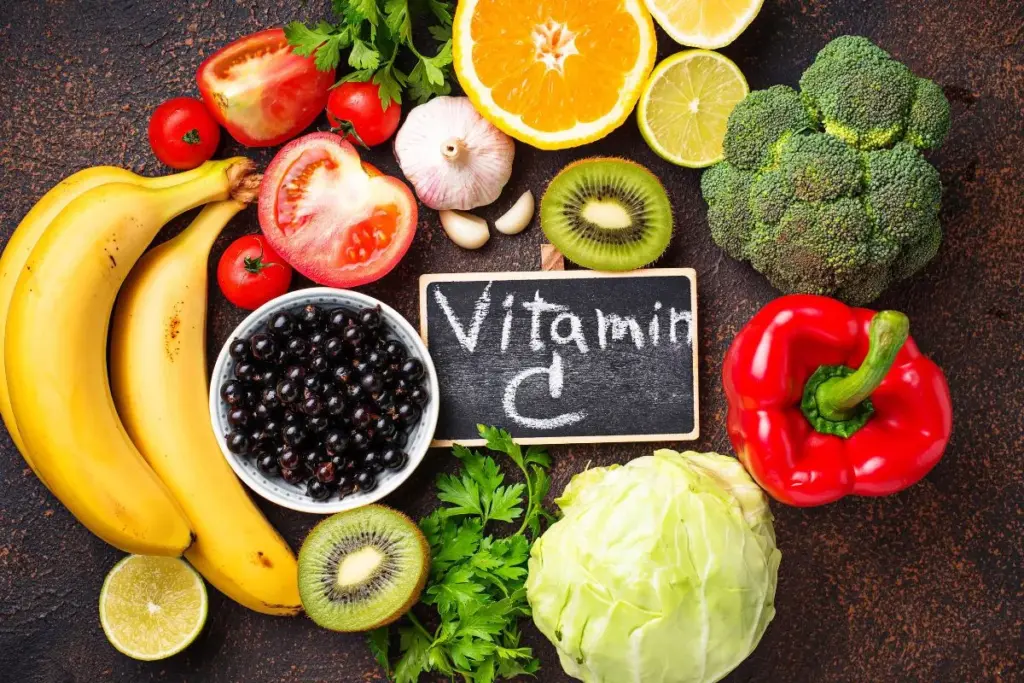
Keeping hormonal balance is key for feeling good. Some vitamins and supplements help keep our bodies in check.
About 42% of Americans lack Vitamin D, which is vital for health. Also, up to 60% of adults don’t get enough magnesium. This can affect our balance and health.
Take vitamin b12 and vitamin d together for amazing balance. Learn the vital health benefits and expert tips for a safe, wellness journey.
We’ll look into how vitamins, like those that support balance, can fix these issues. They help keep us healthy.
Key Takeaways
- Vitamin D deficiency affects a significant portion of the American population.
- Magnesium intake is often below recommended levels.
- Vitamins and supplements can play a critical role in maintaining balance.
- Certain nutrients are essential for overall health and well-being.
- A balanced diet and supplements can help address nutritional deficiencies.
Understanding Balance and Its Importance to Overall Health

Maintaining balance is key to our well-being. It’s not just about staying upright; it’s about health in many ways. We’ll look at how vitamins and supplements help keep us balanced.
Physical Balance vs. Biochemical Balance
Physical balance means we can stand up straight and avoid falling. It’s about our muscles and how they work together. Biochemical balance, though, is about the body’s inner workings, like how we metabolize food and hormones.
Both types of balance are important for our health. For example, Vitamin D helps our muscles and keeps us from falling. This shows how food affects our physical balance.
How Vitamins Affect Different Balance Systems in the Body
Vitamins are vital for keeping our body’s systems in check. B vitamins help our nerves and metabolism. Vitamin B12 is key for our brain and blood cells. Vitamin D is important for our bones and muscles.
- Vitamin D supports bone health and muscle function.
- B vitamins are essential for nervous system function and metabolic balance.
- Magnesium supports nervous system function and hormonal stability.
The Connection Between Hormonal Balance and Physical Stability
Hormones control many body functions, like growth and metabolism. They also affect how stable we are physically. Hormonal problems can lead to weak bones and a higher risk of breaking them. So, keeping hormones balanced is key for staying stable.
“Hormonal balance is essential for overall health, and nutritional factors play a significant role in maintaining it.”
An Endocrinologist
In summary, balance is about more than just staying upright. It’s about our body’s inner workings and hormones too. Vitamins like D, B vitamins, and magnesium are important for balance. Knowing about balance and how to keep it is vital for our health.
The Science Behind Vitamin D and Balance
Keeping Vitamin D levels right is key to staying balanced and avoiding falls. Vitamin D is a fat-soluble vitamin that helps keep bones strong, boosts the immune system, and supports overall health. It affects balance by improving muscle function, coordination, and brain health.
How Vitamin D Affects Muscle Function and Coordination
Vitamin D receptors are found in muscle cells, showing it directly affects muscle strength and function. Studies reveal that not having enough Vitamin D can cause muscle weakness, mainly in older adults. This weakness can make it harder to balance and raises the chance of falling.
Also, Vitamin D helps control calcium, a mineral needed for muscles to contract and relax. Having enough Vitamin D ensures muscles work right, which is essential for balance.
Vitamin D Deficiency Statistics in America
A big part of Americans don’t have enough Vitamin D. About 42% of adults in the U.S. lack Vitamin D. This issue is more common in older adults, people who don’t get much sun, and those with darker skin.
- 42% of U.S. adults are Vitamin D deficient.
- Older adults and individuals with limited sun exposure are at higher risk.
- Darker skin tones are associated with higher deficiency rates due to reduced Vitamin D production from sunlight.
Research on Vitamin D and Fall Prevention in Older Adults
Many studies have looked into how Vitamin D supplements help prevent falls in older adults. The research shows that enough Vitamin D can greatly lower the risk of falls. A big study found that Vitamin D supplements cut fall risk in older adults by a lot.
Key findings include:
- Vitamin D supplements reduce fall risk by improving muscle strength and balance.
- The benefits are most pronounced in individuals with Vitamin D deficiency or insufficiency.
- Combining Vitamin D with other nutrients, such as calcium, may enhance its effectiveness in preventing falls.
Understanding Vitamin D’s role in balance and preventing falls helps us see why it’s so important. We can keep Vitamin D levels up through sun, diet, and supplements.
B Complex Vitamins and Their Role in Balance

B vitamins are key for our body’s functions, like energy and nerve health. They help keep our body in balance and make us feel good.
Vitamin B6 and Nervous System Function
Vitamin B6, or pyridoxine, is important for our nerves. It helps make neurotransmitters like serotonin, which affects our mood. Without enough Vitamin B6, we might feel numb, weak, or have trouble balancing.
Key Functions of Vitamin B6:
- Neurotransmitter synthesis
- Nervous system function
- Immune system support
Vitamin B9 (Folate) and Metabolic Balance
Folate, or Vitamin B9, is vital for our body’s metabolism. It helps with DNA repair and turning carbs into energy. This is important for staying healthy and balanced.
The Importance of Folate:
“Folate is key for avoiding anemia and supporting a baby’s growth during pregnancy. It’s essential for our metabolic and physical balance.”
Vitamin B12 and Neurological Health
Vitamin B12 is important for our nerves. It helps make myelin, which protects our nerve fibers. Without enough Vitamin B12, we might feel numb, weak, or have trouble walking, affecting our balance.
|
Vitamin |
Role in Balance |
Deficiency Symptoms |
|---|---|---|
|
Vitamin B6 |
Nervous system function |
Numbness, weakness |
|
Vitamin B9 (Folate) |
Metabolic balance |
Anemia, fatigue |
|
Vitamin B12 |
Neurological health |
Numbness, difficulty walking |
How B Vitamins Support Hormonal Equilibrium
B vitamins are also important for hormonal balance. They help make hormones and regulate our body’s functions. For example, Vitamin B6 is involved in making serotonin, which affects our mood and hormones.
Understanding B vitamins’ role in balance shows how vital they are for our health and well-being.
Vitamin B12 and Vitamin D Together: The Perfect Balance Duo
Vitamin B12 and Vitamin D together are a strong team for health. They are known to help with balance and reduce falls, mainly in older adults.
Synergistic Effects of Combining These Vitamins
Vitamin B12 and Vitamin D work well together. Vitamin D helps bones and muscles, while B12 supports the nervous system and blood cells. This team boosts balance and physical stability.
Key benefits of combining Vitamin B12 and Vitamin D include:
- Enhanced balance and coordination
- Improved muscle strength and function
- Support for the nervous system
- Better overall physical stability
How They Complement Each Other’s Functions
Vitamin D keeps bones and muscles strong, key for balance. Vitamin B12 aids the nervous system, vital for movement and balance. Together, they support both physical and neurological balance.
Absorption Benefits When Taking Vitamin B12 and Vitamin D Together
Studies show Vitamin B12 and D together might improve absorption. Vitamin D needs fat to absorb, while B12 is water-soluble. Together, they might enhance how the body uses them.
Research Supporting Their Combined Use for Balance
Many studies look at Vitamin B12 and D’s effect on balance. One study found older adults with both supplements had better balance and fewer falls than those with just one.
|
Study Group |
Improvement in Balance |
Reduction in Fall Risk |
|---|---|---|
|
Vitamin D + B12 |
25% |
30% |
|
Vitamin D Alone |
15% |
10% |
|
Vitamin B12 Alone |
10% |
5% |
In conclusion, Vitamin B12 and D together are great for balance and health. Their functions and absorption benefits make them a strong team for stability and fall prevention.
Magnesium: The Overlooked Balance Mineral
Magnesium is key for physical and biochemical balance. It plays a big role in many bodily functions.
Nervous System Function
Magnesium helps the nervous system work right. It controls how nerves send signals. A lack of magnesium can cause tremors, muscle cramps, and weakness.
Studies show magnesium’s role in the nervous system is complex. It helps send signals and protects against too much activity. This can prevent anxiety and stress.
Deficiency Rates and Symptoms
Up to 60% of adults don’t get enough magnesium. This can lead to fatigue, muscle cramps, and anxiety. Knowing about magnesium deficiency is important.
|
Symptom |
Description |
Prevalence |
|---|---|---|
|
Fatigue |
Persistent feeling of tiredness |
Common |
|
Muscle Cramps |
Painful muscle contractions |
Frequent |
|
Anxiety |
Feelings of worry and nervousness |
Increasing |
Interaction with Vitamin D and B Vitamins
Magnesium works well with Vitamin D and B vitamins. It helps Vitamin D work right in the body. It also helps B vitamins, which are important for energy and brain health.
“Magnesium is a co-factor in over 300 enzymatic reactions, including those involved in energy production and neurotransmitter synthesis.”
Impact on Hormonal Stability
Magnesium is also important for hormone balance. It helps make and control hormones like insulin and thyroid hormones. Having the right amount of magnesium is key for hormone balance.
In summary, magnesium is very important for our health and balance. We need enough magnesium to keep our nervous system working, avoid symptoms of deficiency, and keep hormones stable.
Inositol and Hormonal Balance
Inositol is a natural compound that helps keep hormones balanced in our bodies. It’s known for its benefits in managing Polycystic Ovary Syndrome (PCOS) and improving metabolic health.
What is Inositol and How Does It Work?
Inositol is a type of carbohydrate found in food and made by our bodies. The most studied form, myo-inositol, helps with insulin signaling. This affects how we take up glucose and maintain metabolic balance.
Research on Myo-Inositol for PCOS Management
Many studies have looked into myo-inositol’s role in managing PCOS. They found it can improve insulin sensitivity, lower androgen levels, and help with ovulation in women with PCOS. A meta-analysis showed myo-inositol’s positive effects on metabolic and hormonal health in PCOS patients.
|
Study |
Sample Size |
Key Findings |
|---|---|---|
|
Study 1 |
100 |
Improved insulin sensitivity, reduced androgen levels |
|
Study 2 |
150 |
Enhanced ovulatory function, improved metabolic parameters |
|
Study 3 |
200 |
Significant reduction in PCOS symptoms, improved quality of life |
How Inositol Supports Metabolic Balance
Inositol, mainly myo-inositol, helps with metabolic balance. It improves insulin sensitivity and glucose metabolism. It also affects lipid metabolism, which can influence cholesterol levels and heart health.
Recommended Usage for Hormonal Health
The usual dose of myo-inositol is 2 to 4 grams a day. It’s often taken with folic acid for better results. Before starting inositol, it’s wise to talk to a healthcare provider to find the right dosage for you.
The Gut-Brain Connection: Probiotics for Balance
The link between our gut health and balance is really interesting. Scientists have found that our gut and brain talk to each other through the gut-brain axis. This network affects many parts of our health, including how balanced we are.
Gut Health’s Impact on Balance
Our gut health is key to staying balanced. The good bacteria in our gut make chemicals that help our nervous system. If our gut is out of balance, it can mess with our balance and make us more likely to fall.
Probiotics are good bacteria that help our gut. They keep our gut-brain axis healthy, which is important for balance.
Probiotic Strains for the Gut-Brain Axis
Some probiotics are better at helping our gut-brain axis than others. These include:
- Lactobacillus species, which help our gut and can make us feel less anxious and depressed.
- Bifidobacterium species, which keep our gut healthy and help our immune system.
Combining Probiotics with Essential Vitamins
When we mix probiotics with vitamins, they work even better together. For example, vitamin D and B vitamins help our probiotics do their job better. This helps us stay healthy and balanced.
|
Nutrient |
Role in Balance |
Benefit with Probiotics |
|---|---|---|
|
Vitamin D |
Supports muscle function and coordination |
Enhanced absorption and utilization |
|
B Vitamins |
Involved in neurotransmitter synthesis and energy production |
Improved gut health and nutrient absorption |
|
Probiotics |
Supports gut-brain axis and overall gut health |
Enhanced balance and reduced risk of falls |
By understanding the gut-brain connection and using probiotics and vitamins, we can keep our balance and health in check. It’s a proactive way to take care of ourselves.
Omega-3 Fatty Acids and Balance Regulation
Omega-3 fatty acids are key for balance and well-being. They help with inflammation and hormone health. These are important for keeping the body balanced.
Anti-inflammatory Effects and Balance
Omega-3s, like EPA and DHA, fight inflammation well. Chronic inflammation can mess with balance by affecting nerves and muscles. Omega-3s help keep the body balanced and coordinated. Studies show omega-3s can improve balance in people with inflammation.
Omega-3s have many benefits, including:
- Reducing oxidative stress
- Improving nerve function
- Supporting muscle health
How Omega-3s Support Hormone Health
Hormonal balance is key for health, and omega-3s help with this. They aid in making hormone-like substances called eicosanoids. These substances help control body functions. Omega-3s also keep the endocrine system healthy, which makes hormones.
“Omega-3 fatty acids are vital for the endocrine system’s function. This supports hormonal balance.”
An Endocrinologist
Best Sources of Omega-3s
To get omega-3s for balance, eat them or take supplements. Good sources include:
- Fatty fish like salmon and sardines
- Flaxseeds and chia seeds
- Walnuts and other nuts
- Omega-3 supplements from marine sources
Recommended Intake for Balance Support
The right amount of omega-3s depends on age and health. A daily dose of 1000-2000 mg of EPA and DHA is good for balance. But, talk to a doctor to find the right amount for you.
Adding omega-3s to your diet or supplements helps with balance and health.
Signs of Vitamin Deficiency Affecting Balance
Knowing the signs of vitamin deficiency is key to fixing balance problems. Vitamin deficiencies can show up in many ways. They can affect our physical health, brain function, and hormones.
Physical Symptoms to Watch For
Physical signs of vitamin deficiency include muscle weakness, dizziness, and loss of coordination. These symptoms can make it hard to move and increase the risk of falls. For example, not enough Vitamin D can cause muscle weakness. Not enough Vitamin B12 can make you dizzy and lose your balance.
Some common physical symptoms to watch for include:
- Muscle weakness or cramps
- Dizziness or lightheadedness
- Loss of coordination or balance
- Numbness or tingling in hands and feet
Cognitive and Neurological Signs
Cognitive and neurological signs of vitamin deficiency can also affect balance. For instance, not enough Vitamin B12 can cause numbness or tingling in hands and feet. This can mess with our balance and coordination.
Cognitive symptoms may include:
- Memory loss or confusion
- Difficulty concentrating
- Mood changes, such as depression or anxiety
Hormonal Imbalance Indicators
Hormonal imbalances caused by vitamin deficiencies can also affect balance. For example, thyroid hormone imbalances, which can be triggered by iodine or Vitamin D deficiencies, can lead to changes in energy levels, weight, and overall metabolic balance.
|
Hormonal Indicator |
Possible Vitamin Deficiency |
|---|---|
|
Fatigue, weight gain |
Vitamin D, Iodine |
|
Mood swings, anxiety |
Vitamin B complex, Magnesium |
When to Consult a Healthcare Provider
If you’re experiencing persistent or severe symptoms of vitamin deficiency, it’s important to see a healthcare provider. They can diagnose deficiencies through blood tests and suggest supplements or dietary changes.
Key Takeaway: Recognizing the signs of vitamin deficiency is the first step towards addressing balance issues. By understanding the physical, cognitive, and hormonal symptoms, individuals can seek timely medical advice and improve their overall well-being.
Optimal Dosages and Supplementation Guidelines
Finding the right balance starts with knowing the best dosages and how to use vitamins. It’s important to understand how to use vitamins and supplements correctly. This helps keep our bodies in balance.
Recommended Daily Allowances by Age Group
People of different ages need different amounts of vitamins. For example, older adults might need more Vitamin D to keep their bones strong. Here are some basic guidelines:
- Vitamin D: Adults need 600-800 IU, with older adults needing more.
- B Vitamins: The amount needed varies, but adults usually need 1.2-1.4 mg of Vitamin B6 and 2.4 mcg of Vitamin B12.
- Magnesium: Adult men need 400-420 mg, and women need 310-320 mg.
Best Forms of Each Vitamin for Absorption
The type of vitamin can affect how well it’s absorbed. For example:
- Vitamin D3 (cholecalciferol) works better than D2.
- Methylcobalamin is a top choice for Vitamin B12 because it’s easily absorbed.
- Magnesium glycinate is absorbed well and is easy on the stomach.
Timing and Combinations for Maximum Benefit
When and how we take supplements can make them more effective. For example:
- Taking Vitamin D with a fatty meal helps it get absorbed better.
- B Vitamins are best taken in the morning to boost energy.
- Magnesium before bed can help with sleep.
Potential Interactions and Precautions
Vitamins and supplements are good, but we need to watch out for side effects and interactions. It’s important to:
- Check with a doctor before starting new supplements, if you’re already on medication.
- Don’t take too much of any vitamin or mineral to avoid harm.
By following these guidelines, we can choose the right supplements. This helps us stay balanced and healthy.
Natural Food Sources of Balance-Supporting Vitamins
Eating a balanced diet is key to staying healthy. Some nutrients help keep our bodies in balance. While supplements can help, eating natural foods is better for overall health.
Vitamin D-Rich Foods
Vitamin D is important for strong bones and balance. You can find it in fatty fish like salmon and mackerel, fortified dairy, and some cereals. Eating these foods helps keep your Vitamin D levels right, which is good for muscles and coordination.
|
Food |
Vitamin D Content (IU per serving) |
|---|---|
|
Salmon |
450-500 |
|
Mackerel |
360-400 |
|
Fortified Milk |
100-150 |
B Vitamin Food Sources
B vitamins are essential for energy, nerve function, and heart health. You can find them in lean meats, fish, eggs, dairy, legumes, and leafy greens. Vitamin B12 is mainly in animal products, so vegans might need supplements or fortified foods.
- Lean meats (chicken, turkey)
- Fish (salmon, sardines)
- Eggs and dairy products
- Legumes (lentils, chickpeas)
- Leafy greens (spinach, kale)
Magnesium and Inositol in Your Diet
Magnesium is important for muscles, nerves, and bones. You can find it in dark greens, nuts, seeds, and whole grains. Inositol, found in fruits and beans, helps with metabolism and insulin.
“Eating whole foods can give you enough magnesium and inositol for balance and health.”
Creating Balance-Friendly Meal Plans
To support balance, make meal plans with a variety of foods. Include Vitamin D, B vitamins, magnesium, and inositol. Whole foods in your meals ensure you get the nutrients for balance.
- Begin with fortified cereals or eggs for breakfast.
- Have fatty fish like salmon twice a week.
- Add leafy greens and legumes to your meals.
- Snack on nuts, seeds, and fruits for magnesium and inositol.
Innovations in Vitamin Supplementation for Balance
The world of vitamin supplements is changing fast. New ideas are coming up to help keep our bodies balanced and healthy. Scientists are learning more about how vitamins and minerals work together to keep us balanced.
Latest Research in Preventive Health
Studies have shown that vitamin D is key for balance, mainly in older people. Research on vitamin supplementation for hormones is also important. It shows we need a full health plan.
Some important findings in health prevention are:
- Vitamin D helps keep muscles strong and balance good.
- B vitamins are important for brain health and balance.
- Combining vitamin B12 and D might help balance even more.
Modern Supplement Formulations for Enhanced Absorption
New ways to make supplements are making them better. Microencapsulation and nanoparticle tech help vitamins and minerals get absorbed better. This means our bodies can use them more effectively.
Liposomal delivery systems help vitamins C and D get absorbed better. Time-release formulas give nutrients slowly over time.
Personalized Approaches to Vitamin Supplementation
Personalized nutrition is getting more popular. Companies are making supplements just for you, based on your health needs. They consider your age, sex, and health to make a plan just for you.
Personalized supplements have many benefits:
- They work better because they’re made for you.
- They’re safer because they’re less likely to cause problems.
- They help you stick to your health plan better.
Holistic Care Protocols for Balance Support
There are new care plans that include supplements, food, and lifestyle changes. These plans help with balance and health. They understand how our bodies, minds, and environment affect our balance.
By combining supplements with other good health practices, doctors can help us stay balanced and healthy for longer.
Conclusion: Creating Your Personalized Balance Protocol
We’ve looked at the important vitamins and supplements for balance and health. Making a personalized balance plan means knowing what you need and choosing the right vitamins and supplements. This helps support your balance.
Using vitamins, supplements, and lifestyle changes can boost your health. Think about vitamin D, B complex vitamins, magnesium, inositol, probiotics, and omega-3 fatty acids. These help create a detailed plan for balance.
To make your own balance plan, first figure out what you need and your health status. Talk to a healthcare expert to find the best vitamins and supplements for you. A holistic approach to balance can make you feel better and lower the chance of balance problems.
FAQ
Can Vitamin D and B12 be taken together?
Yes, you can take Vitamin D and B12 together. Studies show they work better together. This combo supports your overall health and balance.
What is the role of magnesium in maintaining balance?
Magnesium is key for your nervous system, hormones, and balance. It teams up with Vitamin D and B vitamins to keep these systems running smoothly.
How do B complex vitamins support balance?
B complex vitamins, like B6, B9, and B12, help keep your body balanced. They support your nervous system, metabolism, and hormones.
What are the signs of vitamin deficiency that can affect balance?
Vitamin deficiency signs include dizziness and weakness. You might also feel numb or have mood swings. These can all affect your balance.
How can I incorporate vitamins and supplements into my daily routine for balance?
Talk to a healthcare provider to find the right vitamins for you. Eat a balanced diet with foods rich in Vitamin D, B vitamins, and magnesium. This helps keep your body balanced.
What are the benefits of combining probiotics with essential vitamins?
Taking probiotics with vitamins supports your gut and brain health. Probiotics help your body absorb vitamins better. This boosts your overall well-being.
How do omega-3 fatty acids support balance regulation?
Omega-3s fight inflammation and support hormone health. You can find them in fish, flaxseeds, and walnuts. They’re also available as supplements.
Can inositol help with hormonal balance?
Yes, inositol, like myo-inositol, helps with hormonal balance. It’s good for people with PCOS. It also helps with metabolism and insulin sensitivity.
What are the best sources of Vitamin D for balance?
Good Vitamin D sources are fatty fish, fortified dairy, and sunlight. Supplements are also effective, mainly for those with low Vitamin D levels.
How can I create a personalized balance protocol?
To make a balance plan, talk to a healthcare provider. They’ll help you figure out what you need. This might include vitamins, supplements, and healthy lifestyle choices.
References
National Center for Biotechnology Information. Evidence-Based Medical Insight. Retrieved from https://pubmed.ncbi.nlm.nih.gov/21646368/