
Ischemia happens when the heart muscle doesn’t get enough oxygen and nutrients. This is because blood flow is reduced. We will look into how some vitamins and nutrients help manage ischemia and ischemic heart disease. Which vitamins help ischemia heart disease? Check our top list of supplements that support heart health and improve blood flow naturally.
Vitamins and nutrients are key for keeping the heart healthy. We’ll talk about the vitamins and nutrients good for coronary artery disease and ischemia vitamin therapy.
Key Takeaways
- Understanding the role of vitamins in managing ischemia is important.
- Certain vitamins and nutrients can help manage ischemic heart disease.
- Eating a balanced diet full of essential nutrients supports heart health.
- Vitamin supplements can be good for coronary artery disease.
- Ischemia vitamin therapy is a valuable treatment option.
Understanding Ischemia and Its Impact on Heart Health
Ischemia is a key factor in heart health. It happens when blood flow to the heart muscle drops. This means less oxygen and nutrients reach the heart. Such a condition can severely affect heart health.
What Is Ischemia and How Does It Affect the Body?
Ischemia is when blood flow to an organ or tissue drops. This is usually because blood vessels are blocked or narrowed. When it hits the heart, it’s called ischemic heart disease or coronary artery disease.
This reduced blood flow can harm or weaken the heart muscle. It might even cause heart attacks or other serious heart problems.
The signs of ischemia can differ but often include chest pain (angina), shortness of breath, and fatigue. These happen because the heart muscle doesn’t get enough oxygen and nutrients to work right.
Types of Ischemia and Their Symptoms
There are many types of ischemia, each with its own symptoms and effects:
- Myocardial Ischemia: This is the most common, hitting the heart muscle. Symptoms are chest pain and shortness of breath.
- Cerebral Ischemia: This one affects the brain and can cause stroke. Symptoms include dizziness, confusion, and weakness on one side of the body.
- Mesenteric Ischemia: This type targets the intestines, causing severe abdominal pain and bloody stools.
Spotting these symptoms early is key for quick medical help and avoiding lasting harm.
We must see ischemia as a serious issue that needs quick action. By knowing its signs and how it affects the heart, we can take steps to prevent and manage it.
The Connection Between Nutrition and Ischemic Heart Disease
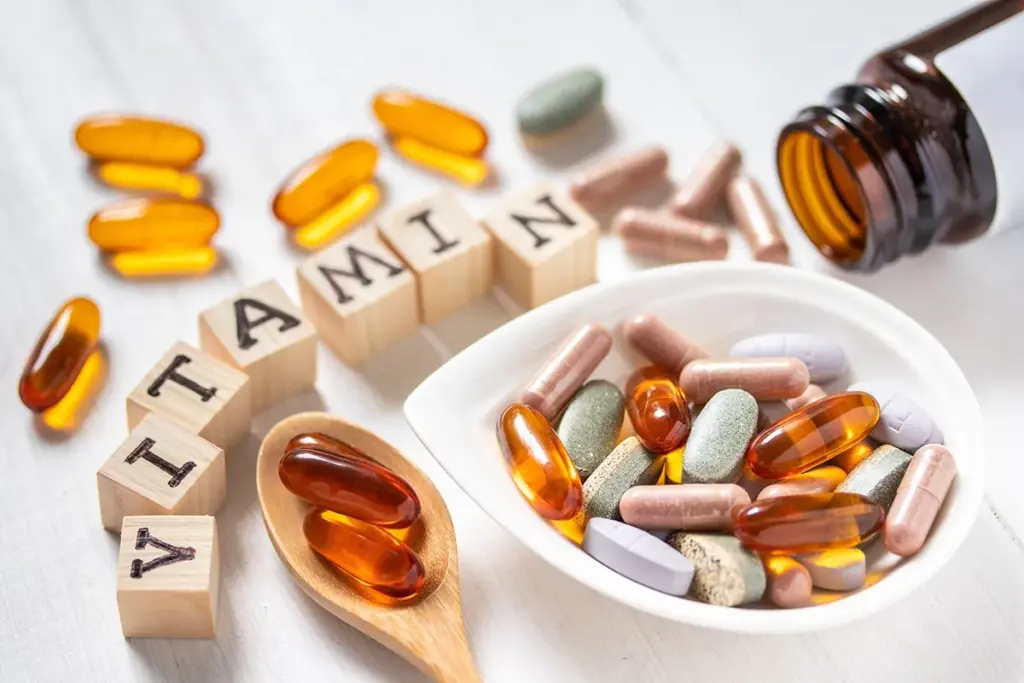
Learning how nutrition affects ischemic heart disease can improve patient care. We know that what we eat plays a big part in heart health.
How Nutritional Deficiencies Contribute to Ischemia
Lacking key nutrients can lead to ischemia. Not getting enough vitamins and minerals can harm the heart. This can cause anemia, making ischemia worse.
Important nutrients for the heart include vitamins B, C, and E, and minerals like magnesium and potassium. Eating foods low in these can increase heart disease risk.
|
Nutrient |
Role in Cardiovascular Health |
Food Sources |
|---|---|---|
|
Vitamin B |
Homocysteine regulation |
Whole grains, lean meats, fish |
|
Vitamin C |
Antioxidant, vascular health |
Citrus fruits, berries, leafy greens |
|
Vitamin E |
Antioxidant, protects against oxidative stress |
Nuts, seeds, vegetable oils |
|
Magnesium |
Cardiac function, blood pressure regulation |
Dark leafy greens, nuts, whole grains |
|
Potassium |
Blood pressure regulation, cardiac function |
Bananas, avocados, sweet potatoes |
The Role of Antioxidants in Combating Oxidative Stress
Antioxidants fight oxidative stress, which is tied to heart disease. Oxidative stress happens when free radicals outdo the body’s defenses, damaging cells.
Antioxidants, like vitamins C and E, help by stopping free radicals. They protect the heart from damage.
Knowing how nutrition affects heart disease helps us create better diets. A diet full of essential nutrients is key to heart health.
Common Vitamin Deficiencies in Patients with Ischemic Heart Disease
Patients with ischemic heart disease often lack important vitamins. These gaps can make their condition worse. It’s key to find and fix these vitamin gaps.
Risk Factors for Nutrient Depletion in Cardiovascular Patients
Several things can lead to nutrient loss in heart disease patients. Poor dietary habits, malabsorption, and certain medications are big culprits. Also, having other health issues like diabetes or stomach problems raises the risk of vitamin shortages.
We need to look at these risk factors when caring for heart disease patients. Knowing why nutrients are lost helps us create better care plans. This way, we can help patients get the nutrients they need.
How Medications Can Affect Vitamin Levels
Medicines for heart disease can change vitamin levels. For example, diuretics can lower potassium and magnesium. Statins might also affect Coenzyme Q10 levels. It’s vital for doctors to keep an eye on vitamin levels and adjust treatments as needed.
Understanding how medicines affect vitamins helps us care for patients better. This approach can lead to better health outcomes for those with ischemic heart disease.
Vitamin E
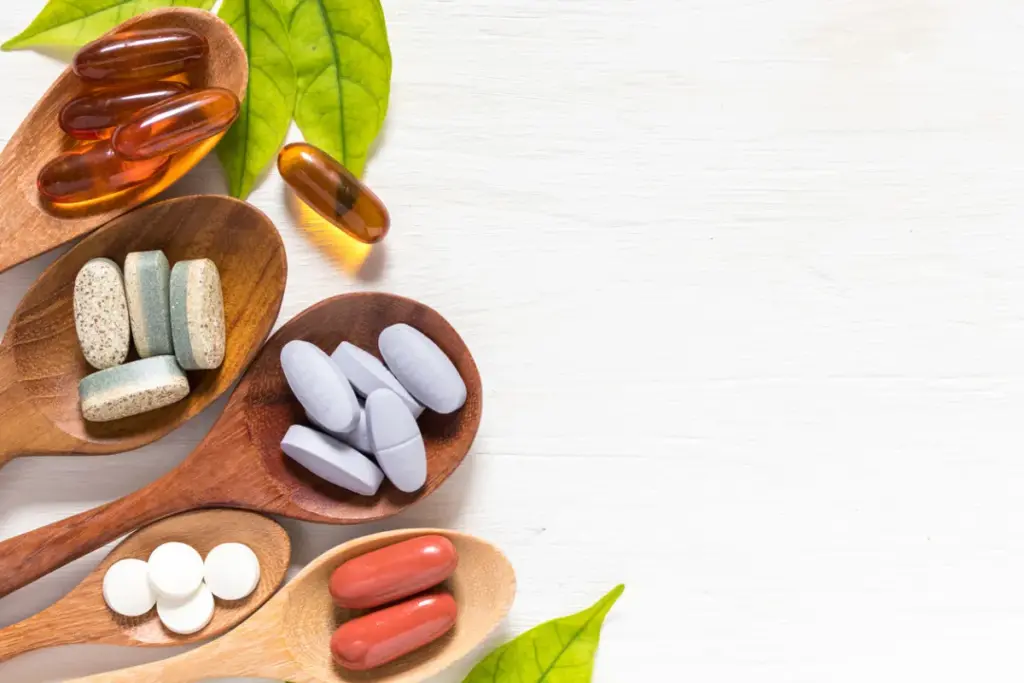
Vitamin E is known for its strong antioxidant powers. It helps protect against ischemia. As a fat-soluble vitamin, it improves blood flow and reduces oxidative damage. This makes it great for those at risk of ischemic heart disease.
How Vitamin E Improves Blood Flow and Reduces Oxidative Damage
Vitamin E’s antioxidants fight off free radicals. These free radicals can cause oxidative stress, a big factor in ischemia. By doing this, Vitamin E helps keep the heart healthy.
Also, Vitamin E enhances blood flow. It stops LDL cholesterol from oxidizing, which can clog arteries. This is key to keeping blood vessels healthy and preventing ischemic events.
“Vitamin E supplementation has been shown to improve cardiovascular health by reducing oxidative stress and improving blood flow.”
Recommended Dosages and Food Sources of Vitamin E
The daily Vitamin E intake varies, but 15 mg is usually recommended for adults. Foods high in Vitamin E include nuts, seeds, and vegetable oils. Adding these to your diet can help meet Vitamin E needs.
- Nuts: almonds, hazelnuts
- Seeds: sunflower seeds
- Vegetable oils: wheat germ oil, sunflower oil
If you can’t get enough Vitamin E from food, supplements might help. But always talk to a doctor before starting supplements.
Vitamin D
Vitamin D is key for heart health. It helps keep the heart system working right. It affects many processes important for heart health.
The Link Between Vitamin D Deficiency and Ischemic Heart Disease
Studies link vitamin D deficiency to a higher risk of ischemic heart disease. This happens when the heart doesn’t get enough oxygen-rich blood. This is often because of narrowed or blocked arteries.
People with low vitamin D are more likely to have heart attacks and strokes. Several reasons explain how vitamin D deficiency leads to heart disease. These include:
- Increased blood pressure: Vitamin D helps control blood pressure, and a lack can cause high blood pressure.
- Inflammation: Vitamin D fights inflammation, and not having enough can cause more inflammation in the heart system.
- Endothelial dysfunction: Vitamin D is key for the health of the blood vessel lining.
Optimal Vitamin D Levels for Heart Health Protection
Keeping vitamin D levels right is key for heart health. The best levels vary by person, but most studies say at least 30 ng/mL is needed for heart health.
|
Vitamin D Level (ng/mL) |
Category |
Cardiovascular Health Implication |
|---|---|---|
|
Less than 20 |
Deficient |
High risk of cardiovascular disease |
|
20-29 |
Insufficient |
Moderate risk |
|
30-50 |
Adequate |
Lower risk |
|
Greater than 50 |
Optimal |
Potential for enhanced cardiovascular protection |
To get and keep vitamin D levels right, try sun, diet, and supplements. Foods like fatty fish, fortified dairy, and some cereals are good sources. But, it’s hard to get enough from food alone. Supplements can help many people.
B Vitamins
B vitamins are key for heart health. They help with many important functions. These vitamins keep the heart working well.
Folate, B6, and B12: The Homocysteine Connection
Folate, vitamin B6, and B12 control homocysteine levels in the blood. High homocysteine levels can lead to heart disease. These B vitamins help keep homocysteine levels healthy, reducing heart disease risk.
Key benefits of folate, B6, and B12 include:
- Reducing homocysteine levels
- Supporting the health of blood vessels
- Promoting overall cardiovascular well-being
Niacin (B3) and Its Effects on Cholesterol Levels
Niacin, or vitamin B3, improves cholesterol levels. It boosts HDL (good) cholesterol and lowers LDL (bad) cholesterol. Niacin is great for heart health.
“Niacin is one of the most effective agents available for increasing HDL cholesterol.”
Niacin helps lower the risk of heart problems by improving cholesterol levels.
Thiamine (B1) for Heart Function and Energy Production
Thiamine, or vitamin B1, is vital for the heart. It helps the heart cells make energy. Without enough thiamine, the heart can fail.
The importance of thiamine is highlighted by its role in:
- Supporting energy production in heart cells
- Maintaining proper heart function
- Preventing thiamine deficiency-related heart conditions
In conclusion, B vitamins are essential for heart health. Folate, B6, B12, niacin, and thiamine all play important roles. Understanding their roles helps us see why these vitamins are so important for a healthy heart.
Vitamin C
Vitamin C is key for blood vessel health. It helps make collagen, a protein that supports our blood vessels, skin, and bones. Vitamin C boosts collagen, making blood vessels stronger and more flexible.
Vitamin C’s Role in Collagen Production and Vascular Health
Collagen is vital for our blood vessels. Vitamin C helps enzymes that stabilize collagen. This is important for strong, flexible blood vessels.
Without enough vitamin C, collagen production drops. This weakens blood vessels and may lead to vascular diseases.
Vitamin C also fights off free radicals. This protects blood vessels from damage. It keeps them healthy and ensures good blood flow.
Therapeutic Doses of Vitamin C for Ischemia Prevention
Research shows vitamin C helps prevent ischemia. Ischemia happens when blood flow to a body part stops. Vitamin C improves blood vessel function and flow, reducing ischemic risks.
High vitamin C doses boost endothelial function. The endothelium is a thin layer of cells in blood vessels. Vitamin C enhances this function, aiding in preventing ischemia and supporting heart health.
It’s wise to talk to a healthcare professional about vitamin C doses. This is true for those at risk of or with ischemic conditions.
How Vitamins Help Ischemia Heart Disease: Clinical Evidence and Research
Recent studies have shown vitamins are key in managing ischemia heart disease. They support heart health and lower ischemic event risks. This shows how important vitamins are for our hearts.
Key Studies on Vitamin Supplementation for Ischemic Conditions
Studies have looked into vitamin supplements for ischemic heart disease. Vitamin E improves blood flow and fights oxidative damage. Vitamin D deficiency raises heart disease risk. B vitamins help lower homocysteine, a heart disease risk factor.
A study in a top medical journal showed vitamin supplements help ischemic heart disease patients. They had better heart outcomes than those without supplements. This supports using vitamins in treating ischemic heart disease.
What Medical Professionals Recommend for Nutritional Support
Doctors stress the need for nutritional support in ischemic heart disease. They recommend personalized nutrition plans based on individual needs. A balanced diet and targeted supplements are often suggested.
Doctors also say nutritional support is part of a bigger plan. This includes diet, exercise, and managing stress. Combining these can improve heart health and lower disease risks.
Coenzyme Q10
The heart needs a lot of energy, and Coenzyme Q10 helps with that. It’s key for the heart’s health because it supports the heart’s high energy needs.
How CoQ10 Supports Mitochondrial Function in Heart Cells
CoQ10 is vital for the heart’s mitochondria. It helps make ATP, the heart’s energy source. This is important for keeping the heart beating right and working well.
CoQ10 also fights off damage from free radicals in heart cells. It does this by being an antioxidant. This helps keep the heart healthy and might help with ischemic heart disease.
CoQ10 Supplementation for Patients with Ischemic Heart Disease
CoQ10 supplements can help those with ischemic heart disease. Studies show they can make the heart work better and reduce symptoms. CoQ10 helps the heart make more energy, which is good for those with heart issues.
|
Benefit |
Description |
|---|---|
|
Improved Heart Function |
CoQ10 helps the heart make more energy, which can improve how well it works. |
|
Reduced Symptoms of Heart Failure |
CoQ10 supports the heart’s mitochondria, which can lessen heart failure symptoms. |
|
Enhanced Quality of Life |
People with ischemic heart disease might feel better and live better lives with CoQ10. |
While CoQ10 supplements look promising, talk to a doctor before taking them. This is to make sure they won’t interact with any medicines you’re taking.
Omega-3 Fatty Acids and Other Essential Nutrients for Cardiovascular Health
Omega-3 fatty acids, like EPA and DHA, are key for heart health. They fight inflammation and boost blood flow. These actions are vital for a healthy heart.
EPA and DHA: Mechanisms for Reducing Inflammation and Improving Blood Flow
EPA and DHA are important parts of omega-3 fatty acids. They have been studied a lot for their heart benefits. They reduce inflammation and improve blood vessel function.
These omega-3s also help blood flow better. They reduce inflammation in blood vessels. This makes blood vessels more flexible and lowers the risk of heart attacks and strokes.
Magnesium, Potassium, and L-Carnitine for Heart Protection
Other nutrients are also important for heart health. Magnesium and potassium help keep the heart rhythm healthy. Magnesium is involved in many biochemical reactions, including heart function.
Potassium helps lower blood pressure. It works against sodium and relaxes blood vessels. L-Carnitine is also key for heart health. It helps transport fatty acids for energy in the heart.
|
Nutrient |
Role in Heart Health |
Food Sources |
|---|---|---|
|
Omega-3 Fatty Acids (EPA, DHA) |
Reduce inflammation, improve blood flow |
Fatty fish, fish oil supplements |
|
Magnesium |
Regulate heart rhythm, support cardiovascular function |
Dark leafy greens, nuts, seeds |
|
Potassium |
Lower blood pressure, promote blood vessel relaxation |
Bananas, avocados, sweet potatoes |
|
L-Carnitine |
Support energy production in heart cells |
Red meat, dairy products, supplements |
Understanding these nutrients helps us see why a balanced diet is important. Adding omega-3s, magnesium, potassium, and L-Carnitine to our diet can greatly benefit our heart health.
Creating a Comprehensive Supplement Regimen for Ischemia
Creating a good supplement plan is key for managing ischemia. Ischemia is when the heart doesn’t get enough blood. Supplements can help by filling nutritional gaps and boosting heart health.
Synergistic Combinations of Vitamins and Minerals
When making a supplement plan for ischemia, think about how vitamins and minerals work together. Some pairs can make each nutrient stronger, helping more with the condition. For example, vitamins C and E together fight off heart damage.
Key Combinations:
- Antioxidant Vitamins: Vitamins C and E protect against heart damage.
- B Vitamins: Folate, B6, and B12 lower heart risk by reducing homocysteine.
- Minerals: Magnesium and potassium help the heart work right.
Potential Interactions with Medications for Heart Disease
Supplements can be good, but they can also mess with heart meds. Some supplements can make meds work too well or not enough. For instance, too much vitamin K can mess with blood thinners.
To avoid problems, do this:
- Talk to a doctor before starting supplements.
- Tell them about all meds and supplements you’re taking.
- Keep an eye on your health and change your supplement plan if needed.
By picking the right vitamins and minerals and knowing about heart med interactions, people with ischemia can make a supplement plan that helps their heart.
Lifestyle Factors That Enhance Vitamin Effectiveness
Improving your health with a holistic approach can make vitamins work better for ischemia. Adding healthy habits to vitamin use can boost heart health.
Dietary Approaches to Maximize Nutrient Absorption
Eating well is key to better vitamin and nutrient absorption. Increasing fiber from fruits, veggies, and whole grains helps. Drinking lots of water also aids digestion.
Be careful about how foods interact with your vitamins. Some foods can help or hurt vitamin absorption. Eating foods high in vitamin C with iron can boost iron levels. But, avoid tea or coffee with iron to prevent it from being less effective.
Exercise and Stress Management as Complementary Therapies
Exercise is vital for heart health and can add to vitamin benefits. Doing moderate exercise like walking or cycling for 150 minutes weekly can improve heart function and lessen ischemia symptoms.
Managing stress is also important for heart health. Stress can make it harder for the body to use vitamins. Using stress-reducing activities like meditation, deep breathing, or yoga can help and improve overall health.
By combining good diet, regular exercise, and stress management, you can support your heart health. This approach can also make vitamins more effective.
Conclusion
Managing ischemia needs a full plan that includes diet, supplements, and lifestyle changes. We’ve seen how vitamins and nutrients help fight ischemia and boost heart health. Vitamins like Vitamin E, Vitamin D, and B vitamins are key. They help blood flow better, reduce damage, and support the heart. Eating well is key to getting the most from these vitamins. Adding Coenzyme Q10, Omega-3 fatty acids, and other nutrients can help too. A complete plan that includes diet, supplements, and stress control can greatly improve heart health. Knowing the role of vitamins and nutrients in heart health is important. It helps people take steps to lower their risk of heart disease. We suggest talking to doctors to make a plan that fits your needs and goals.
FAQ
What vitamins are beneficial for managing ischemic heart disease?
Vitamins E, D, C, and B vitamins are good for the heart. They help blood flow better, reduce stress, and support the heart’s work.
How does vitamin E help with ischemia?
Vitamin E fights off damage and boosts blood flow. It’s found in nuts, seeds, and oils. Taking the right amount can help your heart.
What is the link between vitamin D deficiency and ischemic heart disease?
Vitamin D helps keep the heart healthy. Not having enough vitamin D can increase heart disease risk.
How do B vitamins support heart metabolism?
B vitamins like folate, B6, and B12 control homocysteine levels. Niacin affects cholesterol, and thiamine is key for heart function and energy.
What is the role of vitamin C in maintaining vascular health?
Vitamin C is vital for collagen, which keeps blood vessels strong. Taking enough vitamin C can prevent ischemia and strengthen blood vessels.
How does CoQ10 support heart health?
CoQ10 helps heart cells make energy. It’s good for heart health, improving function in ischemic heart disease patients.
What are the benefits of omega-3 fatty acids for cardiovascular health?
Omega-3s reduce inflammation and improve blood flow. Magnesium, potassium, and L-carnitine also protect the heart.
How can I create a complementary supplement regimen for managing ischemia?
Choose vitamins and minerals that work well together. But, talk to a doctor first to avoid bad interactions with heart medications.
What lifestyle factors enhance the effectiveness of vitamins for heart health?
Eating right, exercising, and managing stress help vitamins work better. These habits support heart health.
Are there any interactions between vitamins and medications for heart disease?
Yes, some vitamins and minerals can affect heart medications. Always check with a doctor to ensure safety and effectiveness.
How can nutritional deficiencies contribute to ischemia?
Lack of nutrients can raise ischemia risk. Antioxidants in vitamins and nutrients fight oxidative stress, a big factor in heart disease.
National Center for Biotechnology Information. Evidence-Based Medical Insight. Retrieved from https://www.ncbi.nlm.nih.gov/pmc/articles/PMC8531219/