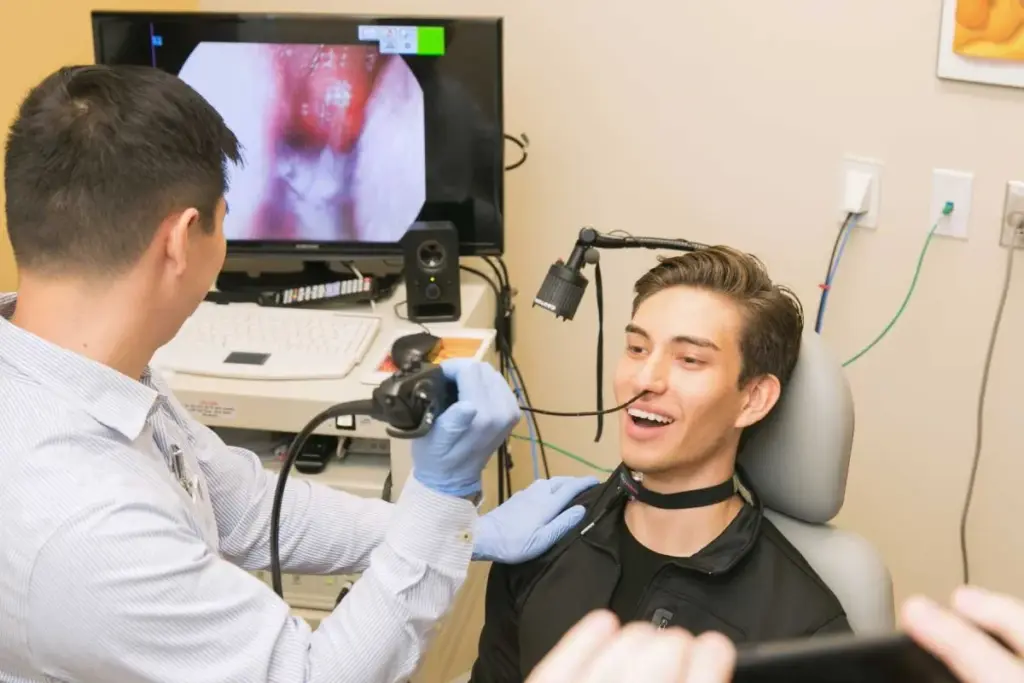
The human voice is a complex instrument, and maintaining vocal health is essential for clear communication. When vocal cords get hurt, it can affect not just our voice but our overall health too.
The good news is that vocal cords can heal. But how fast and well they recover depends on the injury’s type and severity. It also depends on the treatment chosen.
Recent studies, like those by, have brought new insights. They show promising treatments like vocal fold augmentation. They also highlight the role of certain nuclear receptors in preventing vocal fold fibrosis. We’ll dive into these findings and what they mean for voice care.
Key Takeaways
- The healing of vocal cords depends on the injury’s type and severity.
- Proper treatment and care are key for a good recovery.
- Advanced treatments like vocal fold augmentation can greatly improve results.
- Research into nuclear receptors offers new ways to treat vocal fold fibrosis.
- Keeping overall vocal health in check is essential to avoid injuries.
The Science Behind Vocal Cords and Voice Production

The human voice is a complex instrument. It involves a delicate interplay of various physiological components. We will explore the science behind vocal cords, explaining how they function and produce sound.
Structure and Anatomy of Vocal Folds
The vocal cords, also known as vocal folds, are two bands of muscle tissue in the larynx. They are crucial for voice production, as their vibration generates sound. The anatomy of the vocal folds is complex, with layers including the epithelium, lamina propria, and muscle. Understanding this structure is key to understanding how injuries or diseases can affect the voice.
The vocal folds are highly specialized structures that can vibrate at high speeds. Their surface is covered by a mucous membrane that helps with smooth vibration. The precise control over the tension, thickness, and movement of the vocal folds allows for a wide range of vocal expressions.
How Sound Is Generated
Sound generation through the vocal cords involves the vibration of the vocal folds. When we speak or sing, air from the lungs passes through the glottis, causing the vocal folds to vibrate. This vibration modulates the airflow, producing sound waves. The frequency and amplitude of these vibrations determine the pitch and volume of the voice.
The process of sound generation is highly complex. It involves the coordination of multiple physiological systems, including the respiratory, laryngeal, and articulatory systems. The precise control over the vocal folds allows for the production of a wide range of sounds, from the softest whisper to the loudest shout.
Vocal Cord Tissue Composition
The tissue composition of the vocal cords is unique and plays a critical role in their function. The vocal fold tissue is composed of several layers, each with distinct properties. The layered structure allows for the complex vibration patterns necessary for voice production.
Understanding the composition and structure of vocal cord tissue is essential for diagnosing and treating vocal cord injuries and disorders. Advances in our knowledge of vocal cord anatomy and physiology continue to improve treatments and therapies for voice-related conditions.
Common Types of Vocal Cord Damage
Vocal cord injuries can range from sudden to long-term problems. Each type affects vocal health differently. Knowing these types is key to managing and treating them.
Acute Injuries vs. Chronic Conditions
Vocal cord damage falls into two main categories: acute injuries and chronic conditions. Acute injuries happen suddenly, often from shouting or screaming. They can cause immediate voice changes or loss.
Chronic conditions, on the other hand, develop over time. They are common in people who use their voice a lot, like singers and teachers. These conditions can include nodules, polyps, or cysts.
Nodules, Polyps, and Cysts
Nodules, polyps, and cysts are growths on the vocal cords from chronic strain. Vocal cord nodules are like calluses and usually appear in pairs. Polyps are larger and can affect voice quality, causing hoarseness. Cysts are fluid-filled and can also change the voice.
Treatment for these growths often involves voice therapy. Sometimes, surgery is needed to remove them.
Vocal Cord Paralysis
Vocal cord paralysis happens when the vocal cords can’t move properly. This is due to nerve damage from injury, surgery, or disease. Symptoms include a breathy voice and difficulty swallowing.
Treatment for paralysis depends on the cause and severity. Voice therapy can help, but surgery may be needed in some cases.
Strain and Overuse Patterns
Vocal strain and overuse are common in those who use their voices a lot. Vocal strain is when the vocal cords get tired or injured from too much use. Overuse can cause inflammation, nodules, or polyps.
It’s important to recognize early signs of vocal strain, like hoarseness. Healthy vocal practices, like proper breathing and hydration, can prevent damage.
Can Vocal Cords Heal? Understanding Recovery Potentials

Vocal cords can heal, thanks to their natural ability and outside factors. Knowing how this works is key for those trying to get better from vocal cord damage.
Natural Regenerative Capabilities
Vocal cords can heal on their own, thanks to their blood supply and stem cells. Natural regeneration is a big part of getting better, helping the vocal cords work again.
But, how well they heal depends on the injury. Small issues might fix fast, but bigger problems might need more help.
Factors Influencing Healing Outcomes
Many things affect how well vocal cords heal. The type and severity of the injury are very important. So is the treatment plan, how well the patient follows it, and their overall health.
Age, lifestyle, and health problems also matter. Smoking and not drinking enough water can slow healing. But, staying healthy can help.
Realistic Recovery Timelines
How long it takes to recover from vocal cord injuries varies a lot. Some see big improvements in weeks, while others take months or even years. Realistic expectations help manage stress and keep patients on track with treatment.
Minor injuries might heal in 1-3 months. But, more serious cases could take 6-12 months or more. It’s important to keep up with doctor visits to check on progress and adjust treatment as needed.
Limitations of Natural Healing
Even though our bodies can heal a lot, there are limits, mainly with severe or long-term damage. In these cases, medical interventions might be needed to help the healing process.
It’s important to know these limits to have realistic hopes and look into other treatments if needed. This could include surgery, voice therapy, or other methods to improve vocal cord function.
The Critical Role of Voice Rest in Recovery
Getting enough rest for your voice is key to healing vocal cord injuries. Voice rest helps the vocal cords recover from strain or damage. This can be from surgery, too much use, or other injuries. By not using your voice much, you can help your recovery a lot.
Findings from the 2025 Systematic Review
A 2025 systematic review showed how important voice rest is after vocal fold surgery. It found that voice rest greatly improves how patients feel about their voice and their overall recovery. This highlights how vital voice rest is for healing.
The review looked at many studies. It concluded that voice rest is a must for care after surgery. The good results from voice rest were seen in all kinds of patients. This shows it’s very important for healing vocal cords.
Complete vs. Modified Voice Rest
There are two main ways to do voice rest: complete and modified. Complete voice rest means not using your voice at all, not even whispering. Modified voice rest lets you use your voice a little bit. The choice depends on how bad the injury is.
For serious injuries or after surgery, complete voice rest is often advised. It gives the vocal cords the best chance to heal. Modified voice rest might be better for milder cases or later in recovery. It lets patients slowly get back to normal speaking.
Optimal Duration for Different Injuries
The right amount of time for voice rest changes with the injury. For example, those who had surgery might need longer rest than those with minor strain.
Studies say the length of voice rest should match the injury. Doctors check how each patient is doing and adjust the rest time. This helps ensure the best healing.
Challenges in Study Design and Recommendations
Studying voice rest is hard because of several challenges. Things like how well patients follow the rest, the different levels of injury, and not having clear rules for rest are issues. These make research tricky.
Despite these hurdles, the 2025 review gave us important insights. It showed how voice rest helps with healing. More research is needed to make voice rest even better for everyone.
Medical Interventions for Vocal Cord Injuries
Treating vocal cord injuries often requires a variety of medical steps. These steps are designed to fix the damage. They help patients get better by tackling the root cause of their injury.
Surgical Approaches for Various Conditions
Surgery is key for treating some vocal cord injuries. The surgery needed depends on the injury’s type and how bad it is.
- Nodule Removal: Taking out nodules can make vocal cords work right again.
- Polyp Excision: Removing polyps can make the voice sound better and reduce strain.
- Cyst Removal: Taking out cysts can help symptoms go away and improve voice use.
|
Condition |
Surgical Approach |
Expected Outcome |
|---|---|---|
|
Vocal Cord Nodules |
Nodule Removal |
Improved Voice Quality |
|
Vocal Cord Polyps |
Polyp Excision |
Reduced Vocal Strain |
|
Vocal Cord Cysts |
Cyst Removal |
Alleviated Symptoms |
Medication Therapies
Medicines are also important for treating vocal cord injuries. They help with conditions that surgery can’t fix right away.
Anti-inflammatory drugs can help reduce swelling and ease symptoms. Antibiotics might be needed if there’s an infection.
Minimally Invasive Procedures
Some procedures are less invasive than surgery for certain vocal cord issues. These methods can help patients heal faster and with less scarring.
Examples include injections to help vocal cords close better or removing lesions without open surgery.
Post-Treatment Care Protocols
Good care after treatment is key for healing from vocal cord injuries. This includes resting the voice, staying hydrated, and speech therapy to help the voice get better.
By following these care steps, patients can have a better chance of a good outcome. They can also lower the risk of problems or the injury coming back.
Vocal Fold Augmentation: Advances from NYU Langone’s Voice Center
NYU Langone’s Voice Center leads in vocal fold augmentation techniques. This treatment helps those with vocal cord paralysis or airflow issues. We’ve made big improvements to this procedure to better help our patients.
Techniques for Improving Airflow
Vocal fold augmentation adds materials to the vocal fold to improve its function. Our team at NYU Langone’s Voice Center uses different methods to enhance airflow. These include:
- Injecting hyaluronic acid or calcium hydroxylapatite to improve vocal fold closure.
- Using precise imaging guidance to ensure accurate placement of the injectable material.
- Tailoring the procedure to the individual patient’s anatomy and needs.
These methods have shown great results in improving airflow and voice quality for patients with vocal cord paralysis.
Reducing Pneumonia Risk in Paralysis Cases
Vocal fold augmentation also lowers pneumonia risk in patients with vocal cord paralysis. By improving vocal fold closure, we reduce aspiration risk. This reduces the chance of pneumonia. Our research shows this procedure greatly improves outcomes for these patients.
Patient Selection Criteria
We carefully choose patients for vocal fold augmentation at NYU Langone’s Voice Center. Key factors include:
- The severity of vocal cord paralysis or dysfunction.
- The presence of aspiration or pneumonia history.
- The patient’s overall health and medical history.
By selecting patients carefully, we ensure the best results and minimize risks.
Measuring Treatment Success
We use both objective and subjective measures to check if vocal fold augmentation works. These include:
- Voice quality assessments.
- Swallowing studies to evaluate aspiration risk.
- Patient-reported outcomes to gauge improvements in quality of life.
These measures help us fully understand the treatment’s success. We can then adjust our care to better meet our patients’ needs.
Breakthrough Therapies Targeting Vocal Fold Scarring
Vocal fold scarring affects voice quality and is now being treated with new therapies. This scarring can come from surgery, infection, or trauma. It changes a person’s voice, impacting their life quality.
The Role of NR4A1 in Tissue Repair
NR4A1, a nuclear receptor, is key in tissue repair. It helps control inflammation and aids in healing, including in vocal folds. Researchers aim to use NR4A1 to create treatments that lessen scarring and improve voice function.
Key benefits of NR4A1-targeted therapies include:
- Enhanced tissue repair
- Reduced inflammation
- Improved vocal fold function
Current Research Status
Research is ongoing to understand NR4A1’s role in scarring. Early studies show promise, with NR4A1 helping tissues heal better in animal models. This has led to more research into its therapeutic use.
Scientists are also looking into new technologies. They’re exploring gene editing tools and biomaterials to make treatments more effective.
Potential Applications in Clinical Practice
NR4A1 therapies could change how we treat vocal fold scarring. They could be used for:
- Treating scarring from surgery or trauma
- Managing chronic inflammation in vocal folds
- Enhancing voice outcomes after surgery
Timeline for Treatment Availability
NR4A1 therapies are promising, but more research is needed. Clinical trials will start soon, with FDA approval and availability expected in a decade.
We’re dedicated to improving vocal health. We’re excited about the benefits these therapies could bring to patients globally.
Early Detection Using Acoustic Biomarkers
Recent breakthroughs in acoustic biomarkers are changing how we detect vocal cord problems early. These biomarkers let us check vocal cord health without surgery. This technology could greatly improve how we diagnose and treat vocal cord issues.
Harmonic-to-Noise Ratio (HNR) Analysis
The Harmonic-to-Noise Ratio (HNR) is a key acoustic biomarker. It looks at the voice’s harmonic and noise energy. A low HNR might show a vocal cord problem.
Differentiating Benign vs. Malignant Lesions
Acoustic biomarkers like HNR can tell if a vocal cord lesion is benign or malignant. Studies show certain voice characteristics can hint at the lesion’s type. This helps doctors plan better treatments.
Improving Diagnostic Accuracy
Using acoustic biomarkers in clinics can make diagnoses more accurate. Doctors can learn a lot about a patient’s vocal health by analyzing different acoustic features. This info is key for creating effective treatment plans.
Impact on Long-Term Outcomes
Spotting and accurately diagnosing vocal cord issues early is vital for patient outcomes. Acoustic biomarkers help doctors act fast, which can prevent serious problems. This leads to better lives for patients.
As we keep improving acoustic biomarkers, we’ll see better early detection and management of vocal cord issues. This progress highlights the need for teamwork between researchers, doctors, and tech experts to improve patient care.
Comprehensive Rehabilitation Strategies
Recovering from vocal cord injuries needs a detailed plan. This plan must meet each patient’s unique needs for the best results.
Speech Therapy Protocols
Speech therapy is key in healing vocal cords. We create special plans for each patient. These plans aim to improve voice quality and reduce strain.
These plans include exercises to strengthen the vocal cords. They also help with breath control and changing harmful behaviors.
Progressive Vocal Exercises
Progressive vocal exercises are made just for you. They help improve vocal strength and flexibility over time.
These exercises might include scales, arpeggios, and other controlled vocalizations. They are done under close supervision.
Measuring Improvement Metrics
We track how well the rehabilitation works using different methods. These include acoustic analysis, perceptual evaluation, and patient feedback.
|
Metric |
Description |
Significance |
|---|---|---|
|
Acoustic Analysis |
Measures voice characteristics such as frequency and amplitude. |
Provides objective data on vocal improvement. |
|
Perceptual Evaluation |
Assesses voice quality based on listener perception. |
Offers subjective insight into vocal changes. |
|
Patient-Reported Outcomes |
Captures patient experiences and satisfaction. |
Essential for understanding the real-world impact of rehabilitation. |
Tailoring Programs to Specific Injuries
Rehabilitation plans are made just for you, based on your injury. This ensures the best possible recovery.
For example, those with vocal cord paralysis need different exercises than those with nodules or polyps. This personalized approach helps improve vocal function.
Lifestyle Factors That Support Vocal Cord Healing
Many lifestyle factors help keep vocal cords healthy and aid in recovery. Healing isn’t just about medical care. It’s also about creating a supportive environment for the body’s natural repair.
Hydration and Dietary Considerations
Drinking enough water is key for vocal cord health. It keeps the mucous membranes moist, essential for smooth vibration. Aim for at least eight glasses of water daily, adjusting based on your activity level.
Eating a balanced diet full of vitamins and minerals also helps. Foods rich in antioxidants, like fruits and veggies, reduce inflammation and aid healing. Avoiding spicy foods, caffeine, and alcohol also helps reduce strain on the vocal cords.
Environmental Modifications
The environment around us affects vocal cord health. It’s important to reduce exposure to pollutants and irritants like smoke and dust. Using air purifiers and keeping a clean space can help.
Being aware of the noise level in your environment is also key. If you work in a loud place, use amplification devices or take voice breaks to protect your vocal cords.
Stress Management Techniques
Stress can harm vocal health by causing throat tension. Activities like meditation, yoga, or deep breathing can help manage stress and promote relaxation.
Try other relaxation methods like progressive muscle relaxation or visualization to reduce tension and support healing.
Sleep and Overall Health Impact
Getting enough sleep is essential for healing, including vocal cord recovery. Sleep allows the body to repair and regenerate tissues. Aim for 7-8 hours of sleep each night.
Regular exercise and a balanced lifestyle also boost vocal cord function. By combining these factors, you can create a supportive environment for healing and overall well-being.
Special Considerations for Professional Voice Users
Professional voice users, like singers and teachers, need special care for their voices. Their jobs depend on their voices, so keeping them healthy is key. This helps them perform well and keep their careers going.
Singers and Performing Artists
Singers face big challenges with their voices. Proper vocal technique is a must to avoid injury. Working with a vocal coach is a good idea to learn healthy singing habits.
“Your voice is your instrument,” says Renée Fleming, a famous vocal coach. “Taking care of it is not just about avoiding strain, but also about cultivating its full potential.” This shows how important good vocal care is for singers.
Teachers and Public Speakers
Teachers and public speakers also need special care for their voices. Vocal hygiene practices like staying hydrated and avoiding loud places are key. Using amplification devices can also help reduce strain.
- Stay hydrated by drinking plenty of water
- Avoid loud environments when possible
- Use amplification devices in large classrooms or auditoriums
- Practice good vocal technique when speaking
Customized Recovery Protocols
Recovery plans for professional voice users must fit their needs. Complete voice rest might be needed for some injuries, while others might need a modified rest. We help create a recovery plan that meets their health needs and work schedule.
Career Management During Recovery
Managing a career while recovering from a vocal injury can be tough. We suggest planning ahead for voice issues by having backup plans. This could mean adjusting schedules or finding other ways to communicate.
Understanding the needs of professional voice users and creating tailored recovery plans helps them stay healthy. This way, they can keep doing well in their careers.
Managing Permanent Vocal Changes
When vocal cords don’t fully recover, patients must adapt to lasting voice changes. This process includes medical advice, self-management, and lifestyle changes.
Adapting to Lasting Voice Changes
For many, permanent vocal changes mean changing how they speak every day. They might change their speaking habits, use new techniques to avoid straining their voice, or use technology to help their voice.
Adaptive Techniques: These methods help people work with their changed voice. They might include vocal training or using devices to amplify their voice.
Compensatory Strategies for Daily Life
Compensatory strategies help manage daily life with permanent vocal changes. They include:
- Using non-vocal signals for getting attention, like waving or using a bell.
- Modifying the environment to reduce the need for loud speaking, such as using visual alerts or adjusting the acoustics of a room.
- Employing technology, like speech-generating devices or apps that can amplify the voice.
Psychological Impact and Support
The emotional impact of permanent vocal changes is significant. It can affect self-esteem, confidence, and mental health. Support from speech-language pathologists, psychologists, or support groups is very helpful.
“Accepting the new normal and finding ways to cope with the emotional aspects of vocal change is as important as the physical adaptations.”
Quality of Life Considerations
Managing permanent vocal changes also involves considering the broader quality of life implications. This includes:
|
Aspect |
Considerations |
Potential Interventions |
|---|---|---|
|
Social Interactions |
Difficulty being heard, feeling self-conscious about voice |
Vocal training, amplification devices |
|
Professional Life |
Impact on career, need for accommodations |
Workplace adjustments, communication strategies |
|
Emotional Well-being |
Grief, frustration, anxiety related to voice change |
Counseling, support groups |
Understanding the complex nature of permanent vocal changes is key. By using various adaptive techniques and compensatory strategies, individuals can improve their quality of life and find new ways to communicate.
Preventing Recurrent Vocal Cord Injuries
To avoid getting vocal cord injuries again, it’s important to practice good vocal hygiene. Recognizing early signs and changing risky behaviors can also help. Taking these steps can greatly lower the chance of getting hurt again.
Vocal Hygiene Best Practices
Keeping your voice healthy starts with good habits. Here are some key practices:
- Staying Hydrated: Drink lots of water to keep your vocal cords moist.
- Avoiding Loud Speaking or Singing: Try to avoid activities that strain your voice.
- Getting Enough Rest: Sleep well to help your vocal cords heal.
- Avoiding Irritants: Stay away from smoke, dust, and other things that can harm your voice.
Experts say, “Good vocal hygiene is not just about avoiding harm. It’s also about doing things that help your voice stay healthy” (A Guide to Vocal Health by NYU Langone’s Voice Center).
Recognizing Early Warning Signs
Knowing the early signs of vocal cord problems is key. Look out for:
- Hoarseness or a raspy voice.
- Pain or discomfort when speaking or singing.
- Loss of vocal range or control.
- Feeling of a lump in the throat.
Spotting these signs early can help prevent bigger problems.
Maintenance Therapy Approaches
If you’re prone to vocal cord injuries, maintenance therapy can help. It might include:
- Regular vocal exercises to strengthen your vocal cords.
- Speech therapy to improve how you use your voice.
- Regular check-ups with a laryngologist to keep an eye on your vocal health.
This therapy is customized for you and can really lower the risk of getting hurt again.
Risk Factor Modification
Changing risky behaviors is a big part of preventing vocal cord injuries. This means:
- Managing Gastroesophageal Reflux Disease (GERD): GERD can hurt your vocal cords, so it’s important to manage it.
- Avoiding Smoking: Smoking can dry out your vocal cords and irritate your throat.
- Reducing Stress: High stress can strain your voice; finding ways to relax can help.
By understanding and changing these risk factors, you can take steps to keep your voice healthy.
International Treatment Standards and Innovations
Global healthcare is changing fast, and so are standards for vocal health. The push for uniform care is leading to new ways of treating patients worldwide.
Liv Hospital’s Approach to Vocal Health
Liv Hospital leads in vocal health care, aiming for top international standards. They treat vocal cord issues with a team of experts.
Their method includes detailed checks, custom treatment plans, and cutting-edge therapies. Liv Hospital uses the latest research and tech to give patients the best care.
Comparing Treatment Protocols Globally
Vocal health treatments differ around the world. Looking at these protocols shows a variety of methods, from simple to complex.
Access to Specialized Care
Getting to specialized vocal health care is hard for many. Location, insurance, and specialist availability affect access.
Telemedicine, outreach, and partnerships are helping. These efforts aim to make care more accessible worldwide.
Insurance and Coverage Considerations
Insurance and what it covers are key to getting care. Coverage varies, making it hard for patients to get the help they need.
It’s important for patients to know what their insurance covers. Providers are helping by explaining insurance and pushing for better coverage.
Building Your Vocal Health Care Team
A good vocal health care team is key to solving vocal cord problems. It needs a mix of experts with different skills. This team helps manage your vocal health well.
Finding Specialized Laryngologists
Laryngologists focus on the larynx (voice box) and its disorders. When looking for one, check their experience with vocal cord issues. Choose specialists from reputable voice centers for the latest treatments.
Make sure the laryngologist is certified and has the right training. Also, read patient reviews and ask for referrals. This helps know their skill and care for patients.
Working with Speech-Language Pathologists
Speech-language pathologists (SLPs) are vital for voice disorders. They assess and treat voice issues. Working together with laryngologists is key for full voice care.
SLPs will check your voice habits and create a treatment plan. This might include exercises, breathing tips, and vocal hygiene advice.
Integrative Care Approaches
Integrative care mixes traditional medicine with complementary therapies. For vocal health, this includes mindfulness, meditation, and manual therapy. These help with stress and tension in the voice.
Talk to your team about any complementary therapies. Make sure they’re safe with your treatments.
Questions to Ask Your Providers
When building your care team, ask important questions. This ensures you get the best care. Some questions to ask include:
- What experience do you have in treating vocal cord disorders?
- What diagnostic tests will be used to assess my vocal health?
- What treatment options are available, and which do you recommend for my specific condition?
- How will we monitor my progress and adjust the treatment plan as needed?
By asking these questions and working with a skilled team, you can keep your voice healthy and strong.
Conclusion: The Future of Vocal Cord Healing
Vocal cord healing is a complex process. It depends on the injury type and severity, treatment success, and patient characteristics. Ongoing research and innovations are promising for better vocal cord healing and health.
New discoveries, like NR4A1’s role in tissue repair, and vocal fold augmentation advancements, show great promise. We can look forward to new treatments and better patient results. Research into vocal cord anatomy and physiology will continue to grow.
The future of vocal cord healing looks bright. We’re learning more about the importance of complete rehabilitation, lifestyle choices, and specialized care for voice users. Healthcare providers will be able to offer more effective and personalized care as these developments grow.
FAQ
Can vocal cords heal on their own?
Yes, vocal cords can heal on their own. But how well they heal depends on the injury or condition. Getting proper treatment and care helps a lot.
How long does it take for vocal cords to heal?
Healing time varies. It depends on the injury or condition. Resting your voice, medical treatments, and therapy can help speed up healing.
What is the role of voice rest in vocal cord recovery?
Voice rest is key for healing. It lets vocal cords recover from injury or surgery. The length of rest needed varies based on the condition and doctor’s advice.
What medical interventions are available for vocal cord injuries?
There are many treatments. These include surgery, medicines, and less invasive methods. The right treatment depends on the condition and what the doctor thinks is best.
How can vocal fold scarring be treated?
New treatments, like those targeting NR4A1, are being studied. They might help repair scarring. Researchers are looking into how these could help in real-world treatments.
What are acoustic biomarkers, and how are they used in vocal cord health?
Acoustic biomarkers, like HNR analysis, are useful. They help find and diagnose problems early. This can tell if a problem is serious or not.
What lifestyle factors support vocal cord healing?
Drinking plenty of water, eating right, and avoiding harsh environments help. Managing stress is also important for good vocal health.
How can professional voice users maintain their vocal health?
They need special recovery plans and career advice. Keeping their voice healthy is key for singers, teachers, and speakers.
What are the options for managing permanent vocal changes?
There are ways to adapt and manage changes. This includes finding new ways to speak and dealing with the emotional impact. It’s about finding a new normal.
How can recurrent vocal cord injuries be prevented?
Good vocal care and knowing the signs of trouble help. Regular check-ups and avoiding risks can prevent injuries from coming back.
What are the international treatment standards for vocal cord health?
Standards vary worldwide. Access to care and insurance can differ. Places like Liv Hospital offer different approaches, which are being studied.
How can I build a vocal health care team?
You need a team of experts, like laryngologists and speech therapists. It’s important to ask the right questions when looking for providers.
What is the future of vocal cord healing?
New research and treatments are on the horizon. Advances in treatments and early detection methods are making progress in healing vocal cords.
Reference List
- “Future Directions in Voice and Laryngeal Surgery”
- https://pubmed.ncbi.nlm.nih.gov/40447797/
- “Groundbreaking Vocal Fold Insights Inform New Treatment Approaches”
- https://nyulangone.org/news/groundbreaking-vocal-fold-insights-inform-new-treatment-approaches
- “The Role of AI in Laryngology: A 2025 Perspective”
- https://www.frontiersin.org/journals/digital-health/articles/10.3389/fdgth.2025.1609811/full
- “Recent Advances in the Diagnosis and Treatment of Vocal Fold Paralysis”
- https://www.ncbi.nlm.nih.gov/pmc/articles/PMC10177692/
- “Vocal Cord Dysfunction: Symptoms, Causes, and Treatment”
- https://www.news-medical.net/news/20230215/Vocal-cord-dysfunction-symptoms-causes-and-treatment.aspx
National Center for Biotechnology Information. Evidence-Based Medical Insight. Retrieved from https://pubmed.ncbi.nlm.nih.gov/28843000/



 Departments
 Related Videos
 Our Doctors
 News
News