

As we age, our bodies undergo various changes that can affect our urinary health. For an 80-year-old senior man, understanding what’s normal when it comes to urination frequency is crucial. So, how often should one pee?
Urination frequency can be an indicator of overall health. While it’s normal to urinate several times a day, certain patterns may signal underlying issues. Healthy urination habits are vital for senior men’s health, and being aware of what’s normal can help prevent complications.
Voiding twice helps empty bladder. Get best double voiding guide. It reduces dangerous UTIs. This vital habit ensures amazing hygiene.
Key Takeaways
- Understanding urination frequency is key to maintaining good urinary health.
- Senior men should be aware of their normal urination patterns.
- Changes in urination frequency can indicate underlying health issues.
- Healthy urination habits are crucial for overall well-being.
- Being informed can help prevent urinary health complications.
Understanding Voiding: A Basic Overview
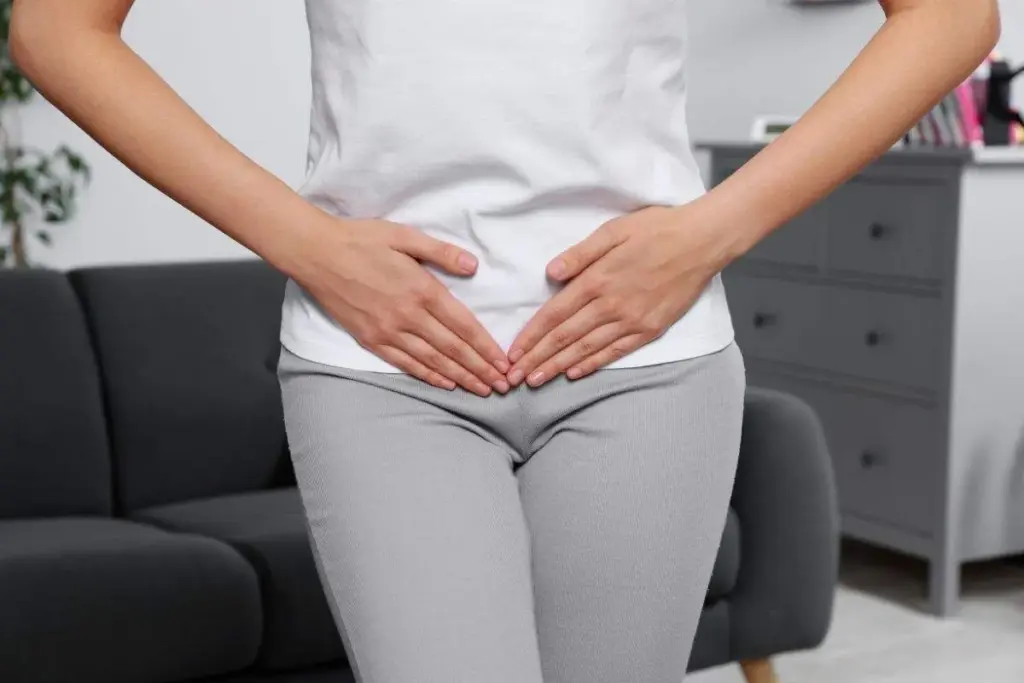
The process of voiding, or urination, is crucial for maintaining the overall health of the urinary system. It is a natural bodily function that eliminates waste and excess fluids from the body.
What Does Voiding Mean?
Voiding refers to the act of emptying the bladder, allowing the body to rid itself of waste products. This process is essential for preventing the buildup of toxins and maintaining the balance of bodily fluids. Proper voiding techniques are vital for ensuring that the bladder is fully emptied, reducing the risk of urinary retention and infections.
When we void, the bladder muscle contracts, and the urethral sphincter relaxes, allowing urine to flow out of the body. This process is controlled by a complex interplay of nerves and muscles, highlighting the importance of a healthy urinary system.
Importance of Voiding in Urinary Health
Voiding plays a critical role in urinary health by preventing complications such as urinary tract infections (UTIs) and kidney damage. Incomplete voiding can lead to bacterial growth, increasing the risk of UTIs. Moreover, proper voiding habits help maintain the overall health of the urinary tract.
|
Aspect of Urinary Health |
Impact of Proper Voiding |
Consequences of Improper Voiding |
|---|---|---|
|
Urinary Tract Infections (UTIs) |
Reduced risk due to complete bladder emptying |
Increased risk due to bacterial growth |
|
Kidney Health |
Prevents backflow of urine, reducing kidney damage risk |
Increased pressure on kidneys, potential for damage |
|
Bladder Health |
Maintains bladder muscle strength and function |
Weakens bladder muscle over time |
Understanding the importance of voiding and practicing good voiding habits are essential for maintaining urinary health. By doing so, individuals can significantly reduce the risk of urinary-related complications.
The Concept of Double Voiding
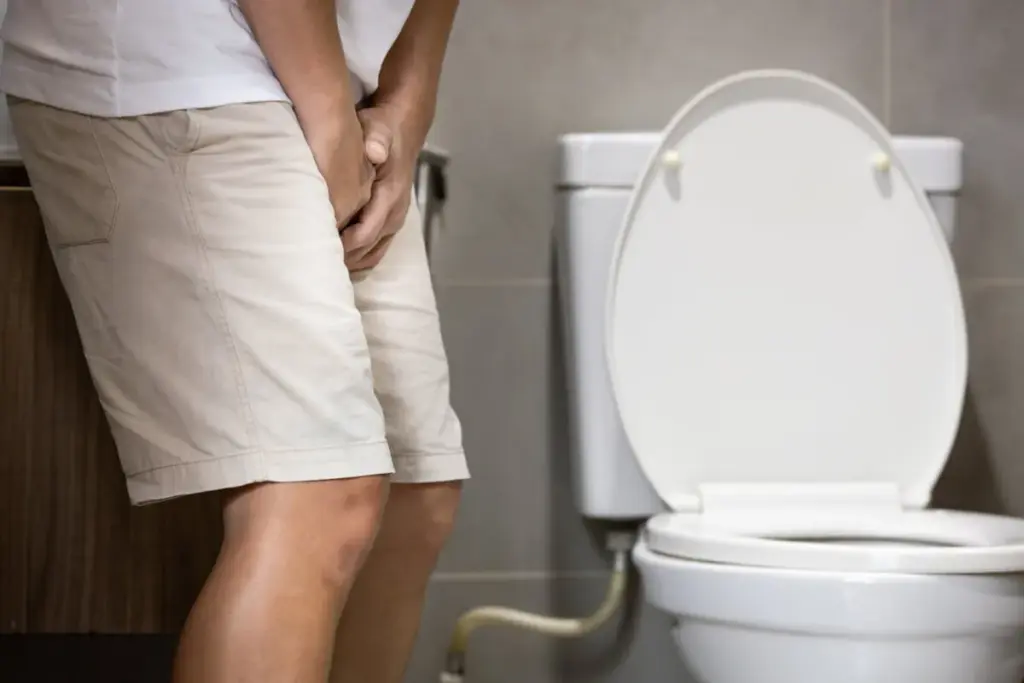
Double voiding is a technique used to improve bladder emptying by voiding twice in succession. This method has gained attention for its potential to enhance urinary health by ensuring the bladder is fully emptied.
Definition of Double Voiding
Double voiding involves urinating, waiting for a brief period, and then urinating again. This technique is based on the principle that the bladder may not fully empty during the initial voiding. By voiding twice, individuals can ensure that their bladder is completely emptied, reducing the risk of urinary retention.
The process of double voiding is straightforward. After the first void, the individual waits for a short period, typically a few minutes, before attempting to urinate again. This second voiding can help empty any remaining urine in the bladder.
Reasons for Practicing Double Voiding
There are several reasons why individuals may practice double voiding. One of the primary reasons is to improve bladder emptying. When the bladder is not fully emptied, it can lead to urinary retention, which may cause discomfort and potentially lead to infections.
Another reason for double voiding is to reduce the risk of urinary tract issues. By ensuring the bladder is fully emptied, individuals can lower their risk of developing urinary tract infections (UTIs) and other complications associated with incomplete bladder emptying.
|
Benefits of Double Voiding |
Description |
|---|---|
|
Improved Bladder Emptying |
Ensures the bladder is fully emptied, reducing residual urine. |
|
Reduced Urinary Retention Risks |
Lowers the risk of urinary retention and associated complications. |
|
Enhanced Urinary Health |
Contributes to overall urinary health by preventing infections and other issues. |
By understanding and practicing double voiding, individuals can take a proactive step towards maintaining good urinary health. This technique, while simple, can have significant benefits for those who struggle with incomplete bladder emptying or urinary retention.
How to Perform Double Voiding
To achieve better bladder control and reduce urinary retention risks, understanding how to double void is essential. Double voiding is a technique that involves urinating twice in succession to ensure the bladder is fully emptied.
Step-by-Step Guide to Double Voiding
Performing double voiding is straightforward. Here’s a step-by-step guide:
- Start by relaxing and taking a few deep breaths to help your body relax and prepare for voiding.
- Urinate as you normally would, trying to empty your bladder completely.
- Wait for a few seconds (about 30 seconds to 1 minute) after you’ve finished urinating the first time.
- Try to urinate again. You might not feel like you need to, but this second void can help ensure your bladder is fully emptied.
Tips for a successful double voiding technique:
- Take your time. Rushing can lead to incomplete bladder emptying.
- Ensure you’re in a comfortable position that allows you to relax.
- Practice double voiding regularly to make it a habit.
Tips for Successful Double Voiding
To maximize the benefits of double voiding, consider the following voiding tips:
Maintaining good urinary health habits is crucial. This includes staying hydrated, avoiding constipation, and practicing good hygiene.
Additionally, being mindful of your body’s signals and responding promptly can help prevent urinary retention and other issues.
By incorporating double voiding into your daily routine and following these tips, you can significantly improve your urinary health. Remember, the key is consistency and patience.
Benefits of Double Voiding
The benefits of double voiding are multifaceted, ranging from improved bladder emptying to reduced risks of urinary retention. This practice has been recognized for its positive impact on urinary health, making it a valuable technique for individuals looking to enhance their bladder control and overall well-being.
Improved Bladder Emptying
Double voiding is particularly beneficial for improving bladder emptying. By allowing individuals to completely void their bladder, this technique helps prevent the accumulation of urine, which can lead to complications such as urinary tract infections (UTIs) and bladder stones. Effective bladder emptying is crucial for maintaining urinary health, and double voiding facilitates this by ensuring that the bladder is fully emptied.
One of the key advantages of double voiding is its ability to reduce the residual urine volume in the bladder. This is especially important for individuals who experience difficulties in fully emptying their bladder due to various medical conditions or age-related changes. By adopting double voiding, individuals can significantly reduce the risk of urinary retention and associated complications.
Reduced Urinary Retention Risks
Urinary retention is a condition characterized by the inability to fully empty the bladder, leading to a buildup of urine. Double voiding plays a crucial role in reducing the risks associated with urinary retention by ensuring that the bladder is completely emptied. This technique is particularly beneficial for individuals who are at risk of urinary retention due to factors such as age, neurological disorders, or certain medications.
|
Benefits |
Description |
|---|---|
|
Improved Bladder Emptying |
Double voiding ensures the bladder is fully emptied, reducing the risk of urinary tract infections and bladder stones. |
|
Reduced Urinary Retention Risks |
By completely emptying the bladder, double voiding minimizes the risk of urinary retention and its associated complications. |
|
Enhanced Bladder Control |
Regular practice of double voiding can lead to better bladder control, improving overall urinary health. |
In conclusion, the benefits of double voiding are substantial, offering individuals a simple yet effective way to improve their urinary health. By incorporating double voiding into their daily routine, individuals can experience significant improvements in bladder emptying and reductions in urinary retention risks.
Common Reasons for Double Voiding
The practice of double voiding is influenced by a range of age-related and medical factors. As individuals age, their bladder’s ability to empty completely can be compromised. Similarly, certain medical conditions can affect the urinary system, making double voiding a beneficial practice.
Age and Bladder Changes
As people age, the muscles in their bladder can weaken, leading to incomplete emptying of the bladder. This can result in urinary retention, a condition that can lead to discomfort and potentially serious complications. Double voiding can help mitigate this issue by ensuring the bladder is emptied as completely as possible.
Medical Conditions Influencing Voiding
Certain medical conditions, such as diabetes, neurological disorders, and urinary tract infections, can significantly impact an individual’s ability to void properly. For instance, diabetes can cause nerve damage that affects bladder control, while neurological disorders can disrupt the normal signals between the brain and the bladder. In such cases, double voiding can be a helpful technique to improve bladder emptying.
|
Condition |
Effect on Voiding |
Benefit of Double Voiding |
|---|---|---|
|
Aging |
Weakened bladder muscles |
Improved bladder emptying |
|
Diabetes |
Nerve damage affecting bladder control |
Enhanced voiding efficiency |
|
Neurological Disorders |
Disrupted signals between brain and bladder |
Better management of urinary retention |
Potential Risks and Considerations
Understanding the potential downsides of double voiding is essential for safe practice. While it can be beneficial for many, certain individuals may need to exercise caution or avoid this technique altogether.
Who Should Avoid Double Voiding?
Double voiding is not suitable for everyone, particularly those with certain medical conditions. Individuals with urinary tract infections or kidney stones should consult their healthcare provider before practicing double voiding, as it may exacerbate these conditions.
- People with neurological disorders affecting bladder control
- Those who have recently undergone surgery in the pelvic area
- Individuals experiencing severe urinary retention or other acute urinary symptoms
It’s also important for pregnant women and individuals with a history of urinary issues to consult their healthcare provider before starting double voiding.
When to Consult a Healthcare Provider
If you experience any discomfort, pain, or difficulty while attempting double voiding, it’s crucial to consult a healthcare provider. Additionally, if you notice any changes in your urinary habits or experience symptoms such as incontinence, frequent urination, or blood in the urine, seek medical advice.
- Schedule a consultation if you have concerns about your voiding technique.
- Discuss your medical history with your healthcare provider to determine the best approach.
- Regularly monitor your symptoms and report any changes to your healthcare provider.
By being aware of the potential risks and taking appropriate precautions, individuals can safely incorporate double voiding into their urinary health routine.
Differences Between Double Voiding and Other Voiding Techniques
Understanding the nuances of voiding techniques is crucial for maintaining optimal urinary health. Various methods can be employed to enhance the efficiency of bladder emptying, with double voiding being one of them. This section will delve into the differences between double voiding and other voiding techniques, providing insights into their respective advantages and disadvantages.
Double Voiding vs. Single Voiding
Double voiding and single voiding are two common techniques used to empty the bladder. Single voiding involves a single attempt to urinate, whereas double voiding involves a second attempt after a brief pause, ensuring the bladder is more completely emptied.
- Advantages of Double Voiding: More effective bladder emptying, potentially reducing the risk of urinary tract infections.
- Disadvantages of Double Voiding: May require more time and effort, potentially straining the bladder muscles.
- Advantages of Single Voiding: Quick and straightforward, aligning with typical natural voiding behavior.
- Disadvantages of Single Voiding: May not ensure complete bladder emptying, potentially leading to urinary retention issues.
As noted by a urology specialist, “The choice between double voiding and single voiding depends on individual urinary health needs and circumstances.”
“For some, double voiding can be a game-changer in terms of bladder management, while for others, single voiding suffices.”
Other Techniques to Enhance Voiding Efficiency
Beyond double and single voiding, several other techniques can enhance voiding efficiency. These include:
- The Crede Maneuver: Applying gentle pressure to the lower abdomen to aid in bladder emptying.
- The Valsalva Maneuver: Increasing abdominal pressure by straining to help empty the bladder.
- Timed Voiding: Voiding at scheduled intervals to maintain bladder health and prevent overdistension.
Each of these techniques has its own set of indications and contraindications, highlighting the importance of consulting healthcare professionals to determine the most appropriate method for individual needs.
By understanding the differences between double voiding and other voiding techniques, individuals can make informed decisions about their urinary health, potentially improving their quality of life.
Research and Studies on Double Voiding
Double voiding, a technique used to enhance bladder emptying, has been extensively researched in recent years. Studies have focused on its effectiveness, patient experiences, and comparison with other voiding techniques.
Recent Findings on Voiding Techniques
Recent research has highlighted the benefits of double voiding in reducing urinary retention. A study published in a Journal found that double voiding significantly improved bladder emptying in patients with urinary retention issues.
Key findings include:
- Improved bladder emptying rates
- Reduced risk of urinary tract infections
- Enhanced patient satisfaction
As noted by a leading researcher in the field, “Double voiding is a simple yet effective technique that can greatly improve urinary health outcomes.”
“The implementation of double voiding has shown a significant reduction in urinary retention complications.”
An Urology Specialist
Case Studies: Patient Experiences
Several case studies have documented patient experiences with double voiding. For instance, a 45-year-old male patient with a history of urinary retention reported a significant improvement in bladder emptying after adopting double voiding.
|
Patient Profile |
Symptoms Before Double Voiding |
Outcomes After Double Voiding |
|---|---|---|
|
45-year-old male |
Frequent urinary retention |
Significant improvement in bladder emptying |
|
60-year-old female |
Recurring UTIs |
Reduced UTI occurrences |
These case studies underscore the potential benefits of double voiding in managing urinary health. As research continues to emerge, healthcare providers are better equipped to recommend effective voiding techniques to their patients.
Practical Tips for Managing Voiding Habits
Effective voiding habits contribute to a healthier bladder and overall well-being. Managing voiding habits is not just about preventing immediate issues like urinary retention; it’s also about maintaining long-term urinary health. By adopting a few simple practices, individuals can significantly improve their bladder health and reduce the risk of complications.
Creating a Voiding Schedule
One of the most effective ways to manage voiding habits is by creating and sticking to a voiding schedule. This involves setting regular intervals to urinate, which can help train the bladder and improve its efficiency.
- Start by keeping a diary of your voiding patterns to identify your natural habits.
- Set a schedule based on your diary findings, gradually increasing the intervals between voids to strengthen your bladder.
- Stick to your schedule as closely as possible, even on weekends or during travel, to maintain consistency.
By following a voiding schedule, individuals can help prevent overdistension of the bladder and reduce the risk of urinary tract infections.
Staying Hydrated for Optimal Health
Staying hydrated is crucial for urinary health. Adequate fluid intake helps to flush out bacteria and other pathogens from the urinary tract, reducing the risk of infections.
- Drink plenty of water throughout the day, aiming for at least eight glasses a day.
- Avoid fluids that can irritate the bladder, such as caffeine and alcohol, especially in the evening.
- Monitor your urine output; it should be pale yellow or clear if you’re well-hydrated.
As a urologist, notes, “Adequate hydration is key to maintaining a healthy urinary system. It’s one of the simplest yet most effective ways to prevent urinary problems.”
Conclusion: Embracing Healthy Voiding Practices
Maintaining good urinary health is crucial for overall well-being. Double voiding is a simple yet effective technique that can significantly improve bladder emptying and reduce the risk of urinary retention.
Key Benefits of Double Voiding
Double voiding offers several benefits, including improved bladder emptying and reduced risks associated with urinary retention. By incorporating this technique into daily routines, individuals can promote healthier voiding practices.
Maintaining Optimal Urinary Health
Adopting healthy voiding practices, such as double voiding, is essential for maintaining optimal urinary health. Staying hydrated, being mindful of voiding habits, and consulting healthcare providers when necessary are also crucial steps. By prioritizing urinary health, individuals can enhance their overall quality of life and reduce the risk of related complications.
FAQ
Why do men pee standing up?
Men pee standing up due to a combination of biological and cultural factors. Biologically, the male anatomy makes it easier to urinate while standing. Culturally, it has been a common practice for men to pee standing up, often seen as a matter of convenience and masculinity.
How to pee correctly as a male?
To pee correctly, men should stand with their feet shoulder-width apart, relax, and aim for the center of the urinal or toilet bowl. It’s also essential to take your time and avoid straining or forcing the urine flow.
Should men sit to pee?
While it’s not necessary for most men to sit to pee, there are situations where it might be beneficial, such as when experiencing urinary issues or in certain cultural contexts where it’s considered more hygienic.
Why do I wake up at 3 am to pee?
Waking up at 3 am to pee can be due to various factors, including drinking too much fluid before bedtime, sleep disorders, or underlying medical conditions such as diabetes or an enlarged prostate.
Do guys need to pee after sex?
Yes, it’s recommended for men to pee after sex to help prevent urinary tract infections (UTIs) by flushing out bacteria that may have entered the urethra during sexual activity.
How to urinate standing up?
To urinate standing up, stand with your feet shoulder-width apart, relax your pelvic muscles, and aim for the center of the urinal or toilet bowl. Make sure to take your time and avoid splashing.
What is nighttime urination in men?
Nighttime urination, also known as nocturia, refers to the need to urinate frequently during the night, disrupting sleep patterns. In men, it can be caused by various factors, including an enlarged prostate, diabetes, or sleep disorders.
How to pee with an erection?
Peeing with an erection can be challenging, but it’s generally not a cause for concern. Try to relax, adjust your position, or wait for the erection to subside before attempting to urinate.
What are pee cups for men?
Pee cups or urinals are devices designed for men to urinate into, often used in situations where accessing a toilet is difficult, such as during outdoor activities or in medical settings.
Reference
National Institutes of Health. Evidence-Based Medical Insight. Retrieved from https://www.niddk.nih.gov/health-information/urologic-diseases/urinary-incontinence/adults-treatment[nih.gov



 Departments
 Related Videos
 Our Doctors
 News
News