
Cardiac arrhythmias affect millions worldwide, causing concern for those diagnosed with irregular heartbeats. Ventricular tachycardia and ventricular fibrillation are two critical conditions that require immediate medical attention. Vtach vs vfib are deadly. Know the 4 rhythms. Get best dangerous rhythm facts. Immediate action is vital to save an amazing life.
We will explore the four primary heart rhythms, focusing on the differences between ventricular tachycardia (VTach) and ventricular fibrillation (VFib). Understanding these conditions is key for both patients and healthcare providers.
Key Takeaways
- Ventricular tachycardia and ventricular fibrillation are life-threatening cardiac arrhythmias.
- Understanding the differences between VTach and VFib is critical for effective treatment.
- Cardiac arrhythmias need prompt medical attention to prevent serious complications.
- Knowing the four primary heart rhythms helps patients understand their conditions better.
- Timely intervention can greatly improve outcomes for those with ventricular tachycardia or fibrillation.
The Heart’s Electrical System and Normal Rhythm
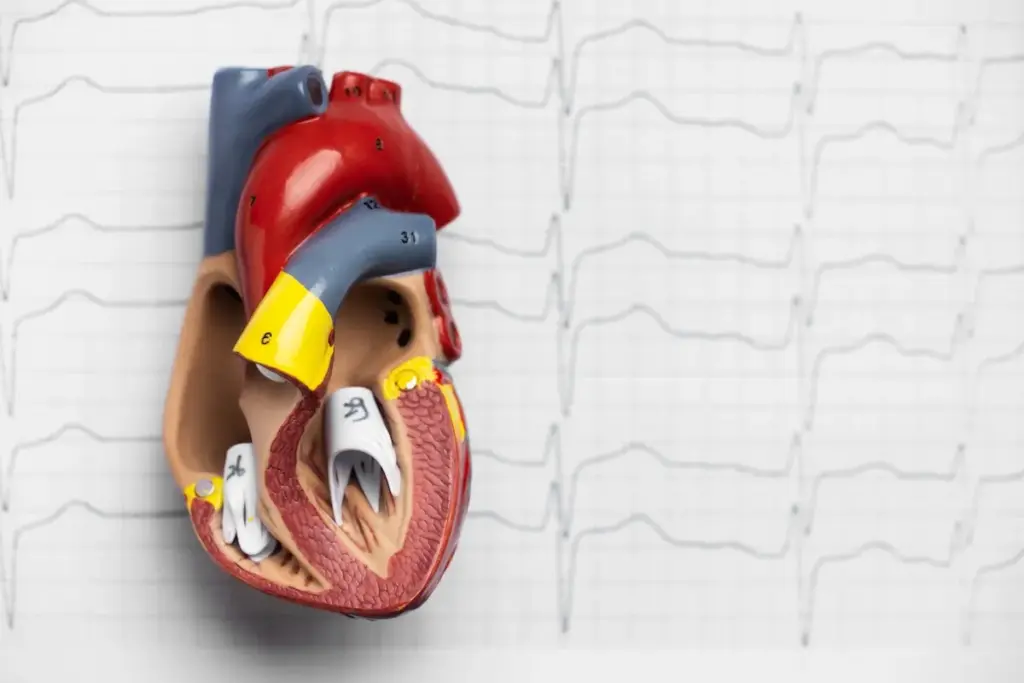
The heart’s electrical system is key to pumping blood well. It makes sure the heart beats in sync and adjusts as needed. This is vital for the body’s health.
How Electrical Impulses Control Heartbeats
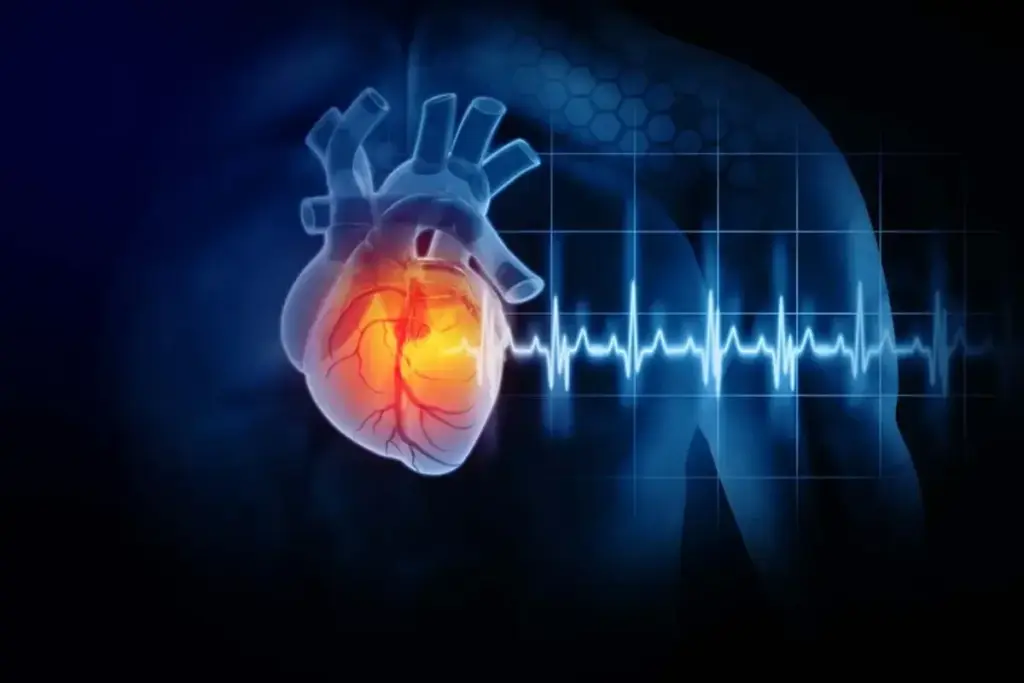
The heartbeat starts with electrical signals from the sinoatrial (SA) node, the heart’s natural pacemaker. These signals move to the atrioventricular (AV) node and then to the ventricles. This path helps the heart muscle contract in sync, pumping blood efficiently.
The process involves several steps:
- The SA node generates electrical impulses that establish the heart rate.
- These impulses spread across the atria, making them contract.
- The AV node delays the impulse, letting the atria fully contract before the ventricles.
- The impulse then reaches the ventricles, causing them to contract and pump blood.
Normal Sinus Rhythm: The Baseline Heart Rhythm
A normal sinus rhythm has a heart rate of 60 to 100 beats per minute. It’s the regular rhythm seen in healthy hearts. This rhythm is controlled by the SA node.
Factors like age, fitness, and mood can change the heart rate. But in a healthy heart, the rhythm stays regular and within the normal range.
Key traits of a normal sinus rhythm include:
- A consistent P wave before each QRS complex on an ECG.
- A heart rate between 60 to 100 bpm.
- Consistent PR intervals, showing normal conduction through the AV node.
Knowing the normal sinus rhythm is key for spotting heart rhythm problems. It helps doctors diagnose and treat issues like tachycardia and arrhythmias.
The Four Primary Heart Rhythms Explained
Heart rhythms are key to heart health. Knowing the four main types can save lives. These rhythms are controlled by the heart’s electrical system. This system can be affected by health issues and outside factors.
Normal Sinus Rhythm: The Healthy Baseline
A Normal Sinus Rhythm is the usual heartbeat, between 60 to 100 beats per minute. It shows a healthy heart with consistent electrical activity.
Sinus Tachycardia: Accelerated but Regular
Sinus Tachycardia happens when the heart beats over 100 times a minute. It can be due to exercise, stress, or health issues. While it’s sometimes normal, it needs attention if it lasts too long.
Ventricular Tachycardia: Dangerous Rapid Rhythm
Ventricular Tachycardia (VTach) is a serious condition with a fast heart rate from the ventricles. It can turn into ventricular fibrillation if not treated quickly.
Ventricular Fibrillation: Chaotic and Life-Threatening
Ventricular Fibrillation (VFib) is a severe heart emergency. The heart’s electrical activity becomes chaotic, stopping blood pumping. Quick medical help is vital to avoid death.
|
Heart Rhythm |
Description |
Clinical Significance |
|---|---|---|
|
Normal Sinus Rhythm |
Standard heartbeat rhythm (60-100 bpm) |
Indicates a healthy heart |
|
Sinus Tachycardia |
Heart rate > 100 bpm |
May be normal or pathological |
|
Ventricular Tachycardia |
Rapid heart rate from ventricles |
Potentially life-threatening |
|
Ventricular Fibrillation |
Chaotic electrical activity |
Severe cardiac emergency |
It’s vital for both doctors and patients to understand these heart rhythms. Doctors like cardiologists and cardiac surgeons help manage heart rhythm disorders. An interventional cardiologist, or cardiac interventionalist, uses special procedures to treat heart issues.
Sinus Tachycardia: Causes and Clinical Significance
Sinus tachycardia is a common heart rhythm problem. It happens when the heart beats too fast because of signals from the sinoatrial node. This node is the heart’s natural pacemaker.
Physiological vs. Pathological Sinus Tachycardia
Sinus tachycardia can be either physiological or pathological. Physiological sinus tachycardia is a normal response to things like exercise or stress. On the other hand, pathological sinus tachycardia happens without a clear reason and might show an underlying health issue.
It’s important to know the difference. For example, someone with sinus tachycardia from dehydration might just need to drink more water. But if it’s due to a heart problem, they might need to see a specialist, like an interventional cardiologist.
Common Triggers and Risk Factors
Many things can cause sinus tachycardia, including:
- Physical exertion or exercise
- Emotional stress or anxiety
- Fever or infection
- Dehydration or electrolyte imbalance
- Certain medications or substances
Knowing what triggers sinus tachycardia is key to managing it. An interventional cardiologist can help find and treat any underlying heart issues.
When to Be Concerned About a Rapid Heart Rate
Even though sinus tachycardia is often harmless, it can sometimes mean there’s a bigger problem. If you feel dizzy, have chest pain, or can’t breathe well along with a fast heart rate, you should see a doctor.
Understanding interventional cardiology is important for heart rhythm disorders like sinus tachycardia. It’s about using small procedures to diagnose and treat heart diseases. Knowing what interventional cardiology meaning is can help patients get the best care for their heart conditions.
Ventricular Tachycardia (VTach): The Dangerous Rhythm
Ventricular Tachycardia, or VTach, is a serious heart rhythm disorder. It needs quick medical help. VTach happens when the heart’s ventricles beat too fast, which can be deadly if not treated fast.
Pathophysiology and Mechanism
VTach is caused by abnormal electrical signals in the ventricles. This leads to a fast heart rate. It can happen due to heart damage, heart muscle disease, or other heart issues. These abnormal signals mess up the heart’s work, cutting down its ability to pump blood and leading to serious problems.
Monomorphic vs. Polymorphic VTach
VTach can be either monomorphic or polymorphic. Monomorphic VTach has a consistent heart rhythm on an ECG, showing one problem area. Polymorphic VTach has changing heart rhythms, showing many problem areas. Knowing the type helps doctors choose the right treatment.
Symptoms and Clinical Presentation
Symptoms of VTach include heart racing, feeling dizzy, chest pain, and trouble breathing. In bad cases, it can cause a person to lose consciousness or even stop their heart. How someone feels depends on how long the arrhythmia lasts, their heart disease, and their health.
Common Causes and Risk Factors
VTach often comes from heart disease, heart attacks, heart muscle disease, and imbalances in electrolytes. Risk factors include some medicines, genetic conditions like long QT syndrome, and heart structure problems. Knowing these risks helps prevent and treat VTach early.
VTach is a serious and potentially deadly condition that needs quick action. Doctors must understand its causes, types, symptoms, and risks to treat it well.
Ventricular Fibrillation (VFib): The Deadly Arrhythmia
Ventricular fibrillation (VFib) is a serious heart problem that can cause cardiac arrest if not treated quickly. It has a chaotic, erratic heart rhythm. This stops the heart from pumping blood well.
Understanding the Chaotic Electrical Activity
The heart’s electrical system controls the heartbeat. It makes sure the heart muscle contracts in sync. But in VFib, this system gets mixed up. The heart muscle starts to quiver instead of contracting properly.
This makes the heart unable to pump blood. The heart’s output drops quickly.
Why VFib Causes Cardiac Arrest
VFib leads to cardiac arrest because the heart can’t make enough blood pressure. The heart’s chaotic electrical activity means it can’t contract well. This stops blood from flowing to vital organs, like the brain.
If not treated right away with defibrillation, VFib can be deadly.
Warning Signs and Symptoms
It’s important to know the warning signs and symptoms of VFib to get medical help fast. Common symptoms include:
- Loss of consciousness
- No breathing or abnormal breathing
- No pulse or a weak pulse
- Chest pain or discomfort
These symptoms can happen suddenly and without warning. This shows how urgent it is to get medical help right away.
Primary Causes and Triggering Events
VFib is often linked to heart disease, like coronary artery disease or heart attack. Other things that can trigger it include severe electrical shock, certain medicines, and imbalances in electrolytes. Knowing these causes and triggers helps prevent VFib and manage its risks.
In summary, VFib is a serious condition that needs quick action and treatment. By understanding its causes, symptoms, and the need for fast defibrillation, we can help those affected by this dangerous arrhythmia.
VTach vs VFib: Critical Differences and Similarities
It’s key to know the differences between ventricular tachycardia (VTach) and ventricular fibrillation (VFib) to treat life-threatening heart issues. Both affect the heart’s ventricles and can be dangerous if not treated quickly.
Comparing Electrical Patterns and ECG Findings
VTach has a fast, regular heart rhythm from the ventricles, beating over 100 times a minute. On an ECG, it shows wide, same QRS complexes. VFib, on the other hand, has chaotic electrical activity, showing no clear rhythm on the ECG.
Knowing the difference on an ECG is vital for treatment. VTach might be treated with cardioversion or certain medications. But, VFib needs immediate defibrillation.
Hemodynamic Effects and Cardiac Output
Both VTach and VFib can lower blood pressure and harm vital organs. VTach’s effects depend on its rate and how long it lasts, as well as the heart’s condition. VFib usually leads to immediate cardiac arrest because it stops the heart from beating in sync.
Progression from VTach to VFib
VTach can turn into VFib, which is dangerous. This can happen due to heart problems, imbalances in electrolytes, or other issues. Quick action to treat VTach is key to stop this deadly change.
Survival Rates and Prognosis Comparison
The outlook for VTach or VFib patients depends on the cause, how fast and well they’re treated, and any heart disease. VFib usually has a worse outlook because it severely affects heart function. But, both need quick medical help to increase chances of survival.
In summary, VTach and VFib are both serious heart issues. Their differences in how they affect the heart and how they’re treated highlight the need for accurate diagnosis and specific treatment plans.
Other Significant Heart Rhythms and Arrhythmias
There are many heart rhythms that affect heart health. Knowing about these arrhythmias is key for doctors to diagnose and treat them.
Atrial Fibrillation and Flutter
Atrial fibrillation (AFib) is a common heart rhythm problem. It makes the heart beat fast and irregularly. AFib raises the risk of stroke, heart failure, and other heart issues.
- Symptoms include heart palpitations, shortness of breath, and feeling tired.
- Treatment options include medicines, cardioversion, and catheter ablation.
Bradyarrhythmias and Heart Blocks
Bradyarrhythmias are heart rhythms that are too slow. They can cause dizziness and fainting. Heart blocks are a type of bradyarrhythmia where the electrical signals between the heart’s chambers are delayed or blocked.
- First-degree heart block is usually not a problem and might not need treatment.
- Third-degree heart block is serious and may need a pacemaker.
Supraventricular Tachycardias
Supraventricular tachycardias (SVTs) are fast heart rhythms that start above the ventricles. They can be caused by abnormal electrical pathways in the heart. Treatment for SVT may include vagal maneuvers, medications, or catheter ablation.
- Symptoms include palpitations, lightheadedness, and shortness of breath.
- Some people may have SVT episodes often, while others have them rarely.
It’s important for cardiologists, including electrophysiologists, to understand these arrhythmias. Diagnosing and treating these conditions need a team effort from healthcare professionals.
Diagnosing Heart Rhythm Disorders
To diagnose heart rhythm disorders, we use many tools. We mix old and new methods to find and fix arrhythmias.
ECG Interpretation and Telemetry Monitoring
The electrocardiogram (ECG) is key in finding heart rhythm problems. It shows the heart’s electrical activity. This helps us spot patterns and issues.
ECG interpretation looks at the P wave, QRS complex, and T wave. This helps us diagnose different arrhythmias.
Telemetry monitoring is also important, mainly in urgent care. It lets us watch the heart’s rhythm all the time. This way, we can act fast if something changes or goes wrong.
“The ECG is a powerful diagnostic tool, but it is only as good as the clinician interpreting it.” – A renowned cardiologist
Ambulatory Monitoring Devices
Ambulatory devices like Holter monitors and event recorders give us long-term heart rhythm data. They’re great for finding arrhythmias that don’t show up on a regular ECG.
Holter monitors track the heart’s activity for 24 to 48 hours. Event recorders can be worn longer and started by the patient when symptoms happen.
Electrophysiology Studies and Cardiac Mapping
For harder cases, we use electrophysiology studies (EPS) and cardiac mapping. EPS puts catheters in the heart to record its electrical activity. This helps find where arrhythmias start and guides treatment.
Cardiac mapping makes a detailed map of the heart’s electrical activity. It shows where the heart is acting strangely. This is key for planning treatments like catheter ablation.
By using all these methods, we can accurately find and treat heart rhythm disorders. We make treatment plans that fit each patient’s needs.
Emergency Management of Life-Threatening Arrhythmias
Life-threatening arrhythmias need quick and effective action. We must be ready to act fast to save lives. This means knowing the latest defibrillation techniques, following advanced cardiac life support protocols, and using the right emergency medications.
Defibrillation and Cardioversion Techniques
Defibrillation is key for VTach and VFib. Early defibrillation greatly increases survival chances. We use defibrillators to give electrical shocks that can fix the heart’s rhythm.
Advanced Cardiac Life Support Protocols
Advanced Cardiac Life Support (ACLS) gives us a clear plan for heart emergencies. These protocols include steps for VTach and VFib. They stress the need for quick defibrillation, good CPR, and the right meds.
Emergency Medications for VTach and VFib
For VTach and VFib, some medicines are very important. Antiarrhythmic drugs like amiodarone and lidocaine help fix the heart rhythm. We also use vasopressors to keep blood pressure up during cardiac arrest.
Long-Term Treatment Options for Heart Rhythm Disorders
Managing heart rhythm disorders over time involves many treatment options. We’ll look at these strategies, their benefits, and possible risks.
Antiarrhythmic Medications and Their Mechanisms
Antiarrhythmic medications are key in treating heart rhythm issues. They change the heart’s electrical signals to stop arrhythmias. There are different types, each working in its own way.
For example, beta-blockers slow the heart rate and reduce its strength. Class III drugs, on the other hand, make the heart take longer to recover.
We use these medicines for many heart rhythm problems, like atrial fibrillation and ventricular tachycardia. The right medicine depends on the arrhythmia, the patient’s health, and possible side effects.
Implantable Cardioverter-Defibrillators (ICDs)
ICDs are advanced devices that watch the heart’s rhythm and shock it back to normal if needed. They’re great for those at high risk of serious arrhythmias, like ventricular fibrillation.
We suggest ICDs for those with ventricular tachycardia or fibrillation history, or genetic conditions that raise arrhythmia risk. The device is implanted under the skin, usually in the chest, with leads guided to the heart.
Catheter Ablation and Surgical Interventions
Catheter ablation is a less invasive method that uses energy to destroy bad heart pathways. It’s often used for supraventricular tachycardias and some ventricular tachycardias.
We consider ablation for those who haven’t responded to drugs or want a more lasting fix. The Maze procedure, a surgery, is also an option for atrial fibrillation.
In summary, managing heart rhythm disorders long-term means using a mix of medicines, devices like ICDs, and procedures. We tailor treatments to each patient’s needs and condition.
The Role of Cardiologists in Managing Heart Rhythms
Cardiologists handle heart rhythm disorders. They are doctors who focus on heart and circulatory system issues. There are many cardiologists, each with their own specialty, like managing heart rhythms.
General Cardiologists vs. Electrophysiologists
General cardiologists deal with many heart problems, including rhythm issues. But for tough cases, an electrophysiologist is often needed. Electrophysiologists are cardiologists who specialize in heart rhythm problems. They know how to fix heart electrical issues with special procedures.
Electrophysiologists are key for complex heart rhythm problems. They work with patients to find the best treatment. This might include medicine, lifestyle changes, or advanced treatments like device therapy.
Interventional Cardiologists and Structural Heart Disease
Interventional cardiologists are also important for heart health. They do procedures like angioplasty to clear blocked arteries. They often team up with electrophysiologists to treat complex heart conditions.
It’s key to know the difference between these cardiologists. This helps patients get the right care for their heart issues.
When to See a Heart Rhythm Specialist
If you have heart rhythm symptoms, see a cardiologist. A general cardiologist can help with simple cases. But for complex issues, an electrophysiologist might be needed.
See a heart rhythm specialist if you have heart disease history, severe symptoms, or if your doctor suggests it. Early help from the right specialist can greatly improve your heart health.
Prevention Strategies for Life-Threatening Arrhythmias
To prevent life-threatening arrhythmias, we need a few key steps. These include making lifestyle changes, managing heart conditions, and following medication plans. By doing these things, we can greatly lower the risk of dangerous heart rhythms.
Lifestyle Modifications and Heart-Healthy Habits
Choosing a heart-healthy lifestyle is key to avoiding arrhythmias. This means:
- Dietary Changes: Eating foods like fruits, veggies, whole grains, and lean meats helps keep your heart in good shape.
- Regular Exercise: Activities like walking or swimming can boost your heart health and lower arrhythmia risk.
- Stress Management: Stress can trigger arrhythmias. Techniques like meditation or yoga can help manage stress.
- Avoiding Stimulants: Cutting down on caffeine and nicotine can also prevent arrhythmias.
Managing Underlying Cardiac Conditions
It’s important to manage heart conditions well to prevent arrhythmias. This includes:
- Regular Check-Ups: Seeing your doctor regularly helps keep an eye on your heart and catch problems early.
- Condition-Specific Management: Conditions like high blood pressure, heart failure, and coronary artery disease need careful management. This includes lifestyle changes and medication.
- Monitoring for Complications: Knowing about possible complications of heart conditions helps in early detection and treatment.
“Managing heart conditions well is key to preventing arrhythmias. By controlling conditions like high blood pressure and heart failure, we can lower the risk of dangerous heart rhythms.”
Medication Compliance and Regular Monitoring
Following your medication plan and regular check-ups are critical. This means:
|
Medication Type |
Purpose |
Monitoring Requirement |
|---|---|---|
|
Antiarrhythmics |
To control heart rhythm |
Regular ECG monitoring |
|
Beta Blockers |
To reduce heart rate and blood pressure |
Regular blood pressure checks |
|
Anticoagulants |
To prevent blood clots |
Regular INR monitoring |
By understanding the importance of lifestyle changes, managing heart conditions, and following medication plans, we can take steps to prevent arrhythmias. This helps keep our hearts healthy.
Conclusion: Recognizing and Responding to Dangerous Heart Rhythms
It’s key to spot life-threatening heart rhythms quickly. Knowing the difference between VTach and VFib helps doctors act fast. This knowledge is vital for saving lives.
Handling cardiac arrest well depends on fast action against dangerous heart rhythms. We’ve looked at how to tell VTach from VFib. We’ve also seen how important defibrillation and cardioversion are in treating these issues.
Knowing the causes, signs, and treatments for heart rhythm problems can help a lot. It can lead to better patient care and fewer emergencies. A good plan includes making lifestyle changes, taking medicine as told, and keeping an eye on heart health.
Understanding heart rhythm disorders is essential for good emergency care. With this knowledge, doctors can really help patients. This makes a big difference in how well patients do.
FAQ
What is the difference between ventricular tachycardia (VTach) and ventricular fibrillation (VFib)?
VTach is a fast, regular heart rhythm from the ventricles. VFib is a chaotic, irregular rhythm that can cause cardiac arrest. Both are dangerous, but VFib is more urgent and can lead to loss of consciousness and cardiac arrest if not treated quickly.
What are the four primary heart rhythms?
The main heart rhythms are normal sinus rhythm, sinus tachycardia, ventricular tachycardia, and ventricular fibrillation. Knowing these is key for diagnosing and treating heart rhythm disorders.
What is an interventional cardiologist, and how do they differ from general cardiologists?
An interventional cardiologist specializes in using minimally invasive procedures to treat heart conditions. They are trained to perform procedures like catheter ablation and implant devices. General cardiologists focus on other treatments.
How are heart rhythm disorders diagnosed?
Doctors use ECGs, telemetry, ambulatory monitoring, and electrophysiology studies to diagnose heart rhythm disorders. Accurate diagnosis is essential for the right treatment.
What is the role of an electrophysiologist in managing heart rhythms?
An electrophysiologist is a cardiologist who specializes in heart rhythm disorders. They manage complex arrhythmias, perform catheter ablation, and implant devices like pacemakers and ICDs.
What are the treatment options for life-threatening arrhythmias like VTach and VFib?
Treatments for VTach and VFib include emergency defibrillation and cardioversion. Long-term treatments include medications, ICDs, and catheter ablation. Quick and proper treatment is vital for survival and preventing complications.
How can life-threatening arrhythmias be prevented?
Preventing life-threatening arrhythmias involves lifestyle changes, managing heart conditions, taking medications, and regular monitoring. Heart-healthy habits and working with healthcare providers can lower the risk.
What is the difference between cardioversion and defibrillation?
Cardioversion is a synchronized shock to convert abnormal rhythms to normal. Defibrillation is an unsynchronized shock for emergency situations like VFib. Both aim to restore normal rhythm but are used differently.
When should someone see a heart rhythm specialist?
See a heart rhythm specialist for symptoms like palpitations, dizziness, or shortness of breath. They can manage symptoms, prevent complications, and improve life quality.
What is the significance of ICDs in managing life-threatening arrhythmias?
ICDs detect and treat life-threatening arrhythmias like VTach and VFib. They deliver shocks or pacing to restore rhythm, preventing sudden death and improving survival.
National Center for Biotechnology Information. Evidence-Based Medical Insight. Retrieved from https://pubmed.ncbi.nlm.nih.gov/20944789/



 Departments
 Related Videos
 Our Doctors
 News
News