

Did you know millions of people worldwide get fractures every year? The road to recovery is long and tough. Knowing the recovery timeline is key for patients to get back on their feet.
The journey to walking after fracture varies from person to person. It depends on the severity and location of the fracture, as well as your overall health, which plays a major role in recovery.
We’ll look at what affects fracture recovery time. We’ll also talk about when you can start walking again. Our aim is to help you understand your recovery journey better.
Key Takeaways
- Understanding the factors that influence fracture recovery time is key for a successful recovery.
- Starting to move early after a fracture helps regain strength and avoid complications.
- The fracture’s severity and location greatly affect the recovery timeline.
- Your health, like age and overall health, also plays a role in recovery.
- A good rehabilitation plan can greatly improve your outcome.
Understanding Bone Fractures and Their Impact on Mobility
It’s important to know about bone fractures to understand how they affect mobility. Bone fractures, or broken bones, happen when a bone cracks or breaks. This can be due to accidents, falls, or sports injuries.
We will look at how different fractures and their severity impact walking and physical activities. Heechul Kim’s story with femur and ankle fractures shows the challenges of recovering from multiple fractures.
Different Types of Fractures and Their Severity
Fractures are classified by their severity and characteristics. The main types include:
- Stable fractures: The bone is broken, but the pieces are aligned.
- Displaced fractures: The bone is broken, and the pieces are out of place.
- Comminuted fractures: The bone is broken into multiple pieces.
- Open fractures: The bone pierces the skin, increasing the risk of infection.
Each fracture type affects mobility differently and needs a specific treatment.
How Fractures Affect Your Ability to Walk
Walking after a fracture depends on several factors. These include the fracture’s location and severity, and the person’s health. For example, fractures in the lower legs can make walking hard.
We will talk about the stages of weight-bearing and how they relate to healing. Key factors for walking ability are:
- The fracture’s severity.
- The success of the treatment plan.
- The patient’s follow-through with rehabilitation.
Understanding these factors helps individuals manage their recovery and regain mobility.
Typical Fracture Healing Timeline
When a bone fractures, the body starts to heal naturally. This healing process follows a general timeline. Several factors can affect this timeline.
The Biological Process of Bone Healing
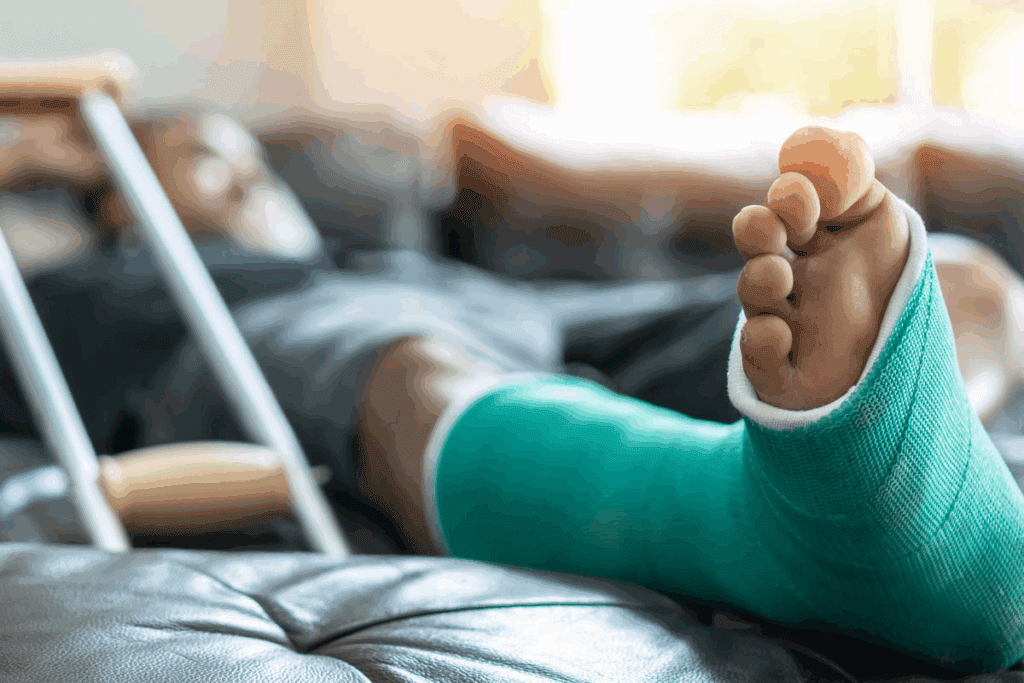
Bone healing is complex, involving many cells and molecules. It starts with the inflammatory phase. The body increases blood flow to the injury, bringing healing cells.
Then, a soft, cartilaginous callus forms around the fracture. This callus is gradually replaced by a harder, bony one. The final stage is remodeling, where the bone is reshaped and strengthened. This biological process is key to restoring the bone’s original function.
Stages of Fracture Recovery
Fracture recovery has several stages:
- Inflammatory Phase: This initial stage involves bleeding, inflammation, and the start of healing.
- Soft Callus Stage: A soft callus forms, stabilizing the fracture.
- Hard Callus Stage: The soft callus is replaced by a harder, bony callus.
- Remodeling Stage: The bone is reshaped and strengthened.
Variability in Healing Times
Healing times vary greatly among people. Factors like age, health, fracture severity, and treatment method play a role. For instance, younger people and those with less severe fractures heal faster.
It’s vital for patients to follow their healthcare provider’s advice to ensure proper healing and avoid complications.
Factors That Influence Fracture Healing Time
Many things can affect how long it takes for a bone to heal after a fracture. Knowing these factors is key for both patients and doctors. It helps manage expectations and make the right treatment choices.
Age and Overall Health
Age and health are big factors in healing time. Younger people usually heal faster because their bodies are more active and healthy. Older adults might heal slower because of lower bone density and health issues like diabetes.
What you eat, smoking, and some medicines can also affect healing. Eating enough calcium and vitamin D is important for bones. Smoking can slow healing by reducing blood flow.
Fracture Location and Severity
Where and how bad the fracture is also matters. Fractures in areas with lots of blood, like the upper arm, heal faster. More serious fractures, or those with many pieces, may need surgery and take longer to heal.
Complex fractures need more care and can take longer to recover from.
Treatment Method Chosen
The treatment chosen greatly affects healing time. Surgery, like fixing bones inside or using bone grafts, can help some fractures heal faster. For simpler breaks, doctors might use casts or braces.
The treatment choice depends on the fracture, the patient’s health, and their lifestyle. Each option has its own good and bad points to think about.
Walking After Fracture: What to Expect
When you’ve suffered a fracture, knowing what to expect during your recovery is key. This includes how you’ll walk again. We know that moving around is a big part of getting better.
Immediate Post-Fracture Mobility Limitations
Right after a fracture, you can’t move around much. This is because of the fracture and how it’s treated, like with a cast or surgery. It’s vital to listen to your doctor about how much weight you can put on your leg to heal right.
At first, you might need to use crutches or a walker. These tools help you avoid putting weight on the broken leg. They also help you stay balanced and prevent more injuries.
Progressive Weight Bearing Stages
As your fracture heals, you’ll go through different steps of weight-bearing. These steps are key for getting your leg strong and mobile again. The steps are usually:
- Non-weight-bearing: Not putting any weight on the affected limb.
- Partial weight-bearing: Slowly starting to put weight on the limb, as your doctor advises.
- Full weight-bearing: Eventually, you’ll be able to walk normally again.
Realistic Expectations for Return to Normal Gait
Getting back to walking normally after a fracture takes time and patience. It’s not just about the bone healing. It’s also about getting the muscles and tissues around it back in shape. Your healthcare team will help you with exercises and physical therapy to get you moving like before.
It’s also important to have realistic hopes about how long it will take to get better. How fast you recover depends on the fracture’s severity, your health, and following your treatment plan.
The Non-Weight Bearing Period Explained
Understanding the non-weight bearing period is key for patients to recover well. This phase starts right after a fracture and means avoiding weight on the affected limb.
Why Non-Weight Bearing Is Critical
The non-weight bearing period is crucial for the initial healing process. During this time, the bone starts to repair itself. Any weight or stress could harm this process.
We tell patients to follow non-weight bearing strictly. This helps avoid displacement or malunion of the bone.
By not putting weight on the affected limb, patients lower the risk of re-injury. This also helps create a stable healing environment. This is very important for fractures in bones that bear weight, like those in the legs and hips.
Mobility Options During This Phase
Even though patients can’t put weight on the affected limb, they don’t have to stay in bed. There are mobility options available to keep them moving and independent.
- Crutches: These help patients move around while keeping weight off the fractured limb.
- Walkers: For added stability, walkers are useful, mainly for older patients or those with balance issues.
- Wheelchairs: In some cases, using a wheelchair can be a good way to move without putting weight on the fracture.
We help patients choose the best mobility aids for their condition and health.
Transitioning to Partial Weight Bearing
Starting partial weight bearing is a big step after a fracture. It’s a key part of getting back to normal strength and movement. Patients need to know when it’s time to start and how to do it safely.
Signs Your Fracture Is Ready for More Weight
There are signs that show a fracture is ready for more weight. These include:
- Reduced pain: Less pain when moving the affected limb or putting weight on it.
- Improved stability: The fracture feels more stable, and moving is less painful.
- Healing on imaging: X-rays or other tests show the fracture is healing well.
Always talk to a healthcare provider to check these signs and plan the next steps.
How to Safely Begin Partial Weight Bearing
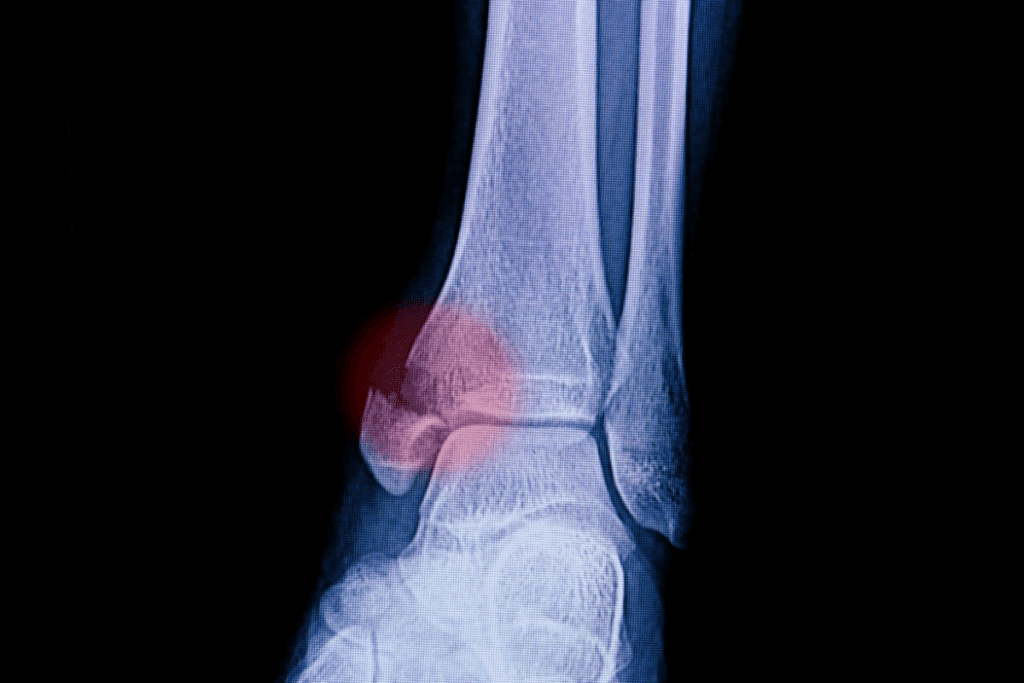
To start partial weight bearing safely, follow these steps:
- Start with assisted weight bearing: Use crutches, a walker, or another device to help bear weight.
- Gradually increase weight: Start with a little weight and add more slowly, as your doctor advises.
- Monitor for pain and discomfort: Stop if you feel more pain or discomfort and talk to your doctor.
Partial weight bearing is a key step that needs patience and careful steps. By following these tips and working with your healthcare team, you can make a safe and successful transition.
Full Weight Bearing Time: Recovery Milestones
Full weight bearing is a key recovery milestone, showing a big step towards healing. As patients get better, knowing how long it takes to get back to full weight bearing is key. It helps them recover well.
Typical Timeline for Different Fractures
The time to full weight bearing changes a lot based on the fracture type and patient health. Fractures in the lower legs, like the tibia or femur, often need more time. They might start with no weight bearing or partial weight bearing before moving to full weight.
| Fracture Location | Typical Healing Time | Full Weight Bearing Timeline |
| Tibia/Fibula | 6-12 weeks | 8-16 weeks |
| Ankle | 4-8 weeks | 6-12 weeks |
| Hip/Femur | 8-16 weeks | 12-24 weeks |
Keep in mind, these are just general times. The actual time to full weight bearing can change based on age, health, and treatment success.
Challenges During This Transition
Starting to bear full weight can be tough. Patients might feel pain, stiffness, or feel unstable. There’s also a big mental shift from not bearing weight to doing so fully.
To tackle these hurdles, a good rehab plan is vital. It should include physical therapy to strengthen muscles and improve joint movement. This is key for a smooth transition to full weight bearing.
It’s also important for patients to stay in touch with their healthcare team. This way, they can keep track of progress and handle any issues that come up.
Timeline by Fracture Location
Knowing how long it takes to heal based on where the fracture is is key. The spot of the fracture greatly affects how fast you can move again.
Lower Leg Fractures (Tibia/Fibula)
Fractures in the lower leg, like the tibia or fibula, heal at different rates. They usually take 6 to 8 weeks to mend. But, getting back to normal can take 3 to 4 months.
Heechul Kim’s story with a femur fracture shows the tough road to recovery from lower limb fractures. His case, though different, shows the complexity of healing these injuries.
| Fracture Location | Typical Healing Time | Return to Normal Activities |
| Tibia | 6-8 weeks | 3-4 months |
| Fibula | 6-8 weeks | 2-3 months |
Ankle and Foot Fractures
Ankle and foot fractures can take 6 to 12 weeks or more to heal. This depends on how bad the fracture is and where it is.
A simple ankle fracture might heal in 6 weeks. But, more serious fractures or those in the foot can take up to 3 months or more.
Hip and Femur Fractures
Fractures in the hip or femur are tough and take longer to heal. They usually need 3 to 6 months or more to mend.
Healing these fractures is not just about fixing the bone. It’s also about getting the muscles and joints around it strong and mobile again.
Upper Body Fractures and Their Effect on Walking
Upper body fractures, like in the arm, shoulder, or ribs, don’t usually stop you from walking. But, they can make it harder to move around and balance.
For example, a fracture that makes using crutches hard or needs part of the upper body to be immobilized can make it harder to walk again after a lower body fracture.
We know that everyone’s healing is different. It depends on their health, age, and the fracture itself.
Doctor Clearance for Walking: The Medical Assessment
Getting back to walking after a fracture needs a detailed medical check-up. Your doctor will make sure your bone is strong enough to handle your weight. This is to avoid any more injuries.
What Doctors Look For Before Allowing Weight Bearing
Doctors check a few important things before you can walk again. They look for healing signs at the fracture site, like callus formation. They also consider your health, like age and nutrition, and any conditions that might slow healing.
Key factors assessed include:
- Fracture alignment and stability
- Evidence of callus formation or bone bridging
- Patient’s pain levels and functional ability
- Presence of any complications, such as infection
Follow-up Appointments and Imaging
Regular check-ups are key to tracking your fracture’s healing. Your doctor might take X-rays or CT scans to see how the bone is doing. These tests show if the bone is healing right and if any hardware is in place.
Here’s what a typical follow-up schedule might look like:
| Follow-up Timeframe | Assessment Focus | Typical Imaging |
| 2-4 weeks post-fracture | Initial healing, alignment | X-ray |
| 6-8 weeks post-fracture | Callus formation, early weight bearing | X-ray, possibly CT scan |
| 12 weeks and beyond | Advanced healing, full weight bearing readiness | X-ray, CT scan for complex fractures |
Your healthcare team will guide you on when it’s safe to walk again. They use follow-up visits and scans to make sure you’re on the right path. This helps avoid complications and ensures a smooth recovery.
Assistive Devices for Walking After Fracture
Walking after a fracture can be tough, but the right tools help. Assistive devices are key in recovery. They offer support and stability for safe and confident walking.
Crutches: Proper Use and Adjustment
Crutches are often used after a fracture. They take weight off the injured limb, aiding healing. Adjusting crutches right is vital to avoid injury and ensure comfort.
The crutch top should be 1-2 inches below the armpit. The handgrip should be at hip level. Learning to walk with crutches is important, including standing, moving, and using stairs.
Walkers and Canes
Walkers and canes offer support and balance. Walkers are great for those needing more stability than crutches. They come in various types, like standard and rolling walkers, and even those with seats.
Canes are for less support and are good for balance help or minor fractures. It’s important to fit and use these devices correctly for them to work well.
Specialized Boots and Braces
Special boots and braces support and protect the healing limb. They are often custom-made for each patient. These devices help with fractures in the ankle, foot, and knee.
By keeping the area stable, they aid in healing and prevent more injury.
In summary, assistive devices are essential for fracture recovery. Knowing about and using them correctly helps patients move and live independently again.
Physical Therapy’s Role in Fracture Rehabilitation
Physical therapy is key in healing after a fracture. It helps patients get back their strength and mobility. Healing a fracture means more than just fixing the bone. It also means fixing the muscles, tendons, and ligaments around it.
Initial Physical Therapy Exercises
At first, physical therapy uses gentle exercises. These keep the joints moving and stop muscles from wasting away. These exercises are pain-free and help blood flow to the area, aiding in healing.
Some common initial exercises include:
- Isometric contractions: tightening the muscles without moving the joint
- Passive range of motion: a therapist or device moves the joint through its range of motion
- Active range of motion: the patient moves the joint through its range of motion on their own
Progressive Mobility Training
As the bone heals, therapy gets tougher. It includes exercises that help restore normal movement and function. This might include weight-bearing, balance, and gait training to help patients walk right again.
These exercises are tailored to each person’s healing and needs. They ensure a safe and effective return to normal activities.
Strength and Balance Exercises
It’s important to strengthen the muscles around the fractured bone. This helps prevent future injuries and improves function. Balance exercises are also key, mainly for older adults, to lower the risk of falls.
A sample strength and balance exercise program might include:
| Exercise | Description | Repetitions |
| Single-leg standing | Stand on one leg, holding onto a stable object if necessary | 3 sets of 30 seconds per leg |
| Resistance band exercises | Use resistance bands to strengthen muscles around the fracture site | 3 sets of 10 repetitions |
| Heel-to-toe walking | Walk along a straight line, placing the heel of one foot directly in front of the toes of the other foot | 3 sets of 10 steps |
A well-structured physical therapy program is vital for full recovery after a fracture. It includes initial exercises, progressive mobility training, and strength and balance exercises. This helps patients regain their strength and mobility, reducing the risk of future fractures.
Pain Management While Learning to Walk Again
Regaining the ability to walk after a fracture is a tough journey. It involves physical rehab and managing pain well. Knowing how to handle pain is key.
Medication Options
Medicine is a big part of pain management after a fracture. We look at many options, from simple pain relievers to stronger meds. It’s important to listen to our doctors to use these safely and right.
Common medication options include:
- Acetaminophen
- Ibuprofen
- Narcotic pain relievers (for severe pain)
Non-Pharmaceutical Pain Management
There are also ways to manage pain without medicine. Physical therapy, acupuncture, and healthy living are some. These can help a lot.
Physical therapy is very helpful. It helps with pain and also improves strength and mobility.
When Pain Indicates a Problem
Some pain is normal when you’re recovering. But, some pain can mean there’s a problem. Look out for pain that gets worse, doesn’t go away, or comes with swelling or instability.
If you see these signs, talk to your doctor right away. They can help figure out what’s going on and fix it.
Complications That May Delay Walking After Fracture
Recovering from a fracture and learning to walk again can face many challenges. Fractures usually heal in a set timeframe. But, some problems can slow down this healing and make it harder to move around.
Delayed Union or Nonunion
Delayed union or nonunion are big problems. Delayed union means healing takes longer than expected. Nonunion is when the bone doesn’t heal at all. These issues can come from not keeping the bone in place well enough, infection, or not enough blood to the area.
We watch patients closely for these signs. Catching them early helps us act fast. We might change how the bone is kept in place, treat infections, or even need surgery to help it heal.
Infection and Other Complications
Infection is a serious problem that can slow down recovery. Symptoms include more pain, redness, swelling, and fever. We treat it quickly with antibiotics or by draining it surgically to stop it from getting worse.
Other issues like nerve damage, blood vessel problems, or failing hardware can also affect recovery. We handle these problems with a team of doctors and specialists.
Joint Stiffness After Fracture
Joint stiffness is common after a fracture, more so if it’s in a joint or if the limb was kept very stiff for a long time. It happens because of scar tissue and less movement.
To avoid stiffness, we start moving the joint early and use physical therapy. Gentle exercises help keep the joint flexible and prevent stiffness. Sometimes, we need to use special treatments like physical therapy or even surgery to help.
Special Considerations for Different Age Groups
Recovering from a fracture changes with age. Children, adults, and the elderly face different challenges. Knowing these differences helps create better recovery plans.
Children and Fracture Recovery
Children heal faster from fractures than adults. Their bones are more flexible and can change shape easily. This means they might need less treatment to heal.
It’s important for kids to get the right care. This ensures their bones heal well and grow properly.
Adults and Middle-Aged Patients
Adults and middle-aged people have their own recovery challenges. Lifestyle and health issues can slow healing. Smoking and diabetes, for example, can make it harder for bones to mend.
Adults might need a rehab program. This could include physical therapy, nutrition advice, and pain management.
Elderly Patients and Fracture Recovery
Elderly people heal slower and face more complications. Their bones are weaker, and they might have other health problems. This makes recovery harder.
Older patients need a team approach. This includes doctors, physical therapists, and geriatric specialists. They help manage the unique challenges of healing.
Returning to Normal Activities After Fracture Recovery
Getting back to normal after a fracture takes time and planning. It’s important to balance wanting to do things again with not wanting to hurt yourself. We’ll help you slowly get back to your usual activities safely.
Gradual Reintroduction of Daily Activities
Starting slow is key to getting back to normal. First, figure out what you can do now. Start with easy tasks and then make them harder. For example, if you broke a bone in your leg, start with short walks and get longer as you get stronger.
Listen to your body and don’t overdo it. If you’re in pain, you’re going too fast. It’s all about finding the right balance.
Safe Exercise After Fracture
Exercise is important for getting strong and moving well again. But, choose safe exercises that don’t hurt your healing bone. Start with gentle, low-impact activities.
As you get better, you can do more exercises. A healthcare professional or physical therapist can help make a plan just for you. They’ll make sure you’re doing exercises that are good for you.
Long-term Considerations for Bone Health
Healing from a fracture is not just about fixing the bone. It’s also about keeping your bones healthy long-term. Eat foods rich in calcium and vitamin D, do exercises that make your bones strong, and avoid smoking and too much alcohol.
Regular check-ups with your doctor are important. They help keep an eye on your bone health and catch any problems early. Taking care of your bones now can help prevent future breaks and keep you healthy.
Conclusion
Knowing how long it takes to walk after a fracture is key for a good fracture recovery. Many things affect how fast you heal, like your age, health, where the fracture is, and how it’s treated. Getting back to walking takes several steps, from not putting weight on it to walking normally again.
It’s very important to listen to your doctor and stick to the recovery timeline they give you. This helps prevent problems and makes sure you heal right. With the right care and time, you can get your strength and mobility back. This lets you do your usual activities again after a fracture. Knowing what to expect when you start walking again helps you on your way to getting better.
FAQ
How long does it typically take for a fracture to heal before I can walk on it?
Healing time for a fracture varies. It depends on the fracture’s location and severity. Age and health also play a role. Generally, it takes 6 to 12 weeks to heal enough to walk.
What is the non-weight bearing period, and why is it important?
The non-weight bearing period is a key part of healing. It’s when you shouldn’t put weight on the affected limb. This helps the fracture heal right and lowers the risk of problems. The length of this period depends on the fracture’s type and severity.
How do I know when I can start putting weight on my fractured limb?
A healthcare provider should decide when to start weight-bearing. They check the fracture’s healing with images and physical checks. This helps them know when it’s safe to start walking again.
What assistive devices can help me walk after a fracture?
Assistive devices like crutches, walkers, canes, and special boots or braces can help. The right device depends on the fracture, your mobility, and recovery stage.
How does physical therapy contribute to fracture rehabilitation?
Physical therapy is key in getting back to normal after a fracture. It helps regain strength, mobility, and balance. Physical therapists create custom exercise plans to safely return to activities and prevent future injuries.
What are the signs that my fracture is not healing properly?
Signs of improper healing include ongoing pain, swelling, or deformity. Also, if you find it hard to bear weight on the affected limb. Seeing your healthcare provider is important if you notice these signs.
How can I manage pain while learning to walk again after a fracture?
Managing pain involves medication, physical therapy, and bracing. You can also try acupuncture or massage therapy. These methods help ease pain while learning to walk again.
Are there any specific considerations for elderly patients recovering from fractures?
Elderly patients need special care. This includes managing health issues, preventing falls, and making living spaces safe. These steps help ensure a smooth recovery.
How long does it take to return to normal activities after a fracture?
Recovery time varies. It depends on the fracture’s location, severity, and your health. Generally, it takes several months to fully recover and get back to pre-fracture activities.
What are the possible complications that can delay walking after a fracture?
Complications like delayed healing, infection, and joint stiffness can slow recovery. Quick medical attention is needed if you suspect any complications to ensure proper healing.
How do I gradually reintroduce daily activities after fracture recovery?
Start with simple tasks and gradually increase the intensity and duration. Listen to your body and don’t push too hard. This approach helps a safe return to daily activities.
What role does doctor clearance play in determining when to start walking after a fracture?
Doctor clearance is vital. Healthcare providers check the fracture’s healing and give personalized advice. They decide when it’s safe to start walking again.
Can fractures in different locations have different recovery timelines?
Yes, recovery times vary by fracture location. For example, lower leg fractures heal differently than hip or upper body fractures. Knowing your specific recovery timeline is important.
What are the benefits of early mobility after a fracture?
Early mobility can prevent stiffness and muscle loss. It promotes healing and speeds up returning to normal activities. It’s beneficial when appropriate.
Reference
- National Institute of Arthritis and Musculoskeletal and Skin Diseases (NIAMS) – Bone Health and Regeneration
https://www.niams.nih.gov/health-topics/bone-health



 Departments
 Related Videos
 Our Doctors
 News
News