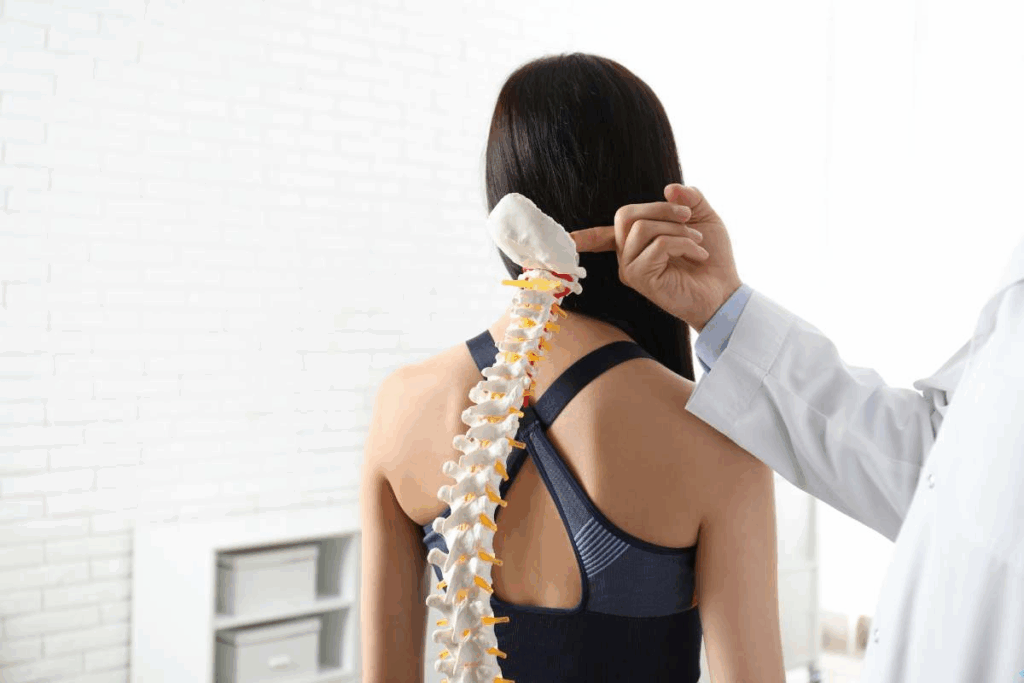
Did you know about 7 million people in the U.S. have scoliosis? It’s a condition where the spine curves abnormally. As a leading healthcare provider, we know how important it is to manage scoliosis well. Scoliosis can make simple tasks hard, affecting daily life greatly.
We’ll look at how walking helps scoliosis patients and how walking sticks offer extra support. We’ll dive into how exercise, like walking, can help manage scoliosis. This includes understanding both the benefits and challenges of adding exercise to treatment plans.
Key Takeaways
- Understanding the impact of scoliosis on daily life.
- Exploring the benefits of exercise for scoliosis management.
- The role of walking sticks in providing support for individuals with scoliosis.
- Potential challenges of incorporating physical activity into a treatment plan.
- Strategies for effective scoliosis management.
Understanding Scoliosis and Its Impact on Mobility
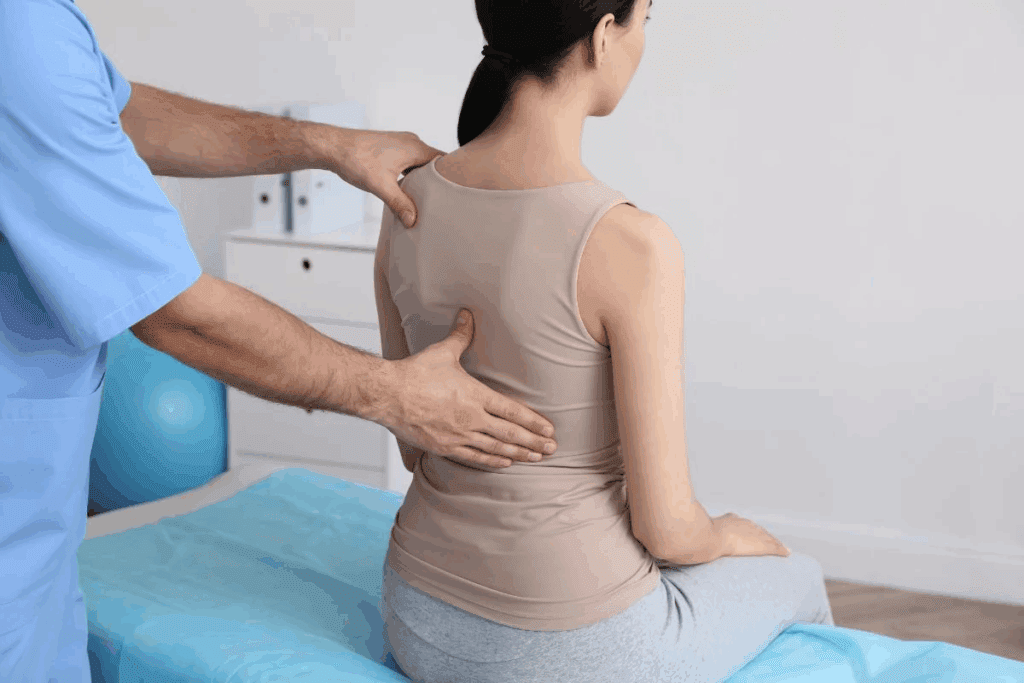
It’s important to know about scoliosis to manage its effects on the body, like mobility. Scoliosis is a condition where the spine curves abnormally. This can cause uneven walking and discomfort.
Types and Degrees of Scoliosis
Scoliosis is divided into types based on its cause and when it starts. The main types are idiopathic, congenital, and neuromuscular scoliosis. Idiopathic scoliosis is the most common and happens in healthy kids and teens.
The severity of scoliosis is measured by the Cobb angle. A Cobb angle of 10 degrees or less is mild. Angles over 50 degrees are severe.
| Type of Scoliosis | Cobb Angle Range | Severity |
| Idiopathic | 10-20 degrees | Mild |
| Congenital | 20-50 degrees | Moderate |
| Neuromuscular | >50 degrees | Severe |
The Relationship Between Walking and Scoliosis Management
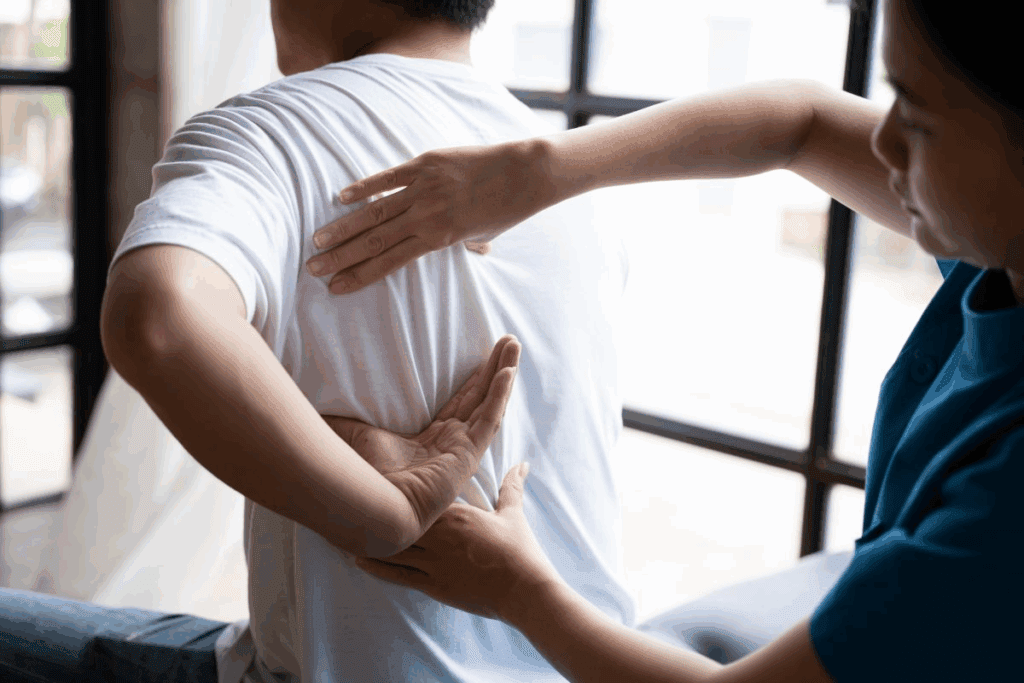
Walking and scoliosis management are closely linked, with studies showing its benefits for the spine. It’s important to look at the research and compare it to other exercises.
Research on Walking as Exercise for Scoliosis
Studies show walking is good for people with scoliosis. Walking is a low-impact activity that boosts heart health without harming the spine. It strengthens muscles around the spine, which may slow curve growth.
Walking is easy for many to do, fitting different fitness levels. This makes it great for many with scoliosis.
Walking helps scoliosis patients in many ways. It improves heart health, muscle strength, and balance. Improved balance and coordination lower fall risks, which is key for those with scoliosis.
Walking vs. Other Forms of Exercise for Spinal Health
Walking has special benefits compared to other exercises for the spine. While swimming and cycling are good for the heart, walking helps keep bones strong because it involves weight-bearing. High-impact activities like running might not be good for some with scoliosis.
A good exercise plan for scoliosis might mix walking with other low-impact activities. For example, yoga or Pilates can help with flexibility and core strength. These are key for good posture and less spinal strain.
Benefits of Walking for People with Scoliosis
Walking is a simple yet effective exercise that can greatly benefit people with scoliosis. It improves both physical and mental well-being. Regular walking can enhance overall health and help manage the condition more effectively.
Cardiovascular Benefits Without Spinal Strain
Walking is great for scoliosis patients because it improves heart health without straining the spine. It’s a low-impact exercise that strengthens the heart and lungs. This improves circulation and overall cardiovascular fitness.
This is very beneficial for individuals with scoliosis. It enhances their overall health without making spinal issues worse.
Muscle Strengthening and Balance Improvement
Walking strengthens the muscles around the spine, improving posture and reducing the risk of further curvature. It also enhances balance and coordination. Regular walking can lead to improved muscle tone and better overall physical stability.
Mental Health Benefits of Regular Walking
The mental health benefits of walking for scoliosis patients are significant. Walking can help reduce stress and anxiety, improve mood, and enhance overall mental well-being. Princess Eugenie, a well-known advocate for spinal health, has highlighted the importance of mental health support for individuals with scoliosis.
Regular walking can be a valuable component of this support. It provides a sense of accomplishment and improves overall quality of life.
| Benefits | Description |
| Cardiovascular Improvement | Enhances heart health and circulation without straining the spine |
| Muscle Strengthening | Improves muscle tone around the spine, enhances posture and stability |
| Mental Health Boost | Reduces stress and anxiety, improving overall mental well-being |
Potential Challenges of Walking with Scoliosis
Scoliosis can make walking hard, causing pain and tiredness. Walking is good for those with scoliosis, but we must face the challenges. This ensures a safe and helpful walking plan.
Pain Management Considerations
Pain is common for scoliosis patients, and walking can make it worse. It’s key to manage pain well to keep walking safe. Proper footwear and orthotics help by supporting the body and improving how we walk.
“Pain is a signal that something is not right. It’s essential to listen to your body and adjust your walking routine.”
| Pain Management Strategies | Description | Benefits |
| Proper Footwear | Using shoes that provide adequate support and cushioning | Reduces strain on the spine and joints |
| Orthotics | Customized inserts to correct gait abnormalities | Improves spinal alignment and reduces pain |
| Stretching Exercises | Regular stretching to improve flexibility | Enhances range of motion and reduces muscle tension |
Fatigue and Endurance Issues
Fatigue is a big problem for scoliosis patients. The spine’s curve makes the body work harder, leading to tired muscles. It’s important to build endurance for walking.
Start by walking a little longer and harder each time. Adding breathing exercises and strengthening routines can also boost fitness and cut down on tiredness.
Understanding and tackling the challenges of walking with scoliosis helps make walking better. It helps manage pain and tiredness, improving overall health.
Walking Stick for Scoliosis: A Guide
For those with scoliosis, a walking stick can be a big help. It can make moving around easier and less painful.
Support Mechanisms for Scoliosis Patients
Walking sticks offer vital support for scoliosis patients. They help spread out the body’s weight, easing pressure on the spine. This is very helpful on long walks or on uneven ground.
- Stability Enhancement: Walking sticks make it easier to stay steady, lowering the chance of falling.
- Pain Reduction: They take some weight off the spine, which can lessen scoliosis pain.
- Posture Improvement: Using a walking stick can help improve posture by making your gait more balanced.
Features of a Scoliosis-Friendly Walking Stick
When picking a walking stick for scoliosis, look for certain features. They should meet your specific needs.
- Ergonomic Handle: An ergonomic handle is comfy and eases strain on your hand and wrist.
- Adjustability: An adjustable stick fits different heights and walking styles.
- Shock Absorption: Some sticks have shock-absorbing parts, which are good for your joints.
- Lightweight Material: A light stick is simpler to carry, even for a long time.
By choosing the right walking stick, people with scoliosis can move better and feel less pain. It’s about finding the right balance between support and freedom.
Types of Walking Sticks and Canes for Scoliosis Support
Walking sticks and canes do more than just offer support. They come in many types to meet the needs of those with scoliosis. The right walking aid can make a big difference in mobility, comfort, and quality of life.
Ergonomic Walking Sticks for Spinal Alignment
Ergonomic walking sticks are made to support and align the spine properly. They fit comfortably in your hand, easing strain on your wrist and forearm. Look for these key features:
- Contoured handles that fit the natural shape of the hand
- Adjustable heights to fit different user heights and postures
- Cushioned grips for comfort during long use
Adjustable Walking Aids for Customized Support
Adjustable walking aids are great because they can be customized. They fit different heights and walking styles, providing:
- Stability on uneven ground
- Support tailored to spinal curves
- Use for people with varying mobility
Lightweight Options for Extended Use
For those using walking aids all day, lightweight options are key. These sticks are made from materials like aluminum or carbon fiber. They offer:
- Less fatigue because they’re light
- Durability despite being light
- Easy to move for active users
Choosing the right walking stick or cane can greatly improve life for scoliosis patients. It’s important to talk to a healthcare professional to find the best walking aid for your needs.
Best Walking Stick Models for Scoliosis Relief
Choosing the right walking stick is key for those with scoliosis. It should offer support and stability to ease spine strain.
Top Ergonomic Designs for Scoliosis Support
Ergonomic walking sticks fit comfortably in your hand. They reduce strain and discomfort. Look for these features:
- Contoured Handles: They match the shape of your hand for a secure grip.
- Adjustable Heights: It’s important to find the right height for your posture.
- Cushioned Tips: They add comfort and stability by absorbing shock.
Specialized Walking Sticks with Shock Absorption
Walking sticks with shock absorption are great for scoliosis patients. They reduce spine and joint impact. Some models have:
- Spring-loaded Tips: They make each step smoother by absorbing shock.
- Elastic Components: These parts help reduce joint strain.
When picking a walking stick for scoliosis, think about what you need. Consider the support level and any extra features for comfort and mobility.
Proper Walking Technique for Scoliosis Patients
For those with scoliosis, the right walking technique is key. It helps keep the spine healthy and improves mobility. Proper walking technique reduces the risk of more curvature and boosts quality of life.
Posture Considerations During Walking
Good posture is vital for scoliosis patients while walking. It means keeping the head level, shoulders relaxed, and spine straight. Good posture spreads out the weight, easing the spine’s strain.
Gait Adjustments to Minimize Spinal Stress
Making gait adjustments can lessen spinal stress. This includes taking smaller steps and avoiding long strides. Also, make sure feet hit the ground softly to avoid jarring the spine.
Natural Approaches to Managing Scoliosis Through Walking
Walking is a simple yet effective way to manage scoliosis. It’s even better when combined with natural approaches. By adding walking to their daily routine, people with scoliosis can see many benefits.
Walking in Natural Environments
Walking in places like parks or trails can make the experience better. Being in nature helps reduce stress and boosts mental health. This is great for those managing scoliosis.
Benefits of Walking in Nature:
- Reduced stress levels
- Improved mental health
- Enhanced overall well-being
Combining Walking with Breathing Techniques
Adding breathing techniques to walking can make it even more beneficial. Deep breathing helps lower anxiety and gets more oxygen to muscles.
Tips for Effective Breathing While Walking:
- Practice deep, diaphragmatic breathing
- Synchronize breathing with walking pace
- Focus on relaxed, rhythmic breathing
Progressive Walking Programs as Natural Therapy
Progressive walking programs can be a natural therapy for scoliosis. They help improve heart health and muscle strength by gradually increasing walk intensity and duration.
Key Elements of a Progressive Walking Program:
- Gradual increase in walking distance
- Incorporation of varied terrain
- Regular monitoring of progress
By using these natural walking methods, people with scoliosis can enhance their quality of life. They can also support traditional treatments.
Exercises for Lower Back Scoliosis to Complement Walking
For those with lower back scoliosis, adding specific exercises to their routine can boost walking benefits. These exercises help keep the spine healthy and improve physical function. They also help reduce pain.
Targeted Strengthening Exercises
It’s key to strengthen muscles around the spine for scoliosis management. We suggest exercises that focus on the core and back. These include:
- Planks to strengthen the core and improve posture
- Bridges to enhance gluteal and lower back strength
- Superman exercises to target the erector spinae muscles
Do these exercises 2-3 times a week. Always do them with a healthcare professional to ensure you’re doing them right.
Stretching Routines for Lower Back Relief
Stretching is also vital for scoliosis relief. Focus on stretches for the hamstrings, hip flexors, and lower back. Try these:
- Knee to chest stretches to relieve lower back tension
- Cat-cow stretches to improve spinal flexibility
- Hamstring stretches to reduce tension on the lower back
Stretch gently and within a safe range to avoid making things worse. Stretching daily, after walking or exercising, is helpful.
Walking with these strengthening and stretching exercises can improve spinal health. It also reduces discomfort for those with lower back scoliosis.
Best Footwear to Wear for Walking with Scoliosis
For those with scoliosis, picking the right shoes is key to comfort and spinal health. The right shoes can ease discomfort by giving the needed support and stability.
Supportive Features to Look for in Shoes
When picking shoes for walking with scoliosis, look for certain features. Good arch support is vital to ease spine strain. Cushioning helps absorb shock, lessening spine impact with each step. Also, a wide toe box is good for toe deformities or discomfort.
Shoes with adjustable closures like laces or straps are great. They keep the foot secure and comfortable. Some shoes also have removable insoles for custom orthotics.
| Feature | Benefit |
| Good Arch Support | Reduces strain on the spine |
| Cushioning | Absorbs shock, minimizing spinal impact |
| Wide Toe Box | Accommodates toe deformities or discomfort |
| Adjustable Closures | Secures the foot, provides comfortable fit |
| Removable Insoles | Allows for custom orthotics |
Custom Orthotics and Insoles for Scoliosis
Custom orthotics and insoles are vital for scoliosis management. They offer personalized support and correction, easing pain and improving walking. As experts say, they’re great for those with leg length differences due to scoliosis, like Guy Natale.
“Custom orthotics can significantly improve the quality of life for individuals with scoliosis by reducing pain and enhances mobility.”
Getting custom orthotics requires a healthcare professional’s advice. They can guide on the best orthotics for your needs.
In summary, the right shoes can greatly improve comfort and mobility for those with scoliosis. By choosing supportive shoes and considering custom orthotics, walking can become more enjoyable and beneficial for spinal health.
Addressing Common Walking Problems Related to Scoliosis
Scoliosis can cause several walking issues. These problems affect how well a person can move and feel comfortable while walking.
Uneven Gait and Compensation Patterns
People with scoliosis often have an uneven gait. This unevenness makes the body adjust its movement to fit the spinal deformity.
Effects of Uneven Gait:
- Altered biomechanics
- Increased energy expenditure
- Potential for further spinal stress
To fix uneven gait, it’s key to know the causes and how they affect walking. Physical therapy can help strengthen muscles and improve walking.
| Compensation Patterns | Description | Potential Impact |
| Altered Posture | Changes in standing or walking posture to compensate for spinal curvature | Increased strain on muscles and joints |
| Gait Asymmetry | Asymmetrical walking pattern due to uneven spinal alignment | Potential for overuse injuries |
Managing Pain and Discomfort While Walking
Pain and discomfort are big issues for scoliosis patients, often when they walk. Finding ways to manage pain is key to keeping mobility and quality of life.
Pain Management Techniques:
- Proper footwear and orthotics
- Regular stretching and strengthening exercises
- Use of walking aids or assistive devices
Managing pain while walking needs a mix of lifestyle changes, physical therapy, and sometimes medical help.
By tackling common walking problems from scoliosis, people can move better, feel less pain, and live better lives.
Walking Programs for Different Age Groups with Scoliosis
Walking is great for people with scoliosis at any age. It’s important to make walking programs fit each age group’s needs. This helps everyone get the most out of walking.
Adolescents with Developing Scoliosis
Walking is key for teens with scoliosis. It can improve posture and slow down curve growth. Start with short walks and make them longer and harder over time.
Make it fun by walking with friends or family. This keeps them excited about exercising.
Adults with Established Curves
Adults with scoliosis can also benefit from walking. It can ease pain and improve spinal health. Adults should focus on walking right and doing exercises that strengthen their core and back.
It’s a good idea to talk to a doctor to create a walking plan that’s safe and right for them.
Exercises for Scoliosis in Older Adults
Walking is important for older adults with scoliosis. Using canes or walking sticks can help. They should also do exercises to improve balance and flexibility.
Walking in bright, flat places is safer. This helps prevent falls and keeps them moving.
Customizing walking programs for each age group helps people with scoliosis. It makes walking more effective and improves their quality of life.
Tracking Progress: How to Monitor Walking Benefits for Scoliosis
To get the most out of walking for scoliosis, it’s key to track your progress. By watching how your condition changes, you can tweak your walking routine for better results.
Physical Measurements and Assessments
Tracking the benefits of walking for scoliosis often involves physical checks. These include:
- Regular visits to your doctor to check your spine’s shape and health.
- Using a scolometer to measure how much your spine twists.
- Watching how your posture and walking style change.
Regular physical checks show where your walking is helping and where you might need to make changes.
Pain and Quality of Life Improvements
It’s also important to track how your pain and overall life quality change. You can do this by:
- Keeping a pain journal to note your pain levels.
- Filling out quality of life surveys to see how you’re feeling.
- Noting any changes in how well you sleep and have energy.
Healthcare experts say, “Walking regularly can really help manage pain and improve life quality for those with scoliosis.” Tracking these improvements is key to knowing if your walking is working.
Combining Walking with Other Scoliosis Management Approaches
For those with scoliosis, walking with other strategies can improve spinal health. A good plan includes lifestyle changes, therapy, and sometimes medicine.
Integrating Walking with Physical Therapy
Physical therapy is key for many with scoliosis. Walking with it can make treatment better. Physical therapists create exercises that strengthen the spine and improve flexibility.
Benefits of walking with physical therapy include:
- Stronger muscles and better flexibility
- Improved posture and spinal alignment
- Less pain through specific exercises
- More mobility and function
Walking as Part of a Holistic Treatment Plan
A holistic plan for scoliosis looks at physical, emotional, and spiritual health. Walking is a big part of this, helping beyond just physical health.
Aspects of a holistic plan that walking can add include:
| Treatment Aspect | Description | Benefits |
| Breathing Exercises | Techniques to improve lung capacity and overall relaxation | Reduces stress, improves oxygenation |
| Mindfulness and Meditation | Practices to enhance mental clarity and reduce stress | Improves mental health, reduces pain perception |
| Nutritional Counseling | Guidance on diet to support bone health and overall well-being | Supports bone density, overall health |
Adding walking to a holistic plan helps manage scoliosis better. It leads to a better quality of life.
Conclusion: Making Walking Work for Your Scoliosis Journey
Walking can be a key part of managing scoliosis. It helps improve heart health, strengthens muscles, and boosts mental well-being. Regular walking can make a big difference for those with scoliosis.
To get the most out of walking for scoliosis, focus on the right techniques. Use walking sticks if needed and wear the right shoes. Combining walking with other treatments like physical therapy can lead to better health.
Walking offers many benefits for scoliosis sufferers. By creating a walking plan that fits their needs, they can improve their spinal health. This proactive approach supports their overall well-being and quality of life.
FAQ
Is walking beneficial for scoliosis management?
Yes, walking helps manage scoliosis. It boosts heart health, strengthens muscles, and improves overall well-being. It does not make spinal issues worse.
How does scoliosis affect walking mechanics?
Scoliosis can lead to uneven walking and discomfort. It’s important to understand scoliosis to manage it effectively.
What are the benefits of using a walking stick for scoliosis?
A walking stick offers support and improves mobility for those with scoliosis. It can reduce discomfort. There are many designs to fit individual needs.
What features should I look for in a scoliosis-friendly walking stick?
Look for ergonomic designs, adjustable height, shock absorption, and lightweight materials. These ensure comfort and support.
Can walking help manage scoliosis pain?
Yes, walking can manage scoliosis pain. It strengthens muscles, improves posture, and reduces discomfort. But, it’s important to manage pain and fatigue.
Are there specific exercises that complement walking for lower back scoliosis?
Yes, specific exercises and stretching routines can help. They improve spinal health and reduce discomfort when combined with walking.
What type of footwear is best for walking with scoliosis?
Choose supportive shoes with good arch support, cushioning, and stability. Custom orthotics and insoles can also offer extra support and comfort.
How can I track the benefits of walking for scoliosis?
Monitor physical measurements, pain levels, and quality of life improvements. This helps track the benefits of walking for scoliosis.
Can walking be combined with other scoliosis management approaches?
Yes, walking can be part of a physical therapy or holistic treatment plan. It provides a complete care approach for scoliosis.
Are there walking programs tailored to different age groups with scoliosis?
Yes, walking programs can be tailored for different age groups with scoliosis. They address unique needs and promote well-being.
How can I make walking a sustainable part of my scoliosis management plan?
Start with short walks and gradually increase duration and frequency. Make walking a part of your daily routine for sustainable management.
References
- Yoo, S. D., & Kim, M. S. (2018). Effect of custom-made foot orthosis for scoliosis with pelvic malalignment in a patient with myelomeningocele of partial neurological deficit: A case report. Annals of Rehabilitation Medicine, 42(5), 785–790. https://pmc.ncbi.nlm.nih.gov/articles/PMC6196593/