
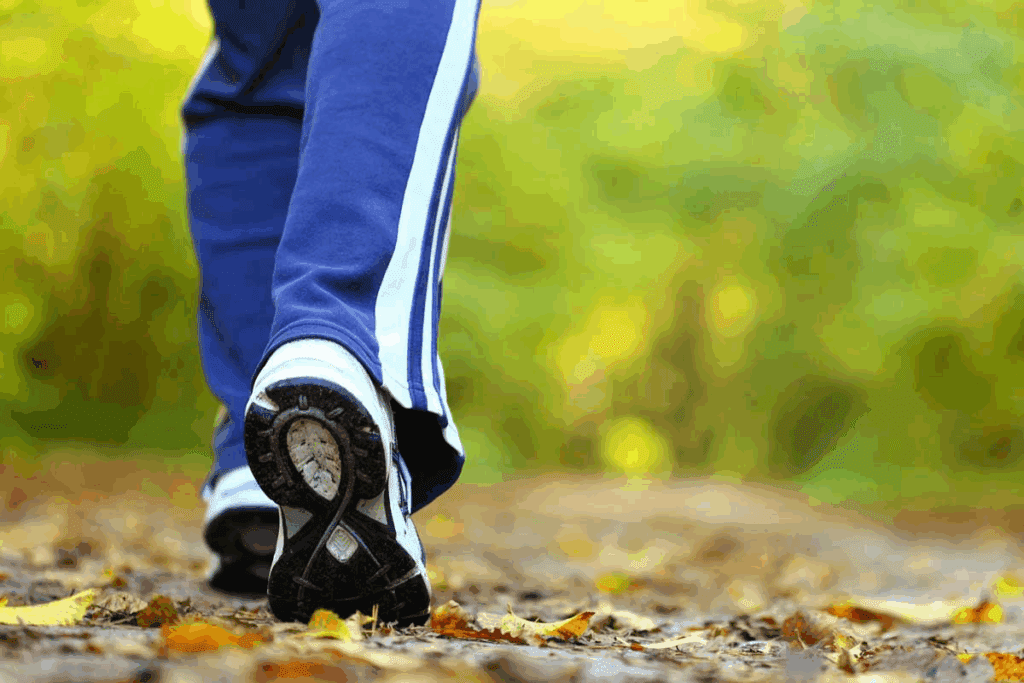
Achilles tendonitis affects millions, causing pain and limiting mobility. Gentle exercises, like walking, can be beneficial for recovery, but understanding the condition is key.
Managing Achilles tendonitis means finding the right balance between rest and activity. Walking can be part of tendonitis recovery if done right. It helps with blood flow without stressing the tendon too much.
Key Takeaways
- Understanding Achilles tendonitis is key to managing it.
- Gentle walking can aid in tendonitis recovery.
- Balancing rest and activity is critical.
- Proper walking techniques can help avoid further injury.
- Consulting a healthcare professional is recommended.
Understanding Achilles Tendonitis: Causes and Symptoms
For people like Christian McCaffrey, who have had bilateral Achilles tendonitis, knowing the causes and symptoms is key. Achilles tendonitis is when the tendon gets inflamed and hurts. This tendon connects the calf muscles to the heel bone.
What Is Achilles Tendonitis?
Achilles tendonitis happens when the tendon gets irritated or inflamed. This usually happens from overuse or repetitive strain. It causes pain and stiffness, mostly in the morning. It can also make it hard to do daily tasks or sports.
Common Causes of Achilles Tendonitis
Many things can lead to Achilles tendonitis, including:
- Sudden increase in physical activity
- Poor foot biomechanics or bad shoes
- Training mistakes, like running uphill or on uneven ground
- Tight or weak calf muscles
Knowing these causes helps prevent Achilles tendonitis. For example, slowly increasing exercise and wearing the right shoes can help.
| Cause | Description | Prevention Strategy |
| Sudden Increase in Activity | Rapidly increasing exercise intensity or frequency | Gradually increase activity levels |
| Poor Foot Biomechanics | Abnormal gait or foot structure | Use orthotics or supportive footwear |
| Training Errors | Running uphill, on uneven surfaces, or with poor form | Improve running technique, choose appropriate surfaces |
Recognizing the Symptoms
Symptoms of Achilles tendonitis include pain and stiffness along the tendon, swelling, and limited mobility. Spotting these symptoms early helps prevent further injury.
By knowing the causes and symptoms of Achilles tendonitis, people can take steps to prevent and manage it. This can help reduce severe pain and improve tendon health.
The Science Behind Walking With Achilles Tendonitis
Walking with Achilles tendonitis involves understanding how stress and healing work together. It’s key to know how walking impacts the tendon. This knowledge helps in managing the condition and speeding up recovery.
How Walking Affects the Achilles Tendon
Walking puts stress on the Achilles tendon. With each step, the tendon handles forces many times the body’s weight. This can make inflammation and pain worse. Yet, gentle walking can help by improving blood flow and bringing nutrients to the tendon.
A study in a Journal shows walking can help. It improves symptoms and function for those with Achilles tendonitis. The trick is to find the right balance between activity and rest.
Mechanical Stress During Walking
The stress on the Achilles tendon during walking is a big factor. The tendon helps transmit forces from the calf to the heel. Using the right walking technique can reduce this stress.
“The way we walk can significantly impact the stress on our Achilles tendon. A heel strike pattern, as opposed to a midfoot or forefoot strike, can reduce the strain on the tendon.” – An Orthopedic Specialist
Blood Flow and Healing Processes
Blood flow is essential for healing Achilles tendonitis. Gentle walking boosts blood circulation. This brings oxygen and nutrients to the damaged tendon. Good blood flow helps the tendon heal faster.
| Activity | Effect on Blood Flow | Impact on Healing |
| Gentle Walking | Increased circulation | Enhanced healing |
| High-Intensity Running | Potential decrease due to inflammation | Delayed recovery |
| Rest | Baseline circulation | Basic maintenance |
Knowing how walking affects Achilles tendonitis is important. A balanced approach that includes gentle walking, proper technique, and rest helps. This way, individuals can aid in healing and avoid further injury.
Benefits of Walking for Achilles Tendonitis Recovery
Walking is great for people with Achilles tendonitis. It’s a low-impact exercise that fits many fitness levels. This makes it perfect for those healing from tendonitis.
Promoting Blood Circulation
Walking boosts blood flow, which is key for tendon healing. It brings nutrients and oxygen to the tendon. It also helps clear out waste, which can lower inflammation and pain.
Maintaining Mobility and Function
Walking keeps the ankle and foot moving well. It stops stiffness and lowers injury risk. It keeps the tendon and muscles active and healthy.
Psychological Benefits of Staying Active
Walking also improves mental health. It reduces stress and anxiety from chronic pain. It boosts mood and motivation, helping recovery.
In summary, walking is a key part of healing from Achilles tendonitis. It improves blood flow, keeps joints moving, and lifts spirits. Walking helps a lot in the healing journey.
Potential Risks of Walking With Achilles Tendonitis
Walking can help with Achilles tendonitis recovery, but there are risks. Ignoring these can cause more harm or longer recovery times. Knowing when walking might make things worse is key to managing it well.
When Walking Can Worsen Your Condition
Walking can make Achilles tendonitis worse if not done right. For example, increasing your walking too fast can stress the tendon, causing more pain and swelling. It’s important to slowly increase your walking to avoid overdoing it.
Also, wearing the wrong shoes or walking on rough surfaces can harm your condition. Wearing supportive shoes and walking on flat, smooth paths can help. For tips on managing running injuries, check out Runners World.
Signs You Should Stop Walking
Knowing when to stop walking is important. Pain is a big sign; if you feel sharp or increasing pain in your Achilles tendon, stop and rest. Also, if you see swelling or redness around the tendon, stop walking until these signs go away.
Balancing Activity and Rest
It’s important to balance walking with rest to manage Achilles tendonitis. Switch between walking and rest days to let your tendon heal while keeping you mobile. Doing gentle stretching and strengthening exercises on rest days can also help without overloading the tendon.
By paying attention to these points and adjusting your walking, you can reduce risks and help your tendon heal faster.
Walking With Achilles Tendonitis: Safe Techniques and Approaches
People with Achilles tendonitis can use special walking techniques to ease tendon stress. These methods help avoid making the condition worse and aid in healing.
Proper Foot Strike Patterns

How you land on the ground affects your Achilles tendon. It’s best to use a midfoot or forefoot strike instead of heel striking. Heel striking can cause more stress on the tendon.
To change your foot strike, try landing on the middle or front of your foot first. It might feel odd at first. But, with practice, it can help reduce tendon stress.
Adjusting Your Stride Length
Your stride length is also key in managing Achilles tendonitis. Shortening your stride can lessen tendon stress. Shorter strides mean less stress on the tendon with each step.
Try taking shorter steps to see if it helps. Finding the right balance is important for your condition.
Pace and Duration Considerations
The speed and length of your walks matter too. Walking slower can reduce tendon stress. Also, shorter walks give your tendon time to heal.
Begin with short walks and gradually make them longer as you get better. Pay attention to your body’s signals. If you feel pain, slow down or stop.
Supportive Walking Shoes for Tendonitis Relief
People with Achilles tendonitis can find relief in supportive walking shoes. These shoes help reduce tendon stress. They also support the healing process.
Key Features to Look for in Footwear
When picking shoes for Achilles tendonitis, look for certain features. Adequate arch support and cushioning are key. They help lessen stress on the tendon.
Shoes with a rocker sole also help. They promote a natural foot roll. This reduces tendon strain.
Choose shoes made from breathable materials. This keeps your feet cool and dry. A snug fit is also important to avoid irritation.
Recommended Shoe Types for Achilles Support
Some walking shoes are better for Achilles tendonitis. Walking shoes with a higher heel-to-toe drop are good. They reduce tension on the tendon.
Shoes for running or hiking also offer great support and cushioning.
| Shoe Feature | Benefit for Achilles Tendonitis | Recommended Type |
| Adequate Arch Support | Reduces stress on the Achilles tendon | Stability or Support Shoes |
| Cushioning | Absorbs shock and reduces impact | Cushioned Running Shoes |
| Rocker Sole | Promotes natural foot roll and reduces tendon strain | Rocker Sole Walking Shoes |
The Role of Heel Lifts and Orthotics
Heel lifts and custom orthotics can also help. Heel lifts reduce tension by elevating the heel. Custom orthotics address foot mechanics issues.
It’s best to talk to a healthcare professional or podiatrist. They can help find the right orthotic or shoe modification for you.
Walking Surfaces and Their Impact on Achilles Pain
Different walking surfaces can either help or hurt Achilles tendonitis symptoms. Choosing the right surface is key to managing pain and helping recovery.
Best Surfaces for Walking With Tendonitis
For Achilles tendonitis, softer surfaces are better. They put less strain on your Achilles tendon. Some top surfaces include:
- Grass or Turf: Softer than hard pavement or concrete.
- Dirt Paths: Smoother than trails, great for a gentle walk.
- Rubber or Poured Rubber Surfaces: Found in parks, they offer great cushioning.
Walking on these surfaces can help your Achilles tendon. It aids in walking for joint recovery.
Surfaces to Avoid
Some surfaces can make Achilles tendonitis worse. It’s best to steer clear of:
- Hard Concrete or Asphalt: Too stressful for your Achilles tendon.
- Uneven or Sloping Surfaces: Trails with big inclines or declines are tough on the tendon.
- Stair Climbing: Climbing stairs often is hard on those with Achilles tendonitis.
Staying away from these surfaces is part of good tendonitis recovery walking tips. It helps manage pain.
Adapting to Different Terrains
While soft surfaces are best, learning to walk on different terrains is also key. It helps reduce stress on your Achilles tendon.
| Terrain | Adjustment | Benefit |
| Uphill | Shorten stride, increase cadence | Reduces strain on Achilles tendon |
| Downhill | Slow down, take smaller steps | Controls the impact on the tendon |
| Uneven | Watch your step, stabilize ankle | Prevents additional injury |
By adjusting your walk and choosing the right surfaces, you can improve your walking for joint recovery journeys.
“The key to managing Achilles tendonitis lies in understanding how different factors, including walking surfaces, impact your condition. By making informed choices, you can alleviate pain and support your recovery.”
A Podiatrist
Essential Stretches Before and After Walking
For those with Achilles Tendonitis, stretching is vital for recovery. Doing stretches before and after walking helps prevent injuries and aids in healing.
Pre-Walk Warm-Up Stretches
Start your walk with the right warm-up stretches. Calf raises and ankle rotations are great to begin with.
- Stand on the edge of a step with your heels hanging off.
- Slowly raise up onto your tiptoes and then lower back down.
- Repeat this motion 15-20 times.
Post-Walk Recovery Stretches
After walking, cool down with stretches that aid recovery. Achilles tendon stretches and foot flexor stretches are very helpful.
- Sit on the floor with your legs straight out.
- Loop a towel around the ball of your foot and gently pull your toes back towards you.
- Hold for 15-30 seconds and repeat 3 times.
Frequency and Duration Guidelines
Stretching at least twice a day is best. Do it once before and once after walking. Each session should last 5-10 minutes.
Being consistent with stretching is important for Achilles Tendonitis. By making stretching a part of your daily routine, you can improve your tendon health and lessen pain.
Complementary Low-Impact Exercises for Tendonitis
Walking is great for tendonitis recovery, but adding low-impact exercises can help more. These exercises boost fitness and aid healing without stressing the tendon too much.
Swimming and Water Exercises
Swimming and water exercises are perfect for Achilles tendonitis. Water’s buoyancy eases tendon stress, letting you move and strengthen muscles gently. Water aerobics and swimming laps are great choices.
Cycling Modifications
Cycling is a low-impact activity that works for tendonitis. Use a stationary bike or adjust a regular bike’s resistance to keep fit without hurting your tendon. Make sure the bike fits right to avoid tendon strain.
Strength Training for Tendon Support
Strengthening muscles around the Achilles tendon helps it heal. Try calf raises and heel drops carefully to not stress the tendon too much. Start with light weights and slowly increase as your tendon gets stronger.
| Exercise | Benefits | Precautions |
| Swimming | Low-impact, strengthens surrounding muscles | Avoid high-intensity strokes that strain the tendon |
| Cycling | Cardiovascular fitness, low-impact | Ensure proper bike fit, avoid high resistance |
| Strength Training | Supports tendon healing, strengthens muscles | Start with low resistance, avoid overexertion |
If you like walking on a treadmill, picking the right shoes is key. Learn more about supportive walking shoes for tendonitis relief.
Pain Management Strategies While Walking With Achilles Tendonitis
To walk comfortably with Achilles tendonitis, it’s key to use good pain management. This helps keep you moving and aids in healing.
Non-Pharmaceutical Approaches
Non-medical ways are big in pain control. Changing how you walk, wearing the right shoes, and stretching are all important.
Changing your walking style can lessen tendon stress. Use the right foot strike and adjust your step to cut down on impact.
Appropriate Use of Pain Medications
Sometimes, you need pain meds. Knowing when and how to use them is vital for pain relief.
Over-the-counter NSAIDs can ease pain and swelling. But, always stick to the dosage and talk to a doctor if needed.
Ice and Heat Therapy Protocols
Ice and heat are great for pain and healing. Knowing when to use each is key for best results.
Ice therapy helps in the early stages to cut down inflammation and pain. Heat therapy is for later, to boost blood flow and ease muscles.
By using these strategies, you can lessen pain and help your Achilles tendon heal while walking.
Recovery Timeline and Gradually Increasing Activity
Recovering from Achilles tendonitis means finding the right mix of rest and activity. This balance is key to healing and avoiding more harm.
Week-by-Week Walking Program
A structured walking plan can greatly help in your recovery. Here’s a simple plan to follow:
| Week | Walking Duration (minutes) | Frequency (days per week) |
| 1 | 10 | 3 |
| 2 | 15 | 4 |
| 3 | 20 | 5 |
| 4 | 25 | 5 |
Remember to listen to your body and tweak the plan as needed.
Monitoring Progress and Setbacks
Keeping a recovery journal is a great way to track your progress and catch any setbacks early. Record how long and how hard you walk, and any pain you feel.
“Pain is the body’s way of saying something is wrong.” –
Unknown
Looking back at your journal can give you clues about how your body is doing with the walking program.
Adjusting Your Plan Based on Symptoms
If you start to feel more pain or swelling, it might be time to cut back on intensity or frequency. On the other hand, if walks feel too simple, you can try to make them longer or harder.
By sticking to a gradual and thoughtful walking plan, people with Achilles tendonitis can help their recovery and lower the chance of more injury.
When to Consult a Healthcare Professional
Self-care and home remedies can help with Achilles tendonitis symptoms. But, some cases need medical help. Knowing when to see a doctor is key to avoid more problems and ensure you heal right.
Warning Signs That Require Medical Attention
Some signs mean you should get medical help. These include:
- Severe pain that makes it hard to do daily things or sleep.
- Swelling or bruising around the Achilles tendon that doesn’t get better with rest and ice.
- Instability or feeling like your ankle is unstable.
- Deformity or a noticeable gap in the tendon.
If you see any of these signs, seeing a doctor is important for a proper check-up.
What to Expect at Your Appointment
At your doctor’s visit for Achilles tendonitis, expect a detailed check-up. This might include:
- Talking about your health history and symptoms.
- A physical check of your ankle and Achilles tendon.
- Imaging tests like X-rays or an MRI to see how bad the injury is.
The doctor will use this info to figure out how bad your tendonitis is. Then, they’ll suggest the best treatment.
Treatment Options Beyond Self-Care
Depending on how bad your tendonitis is, treatments might go beyond what you can do at home. These could be:
| Treatment Option | Description | Benefits |
| Physical Therapy | Custom exercises to strengthen the Achilles tendon and improve ankle mobility. | Helps in recovery, reduces pain, and improves function. |
| Orthotics and Supportive Devices | Custom orthotics or supportive shoes to reduce stress on the Achilles tendon. | Provides support, reduces strain, and can ease pain. |
| Medications | Anti-inflammatory medications or corticosteroid injections to reduce pain and inflammation. | Reduces pain and inflammation, helping in recovery. |
| Surgical Intervention | Surgery to repair or remove damaged parts of the Achilles tendon. | Works well for severe cases, can restore function and ease pain. |
In some cases, supportive walking shoes with features for tendonitis relief can be part of the treatment. They offer the needed support and comfort during healing.
Knowing the treatment options and when to see a doctor is key to managing Achilles tendonitis well. It helps avoid long-term damage.
Conclusion: Finding Balance in Walking for Achilles Health
Walking can be great for healing Achilles tendonitis if done right. Knowing how walking helps can make it a key part of recovery. It keeps your health in check.
Using gentle walking methods, like shorter strides and supportive shoes, can ease tendon stress. Adding tips like starting slow and listening to your body helps too. These steps can lead to a successful recovery.
Finding the right mix of activity and rest is key. Being aware of both the good and bad of walking helps you make smart choices. With a thoughtful walking plan, you can aid in healing, lessen pain, and keep moving.
FAQ
Is walking beneficial for Achilles tendonitis recovery?
Walking can help with Achilles tendonitis recovery. It keeps the blood flowing, keeps you moving, and feels good mentally. But, you must rest enough and walk right to not make it worse.
What are the best walking techniques for Achilles tendonitis?
To walk right with Achilles tendonitis, pay attention to how you land on your feet. Adjust your stride length and pace. Wear supportive shoes and walk on smooth surfaces.
How can I manage pain while walking with Achilles tendonitis?
To handle pain, try stretching and strengthening exercises. Ice and heat can also help. Sometimes, you might need pain meds, but use them carefully.
What type of shoes should I wear for walking with Achilles tendonitis?
Choose shoes that support your feet well. They should be comfy, have good cushioning, and support your heel. Heel lifts and orthotics can also help.
Are there any low-impact exercises that can complement walking for Achilles tendonitis recovery?
Yes, swimming, cycling, and strength training are great. They help your tendon heal, keep you moving, and prevent setbacks.
How often should I stretch before and after walking with Achilles tendonitis?
Stretch before and after walking to avoid injury and aid recovery. Use warm-up and recovery stretches. Follow guidelines on how often and for how long.
Can walking on different surfaces affect Achilles tendonitis pain?
Yes, different surfaces can change how much pain you feel. Stick to flat, even ground. Avoid uneven, rocky, or sloping areas.
How can I gradually increase my walking activity with Achilles tendonitis?
Start with a slow walking plan, adding more each week. Watch how your body reacts and adjust as needed to avoid making things worse.
When should I consult a healthcare professional for Achilles tendonitis?
See a doctor if you have severe pain, swelling, or trouble walking. They can offer more than just advice and help you create a recovery plan.
Can walking with Achilles tendonitis lead to further injury?
Yes, walking wrong can hurt your tendon more. Be careful, rest when needed, and walk correctly to avoid more problems.
How can I balance walking with rest for Achilles tendonitis recovery?
Finding the right balance between walking and resting is key. Listen to your body, watch for signs of trouble, and adjust your walking plan to keep your tendon safe.
References
- Abate, M., Schiavone, C., Salini, V., & Andia, I. (2020). Management of tendinopathy: a systematic review of conservative treatment. Journal of Orthopaedic Surgery and Research, 15(1), 252. https://pmc.ncbi.nlm.nih.gov/articles/PMC7249277/