
Did you know a tooth infection can potentially lead to endocarditis, a serious heart condition? This connection shows how important it is to keep your dental health in check for your heart’s sake. Warning: Can a tooth infection lead to heart problems? Learn about the dental infection endocarditis risk and stay safe.
The connection between your mouth and heart might seem odd at first. But studies show it’s real. If a tooth infection isn’t treated, it can send bacteria into your blood. This can cause inflammation in your heart valves.
Looking into the bond between dental health and heart healthArtery Anatomy: Master Your Heart Health reveals a key fact. Knowing the dangers of dental infections is vital to avoid serious issues like endocarditis.
Key Takeaways
- Tooth infections can lead to endocarditis, a serious heart condition.
- Maintaining good dental health is key for your heart’s health.
- Untreated tooth infections can spread bacteria into the bloodstream.
- Research supports the link between oral health and heart health.
- Understanding the risks can help prevent serious complications.
The Connection Between Oral Health and Heart Disease
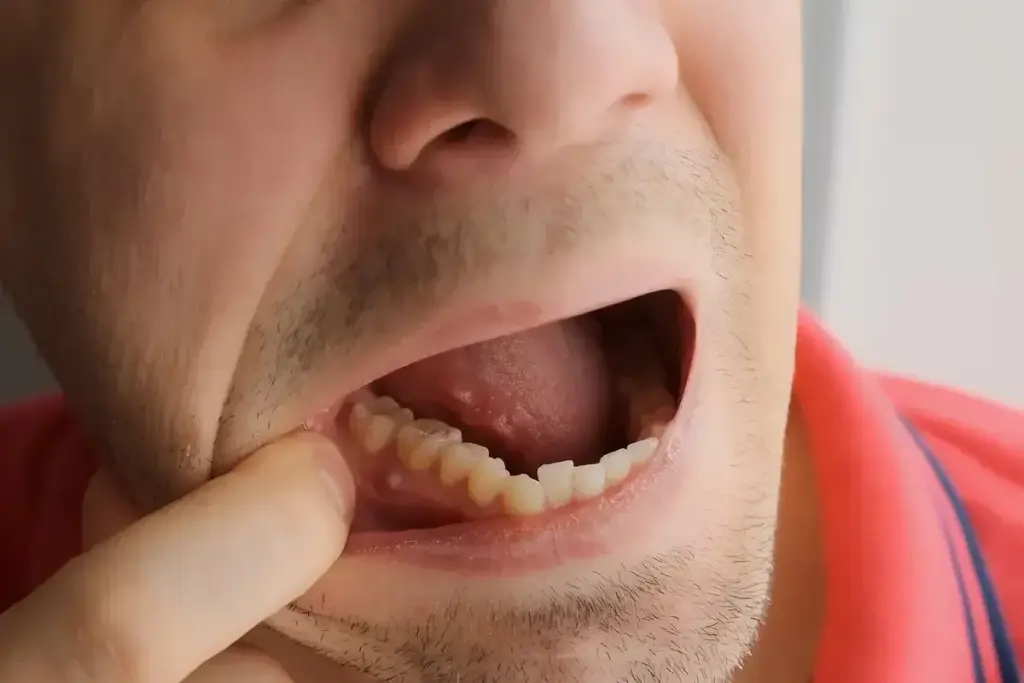
The link between oral health and heart disease is complex. It involves many pathways and mechanisms that impact our heart health. Keeping our mouths healthy is key for our overall health.
The Oral-Systemic Health Link
Oral health is connected to our overall health in many ways. The mouth is home to many bacteria, some of which can harm us if they get into our blood. Oral infections, like periodontitis, can cause inflammation and raise the risk of heart disease.
Periodontitis, a severe gum infection, damages the gums and bone around our teeth. This can release harmful bacteria and inflammatory substances into our blood. These can affect our heart.
How Bacteria Travel Through the Bloodstream

Bacteria from our mouths can get into our blood in different ways. This can happen during dental procedures or even when we brush our teeth. Once in our blood, these bacteria can travel to other parts of our body, including our heart. They may cause infections or make existing conditions worse.
|
Pathway |
Description |
Potential Impact |
|---|---|---|
|
Dental Procedures |
Bacteria enter the bloodstream during dental surgeries or treatments. |
Increased risk of infective endocarditis. |
|
Routine Oral Activities |
Bacteria enter the bloodstream through daily activities like brushing or flossing. |
Potential for systemic inflammation and cardiovascular risk. |
|
Oral Infections |
Chronic infections like periodontitis release bacteria and inflammatory mediators into the bloodstream. |
Association with increased cardiovascular disease risk. |
What Is Endocarditis?
Endocarditis is an infection of the heart’s inner layer and valves. It can be deadly if not treated quickly and correctly.
Definition and Basic Understanding
Endocarditis causes inflammation of the endocardium, the heart’s inner lining and valves. This usually comes from a bacterial infection. Fungal infections can also cause it, mainly in those with weak immune systems.
This condition can cause serious problems like damaged heart valves, heart failure, and stroke. Symptoms include fever, chills, and a new or changed heart murmur.
Key aspects of endocarditis include:
- Infection of the heart’s inner lining and valves
- Typically caused by bacteria, but can also be fungal
- Can lead to serious heart-related complications
- Symptoms may include fever, chills, and heart murmurs
Common Causes of Endocarditis
The main cause of endocarditis is a bacterial infection. Bacteria can get into the bloodstream in many ways, like during dental work, infections elsewhere, or through intravenous drug use.
Once in the blood, bacteria can attach to the heart valves, which are more likely if they’re damaged or artificial. People with heart problems, a history of endocarditis, or who use intravenous drugs are at higher risk.
- Bacterial infection entering the bloodstream
- Pre-existing heart conditions or artificial heart valves
- Intravenous drug use
To prevent endocarditis, it’s important to manage these risks. Sometimes, doctors use antibiotics before certain medical procedures. Knowing the causes and risks helps in prevention and early detection.
Understanding Tooth Infections
Tooth infections are serious and can affect your health in big ways. They happen when bacteria get into your teeth. This can cause problems that go beyond just your mouth.
Types of Dental Infections
Dental infections vary in where they happen and how bad they are. Here are some common ones:
- Periapical abscess: This is an infection at the root of a tooth.
- Periodontal abscess: This involves the gums and bone around your teeth.
- Gingivitis: This is gum inflammation, usually from not brushing well.
These infections can be mild or very serious. If not treated, they can get worse.
Bacterial Composition of Dental Infections
Dental infections have many kinds of bacteria. Some common ones are:
|
Bacteria Type |
Role in Infection |
|---|---|
|
Streptococcus |
Found early in infections, helps them grow. |
|
Aggregatibacter actinomycetemcomitans |
Causes aggressive periodontitis, damaging gums fast. |
|
Porphyromonas gingivalis |
Causes chronic periodontitis, leading to gum disease. |
Knowing what bacteria are in infections helps doctors treat them better. Different bacteria need different treatments.
Tooth infections are not just mouth problems. They can also affect your heart, like causing endocarditis. By knowing about these infections, we can see why quick and good treatment is so important.
The Mechanism: How Dental Infections Lead to Endocarditis
Dental infections can lead to endocarditis through complex biological processes. Knowing these steps is key to understanding the risks and taking steps to prevent them.
Bacteremia Following Dental Procedures
Dental work, like gum or tooth root manipulation, can push bacteria into the blood. This is called bacteremia. We’ll look at how this can cause endocarditis.
Bacteremia happens after dental treatments like tooth extractions or gum care. Bacteria in the blood can settle on heart valves, which are damaged or artificial.
Bacterial Adhesion to Heart Valves
Bacteria in the blood can stick to heart valves. This sticking is helped by fibrin and platelets on the valve. Some bacteria, like Streptococcus viridans, stick well to valves.
Sticking to heart valves is a key step in getting endocarditis. It depends on the bacteria type, heart health, and overall health.
The Inflammatory Response
When bacteria stick to valves, they start an inflammatory response. This involves immune cells and cytokines, which can harm the valves.
This inflammation can cause serious problems like valve damage, heart failure, and blood clots. Knowing this helps in treating endocarditis well.
|
Step |
Description |
|---|---|
|
Bacteremia |
Bacteria enter the bloodstream following dental procedures or infections. |
|
Bacterial Adhesion |
Bacteria adhere to heart valves, facilitated by fibrin and platelets. |
|
Inflammatory Response |
Immune response to bacteria on heart valves, leading to valve damage. |
Understanding how dental infections can cause endocarditis highlights the need for good dental care. It also shows why treating dental infections quickly is important.
Dental Infection Endocarditis Risk: Who Is Most Vulnerable?
It’s important to know who is at high risk for endocarditis from dental infections. Some health conditions and histories make people more likely to get this serious problem.
Pre-existing Heart Conditions
People with heart problems are at the highest risk. This includes those with:
- Artificial heart valves
- A history of previous endocarditis
- Certain congenital heart defects
- Heart valve problems caused by other conditions
These heart issues make it easier for bacteria to grow during a dental infection. This can lead to endocarditis.
Compromised Immune Systems
Those with weakened immune systems are also at risk. This includes:
- Undergoing chemotherapy
- Living with HIV/AIDS
- With autoimmune diseases
- Taking immunosuppressive medications
A weak immune system makes it tough for the body to fight off infections. This includes infections that can cause endocarditis.
Previous History of Endocarditis
Those who have had endocarditis before are at higher risk. This is true, even with underlying heart conditions. It shows the need for strict preventive measures for these individuals.
Knowing these risk factors is key. Dental and medical professionals need to provide the right care and advice to those at risk.
Common Dental Procedures That May Increase Risk
Certain dental procedures can raise the risk of endocarditis, a serious heart condition. We will look at the dental interventions that may lead to this risk.
Tooth Extractions
Tooth extractions can cause bacteremia, which may lead to endocarditis in people at risk.
“The risk of developing infective endocarditis after tooth extraction is a significant concern,”
studies have shown. Bacteria can enter the bloodstream during the extraction, posing a risk.
Root Canal Treatments
Root canal treatments save teeth but can introduce bacteria into the bloodstream. The procedure removes infected pulp. But, if not done carefully, bacteria can enter the bloodstream.
Periodontal Procedures
Periodontal procedures, like surgeries and deep cleanings, can also raise the risk of bacteremia. These treatments are key for gum disease but must consider the patient’s risk for endocarditis.
Routine Dental Cleanings
Routine dental cleanings are generally safe and important for oral hygiene. Yet, even these can cause bacteremia, though the risk is lower than with more invasive procedures.
Signs and Symptoms of Endocarditis
Knowing the early signs of endocarditis is key to avoiding serious problems. This heart infection can be deadly if not treated quickly. We’ll cover the signs and symptoms, so you know when to get help.
Early Warning Signs
The first signs of endocarditis can be mild and similar to other illnesses. This makes it hard to catch early. Common signs include:
- Fever, often with chills
- Fatigue or feeling very tired
- A new or changed heart murmur
- Shortness of breath or trouble breathing
- Joint pain or swelling
These symptoms can be vague. But if you have them, and you have a heart condition, see a doctor right away.
Advanced Symptoms
As endocarditis gets worse, symptoms get more serious. These can include:
- Persistent fever
- Swollen legs, feet, or belly from fluid buildup
- Pain in the upper abdomen
- Weight loss
- Heart palpitations or irregular heartbeat
In severe cases, endocarditis can cause heart failure, stroke, or abscesses. Spotting these symptoms means you need to get medical help fast.
When to Seek Medical Attention
If you notice any early or advanced symptoms of endocarditis, get medical help right away. Here’s what to do if you have:
|
Symptom |
Action |
|---|---|
|
Fever and chills |
Seek medical evaluation |
|
New or worsening heart murmur |
Consult a cardiologist |
|
Shortness of breath or difficulty breathing |
Go to the emergency department |
Getting a diagnosis and treatment early can greatly improve your chances. If you’re at risk or have symptoms, contact a healthcare professional without delay.
Diagnosing Endocarditis from Dental Sources
Healthcare professionals use a mix of medical history, physical exams, and tests to spot endocarditis from dental issues. This detailed method is key to finding the condition right and starting the right treatment.
Medical Tests and Procedures
Spotting endocarditis needs several medical steps. Blood cultures are key, as they show bacteria in the blood. We also check heart valves with echocardiography to see if they’re working right. Other tests include ECG, chest X-rays, and lab tests to check the patient’s health.
- Blood cultures to identify bacteremia
- Echocardiography to assess heart valve function
- Electrocardiogram (ECG) to evaluate heart rhythm
- Chest X-ray to assess cardiac structure
- Laboratory tests to evaluate inflammatory markers and overall health
Identifying the Source Bacteria
Finding the bacteria source is key in dental-related endocarditis. Blood culture analysis shows the bacteria type. Knowing this helps pick the best antibiotics.
Blood cultures are key for diagnosing endocarditis. This shows how important accurate diagnosis is for treating endocarditis well.
Dental Examination as Part of Diagnosis
A dental check is vital when dental issues might cause endocarditis. We look at the patient’s teeth and gums for signs of infection. This helps us figure out the likely cause and plan treatment.
By using medical tests, finding the bacteria, and dental checks, we can accurately diagnose dental-related endocarditis. Then, we can make a good treatment plan.
Treatment Options for Endocarditis
Endocarditis, often caused by dental infections, has several treatment options. The right treatment depends on the infection’s severity, the patient’s health, and any heart conditions.
Antibiotic Therapy
Antibiotics are the main treatment for bacterial endocarditis. Intravenous antibiotics are used to reach the heart valves effectively. Treatment can last several weeks.
- Initial treatment often involves broad-spectrum antibiotics.
- Once the causative organism is identified, targeted antibiotic therapy can be initiated.
- Monitoring for side effects and adjusting dosages is key.
Surgical Interventions
In severe cases, surgical intervention may be needed. This is for significant heart valve damage or when antibiotics don’t work. Surgery might include repairing or replacing valves.
- Valve repair is considered when possible to preserve the patient’s native valve.
- Valve replacement may be necessary with either mechanical or bioprosthetic valves.
- The decision for surgery is based on valve damage and the patient’s condition.
Recovery Process
Recovering from endocarditis involves treating the infection and rehabilitation. Follow-up care is vital to watch for recurrence and manage complications.
- Patients should follow a healthy lifestyle, including a balanced diet and regular exercise.
- Regular follow-up appointments with healthcare providers are essential.
- Patients should know the signs of complications and seek medical help if needed.
Understanding endocarditis treatment options helps patients and healthcare providers manage the condition effectively.
Preventive Measures: Antibiotic Prophylaxis
Guidelines for using antibiotics to prevent endocarditis have changed. It’s important to know how antibiotic prophylaxis works to protect people.
Current Guidelines for Antibiotic Prophylaxis
Now, guidelines say to use antibiotics for those at high risk of endocarditis. The American Heart Association (AHA) has updated its guidelines to match new evidence on preventing endocarditis with antibiotics.
The AHA says to use antibiotics for people with certain heart problems. This includes those with artificial heart valves or who have had endocarditis before. The guidelines suggest a personalized approach to using antibiotics, based on each person’s risk.
When Prophylaxis Is Recommended
Antibiotics are usually needed for dental work that involves the gums or teeth. This includes tooth extractions, periodontal surgery, and root canal treatments.
The AHA says antibiotics are a good idea for those with high-risk heart conditions. This is because they can help prevent serious heart problems.
“The decision to use antibiotic prophylaxis should be made on a case-by-case basis, taking into account the patient’s individual risk factors and the nature of the procedure.”
Controversy and Changing Recommendations
There’s a debate about using antibiotics to prevent endocarditis. Some think it’s worth it, while others are not so sure.
As we learn more about preventing endocarditis, guidelines keep changing. This debate shows we need more research and teamwork between heart doctors and dentists to give the best care.
Maintaining Optimal Oral Hygiene for Heart Health
Good oral hygiene is key to keeping your heart healthy. It helps prevent infections. By focusing on oral care, we can protect our overall health.
Daily Dental Care Practices
Daily dental care is essential for good oral hygiene. Brush your teeth at least twice a day with fluoride toothpaste. Make sure to clean the areas where your teeth and gums meet.
Effective Brushing Techniques: Use a soft-bristled toothbrush and gentle circular motions. Clean all surfaces of your teeth. Don’t forget to brush your tongue and the roof of your mouth to remove bacteria.
- Brush for at least 2 minutes
- Replace your toothbrush every 3-4 months
- Use fluoride toothpaste
Professional Dental Cleanings
Regular dental cleanings are key to removing plaque and tartar. These cleanings prevent gum disease, which is a heart health risk.
|
Frequency of Dental Cleanings |
Recommended For |
|---|---|
|
Every 6 months |
Most patients with good oral health |
|
Every 3-4 months |
Patients with a history of gum disease or other risk factors |
|
As recommended by your dentist |
Patients with specific oral health needs |
Managing Existing Dental Conditions
Managing dental conditions is vital for heart health. This includes treating gum disease and tooth infections. Make sure any dental work is well maintained.
By focusing on oral hygiene and working with your dentist, you can lower the risk of dental infections. This helps protect your heart health.
The Role of Dental Professionals in Endocarditis Prevention
Dental professionals are key in stopping endocarditis. They do detailed risk checks and teach patients. They know how important dental care is for both mouth and heart health.
Risk Assessment in Dental Practices
Checking for risks is a big part of stopping endocarditis. We look at patients’ health histories for heart problems or other risks. This includes heart valve issues, past endocarditis, or other conditions.
|
Risk Factor |
Description |
Action |
|---|---|---|
|
Pre-existing Heart Conditions |
Patients with a history of heart valve repair or replacement, or certain congenital heart defects. |
Consult with cardiologist, consider antibiotic prophylaxis. |
|
Previous Endocarditis |
Patients who have had endocarditis in the past. |
High-risk category, recommend antibiotic prophylaxis. |
|
Compromised Immune System |
Patients with weakened immune systems due to illness or treatment. |
Monitor closely, consider preventive measures. |
Communication with Cardiologists
Talking well with cardiologists is key for patients with heart issues. We work with cardiologists to know what heart health needs are. Then, we figure out the best dental plan.
Key aspects of this collaboration include:
- Sharing patient medical history
- Discussing the risks associated with dental procedures
- Determining the need for antibiotic prophylaxis
Patient Education Responsibilities
Telling patients how to prevent endocarditis is a big job for dental pros. We teach them about oral hygiene, dental risks, and endocarditis signs. This way, patients can help protect their heart health.
By empowering patients with knowledge, we enable them to take an active role in their heart health.
We stress the need for regular dental visits and a clean mouth. This helps avoid infections that could lead to endocarditis.
Case Studies: Dental Infections Leading to Endocarditis
Studies have shown that dental infections can lead to endocarditis, a serious heart condition. These studies show the risks of dental infections and why good dental care is key.
Documented Cases and Outcomes
Many cases have shown the dangers of dental infections leading to endocarditis. For example, a study in a Journal of a patient who got infective endocarditis after a dental extraction. The patient needed surgery after antibiotics didn’t work.
“The link between dental procedures and the development of infective endocarditis is well-established, highlighting the need for appropriate antibiotic prophylaxis in high-risk patients.”-
Another case in the European Heart Journal: Case Reports showed a patient who got endocarditis from a dental infection. The patient needed long-term antibiotics and suffered heart damage.
Lessons Learned from Clinical Experience
These cases teach us the importance of preventive dental care. They also show the need to watch patients with heart conditions closely. Dental and heart doctors should work together to care for these patients.
One big lesson is the importance of patient education. Telling patients about the risks of dental infections and the need for good oral hygiene is key to preventing serious problems.
Statistical Prevalence and Significance
Research shows that endocarditis from dental infections is rare but serious, mainly for those with heart conditions. A study in the Journal of the American College of Cardiology found the risk to be between 1 in 150,000 to 1 in 500,000 after dental procedures.
|
Study |
Incidence Rate |
Population Studied |
|---|---|---|
|
Journal of the American College of Cardiology |
1 in 150,000 to 1 in 500,000 |
Patients undergoing dental procedures |
|
European Heart Journal: Case Reports |
Not specified |
Patients with a history of heart conditions |
The numbers show we need to focus on preventing endocarditis from dental infections. This includes giving antibiotics to high-risk patients and teaching them about oral hygiene.
Latest Research on Dental Infections and Heart Health
New studies have uncovered a strong link between dental infections and heart health. This research offers insights for both patients and healthcare providers. It shows how oral health affects our heart’s well-being.
Recent Scientific Findings
Recent studies have greatly improved our understanding of dental infections and heart disease. They found a link between gum disease and a higher risk of heart problems. This includes conditions like endocarditis.
- A study in the Journal of Periodontology showed gum disease increases heart disease risk.
- Research in the Journal of Dental Research found certain oral bacteria contribute to atherosclerosis, a major heart disease factor.
These discoveries highlight the need for good oral hygiene and quick treatment of dental infections. This can help lower heart disease risks.
Emerging Preventive Strategies
New strategies aim to prevent heart disease by improving oral health. These include:
- New guidelines for antibiotic use in dental procedures for high-risk patients.
- More focus on professional cleanings and teaching patients about oral care.
- Research into new treatments to reduce oral bacteria.
By using these strategies, we can lower the risk of heart problems caused by dental infections.
Future Directions in Research
Future research will focus on several key areas. These include:
- Creating better preventive measures for high-risk patients.
- Understanding the molecular link between oral and systemic health.
- Studying the oral microbiome’s role in heart health and disease.
By exploring these areas, we can develop better ways to protect heart health through dental care.
Conclusion: Protecting Your Heart Through Dental Care
The connection between dental infections and endocarditis is clear. Keeping your heart healthy starts with good dental care. This is key to avoiding endocarditis, a serious heart condition.
Good oral hygiene and timely dental visits can lower your risk of endocarditis. It’s not just about keeping your teeth clean. It’s also about knowing the risks of dental procedures, if you have heart problems.
We’ve seen how oral health affects heart disease. Taking care of your teeth is a step towards a healthy heart. Dental and heart health teams should work together to protect those at risk.
Protecting your heart means regular dental visits and good oral hygiene. It also means talking openly with your healthcare team. By doing these things, we can lower the risk of endocarditis and stay healthy.
FAQ
What is the link between dental infections and endocarditis?
Dental infections can cause endocarditis when bacteria from the mouth reach the heart. This happens when bacteria settle on the heart valves. Keeping your mouth clean is key to avoiding this.
Who is most at risk of developing endocarditis from dental infections?
People with heart problems, weak immune systems, or past endocarditis are at high risk. They should see their dentist and cardiologist often.
What dental procedures may increase the risk of endocarditis?
Procedures like tooth extractions and root canals can raise the risk. Talk to your dentist and cardiologist about your risk.
What are the signs and symptoms of endocarditis?
Early signs include fever, tiredness, and feeling unwell. Later, you might have heart palpitations, shortness of breath, and swelling. If you notice these, get medical help right away.
How is endocarditis diagnosed when related to dental sources?
Doctors use blood tests, echocardiography, and dental exams to diagnose. These tests help find the bacteria and check the heart valves.
What is the treatment for endocarditis caused by dental infections?
Treatment includes antibiotics and sometimes surgery to fix or replace heart valves. Recovery takes time and needs close monitoring.
Can antibiotic prophylaxis prevent endocarditis before dental procedures?
Yes, for those at high risk, antibiotic prophylaxis is recommended before certain dental work. Talk to your dentist and cardiologist about it.
How can I maintain optimal oral hygiene for heart health?
Brush and floss daily, get regular dental cleanings, and manage dental issues. This helps prevent infections that can harm your heart.
What role do dental professionals play in preventing endocarditis?
Dentists assess risk, talk to cardiologists, and teach patients about oral hygiene. They help prevent endocarditis by focusing on dental health.
Are there any recent findings on the link between dental infections and heart health?
New studies show oral health is vital for heart health. They explore the link between dental infections and endocarditis, and new ways to prevent it.
How common is it for dental infections to lead to endocarditis?
The exact number is hard to say, but cases show dental infections can lead to endocarditis. It’s important to be careful, mainly for those at high risk.
What can I do to protect my heart through dental care?
Keep your mouth clean, go to dental check-ups, and follow your dentist and cardiologist’s advice. This is key for heart health, if you’re at risk.
References
National Center for Biotechnology Information. Evidence-Based Medical Insight. Retrieved from https://pubmed.ncbi.nlm.nih.gov/41311730/