Weak lungs in children can show in many ways. Parents and caregivers need to know these signs. They can mean serious respiratory problems that need a doctor’s help.

Children with respiratory distress might not get enough oxygen. This can happen if they have trouble breathing or other health issues. Labored breathing is a key sign, where the child works hard to breathe, showing symptoms such as rapid breathing, grunting, nose flaring, chest retractions, and use of accessory muscles. Additional signs include a bluish tint to the lips or skin (cyanosis), wheezing, sweating, and changes in alertness. These symptoms indicate the body is struggling to maintain adequate oxygen levels and require urgent medical attention to prevent serious complications.
Signs of weak lungs in kids include a constant cough and frequent lung infections. They might also wheeze or breathe hard when they’re active. Knowing these signs early is key to treating them right.
Key Takeaways
- Weak lungs in children can manifest through various symptoms.
- Common signs include persistent cough and recurrent respiratory infections.
- Early detection is key for effective treatment.
- Children born extremely preterm are at a higher risk.
- Respiratory distress can be a sign of underlying issues.
Understanding Weak Lungs in Children
It’s important for parents and caregivers to understand weak lungs in children. Symptoms include shallow breathing, retractions breathing, and trouble breathing. These signs may point to serious respiratory problems that need quick action.
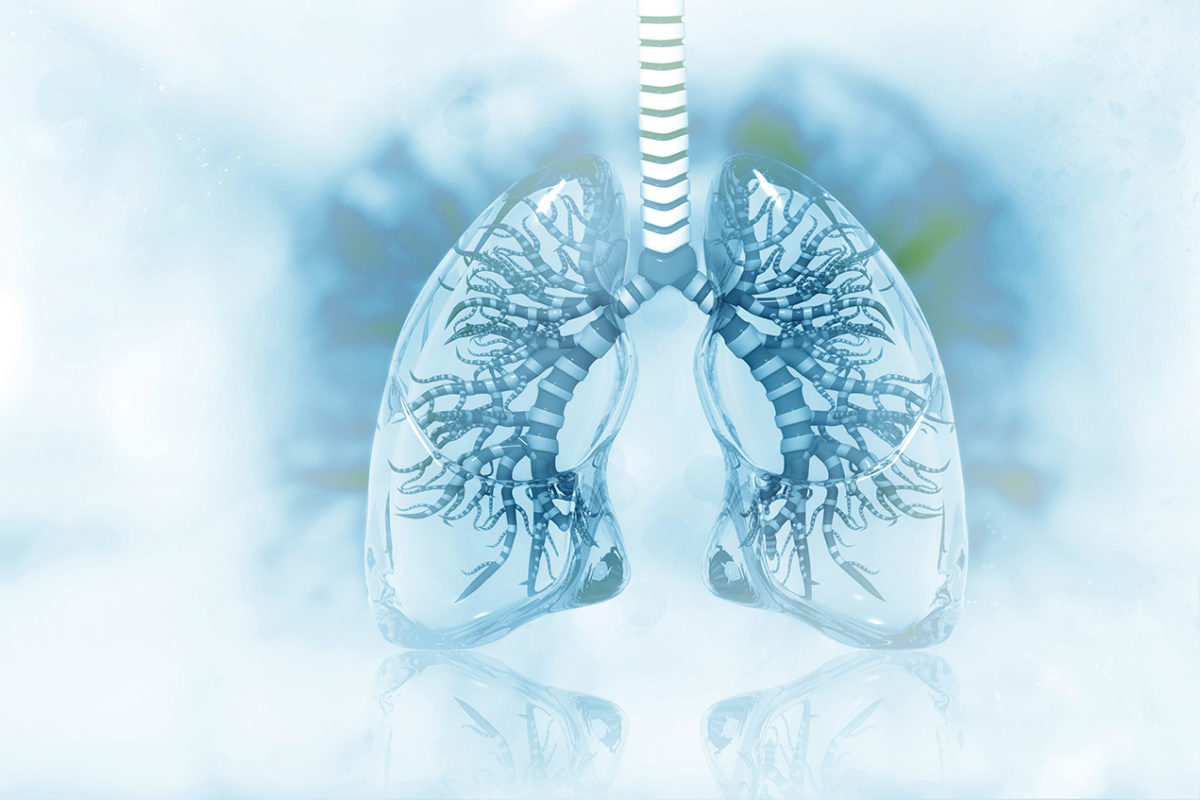
Weak lungs in kids are linked to premature birth, asthma, and pollution. Studies show that 56% of extremely preterm babies have lung issues. Also, 25% of them get asthma by age 11. This shows why keeping an eye on lung health is key.
Definition and Prevalence Statistics
Weak lungs in children mean their lungs don’t work right. This makes breathing hard and can harm their health. Premature birth is a big risk factor. It can mess up lung growth and cause breathing problems later on.
Environmental factors like pollution and allergens can make things worse. Knowing these risks helps catch problems early.
Impact on Child Development and Quality of Life
Weak lungs can really affect a child’s growth and happiness. Kids with breathing problems might get tired easily and have trouble breathing when they’re active. This can stop them from playing sports or joining in with friends.
Also, they might get sick a lot and take a long time to get better. This means they could miss school and feel unhappy. It’s vital for parents and caregivers to spot these signs and get medical help.
Persistent Cough as a Warning Sign
A persistent cough in children can signal lung problems. It’s key for caregivers to know the different coughs and their lung health implications.
Types of Coughs That Indicate Lung Problems
Not all coughs are the same. Some can point to serious lung issues. For example, a dry, hacking cough might show lung inflammation or irritation. On the other hand, a cough producing mucus or phlegm could mean an infection. It’s important to know these differences to find the cause.
Nighttime Coughing and Its Significance
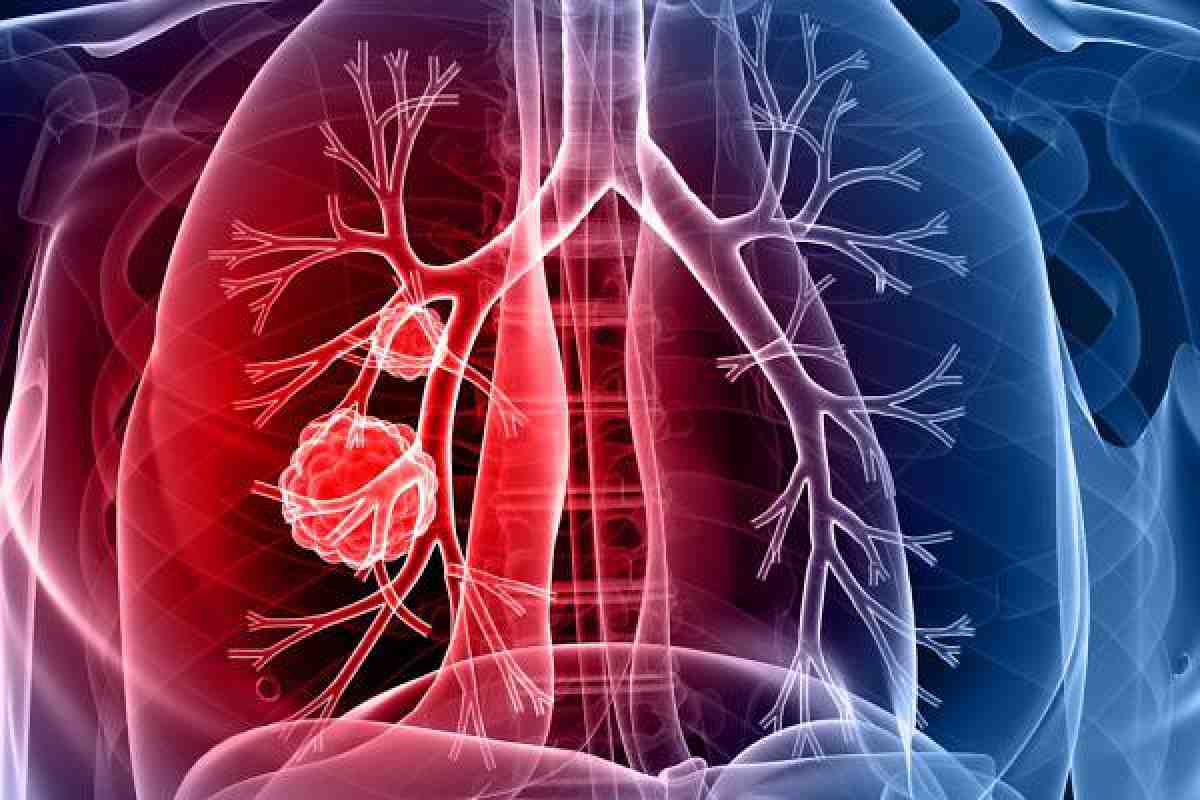
Coughing that gets worse at night is a big worry. Nighttime coughing can hint at asthma or other breathing problems. When lying down, mucus can build up, causing coughing fits. This symptom needs attention, as it might point to a serious condition.
Cough Duration and When to Be Concerned
The length of a cough matters a lot. A cough lasting more than a few weeks could mean bronchitis, pneumonia, or asthma. If your child has a persistent cough, seeing a doctor is essential to check for breathing difficulty diseases.
Parents should also look out for infant quick breathing or fast breathing medical term known as tachypnea. These signs of breathing trouble need quick medical check-up.
Recurrent Respiratory Infections
Recurrent respiratory infections can be a big sign of weak lungs in kids. It’s important to watch how often and how these infections happen. It can worry parents a lot to see their child sick often.
Children with weak lungs get sick more easily. They can catch anything from a cold to pneumonia. Frequent respiratory infections can make it hard for a child to feel well and grow right.
Frequency and Pattern of Infections
The way and how often kids get sick can tell us a lot about their lungs. It’s okay for kids to get sick a few times a year. But if they get sick too often or for too long, it might mean something’s wrong.
Young kids, under 5, might get up to 8 respiratory infections a year. This is because their immune systems are not fully grown yet. But if a child gets sick more than usual or if the sickness is really bad, they should see a doctor.
Prolonged Recovery Periods
Children with weak lungs get sick more often and take longer to get better. This can be hard for both the child and their parents.
When kids take a long time to get better, it might mean their lungs are really struggling. It’s a good idea to keep an eye on how long it takes them to recover and talk to a doctor if it seems too long.
Complications from Frequent Infections
Getting sick a lot can lead to serious problems like chronic respiratory conditions. Kids with weak lungs are more likely to face these issues. This can make their lung problems even worse.
It’s important to know about these risks and work with doctors to manage them. This can help kids with weak lungs stay healthy and do well.
Wheezing and Labored Breathing
Wheezing and labored breathing are signs that a child’s lungs might be weak. These symptoms are important and need attention from parents and doctors.
Different Types of Wheezing Sounds
Wheezing is a high-pitched sound that happens when air moves through narrow airways. There are different wheezing sounds, like:
- Expiratory wheezing: Heard when breathing out, often linked to asthma or bronchiolitis.
- Inspiratory wheezing: Heard when breathing in, which can mean upper airway blockage.
- Biphasic wheezing: Heard during both breathing in and out, showing a serious blockage.
Knowing the type of wheezing helps doctors find out why a child is having trouble breathing.
Signs of Respiratory Distress in Infants
Infants are more likely to have breathing problems because their airways and lungs are small and growing. Signs of trouble breathing in infants include:
- Nasal flaring: When the nostrils flare during breathing.
- Grunting: Making sounds while breathing out.
- Retractions: When the chest or ribcage sucks in during breathing.
These signs mean the infant is having trouble breathing, which could be a sign of a bigger problem.
Normal vs. Abnormal Breathing Rates by Age
Breathing rate changes with age. What’s normal for one age might not be for another. Here’s what’s usually normal for kids:
- Infants (0-12 months): 30-60 breaths per minute.
- Toddlers (1-3 years): 24-40 breaths per minute.
- Preschoolers (4-5 years): 20-30 breaths per minute.
If a child’s breathing rate is way off from these, it could mean they’re having trouble breathing or another health problem. For more on labored breathing, check out Healthline’s guide on labored breathing.
Exercise Intolerance and Shortness of Breath
Exercise intolerance and shortness of breath are signs that might mean weak lungs in kids. When kids have trouble breathing while playing or sports, it can really affect their fun. It might also mean there’s a problem with their lungs.
Breathing Difficulty During Physical Activity
Children with weak lungs might have breathing difficulties when they’re active. They might breathe faster or deeper than usual. Or they might say their chest feels tight.
“Physical activity can cause rapid fatigue, chest tightness, or bluish skin (cyanosis) in kids with poor lung function,” say doctors. Spotting these signs early is very important.
Rapid Fatigue as a Symptom of Poor Lung Function
Rapid fatigue during activities that were once easy can mean poor lung function. This is because the lungs aren’t exchanging oxygen and carbon dioxide well. This leads to getting tired faster.
It’s key to tell normal tiredness after exercise from the kind that means a respiratory problem. Kids with weak lungs might need more breaks or stop playing because they’re too tired.
Distinguishing Normal Tiredness from Respiratory Issues
It’s normal for kids to get tired after playing, but persistent or severe tiredness could be a sign of a problem. Parents should know the difference between a child being routinely tired after playing and one who shows signs of labored breathing or exhaustion.
- Watch the child’s breathing rate and effort during and after activity.
- Listen for any chest pain or tightness complaints.
- See if the child often needs to stop and rest during play.
By paying attention to these signs, parents can help their child get checked by a doctor if there’s a worry about lung health.
Physical Signs of Respiratory Distress
It’s important to know the signs of breathing trouble in kids. Their bodies show clear signs when they’re having trouble breathing. We’ll look at these signs to help parents and caregivers know when to get medical help fast.
Chest Retractions and Shallow Breathing
Chest retractions mean the chest pulls in when kids breathe. This shows they’re working hard to breathe. Shallow breathing means their breaths are not deep, which can lead to not getting enough oxygen.
- Visible sinking of the chest or ribs
- Use of accessory muscles for breathing
- Rapid or labored breathing rate
These signs mean the child is having serious breathing trouble and needs to see a doctor right away.
Cyanosis and Color Changes in Skin
Cyanosis is when the skin turns blue because of too little oxygen. It’s a big warning sign that needs quick action. Skin can also turn pale or red, depending on why the breathing is off.
“Cyanosis is a visible sign that the body, or a part of it, is not receiving enough oxygen.”
Medical Reference
Seeing these color changes is key to knowing how bad a child’s breathing problem is.
Unusual Breathing Sounds and Gasping
Strange sounds like wheezing, grunting, or gasping mean there’s a breathing problem. Gasping is very worrying because it means the child is really struggling to breathe.
- Wheezing: a high-pitched sound during breathing
- Grunting: a sound made as the child tries to keep airways open
- Gasping: a sudden, labored intake of air
These sounds are big warning signs of breathing trouble and mean you should get medical help fast.
Knowing these signs helps parents and caregivers act quickly to get their child the right care. If you see any of these signs, getting medical help right away is very important.
Common Causes and Risk Factors for Weak Lungs
Weak lungs in kids can come from many things. These include being born too early, having asthma, and being exposed to harmful things in the environment. Knowing what causes this is key to helping kids breathe better.
Premature Birth and Lung Development
Babies born too early often have trouble breathing. This is because their lungs aren’t fully grown. They might need oxygen and other help to grow their lungs. Studies show that being born early can hurt lung growth, leading to breathing problems later on.
“Premature birth is a big risk for lung disease in kids,” a study found. It stresses the importance of watching and caring for early babies to catch lung issues early.
Asthma and Reactive Airway Conditions
Asthma is another big reason for weak lungs in kids. It makes airways swell and narrow, causing wheezing and trouble breathing. Managing asthma means using medicine, making lifestyle changes, and staying away from things that make it worse.
- Staying away from things that trigger asthma
- Using medicine as told by a doctor
- Watching symptoms and changing treatment as needed
Environmental Pollutants and Exposures
Being around harmful things in the air is bad for kids’ lungs. This includes pollution, secondhand smoke, and other toxins. It’s important to keep kids away from these to protect their lungs.
Some harmful air pollutants are particles, nitrogen dioxide, and ozone. Using air purifiers and avoiding polluted places can help keep kids’ lungs healthy.
Genetic and Congenital Factors
Genetics and being born with certain conditions can also harm kids’ lungs. Conditions like cystic fibrosis can make breathing hard. It’s important to catch these early and manage them well.
“Genetics play a big role in respiratory diseases in kids,” says a top pediatric pulmonologist. “Knowing this helps us find better treatments and care for these kids.”
By knowing what causes weak lungs in kids, parents and caregivers can help. They can watch for signs of trouble, manage asthma, and keep kids away from harmful things in the air.
Conclusion: When to Seek Medical Help
It’s important to know the signs of weak lungs in kids early. If your child has trouble breathing, breathes hard during play, or shows signs of trouble breathing, get medical help fast.
At LivHospital, we offer top-notch healthcare. We support international patients with care and guidance. Our goal is to improve kids’ health by using the latest care methods.
If your child’s symptoms don’t get better or get worse, see a doctor right away. Early treatment can make a big difference in their life and health.
Knowing when to get medical help is key for your child’s care. LivHospital is here to help families. We provide expert care and support every step of the way.
FAQ’s:
What are the common signs of weak lungs in children?
Signs include a persistent cough and frequent respiratory infections. Wheezing, labored breathing, and trouble exercising are also signs. These symptoms suggest a need for medical help.
How can I identify if my child’s cough is related to weak lungs?
A cough that lasts a long time or happens often, like at night, might mean weak lungs. Different coughs, like dry or mucus-producing ones, can also point to lung issues.
What is considered a normal breathing rate for infants, and how can I identify abnormal breathing?
Infants breathe between 30-60 times per minute normally. Breathing too fast or slow can be a sign of trouble. Look for signs like retractions, shallow breathing, or odd sounds to spot weak lungs.
Can environmental pollutants cause weak lungs in children?
Yes, pollutants like air pollution, tobacco smoke, or chemicals can harm children’s lungs.
How does premature birth affect lung development?
Premature birth can harm lung development, leading to weak lungs or chronic disease. Babies born very early are at higher risk of lung problems.
What is the significance of wheezing sounds in children, and when should I be concerned?
Wheezing can mean respiratory issues, like asthma. If your child wheezes a lot or often, get medical help.
How can I distinguish between normal tiredness and respiratory issues during physical activity?
If your child gets very tired or has trouble breathing during exercise, it might be lung problems. Talk to a doctor to find out.
What are the potentially complications of recurrent respiratory infections in children with weak lungs?
Repeated infections can lead to serious issues like pneumonia or chronic lung disease. Quick medical care is key to avoid these problems.
Can genetic factors contribute to weak lungs in children?
Yes, genetics can play a part in weak lungs. Certain conditions, like cystic fibrosis, can affect lung function.
When should I seek medical help for my child’s breathing difficulties?
If your child has trouble breathing, wheezes, or gets very short of breath, see a doctor fast. Early treatment can help a lot.
REFERENCES:
- Enfamil. (2025, August 26). Questions for a first pediatrician visit. https://www.enfamil.com/articles/questions-first-pediatrician-visit/



 Departments
 Related Videos
 Our Doctors
 News
News