
Did you know that heart diseases are a top cause of death globally? They lead to over 17.9 million deaths each year. This shows how vital it is to keep an eye on heart health.
Wearing a heart monitor for 2 weeks? Learn if deodorant is safe. Avoid bad signal interference and skin issues with our best proven advice.
A Holter monitor is designed to track the heart’s activity continuously for a period of two weeks. It’s a tool that doctors use to spot heart rhythm problems. It also shows how various factors impact the heart’s function.
By wearing a heart monitor for a long time, patients learn a lot about their heart. This helps doctors create better treatment plans. Eating a cardiac diet full of heart healthy meals is also key for heart health.
Key Takeaways
- Holter monitors track heart activity over an extended period.
- Monitoring heart health is key to preventing heart diseases.
- Eating a cardiac diet and heart healthy meals is good for the heart.
- Wearing a heart monitor helps find heart rhythm problems.
- Doctors can make better treatment plans with the data collected.
What is a Holter Monitor?

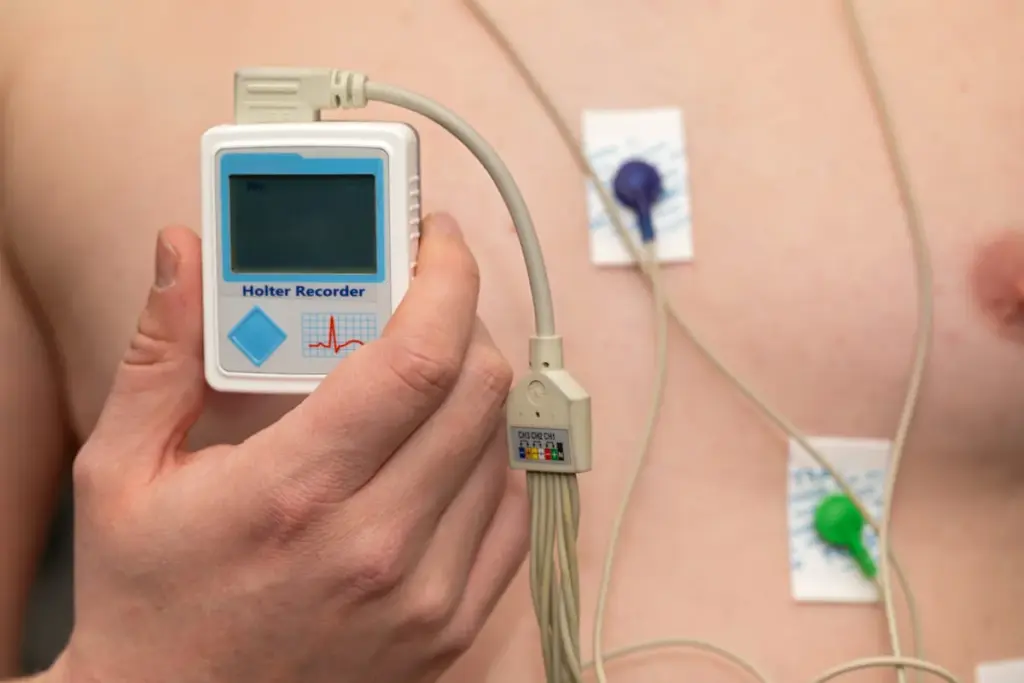
The Holter monitor is a non-invasive device that tracks heart rhythms over time. You’ll wear it for two weeks. This will help gather detailed data on your heart’s activity.
Definition and Purpose

A Holter monitor is a portable device that records the heart’s electrical activity all the time. Its main goal is to find and track heart problems. It looks for abnormal heart rhythms or arrhythmias that might happen during everyday activities.
Wearing a Holter monitor gives your healthcare team important info about your heart health. This info is key in figuring out the best treatment for you.
How it Works
The Holter monitor uses electrodes on the chest to record the heart’s electrical activity. These electrodes are linked to a small recorder. The recorder saves the data for later analysis.
It’s important to keep up with your usual daily activities while wearing the monitor. This ensures the recordings show your heart’s typical function.
Reasons for Monitoring Heart Activity
Healthcare providers often suggest heart monitoring for good reasons. It’s a key tool for understanding the heart’s rhythm over time.
They use it to spot irregular heartbeats, check on heart conditions, and see if treatments are working.
Identifying Abnormal Heart Rhythms
One main reason is to find abnormal heart rhythms, or arrhythmias. These can be minor or serious, needing medical help.
Wearing a Holter monitor for two weeks gives a detailed look at the heart’s rhythm. It catches any irregular beats that might not show up in regular checks.
Assessing Heart Conditions
Monitoring the heart is also key for checking and managing heart conditions. Issues like atrial fibrillation or palpitations can be tracked.
This info helps doctors create a treatment plan that fits the patient’s needs.
Evaluating Treatment Efficacy
Another big reason is to check if treatments are working. This includes medicines, pacemakers, or other treatments.
Looking at the heart’s activity during monitoring helps doctors decide if treatments need to change.
In short, heart monitoring is a vital tool for heart health. Knowing why it’s done helps patients understand its importance and work with their doctors better.
Preparing to Wear the Monitor
Before you start wearing a Holter monitor, it’s important to know how to prepare. This ensures you get accurate data. Your healthcare provider needs this data to make good decisions about your heart health.
Initial Consultation with Healthcare Provider
Start by talking to your healthcare provider about the Holter monitor. They will explain how it works and what you need to do. This is also a chance to ask questions and learn how to use the device.
Your provider might also tell you to keep a diary of your activities and symptoms. A medical expert says,
“Keeping a detailed log of your activities and any symptoms you experience is critical for linking your symptoms with the Holter monitor’s data.”
Instructions for Use
After you get the Holter monitor, you’ll get instructions on how to use it. It’s important to follow these steps carefully. Here are some basic tips:
- Keep the monitor dry; don’t shower or bathe with it on.
- Avoid activities that could harm the monitor.
- Follow any specific care instructions from your healthcare provider.
Also, eating heart-healthy foods can help during the monitoring period. It supports your heart health.
Important Considerations
There are a few things to remember when wearing a Holter monitor. For example, don’t get it wet because water can damage it. You might also need to change how you do some things to fit the monitor.
Also, tight clothes or too much sweat can make the monitor fall off. Being careful about these things helps the monitoring go smoothly.
As you get ready to wear the Holter monitor, remember to follow the instructions closely. Keeping a detailed log of your activities and symptoms is also important. This way, your healthcare provider can better understand your heart health.
Daily Life While Wearing the Monitor
Wearing a Holter monitor means making some changes in your daily routine. But, with the right tips, you can keep doing most of what you love. It’s made to be easy to move around with and doesn’t get in the way.
Activities You Can Continue
You can keep doing many things while wearing the Holter monitor. This includes:
- Light exercise, such as walking or yoga, which can be beneficial for your overall heart health.
- Maintaining a heart healthy diet rich in fruits, vegetables, and whole grains.
- Engaging in hobbies that do not interfere with the monitor’s operation.
It’s important to stay active and keep your usual routine. This helps the monitor get a good reading of your heart’s activity.
Activities to Avoid
While you can do many things, there are some you should avoid. This is to make sure the monitor works right and you don’t feel uncomfortable:
- Avoid submerging the monitor in water, such as swimming or taking a bath, unless it’s specified as waterproof by your healthcare provider.
- Refrain from engaging in contact sports or activities that could cause the monitor to be dislodged.
- Try to minimize exposure to strong magnetic fields or high-voltage areas, as they could potentially interfere with the monitor.
Importance of Keeping a Diary
Keeping a diary is key to the monitoring process. It helps you track any symptoms you feel, like dizziness or chest pain. This diary is very helpful for your doctor to understand your heart condition better.
Be sure to write down:
- The time and duration of any symptoms.
- The activities you were doing when the symptoms occurred.
- Any other relevant information, such as stress levels or consumption of caffeine or alcohol.
Can You Wear Deodorant?
Many people with a Holter monitor wonder if they can keep using their usual deodorant. This is a valid concern because the monitor’s sticky electrodes might get in the way. We’ll look into this, giving tips on picking the right deodorant and how to apply it. This way, you can stay clean and make sure your Holter monitor works well.
Selecting Appropriate Deodorants
Choosing the right deodorant with a Holter monitor is key. Avoid deodorants with metallic ingredients or those that can irritate your skin. These can mess with the monitor’s stickiness and how it works.
Go for deodorants marked as “non-irritating” or “hypoallergenic.” They’re safer for use with a Holter monitor. Also, pick deodorants without aluminum salts. These can react with the electrodes.
|
Deodorant Type |
Suitability with Holter Monitor |
Reason |
|---|---|---|
|
Non-irritating/Hypoallergenic |
Yes |
Less likely to cause skin reactions |
|
Metallic Ingredients |
No |
May interfere with monitor’s electrodes |
|
Aluminum Salts |
No |
Can react with the electrodes |
Applying Deodorant Correctly
Even with the right deodorant, how you apply it matters. Apply deodorant carefully around the area where the electrodes are attached, making sure not to touch the electrodes.
Try to apply deodorant when the electrodes are not in the way. For example, do it after taking off the monitor for a shower or before putting it back on. This can help avoid problems.
Maintaining Skin Health
Keeping your skin healthy is key when you’re wearing a Holter monitor for a long time. The electrodes and adhesive might cause irritation or reactions. We’ll talk about how to avoid these issues and make sure you’re comfortable.
Common Skin Reactions
Some people might get skin reactions from the Holter monitor’s materials. You might see redness, itching, or a mild rash. Usually, these issues are mild and go away when you take off the monitor.
If your skin is sensitive, tell your doctor before using the Holter monitor. They might suggest special products or methods to reduce irritation.
Tips for Preventing Irritation
To avoid skin irritation with a Holter monitor, try these tips:
- Keep the area around the electrodes clean and dry.
- Avoid using lotions, creams, or oils on the skin where the electrodes are attached.
- Be gentle when dressing and undressing to avoid dislodging the electrodes.
- If you experience any discomfort or skin reaction, notify your healthcare provider.
By following these tips, you can lower the chance of skin irritation. This makes wearing the Holter monitor more comfortable. Taking care of your skin is part of staying heart healthy.
Handling the Monitor
To get the most out of your Holter monitor, it’s key to know how to handle it right. It’s not just about keeping the device in one piece. It’s also about making sure the data it collects is accurate and trustworthy.
Correct Placement and Usage
When you’re wearing a Holter monitor, where you place it matters a lot. The electrodes need to stick to your chest well, and the monitor should sit comfortably on a belt or in a pocket.
Don’t touch the electrodes or mess with them. Doing so can mess up the quality of the signal.
|
Aspect of Handling |
Tips for Correct Handling |
|---|---|
|
Electrode Placement |
Make sure electrodes are stuck to clean, dry skin. |
|
Monitor Carrying |
Wear the monitor on a belt or carry it in a pocket to keep it secure. |
|
Electrode Care |
Avoid touching electrodes to prevent interference with the signal. |
|
Monitor Protection |
Keep the monitor dry and avoid exposing it to extreme temperatures. |
What to Do if It Falls Off
If your Holter monitor falls off, you need to know how to put it back on right. First, check if the electrodes and the monitor are okay.
If they’re fine, put the electrodes back on your chest where they belong. Make sure the area is clean and dry before reattachment.
If you can’t put it back or if it’s broken, call your healthcare provider for help.
Monitoring Your Symptoms
Wearing a Holter monitor helps you track your heart health. It’s not just about recording symptoms. It’s about understanding how your heart acts in different situations.
Keeping a Symptom Journal
It’s a good idea to keep a symptom journal while you’re wearing the monitor. Write down any symptoms you feel, like dizziness or chest pain. Accurate recording is key to linking your symptoms with the monitor’s data.
- Note the time and date of each symptom episode.
- Describe the symptom in detail.
- Record any activities you were doing when the symptom occurred.
This way, you and your doctor can spot patterns or triggers in your symptoms.
When to Contact Your Doctor
Knowing when to call your doctor is important while wearing a Holter monitor. If you experience severe symptoms like long-lasting chest pain or trouble breathing, call your doctor right away.
- If you notice any unusual or severe symptoms.
- If the monitor becomes detached or malfunctions.
- If you have concerns about the monitor or your symptoms.
Your doctor can offer advice based on your journal and the monitor’s data. This teamwork helps ensure you get the best care for your heart.
What to Expect After Two Weeks
The two-week mark is a big deal. It means the Holter monitoring is over and it’s time to dive into the data with your doctor. You’ve worn the monitor for two weeks, and now it’s time to see what it found.
Review Appointment with Your Doctor
Once you return the Holter monitor, your doctor will start analyzing the data. You’ll get a call to come in and talk about what they found. Your doctor will look at the heart activity data and compare it to your symptom journal. They’ll give you insights into your heart health.
Preparation is key for this appointment. Make sure you’ve kept a detailed symptom journal. Note any episodes of concern, activities, and anything else that might be important. This will help your doctor connect the dots between the Holter monitor data and your experiences.
Understanding the Results
The Holter monitoring results will give you a lot of information about your heart health. Your doctor will go over the findings with you. They might talk about:
- Any abnormal heart rhythms they found
- How your symptoms match up with your heart activity
- If your current treatment plan is working
- What other tests or changes to your treatment might be needed
It’s important to understand these results to take care of your heart. Your doctor will explain what they mean and what to do next.
|
Result Category |
Description |
Potential Next Steps |
|---|---|---|
|
Normal Heart Activity |
No significant abnormalities detected |
Continue current heart health practices |
|
Abnormal Heart Rhythms |
Detection of irregular heartbeats or arrhythmias |
Further evaluation or treatment adjustments |
|
Correlation with Symptoms |
Heart activity data correlated with symptom journal entries |
Adjustments to treatment based on findings |
By understanding your Holter monitoring results, you and your doctor can improve your heart health plan. This will help you get the best care possible.
Conclusion: Importance of Compliance
Following the two-week heart monitoring period needs dedication and sticking to the rules. Wearing a Holter monitor might be new, but it’s key to follow your doctor’s advice for the best results.
Maximizing Heart Health Awareness
Sticking to the monitoring plan boosts your heart health knowledge. It helps spot heart issues early and lets you act to keep your heart healthy.
Guiding Future Steps
After the monitoring, your doctor will look over the data and talk about it with you. You might need more tests or changes in your treatment. We’re here to help you, guiding you on how to keep your heart healthy.
Putting compliance and heart health first lets you manage your heart’s health. We’re committed to helping you on this path to better heart health.
FAQ
What is a Holter monitor and how does it work?
A Holter monitor is a portable device that records your heart’s activity. It does this over a period, usually 24 to 48 hours. Sometimes, it’s used for 2 weeks. It helps diagnose and monitor heart conditions by tracking the heart’s rhythm and activity.
Why do I need to wear a Holter monitor for 2 weeks?
Your healthcare provider might suggest a 2-week Holter monitor to check for abnormal heart rhythms. It’s also used to assess heart conditions or see if treatments are working. This longer monitoring helps understand your heart health better.
How do I prepare for wearing a Holter monitor?
To prepare, you’ll have a consultation with your healthcare provider. They’ll teach you how to use the device. You’ll also learn about diet and lifestyle impacts on the monitoring.
Can I continue my daily activities while wearing a Holter monitor?
Yes, you can keep up with most daily activities. But, avoid activities that might mess with the monitor’s function. Keeping a diary of symptoms and activities is also a good idea.
Can I wear deodorant while using a Holter monitor?
Yes, you can wear deodorant. Just pick the right products and apply them carefully to avoid messing with the monitor’s electrodes.
How can I maintain skin health while wearing a Holter monitor?
To keep your skin healthy, watch out for common skin reactions to the electrodes. Follow tips to prevent irritation, like keeping the skin clean and dry.
What should I do if the Holter monitor falls off?
If the Holter monitor falls off, know how to put it back on correctly. Or, contact your healthcare provider for help to keep monitoring going.
Why is it important to monitor my symptoms while wearing a Holter monitor?
Tracking your symptoms and keeping a journal helps your healthcare provider understand your condition. This helps them make better decisions about your care.
What happens after the 2-week monitoring period is complete?
After the monitoring, you’ll have a review appointment with your healthcare provider. They’ll discuss the results and what they mean for your heart health.
How can wearing a Holter monitor enhance my heart health awareness?
Wearing a Holter monitor can make you more aware of your heart health. It gives insights into your heart’s activity. This helps you understand the importance of sticking to your treatment plan.
Reference
National Center for Biotechnology Information. Evidence-Based Medical Insight. Retrieved from https://www.ncbi.nlm.nih.gov/books/NBK538203/[1