At 9 weeks pregnant, your baby has grown a lot. They’ve moved from embryo to fetus, hitting a big milestone. Your little one is now about 1 inch long, similar to a medium green olive. Overview of fetal changes and maternal symptoms during week 9 pregnancy. Essential information for your week 9 pregnancy.
As you enter month 3 of your pregnancy journey, big changes are happening. We’ll show you what to look out for, like symptoms and fetal development. Our prenatal care is top-notch, following international standards and caring for you every step of the way.
Key Takeaways
- Your baby is now a fetus, marking a significant developmental milestone.
- Rapid fetal development is occurring, with significant growth and changes.
- You may experience various symptoms as your body adapts to pregnancy.
- Expert prenatal care is available to support you through this journey.
- Understanding what to expect can help you appreciate your baby’s growth.
Your Pregnancy Journey at 9 Weeks
At 9 weeks pregnant, you’re at a key point in your journey. This time, your baby grows and develops a lot.
Key Milestones This Week
This week, your baby hits some big milestones. Their major organs are growing, and their face is getting clearer. The tail at their bottom is almost gone, and their head is straightening out.
Their arms are growing faster than their legs. This fast growth is important for their future movements and abilities.
From Embryo to Fetus: A Significant Transition
At 9 weeks, your baby is now called a fetus. This change is big, showing more growth and development. It means your baby is looking more like a human.
The fetus’s organs, like the heart and lungs, are working and getting better. This is key for their survival and growth in the next weeks.
As you move through your pregnancy, knowing these milestones is important. The shift from embryo to fetus is a time of many changes and advancements.
Your Baby’s Size at 9 Weeks

At 9 weeks pregnant, your baby is growing fast. They are now about 1 inch long. This is a big step in their development.
Measurements and Weight
Your baby is about 22mm from head to bottom and weighs 0.2 ounces. These numbers are averages. Your baby’s actual size might be different.
Their length and weight are important. Doctors watch these closely during check-ups.
Fruit Comparisons: Cherry or Strawberry Sized
Comparing your baby’s size to fruits is common. They are like a cherry or strawberry. These comparisons help you understand how small yet important your baby is.
Learning about your baby’s size at 9 weeks is interesting. It’s a time of fast growth. These comparisons make it easier to see how your baby is growing.
The size of your baby at 9 weeks is just one part of their growth. As we move forward, you’ll see even more changes in their development.
Fetal Development at 9 Weeks
At 9 weeks, your fetus is growing fast. It’s focusing on facial features and major organs. This time is key for your baby’s growth and development.
Facial Features Taking Shape
Your baby’s face is getting clearer. Eyelids and a mouth are forming. Facial recognition features are becoming more defined, making your baby look like a real infant.
Creating facial features is a complex task. It involves many tissues and cells working together. It’s a remarkable transformation that happens quickly.
Major Organ Development
Major organs like the heart, brain, and kidneys are growing. The heart has four chambers now. Blood vessels are also developing. Organ development is vital for your baby’s health.
- The heart is pumping blood through its chambers.
- The brain is producing vital hormones.
- The kidneys are starting to produce urine.
Limb and Muscle Progress
Limb development speeds up at 9 weeks. Muscles are forming, allowing for movement. Muscle development prepares your baby for life outside the womb.
The fetus can now swallow and kick. These actions help develop the musculoskeletal system.
Week 9 Pregnancy Symptoms
At 9 weeks pregnant, women face a variety of symptoms. These are mainly due to hormonal shifts and the fetus’s growth.
Morning Sickness and Nausea
Morning sickness is a common symptom at this time. It includes nausea and vomiting. It’s not just in the morning; it can happen any time.
“Morning sickness is a sign of a healthy pregnancy,” says Medical Expert, an obstetrician. “It’s uncomfortable, but it means everything is going well.”
To fight morning sickness, eat small meals often. Stay away from foods with strong smells. Ginger can also help with nausea.
Fatigue and Energy Levels
Feeling very tired is another common symptom at 9 weeks. The body’s metabolism and hormone levels, like progesterone, make you feel exhausted. It’s important to rest when you need to.
Eating well and drinking plenty of water can help with energy. Gentle exercises, like walking, can also increase your energy without too much effort.
Breast Changes and Tenderness
Hormonal changes can make your breasts tender and change in size. These changes help prepare your body for breastfeeding. Wearing a supportive bra can ease discomfort.
“The hormonal changes during early pregnancy can cause significant breast tenderness. It’s a temporary but often uncomfortable symptom.” – Medical Expert, Obstetrician
Knowing about these symptoms can help women prepare for the changes they’re going through. Remember, every pregnancy is different. Not all women will have all these symptoms.
Physical Changes in Your Body
As you enter your 9th week of pregnancy, you may notice various physical changes. Your stomach at 9 weeks pregnant may start to show some signs of transformation.
Is Your Belly Showing at 9 Weeks?
At 9 weeks pregnant, some women may start to notice their clothes fitting tighter around the waist. This is because the uterus is expanding to accommodate the growing fetus. Whether your belly is showing at 9 weeks depends on many factors.
Not everyone will show a visible baby bump at this stage. For some, the pregnancy might not be noticeable to others until later. Factors such as muscle tone and previous pregnancies can influence how soon you start showing.
Weight Gain Expectations
Weight gain during pregnancy is a key part of a healthy pregnancy journey. At 9 weeks, you might have already started to gain some weight, or you might not have noticed any significant changes yet. On average, women are advised to gain between 25-35 pounds during the entire pregnancy, but the rate of weight gain can vary from week to week.
During the first trimester, weight gain is typically minimal. But as you progress, your weight gain will likely increase. It’s essential to follow a balanced diet and consult with your healthcare provider to determine a healthy weight gain plan tailored to your needs.
Hormonal and Emotional Changes
As you reach the 9th week of pregnancy, hormonal changes can really affect your mood. These changes can make you feel different emotionally. It’s key to know about these shifts and how to handle them.
Mood Swings and Emotional Wellbeing
Hormonal levels, like estrogen and progesterone, can cause big emotional swings. You might feel happy one minute and sad or angry the next. These feelings are common during pregnancy.
Common emotional changes include:
- Increased sensitivity
- Mood swings
- Anxiety or feelings of overwhelm
- Irritability
Knowing that these feelings come from hormonal changes can help. Also, remember that your emotional health is tied to your pregnancy’s health.
Coping Strategies for Emotional Changes
Dealing with emotional changes needs self-care, support, and understanding. Here are ways to manage these feelings:
Coping Strategy | Description |
Physical Activity | Try gentle exercises like walking or prenatal yoga to boost mood and reduce stress. |
Support Network | Talk to your partner, family, and friends for emotional support. |
Mindfulness and Relaxation | Use mindfulness, meditation, or deep breathing to calm your mind. |
Healthy Lifestyle | Eat well and stay hydrated to support your overall health. |
Using these strategies can help you deal with emotional changes in your 9th week of pregnancy.
Nutrition and Dietary Needs
As you enter your 9th week of pregnancy, it’s key to eat well. A balanced diet helps your baby grow strong and healthy. It’s all about nourishing your body for a great pregnancy.
Essential Nutrients for Week 9
At week 9, some nutrients are more important than others. These include:
- Folic Acid: it prevents birth defects in your baby’s brain and spine.
- Iron: it makes red blood cells for you and your baby.
- Calcium: it’s for your baby’s bones.
- Protein: it’s for your baby’s growth.
Eating a variety of foods helps you get these nutrients. Try to include foods rich in these nutrients in your meals.
Foods to Embrace and Avoid
Managing morning sickness can be tough. Eating smaller meals helps. Instead of big meals, try six mini-meals or snacks a day.
Snacks like saltine crackers, whole grain crackers with mild cheese, ginger, applesauce, bananas, plain toast or bread, and small amounts of plain rice or pasta are good. They help manage morning sickness.
Foods to Embrace | Benefits |
Saltine Crackers | Helps manage morning sickness |
Ginger | Reduces nausea |
Leafy Greens | Rich in folic acid |
It’s also important to know which foods to avoid. Stay away from foods high in sugar, salt, and unhealthy fats. Avoid raw or undercooked meats, fish with high mercury, and unpasteurized dairy products. They can cause foodborne illnesses.
By eating a balanced diet and making smart food choices, you support your health and your baby’s growth. This is a critical time for both of you.
Common Concerns and Discomforts
At 9 weeks pregnant, you might wonder about certain discomforts. Your body is changing a lot. It’s important to know what’s normal and what might need a doctor’s help.
Cramps in 9th Week of Pregnancy
Mild cramping in the 9th week can be from implantation or other pregnancy factors. It’s key to tell normal cramping from severe pain that could be a problem. If you have constant or severe cramps, see your healthcare provider.
Some women feel cramps as their uterus grows. This is usually okay, but watch how often and how bad the cramps are.
Spotting and When to Call Your Doctor
Spotting in the 9th week can be scary, but it happens a lot. Light spotting might be from implantation or hormonal shifts. But, some spotting could mean a bigger issue. If you see heavy bleeding, severe pain, or other worrying signs, call your doctor right away.
Knowing the difference between normal spotting and serious bleeding is important. Your doctor can guide you based on your situation and health history.
If you’re unsure about your symptoms, it’s safer to get medical advice. Your healthcare provider is there to help you through your pregnancy.
Your 9-Week Prenatal Appointment
Your 9-week prenatal appointment is key for a healthy pregnancy. It lets your healthcare provider check your health and your baby’s growth.
What to Expect at Your Check-up
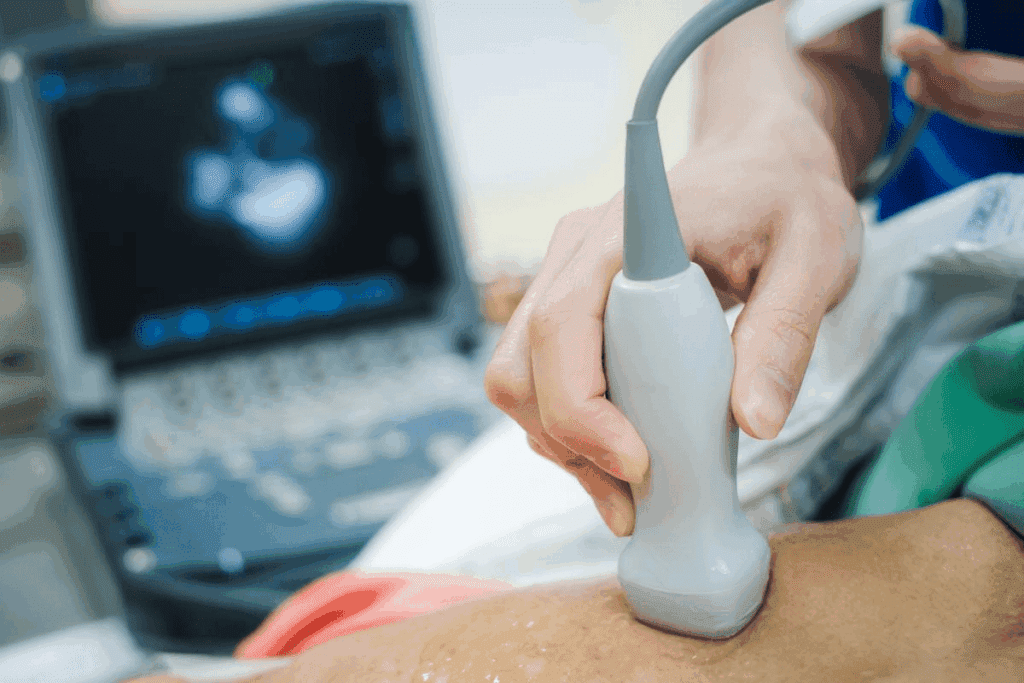
At your 9-week appointment, you’ll get a detailed check-up. Your healthcare provider will check your blood pressure, weight, and perform a physical exam. They might also do an ultrasound to see your baby’s heartbeat and growth.
It’s a good idea to come prepared with any questions or concerns you may have. Your healthcare provider is there to support you throughout your pregnancy journey.
Questions to Ask Your Healthcare Provider
To make the most of your 9-week check-up, consider asking your healthcare provider the following questions:
- What are the key indicators of a healthy pregnancy at this stage?
- Are there any specific dietary recommendations or restrictions I should be aware of?
- How can I manage common pregnancy symptoms like morning sickness and fatigue?
- What are the signs of possible complications that I should watch out for?
Being informed and prepared can significantly enhance your pregnancy experience. Your healthcare provider is a valuable resource for guidance and support.
Attending your prenatal appointments and being proactive about your health is key. By understanding what to expect and asking the right questions, you can ensure a healthy and positive pregnancy journey.
Preparing for the Coming Weeks
Getting ready for the next few weeks can really help your pregnancy. Your body will change more, and being ready is important. It helps you feel more confident on this journey.
Planning Ahead for the First Trimester
As you move forward, planning for the first trimester is key. You’ll face physical and emotional changes. Creating a birth plan, understanding prenatal care, and knowing what to expect can make you feel more in control.
Start thinking about your diet and nutrition too. Eating right is important for your health and your baby’s growth. Talking to your healthcare provider about your diet and supplements can give you personalized advice.
When You Might Start Showing
Seeing your belly grow is an exciting part of pregnancy. When you’ll notice a bump varies a lot. Usually, it’s between 12 to 16 weeks, but it depends on your body and if you’ve had babies before.
Medical Expert, “The time you show can change based on your muscle tone, how many times you’ve been pregnant, and your body type.” Knowing this can help you guess when you’ll start showing.
“Every pregnancy is unique, and the rate at which you show can depend on various factors, including your body type and previous pregnancy experiences.”
Medical Expert, Obstetrician
Being ready for pregnancy changes can really improve your experience. By planning and knowing what’s coming, you can face your pregnancy journey with confidence and joy.
Partner’s Guide to Week 9
At nine weeks pregnant, partners are key in supporting the expecting mother. This time is full of changes for both the mother and her partner. It’s a period of big physical and emotional shifts.
Supporting the Mother-to-Be
At nine weeks, the mother may feel sick in the morning, tired, and her breasts may hurt. Partners can help a lot by being understanding and helpful. Cooking meals, being there emotionally, and going to prenatal visits can really help.
Being there emotionally is very important. Partners can listen, validate her feelings, and tell her she’s not alone. This support is vital during this time.
Getting Involved in the Pregnancy Journey
Getting involved in the pregnancy can bring partners and the unborn baby closer. Partners can go to prenatal visits, learn about pregnancy and parenting, and help set up the nursery.
Here are some ways partners can get involved:
- Attend prenatal appointments together
- Read books or articles about pregnancy and parenting
- Help with household chores and errands
- Prepare healthy meals and snacks
- Participate in planning and preparing the nursery
By being supportive and involved, partners can greatly improve the pregnancy experience for the mother-to-be.
Ways to Support | Benefits |
Preparing Meals | Helps manage morning sickness and ensures nutritional intake |
Emotional Support | Reduces stress and makes the mother-to-be feel understood |
Attending Prenatal Appointments | Provides an opportunity to ask questions and stay informed |
Conclusion: Embracing Your 9-Week Milestone
Reaching the 9-week milestone is a big deal in your pregnancy journey. You’re getting closer to meeting your baby. At this point, your baby’s major organs are growing, and their face is starting to look like a baby’s.
As you keep going, you’ll face many symptoms, like morning sickness and tiredness. We’ve talked about the important developments and symptoms you might see. This helps you know what to expect.
It’s key to eat well and get all the nutrients you need. Also, stay updated on your pregnancy. Your healthcare provider will keep an eye on you and answer any questions you have.
You’re ready to face the next weeks, and we’re here to help you. Celebrating your 9-week milestone is a big step in your pregnancy journey. We’re excited to help you through the rest of this amazing time.
FAQ
What are the common symptoms at 9 weeks pregnant?
At 9 weeks, women often feel morning sickness, tiredness, sore breasts, and mood swings. These are due to hormonal changes.
How big is the fetus at 9 weeks?
The fetus is about 22mm long and weighs 0.2 ounces. It’s the size of a cherry or strawberry.
What developments occur in the fetus at 9 weeks?
At 9 weeks, the fetus’s face, major organs, and limbs grow. Muscles start to form, allowing the fetus to move.
Is it normal to experience cramps at 9 weeks pregnant?
Mild cramps are normal due to implantation or the uterus growing. But, severe cramps or heavy bleeding need doctor’s help.
What should I eat during the 9th week of pregnancy?
Eat a balanced diet with folic acid, iron, calcium, and protein. Avoid foods high in sugar, salt, and unhealthy fats.
When should I expect to start showing during pregnancy?
Showing varies; some see the bump at 9 weeks, others later. It depends on body type and past pregnancies.
How can partners support the mother-to-be during this period?
Partners can offer emotional support, help with chores, go to prenatal visits, and help make pregnancy decisions.
What happens during a 9-week prenatal appointment?
At 9 weeks, your doctor will check your health and the fetus’s growth. They’ll also answer any questions or concerns.
How much weight gain is expected at 9 weeks pregnant?
Average weight gain by 9 weeks is 1-2 kg (2-4 lbs). Weight gain will increase throughout the pregnancy.
Can I manage morning sickness and nausea at 9 weeks?
Yes, manage morning sickness by eating small meals, avoiding trigger foods, staying hydrated, and using vitamin B6 or ginger.
What are the signs that I should seek medical attention at 9 weeks pregnant?
Seek medical help for severe cramps, heavy bleeding, or severe vomiting. These could be signs of a complication.
References
No suitable referNational Center for Biotechnology Information. 8-Week Ultrasound: Visualizing Early Pregnancy and Fetal Viability. Retrieved from https://www.ncbi.nlm.nih.gov/pmc/articles/PMC7065984/