Osteoporosis is a big problem worldwide, causing many fractures and affecting people’s lives. A startling fact is that one in two women and one in four men over the age of 50 will experience an osteoporosis-related fracture in their lifetime.
Keeping bone density up is key in fighting osteoporosis. Doing weight-bearing exercises is a good way to increase bone density. This can help stop osteoporosis from getting worse.
Key Takeaways
- Osteoporosis significantly increases fracture risk.
- Maintaining bone density is key to managing osteoporosis.
- Weight-bearing exercises can help increase bone density.
- Early intervention can potentially stop osteoporosis progression.
- A proactive approach includes lifestyle changes and exercise.
Understanding Osteoporosis and Bone Health
Osteoporosis weakens bones, making them more likely to break. It’s important to know how it affects bone health and what causes it to get worse.
What happens to bones in osteoporosis
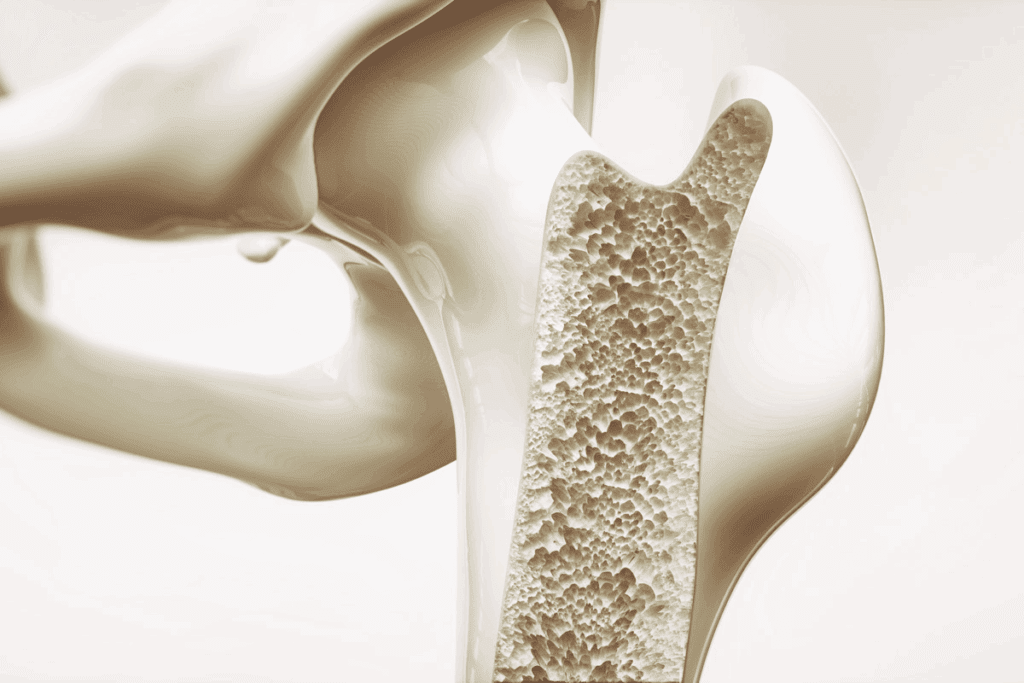
Bones change in osteoporosis because of an imbalance in bone remodeling. Normally, bones are rebuilt all the time. But in osteoporosis, bones are broken down faster than they’re made, leading to a loss of bone mass and density.
This makes bones thinner and more likely to break. The hips, spine, and wrists are often affected.
The progression of bone loss
Bone loss happens slowly and can be affected by many things. Age, genetics, and lifestyle play a big role. As we get older, bone loss speeds up, even more in women after menopause because of lower estrogen levels.
Being inactive can make bone loss worse. But, doing exercises that make bones stronger can help slow it down.
Risk factors for accelerated bone loss
Several things can make bone loss happen faster, including:
- Genetic predisposition: If your family has osteoporosis, you might get it too.
- Hormonal changes: Lower estrogen or testosterone can make bones lose strength faster.
- Lifestyle factors: Smoking, drinking too much alcohol, and not moving enough can harm bones.
- Nutritional deficiencies: Not getting enough calcium and vitamin D can hurt bone health.
Knowing these risk factors helps us find ways to stop or slow bone loss. By tackling these issues, we can keep our bones strong and lower the chance of osteoporosis.
How Osteoporosis Progresses Without Intervention
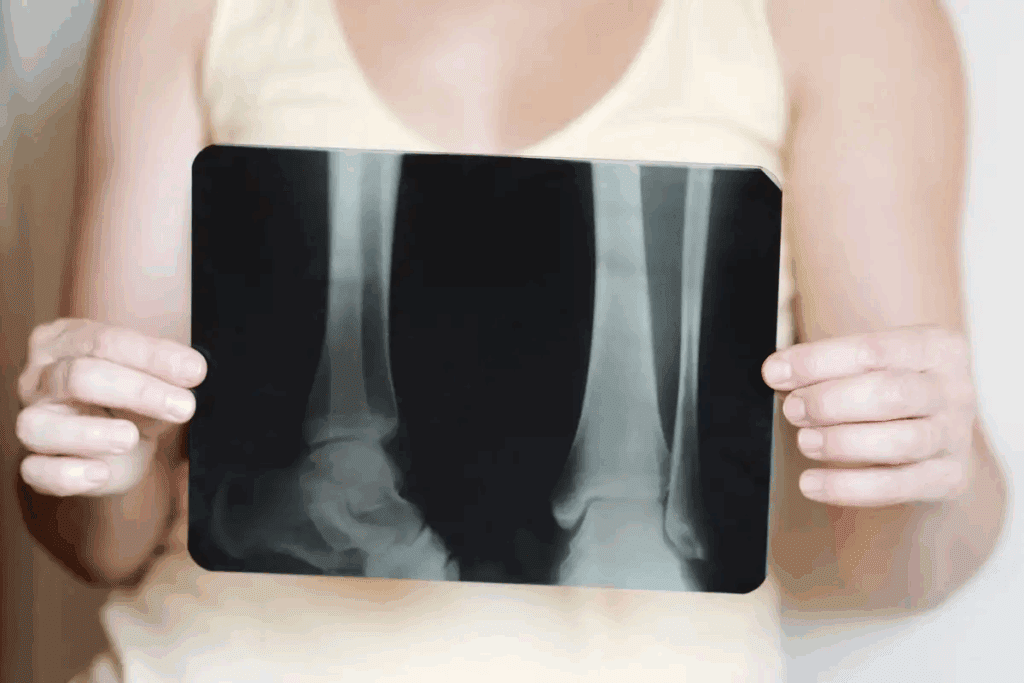
Osteoporosis can quietly worsen without treatment, causing a big drop in bone health over time. This decline is due to many factors, like aging.
Natural Bone Loss with Aging
As we get older, our bones go through a natural cycle. Old bone is replaced by new one. But, with age, the old bone is often replaced faster than the new one. This leads to a loss of bone density.
This natural bone loss is a big risk for osteoporosis. Aging also changes our body in ways that hurt our bones. For example, hormone levels drop, which is bad for bone health.
The Tipping Point from Osteopenia to Osteoporosis
Osteopenia means bones are denser than osteoporosis but not as dense as they should be. Without action, osteopenia can turn into osteoporosis. The tipping point is when the risk of breaking bones goes up a lot.
Things like family history, diet, and some health issues can speed up this change. They can turn osteopenia into osteoporosis.
Complications of Advanced Osteoporosis
Advanced osteoporosis can cause serious problems, like a higher chance of breaking bones. These breaks can make life hard, causing pain, disability, and even death. The complications of advanced osteoporosis also include mental health issues like anxiety and depression.
The cost of osteoporosis is huge, affecting health care, work, and long-term care. Knowing how osteoporosis gets worse and its effects shows why we need to act early.
Can Osteoporosis Be Reversed or Just Managed?
Osteoporosis research focuses on bone regeneration and treatment effectiveness. Understanding the latest in bone health is key to reversing or managing osteoporosis.
What research tells us about bone regeneration
Bone regeneration is complex, involving many cellular processes. Studies show that with the right treatment, bone growth and density can improve.
Bone regeneration techniques include medications like bisphosphonates and teriparatide. These treatments have been proven to significantly improve bone density in osteoporosis patients.
| Treatment | Effect on Bone Density | Clinical Evidence |
| Bisphosphonates | Increases bone density | Numerous clinical trials |
| Teriparatide | Stimulates bone growth | Significant clinical evidence |
| Denosumab | Reduces bone resorption | Multiple studies |
Realistic expectations for treatment outcomes
Treatment can greatly improve bone health, but realistic expectations are important. Outcomes depend on osteoporosis severity, patient compliance, and other health conditions.
Success stories and clinical evidence
Many success stories and clinical evidence support osteoporosis management. This includes lifestyle changes, nutrition, and medication.
- Lifestyle changes, like weight-bearing exercises and quitting smoking, greatly impact bone health.
- Nutritional interventions, including enough calcium and vitamin D, are vital for bone density.
- Medications, as mentioned earlier, can stimulate bone growth or reduce bone loss.
By using these methods together, many people with osteoporosis can see big improvements in their bone health and lower fracture risk.
The Role of Weight Bearing Exercises in Fighting Osteoporosis
Weight bearing exercises are key in fighting osteoporosis. They help strengthen bones and boost bone density. These exercises involve activities that make you carry your own weight.
How mechanical stress builds bone density
Mechanical stress from weight bearing exercises makes bones grow stronger. This stress activates cells called osteoblasts, which build bone. As a result, bones become more resistant to fractures.
Regular weight bearing exercises greatly improve bone health. Bones adapt to the stress by becoming denser and stronger. Walking, running, and dancing are great examples of such exercises.
Types of weight bearing exercises
There are many weight bearing exercises good for osteoporosis or risk. These include:
- Walking and hiking
- Running and jogging
- Dancing
- Stair climbing
- Resistance training with weights or bands
These activities can be adjusted for different fitness levels and health conditions. This makes them available to many people.
Creating an effective exercise routine
To get the most from weight bearing exercises, you need a good routine. This means:
- Talking to a healthcare provider to find the right exercises for you.
- Starting slow and gradually getting more intense and longer.
- Doing a mix of exercises to work on different body parts.
- Learning the right technique to avoid injuries.
By sticking to these steps and keeping up with your routine, you can greatly boost your bone health. This helps lower the risk of osteoporosis getting worse.
Best Weight Bearing Exercises for Different Stages of Bone Loss
Choosing the right weight-bearing exercises is key when bone loss is a concern. As bone density drops, the exercises must change to stay safe and effective.
Exercises for Early-Stage Osteopenia
In the early stages of osteopenia, focus on exercises that help bones grow and get denser. High-impact activities like running, jumping, and aerobics are good. But, always talk to a doctor before starting any new workout.
- Brisk walking
- Jogging or running
- Jumping rope
- High-impact aerobics
Safe Exercises for Diagnosed Osteoporosis
For those with osteoporosis, the goal is to improve balance, strength, and flexibility without risking fractures. Low-impact activities like walking, swimming, and tai chi are best.
- Walking on a treadmill or outdoors
- Swimming or water aerobics
- Tai chi or balance exercises
- Resistance band exercises
Modifications for Those with Previous Fractures
For those with fractures, it’s important to adjust exercises to avoid more injuries. Resistance training with light weights and lots of reps can help strengthen bones without too much strain.
| Exercise | Modification |
| Deadlifts | Use lighter weights and focus on proper form |
| Squats | Avoid deep squats; use a chair for support if needed |
By matching exercises to the person’s bone loss stage, we can get the most benefits while keeping risks low.
Strength Training: Building Muscle to Protect Bones
Strength training is key in fighting osteoporosis. It helps build muscle, which protects bones and lowers fracture risk.
The Muscle-Bone Connection
The bond between muscle and bone is complex. Strong muscles support bones better, possibly lowering osteoporosis risk. Resistance exercises boost bone growth by fixing tiny fractures.
This connection shows why strength training is good for bones. As we get older, muscle and bone density drop. So, strength training is vital for healthy aging.
Recommended Strength Training Protocols
For bone protection through strength training, follow these steps:
- Do strength training two times a week.
- Choose exercises that work multiple muscle groups at once.
- Use progressive overload by adding more weight or resistance.
- Make sure to use the right form and technique to avoid injuries.
Equipment Options for Home and Gym
Strength training can be done with or without equipment. At home, use dumbbells, resistance bands, and bodyweight exercises. Gyms offer machines and free weights.
When picking equipment, think about your fitness level, space, and what you like. Getting advice from a fitness expert can help make a personalized strength training plan.
Low-Impact Options: Walking, Swimming, and Other Alternatives
Managing osteoporosis can be helped by low-impact exercises. These exercises keep bones strong without too much strain.
Is Walking Considered a Weight Bearing Exercise?
Yes, walking is a weight-bearing exercise. It helps keep bones strong, mainly in the hips and legs.
Walking also boosts balance and lowers fall risks. A brisk 30-minute walk daily is a simple way to support bone health.
“Walking is a great way to improve bone density and overall health. It’s accessible, easy to incorporate into daily routines, and requires no special equipment.”
Benefits and Limitations of Swimming
Swimming is a low-impact exercise that’s great for those who can’t do high-impact activities. It’s perfect for people with osteoporosis or mobility issues.
But, swimming isn’t a weight-bearing exercise. So, it might not build bone density as much as walking or running. Yet, it’s good for fitness and can be part of a balanced routine.
| Exercise | Impact Level | Benefits for Bone Health |
| Walking | Low/Moderate | Improves bone density, balance, and overall fitness |
| Swimming | Low | Enhances overall fitness, cardiovascular health, and muscle strength without stressing bones |
| Yoga | Low | Improves flexibility, balance, and strength; can be modified to suit individual needs |
| Pilates | Low | Enhances core strength, flexibility, and body control, which can help improve posture and reduce fall risk |
Comparing Yoga and Pilates for Bone Health
Yoga and Pilates are low-impact exercises good for osteoporosis. They boost flexibility, strength, and balance, which helps prevent falls and fractures.
Yoga has poses that can strengthen bones, but some need to be modified. Pilates focuses on core strength and body control, improving physical stability.
It’s essential to consult with a healthcare provider or a qualified instructor to tailor a yoga or Pilates routine that suits your specific needs and abilities.
Nutrition Fundamentals for Stronger Bones
Eating right is key to keeping bones strong and preventing osteoporosis. A diet full of important nutrients helps keep bones dense. This reduces the chance of fractures and other bone loss problems.
Calcium: How much do you really need?
Calcium is vital for bones, and getting enough is important. Most adults need 1,000 to 1,200 mg of calcium daily. Dairy, leafy greens, and fortified foods are great sources.
It’s also important to know how calcium absorption works. Vitamin D helps a lot with this. So, vitamin D is just as key for bone health.
Vitamin D and its role in calcium absorption
Vitamin D helps bones stay strong by helping the body use calcium. Without enough vitamin D, bones get weaker. You can get vitamin D from sunlight, fatty fish, and fortified dairy.
Many people don’t get enough vitamin D, which is common in winter or with less sun. Taking supplements might be needed to keep vitamin D levels up, for those at risk of osteoporosis.
Other essential nutrients for bone health
Other nutrients are also important for bones. Magnesium, vitamin K, and potassium help with bone density. Eating a variety of whole foods can give you these nutrients.
Learning about nutrition is also important. Studies show better eating habits can improve health. Eating a diet rich in nutrients helps keep bones strong.
The Dairy Debate: Does Milk Help or Harm Bone Health?
Dairy has been seen as key for strong bones for a long time. But, new studies have made us question its real effect. It’s important to look at the science behind milk and bones.
Scientific Evidence on Dairy Consumption and Bone Density
Studies on dairy and bones have given us mixed answers. Some say dairy, with its calcium and vitamin D, helps bones. But others say it’s not that simple. A meta-analysis in a top nutrition journal found dairy might help some people’s bones, but not everyone.
Different dairy products have different nutrients. For example, fermented dairy like yogurt has probiotics. These might help your body absorb calcium better, which is good for bones.
Plant-Based Calcium Alternatives
People who can’t drink milk or prefer plants over dairy have options. Leafy greens like kale and broccoli and fortified plant milks are full of calcium. Studies show a vegan diet can give you enough calcium for strong bones, making dairy not the only choice.
- Fortified plant milks
- Leafy greens (kale, broccoli)
- Tofu and other soy products
- Almonds and sesame seeds
Balancing Acid-Forming and Alkaline Foods
How your body balances acid and base affects your bones. Eating too many animal proteins and processed foods can make your body lose calcium. This can weaken bones. But, eating more vegetables and fruits can keep your body balanced and support your bones.
Eating a variety of whole foods can help. It’s good for your bones and your overall health.
Supplements for Osteoporosis: What Works and What Doesn’t
Osteoporosis affects millions worldwide, making supplements a key part of managing it. They offer extra support beyond diet and exercise.
Calcium and Vitamin D Supplementation Guidelines
Calcium and vitamin D are essential for bone health. Calcium helps keep bones strong, and vitamin D helps the body absorb calcium. Adults need 1,000 to 1,200 mg of calcium daily. Vitamin D doses range from 600 to 800 IU, more for those who don’t get enough sun.
It’s important to follow guidelines for calcium and vitamin D supplements. Too much can cause problems like kidney stones for calcium and toxicity for vitamin D.
Evidence for Other Bone-Supporting Supplements
Other supplements may also help bone health. Magnesium and potassium are minerals that help bones. Research shows they can improve bone health when taken in the right amounts.
- Magnesium: Helps form bone matrix and affects bone metabolism.
- Vitamin K: Needed for proteins that help bones mineralize.
- Omega-3 fatty acids: May help bones by reducing inflammation.
Potential Interactions and Safety Concerns
Supplements can be beneficial but knowing about interactions and safety is key. Calcium can affect some medications, and too much vitamin D can cause hypercalcemia. Always talk to a healthcare provider before starting supplements.
Understanding supplements’ role in osteoporosis management helps make informed choices. A balanced approach with diet, exercise, and supplements can reduce osteoporosis risks.
Lifestyle Factors That Accelerate Bone Loss
Our lifestyle choices can either help or harm our bones. Some habits are bad for our bone health. These choices affect how dense our bones are and our risk of osteoporosis.
The Impact of Alcohol on Bone Health
Drinking too much alcohol can hurt our bones. Too much alcohol can mess with calcium levels and bone growth. This increases the chance of getting osteoporosis.
- Drinking up to one drink a day for women and two for men is okay.
- Drinking more than that can harm your bones.
- Alcohol can also make it harder for your body to absorb calcium, which is key for strong bones.
Smoking and Bone Density
Smoking also affects bone density. Smoking weakens bones by cutting down on blood flow and calcium absorption. This makes bones weaker.
- Smoking speeds up bone loss, mostly in women after menopause.
- It also makes it harder for the body to fix bone damage.
- Stopping smoking can lessen some of the harm to bones.
Stress, Sleep, and Bone Metabolism
Stress and not enough sleep can also harm bone health. Too much stress can raise cortisol levels. This hormone can stop bones from growing.
- Good sleep is key for health, including bone health.
- Bad sleep can mess up bone repair.
- Doing things that reduce stress, like meditation or yoga, can help bones.
Knowing how lifestyle choices affect bones can help us make better choices. This can support our bone health and lower the risk of osteoporosis.
Creating Your Bone Health Plan
Creating a bone health plan is vital for strong bones and preventing loss. This plan includes healthcare and lifestyle changes.
Working with Healthcare Providers
Working with healthcare providers is key to a good bone health plan. They give advice based on your health history and needs.
Talking openly with your doctor about osteoporosis is important. Discuss treatment options and any concerns. Regular check-ups help manage bone health.
Monitoring Progress through Bone Density Tests
Bone density tests are vital for tracking osteoporosis and treatment success. They measure bone mineral density, helping doctors assess your bone health.
Understanding your bone density test results is important. It helps you and your doctor adjust your plan as needed. This way, you can track changes and make necessary treatment changes.
Adjusting Strategies Based on Results
Regular bone density tests may lead to plan adjustments. This could mean changing your exercise, diet, or medication.
Being flexible and adaptable is important in managing osteoporosis. Working closely with your doctor and staying informed helps optimize your bone health plan.
Conclusion: Living Well with Osteoporosis
Living with osteoporosis means taking a full approach to keep bones strong. Knowing about the condition helps people manage their bone density better.
Weight bearing exercises are key in this fight. They help build and keep bones strong. Adding a diet full of calcium and vitamin D makes bones even healthier.
It’s vital to work with doctors to make a plan that fits you. Regular bone density tests help track progress. This way, you can adjust your plan as needed.
By doing weight bearing exercises and living a balanced life, you can manage osteoporosis well. This ensures a better quality of life, even with the condition.
FAQ
Does milk actually make your bones stronger?
Studies on dairy and bones show mixed results. Milk is full of calcium, but it’s not the only thing that keeps bones strong. Eating a variety of foods, including plant-based ones, is key.
Can you increase bone density with exercise?
Yes, exercises like walking, running, and strength training boost bone density. They help bones grow and slow down loss.
What are the best exercises for osteoporosis?
Exercises that make your bones work harder, like walking and strength training, are great. Yoga and Pilates are good too, but make sure they don’t hurt your bones.
How much calcium is needed for osteoporosis?
Adults need 1,000-1,200 mg of calcium daily, depending on age. Always talk to a doctor about how much you need.
Can osteoporosis be reversed or just managed?
Osteoporosis can’t be fully reversed, but it can be managed. Lifestyle changes, like exercise and diet, along with medicine, help.
What is the best way to improve bone density?
To boost bone density, do weight-bearing exercises, strength training, and eat well. Make sure you get enough calcium and vitamin D.
Does lifting weights increase bone density?
Yes, lifting weights makes bones stronger by growing them and building muscle.
Is walking considered a weight-bearing exercise?
Yes, walking is a weight-bearing exercise. It’s good for your hips and legs.
Can calcium supplements help osteoporosis?
Calcium supplements can help with osteoporosis. But, always check with a doctor first to avoid any problems.
How can osteoporosis be prevented?
Preventing osteoporosis means living a healthy life. This includes exercising, eating right, and getting enough calcium and vitamin D. Avoiding smoking and too much alcohol is also important.
What are the best foods for bone health?
Eating foods rich in calcium, vitamin D, and other nutrients is good for bones. Include dairy, leafy greens, and fortified plant-based milk in your diet.
Does exercise increase bone density?
Yes, exercise, like weight-bearing and resistance training, can make bones stronger and slow bone loss.
Is rowing good for osteoporosis?
Rowing is good for osteoporosis because it’s low-impact. It’s great for your heart and muscles. But, always check with a doctor first.
Can you increase bone mass?
Yes, you can increase bone mass with the right diet, exercise, and enough calcium and vitamin D.
References
- Impact of Resistance Exercise on Bone Health: Hong, A. R., & Kim, S. W. (2018). Effects of resistance exercise on bone health. Endocrinology and Metabolism, 33(4), 435–444. https://pmc.ncbi.nlm.nih.gov/articles/PMC6279907/